This site is supported by our readers. We may earn a commission, at no cost to you, if you purchase through links. This content is for general informational and educational purposes only and is not a substitute for professional medical, dermatological, or nutritional advice.

Your 3pm meeting runs long, lunch never happened, and by 4:30 you’re eyeing the vending machine like it owes you money. That energy crash isn’t willpower failing you. It’s blood sugar and missed protein catching up fast.
Most professionals know they need more protein. Few have time to plan meals around it. That’s where a good shaker bottle and the right protein powders for busy professionals earn their keep, turning a 90-second mix-and-go into steady focus for the rest of your day.
Ahead, you’ll find five options worth stocking in your desk drawer, plus how to pick the one that actually fits your schedule.
Table Of Contents
- Key Takeaways
- Why Busy Professionals Benefit From Protein
- How Much Protein Do You Need?
- Compare Whey, Plant, and Casein
- Top 5 Protein Powders for Busy Professionals
- Match Protein Powder to Your Needs
- Check Protein Labels Before Buying
- Evaluate Taste, Mixability, and Value
- Fit Protein Into Busy Workdays
- Choose Your Best Protein Powder
- Frequently Asked Questions (FAQs)
- What protein powder do professional athletes use?
- Why do dietitians say no to protein powder?
- What protein powder do most people use?
- Is protein powder good for people who don’t work out?
- Can protein powder replace a full meal?
- How should protein powder be stored safely?
- Do protein powders expire after opening?
- Can protein powder interact with medications?
- Are there side effects from daily use?
- Conclusion
Key Takeaways
- Spacing out 20 to 30 grams of protein every 3 to 4 hours keeps your energy and focus steady instead of crashing by mid-afternoon.
- Whey works best for fast recovery right after a workout, plant-based blends suit dairy-free diets, and casein’s slow digestion makes it great for overnight fullness or long meeting stretches.
- Before buying, check the label for protein per serving, added sugars, artificial sweeteners, and third-party testing to make sure you’re getting real value, not just marketing hype.
- Keeping single-serve packets or a shaker bottle within reach makes it easy to fit protein into rushed mornings, desk-bound afternoons, or travel days without derailing your routine.
Why Busy Professionals Benefit From Protein

When your schedule is packed, protein can do more than just support your workouts. It can make long workdays feel easier to handle by helping with the basics that keep you going. Here’s a quick look at why it matters so much in a busy, work-first routine.
Pairing meals with the right protein powders for seniors can make it easier to hit your daily needs without adding extra prep time to an already packed day.
Steadier Energy During Long Workdays
When meetings stack up, protein keeps your day from wobbling.
When meetings pile up, steady protein intake keeps your whole day from tipping off balance
- Steady energy
- Steady blood sugar
- Reduced cravings
- Energy stability
- Balanced nutrition
Fast-absorbing protein paired with oats and almonds helps blood sugar stability for hours. That means sustained focus, better workplace wellness, and real singleserve convenience when lunch gets pushed back, even during long afternoons at your desk or commuting daily.
Focus and Mood Support
Steady energy helps your brain, too. Protein for focus works partly through amino acids that support neurotransmitter production, including tyrosine and tryptophan, which can sharpen mental clarity and steadier mood. A well-timed scoop midmorning, or 30 minutes before a big presentation, may improve concentration, support Blood Sugar Balance, and ease stress through theanine, magnesium, and ashwagandha during packed work stretches.
Muscle Preservation During Sedentary Hours
[ORIGINAL TEXT]
Sharp focus helps, but long desk days still nudge muscle in reverse.
- Protein Timing Strategy helps muscle preservation during sedentary hours.
- Morning shakes improve amino acid maintenance for busy professionals.
- Midday desk-friendly recovery helps muscle maintenance between calls.
- Casein offers slow-digesting benefits for longer sitting blocks.
- Whey protein powder strengthens sedentary muscle protection after training and workdays at the office.
[/ORIGINAL TEXT]
Fewer Cravings Between Meals
Long desk hours can stir up snack urges, so protein timing strategies matter. For busy professionals, a protein powder shake with fiber-enhanced satiety, low-GI protein blends, and hydration with protein helps smooth appetite.
Portion control methods make protein supplementation easier, support workplace wellness, and cut craving at night, so you’re less likely to chase cookies after dinner during late emails.
Faster Post-workout Recovery
Because your day doesn’t pause after training, fastdigesting protein helps muscle recovery start quickly. Good Muscle repair timing matters: whey with BCAAs and EAAs, plus a Leucine working together, helps stronger postworkout recovery.
Pair it with carbs for Glycogen restoration speed, a Creatine glycogen boost, and Electrolyte fatigue reduction. That’s where singleserve convenience really earns its keep on busy weekdays.
How Much Protein Do You Need?
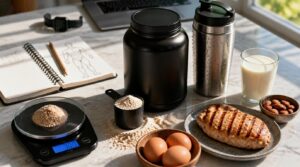
Protein needs aren’t one-size-fits-all, especially when your schedule is packed. A few simple factors can help you figure out what makes sense for your body, routine, and activity level. Here’s how to estimate your intake and see when a protein powder might make your day easier.
Daily Protein Intake Guidelines
Protein is your workday backup plan.
- Aim for consistent daily targets
- Spread daily protein intake across meals
- Increase intake for activity-based adjustments
- Use powders when food is impractical
- Pick 20+ grams protein per serving
Think snack, shake, or meal replacement shake. Singleserve convenience helps timeefficient fitness and helps you avoid missed meals, energy dips, and late cravings on busy days. To determine your personal needs, refer to guidelines on calculating protein needs.
Calculate Needs by Bodyweight
Since needs depend on size, start with bodyweight protein calculation. Divide pounds by 2.2 for metric conversion, then multiply kilograms by daily protein intake target each day.
At 150 lb, you weigh 68.2 kg, and protein math at 1.2 g/kg is 82 g.
Split meals, match powder intake adjustment to protein per serving for essential amino acids and muscle recovery.
Adjust for Activity Levels
Think of protein like a workday fuel budget: activity-based needs rise with training, flights, and heat.
Use workout timing adjustments after sessions, travel protein strategies on long trips, and hydration and protein pairing with water.
For recovery meal planning, keep Protein powder handy: Whey Protein like Optimum Nutrition Whey or Dymatize ISO100, or PlantBased Protein Powders as backups.
Spread Protein Across Meals
Want steadier energy? Spread protein across meals, not one giant dinner. Busy professionals do best with even protein spacing and 20 to 30 grams protein per serving every 3 to 4 hours.
- Protein timing strategies
- Meal frequency benefits
- Balanced protein distribution
- Snack-based protein intake
- Nutritional convenience from meal replacement shakes
That keeps focus steadier, cravings lower, and workday energy reliable.
When Supplementation Makes Sense
When your schedule outruns your meals, protein powder can close the gap. For busy professionals, it helps after workouts, aids morning protein on rushed days, and adds evening satiety when dinner runs late.
It also offers digestive ease, travel-friendly options, and nutritional convenience through meal replacement shakes and smart protein timing strategies around post-workout recovery windows during packed travel weeks.
Compare Whey, Plant, and Casein
Not every protein powder works the same, and the best choice depends on your routine, goals, and digestion.
Some options fit a fast post-workout shake, while others make more sense for long gaps between meals.
Here’s how whey, plant, and casein compare before you pick the one that fits your day best.
Whey for Rapid Recovery

When you need results fast, whey wins. Its rapid absorption delivers amino acids right when muscles need them, hitting your Leucine Trigger Threshold to kickstart repair.
- Whey protein isolate digests quickly
- Fits the Post-Workout Timing Window
- Hydrolyzed Whey Absorption speeds things up
- Third-party tested protein ensures quality
- Shelf-Stable Convenience for busy days
Pair it with carbs for smarter Carb-Protein Recovery Blends.
Plant Protein for Dairy-free Diets
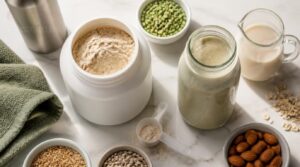
If whey leaves your stomach grumbling, plant-based protein sources can keep recovery simple. A good vegan protein powder blends pea and rice for a complete amino acid profile, while staying gentle for lactose intolerance. Many dairy-free nutrition options also add fiber, use sunflower lecithin for smoother shakes, and come as clean label protein with fewer sweeteners, fillers, and digestive surprises.
Casein for Lasting Fullness

After plant options, Casein Protein stands out when fullness matters. This slowrelease protein delivers 25 grams protein per serving, helps with overnight muscle support, and helps with blood sugar stability during stretches.
Its Casein digestion timeline can last 6 to 8 hours. Satiety hormone effects and Calcium binding benefits add power, while Food pairing strategies make it an officefriendly protein.
Digestion and Absorption Differences

That slow, steady casein effect makes the contrast easy to see.
- Whey is a fastabsorbing protein, peaking in 30 to 60 minutes.
- Plant blends digest slower, often 2 to 4 hours, with fiber and phytates affecting digestive comfort.
- Casein is a slowrelease protein for 6 to 8 hours.
- Mixability and digestive enzymes shape amino acid timing.
That speed changes fullness, recovery, and how steady your energy feels.
Best Type by Schedule

When time runs the show, match protein to the clock.
Morning Whey Boost fits rushed breakfasts, Pre-Workout Whey works before the gym, and a Midday Casein Shake helps bridge long meetings.
Travel Plant Protein is smart for trips, thanks to quick mixability, travel-friendly tubs, single-serve packets, digestive enzymes for comfort, and office blender compatibility.
Evening Casein Recovery finishes the day.
Top 5 Protein Powders for Busy Professionals
Not every protein powder fits a packed schedule, so it helps to know which ones are actually easy to use and worth keeping on hand.
The best picks balance solid protein content with good taste, smooth mixing, and options that work with different diets.
Here are five protein powders that can make your workday routine a whole lot easier.
1. Optimum Nutrition Gold Standard Whey Protein
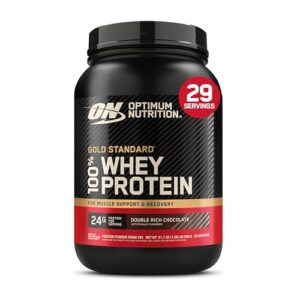
Need a protein powder that works as hard as you do? Optimum Nutrition Whey is a reliable pick for busy professionals because it gives 24 grams of protein per scoop, plus 5.5 grams of BCAAs for recovery support.
It mixes smoothly in water, milk, or smoothies, so you can use it after workouts or as a quick snack. With low sugar and carbs, it fits lean goals well.
Just remember, it contains lactose and some flavors taste artificial.
| Best For | Busy professionals, athletes, and gym-goers who want a convenient, high-protein powder to support muscle recovery, lean muscle goals, and daily protein intake. |
|---|---|
| Protein Type | Whey isolate/concentrate |
| Protein Per Serving | 24g |
| Sugar Per Serving | ~1g |
| Mixability | Mixes easily, minimal clumping |
| Gluten Free | Not specified |
| Serving Size | 1 scoop (~30.4g) |
| Additional Features |
|
- Delivers 24 g of protein per scoop, plus 5.5 g of naturally occurring BCAAs and 11 g of EAAs for muscle support and recovery.
- Mixes easily in water, milk, or smoothies with minimal clumping, making it convenient for post-workout use or quick snacks.
- Low in sugar, carbs, and fat, so it fits well into lean muscle-building or cutting phases.
- Contains lactose, which may not work well for people with lactose intolerance or sensitive digestion.
- Some flavors, including Double Rich Chocolate, may have an artificial aftertaste for some users.
- Costs more than basic whey concentrate or some store-brand protein powders.
2. Isopure Unflavored Whey Isolate Protein Powder
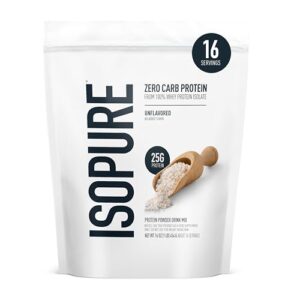
Because some powders try too hard to taste like dessert, Isopure Unflavored is a smart pick if you want clean protein without extras. Each scoop gives 25 grams of whey isolate, with zero carbs and no added sugar, colors, or sweeteners.
It works well in smoothies, oatmeal, soups, and even coffee if you mix it carefully with a cold liquid first. The trade-off is a mild milky taste, and hot drinks can clump if you rush the process a little.
| Best For | People who want a clean, unflavored whey isolate to boost protein intake without added sugar, carbs, sweeteners, or unnecessary ingredients. |
|---|---|
| Protein Type | Whey isolate |
| Protein Per Serving | 25g |
| Sugar Per Serving | 0g |
| Mixability | Mixes, may clump in hot liquids |
| Gluten Free | Yes |
| Serving Size | 1 scoop |
| Additional Features |
|
- Delivers 25 grams of 100% pure whey protein isolate per serving with zero carbs and no added sugar.
- Unflavored and versatile, so it blends easily into smoothies, oatmeal, soups, and baked goods without changing the taste much.
- Gluten free and keto friendly, making it a strong fit for low-carb and ingredient-conscious diets.
- Can clump in hot liquids like coffee unless you mix it first with a cold liquid or pre-blend it.
- Some users notice a slight milky taste, even though it is unflavored.
- Spilled powder can harden and leave a waxy residue, and the 1 lb bag may feel less convenient to scoop from than larger tubs.
3. Orgain Organic Vegan Protein Powder Vanilla
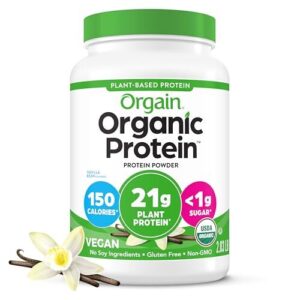
Want a plant-based option that still pulls its weight? Orgain Organic Vegan Protein Powder Vanilla gives you 21 grams of protein from pea, brown rice, mung bean, and chia, plus prebiotic fiber for extra staying power.
It fits well in smoothies, overnight oats, or a quick shaker bottle between meetings.
The vanilla bean flavor is convenient, though some people notice a chalky texture or stevia-heavy sweetness.
If dairy bothers your stomach, this is an easy, reliable backup for busy days.
| Best For | Vegans, vegetarians, and anyone avoiding dairy or soy who wants a convenient plant-based protein powder for smoothies, oats, or post-workout shakes. |
|---|---|
| Protein Type | Plant-based |
| Protein Per Serving | 21g |
| Sugar Per Serving | 1g |
| Mixability | Can be chalky |
| Gluten Free | Yes |
| Serving Size | 1 scoop (30g) |
| Additional Features |
|
- Delivers 21g of organic plant-based protein per serving from peas, brown rice, and chia seeds.
- Includes 6g of prebiotic fiber and just 1g of sugar per serving for added gut support and better staying power.
- Certified USDA Organic, vegan, gluten-free, kosher, non-GMO, and free of soy, dairy, lactose, carrageenan, and artificial additives.
- Some users report a chalky texture or aftertaste, especially if too much is used.
- The stevia sweetness can taste strong to some people, even without added sugar.
- It’s not meant to replace full meals, so it works best as a supplement to whole foods rather than a complete nutrition solution.
4. Optimum Nutrition Gold Standard Whey Vanilla
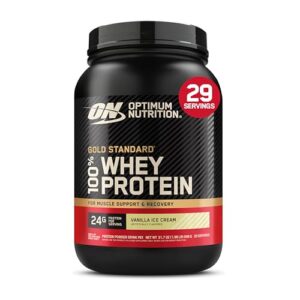
Fast, familiar, and reliable, this vanilla whey works well when your schedule leaves little room for fuss. Optimum Nutrition Whey Vanilla gives you 24 grams of protein per scoop, with 5.5 grams of BCAAs and 11 grams of EAAs to support recovery and lean muscle maintenance.
It mixes easily in water, milk, or smoothies, which helps on rushed mornings. The taste is generally creamy and easy to drink, though some people notice slight bitterness or clumping in cold water.
| Best For | People who want a dependable, easy-mixing vanilla whey for post-workout recovery, lean muscle support, and quick protein shakes throughout the day. |
|---|---|
| Protein Type | Whey isolate/concentrate |
| Protein Per Serving | 24g |
| Sugar Per Serving | ~1g |
| Mixability | May clump in cold water |
| Gluten Free | Not specified |
| Serving Size | 1 scoop (~30.4g) |
| Additional Features |
|
- Delivers 24g of whey protein per scoop, with 5.5g of BCAAs and 11g of EAAs to support recovery and muscle maintenance.
- Low in sugar, carbs, and fat, making it a solid fit for lean muscle building or cutting phases.
- Mixes easily in water, milk, or smoothies, so it works well for fast breakfasts or convenient post-workout shakes.
- Can clump when mixed with very cold water.
- Some people report a slightly bitter aftertaste.
- The Vanilla Ice Cream flavor may taste less appealing when not served chilled.
5. Premier Protein Whey Powder Vanilla
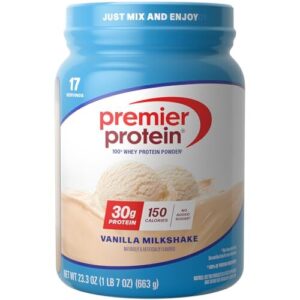
Top Protein Whey Powder Vanilla is the workhorse pick for packed schedules. Each scoop gives you 30 grams protein with just 150 calories and 1 gram sugar, so it pulls double duty for recovery and appetite control.
It’s gluten free, soy free, and easy to use in shakes, smoothies, or baked snacks. The vanilla flavor is smooth for most people, though a few find it sweet. If convenience matters, this one earns a solid spot in your daily rotation.
| Best For | Busy individuals who want a quick, gluten-free protein option to support muscle recovery and keep hunger in check throughout the day. |
|---|---|
| Protein Type | Whey |
| Protein Per Serving | 30g |
| Sugar Per Serving | 1g |
| Mixability | Mixes easily, some clumping |
| Gluten Free | Yes |
| Serving Size | 1 scoop |
| Additional Features |
|
- Packs 30g of protein into just 150 calories and 1g of sugar per serving
- Gluten-free and soy-free, fitting easily into common dietary needs
- Mixes well into shakes, smoothies, or baked goods for versatile use
- Can clump if not shaken thoroughly before drinking
- Some users find the vanilla flavor a bit too sweet
- Contains sucralose, an artificial sweetener some may want to avoid
Match Protein Powder to Your Needs

Not every protein powder fits every person, and that’s okay. Your goals, your gut, and your daily grind all play a part in what works best. Here’s how to match the right pick to your specific needs.
Lactose Sensitivity and Digestion
If bloating hits every time you drink a shake, your gut may be telling you something. Lactose intolerance symptoms like gas and cramping often trace back to whey. Try these fixes:
- Swap to lactose-free protein
- Choose isolate over concentrate
- Sip slower for better protein digestion timing
- Support gut microbiome balance with fiber
- Test digestive enzyme support if needed
Digestive ease matters more than macros.
Vegan and Plant-based Preferences
Going dairy-free doesn’t mean settling. A pea and rice protein mix covers pea’s 4.5g leucine with rice’s methionine strength, creating a near-complete amino profile. Quinoa protein isolate stands alone with all nine essentials.
Soy delivers full-spectrum aminos too, tryptophan included. Hemp brings omega goodness alongside protein.
Look for sugar-free protein or gluten-free vegetarian labels. Your vegan protein powder shouldn’t compromise on nutrition.
Weight Management and Satiety
Plant-based or whey, the best pick for weight management helps you curb cravings, not just hit grams.
- Protein timing effects matter, aim for 20 to 30 g early.
- Fiber-enhanced blends boost satiety hormone response.
- Casein has stronger fullness duration scores.
- A meal replacement shake adds thermogenic impact and fits a high protein diet for steadier afternoons and fewer pantry raids.
Muscle Gain and Recovery
Squeezing in a lunchtime lift changes the game, but only if recovery keeps pace. Whey Protein triggers muscle protein synthesis fast, ideal within your post-workout window.
| Goal | Timing | Pick |
|---|---|---|
| Recovery | 0-30 min | Whey |
| Fullness | Evening | Casein |
| Sustained | All day | Mix |
Optimum Nutrition Standard Whey delivers absorption speed office athletes need.
Low-carb Dietary Goals
Often, a lowcarb diet works best with ketofriendly protein that keeps carbs tight and protein high.
- Net carb tracking
- Fiber balance
- Ketone monitoring
- Meal timing
- Low-carb snacks
Choose powders with zero sugar and zero carbs, thirdparty tested protein, and easy office blender compatibility. That setup helps you stay in ketosis, dodge crashes, and keep dinner cravings from calling the shots.
Check Protein Labels Before Buying
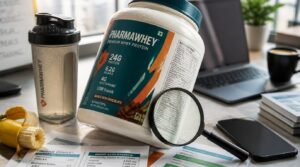
A protein powder can look great on the front and still miss the mark once you read the label. A quick check helps you spot what fits your goals, your schedule, and your diet. Here’s what to look at before you add one to your cart.
Protein Per Serving
One scoop can fool you. Check protein per serving, not just tub size.
Use grams per scoop analysis for serving size accuracy and label serving consistency.
A smart protein density comparison shows which powder gives more protein with less bulk, better for travel-friendly protein.
Favor quick mixability, digestive ease, and unflavored protein powder when your schedule is packed daily.
Added Sugars and Fillers
Because labels can play tricks, scan for added sugars first. Check serving size, then compare grams per scoop, since two scoops double sugar fast. Watch for ingredient aliases like dextrose, maltose, honey, or syrup.
Filler carbs such as maltodextrin, starches, gums, and inulin can pad texture and calories. Look for transparent labelling and no sugar added claims that hold up.
Artificial Flavors and Sweeteners
Skip the front-of-tub hype and read the ingredient line. Artificial sweeteners like sucralose or acesulfame potassium may sit beside flavor blends, so use Flavor Ingredient Labels for a Sweetener Type Comparison.
Check Sugar Alcohol Effects on digestion, consider Artificial Sweetener Safety, look for Natural Sweetener Alternatives like stevia, and favor clean label ingredients, transparent labelling, sugarfree protein, and no fillers.
Complete Amino Acid Profile
Your scoop should deliver amino acid completeness, not just protein grams. Look for a Complete Amino Acid Profile with all essential amino acids, a solid protein quality score, bioavailable protein, the leucine threshold of 2.5 grams, and proper BCAA ratio standards. Amino acids such as tyrosine and tryptophan matter too, alongside clean label ingredients, even before Thirdparty Testing on labels.
Third-party Testing Credentials
A logo on the tub means nothing unless a lab backs it up. Look for Informed Sport or Informed Choice seals, since these confirm rigorous testing accuracy and contaminant screening for banned substances.
Brands like Transparent Labs 100% Grass-Fed Whey Protein Isolate carry this kind of label verification.
Third-party tested products protect athlete safety and give you real proof, not just marketing promises.
Evaluate Taste, Mixability, and Value

The best protein powder isn’t just about the label, it’s about how it fits your daily routine. You want something that mixes smoothly, tastes good enough to actually enjoy, and doesn’t wreck your budget. Here’s what to check before you commit to a tub.
Water and Milk Texture
Water gives a thin, clean sip; milk brings creaminess. Whey in cold water measures around 1.3 cP, while milk pushes it near 1.9 cP, a noticeably thicker mouthfeel.
- Cold water: thinnest texture, fastest mixing
- Milk: creamier, more foam stability
- Finer particles: smoother, less grit
- Warmer liquids: silkier feel, faster dissolving
Choose based on your desired texture and mixability.
Coffee and Oatmeal Compatibility
Milk made shakes creamier, but coffee and oats test mixability harder.
A Protein coffee mix with unflavored protein powder dissolves fast, helps caffeine absorption, and helps glycemic response balance.
In Protein Oatmeal, expect an oatmeal viscosity boost.
Follow mixing practical guidelines: stir coffee first, then oats.
It even doubles as a quick Protein Smoothie base with adaptable flavour, too.
Flavor Variety and Sweetness
Once it works in coffee or oats, taste decides whether you’ll keep using it daily.
- Sucralose or stevia keep sweetness high, with 0 to 2 grams of sugar.
- Vanilla, cocoa, fruit create adaptable flavour, though fruit powders raise sugars.
- Best tasting picks use flavor-release tech and vanilla or citric acid masking for a cleaner finish, low sugar, and no fillers.
Cost Per Protein Serving
Once taste is settled, cost per serving tells you if a powder fits real life. Whey is usually the better budget protein powder, averaging USD2.00 per serving and USD0.067 per gram, while plant options average USD2.40.
Bulk buys give the largest serving count per dollar, subscriptions trim 8 to 15 percent, and certifications nudge prices higher.
Container Size and Portability
Choose travelfriendly protein that fits your day. Compact tubs for gym, Slim containers stacking easily in a tote, and Resealable pouches travel well. Shaker bottle compatible formats support onthego nutrition.
Single-serve packets improve singleserve portability for professionals, and extra singleserve packets help meetings, flights, and backup desk storage.
Batch consistency ensures your preworkout shake performs identically, every busy daily morning.
Fit Protein Into Busy Workdays

Protein only helps if it fits the way your day actually runs. The good news is you don’t need a perfect routine or a full meal prep plan to make it work. Here are a few simple ways to make protein feel easy from morning to night.
Quick Breakfast Protein Boosts
Quick Breakfast Protein Boosts can rescue a chaotic morning rush. Aim for 20 to 30 grams within 30 minutes of waking, about one scoop for most adults.
Add banana, milk, or oats to boost absorption and support mental clarity. Whey mixes fast in office blenders, and singleserve packets make portable protein solutions easy, with steady energy for 3 hours.
Desk-friendly Afternoon Shakes
When that 3 p.m. slump hits, your shaker bottle should already be in your desk drawer, not buried in your bag.
Keep it simple:
- Store a collapsible shaker for easy stashing
- Choose low-sugar flavors like ON Vanilla (1g sugar)
- Shake 10 seconds with ice water
- Try single-serve packets, no scooping needed
- Sip within 20 minutes for steady focus
Quick mixing beats a blender every time.
Commute and Travel Options
Flying out for a conference? Travel-sized protein packets slide right through airport security since anything under 100 grams skips the liquid rule entirely.
| Format | Weight | Best For |
|---|---|---|
| Single-serve packet | 30g | Carry-on bags |
| Shelf-stable canister | 300g | Longer trips |
| Subscription tote | 1kg | Office delivery |
A protein mocha during your commute delivers sustained energy for 3 hours, zero crashes.
Post-workout Office Recovery
Your desk can double as recovery central.
- Recovery shake timing: postworkout protein powder
- Hydration for muscle repair
- Desk stretches post-workout, Seated mobility exercises
- Office-friendly supplements, protein powder, meal replacement shake with office blenders for executive nutrition
Aim for 25 to 30 grams within an hour, sip 500 ml water, then do shoulder rolls and calf raises before meetings to ease stiffness fast.
Evening Hunger Control
Evening hunger can wreck a solid workday. A pre-dinner shake with 20 to 30 grams of low-sugar whey, plus water or fiber, slows digestion, improves energy stabilization, and cuts craving at night.
If dinner runs late or you trained AfterWorkout, casein before bed helps lean muscle preservation and overnight fullness without pushing calories too high on packed weekday nights.
Choose Your Best Protein Powder

The best protein powder is the one that fits your real life, not just the label. As you read the next section, think about your schedule, diet, budget, and the flavors you’ll actually want to use. That quick check makes it much easier to pick one you’ll stick with.
Best Fit by Schedule
Because your calendar drives your routine, Best Fit by Schedule depends on smart timing.
- Morning Protein Boost for early focus and protein timing for cognitive performance.
- Midday Desk Shake helps afternoon crash prevention or a meal replacement shake.
- Pre-Workout Mix before quick training.
- Evening Recovery Timing helps overnight repair.
- Travel-Friendly Options work as a travelfriendly supplement on packed days easily.
Best Fit by Diet
Once timing is set, let your diet make the call. Whey isolate suits many lactosefree or low-carb plans, since it’s fast, lean, and often keto-friendly.
Need dairy-free choices? Pick vegan protein powder or plantbased protein from plant-based blends like pea and rice.
If you need glutenfree, choose simple labels and true lactose-free alternatives for comfort during packed workweeks too.
Best Fit by Budget
Diet sorted, now let’s talk dollars. Cost per serving matters more than the sticker price, so check the math before you buy.
- Bulk tubs cut cost per gram by up to 38%
- Subscriptions often save another 5-10%
- Value packs give you the largest serving count per dollar
A budget protein powder doesn’t mean compromise, just smarter shopping.
Best Fit by Flavor
[ORIGINAL TEXT]
Budget sorted, now taste, the thing that decides if you’ll actually finish the tub.
| Flavor Type | Best For |
|---|---|
| Vanilla | Coffee, oatmeal, adaptable mixing |
| Chocolate | Milk-like shakes, dessert cravings |
| Unflavored | Savory recipes, total control |
| Fruit-infused | Smoothies, lively taste |
| Spiced seasonal | Fall and winter variety |
Natural flavors beat artificial ones for lasting flavor satisfaction. Pick what keeps you consistent.
[/ORIGINAL TEXT]
Final Buying Checklist
Before you check out, run through this list once. Label reading comes first: confirm protein source, allergen info, and added sugars in grams.
Check serving size against grams delivered, then compare value per serving using price per serving math.
Confirm mixability, taste, and third-party tested status. That’s cost efficiency in daily supplementation done right.
Frequently Asked Questions (FAQs)
What protein powder do professional athletes use?
Many pros choose Optimum Nutrition Whey. Surveys also show Isopure, Vega Sport, and Dymatize are common, depending on Protein Type Usage, Recovery Timing, lactose tolerance, Certification Standards, plus taste, mixability, and travel-friendly packets.
Why do dietitians say no to protein powder?
Like a shiny shortcut, protein powder can hide digestive issues, sweeteners, and label gaps.
Dietitians favor whole foods first, especially for lactose intolerance, stress-sensitive stomachs, and overuse, unless third-party tested powders show clean, transparent ingredients.
What protein powder do most people use?
Optimum Nutrition Whey wins by a mile, holding roughly 22% market share. Vanilla tops flavor rankings at 35% of sales, and most shoppers buy online, drawn to easy mixability and consistent protein per serving.
Is protein powder good for people who don’t work out?
Yes. Even without a gym habit, protein helps muscle maintenance without exercise, steadies blood sugar, and sharpens mental focus during long desk hours, making it a smart, low-effort satiety boost for sedentary, busy professionals.
Can protein powder replace a full meal?
Skipping dinner for a shake sounds efficient until your stomach files a complaint at 9pm. It lacks fiber and micronutrients, and satiety fades fast, creating a real caloric deficit risk whether you’re a man or woman with real dietary needs.
How should protein powder be stored safely?
Keep protein powder in an airtight dry container, stored cool and dark. Scoop with dry hands, guard against odors, and check packaging dates. Choose brands with third-party testing and clean label transparency for lasting quality.
Do protein powders expire after opening?
Freshness fades, it doesn’t vanish overnight. That best by date marks peak quality, not a hard cutoff. Once opened, oxygen exposure, moisture, and warm storage speed up shelf life loss, so sealed, cool, dry storage keeps your protein powder good longest.
Can protein powder interact with medications?
It absolutely can. Medication timing matters, since whey may delay levothyroxine absorption and casein can slow metformin uptake. Space protein powder and medications by a few hours, and choose brands with third-party testing for real ingredient transparency.
Are there side effects from daily use?
Daily use can bring digestive discomfort, allergy risks, or kidney strain in sensitive users. Watch for hormonal effects, nutrient interference, and lactose intolerance. Choose third-party tested, clean label options for digestive comfort and cost efficiency.
Conclusion
An ounce of prevention beats a pound of cure, and that’s exactly what a scoop of protein does for your workday.
The best protein powders for busy professionals aren’t about flawlessness. They’re about consistency: a shaker bottle in your bag, a scoop before the crash hits. Pick one that matches your taste, your diet, and your schedule.
Stock your drawer, mix it fast, and let steady energy carry you through the afternoon slump, every single day.