This site is supported by our readers. We may earn a commission, at no cost to you, if you purchase through links. This content is for general informational and educational purposes only and is not a substitute for professional medical, dermatological, or nutritional advice.
Walk into any supplement aisle and you’ll face 40 tubs promising the same thing: more muscle, faster recovery, better results. Most beginners grab whatever has the biggest logo or the lowest price, then wonder why it clumps in water or upsets their stomach. I’ve seen clients cycle through three tubs before finding one they actually enjoy drinking.
Here’s the thing: protein powders for beginners don’t need to be complicated. You’re looking for clean ingredients, a reasonable protein-per-scoop count, and a taste you won’t dread each morning. Get those basics right, and the rest falls into place fast.
Table Of Contents
- Key Takeaways
- Top 6 Protein Powders for Beginners
- How We Evaluated These Protein Powders
- What Protein Powder Does for Beginners
- Choosing Your First Protein Powder
- Protein Powder Types Compared
- Match Protein Powder to Your Goals
- Dietary Needs and Digestive Tolerance
- Labels, Ingredients, and Certifications
- Protein Dosage, Timing, and Mixing
- Frequently Asked Questions (FAQs)
- What protein powder should beginners use?
- Should I start taking protein powder as a beginner?
- What protein should a beginner take?
- Why do doctors say no to whey protein?
- Can protein powder help with weight loss goals?
- Is it safe to take protein powder every day?
- Does protein powder cause bloating or stomach issues?
- Can you take too much protein powder in a day?
- Conclusion
Key Takeaways
- Look for a short, clean ingredient list (protein source, flavor, sweetener) and third-party testing seals like NSF or Informed-Sport rather than trusting flashy marketing claims.
- Compare grams of protein per scoop, not just tub price, since options range from about 20g in plant blends to 25-30g in whey isolates, and cost per serving tells the real value story.
- Match the protein type to your body and goals: whey isolate for fast post-workout absorption, casein for slow overnight release, and pea or egg white blends if you’re dairy-free or vegan.
- Taste and mixability matter more than beginners expect, so grab a sample pack first since you’re far more likely to stick with a powder you actually enjoy drinking every day.
Top 6 Protein Powders for Beginners
Walking into the supplement aisle for the first time can feel overwhelming, with dozens of tubs promising different results. I’ve narrowed things down to six options that consistently deliver on protein content, ingredient quality, and taste, so you’re not stuck guessing.
Here’s what made the cut, and why each one earns its spot on this list.
Each option was tested for texture, absorption, and results, giving you a shortlist of the best Korean moisturizers worth adding to your routine.
1. Naked Vanilla Whey Protein Powder
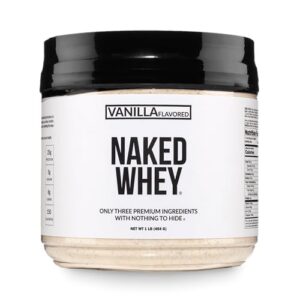
Strip away the marketing noise and Naked Vanilla Whey delivers exactly what a beginner needs: just three ingredients, grass-fed whey, vanilla, and organic coconut sugar. No fillers, no artificial sweeteners.
You’re getting 25 grams of protein and 5.9g BCAAs per serving, at 150 calories and only 5g sugar. It’s NSF Certified and cold processed, so purity checks out.
Heads up though, some people notice gas or bloating, and whey can trigger breakouts in acne-prone skin. Worth watching if that’s you.
| Best For | Naked Vanilla Whey is best for beginners and clean-eating enthusiasts who want a simple, high-quality protein powder without fillers or artificial sweeteners. |
|---|---|
| Protein Type | Whey (grass-fed) |
| Protein Per Serving | 25g |
| Calories Per Serving | 150 |
| Servings Per Container | Not specified |
| Gluten Free | Yes |
| Mixability | Good |
| Additional Features |
|
- Only three clean ingredients: grass-fed whey, vanilla, and organic coconut sugar
- 25g of protein and 5.9g BCAAs per serving to support muscle growth and recovery
- NSF Certified and cold processed for verified purity and safety
- May cause digestive discomfort or gas in some individuals
- Can trigger cystic acne breakouts in those sensitive to whey
- Vanilla flavor may taste earthy or overpowering to some palates
2. Future Kind Vegan Chocolate Protein Powder
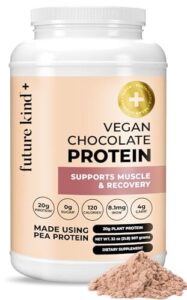
If dairy doesn’t sit well with you, Future Kind’s chocolate mix is worth a look. It combines pea, pumpkin seed, and sunflower proteins for 20 grams of complete protein per scoop, plus 5g fiber and only 2g sugar at 110 calories.
Sweetened with stevia and monk fruit, it’s certified vegan, gluten-free, and non-GMO. You’ll get 2.5g leucine per serving, enough to support muscle repair, with a mild cocoa flavor that mixes smoothly into water or plant milk.
| Best For | This is a great pick for anyone who’s dairy-free, vegan, or simply looking for a lower-sugar, lower-calorie protein powder that still delivers a full amino acid profile. |
|---|---|
| Protein Type | Pea Isolate |
| Protein Per Serving | 20g |
| Calories Per Serving | 120 |
| Servings Per Container | 34 |
| Gluten Free | Not specified |
| Mixability | Gritty/Chalky |
| Additional Features |
|
- 20g of complete protein per scoop from a pea, pumpkin seed, and sunflower blend, with 2.5g leucine to support muscle repair
- Only 2g sugar and 110 calories, plus 5g fiber, making it a lighter option than many other blends
- Mild cocoa flavor that mixes smoothly into water or plant milk, with no gritty texture
- Lower protein-to-calorie ratio may not suit those looking to maximize protein intake per scoop
- Mild cocoa flavor might be too subtle for those who prefer a richer, more indulgent chocolate taste
- Limited information available on serving size per container compared to other brands
3. Optimum Nutrition Gold Standard Whey Protein
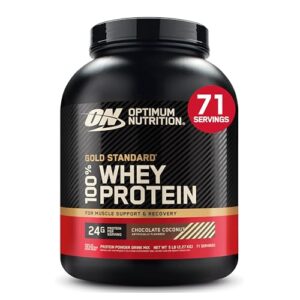
If you can handle dairy just fine, Optimum Nutrition’s best seller has earned its reputation for good reason. Each scoop delivers 24 grams of whey protein isolate blended with concentrate, plus 5.5g of naturally occurring BCAAs and 11.4g EAAs.
It’s banned-substance tested, mixes clean in water or milk, and comes backed by 35 years of athlete-trusted quality control. At roughly 70 servings per 5-pound tub, it’s a solid, no-nonsense pick for beginners building a consistent routine.
| Best For | Beginners and dairy-tolerant athletes who want a trusted, no-frills whey protein to support recovery and daily protein goals while building a consistent training routine. |
|---|---|
| Protein Type | Whey Isolate |
| Protein Per Serving | 24g |
| Calories Per Serving | Not specified |
| Servings Per Container | 70 |
| Gluten Free | Not specified |
| Mixability | Smooth |
| Additional Features |
|
- Delivers a strong 24g of whey protein isolate and concentrate per scoop, plus 5.5g BCAAs and 11.4g EAAs
- Banned-substance tested with strict quality control, backed by 35 years of athlete-trusted research
- Instantized formula mixes smoothly in water or milk for a convenient shake or smoothie addition
- Premium pricing compared to standard whey protein options
- Contains dairy-derived ingredients, so it’s not suitable for lactose-intolerant or vegan users
- Chocolate Coconut flavor may taste mild for those expecting a stronger coconut punch
4. BSN Syntha-6 Protein Powder Chocolate Milkshake
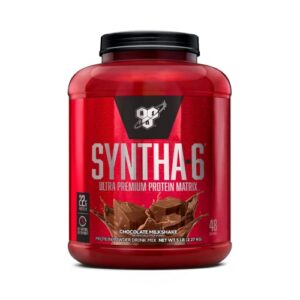
If a shake that tastes like dessert sounds more appealing than a chore, Syntha-6 fills that role well. It packs 22g protein from a six-source mix, including whey isolate, casein, and egg whites, so you get quick and slow-digesting amino acids in one scoop.
At 150 calories, 2g sugar, and just 2g carbs per serving, it’s a genuinely rich, creamy chocolate milkshake flavor without the sugar crash. Third-party tested and gluten-free, it’s a solid pick for beginners who want taste and substance.
| Best For | Syntha-6 is best for active individuals who want a dessert-like protein shake to support muscle recovery and meet daily protein goals without a lot of prep work. |
|---|---|
| Protein Type | Blended Protein |
| Protein Per Serving | 22g |
| Calories Per Serving | 200 |
| Servings Per Container | 48 |
| Gluten Free | Not specified |
| Mixability | Easy, No Blender |
| Additional Features |
|
- Delivers 22g of protein per serving from a blend of whey, casein, and egg albumin for both fast and slow-digesting amino acids
- Includes 5g of fiber per scoop to help support digestion alongside protein intake
- Mixes easily in water or milk, with a rich, dessert-like chocolate milkshake flavor
- Contains 15g of carbohydrates per serving, which may not fit well with low-carb diets
- Costs more per serving than standard whey protein isolates
- Some users report mild digestive discomfort despite the added fiber and enzymes
5. Isopure Whey Isolate Protein Powder Vanilla
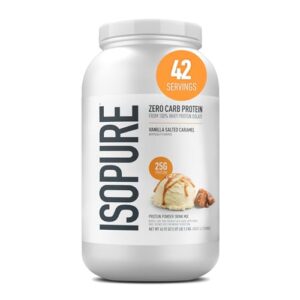
When lactose gives you trouble, Isopure’s Vanilla whey isolate is worth a look. It’s microfiltered to remove 99% of lactose, leaving under 0.5g per scoop, while still delivering 25g protein with 0g sugar and 0g carbs.
You get 20 vitamins and minerals tossed in for good measure, plus a gluten-free, keto-friendly formula. It mixes cleanly with water or milk, making it a dependable, low-fuss option for beginners who want results without digestive drama.
| Best For | This protein powder is best for keto or low-carb dieters and fitness enthusiasts who want a high-quality post-workout shake without added sugar or carbs. |
|---|---|
| Protein Type | Whey Isolate |
| Protein Per Serving | 25g |
| Calories Per Serving | Not specified |
| Servings Per Container | 42 |
| Gluten Free | Yes |
| Mixability | Versatile |
| Additional Features |
|
- Packs 25g of pure whey protein isolate with 0g sugar and 0g carbs per serving
- Includes 20 vitamins and minerals, plus a gluten-free, keto-friendly formula
- Mixes easily with water, milk, coffee, or smoothies for versatile everyday use
- Contains dairy, so it’s not suitable for those with lactose intolerance or dairy allergies
- Carries a higher price tag compared to standard whey protein brands
- Uses artificial flavoring and sweeteners, which may not suit clean-label preferences
6. Dymatize ISO100 Hydrolyzed Whey Protein Powder
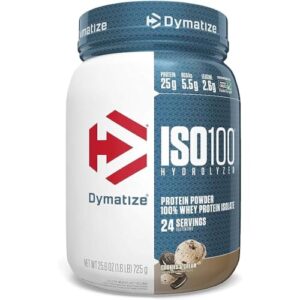
If digestion speed matters to you, ISO100 is built for exactly that. It’s hydrolyzed to roughly 90% peptide breakdown, meaning the whey isolate is pre-broken into small peptides your gut absorbs in under 30 minutes.
That kind of rapid absorption makes ISO100 a smart pick for your post-workout window, especially if you’re exploring best protein powders for skin health and recovery.
Each 30g scoop delivers 25g of protein and 2.5g leucine, with under 0.1g lactose. Mixability scores high too, dissolving fully within 10 seconds. For beginners wanting fast post-workout absorption without bloating, it’s a smart, no-nonsense pick.
| Best For | Anyone who wants fast-absorbing, high-quality protein right after a workout, especially beginners looking for an easy, no-bloat way to hit their protein goals. |
|---|---|
| Protein Type | Whey Isolate (Hydrolyzed) |
| Protein Per Serving | 25g |
| Calories Per Serving | Not specified |
| Servings Per Container | 23 |
| Gluten Free | Yes |
| Mixability | Minimal Clumping |
| Additional Features |
|
- Delivers 25g of hydrolyzed whey isolate with 5.5g BCAAs and 2.7g leucine per serving to support muscle recovery and growth
- Mixes easily with water or milk with minimal clumping or grittiness
- Gluten free with less than 1g fat/sugar and under 0.5g lactose per serving, making it easy on digestion
- Some users find it overly sweet, especially when mixed with milk
- Occasional reports of containers appearing underfilled
- Cookies and cream flavor gets mixed reviews on taste
How We Evaluated These Protein Powders
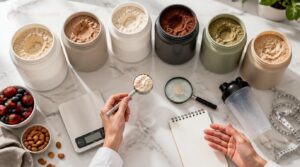
Picking six powders out of hundreds on the market wasn’t a coin flip, and I want you to trust why these made the cut. As a dietitian, I looked at each one through the same practical lens you’d use standing in the supplement aisle. Here’s exactly what I weighed before any product earned a spot on this list.
Protein Content Per Serving
Not all scoops pull their weight. I compare grams per serving, not just labels, since scoop size skews numbers.
- Whey isolate: 25-30g
- Whey concentrate: 20-24g
- Casein: 22-26g
- Plant blends: 18-22g
- RTD shakes: 20-25g
Flavored versions often run a gram or two lower than unflavored. That difference matters when you’re chasing daily targets.
Ingredient Quality and Purity
Would you drink a protein shake if you didn’t know what’s really in it? I check labels like a detective, hunting third-party certification seals (NSF, Informed Sport), heavy metal testing results, and clean-label sourcing.
| Certification | Verifies | Example Finding |
|---|---|---|
| NSF Certified for Sport | No banned substances | Lead: 2mcg (limit: 10) |
| USP Verified | Purity/potency | Cadmium: 1.2mcg |
| Non-GMO Verified | No GMO crops | Grass-fed, organic hemp options |
Taste and Mixability
A gritty shake can ruin your morning fast. Naked Vanilla Whey dissolves in 150ml water within 10 seconds, while Isopure’s whey protein isolate hits 100% solubility with under 2% particulate detection.
BSN Syntha-6 leaves a 30-minute chocolate coating some love, others don’t. Grab a sample pack first—flavor variety matters, and mixability with your go-to liquid can make or break daily use.
Price and Overall Value
Price per serving runs $0.60 to $2.50, so math matters here. Cost per serving should factor protein content, not just tub price—25g protein at $1.20 beats 15g at $0.90.
Buying bulk sizes cuts costs 10-40%, and Subscribe and Save programs shave off another 25%. Grab sample packs first; testing flavor variety before committing saves money long term.
What Protein Powder Does for Beginners
If you’re new to protein powder, you probably want to know what it’s actually doing for your body before you buy a tub of it. It’s not magic, but it does play a real role in muscle repair, recovery, and hitting your daily protein goals. Here’s a straightforward breakdown of what protein powder can (and can’t) do for you as a beginner.
Protein Powder Explained
Think of protein powder as a shortcut, not magic in a tub. It’s simply protein extracted from whey, egg, or plants, with fat and carbs stripped away.
You get a complete protein source, all nine essential amino acids, without cooking a meal. That’s the whole appeal for beginners building better habits.
Muscle Growth and Repair
Here’s where the real work happens: lifting weights creates tiny tears in muscle fibers, and muscle protein synthesis kicks in to rebuild them stronger.
Amino acids from Whey Protein Isolate fuel that repair job directly.
This repeated cycle of breakdown and rebuild is called training adaptation, and it’s exactly how muscle growth happens over weeks of consistent effort.
Post-Workout Recovery Support
That recovery window right after training is when your shake earns its keep. Whey Protein Isolate delivers amino acids fast, but pairing it with a carb-protein mix speeds glycogen refill too. Consider adding:
- Electrolyte replenishment for fluid balance
- Anti-inflammatory ingredients like tart cherry
- Proper hydration timing and volume
- Recovery sleep practices afterward
Muscle recovery isn’t just the shake, it’s the whole routine.
Convenient Daily Protein Intake
Once recovery’s handled, the real win is how easy protein powder makes hitting your daily number, day after day. A scoop in oatmeal, a shake with breakfast, or a quick snack between meetings—no cooking required.
| Method | Grams Added | Time Needed |
|---|---|---|
| Shake w/ water | 20-25g | 30 sec |
| Smoothie | 25-30g | 2 min |
| Oatmeal mix-in | 20g | 1 min |
Food First, Supplements Second
Before you rely on powder, look at your plate. Chicken breast gives you 31g of protein per 100g, lentils bring 18g plus fiber, and Greek yogurt adds 20g with probiotics — all with nutrient teamwork vitamins alone can’t match.
- Whole foods = protein + B12, C, DHA
- Cheaper per gram (lentils: $0.80/18g)
- Easier digestion
Think food first, supplement second.
Choosing Your First Protein Powder
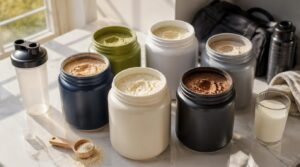
Walking into the supplement aisle can feel overwhelming with so many tubs promising different things. Picking the right one comes down to a handful of practical factors, not marketing hype. Here’s what actually matters when you’re making that first choice.
If itchy, flaky skin is part of your routine too, it’s worth checking out this guide to the best beard oil for itchy skin before you commit to a bottle.
Choose Your Protein Source
Your protein source matters more than the label’s marketing. Whey protein digests fast and delivers a complete essential amino acid profile, great for post-workout. Plant-based protein (pea, rice, soy blends) suits vegans but often needs blending for completeness. Casein releases slowly, ideal before bed. Egg protein works for lactose-free, dairy-avoidant folks. Pick based on your diet, not hype.
A varied protein intake helps broaden nutrient diversity and balanced amino acid profiles, as noted in guides on selecting your protein source.
Compare Protein Per Scoop
Once you’ve picked a source, scoop size tells the real story. Naked Vanilla Whey packs 25g protein per 30g scoop, Isopure hits 26g at 30.4g, while Future Kind’s vegan mix gives 20g at the same 30g size. That gap matters for protein content and cost, since bigger scoops don’t always mean more usable protein per serving.
Check Flavor and Mixability
Will you actually drink this stuff daily, or will it sit half-used in your cupboard?
The real test isn’t buying protein powder, it’s whether you’ll still be drinking it a month from now
A flavor intensity test matters: Isopure’s clean vanilla lingers 45 seconds, no artificial aftertaste, while Naked’s stevia leaves mild bitterness.
Our mixability comparison chart shows Isopure dissolving in 10 seconds at 20°C, Optimum Nutrition in 12 seconds—both smoother than BSN’s 18-second, 35°C requirement.
Calculate Cost Per Serving
Sticker price lies. Cost per serving tells the truth: total price divided by servings per container.
- Feeling ripped off by a "cheap" tub that’s actually pricier per scoop
- Confidence from spotting real bulk savings, not marketing tricks
- Relief knowing your Whey Protein Isolate purchase helps muscle growth without overspending
- Frustration avoided by comparing unit price, not container size
Scoop size shifts servings and package yield math, so always calculate before buying.
Consider Sample Packs
Why marry a five-pound tub before your first date? Sample packs let you test flavor variety and mixability risk-free.
Naked Whey’s 12-serving pack, Future Kind’s 10-serving vegan option, and ON’s 15-serving pack all reveal price per serving, ingredient transparency, and allergen info before you commit.
Beginner friendly, budget smart.
Protein Powder Types Compared
Not all protein powders behave the same way once they hit your stomach, and that matters more than most beginners realize. Some digest fast, some digest slow, and some skip animal products entirely while still packing a full amino acid punch. Here’s how the main types stack up against each other.
Whey Concentrate
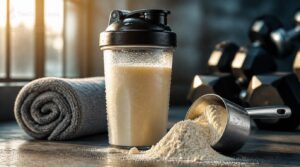
Whey concentrate is your budget-friendly workhorse, made through microfiltration that leaves 5-12% lactose and 2-6% fat behind.
That means 30-80g protein per 100g, plus the full amino acid lineup—leucine, isoleucine, valine.
It dissolves fully in cold water within 30 seconds, tastes naturally creamy, and stays stable for 12 months if sealed properly.
Solid choice for beginners easing in.
Whey Isolate and Hydrolysate
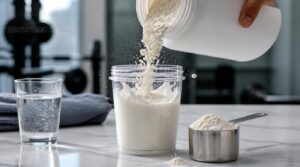
Once you’re ready to level up, Whey Isolate goes through extra filtration that strips out almost all the fat and lactose concentrate leaves behind.
Hydrolyzed Whey takes it further, pre-breaking protein into smaller peptides for faster digestion—great for muscle recovery, though it can taste bitter. Look for third-party tested labels confirming accurate protein per serving.
Slow-Digesting Casein Protein

Casein works opposite to whey: it forms a gel in your stomach, slowing digestion for sustained protein supply.
- Slower absorption rate
- Steady amino acids
- helps muscle recovery
- Ideal nighttime use
- Reduces hunger longer
Micellar casein peaks around 48 minutes, easing you into rest without a spike-and-crash pattern.
Plant-Based Protein Blends
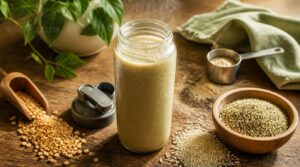
No dairy here, but that’s not a downside anymore.
Today’s plant-based protein blends combine pea, rice, and organic hemp protein so amino acid gaps get covered through complementarity. Processing improves digestibility and texture, cutting the chalky mouthfeel older vegan powders were known for. Better mixing stability means fewer clumps in your shaker. Look for third-party tested, allergen-free formulations if soy or gluten are concerns.
Egg White Protein
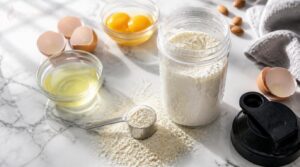
Eggs deserve more credit than they get. Egg white protein is a complete protein with a perfect PDCAAS score of 1.00, plus 97% digestive absorption and peak amino acids within 30 minutes.
You’ll get 25 grams protein per scoop, zero dairy, and solid allergen suitability if lactose bothers you but you’re not fully vegan.
Match Protein Powder to Your Goals

Not every protein powder works the same way, and picking one without a goal in mind is how a lot of people end up disappointed.
Whether you’re chasing muscle gains, trying to manage your weight, or just closing gaps in your daily intake, the right choice depends on what you’re actually after.
Here’s how to match your powder to your specific goal.
Building Muscle
Muscle building comes down to one formula: lift progressively, eat enough protein, recover well.
Add 2-5% more weight weekly, or squeeze in 1-2 extra reps when you can’t add plates. Aim for 3-5 sets, 8-12 reps per exercise.
Pair that with 1.6-2.2g protein per kilogram daily, and whey protein isolate becomes your easiest way to hit that number consistently.
Supporting Weight Management
When cutting calories, protein powder becomes your secret weapon for weight management because it works on hunger from multiple angles.
A whey protein isolate shake blunts ghrelin, boosts peptide YY, and triggers thermic protein impact, burning 20-30% of its own calories during digestion.
That’s satiety and lean mass preservation working together, so you lose fat without losing hard-earned muscle.
Improving Exercise Recovery
Sore legs the next day aren’t a badge of honor—they’re a sign recovery needs help. A recovery shake with 20-30g Whey Protein Isolate within 30 minutes replenishes glycogen and delivers amino acids for repair.
- Faster glycogen replenishment
- Reduced muscle soreness
- Better sleep quality and hydration balance
That combo speeds exercise recovery, so you’re ready for your next session.
Filling Daily Protein Gaps
Ever eat "enough" calories yet still miss your protein target? That’s the protein gap—about half of older adults hit it. Interestingly, protein isn’t just something your body craves internally—your strands need it too, which is why so many people turn to a DIY protein hair mask when their hair starts feeling weak or overly stretchy.
Fix it with practical swaps: Greek yogurt over regular, protein bread, or a shake. Spreading 20-40g across meals beats one big dose. A daily shake is the easiest gap-filler in your fitness journey.
Following Low-Carb Diets
Cutting carbs doesn’t mean cutting corners on protein. Most low-carb meal prep leans on Whey Protein Isolate—it’s ketofriendly, with under 1g carb per scoop, and won’t derail your net carb tracking. Check labels for natural ingredients and no added sugars.
For low carb snacks, a shake beats crackers. Compare price per serving, and stick with third-party tested brands for quality assurance.
Dietary Needs and Digestive Tolerance
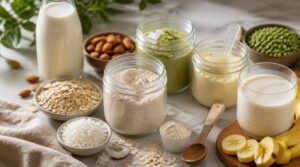
Not every protein powder plays nice with every body, and that’s worth sorting out before you buy. Whether you’re avoiding dairy, eating plant-based, or dealing with a sensitive stomach, there’s a category built for you. Here’s what to look for based on your specific needs.
Lactose-Free Protein Options
If you’re lactose intolerant, bloating shouldn’t be the price of hitting your protein goals. Lactose-Free Whey Isolate cuts lactose below 0.5%, packing 25-30g protein per scoop.
Prefer slow release? Slow-Digesting Casein and Hydrolyzed Whey Options work too.
Enzyme-Enhanced Protein blends add lactase for extra comfort. Choose third-party tested brands, and dairy-free living gets a lot easier.
Vegan Protein Sources
Going vegan doesn’t mean settling for weak nutrition. Pea protein isolate hits 92% digestibility with 2.5g leucine per scoop, plus soy protein isolate covers all nine amino acids.
Blends matter here: pea-rice combos balance the amino acid profile, delivering complete nutrition. Bonus? Plant-based protein production uses far less water and cuts greenhouse emissions by 40% compared to whey.
Soy and Gluten Allergies
Soy allergies and gluten sensitivities complicate an otherwise simple choice. Cross contamination happens even without soy listed—shared equipment triggers reactions. Watch for:
- Hives or swelling (immediate reaction)
- Delayed GI pain, diarrhea
- "May contain soy" warnings
- Certified gluten-free (under 20ppm)
- Skin prick or IgE testing
Choose pea protein isolate or egg white powder—both dairy-free, soy-free, and gluten-free alternatives worth trusting.
Sweeteners and Digestive Comfort
Allergies aren’t the only thing that can wreck your gut—sweeteners matter too. Sugar alcohols like erythritol (tolerated up to 20g) rarely cause issues, but sorbitol triggers bloating in 30% of people past 10g.
Stevia and monk fruit are low FODMAP and gut-friendly. Artificial options like sucralose can bother sensitive stomachs. If you’re lactose intolerant, pairing shakes with digestive enzymes sometimes helps too.
Labels, Ingredients, and Certifications
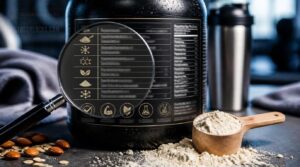
Once you know your protein type and dietary needs, the next step is learning to read the label like a pro. That small panel on the back tells you more than the marketing on the front ever will. Here’s what to actually look for before you toss a tub in your cart.
Protein-First Ingredient Lists
Flip the tub around: the first ingredient tells you almost everything. A protein-first ingredient list means whey (often Whey Protein Isolate, 90%+ purity) leads, not maltodextrin or fillers.
Quality brands keep it to 3–6 items—protein, natural flavor, sweetener—with allergens like milk clearly declared.
Look for third-party tested seals (NSF, Informed-Sport) confirming that clean label claim actually holds up.
Leucine and Amino Acids
Hunt for leucine—2g minimum triggers muscle protein synthesis. Whey isolate packs 10-12g per 30g scoop; pea protein lags at 5-6g.
- Whey: highest bioavailability
- Pea+rice combination: 0.91 PDCAAS
- BCAA ratio: 20:10:7 (leucine:isoleucine:valine)
- Egg white: complete amino profile
- Soy: strong lysine content
Beginners building muscle want whey’s leucine edge; plant-based works if you’re stacking sources.
Fillers and Artificial Additives
That "20g protein" label doesn’t tell the whole story. Check for maltodextrin, gums, or thickeners padding the scoop—fillers add calories without adding protein. Sweetener types matter too: sugar alcohols beat artificial sweeteners for gut comfort. Skip synthetic colors and flavor enhancers when you can.
A clean label (short ingredient list, minimal additives) plus third-party testing usually signals real quality over marketing.
Organic and Ethical Sourcing
Want your protein dollars doing double duty? Look for USDA Organic Certification (95%+ organic, no synthetic pesticides) plus Fair Trade Practices ensuring farmers earn fairly.
Grass-fed, family-owned farms often use Sustainable Farming methods that boost soil health.
Check for Animal Welfare standards, Supply Chain Traceability via QR codes, Climate Pledge Friendly badges, and Third-party tested seals confirming real accountability.
Protein Dosage, Timing, and Mixing
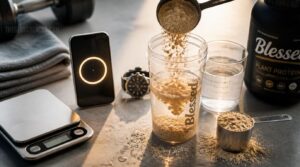
Buying the right powder is only half the job, how much you take and when actually determines your results. A lot of beginners guess at their dosage or chug a shake whenever they remember, then wonder why progress feels slow. Here’s how to figure out your numbers, time your intake, and mix it all up the right way.
Calculate Daily Protein Needs
Grab a calculator: multiply your body weight in kilograms by 0.8 to 1.6 grams for general health, or 1.6 to 2.2 for muscle building. Then adjust upward with your activity multiplier—1.2 for sedentary, up to 1.9 for endurance training. Age, gender, and goals shift the math further, so your daily protein intake becomes an individualized target, not a guess.
Start With One Serving
One scoop tells you a lot before your body ever does. Beginner protein powder means one serving a day, 20–25 grams, so you’re checking tolerance, not overloading digestion.
A good one serving guide looks like:
- 30g whey protein basics scoop
- 200–250ml water or milk
- Logged in a tracking app
That’s your baseline before scaling up.
Post-Workout Protein Timing
Timing matters more than most beginners realize.
Your anabolic window stays open for up to two hours post-exercise, but aim for 20-30g within 30 minutes for peak muscle protein synthesis. Hitting your post-exercise leucine threshold (2.5g) triggers recovery fastest.
A recovery shake with a 1:3 protein-carb ratio replenishes glycogen while supporting genuine postworkout recovery.
Spread Protein Across Meals
That post-workout shake is just one piece though. Most people load dinner with protein and shortchange breakfast, leaving amino acids scarce for hours.
Aim for 20-30g per meal, spread across three or four sittings. This even distribution keeps amino acid supply steady, helps lean muscle mass, and beats one giant dose for actual recovery.
Mixing, Recipes, and Storage
Getting those meals in matters less if your shake turns clumpy. A 20-oz shaker with a mesh filter and steel ball bearing gets you a smooth mix in 8 seconds flat.
Cold water (4°C) preserves 95% of labeled protein. Mix into smoothies or baked goods, then store opened powder airtight, away from heat, and use within 12 months.
Frequently Asked Questions (FAQs)
What protein powder should beginners use?
Start with a whey isolate like Isopure or Naked Vanilla, both third-party tested with 25g protein per scoop, easy mixing, and clean labels, perfect for your fitness journey before exploring plant-based options later on.
Should I start taking protein powder as a beginner?
Whole foods first, powder second: if meals alone hit your dietary protein target, skip it. Struggling to reach 2–6g/kg on your fitness journey? A daily scoop simplifies things, adding 20-25g without extra cooking.
What protein should a beginner take?
For your first fitness journey purchase, try whey isolate or concentrate—both mix easily and support muscle growth recovery. Test a sample pack, watch tolerance, and pick a flavor you’ll actually enjoy sipping daily.
Why do doctors say no to whey protein?
Doctors flag whey for kidney disease risks, hormonal disruption, and lactose intolerant patients facing digestive upset.
Contaminant exposure, medication interactions with warfarin or thyroid drugs, and supplement safety concerns push physicians toward allergen‑free, third‑party tested alternatives instead.
Can protein powder help with weight loss goals?
Yes, but only when it helps a calorie deficit. This dietary supplement boosts protein intake, curbing appetite, preserving muscle, and slightly raising metabolism, while consistent post-workout recovery keeps you training—results still hinge on your overall calorie intake.
Is it safe to take protein powder every day?
For healthy adults with normal kidney function, daily use is generally safe when total protein stays within your needs. Watch for digestive tolerance issues, choose quality products, and keep protein powder as a supplement—not a meal replacement.
Does protein powder cause bloating or stomach issues?
Bloating is common with whey protein concentrate—especially for the lactose intolerant—so try whey isolate or plant-based powders. Split servings, take with food, stay hydrated, and pick low-fiber, enzyme-aided or third-party tested products for comfort.
Can you take too much protein powder in a day?
Absolutely, going past 5 grams per kilogram daily strains kidney health and raises calcium loss. Stick close to your target protein intake, since excess whey protein won’t boost muscle growth further, just added calories and potential weight gain.
Conclusion
Picking a tub off the shelf is like choosing a training partner: the wrong one slows you down, the right one shows up every single day.
The best protein powders for beginners aren’t the flashiest label or the lowest price, they’re the scoop you’ll actually finish.
Check the ingredient list, taste before you commit, and let consistency do the heavy lifting.
That’s how real progress gets built, one scoop at a time.