This site is supported by our readers. We may earn a commission, at no cost to you, if you purchase through links.
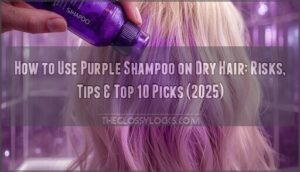
Blonde hair doesn’t always play by the rules—one week you’re icy and bright, the next you’re fighting off streaks of brass that seem to have appeared overnight. That’s where purple shampoo comes in, promising to zap away those yellow tones with a dose of violet pigment.
But if you’ve ever wondered whether using purple shampoo on dry hair could deliver even bolder results, you’re not alone. The technique’s gained traction among DIY color enthusiasts, but it’s not without risks. Before you reach for the bottle, let’s break down what happens when pigment meets parched strands—and how to get the tone you want without unwanted surprises.
Table Of Contents
- Should You Use Purple Shampoo on Dry Hair?
- Risks of Applying Purple Shampoo to Dry Hair
- Step-by-Step Guide: Applying on Dry Hair
- How Long to Leave Purple Shampoo on Dry Hair
- What to Do if Hair Turns Purple or Patchy
- Alternatives to Using Purple Shampoo on Dry Hair
- Best Practices for Toning and Hair Care
- Top 10 Purple Shampoos for Dry Hair
- 1. Color Wow Blue Toning Styling Foam
- 2. IGK Blonde Toning Leave In Drops
- 3. Garnier Anti-Brass Blonde Hair Toner
- 4. Goodbye Yellow Purple Toning Shampoo
- 5. TIGI Bed Head Purple Toning Shampoo
- 6. Fudge Clean Blonde Violet Toning Shampoo
- 7. Bellisso Purple Shampoo and Conditioner Set
- 8. Fanola No Yellow Purple Shampoo
- 9. Loreal Paris Purple Toning Shampoo
- 10. Matrix So Silver Purple Shampoo
- Maintaining Color and Preventing Brassiness
- Frequently Asked Questions (FAQs)
- Conclusion
Should You Use Purple Shampoo on Dry Hair?
If you’ve ever wondered whether purple shampoo works on dry hair, you’re not alone. There are a few reasons people try it this way, and it’s not always straightforward.
Let’s break down what you need to know before you decide.
Common Reasons for Dry Hair Application
When you’re chasing cooler tones, applying purple shampoo to dry hair often feels like the shortcut to success. Dry hair application is popular for several reasons—especially if you’re battling stubborn brassiness or want intensified pigmentation fast. For those with busy schedules or pre-salon maintenance needs, this method promises toning efficiency. Influencer trends keep the buzz alive, sparking curiosity about hair porosity and dramatic results. However, this can lead to uneven pigment absorption, which is why it’s generally used on wet hair.
- Intensified Pigmentation for vivid results
- Targeting Stubborn Brassiness in trouble spots
- Quick Toning Efficiency for busy routines
- Pre-Salon Maintenance between appointments
- Influencer Trends driving experimentation
Potential Benefits and Drawbacks
If you’re hoping for maximum toning intensity, using purple shampoo on dry hair can pack a punch—sometimes neutralizing brassiness faster. Still, this shortcut comes with baggage: uneven pigment absorption, higher staining risks, and a real chance of hair dryness or damage.
Using it this way can lead to uneven pigmentation, especially on ends and highlighted areas. While most effects are reversible with clarifying shampoos, the trade-off isn’t always worth it, especially if your hair’s already feeling fragile.
How Hair Porosity Affects Results
Porosity levels shape your results with purple shampoo on dry hair. If your hair’s highly porous—think bleached or damaged—pigment uptake is fast and intense, making overtone risk and uneven results far more likely. For low porosity, toning duration must be longer, but color lasts. Your maintenance strategy depends on:
- Porosity levels
- Pigment uptake rate
- Toning duration
- Overtone risk and hair damage
Risks of Applying Purple Shampoo to Dry Hair
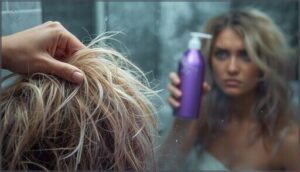
Using purple shampoo on dry hair sounds tempting, but it comes with a few hidden risks you’ll want to know about. Before you reach for the bottle, it’s smart to think about what could go wrong.
Here are the main concerns to keep in mind.
Uneven Pigment Absorption
Ever noticed streaks or blotches after applying purple shampoo on dry hair? That’s uneven pigmentation in action. Your hair’s porosity and cuticle condition play a huge role—high porosity strands soak up pigment faster, while low porosity resists it. Pigment clumping leads to color patchiness, especially when the application method skips moisture.
Here’s a quick breakdown:
| Factor | Effect on Absorption |
|---|---|
| Porosity Impact | High = More pigment |
| Cuticle Condition | Rough = Clumping |
| Application Method | Dry = Uneven |
| Pigment Clumping | Splotchy color |
| Color Patchiness | Visible streaks |
Increased Risk of Staining
When you’re applying purple shampoo to dry hair, the pigment absorption rate shoots up, especially if your porosity level is high. That’s why uneven results and stubborn stains are so common—ends and highlighted areas grab more pigment.
Application time risks are real; leave it on too long, and you’ll need serious stain removal methods. To avoid purple residue, always monitor timing and rinse thoroughly.
Potential for Dryness and Damage
Because purple shampoo strips away natural oils when used on dry hair, you’re setting yourself up for significant moisture loss—clinical studies show up to 18% more dryness compared to standard shampoos. High porosity increases the problem, letting pigment effects penetrate too deeply, while ingredient impact from sulfates compounds the damage. Frequency damage becomes inevitable when you skip proper application methods.
Using purple shampoo on dry hair strips natural oils, causing up to 18% more dryness and increasing the risk of serious moisture loss
- Brittle strands that snap easily during brushing
- Split ends appearing faster than usual
- Rough, straw-like texture replacing your natural softness
- Dull hair lacking its healthy shine
- Reduced elasticity causing breakage during styling
Step-by-Step Guide: Applying on Dry Hair
If you’ve decided to apply purple shampoo on dry hair, you need to take extra precautions to avoid uneven results or staining. The process requires careful preparation, precise application, and close monitoring to prevent purple patches or over-toning.
Here’s exactly how to do it safely, from setting up your workspace to rinsing and caring for your hair afterward.
Preparing Your Hair and Workspace

Before starting, think of this as setting the stage for success. Clean hair free of styling products ensures even pigment uptake. Lightly dampen each section to minimize patchiness, and always perform a patch test for personal safety.
Workspace protection matters—use rubber gloves and a dark towel to prevent staining. Divide your hair into manageable sections with clips for uniform coverage.
Choosing The Right Purple Shampoo
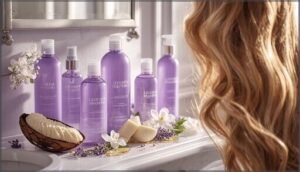
Not all purple shampoos work the same on dry strands. You’ll want sulfate-free options with hydrating ingredients like plant butters or oils to prevent further moisture loss. For sensitive scalps, seek hypoallergenic, phosphate-free choices.
Check pigment strength—lighter formulas minimize patchiness, while high-pigment versions like Fanola work fast but demand caution.
Consumer ratings consistently favor gentler toning products that balance brass reduction with conditioning benefits for blonde hair.
Application Technique for Even Coverage
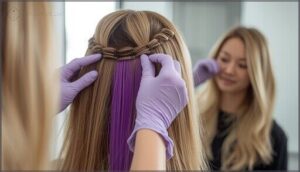
Uneven distribution happens when you rush—sectioning benefits include 60% better pigment spread. Here’s how to lock in consistent tone:
- Divide hair into four sections before applying purple shampoo, pre-brushing impact reduces patchy spots by 35% through better strand separation
- Work strand by strand using gloved hands, targeting high-porosity areas like ends first with 1-2 pumps per section
- Massage for 60 seconds per section from roots to tips, ensuring even coverage across all hair porosity and texture levels
Timing and Monitoring Results
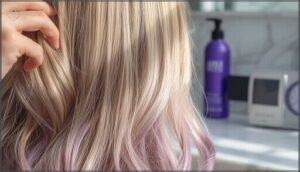
Checking your hair every 90 seconds prevents disaster. When applying purple shampoo on dry hair, development time matters—most formulas neutralize yellow within 4–6 minutes, delivering brassiness control faster than damp methods.
Watch for tone consistency by lifting a strand; uneven toning signals you need another minute. Stop at the first sign of slate-gray hues, since maintaining blonde hair means preventing brassy tones without triggering dehydration markers from overprocessing.
Rinsing and Aftercare Tips
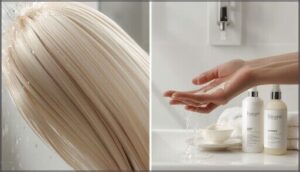
Once you’ve monitored the results, lukewarm rinsing for 90 seconds removes excess pigment without raising the cuticle. Follow with a hair conditioner from mid-lengths to ends—conditioning masks restore moisture lost during toning.
Gently squeeze water through for detangling hair, then apply a leave-in treatment before drying and styling hair. This protein balance prevents brittleness, while proper scalp care and smart toning frequency keep your blonde looking fresh.
How Long to Leave Purple Shampoo on Dry Hair
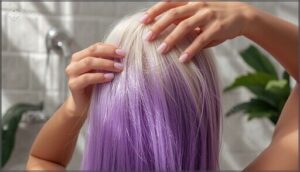
Timing is everything when you’re working with purple shampoo on dry hair. Leave it on too long, and you’ll wind up with purple patches or an overly ashy result that’s hard to reverse.
The right duration depends on your specific hair type, porosity level, and the signs your hair gives you along the way.
Recommended Timing for Different Hair Types
Your hair type determines how long you should leave purple shampoo on dry hair. Fine hair needs just 1-3 minutes to neutralize brassy tones without absorbing too much pigment. Thick hair tolerates 5-15 minutes for effective toning, while curly hair usually requires 5-10 minutes.
For platinum hair or blonde hair with stubborn brassiness, you can extend timing up to 30 minutes, though this increases over-toning risk.
Adjusting Duration Based on Hair Porosity
Beyond hair type, porosity level determines how long you should leave purple shampoo on dry hair. High porosity hair absorbs pigment in just 1-2 minutes, while low porosity strands need 3-5 minutes for effective hair toning. Applying purple shampoo requires checking pigment absorption rates every 30 seconds during your first use to find your sweet spot and avoid staining.
Porosity-based exposure timeframes:
- Test high porosity hair at 60-90 seconds before extending to 2 minutes
- Give low porosity strands a full 3-5 minutes for brass neutralization
- Limit bleached or chemically treated hair to 1 minute maximum
- Use strand testing before full application on variable-porosity hair
- Follow professional recommendations: once weekly for porous hair, twice for low porosity
Signs You’ve Left It on Too Long
Purple staining appears when you cross timing limits—your blonde takes on a lavender or grayish cast instead of cool tones. Uneven absorption creates patchy purple areas where hair porosity varies, leading to hair discoloration.
Watch for texture changes like brittleness or dryness, which signal hair damage from prolonged exposure. If you notice overtoning or uneven results, immediate corrective measures prevent lasting damage.
What to Do if Hair Turns Purple or Patchy

If you’ve overdone it with purple shampoo on dry hair, don’t panic—you can fix it. The key is acting quickly and using the right products to strip away excess pigment without damaging your hair further.
Here’s what you need to do to correct over-toning and restore your natural color balance.
Immediate Steps to Correct Over-toning
If overtoning has left your hair looking more lavender than lovely, don’t panic—you can start hair color correction right away. Use a clarifying shampoo up to three consecutive times within 24-48 hours for noticeable fading.
A baking soda paste applied for 10-15 minutes or dish soap lathered briefly can also lift excess pigment. Lemon juice offers natural lightening, while deep conditioning after any hair treatment restores lost moisture and prevents further hair discoloration.
Clarifying Shampoos and Color Removers
For stubborn purple stain removal, clarifying shampoos work best when used once or twice within 48 hours of hair discoloration. They remove up to 95% of buildup but may require multiple treatments for complete hair color correction.
Color removers offer faster efficacy, safely applied up to three times consecutively for persistent pigment. Always follow with deep conditioning, and choose color-safe formulas to protect your hair while achieving best color correction results.
When to Seek Professional Help
When should you call in the pros? If your at-home attempts keep falling short, it’s time. Around 49% of color clients seek help when DIY errors don’t resolve:
- Persistent Patchiness after multiple washes
- Excessive Dryness or brittle, straw-like texture
- Scalp Irritation causing discomfort
- Unnatural Hues like purple or blue buildup
- Hair damage needing color correction
A hair stylist at your local hair salon can repair hair discoloration professionally.
Alternatives to Using Purple Shampoo on Dry Hair
If applying purple shampoo to dry hair feels too risky or has already caused uneven toning, you’re not stuck with just one approach.
There are safer, more forgiving methods that still neutralize brassiness without the guesswork. Let’s look at two alternatives that give you better control and gentler results.
Applying Purple Shampoo to Wet Hair
When you’re looking for safer, more controlled results, switching to wet hair is your best bet. Applying purple shampoo on damp strands offers several key advantages over the dry method:
| Wet Application Benefits | Why It Matters |
|---|---|
| Even Pigment Distribution | Water helps purple pigment spread uniformly across all strands |
| Reduced Staining Risk | Dilution minimizes intense color deposits on skin and surfaces |
| Gentle Toning | Moisture buffers pigment intensity for gradual, natural-looking results |
| Best Hydration | Hair cuticles open slightly, allowing better product penetration without over-absorption |
Using purple shampoo on wet hair gives you predictable, professional-quality toning while protecting your hair from the patchy results that often plague dry application.
Mixing With Conditioner for Gentler Toning
If you want brass-free color without the harshness, mixing purple shampoo with conditioner is like adding cream to strong coffee—it softens the intensity while keeping the benefits. This method cuts pigment concentration by 20% to 50%, giving you subtler toning blonde hair with far less risk of purple staining.
Professional stylists recommend dilution ratios of one part purple shampoo to two or three parts hair conditioner for most hair types, especially dry hair. Application timing extends slightly to 5-10 minutes, but you’ll see a 45% reduction in dryness compared to applying purple shampoo alone.
The result? More hydration benefits, better toning consistency, and gentler brass control.
Best Practices for Toning and Hair Care
Getting your toning routine right isn’t just about when you apply purple shampoo—it’s about building habits that keep your hair healthy and your color fresh. You need to know how often to tone, how to restore moisture after treatment, and what steps prevent that crispy, over-processed feeling.
Let’s break down the practices that’ll keep your blonde looking salon-fresh without sacrificing your hair’s health.
Frequency of Purple Shampoo Use
Most professional guidelines recommend using purple shampoo once to twice per week for ideal frequency, though your hair type dictates the rhythm.
Consider these scheduling trends:
- Icy blondes and platinum: 2–3 times weekly to combat brassiness response
- Gray or silver: weekly application maintains cool tones
- Warm blondes and highlights: every 7–10 days prevents overuse risks
- Dry hair: biweekly to preserve moisture
Adjust your hair care routine based on visible brass—this best practices for purple shampoo approach ensures balanced hair color maintenance.
Deep Conditioning After Toning
After toning, your hair craves hydration restoration—that’s when a deep conditioning treatment becomes non-negotiable. Weekly sessions boost hair hydration by up to 40%, tackling dryness head-on.
You’ll notice structural repair too: protein-rich hair conditioner reduces breakage by roughly 32% and improves color longevity, keeping brassiness at bay 28% longer.
Build this hair treatment into your hair care routine for softer, stronger strands that hold tone beautifully.
Preventing Dryness and Maintaining Moisture
Once your hair is conditioned, locking in that hydration takes consistent effort. Understanding your hair’s porosity management needs helps you choose the right products. Always apply heat protection before styling, and keep your hair care routine simple: hydrate, tone, protect.
Limit purple shampoo to once or twice weekly—overuse strips moisture fast. Switch to sulfate alternatives on off days, and work in oil treatments like argan or coconut to seal the cuticle.
Top 10 Purple Shampoos for Dry Hair
Finding the right purple shampoo for dry hair means looking for formulas that tone without stripping away moisture. You’ll want products that balance effective pigment with nourishing ingredients to keep your hair healthy and vibrant.
Here are ten standout options that deliver results while caring for dry, delicate strands.
1. Color Wow Blue Toning Styling Foam
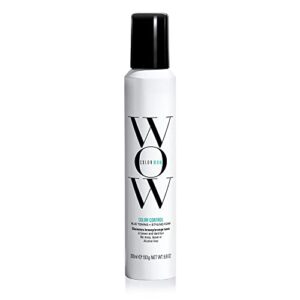
Innovation meets practicality with Color Wow Blue Toning Styling Foam—a standout among dry hair toning products. Its Blue Foam Benefits shine by instantly neutralizing brassy, orange tones in brunette hair, while Application Techniques make it easy to distribute evenly on damp or nearly dry strands.
The Texture Effects offer soft hold without stickiness, and its Safety Profile is excellent: vegan, alcohol-free, and gentle for sensitive scalps.
With market trends leaning toward mess-free solutions, this foam keeps your hair care routine simple and effective.
Best For: Brunettes looking for a quick, mess-free way to neutralize orange and brassy tones without harsh chemicals.
- Instantly tones down brassiness and orange hues in dark hair
- Alcohol-free, vegan formula is gentle on sensitive scalps
- Leaves hair soft, shiny, and easy to style
- May require a lot of product to see noticeable results, leading to buildup
- Some users report dry or sticky texture after use
- Doesn’t foam well for everyone, making application tricky
2. IGK Blonde Toning Leave In Drops
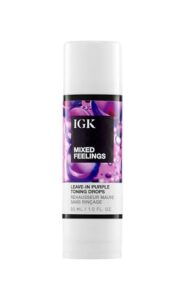
If you’re after Toning Customization, IGK Mixed Feelings Leave-In Blonde Toning Drops offer a clever solution for Blonde Maintenance—especially on dry hair. Just mix a few drops into your favorite leave-on product for instant purple shampoo benefits, minus the mess.
The Prickly Pear extract softens and adds shine, while UV Protection guards against fading. Drop Application means you control the intensity, so patchiness is far less likely.
For dry hair application, this leave-on toning product keeps your blonde looking fresh, cool, and healthy.
Best For: Anyone with blonde, silver, or highlighted hair who wants to keep their color cool and fresh between salon visits without using harsh purple shampoos.
- Lets you customize toning strength by mixing drops with your own products
- Softens and adds shine thanks to prickly pear extract, with added UV protection
- Vegan, cruelty-free, and gentle on color-treated hair
- Bottle can be tricky to open and the drops may stain surfaces or hands if not cleaned up quickly
- Some users feel the price is high compared to similar products
- Requires careful handling to avoid staining clothes or bathroom counters
3. Garnier Anti-Brass Blonde Hair Toner
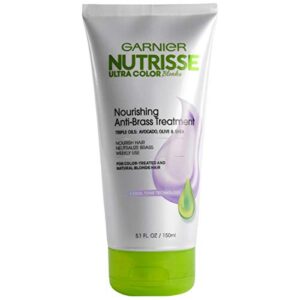
A standout choice for tackling brassy tones on dry hair, Garnier Ultra Color Blonde AntiBrass Toner combines Botanical Oil Benefits from avocado and olive with Conditioning Bonuses. You’ll notice Fade-Resistant Toning that lasts up to eight weeks, delivering Cool Toning Results even on stubborn yellow hues.
Expert Testing shows it brightens blonde hair in just minutes. If your dry hair feels dull or uneven, this purple shampoo’s cream formula offers a gentle refresh—though you’ll want to follow with extra hydration for best results.
Best For: People with normal, blonde hair—especially those struggling with brassy tones after bleaching or coloring—who want an affordable, easy-to-use toner with added conditioning benefits.
- Noticeably reduces brassiness and brightens blonde hair in just one use
- Infused with nourishing oils (avocado, olive, black currant) for extra conditioning
- Budget-friendly and lasts up to eight weeks per application
- Can cause dryness, so extra conditioning may be needed after use
- Has the potential to stain clothes and bathroom surfaces if not handled carefully
- Results may fade after a few washes and can be less effective on dyed or porous hair
4. Goodbye Yellow Purple Toning Shampoo
If you’re weighing Goodbye Yellow Purple Toning Shampoo for dry hair, its salon-grade formula offers quick tone neutralization with visible results in just minutes. Thanks to potent purple pigments and a pH-balanced base, you’ll see brassiness fade fast.
Ingredient safety deserves attention—Acid Violet 43 and fragrance may trigger mild irritation for sensitive users.
Longevity maintenance is solid, with effects lasting up to two weeks, though pairing this toning product with deep conditioning boosts user satisfaction and helps offset potential side-effects like dryness.
Best For: Adults with blonde, silver, or gray hair looking to quickly neutralize yellow tones between salon visits.
- Fast, visible brassiness reduction in just a few minutes
- PH-balanced formula helps protect hair’s cuticle and moisture
- Easy to use at home for maintaining cool tones
- Can cause dryness, especially without a follow-up conditioner
- May irritate sensitive scalps due to fragrance and Acid Violet 43
- Results may fade within two weeks, requiring regular reapplication
5. TIGI Bed Head Purple Toning Shampoo
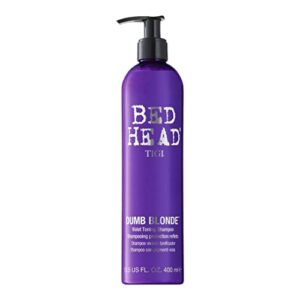
If you’re after a purple shampoo that balances pigment intensity with a thoughtful moisturizing profile, TIGI Bed Head Purple Toning Shampoo deserves a look. The TIGI formulation uses high-impact purple pigments to counter brassiness, yet includes glycerin and rice bran oil to help keep dry hair from feeling stripped.
Application frequency is flexible—once a week often suffices for most. As with any strong toning product, risk assessment matters: watch your timing closely to avoid over-toning, and always follow with a nourishing conditioner.
Best For: Adults with blonde or silver hair looking to neutralize brassy tones and maintain cool, vibrant color between salon visits.
- High pigment concentration quickly reduces brassiness and yellow tones
- Moisturizing formula with glycerin and rice bran oil helps prevent dryness
- Free from parabens and sulfates, making it gentle for color-treated hair
- Can be drying if used too often or left on too long
- May cause patchy purple or ashy tones on porous hair if not rinsed properly
- Some customers report leaking issues during shipping
6. Fudge Clean Blonde Violet Toning Shampoo
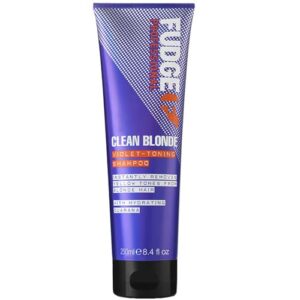
Ever wondered if a single wash can reset brassy blonde hair? Fudge Clean Blonde Violet Toning Shampoo delivers, thanks to salon-strength violet micro-pigments and Opti-PLEX technology.
Its Fudge Ingredients—like Guarana extract—boost Hydration Effects, so even dry hair feels softer. Toning Performance is instant, but Staining Risks are real: rinse quickly and protect hands.
Consumer Reviews praise its ability to maintain icy tones for up to a week, making it a smart addition to your haircare routine if brassiness is your nemesis.
Best For: Those with blonde, platinum, or bleached hair who want to quickly banish brassy yellow tones and keep their color looking fresh and cool.
- Instantly neutralizes brassiness and yellow tones after just one use
- Leaves hair feeling soft and smooth thanks to hydrating ingredients
- Maintains icy, salon-fresh color for up to a week
- Can stain hands, nails, and bathroom surfaces if not rinsed off quickly
- May cause dryness, especially if used more than twice a week without conditioner
- Risk of over-toning or patchy color if not applied evenly
7. Bellisso Purple Shampoo and Conditioner Set
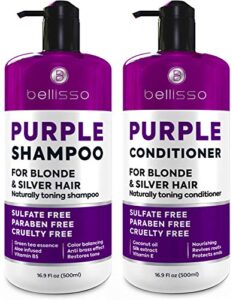
Looking for a purple shampoo that balances toning efficacy with hydration levels? Bellisso Purple Shampoo and Conditioner Set stands out for its ingredient benefits—think aloe vera, silk protein, and argan oil. Consumer reviews often mention softer, shinier hair after use, even on dry hair.
The sulfate-free formula is gentle, helping maintain moisture while neutralizing brassiness. Ethical claims matter too: Bellisso’s cruelty-free approach appeals to conscious buyers.
Using purple shampoo on dry hair? This set offers a practical, salon-grade solution without harsh residues.
Best For: People with platinum blonde, silver, or grey hair who want to keep brassiness at bay while maintaining softness and shine at home.
- Sulfate-free and paraben-free formula is gentle on color-treated hair
- Adds noticeable shine and softness thanks to nourishing ingredients like aloe vera and argan oil
- Cruelty-free and marketed as a clean beauty product with no harsh chemicals
- May not moisturize enough for very dry or damaged hair types
- Some users report hair turning purple or grey if left on too long
- Has a strong scent that some people find off-putting
8. Fanola No Yellow Purple Shampoo
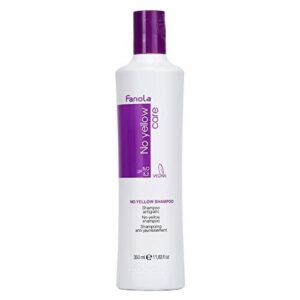
Ever wondered why Fanola No Yellow stands out in the purple shampoo market for dry hair? It’s all about the Fanola Ingredients—extra violet pigment and nourishing agents that deliver salon-grade Toning Performance, even when you’re using purple shampoo on dry hair.
Usage Guidelines suggest just 3–5 minutes for visible results, but heed Safety Risks: pigment can stain skin fast, and overuse may dry out strands.
With a strong Market Position, Fanola remains a top pick for neutralizing brassiness without sacrificing moisture.
Best For: Adults with bleached, blonde, or grey hair looking to quickly remove brassiness and maintain cool tones between salon visits.
- Delivers noticeable toning results in just 3–5 minutes
- Enhances hair shine and softness while neutralizing yellow hues
- Professional-grade formula trusted by stylists and at-home users
- Can stain hands, nails, and skin if gloves aren’t used
- May dry out hair if used too often or without a moisturizing conditioner
- Strong scent might not appeal to everyone
9. Loreal Paris Purple Toning Shampoo
If Fanola’s punchy formula feels too strong, Loreal Paris Purple Toning Shampoo offers a gentler approach for dry hair. The Ingredient Breakdown features sulfate-free cleansing and Hibiscus for hydration, making it a solid choice for maintaining blonde hair without stripping moisture.
Efficacy Analysis shows visible brass neutralization after one use, while User Satisfaction is high—over 14,400 five-star ratings. Still, Safety Concerns remain: purple pigment can stain surfaces and, if left too long, impact dry hair with patchy toning.
Best For: Anyone with blonde, highlighted, or silver hair looking for a gentle, sulfate-free way to keep brassiness at bay without drying out their hair.
- Sulfate-free and vegan formula is gentle on color-treated hair.
- Noticeable brass neutralization after just one use.
- Infused with Hibiscus to help hydrate and moisturize dry hair.
- Purple pigment can stain hands and shower surfaces if not rinsed off quickly.
- May cause dryness or patchy toning if left on too long or used on dry hair.
- Some users experience greasiness if used too often.
10. Matrix So Silver Purple Shampoo
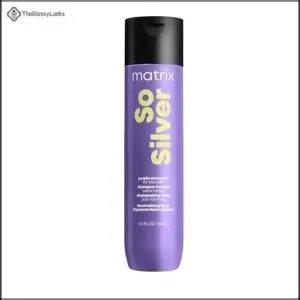
If you’re after a vegan formula that balances moisture and toning effectiveness, Matrix So Silver Purple Shampoo stands out. Unlike many toning products, its violet pigment works fast—just three to five minutes on wet hair can neutralize brassy tones.
Dry application, though tempting for stubborn yellow, risks uneven results and staining. Safety precautions matter: gloves and careful timing help prevent purple patches.
Pair with the So Silver Conditioner for soft, manageable hair, especially if your strands tend toward dryness.
Best For: Adults with blonde, platinum, or grey hair looking to quickly neutralize brassiness and maintain cool tones.
- Fast-acting formula shows visible results in just a few minutes
- Vegan and gentle enough for color-treated and natural hair
- Leaves hair feeling soft and moisturized when paired with the conditioner
- Can stain skin, nails, and dry hair if not used carefully
- May cause dryness if used without conditioner
- Packaging is sometimes prone to leaking
Maintaining Color and Preventing Brassiness
Keeping your color fresh and brass-free takes a little planning and the right habits. It’s not just about the shampoo—your whole routine matters.
Here’s what to focus on for lasting results.
Creating a Consistent Hair Care Routine
Consistently tailoring your hair care routine is the backbone of color maintenance. Routine customization—like adjusting product sequencing for scalp health or making seasonal adjustments—helps you dodge brassiness and extend vibrancy.
For instance, rotating colorsafe products and scheduling trims every 6–8 weeks delivers long-term benefits. The best hair care practices blend regular self-assessment with evidence-based tweaks, keeping your hair resilient, healthy, and true to tone.
Moisturizing Strategies for Toned Hair
Building on a solid routine, moisturizing strategies keep toned hair vibrant and soft—especially if you’re using purple shampoo on dry hair. Hydrating shampoos and deep conditioning treatments restore moisture, while leave-in products and moisturizing oils lock in shine. Smart application techniques, like working products into damp hair, make all the difference.
- Deep conditioning weekly
- Hydrating shampoos for color-treated hair
- Lightweight leave-in products
- Moisturizing oils for ends
- Apply to damp, towel-dried hair
Monitoring and Adjusting Your Toning Schedule
How often should you tweak your toning schedule? Think of it like tending a garden—watch for brassiness, compare your shade to a visual guide, and adjust frequency as needed.
Schedule personalization matters: some need weekly touch-ups, others stretch it out. Professional guidance and data-driven changes help prevent overtone.
Here’s a quick comparison:
| Monitoring Method | Frequency Adjustments | Expert Insights on Usage |
|---|---|---|
| Visual Inspection | Weekly/Biweekly | Tone when brassiness appears |
| Digital Tracking | As needed | Use apps for color fade |
| Salon Checkups | Every 6–8 weeks | Get advice for best results |
Frequently Asked Questions (FAQs)
Can purple shampoo stain bathroom surfaces or towels?
Let’s call it a “colorful surprise”—purple shampoo can leave vivid marks on bathroom surfaces and towels. Purple pigments cling to porous materials, making surface stain removal tricky.
Textile discoloration risks rise if you don’t rinse quickly.
Does purple shampoo affect scalp health or sensitivity?
Purple shampoo can impact scalp health, especially if you have sensitivities. Allergic reactions or shampoo dermatitis may occur, though modern formulas with natural extracts and balanced pH support the scalp microbiome. Always patch-test, especially if your scalp feels dry.
Will purple shampoo interact with other styling products?
Think of your hair care routine as a balancing act—product layering can lead to residue buildup and reduced toning performance.
Using styling products before purple shampoo, especially on dry hair, risks uneven results and impacts overall hair health.
How does purple shampoo impact natural highlights?
When you use purple shampoo on natural highlights, the violet pigments target brassiness, helping with highlight toning and brassiness control. However, pigment absorption varies by porosity, so maintenance practices matter for keeping your highlights bright and evenly toned.
Conclusion
Perfect purple pigment placement isn’t just a passing phase—it’s a pursuit requiring patience, precision, and a pinch of daring. When you use purple shampoo on dry hair, you’re traversing a narrow path between brilliance and blotchiness.
Embrace experimentation, but anchor your approach in careful timing and attentive aftercare. Brassiness may be bold, but balanced blonde is better.
Let your hair’s health lead the way, and you’ll find the sweet spot where shine, strength, and subtlety meet.
- https://gkhair.co.uk/blogs/all-blog-posts/purple-shampoo-on-dry-hair
- https://uk.fudgeprofessional.com/blog/education/can-you-use-purple-shampoo-on-dry-hair/
- https://viori.com/blogs/updates/the-chemistry-of-color-correction-understanding-the-functionality-of-purple-shampoo
- https://quicksilverhair.com/when-is-it-time-to-use-purple-shampoo/
- https://www.wearethemakers.net/purple-shampoo/