This site is supported by our readers. We may earn a commission, at no cost to you, if you purchase through links. This content is for general informational and educational purposes only and is not a substitute for professional medical, dermatological, or nutritional advice.
Finish shaving, rinse off, and within minutes your skin turns red and starts to sting. If you have sensitive skin, this isn’t an occasional bad shave. It’s a pattern that repeats because your barrier is thinner and more reactive, and it doesn’t take much friction to trigger inflammation.
Razor burn treatment for sensitive skin isn’t about waiting it out. The right soothing ingredients calm the reaction faster, and the right technique stops it from happening in the first place. Knowing both makes the difference between a recovery that takes hours and one that drags on for days.
Table Of Contents
- Key Takeaways
- How to Treat Razor Burn on Sensitive Skin
- What Causes Razor Burn on Sensitive Skin?
- Razor Burn Vs. Razor Bumps, Herpes, and Infection
- How to Prevent Razor Burn on Sensitive Skin
- How Long Razor Burn Lasts and When to Seek Medical Care
- Frequently Asked Questions (FAQs)
- Is putting Aquaphor on razor burn okay?
- How to heal skin after razor burn?
- Will razor burn go away by itself?
- What kind of ointment can help with razor burn?
- Can clothing choices affect razor burn recovery?
- How does stress influence razor burn flare-ups?
- Are certain climates harsher on newly shaved skin?
- What foods worsen or help razor burn healing?
- Can diet affect razor burn healing speed?
- Should you shave less frequently with sensitive skin?
- Conclusion
Key Takeaways
- Treat razor burn with cool compresses, fragrance-free soothing balms (aloe vera, colloidal oatmeal, panthenol), and a thin layer of 1% hydrocortisone cream, while skipping alcohol-based aftershaves entirely.
- Prevent irritation by shaving with a sharp single-blade razor at a 30-degree angle, using light pressure and short with-the-grain strokes, and applying a fragrance-free moisturizer with ceramides or hyaluronic acid while skin is still damp.
- Sensitive skin’s thinner barrier loses protective lipids during shaving, so dry shaving, dull blades, against-grain passes, and products containing fragrance, alcohol, or harsh surfactants trigger faster, stronger inflammation.
- Razor burn typically clears in one to three days, but see a doctor if you notice spreading redness with warmth, pus, fever, or symptoms lasting beyond a week.
How to Treat Razor Burn on Sensitive Skin

Most cases of razor burn clear on their own within a day or two, but the right treatment speeds recovery. Sensitive skin needs a gentler approach than standard advice covers. Here’s what actually helps, from quick at-home fixes to targeted products.
For deeper guidance on calming irritation quickly, fast-acting razor burn remedies for sensitive skin covers everything from cold compresses to barrier-restoring ingredients.
Immediate At-Home Relief
Redness responds quickly to a cool, clean compress held gently against the skin for a few minutes, but don’t place direct ice on sensitive areas. Rinse your skin with lukewarm water to clear any leftover shaving product, then pat dry.
Apply a fragrance-free post-shave soothing balm, or look for options with aloe vera or colloidal oatmeal. Skip alcohol-based aftershaves entirely.
Soothing Skin Care Ingredients
Once you’ve addressed the initial irritation, the right ingredients help your skin recover more quickly. Look for these on product labels:
- Aloe vera reduces surface heat and soothes irritated tissue
- Panthenol helps skin hydration and post-shave comfort
- Bisabolol and chamomile calm visible redness
- Shea butter softens and protects the skin barrier
These work well together in fragrance-free balms and serums.
Over-the-Counter Treatments
Beyond soothing ingredients, a few OTC options can bring faster relief. Apply a thin layer of 1% hydrocortisone cream to reduce localized inflammation and itch, but don’t use it on open cuts or broken skin.
Colloidal oatmeal lotions calm reactive skin and help restore the barrier. For daily use, pick a fragrance-free aftershave balm made for sensitive skin care.
Sensitive-Area Treatment Tips
Those OTC options work for most areas, but the bikini line and underarms need extra care. Use a fragrance-free barrier ointment or aloe vera gel and skip anything scented.
A cool compress or a lukewarm oatmeal bath for 10 to 15 minutes eases inflammation fast. Wear loose, breathable cotton for 24 to 48 hours and don’t exercise intensely.
For added relief, shaving with the grain and replacing your blade every 4 to 5 uses can really reduce irritation in sensitive areas.
What Causes Razor Burn on Sensitive Skin?
Razor burn on sensitive skin usually comes down to a handful of specific shaving habits and conditions. Your skin barrier is more reactive than average, which means small mistakes during shaving can quickly lead to redness, stinging, and irritation. Here are the most common causes to know.
Understanding exactly why sensitive skin reacts so strongly to shaving can help you pinpoint which habits are working against you.
Compromised Skin Barrier
Sensitive skin has a naturally thinner, more reactive stratum corneum. When you shave, the blade strips away surface lipids that keep your compromised skin barrier from recovering quickly, so irritants penetrate more easily and inflammation lingers.
Sensitive skin’s thinner barrier lets shaving strip away the lipids that protect against irritation and inflammation
That’s why skin barrier repair depends on replenishing those lipids. Ingredients like ceramides and hyaluronic acid directly support moisture retention and reduce post-shave sensitivity.
Dry Shaving Friction
Without lubrication, razor friction strips barrier lipids and exposes nerve endings, triggering immediate skin irritation. If you’ve got sensitive skin, this escalates faster.
- Friction raises blade-to-skin contact pressure
- More passes compound cumulative mechanical damage
- Dry skin increases the coefficient of friction
- Short strokes intensify localized surface shear
- Sensitive skin reddens with fewer passes
Avoiding dry shaving keeps razor burn minimal.
Dull Razor Blades
Most blades lose their edge within five to seven shaves. Dull blades drag rather than cut, compressing skin and triggering inflammation. Your skin sensitivity amplifies this, turning minor razor friction into redness and stinging.
Pressing harder to compensate disrupts the skin barrier. Using a sharp razor more often is one of the most effective shaving technique changes you can make.
Against-Grain Shaving
Shaving against hair growth is among the top triggers of razor bumps, affecting up to 83% of Black men who shave regularly. Against-grain passes increase skin irritation in several ways:
- Shear at follicle openings
- Elevated blade drag and micro-tears
- Sharp stubble ends re-irritating skin
- Below-surface cuts that encourage curl-back
A sharp razor and postshave soothing balm help limit the damage.
Irritating Shaving Products
Your shaving cream or shaving gel isn’t always innocent. Fragrance, alcohol, and strong surfactants disrupt your skin barrier and worsen inflammation.
| Ingredient | Effect on Skin |
|---|---|
| Fragrance | Triggers contact dermatitis |
| Alcohol | Strips protective lipids |
| Surfactants | Raises irritation risk |
| Preservatives | Causes persistent redness |
Switch to fragrance-free, alcohol-free formulas to reduce skin irritation.
Challenging Hair Growth Angles
Hair doesn’t grow in one direction. When your razor blade hits angled growth, it skates rather than slices, forcing extra passes that disrupt your skin barrier and fuel skin inflammation.
Map grain first, then keep a 30-degree angle in your shaving technique. Watch for these:
- Curved areas where blade angle slips
- Zones with mixed hair direction
- Folds needing lighter pressure
Razor Burn Vs. Razor Bumps, Herpes, and Infection
Not every post-shave reaction is razor burn. On sensitive skin, it’s easy to confuse irritation with other conditions that need different care.
Razor bumps form at individual follicles as small papules or pustules. Razor burn, by contrast, produces diffuse redness and stinging that usually fades within a few hours.
| Condition | What to Look For |
|---|---|
| Razor burn | Diffuse redness, fades within hours |
| Razor bumps | Follicle-centered papules, may persist days |
| Herpes or infection | Grouped blisters, ulcers, spreading redness, or fever |
Herpes presents as grouped blisters or ulcers, often with systemic symptoms like malaise. It doesn’t map to razor friction patterns. Infection signals include spreading warmth, worsening pain, or fever. If lesions are progressing instead of fading, see a doctor.
How to Prevent Razor Burn on Sensitive Skin
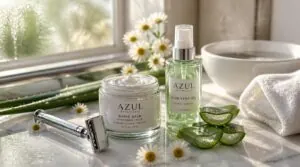
Preventing razor burn starts before you even pick up a razor. A few targeted adjustments to your shaving routine and product choices can greatly reduce irritation. Here’s what to focus on.
Pre-Shave Skin Preparation
Skin prep matters as much as technique. For sensitive skin, follow these five preshave preparation steps to cut irritation risk:
- Rinse with lukewarm water to remove oil
- Keep skin wet before applying any product
- Apply a warm compress to stubble for 30 seconds
- Let lather sit briefly to hydrate hair
- Use a fragrance-free, alcohol-free moisturizer on dry patches
Low-Irritation Shaving Technique
Once your preshave preparation is complete, technique drives the outcome. Hold a singleblade razor at a 30-degree angle with light, even pressure. Short strokes with the grain reduce cumulative friction on sensitive skin.
| Mistake | Better Approach |
|---|---|
| Heavy pressure | Light, even strokes |
| Against the grain | Follow hair growth |
| Long repeated passes | Short single strokes |
| Skipping stretch | Pull skin taut first |
Razors and Shaving Products
Good technique matters less when your tools don’t match your skin. For sensitive skin, a single-blade safety razor limits the multi-blade drag that compounds irritation.
Replace blades often, since dull edges raise friction and worsen razor burn. Choose a thick, fragrance-free shaving cream over alcohol-based gels, which sting already-compromised skin. Rinse the blade after every few strokes to clear buildup.
Post-Shave Barrier Care
After shaving, apply a fragrance-free moisturizer while your skin is still damp to support barrier function and reduce water loss through irritated skin. Look for ceramides or hyaluronic acid in the formula; they help restore lipid structure and keep your skin calm and comfortable between shaves.
Skip alcohol-based aftershaves and active exfoliants until redness clears, usually within a few days.
How Long Razor Burn Lasts and When to Seek Medical Care
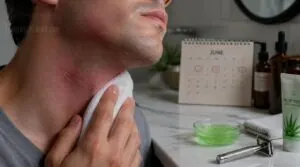
Although razor burn usually clears within 1 to 3 days, sensitive skin can stay red or irritated longer in high-friction zones like skin folds.
Skin itching and redness that improve daily are normal recovery signs. If symptoms worsen after several days, something beyond simple irritation may be happening. Knowing when to seek medical care helps you catch complications early.
Watch for these red flags:
- Skin redness spreading rapidly with warmth or swelling
- Pus, drainage, or red streaking from the site
- Fever accompanying the irritation
- Symptoms lasting beyond one week or recurring in the same spot
Don’t ignore razor burn that keeps returning despite rest from shaving. That pattern can signal infection or another skin condition that needs proper evaluation.
Frequently Asked Questions (FAQs)
Is putting Aquaphor on razor burn okay?
Aquaphor works well on mild razor burn. Its petrolatum base creates an occlusive barrier, reducing moisture loss and soothing friction-related irritation. Avoid it on broken skin or if you notice any pus or spreading redness.
How to heal skin after razor burn?
Rinse with cool water, pat dry gently, and apply a fragrance-free moisturizer with ceramides or aloe vera. Both offer anti-inflammatory support that speeds skin healing. Skip alcohol-based toners and products until the redness fully clears.
Will razor burn go away by itself?
Yes, it usually does. Most razor burn clears on its own within a few days, as long as you stop reshaving over already irritated skin. Repeated friction keeps the inflammation going and slows skin healing.
What kind of ointment can help with razor burn?
A fragrance-free ointment with petrolatum or dimethicone helps restore your damaged skin barrier after irritation. For inflammation, a low-strength hydrocortisone cream works well short-term. An aloe vera moisturizer with anti-inflammatory properties also eases mild cases.
Can clothing choices affect razor burn recovery?
Think what you wear after shaving doesn’t matter? Tight clothing and synthetics trap heat and moisture against irritated skin, slowing recovery. Opt for cotton underwear, loose fits, and fragrancefree detergent to avoid further irritation.
How does stress influence razor burn flare-ups?
Stress raises cortisol, which weakens your skin barrier and amplifies inflammatory signaling. This leaves your skin more reactive, so even routine shaving can trigger stronger flare-ups, a longer recovery, and more intense burning than usual.
If you notice more redness, itching, or breakouts when you’re under pressure, these skin conditions caused by stress may explain why.
Are certain climates harsher on newly shaved skin?
Newly shaved skin is more vulnerable to climate stress. Cold, dry air increases moisture loss and sharpens stinging. Direct UV exposure activates inflammation. High humidity reduces tightness but sweat and salts can prolong surface irritation.
What foods worsen or help razor burn healing?
Every sugary snack and processed meat you eat practically sets your skin’s healing progress back noticeably. Dairy does too. Instead, prioritize omega-3-rich foods and adequate skin hydration for their antiinflammatory benefits and faster cellular repair.
Can diet affect razor burn healing speed?
Diet alone won’t dramatically speed up razor burn healing, but maintaining adequate nutrition helps your skin. Choosing antiinflammatory foods and avoiding sugary snacks, processed meats, and dairy may reduce inflammation, while skin hydration aids recovery.
Should you shave less frequently with sensitive skin?
Probably, yes, though not always. If your skin irritation flares before healing finishes, shaving less frequently helps. Otherwise, a solid postshave routine and gentler technique may let you keep your schedule.
Conclusion
Picture skin that stays calm after every pass of the razor, no sting, no red patches spreading across your jaw. That outcome depends on two habits: treating flare-ups with cooling, barrier-repairing ingredients, and shaving with a sharp blade, proper lubrication, and light pressure. Effective razor burn treatment sensitive skin routines combine both.
Manage the irritation you have, prevent the next one, and see a dermatologist if burning persists beyond a few days.