This site is supported by our readers. We may earn a commission, at no cost to you, if you purchase through links. This content is for general informational and educational purposes only and is not a substitute for professional medical, dermatological, or nutritional advice.
Brushing your hair shouldn’t feel like a punishment. Yet for millions, even the lightest touch sends a sharp sting radiating across their scalp—sometimes with no visible rash, no obvious wound, nothing to explain it. Scalp tenderness occupies a frustrating middle ground where discomfort is real but causes remain elusive.
It can stem from something as simple as a tight ponytail or signal something clinically significant, like early nerve inflammation tied to hair loss. This ambiguity complicates even basic decisions, from choosing shampoo to determining whether a dermatologist’s expertise is necessary.
Knowing the difference shapes everything, influencing both daily routines and medical urgency.
Table Of Contents
- Key Takeaways
- Why is My Scalp Tender?
- Common Causes of Scalp Tenderness
- Scalp Tenderness With Hair Loss
- How to Relieve a Tender Scalp
- When Scalp Tenderness Needs Medical Care
- Frequently Asked Questions (FAQs)
- Why is my scalp sore and tender to touch?
- Why is my hair sore at the roots?
- Why is my scalp tender in one spot with hair loss?
- What conditions cause scalp or head pain?
- How do I treat scalp tenderness?
- What are the symptoms of scalp tenderness?
- What causes scalp tenderness?
- Why does my scalp hurt a lot?
- What is scalp pain?
- What autoimmune disease causes scalp pain?
- Conclusion
Key Takeaways
- Scalp tenderness ranges from harmless tension caused by tight hairstyles to serious conditions like giant cell arteritis, so the location, sensation type, and accompanying symptoms matter far more than the pain alone.
- When tenderness appears alongside hair loss, it’s often your body’s early warning system — conditions like alopecia areata and scarring alopecia can cause burning or tingling before a single visible patch appears.
- Most mild cases respond well to fragrance-free products, looser hairstyles, medicated shampoos, and reduced chemical exposure, but these fixes only work if you’ve correctly identified your trigger first.
- Seek same-day care if your scalp tenderness occurs with fever, pus, spreading redness, sudden vision changes, or a new headache after age 50 — these symptoms indicate causes beyond skin-deep issues.
Why is My Scalp Tender?
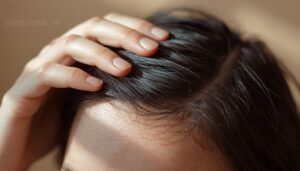
Scalp tenderness can show up in a surprising number of ways, and pinpointing yours is the first step toward relief. The sensation, location, and triggers all offer useful clues about what’s actually going on.
Tracking those details—when it hurts, where, and what sets it off—is exactly what identifying your scalp pain triggers comes down to.
Here’s a closer look at the key patterns worth paying attention to.
What Scalp Tenderness Feels Like
Scalp tenderness doesn’t always feel the same way twice. You might notice:
- Electric tingling or cold prickling along your hairline
- A heavy band of pressure that throbs when you move
- Nerve shooting pain or a numbness sensation near your roots
These symptoms of scalp tenderness — collectively called trichodynia — reflect real scalp sensitivity and pain your nerves are signaling. In some cases, underlying conditions such as temporal arteritis symptoms may be responsible for the discomfort.
Soreness at The Roots Vs Skin Pain
Not all root-zone soreness comes from the same source. Follicle nerve signaling produces tenderness right where hair meets skin — tight hairstyles or hair follicle damage often drive this.
Cutaneous vs neural pain tells a different story: skin irritation changes with touch, while neuropathic scalp pain — true trichodynia — burns independently. Sensation pattern mapping and mechanical trigger profiling help clarify which you’re dealing with.
| Feature | Skin-Surface Pain | Root Zone Hyperesthesia |
|---|---|---|
| Main trigger | Product, friction, heat | Pulling, traction, follicle stress |
| Sensation type | Burning, stinging | Tender, bruised feeling |
| Worsens with | Washing, rubbing | Combing, tight hairstyles |
| Visible signs | Redness, flaking | Minimal or none |
| Improves when | Irritants removed | Tension released |
Tenderness in One Spot or All Over
Where the discomfort lives matters. A single pinpoint spot — one you can reproduce with a fingertip — often signals localized follicular inflammation or irritation. Widespread tenderness that touches most of your scalp suggests something systemic or broadly inflammatory.
Pattern mapping and trigger localization help clarify this.
Temporal progression also tells a story: Did it appear overnight, or creep across your scalp over days?
Burning, Stinging, Itching, or Throbbing
The sensation you feel matters as much as where you feel it. Burning often signals neuropathic dysesthesia or TRPV1 activation — your nerve endings misfiring rather than true skin damage. Stinging usually reflects chemical irritation or sensory cross-talk, indicating external irritants or nerve interaction.
Itching, or pruritus, points toward surface inflammation, often linked to allergic reactions or skin conditions. Throbbing typically tracks vascular pulsation from deeper inflammation, such as in muscle or joint tissues.
Trichodynia and neuropathic pain can blend these signals into one confusing, layered scalp sensitivity, complicating diagnosis and treatment.
Common Triggers That Worsen Discomfort
Several triggers can quietly stack against you. Tight hairstyles and chemical irritants like dyes and relaxers create mechanical and inflammatory stress on follicles. Temperature extremes — whether from hot showers or cold wind — activate sensitive nerve receptors.
Shampoo irritation, skin irritation from environmental pollution, and seasonal changes contribute to external strain. Internally, shifting stress hormones, nutrient deficiencies, and certain medication side effects can all exacerbate an already-tender scalp.
Common Causes of Scalp Tenderness
Scalp tenderness rarely comes out of nowhere — something is usually driving it.
The cause shapes everything, from how it feels to what actually helps.
Here are the most common reasons your scalp might be giving you trouble.
Seborrheic Dermatitis and Dandruff
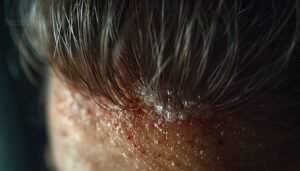
Dandruff and seborrhoeic dermatitis share the same root culprit: Malassezia Overgrowth, a yeast that thrives where sebum is plentiful. This Sebum-Driven Scaling triggers Barrier Disruption, leaving the scalp raw and reactive. The result? A frustrating Flare Cycle of scalp inflammation and tenderness.
Topical antifungals like ketoconazole shampoos are among the most effective home remedies for scalp tenderness when this yeast is to blame.
Psoriasis and Eczema Flare-ups
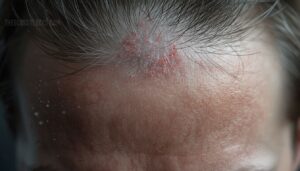
Both psoriasis and eczema are immune-driven skin conditions affecting the scalp, but they manifest differently. Psoriasis typically produces sharply defined plaques with classic plaque morphology, while eczema causes diffuse redness and irritation. Scalp inflammation from either condition can feel raw, burning, or tender, even without scratching.
- Psoriasis flares follow immune pathways triggered by stress, skin injury, or steroid withdrawal
- Nail changes like pitting often accompany psoriasis, helping distinguish it from eczema
- Seasonal variation is real — many people experience flares in winter when skin barrier function drops
- Eczema-related scalp tenderness often worsens around hormonal shifts like menstruation
- Severe or persistent psoriasis may eventually require biologic therapy to control inflammation
Seasonal and hormonal factors significantly influence both conditions. Winter months, when skin barrier function weakens, often exacerbate symptoms for many patients. Similarly, hormonal fluctuations, such as those occurring during menstruation, can intensify eczema-related discomfort. For severe psoriasis cases, advanced treatments like biologic therapy may become necessary to manage chronic inflammation effectively.
Folliculitis, Ringworm, and Scalp Infections

Scalp folliculitis starts when bacteria invade hair follicles, producing tender, inflamed bumps and pustules along your hairline. Ringworm — a fungal infection, not an actual worm — causes scaly patches and hair loss. Kerion complications, a severe inflammatory response, can lead to pus-filled nodules and scarring.
Transmission prevention matters: don’t share combs or hats.
Targeted antibiotics or antifungals, confirmed through diagnostic microscopy, clear most infections effectively.
Allergic Reactions to Hair Products

Your shampoo or dye might be the culprit. Fragrance allergens, PPD in hair dye, and preservatives like methylisothiazolinone are common triggers of allergic contact dermatitis and skin irritation from styling products.
Hidden allergens slip through regulatory labeling gaps — even "PPD-free" labels aren’t always reliable. This inconsistency exacerbates risks for consumers.
Preservative irritation, allergen cross-reactivity, and contact allergy can compound each other, creating complex reactions. These interactions often worsen symptoms beyond isolated ingredient effects.
Patch testing helps identify your specific trigger, enabling targeted avoidance and treatment.
Tight Hairstyles and Traction
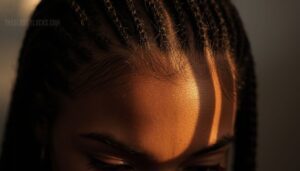
Your favorite protective style might be quietly damaging your hairline. Constant hairline tension from cornrows, locs, and tight buns places cumulative tension on follicles — especially at the scalp’s edges. Extension attachments add even more pull.
Over time, that chronic stress triggers scalp tenderness, traction alopecia, and potentially permanent loss.
Watch for these warning signs:
- Soreness along the frontal hairline after styling
- The fringe sign — sparse hair clinging to the hairline rim
- Tenderness that flares with tight extension attachments
- Receding edges despite no other hair loss condition
- Early traction alopecia before scarring sets in
Heat Styling, Sunburn, and Friction
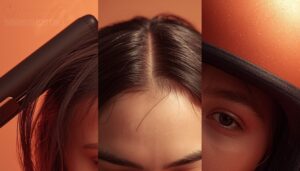
Heat damage doesn’t always come from the iron alone. When hot plates repeatedly contact the same spot, steam irritation from damp hair can quietly sensitize your scalp. Poor Heat Tool Placement accelerates that damage.
Sunburns without UV Scalp Shielding leave skin raw and reactive. Similarly, unprotected exposure compounds vulnerability.
Add Hat Friction Relief concerns — helmets or tight headwear rubbing inflamed skin — and scalp tenderness compounds quickly. Temperature Monitoring matters more than most people realize.
Headaches, Nerve Pain, and Trichodynia

Occipital Neuralgia causes electric, shooting discomfort that follows nerve pathways — your scalp sensory mapping tells the story. Neuropathic Dysesthesia and Trigeminal Trophic Syndrome can make light touch unbearable. Trichodynia, a symptom of scalp discomfort tied to hair loss, adds burning or pricking.
Trigger Point Therapy and headache management often bring real relief.
Scalp Tenderness With Hair Loss
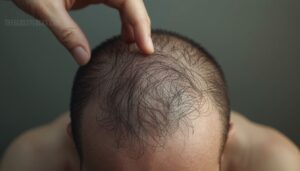
Scalp tenderness and hair loss do not always show up separately — they often come as a package deal, and that combination is worth paying attention to. The type of pain you feel, and where it appears, can point directly to what’s driving the shedding.
Here’s a closer look at the conditions most likely behind both.
Telogen Effluvium and Scalp Sensitivity
Telogen effluvium operates on a delay — stress-induced onset triggers a shedding latency of one to four months before noticeable effects occur. The club hair roots shed diffusely, rarely causing true inflammation.
Scalp sensitivity, when present, typically manifests as mild paresthesias rather than burning skin disease. Key non-inflammatory signs to monitor include:
- Diffuse thinning without rash
- Scalp appears visually healthy
- No flaking or pus
- Tenderness, not obvious skin changes
Recovery prognosis is generally favorable.
Alopecia Areata With Tingling or Burning
Unlike telogen effluvium, alopecia areata carries an autoimmune signature — your immune system targets hair follicles directly. This attack can produce real tingling or burning sensations, sometimes before a visible patch even appears.
Patch Sensation Timing matters here: you might feel discomfort first, then notice hair loss. Nail indicators, like small pits, can confirm autoimmune activity is active.
The psychological impact of this condition is profound and real.
Traction Alopecia From Tight Styles
Tight hairstyles — cornrows, high ponytails, weaves — don’t just pull your hair; they pull on the nerves beneath your scalp. That constant tension triggers scalp tenderness and, over time, disrupts follicle remodeling at the hairline.
Early trichoscopy can catch follicular stress before permanent loss sets in. A hair pull test along tension-bearing zones often confirms the pattern.
Loosening your styling choices now matters.
Scarring Alopecia and Persistent Pain
Scarring alopecia — particularly centrifugal cicatricial alopecia (CCCA) — causes follicular fibrosis when inflammatory cytokines destroy follicles and replace them with scar tissue.
That damage isn’t quiet. Neuropathic scar pain and chronic scalp pain often persist long after scar tissue remodeling slows.
Early tenderness markers matter here — catching scalp tenderness early improves treatment options for scalp tenderness before permanent loss spreads.
When Tenderness Appears Before Shedding
Scalp tenderness can be one of the earliest warning signs that something is shifting in your hair cycle — often before a single strand hits the drain. Inflammation timeline matters here: follicular irritation from traction pre-shedding or early immune activity disrupts the growth cycle first.
Scalp tenderness often signals hair loss before a single strand falls
Neurogenic pain markers like burning and stinging serve as cycle shift clues well ahead of visible hair loss.
Tender Scalp Patches With Visible Thinning
When a patch of hair starts thinning and the skin underneath feels sore, these early diagnostic clues are worth taking seriously. Follicle-specific soreness, burning, or trichodynia—a symptom of scalp discomfort—often indicates localized inflammation driving hair loss-related sensitivity.
Watch for these patterns:
- Redness or flaking within the thinning patch
- Tenderness that remains fixed to the same spot over time
- Tingling or stinging—neurogenic inflammation markers common in alopecia areata
How to Relieve a Tender Scalp
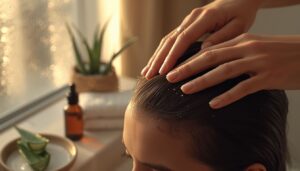
Relief doesn’t always require a prescription or a dermatologist appointment. Most cases respond well to a few straightforward changes in how you care for your scalp day-to-day.
Here’s what actually helps.
Gentle Washing and Fragrance-free Products
When your scalp already hurts, washing it shouldn’t feel like a battle. Use fingertip lathering instead of nails, and choose pH-balanced cleansers with allergy-free labeling to avoid triggering contact dermatitis.
Low-suds formulas are gentler on a sensitive scalp, and residue-free rinsing removes irritants without extra scrubbing.
Lukewarm water and gentle brushing finish the job without adding more pain.
Medicated Shampoos for Flakes and Inflammation
When flakes and inflammation team up, regular shampoo won’t cut it. Medicated shampoos target the root cause directly.
- Ketoconazole’s efficacy fights the yeast driving seborrheic dermatitis and dandruff
- Zinc pyrithione’s safety makes it gentle enough for frequent use on sensitive scalps
- Selenium sulfide’s mechanism slows the rapid cell turnover behind stubborn flaking
- Salicylic acid’s keratolysis lifts and loosens built-up scale so it rinses away cleanly
- Coal tar therapy’s calming effect reduces persistent inflammation of scalp tissue and redness
Cold Compresses and Scalp Soothing Tips
Sometimes the simplest home remedies for scalp tenderness work surprisingly well. The cool towel method—wrapping a damp, cold cloth around tender areas—can quiet nerve signals and ease scalp sensitivity within minutes. Use cold packs wrapped in cloth, never directly on the skin.
| Compress Timing | Skin Barrier Technique | Alternating Heat Therapy |
|---|---|---|
| 15–20 minutes per session | Always wrap in cloth or towel | Start cold, switch to warm |
| Rest between applications | Stop if the skin turns pale or waxy | 10 minutes each cycle |
| Short intervals, not continuous | A damp towel works well | Reduces throbbing effectively |
| Reapply if discomfort returns | Tolerable cold, not painful | Space sessions appropriately |
| Self‑care monitoring recommended | Protect sensitive skin always | Consult a doctor if no relief |
Avoiding Dyes, Relaxers, and Harsh Chemicals
Hair dye and relaxers are often the hidden culprit behind scalp tenderness. PPD-free dyes and formaldehyde-free relaxers exist specifically for sensitive scalps — check ingredient label-reading as your first step. Always follow a patch test protocol before full application. Sulfate-free cleansers reduce barrier disruption.
Contact dermatitis and allergic reactions, including nerve-mediated skin reactions to chemical irritants, worsen quickly when harsh hair products stay on too long.
Loosening Hairstyles and Reducing Tension
Tight hairstyles are just as much a chemical stressor as a physical one — your follicles don’t distinguish between the two. If you’re experiencing a ponytail headache or general hair tension headache, try these adjustments:
- Switch to low-tension braids or knotless styles
- Use adjustable wig caps with satin lining
- Wear nighttime hair wraps loosely and rotate style change intervals every few weeks
Scalp pressure relief starts with loosening your grip.
When Prescription Treatments May Help
Over-the-counter options don’t always cut it. When inflammation becomes persistent or spreading, dermatologists may prescribe topical fluticasone or systemic corticosteroids to manage flare-ups. These treatments aim to calm the flare-up and reduce severity.
Antifungal prescriptions target yeast-driven tenderness, while oral cephalexin addresses bacterial folliculitis. For burning nerve-type pain, neuropathic pain agents often prove more effective than standard analgesics.
Specialist referral criteria exist for a reason—trust them.
Prevention Habits for Long-term Scalp Comfort
Prevention isn’t complicated — it’s consistent. Once your scalp calms down, protect it with these habits:
- Build a Scalp Hydration Routine using fragrance-free, barrier-repair products and rinse thoroughly after every wash.
- Support Barrier-Repair Nutrition through hydration and a balanced diet, since stress management directly affects inflammation.
- Schedule Regular Scalp Exams and adjust your Seasonal Scalp Care as temperatures shift.
When Scalp Tenderness Needs Medical Care

Most scalp tenderness clears up with simple care at home — but not always.
Some symptoms are your body’s way of waving a red flag that something more serious is going on. Here’s when you shouldn’t wait it out.
Red Flags Like Rash, Pus, or Spreading Pain
Some scalp symptoms aren’t just discomfort — they’re your body signaling something serious. Watch for these red flags that mean you shouldn’t wait.
| Warning Sign | What It May Indicate |
|---|---|
| Purulent drainage or pustular lesions | Bacterial follicle infection or abscess |
| Expanding erythema with warmth | Spreading skin infection (cellulitis) |
| Lymphangitic streaks or necrotic discoloration | Deep tissue involvement needing urgent care |
Persistent redness, painful scalp tenderness, or pustule formation warrants same-day evaluation. Know when to seek medical attention for scalp issues — early treatment prevents serious complications.
Fever, Swollen Lymph Nodes, or Infection Signs
When fever patterns accompany scalp tenderness, your body is sending a louder signal than skin discomfort alone. These systemic infection cues demand prompt attention:
- Fever above 101°F with febrile scalp inflammation
- Lymph node tenderness in the neck or behind the ears
- Lymphangitis streaking — red lines extending from the scalp
- Malaise pointing to viral infection or systemic inflammation
Seek medical attention for scalp issues immediately.
Sudden Bald Patches or Painful Hair Loss
Sudden bald patches — especially round, smooth ones — are a hallmark of alopecia areata, an autoimmune trigger that can strike within weeks. Some people also notice trichodynia (scalp discomfort) as a symptom before shedding begins.
Chronic sleep deprivation can worsen these autoimmune flares, as stress-driven hormonal shifts that suppress hair follicle growth intensify when cortisol stays elevated overnight.
Telogen effluvium, driven by stress-induced shedding, hormonal fluctuations, nutrient deficiencies, or drug-induced hair loss, can also cause scalp tenderness alongside rapid hair loss.
Don’t wait — get evaluated.
Severe One-sided Pain or Nerve Symptoms
Pain striking only one side of your scalp is not something to sleep on. Conditions like occipital neuralgia, trigeminal neuralgia, and postherpetic neuralgia — a nerve complication following shingles — all produce sharp, electric, or burning pain along a specific nerve pathway. These are classic mononeuropathy signs.
Adding visual disturbances or temporal artery tenderness necessitates urgent imaging to rule out serious neurological causes of scalp pain.
Scalp Tenderness With New Headache After 50
After 50, a new headache paired with scalp tenderness isn’t just stress — it’s a red flag for temporal arteritis. Giant cell arteritis, the most common primary vasculitis in elderly patients, demands an age-specific differential.
New-onset headache with temporal artery inflammation can precede a serious risk of vision loss. Watch for these warning signs:
- Scalp sensitivity around the temples
- Elevated inflammatory markers (ESR, CRP)
- Visual disturbances or sudden blurred vision
- Prompt evaluation enabling immediate steroid initiation
Possible Giant Cell Arteritis Warning Signs
Beyond headache, giant cell arteritis announces itself in specific ways.
Jaw claudication — that aching fatigue when you chew — is a telling sign. So is temporal artery tenderness along the side of your head.
Sudden vision loss or any visual disturbance demands same-day care.
Systemic fever, fatigue, and an elevated ESR, along with scalp pain, are early signs of giant cell arteritis that shouldn’t be dismissed.
How Doctors Diagnose The Underlying Cause
Once arteritis is on the radar, doctors move quickly. Your appointment begins with a thorough history—when tenderness began, what products you use, and whether headaches or vision changes are involved. A scalp inspection and dermoscopic evaluation follow, sometimes alongside microbial testing or a neurologic assessment.
Suspected giant cell arteritis usually requires a temporal artery biopsy to confirm the clinical diagnosis and rule out other differential diagnoses.
Frequently Asked Questions (FAQs)
Why is my scalp sore and tender to touch?
Your scalp can become sore from microbial overgrowth, hormonal fluctuations, nutrient deficiencies, chronic stress, or environmental pollutants — each irritating nerves and skin in ways that make even light touch uncomfortable.
Why is my hair sore at the roots?
Your hair isn’t actually sore — your scalp skin is. That aching at the roots comes from inflamed follicles or irritated skin underneath, where all the nerve endings actually live.
Why is my scalp tender in one spot with hair loss?
One tender spot paired with thinning could signal alopecia areata, folliculitis, or early scarring alopecia — each targeting follicles locally before spreading.
Don’t ignore it; that patch is your scalp asking for help.
What conditions cause scalp or head pain?
Conditions like occipital neuralgia, trigeminal neuralgia, cervical radiculopathy, systemic vasculitis, scalp cellulitis, giant cell arteritis, headaches, and various dermatological conditions can all cause scalp or head pain.
How do I treat scalp tenderness?
Treatment starts by identifying your trigger — whether it’s product irritation, tension, or infection — then matching care to that cause for real, lasting relief.
What are the symptoms of scalp tenderness?
Symptoms of scalp tenderness include scalp pain, nerve tingling, visible redness, and painful hair pull.
You may notice localized swelling, temperature hypersensitivity, or headaches — sometimes mimicking nerve pain beneath the skin.
What causes scalp tenderness?
Skin inflammation, nerve irritation, and mechanical stress can all make your scalp protest.
Causes of scalp tenderness range from tight hairstyles and insect bites to occipital neuralgia, systemic vasculitis, hormonal fluctuations, stress-related inflammation, and medication side effects.
Why does my scalp hurt a lot?
Your scalp may hurt due to nerve sensitivity, inflammation, tight hairstyles,
hormonal fluctuations, nutrient deficiencies,
psychological stress, systemic illnesses, or medication side effects — each disrupting scalp comfort in distinct, often overlapping ways.
What is scalp pain?
Pain that lives on your scalp — whether burning, throbbing, or tender to the touch — is your body’s sensory system flagging that something, somewhere, needs attention.
What autoimmune disease causes scalp pain?
Several autoimmune disorders can trigger scalp pain. Discoid lupus, systemic lupus, dermatomyositis rash, cutaneous vasculitis, and scleroderma skin changes all inflame scalp tissue.
Giant cell arteritis — also called temporal arteritis — is especially urgent and confirmed via temporal artery biopsy.
Conclusion
Most people treat scalp tenderness like a minor inconvenience—until it quietly escalates into persistent pain, unexpected hair loss, or a sign of something far more serious hiding beneath the surface. Your scalp isn’t just a foundation for hair; it’s a living map of what’s happening inside your body.
Read its signals and adjust your routines, choosing gentler products. Don’t dismiss discomfort that lingers. When something feels genuinely wrong, a dermatologist can provide answers your mirror simply can’t.