This site is supported by our readers. We may earn a commission, at no cost to you, if you purchase through links. This content is for general informational and educational purposes only and is not a substitute for professional medical, dermatological, or nutritional advice.
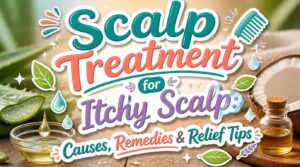
That 2 a.m. scratch session isn’t your imagination. Your scalp has more nerve endings per square inch than almost anywhere else on your body, which explains why even mild irritation feels unbearable by midnight.
Most people blame dandruff and reach for the first medicated shampoo they see. But an itchy scalp can stem from a dozen different culprits, from simple dryness to fungal overgrowth to an allergic reaction you didn’t even know you had.
Finding the right scalp treatment for itchy scalp relief starts with figuring out what’s actually happening under your hair. Once you know the cause, the fix usually gets a lot simpler.
Table Of Contents
- Key Takeaways
- What Causes an Itchy Scalp?
- Top 6 Itchy Scalp Treatment Products
- Natural Treatments for Itchy Scalp
- Medicated Treatments for Scalp Itching
- Preventing Itchy Scalp Flare-Ups
- Frequently Asked Questions (FAQs)
- What do dermatologists recommend for an itchy scalp?
- How often should I wash itchy scalp?
- Can weather changes cause scalp itching?
- Is scalp itching hereditary or genetic?
- When should I see a dermatologist?
- Can tight hairstyles worsen scalp itching?
- How long does it take to see results?
- Can I combine multiple scalp treatments together safely?
- Is an itchy scalp linked to hair loss?
- Does diet really affect scalp itchiness?
- Conclusion
Key Takeaways
- Your itchy scalp could come from dryness, dandruff, fungal infections, allergies, or skin conditions like psoriasis and eczema, so pinpointing the cause is the first step toward real relief.
- Natural remedies like diluted tea tree oil, aloe vera masks, and apple cider vinegar rinses can calm mild irritation, but always dilute essential oils and patch test before applying them to your scalp.
- Medicated shampoos with ketoconazole, zinc pyrithione, or selenium sulfide target fungal overgrowth directly and typically show results within a month of consistent use.
- Preventing flare-ups long-term means balancing hydration with gentle exfoliation, avoiding known irritants like PPD, managing stress, and seeing a dermatologist if symptoms persist or spread.
What Causes an Itchy Scalp?
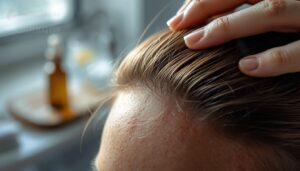
An itchy scalp can come from more than one source, and figuring out yours matters. Sometimes it’s simple dryness, other times it’s something deeper like inflammation or infection. Let’s break down the most common culprits, one by one.
For a deeper dive into what’s behind the itch, this guide to natural remedies for an itchy scalp walks through gentle, at-home fixes for each root cause.
Dry or Sensitive Scalp
When your scalp feels tight and flaky, dryness is often the culprit. Dry skin loses moisture from weather, harsh products, or residue left behind after washing. A sensitive scalp adds burning or tingling on top of that itch.
Fix it gently: switch to mild shampoo, focus on moisture barrier repair, and support scalp hydration with thorough rinsing and gentle cleansing. For more guidance, exploring sensitive scalp treatment advice can help you identify the right products and routines for lasting relief.
Dandruff and Seborrheic Dermatitis
Dryness is one thing, but flaking that keeps coming back points somewhere else: dandruff or seborrheic dermatitis. Both stem from Malassezia yeast control going haywire on your scalp, triggering flaking and inflammation along the hairline. Dandruff sticks to the scalp itself, while seborrheic dermatitis can spread to your face and chest. It’s a chronic condition needing steady, ongoing management rather than a one-time fix.
Psoriasis, Eczema, and Folliculitis
Yeast isn’t the only troublemaker behind flaking. Chronic skin conditions like psoriasis and eczema bring their own scalp inflammation triggers, thickened plaques, red patches, and stubborn itch. Folliculitis irritates hair follicles directly, causing small bumps that fuel the itch-scratch cycle.
Scalp psoriasis care and scalp eczema management both lean on gentle barrier repair methods since scratching only deepens the damage.
Fungal Infections and Head Lice
Sometimes the itch isn’t inflammation at all, it’s an infestation or invader. Tinea capitis (ringworm) causes scaly patches and hair loss, spreading through direct contact. Treatment depends on the fungus: terbinafine or griseofulvin, often for weeks.
Head lice cause a crawling, tickling itch, spreading skin-to-skin. Symptoms can take 3-4 weeks to appear, so check regularly.
Product Allergies and Irritants
When your scalp reacts, the culprit is often sitting right there in your shower caddy. Contact dermatitis from hair dye, especially paraphenylenediamine (PPD), is a common trigger, along with fragrance, preservatives, and nickel dermatitis from metal accessories.
Got a sensitive scalp? Patch testing new products for 48 hours can save you a week of misery.
Top 6 Itchy Scalp Treatment Products
Sometimes the best relief comes straight from your pantry or a quick online order. You don’t need a dermatologist’s prescription pad to start feeling better today. Here are six products worth keeping in your scalp care routine.
1. NOW Essential Oils Tea Tree Oil 1 Ounce
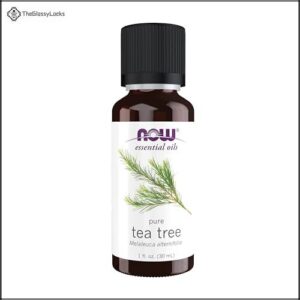
One drop of this stuff undiluted and you’ll know why tea tree oil has a reputation. NOW’s version is 100% pure Melaleuca alternifolia oil, steam distilled and vegan, with no synthetic fragrance added.
Mix it at roughly 1 part oil to 10 parts carrier oil (jojoba or coconut work well) before massaging into your scalp. It’s especially useful for fungal-related itching. Just don’t skip the dilution step, and expect a strong, camphorous smell that airs out after opening.
| Best For | Anyone dealing with dandruff, scalp irritation, or minor fungal skin issues who wants a pure, no-frills essential oil for DIY skincare or cleaning solutions. |
|---|---|
| Scalp Use | Dandruff control additive |
| Form | Essential oil |
| Purity Claim | 100% pure |
| Container Type | Glass bottle, child cap |
| Volume/Weight | 1 fl oz |
| Natural Origin | Steam distilled plant oil |
| Additional Features |
|
- 100% pure, steam-distilled tea tree oil with no synthetic additives, and it’s vegan
- Versatile — works well diluted into shampoo for scalp health or mixed into homemade cleaning solutions
- Comes in a compact 1 oz bottle with a child-resistant cap for safe storage
- Strong camphorous, medicinal scent that some users may find overpowering
- Can irritate skin if applied without diluting it in a carrier oil first
- Initial odor can be off-putting (almost gasoline-like) and may need airing out after opening
2. Unscented Sweet Almond Moisturizing Oil
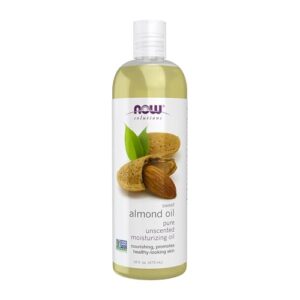
If tea tree oil felt a bit intense, this one’s the gentle cousin. It’s 100% pure sweet almond oil, unscented, and packed with vitamin E and fatty acids that soften skin on contact.
Massage it in slowly for five to ten minutes, following the same proper order for beard grooming steps to work the oil evenly from root to tip.
Massage a small amount straight into your scalp, no dilution needed. It’s non-comedogenic, so it won’t clog follicles, and works well as a carrier base for other oils. Just skip the pump, this bottle pours freehand.
| Best For | People with sensitive skin who want a gentle, unscented oil for daily moisturizing, baby massage, or as a carrier for DIY essential oil blends. |
|---|---|
| Scalp Use | Scalp hydration |
| Form | Carrier oil |
| Purity Claim | 100% pure, non-GMO |
| Container Type | Recycled resin bottle |
| Volume/Weight | 16 fl oz |
| Natural Origin | Non-GMO plant oil |
| Additional Features |
|
- 100% pure, non-GMO sweet almond oil that’s non-comedogenic and won’t clog pores
- Unscented formula makes it safe and gentle for sensitive skin, including babies
- GMP quality assured with NPA A-rated certification, plus an eco-friendly recycled resin bottle
- No pump dispenser, so pouring can get messy for precise application
- The darker PCR bottle may look different than you’d expect
- Unscented, so it won’t work if you’re hoping for an almond fragrance
3. Sky Organics Organic Extra Virgin Olive Oil
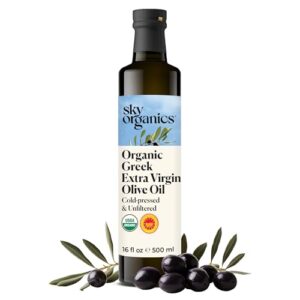
Good old olive oil deserves a spot on this list, and Sky Organics’ version is the real deal: cold-pressed, unfiltered, and sourced from Greek farms.
Warm a tablespoon between your palms and work it into dry sections, focusing on flaky spots. Its oleuropein content delivers anti-inflammatory benefits, so leave it on for a few hours (or overnight, if you don’t mind the pillow situation) before shampooing out. Bonus: it’s kosher, vegan, and doubles as a legit finishing oil for dinner.
| Best For | Anyone who wants a dual-purpose olive oil that’s just as good drizzled over dinner as it is worked into dry hair and scalp for a nourishing treatment. |
|---|---|
| Scalp Use | Scalp massage oil |
| Form | Cooking/topical oil |
| Purity Claim | Certified organic |
| Container Type | Glass bottle |
| Volume/Weight | 16.9 fl oz |
| Natural Origin | Cold-pressed olives |
| Additional Features |
|
- Certified organic, cold-pressed, and unfiltered, sourced straight from Greek farms
- Versatile enough for cooking, salad dressings, and baking, plus skin and hair moisturizing
- Kosher, vegan, and soy-free, with anti-inflammatory oleuropein content that benefits scalp and skin
- Some users find the flavor a bit mild or subtle for cooking purposes
- A slightly bitter aftertaste has been noted by certain consumers
- Priced higher than conventional olive oils
4. doTERRA Eucalyptus Radiata Essential Oil 15 mL
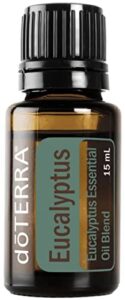
Eucalyptus’s crisp, medicinal scent isn’t just pleasant, it’s functional. doTERRA’s Radiata variety, sourced from Australian groves, is milder than standard eucalyptus but still packs 1,8 cineole, the compound behind its clearing, invigorating vapor.
Add two drops to your shampoo or dilute into a carrier oil before massaging into your scalp. The antimicrobial properties help calm irritation, while that cooling sensation eases itch on contact. Just a heads-up: it’s potent stuff, so a little truly goes a long way.
| Best For | People who want an all-purpose, purifying essential oil for easy diffusing, topical scalp massages, or DIY cleaning without a harsh, overpowering scent. |
|---|---|
| Scalp Use | Scalp cleansing |
| Form | Essential oil |
| Purity Claim | High eucalyptol content |
| Container Type | Amber glass dropper bottle |
| Volume/Weight | 15 mL |
| Natural Origin | Plant-derived compounds |
| Additional Features |
|
- Versatile purifying properties work well for skin, surfaces, and air
- Comes in a precise-dose amber glass dropper bottle that protects against light degradation
- Cooling, soothing sensation helps calm scalp irritation and itch on contact
- Some users find the scent unexpected or not to their liking
- A number of customers feel it’s overpriced for what you get
- Can be too strong for sensitive noses or respiratory issues if used undiluted
5. Bragg Organic Raw Apple Cider Vinegar
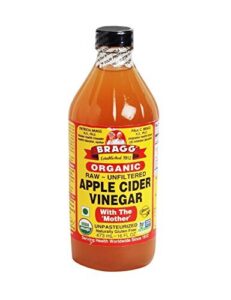
That murky strand floating in the bottle isn’t sediment to strain out, it’s the Mother, a web of enzymes and bacteria formed during natural fermentation. Bragg’s raw, unfiltered vinegar keeps it intact.
Mix one to two tablespoons into water, or dilute for a rinse. Its 5% acidity helps discourage yeast overgrowth on the scalp. USDA organic, gluten free, and unpasteurized, it’s a pantry staple doing double duty for your hairline.
| Best For | Anyone looking for a natural, unfiltered apple cider vinegar to support everyday wellness, from cooking and dressings to joint health and DIY hair rinses. |
|---|---|
| Scalp Use | Scalp/joint support |
| Form | Liquid vinegar |
| Purity Claim | Raw, unfiltered |
| Container Type | Bottle |
| Volume/Weight | 16 fl oz |
| Natural Origin | Fermented apples |
| Additional Features |
|
- Contains the raw, unfiltered Mother for natural enzymes and bacteria
- USDA certified organic and gluten free
- Versatile use in cooking, health routines, and light household cleaning
- Some customers report bottle leakage
- Mother sediment settles and requires shaking before each use
- Not cost-effective for household or laundry cleaning
6. FGO Organic Chamomile Tea 100 Count
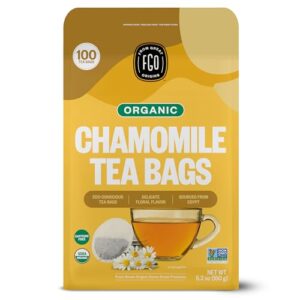
Vinegar takes care of the outside of your scalp. This tea takes care of what’s going on inside your evenings.
FGO’s chamomile bags are caffeine free, so sipping one before bed won’t wreck your sleep. Users report at least 7 hours of rest, which matters since stress fuels itch flares.
Steep one bag in 8 ounces of hot water for 3-5 minutes. USDA organic, unbleached, string-free bags, 100 per box. It won’t touch your scalp directly, but calmer nights mean fewer flare-ups.
| Best For | Anyone dealing with stress-related sleep trouble who wants a caffeine-free evening ritual to help them wind down. |
|---|---|
| Scalp Use | Sleep support, not scalp |
| Form | Herbal tea bags |
| Purity Claim | Unbleached, no additives |
| Container Type | Resealable bag |
| Volume/Weight | 5.29 oz |
| Natural Origin | Dried chamomile flowers |
| Additional Features |
|
- Caffeine-free and gentle enough for nightly evening use
- Eco-friendly, string-free, unbleached tea bags with minimal waste
- Resealable packaging keeps all 100 bags fresh over time
- Flavor and aroma strength vary, with some users finding it too weak or unpleasant
- No milligram breakdown of active chamomile compounds per bag
- Results for sleep support may vary from person to person
Natural Treatments for Itchy Scalp
Not every fix for an itchy scalp comes in a bottle from the pharmacy. Sometimes what’s already in your kitchen or bathroom cabinet works just as well, if you know how to use it. Here are four natural treatments worth trying first.
Diluted Essential Oil Treatments
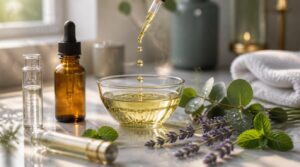
Since undiluted oils can burn sensitive skin, always mix first. Try tea tree scalp oil at 2-3% (12-18 drops per ounce) or eucalyptus scalp oil blended similarly. Patch test on your inner arm for 24 hours before scalp use.
- Tea tree: antifungal, anti-inflammatory
- Eucalyptus: cooling, decongesting
- Lavender: calming
- Peppermint: tingly relief
Stop immediately if irritation occurs.
Moisturizing Carrier Oil Massages
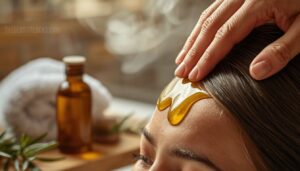
Once diluted oils feel too intense, try a straight carrier oil massage. Olive oil scalp treatment works well, thanks to oleuropein’s anti-inflammatory punch. Warm a small amount between your palms first, then massage in with effleurage strokes for 10 minutes.
Store bottles upright, sealed tight, away from heat. Rancid oil irritates rather than soothes.
Aloe Vera Scalp Masks
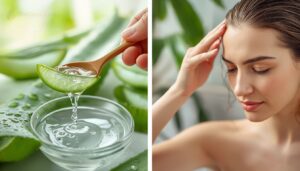
If oils feel heavy, aloe brings lighter hydration, that plant is almost 99% water. Cut an outer leaf, drain the yellow latex, rinse, then scoop the clear gel fresh.
Since fragrance-free, alcohol-free care is key to calming irritation, this guide to soothing razor burn fast pairs nicely with aloe’s gentle touch.
Massage into your scalp, let it sit 15-20 minutes, then rinse. This soothing aloe vera scalp mask calms sensitive scalp irritation. Store extra gel refrigerated up to a week, or freeze it.
If your irritation keeps flaring despite gentle care, our guide to the best shampoo for psoriasis can help you spot the difference between dryness and something more stubborn.
Chamomile and Vinegar Rinses

Two kitchen staples work wonders here. Steep chamomile tea, cool it, and pour over your scalp for a calming chamomile tea scalp rinse.
Mix apple cider vinegar with water (1:4 for normal scalps, 1:5 for sensitive ones) for an apple cider vinegar scalp rinse that restores scalp pH balance.
Try a chamomile vinegar mix together for natural itch relief with real anti-inflammatory benefits.
Medicated Treatments for Scalp Itching
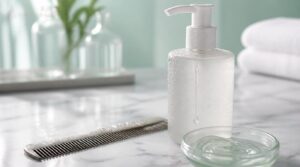
Sometimes natural remedies just aren’t enough, and that’s okay. When your scalp needs a stronger approach, medicated shampoos and treatments bring real, clinically-proven ingredients into the mix. Here’s what actually works when things get stubborn.
Ketoconazole Antifungal Shampoo
Ketoconazole shampoo targets yeast head-on, disrupting fungal cell membranes to calm scalp fungal infections fast.
Lather onto damp scalp, wait 5 minutes, rinse, twice weekly. Studies show 80% see relief within a month.
- No more scratching through meetings
- Flakes finally disappearing from dark shirts
- Confidence walking in without a hat
- Sleep uninterrupted by itch
Gentle enough for regular use, and it curbs fungal resistance too.
Zinc Pyrithione Dandruff Shampoo
Pyrithione zinc goes after Malassezia yeast, the fungus behind most dandruff and flaking. Massage a 1% shampoo into a wet scalp, lather, wait 1 to 3 minutes, then rinse thoroughly.
Use it twice weekly and it curbs itching, flaking, and seborrheic dermatitis symptoms with regular use, no drama, no prescription needed.
Selenium Sulfide Shampoo
This one’s the old-school heavy hitter. Selenium sulfide shampoo at 2.5% cuts dandruff scores nearly 50% within weeks, easing seborrheic dermatitis and itchy scalp alike.
Massage 5-10mL in, wait 2-3 minutes, rinse, repeat.
Compared to zinc pyrithione, expect similar antifungal shampoo results, though hair discoloration and dryness show up more often here.
Salicylic Acid Scalp Exfoliants
Think of salicylic acid as your scalp’s exfoliating scrub brush. It’s oil soluble, so it slips into clogged follicles and dissolves waxy buildup other treatments miss.
Look for 1.5% to 2% concentrations in a pH-balanced formula (around 3.0-4.0) for proper effectiveness. Lather onto wet scalp, leave 5 minutes, rinse. Use 1-3 times weekly for dandruff, psoriasis, or seborrheic dermatitis relief.
Prescription Dermatology Treatments
Sometimes over-the-counter fixes just don’t cut it, and that’s your cue to see a dermatologist. They can prescribe prescription-strength shampoos, oral antifungals for stubborn ringworm, or topical steroids for eczema and psoriasis.
Newer options like topical Vitamin D3 analogs and novel immunomodulators target seborrheic dermatitis and psoriasis with fewer side effects, often easing itch within days.
Preventing Itchy Scalp Flare-Ups
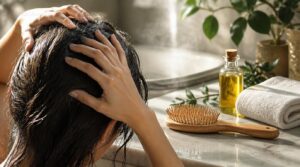
Treating an itchy scalp is only half the battle, stopping it from coming back is the real win. A few simple habits can keep flare-ups at bay long after the itch fades. Here’s what to focus on day to day.
Treating the itch is only half the battle; preventing its return is the real victory
Balance Hydration and Exfoliation
Balance is everything here. Exfoliate too much and you strip your scalp barrier repair efforts right back to square one.
Wash first, exfoliate gently, then hydrate immediately after. This scalp exfoliation and hydration rhythm keeps pH steady and moisture locked in, so your scalp itch solution actually sticks instead of backfiring into fresh irritation.
Avoid Allergens and Irritants
Getting hydration right won’t help much if you’re still applying the thing that’s triggering you.
Read ingredient labels closely, since "hypoallergenic" or "fragrance-free" carries no real federal standard. Watch for contact dermatitis triggers like PPD in dyes. Patch test new products first. Use fewer products at once so you can spot the culprit, and drop anything you started right before symptoms flared.
Manage Stress and Nutrition
Your scalp doesn’t live in a bubble. Chronic stress raises cortisol, which drives cravings for sugar and fat while disrupting sleep, both hard on skin.
Fight back with:
- Omega-3s (salmon, walnuts) for scalp hydration
- Colorful produce over processed snacks
- Mindful, slower eating
Drink water, ease stress, and your scalp health follows.
Know When to Seek Help
Diet and stress help, but some symptoms need a clinician, not another remedy.
| See a doctor if… | Because… |
|---|---|
| Itch persists after treatment | May signal chronic skin condition |
| Symptoms spread to face | Needs prompt medical diagnosis |
| Dandruff keeps recurring | Home care isn’t enough |
Severe scalp symptoms deserve fast attention. When in doubt, ask a dermatologist.
Frequently Asked Questions (FAQs)
What do dermatologists recommend for an itchy scalp?
Think of it as detective work first, treatment second. Dermatologists want you to identify the root cause, resist scratching, and choose dermatologist-recommended care matched to your scalp’s actual needs, not just whatever’s on sale.
How often should I wash itchy scalp?
Daily washing often beats once-a-week cleansing for itch relief, studies show. If your scalp tolerates it, wash daily or 5-6 times weekly. Increase gradually within your comfort, and switch to gentle scalp cleansing if dryness develops.
Can weather changes cause scalp itching?
Your scalp is a weather vane for your skin. Cold air and indoor heating trigger seasonal dryness, while summer heat brings sweat irritation. Humidity swings, pollen, and sensitive scalps all react, causing flares that call for moisturizing scalp care.
Is scalp itching hereditary or genetic?
Yes, in many cases. Genetic predisposition drives conditions like psoriasis, eczema, and seborrheic dermatitis, so family history matters. If your parents dealt with a flaky, itchy scalp, gene mutations affecting skin barrier function and sebum production may explain why you do too.
When should I see a dermatologist?
Don’t scratch that itch to self-diagnose forever. See a dermatologist if itching persists, treatments fail, or you notice hair loss, new spots, or a quality of life hit. Persistent scalp irritation deserves real medical diagnosis.
Can tight hairstyles worsen scalp itching?
Absolutely, tight hairstyles create scalp friction and tension, raising traction hair loss risk.
Trapped moisture buildup and reduced airflow worsen irritation.
Loosen styles, rotate your hair care routine, and watch for lingering scalp irritation causes near the hairline.
How long does it take to see results?
Most people notice itch relief within 1-2 washes, with visible flake reduction by week two. Full scalp comfort usually takes 2-4 weeks of consistent use, so stick with your routine before judging results.
Can I combine multiple scalp treatments together safely?
Too many cooks spoil the broth, and your scalp’s no different. Patch test new products first, add one active at a time, and watch for irritation. When mixing exfoliants and antifungals, respect treatment stacking limits to protect your scalp microbiome.
Is an itchy scalp linked to hair loss?
Yes, often. The scalp itch shedding link is real, since irritation and scratching disturb follicles, causing temporary loss. But severe itch can signal alopecia, especially with scarring or inflammation, so persistent symptoms deserve dermatologist recommended care.
Does diet really affect scalp itchiness?
Diet plays a real role. Refined carbs and sugar spike sebum production, feeding seborrheic dermatitis flare-ups.
Omega-3 fats and probiotics support scalp microbiome balance and calm inflammation, making food a genuine, though not standalone, piece of the itch puzzle.
Conclusion
Your scalp scratches, your patience wears thin, and relief still feels miles away. Sound familiar?
That cycle breaks the moment you match the fix to the actual cause. The right scalp treatment for itchy scalp isn’t one product, it’s a strategy: soothe now, treat consistently, prevent long term. Start small. Try one remedy for two weeks before switching.
Your scalp isn’t being dramatic, it’s asking for attention. Listen closely, and that 2 a.m. scratch session becomes a distant memory.