This site is supported by our readers. We may earn a commission, at no cost to you, if you purchase through links. This content is for general informational and educational purposes only and is not a substitute for professional medical, dermatological, or nutritional advice.

Most patients walk into my office with seven products and zero results—not because the products fail, but because layering order, timing, and consistency get ignored. A $12 cleanser used correctly outperforms a $60 serum applied at random. That’s the gap between skin that glows and skin that just sits there, irritated and confused by conflicting actives.
Building a skin care routine for a healthy complexion isn’t about buying more; it’s about sequencing what you already have and adding one variable at a time. Your skin barrier needs weeks, not days, to adjust—and rushing that process is exactly why so many routines stall out.
What follows is the exact framework I give patients: which steps matter, which order they go in, and how to know it’s working before you’ve wasted a single month guessing.
Table Of Contents
- Key Takeaways
- Build a Simple Daily Skincare Routine
- Identify Your Skin Type and Needs
- Follow This Morning Skincare Routine
- Follow This Nighttime Skincare Routine
- Choose Actives for Specific Skin Concerns
- Add Exfoliation and Weekly Treatments
- Customize Your Routine for Common Concerns
- Keep Your Routine Safe and Consistent
- Top 10 Healthy Complexion Products
- 1. The Beauty of Dirty Skin Book
- 2. Vichy Normaderm Salicylic Acid Cleanser
- 3. Neutrogena Hydro Boost Hydrating Gel Cleanser
- 4. Dickinson’s Original Witch Hazel Toner
- 5. Pixi Glow Tonic Glycolic Acid Toner
- 6. Paulas Choice Clear Anti Redness Exfoliating Solution
- 7. Olay Super Serum Glow Facial Serum
- 8. Revitalift Hyaluronic Acid Vitamin C Serum
- 9. Roc Multi Correxion Eye Cream
- 10. Kiehl’s Ultra Facial Hydrating Cream
- Frequently Asked Questions (FAQs)
- What is the healthiest skin care routine?
- What is the 4 2 4 rule in skincare?
- Which two serums cannot be used together?
- How do Koreans keep their skin so clear?
- What is a good healthy skin care routine?
- What are the 7 steps of skincare?
- What are the 5 basics of skincare?
- What is the best routine for healthy skin?
- How do you maintain a good complexion?
- What is the ideal skin care routine?
- Conclusion
Key Takeaways
- Simplify first: a basic cleanse-treat-moisturize-protect routine done consistently beats a crowded shelf of products used haphazardly.
- Add new actives one at a time and patch test them, since your skin barrier needs weeks, not days, to adjust without irritation.
- Match ingredients to your actual skin type and concern—like salicylic acid for acne, vitamin C for dark spots, or retinol for texture—rather than guessing.
- Track your skin’s progress with weekly photos and notes, and give actives 8-12 weeks before judging whether they’re working.
Build a Simple Daily Skincare Routine

A good skincare routine doesn’t need to be complicated to work—it just needs to be consistent. Before you start layering on serums and treatments, you need a solid foundation built on a few key steps. Here’s how to structure that foundation, one product at a time.
If you’re looking for a simple, step-by-step guide to get started, this complete daily skin care routine breakdown walks you through each essential layer in the right order.
Cleanse, Treat, Moisturize, Protect
Four steps, done right, beat ten steps done haphazardly.
- Cleanser: lifts oil without stripping your acid mantle
- Serum: delivers actives like hyaluronic acid deeper
- Moisturizer: texture matched to skin type seals it in
- Sunscreen: reapply every two hours, non-negotiable
Layering order matters—thin to thick—so each product actually penetrates instead of sliding off unused.
Start With Three Essentials
Before adding anything else, nail down three products: a sulfate-free cleanser, a ceramide-hyaluronic acid moisturizer, and mineral SPF 30 sunscreen.
That trio covers cleansing, hydration, and UV protection—the fundamental needs any skin has. Fewer ingredients means fewer chances for irritation, and you’re 40% more likely to actually stick with it. Match each product to your skin type once you’ve got the basics down.
Introduce One Product Gradually
Once your three essentials feel routine, layer in one active—say, a 0.5% retinol serum. Patch test it on your forearm for 24 hours, then your jawline.
- Start every other day, two weeks
- Bump to three times weekly if calm
- Apply after cleanser, before moisturizer
Watch for redness; back off if needed. Consistency beats speed here.
Track Your Skin’s Progress
Retinol works slowly, so don’t rely on memory alone. Snap a weekly baseline photo, same lighting, angle, and bare face, then rate skin daily on a five-point scale.
| Track | Why |
|---|---|
| Photos | Spot real change |
| Redness/acne | Isolate concerns |
| Products used | Link cause-effect |
| Monthly review | Confirm progress |
A quick skin diary makes evidence-based adjustments possible. Consistent data collection transforms subjective impressions into objective patterns over months. Consistent data collection transforms subjective impressions into objective patterns over months.
Identify Your Skin Type and Needs

Before you buy another product, you need to know what you’re actually working with. Skin type isn’t just a label—it determines which ingredients help you and which ones backfire. Here’s how to spot your category and what it means for your routine.
Oily and Acne-prone Skin
Shiny T-zone, visible pores, frequent blackheads? Your sebaceous glands are in overdrive.
Cleansing for oily skin with a foaming, non-comedogenic cleanser controls shine without stripping your barrier.
Priority ingredients:
- Salicylic acid – penetrates pores, clears debris
- Benzoyl peroxide – targets acne-causing bacteria
- Oil-free moisturizer – hydrates without clogging
- Non-comedogenic sunscreen – prevents breakouts while protecting
Consistency drives real breakout management results.
Dry and Dehydrated Skin
When your face feels tight after cleansing, that’s water loss, not necessarily a lack of oil—dehydration and dry skin type aren’t the same thing.
Layer humectants like hyaluronic acid first, then seal with a ceramide-rich moisturizer. This barrier repair combo, humectant plus occlusive, locks moisture in and eases tightness, dullness, and fine lines within weeks.
Pairing that routine with gentler bathing habits and fewer irritants helps too, and these dry skin remedies for sensitive skin show how to calm things down.
Combination Skin Balance
Two skin types, one face—that’s the combination puzzle. Balance the T-zone and cheeks with zone-specific products: 2% salicylic acid for oil, 5% niacinamide moisturizer for dryness.
Layer accordingly: oil-absorbing primer on the T-zone, lightweight squalane serum on cheeks. Aim for balanced hydration ratio readings of 30–35% (T-zone) versus 45–50% (cheeks) via hydrometer.
Sensitive and Rosacea-prone Skin
Redness that flares without warning, skin that stings at the mere touch of a moisturizer—sound familiar? Gentle cleansing with fragrance-free formulas protects your barrier. Skip hot water and known triggers: sun, alcohol, spicy food, heat.
Look for niacinamide, ceramides, and centella asiatica to calm flushing and rebuild strength. Barrier repair matters more than actives here—simplicity wins.
Normal Skin Maintenance
Lucky you—no daily flare-ups, no oil slick by noon. But "normal" still needs upkeep: gentle cleansing routine, lightweight moisturizer, and daily sunscreen application keep your baseline steady.
Layer in vitamin C mornings, weekly exfoliation, and consistent hydration balance. Minimalist product layering prevents overload. Don’t mistake "easy" for "invincible"—skip protection, and normal skin drifts toward trouble fast.
Follow This Morning Skincare Routine
Mornings set the tone for how your skin controls the day ahead, from pollution to UV exposure. Getting the order right matters just as much as the products themselves, since each step builds on the last. Here’s exactly how to layer things, from cleanser to that final, non-negotiable SPF.
Cleanse Without Stripping Moisture

Your morning cleanse shouldn’t feel like a chore or leave skin tight. Choose gentle surfactant formulas—decyl glucoside or cocamidopropyl betaine—which lift oil without disrupting your skin barrier.
Look for pH balanced cleansers near 5.5, matching skin’s natural acidity and cutting dryness complaints a lot. Micellar water works well for sensitive types, trapping impurities while preserving hydration.
Apply an Optional Toner

Once your skin’s clean, toner’s next—but it’s optional, not mandatory. Witch hazel (10–15%) suits oily skin; glycerin-based hydrating toners (2–3%) help dry types. Sensitive skin? Stick with alcohol-free formulas.
Pour 3–5 drops onto a cotton pad, press gently for 10–15 seconds—no rubbing. Skip it if you’re short on time; your vitamin C serum will still work fine.
Use Vitamin C Serum

With toner done (or skipped), pat skin dry and reach for your vitamin C serum while pores are primed. Look for 10–20% L-ascorbic acid in amber glass or airless pumps—packaging that preserves potency.
- Apply first, before moisturizer
- Wait 1–2 minutes to absorb
- Pair with sunscreen for antioxidant protection
Mild tingling the first week is normal; persistent burning isn’t.
Moisturize Face and Undereyes

Give your vitamin C ninety seconds to settle, then layer moisturizer while skin’s still slightly damp—this boosts absorption noticeably. Choose a gel-cream for oily skin or richer cream for dry types, checking for hyaluronic acid and ceramides. For eyes, pat a rice-grain amount along the orbital bone with your ring finger; avoid dragging.
| Texture | Best For | Key Ingredient |
|---|---|---|
| Gel-cream | Oily/acne-prone | Hyaluronic acid |
| Rich cream | Dry skin | Ceramides |
| Serum-moisturizer | Under makeup | Niacinamide |
Finish With SPF 30

Once moisturizer settles, sunscreen closes the routine. Use a broad spectrum SPF 30, pressed on with fingertips, not rubbed—let it dry 15 minutes before sun exposure.
- Apply after serums, before makeup
- Choose zinc oxide if layering retinol
- Reapply every two hours outdoors
- Use water-resistant formulas for sweat
- Skip SPF 50 unless outdoors extensively
Follow This Nighttime Skincare Routine

While mornings are about protection, nighttime is your skin’s chance to actually repair itself. Your evening routine works best in a specific order, with each step building on the last. Here’s exactly how to structure it, from the first swipe of makeup remover to the final seal of oil.
Remove Makeup and Sunscreen
Waterproof sunscreen won’t budge with water-based cleanser alone — that film-forming polymer laughs at your basic face wash.
Reach for an Oil Cleansing Method first: massage oil onto bone-dry skin (water dilutes its power prematurely), then emulsify and rinse with lukewarm water. This Double Cleanse Technique — oil, then water-based cleanser — dissolves sunscreen and makeup residue completely, using gentle fingertip massage instead of harsh scrubbing.
Cleanse Away Daily Impurities
Now finish the job: your water-based cleanser, chosen by skin type identification, sweeps away sweat, oil, and leftover residue.
Look for pH-balanced formulas near 5.5 — they protect your acid mantle while lifting grime. Bonus points for hydrating cleanser ingredients like glycerin or hyaluronic acid.
Massage gently for 60 seconds; rinse with lukewarm water. That’s real double cleansing benefits — thorough, non-stripping, barrier-friendly.
Apply Targeted Treatment Serums
Now comes the real workhorse step: your treatment serum.
Apply to clean, dry skin, waiting a minute post-cleanse. Nighttime favors retinol for cell turnover; rotate with niacinamide or hyaluronic acid to avoid overload:
- Retinol (0.3%, every other night)
- Niacinamide for oil control
- Hyaluronic acid for hydration
- Check pH: 4.5–5.5
Store away from heat; discard after 12 months.
Layer Moisturizer Over Treatments
Timing matters here: wait until your serum feels tacky-dry, then layer within 1–2 minutes.
Choose a cream-based moisturizer—it helps your skin barrier and locks in retinol. Use ¼ teaspoon, pressing gently upward for 10 seconds.
Ceramides and ingredients like niacinamide calm irritation, while hyaluronic acid extends hydration, ensuring actives absorb fully instead of evaporating off the surface.
Seal Dryness With Facial Oil
Think of facial oil as the lid on a pot—it traps everything you just layered underneath. Wait one minute after moisturizer, then press 2-3 drops into skin for 30 seconds.
Match oil to your needs:
- Squalane—cuts water loss up to 30%
- Jojoba—balances oily, acne-prone skin
- Rosehip—repairs dry, mature texture
- Marula—locks moisture 12 hours
Choose Actives for Specific Skin Concerns

Once your routine’s basics are in place, actives are where you start solving specific problems instead of just maintaining what you’ve got. Each ingredient targets something different—breakouts, dark spots, fine lines, dehydration—and picking the right one (or wrong one) makes all the difference.
Here’s what to know about the big five and how to use them without working against yourself.
Salicylic Acid for Acne
Salicylic acid earns its reputation as an acne workhorse: it breaks bonds between dead skin cells, unclogging pores, while dissolving excess sebum. It’s also anti-inflammatory and mildly antimicrobial against C. acnes.
Found in cleansers at 0.5–2%, or stronger leave-on spot treatments, it suits oily and acne-prone skin best—tailor strength to your tolerance for effective acne prevention.
Vitamin C for Discoloration
While salicylic acid clears pores, vitamin C targets discoloration at its source: hyperpigmentation.
It works three ways:
- Inhibits tyrosinase, blocking melanin production
- Delivers antioxidant protection against UV damage
- Helps collagen synthesis for smoother tone
Look for 10–20% ascorbic acid serums. Pair with SPF daily—without it, dark spots return, undoing your progress toward truly even skin tone.
Retinol for Lines and Texture
Where vitamin C brightens, retinol rebuilds. This vitamin A derivative converts to retinoic acid, driving cell turnover and collagen boost.
| Concern | Mechanism | Timeline |
|---|---|---|
| Texture | Cell shedding | 8-12 weeks |
| Fine lines | Collagen support | 3-4 months |
| Pores | Surface renewal | Gradual |
| Tolerance | Start low, build up | Ongoing |
Apply nightly with SPF mornings—non-negotiable protection against sensitivity.
Hyaluronic Acid for Dehydration
Retinol renews; hyaluronic acid replenishes. This humectant occurs naturally in your skin’s matrix, and a mere quarter-teaspoon can bind roughly 1.5 gallons of water.
Topical use slows transepidermal water loss, easing tightness. Studies show hydration gains up to 96% within eight weeks. Layer it under moisturizer while skin’s damp—this locks in comfort for genuinely dehydrated, dull-looking skin.
Avoid Incompatible Active Combinations
Not every active plays nice together. Layering Retinol with strong alpha hydroxy acids invites irritation, while Vitamin C and Niacinamide need spacing to dodge pH clashes. Skip pairing Benzoyl peroxide with retinoids in one session—oxidative stress spikes fast.
Simple rule: introduce one active per routine slot, respect absorption order, and let your skin breathe between potent ingredients.
Add Exfoliation and Weekly Treatments
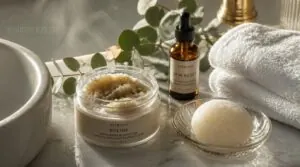
Your daily cleanse-treat-moisturize routine takes care of the basics, but exfoliation is what clears the runway for everything else to work better. Skip it and you’re layering serums on top of dead skin cells that just won’t budge. Here’s how to add this step the right way, without overdoing it.
Choose AHA, BHA, or Enzymes
Which exfoliant fits your skin? AHAs (glycolic, lactic) dissolve dead cells chemically; BHAs (salicylic) clear pores; enzymes digest proteins gently, no pH change.
- Oily/acne-prone: BHA, 0.5–2%
- Dry/dehydrated: AHA, 5–10%
- Sensitive: enzymes only
- Combination: AHA AM, BHA PM
- Never mix AHA with retinoids—wait 12 hours
Exfoliate Once or Twice Weekly
Rarely does more mean better here: twice weekly caps it for normal-to-oily skin, once for sensitive types, per 2023 consensus guidelines.
| Skin Type | Frequency |
|---|---|
| Sensitive | Once weekly |
| Normal/Oily | Twice weekly |
| Compromised barrier | Skip until healed |
Space sessions 48+ hours apart—Monday, Thursday works well—for recovery. Never exfoliate within 24 hours of retinoids; irritation risk jumps 40%.
Use Masks for Specific Needs
Combination skin often needs two masks at once. Try multi-masking: clarifying clay on the T-zone, hydrating cream on cheeks.
- T-zone: clay or charcoal
- Cheeks: ceramide or hyaluronic acid
- Under-eyes: targeted brightening mask
- Dull patches: enzyme-based formula
Apply outward from oilier zones. This dermatologist-approved layering respects skin type customization and boosts ingredient efficacy.
Avoid Harsh Facial Scrubs
Not all scrubs are created equal: particles over 60 micrometers cause micro-tears, while anything under 10 can embed in pores and inflame skin.
Stick to safe particle sizes under 50 micrometers—think finely milled oats or bamboo powder. For sensitive skin care, skip abrasives entirely; enzyme-based exfoliants dissolve dead cells gently, protecting your skin barrier without the scratch.
Approach 4-2-4 Cleansing Cautiously
Ever heard of the 4-2-4 rule? It means cleansing four times, exfoliating twice, then cleansing four more times weekly—layering technique on top of chemistry.
Use lukewarm water, gentle circular motions, and a pH-balanced cleanser to protect your barrier. Rushed timing invites micro-tears. Go slow, watch for redness, and scale back if irritation appears—your skin’s tolerance matters more than the schedule.
Customize Your Routine for Common Concerns

No two complexions face the exact same battles, and your routine should reflect that reality. Certain concerns call for specific ingredients, timing, or techniques to actually see results. Here’s how to fine-tune your approach for the issues you’re most likely dealing with.
If dullness or clogged pores are on your list of battles, easing in with a beginner-friendly chemical exfoliant routine can help you pick the right acid without overwhelming your skin.
Acne and Clogged Pores
Clogged pores start simple: sebum meets dead skin cells, debris builds, bacteria join in. Use a gentle cleansing routine twice daily, then add salicylic acid or benzoyl peroxide to unclog pores directly.
Gentle exfoliation (once or twice weekly) clears residue without irritating skin. Finish with a non-comedogenic moisturizer—hydration matters even for acne-prone skin.
Hyperpigmentation and Uneven Tone
Once pores calm down, dark marks often linger—that’s melanin overproducing after inflammation.
- Wear SPF 30+ daily
- Use vitamin C serum for brightening
- Try niacinamide for tone
- Add AHAs to exfoliate gently
- Avoid picking at breakouts
Sunscreen prevents new spots while actives fade old ones. Give treatments 8-12 weeks before judging results.
Fine Lines and Wrinkles
While hyperpigmentation fades with patience, fine lines call for collagen support. Sun exposure causes 80% of premature aging, so keep SPF 30 on daily.
Retinol remains the top choice, visibly softening lines within 8-12 weeks. Peptides boost collagen synthesis by 25% in a month, while hyaluronic acid plumps instantly. Sleep, hydration, and antioxidant serum round out real prevention.
Dullness and Enlarged Pores
Skin lacking sleep or hydration turns lackluster fast—68% of adults report dullness after short sleep, and losing 2% body water cuts radiance 15%.
Exfoliate for radiance, brighten with vitamin C, and minimize pore appearance using niacinamide:
- Glycolic acid (5%) boosts radiance 23%
- Niacinamide (5%) shrinks pores 8%
- Hyaluronic acid hydrates, plumping skin instantly
Consistent SPF daily prevents further dulling from UV damage.
Post-exercise Cleansing and Protection
That post-workout glow fades fast if sweat lingers. Rinse within 30 minutes using lukewarm water, then follow with a gentle cleanser—no scrubbing.
Pat dry, never rub, to protect your skin barrier. Layer on a lightweight moisturizer for barrier moisture resupply, then finish with SPF 30 or higher if you’re headed back outdoors. Reapply as needed.
Keep Your Routine Safe and Consistent

Patience and consistency matter just as much as the products you choose, so knowing what to expect—and when to pump the brakes—keeps your skin out of trouble. Good skincare isn’t just about serums and cleansers; it’s also about timing, habits, and knowing your limits. Here’s how to stay safe and steady while your routine does its work.
Expect Gradual Visible Improvements
Nothing worth having shows up overnight. Cleansing alone can cut breakouts by 22% in four weeks—small, measurable wins worth tracking.
Weekly photos and a simple skin diary reveal patterns invisible day-to-day. That’s evidence-based skincare in action: quiet, cumulative, real.
Celebrate the small shifts; they’re proof your barrier is rebuilding and your routine is working, even when the mirror seems unconvinced.
Allow Months for Active Results
Because active ingredients work at the cellular level, real change takes time: retinol needs 12 weeks, vitamin C needs 8–12 for hyperpigmentation.
Managing expectations early prevents quitting too soon. Three benchmarks matter:
- Weeks 2–4: hydration improves
- Weeks 6–8: texture refines
- Months 3–4: full results emerge
Skincare consistency beats intensity, every time.
Consistency, not intensity, is what transforms a skincare routine into real results
Support Skin Through Healthy Habits
No serum outworks a bad lifestyle. Sleep seven to nine hours for real repair, drink water and eat produce for hydration and antioxidants, and move your body three times weekly. Stress raises cortisol and sensitizes skin, so build in walks or deep breathing. Your Cleanser, Moisturizer, Sunscreen, Vitamin C, and Retinol only work as well as the body carrying them.
Simplify Routines During Irritation
Redness flaring? Strip down fast. Ditch actives and run a minimalist product stack: gentle cleanser, barrier repair cream, nothing else.
This one-step treatment approach calms sensitive skin while ceramides rebuild your skin barrier. Skip toners and vitamin C until calm returns.
A simplified morning routine, paired with digital skin tracking, helps you spot which product triggered the flare-up.
Seek Help for Persistent Reactions
Some flare-ups need more than a stripped-down routine. See a dermatologist if redness persists past two weeks, or you notice:
- Hives within 24 hours
- Burning beyond first use
- Crusting or open sores
Document dates, ingredients, and photos beforehand. Common culprits? Fragrance, preservatives, even zinc oxide. Ask about patch testing, then follow up in two weeks to reassess.
Top 10 Healthy Complexion Products
Knowing which ingredients your skin needs is one thing—finding products that actually deliver them is another.
To save you some trial and error, here’s a lineup of tried-and-true picks covering everything from cleansing to hydration.
Each one earns its spot for a specific reason, so let’s break down what makes them worth adding to your shelf.
1. The Beauty of Dirty Skin Book
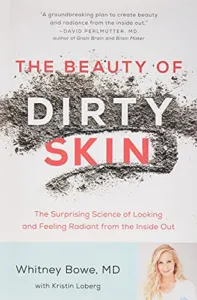
Ever wonder why your skin flares up even when your routine hasn’t changed? The Beauty of Dirty Skin (Little, Brown Spark, 2018) argues the answer often lies in your gut. Over 288 pages, dermatologist-researched content explores the gut-brain-skin axis and how microbiome balance shapes acne, rosacea, and eczema.
Its 21-day program pairs fiber-rich eating with reduced sugar intake, plus DIY strategies for lasting results. Think of it as the owner’s manual your skincare routine’s been missing.
| Best For | People dealing with chronic acne, rosacea, or eczema who want to address root causes through diet and lifestyle rather than relying solely on topical treatments. |
|---|---|
| Skin Type | All skin types |
| Free From | N/A |
| Cruelty Free | N/A |
| Dermatologist Tested | N/A |
| Format | Book |
| Usage Frequency | 21-day program |
| Additional Features |
|
- Explores the science behind the gut-brain-skin connection in an accessible way
- Offers a structured 21-day program with clear, actionable steps
- Focuses on long-term skin health instead of quick fixes
- Requires real commitment to a 21-day plan, which may not suit everyone’s schedule
- Doesn’t replace personalized medical advice for serious skin conditions
- Results depend on consistent lifestyle changes, not just reading the book
2. Vichy Normaderm Salicylic Acid Cleanser
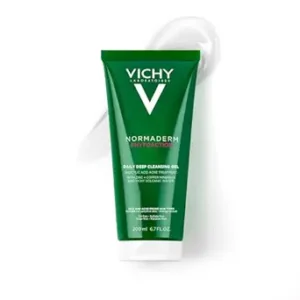
If gut health is the internal piece, your cleanser is where daily damage control starts. Vichy’s Normaderm brings 0.5% salicylic acid together with zinc, copper minerals, and Vichy Volcanic Water into a translucent gel that foams up fresh.
It’s soap-, sulfate-, paraben-, and alcohol-free, dermatologist- and allergy-tested, so oily, blemish-prone skin gets a real cleanse without that tight, stripped feeling afterward. At $23.00 for 7.05 ounces, it’s a solid pick for reducing current breakouts while helping prevent new ones.
| Best For | Adults with oily, acne-prone, or blemish-prone skin who want a gentle yet effective daily cleanser. |
|---|---|
| Skin Type | Oily/Acne-prone |
| Free From | Soap/Sulfate/Paraben/Alcohol-free |
| Cruelty Free | N/A |
| Dermatologist Tested | Dermatologist tested |
| Format | Gel cleanser |
| Usage Frequency | Daily |
| Additional Features |
|
- Targets acne with 0.5% salicylic acid while reducing excess oil and impurities
- Free from soap, sulfates, parabens, and alcohol, plus dermatologist and allergy tested
- Cleanses deeply without leaving skin feeling tight or over-dried
- Contains a light fragrance, which may not suit fragrance-sensitive users
- Formulated for oily skin, so it’s less suited to dry skin types
- Takes consistent, ongoing use to notice improvements in tone and texture
3. Neutrogena Hydro Boost Hydrating Gel Cleanser
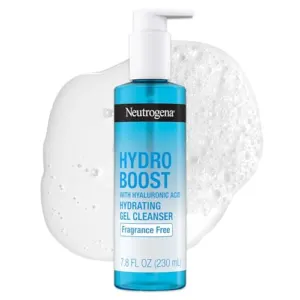
Not every breakout-prone patient tolerates salicylic acid daily, and that’s where Neutrogena’s Hydro Boost earns its spot. The gel formula relies on hyaluronic acid and glycerin to bind moisture while BarrierCare micelles lift away dirt, oil, and makeup without disrupting your barrier.
It’s paraben-, sulfate-, and fragrance-free, non-comedogenic, and clinically shown to improve hydration within four weeks — a smart pick for sensitive, eczema-prone, or combination skin needing a cleanse that doesn’t leave that stripped, tight feeling.
| Best For | People with sensitive, breakout-prone, or eczema-prone skin who want a gentle daily cleanser that hydrates without stripping the skin barrier. |
|---|---|
| Skin Type | Sensitive skin |
| Free From | Paraben/Sulfate/Fragrance-free |
| Cruelty Free | N/A |
| Dermatologist Tested | N/A |
| Format | Gel cleanser |
| Usage Frequency | Daily |
| Additional Features |
|
- Formulated without parabens, sulfates, phthalates, alcohol, or fragrance, making it gentle on reactive skin
- Clinically proven to improve skin hydration and appearance within 4 weeks
- Non-comedogenic and hypoallergenic, helping minimize clogged pores
- Designed for daily maintenance rather than occasional deep cleansing
- Best results depend on pairing it with compatible Hydro Boost moisturizers and serums
- Lightweight gel formula may not feel substantial enough for those wanting a heavier, richer cleanse
4. Dickinson’s Original Witch Hazel Toner
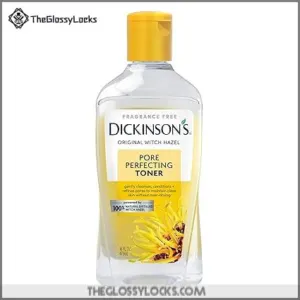
If your skin leans oily or you just want a classic toning step, Dickinson’s Original Witch Hazel Toner is worth a look. Made from 100% naturally distilled witch hazel, it refines pores and lifts excess oil without the harsh sting some astringents leave behind.
Gentle enough for sensitive skin and even expectant mothers, it comes in a 16 fl oz bottle — plenty for daily use after cleansing, before your treatment serums.
| Best For | Anyone with oily or sensitive skin—including expectant mothers—looking for a gentle, no-fuss toner to refine pores and control shine. |
|---|---|
| Skin Type | Sensitive skin |
| Free From | Dye-free |
| Cruelty Free | Cruelty-free |
| Dermatologist Tested | Dermatologist recommended |
| Format | Toner |
| Usage Frequency | Daily |
| Additional Features |
|
- Made from 100% naturally distilled witch hazel with no dyes or unnecessary additives
- Balances oil and refines pores without over-drying or irritating skin
- Gentle enough for sensitive skin and safe for use during pregnancy
- Packaging design may differ from what’s shown in product images
- Only one bottle is included per order, so it may run out faster than expected
- As a toner-only product, it doesn’t offer added benefits like hydration or exfoliation
5. Pixi Glow Tonic Glycolic Acid Toner
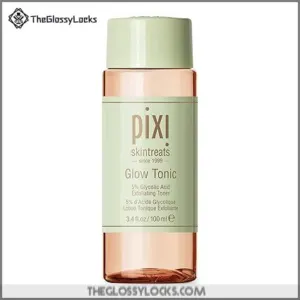
Want an active step up from witch hazel? Pixi Glow Tonic delivers 5% glycolic acid, an AHA that loosens dead-cell bonds for smoother, brighter texture.
Aloe vera and ginseng offset the acid’s dryness while supporting circulation. Alcohol-free and cruelty-free, it’s gentle enough for daily use, though sensitive skin should start every-other-day.
Apply after cleansing, avoiding the eye area, then follow with serum and moisturizer — this toner preps skin, it doesn’t replace hydration.
| Best For | Anyone wanting to move beyond witch hazel toners toward an active, exfoliating formula that brightens and smooths skin texture over time. |
|---|---|
| Skin Type | All skin types |
| Free From | Alcohol/Paraben-free |
| Cruelty Free | Cruelty-free |
| Dermatologist Tested | N/A |
| Format | Exfoliant |
| Usage Frequency | Regular use |
| Additional Features |
|
- Contains 5% glycolic acid to accelerate cell renewal and even skin tone
- Alcohol-free formula with aloe vera and ginseng to soothe skin and support circulation
- Cruelty-free, paraben-free, and gentle enough for regular use across most skin types
- Must avoid the eye area during application
- Requires a follow-up serum or moisturizer since it doesn’t hydrate on its own
- Contains active acids, so sensitive skin types may need to ease in gradually
6. Paulas Choice Clear Anti Redness Exfoliating Solution
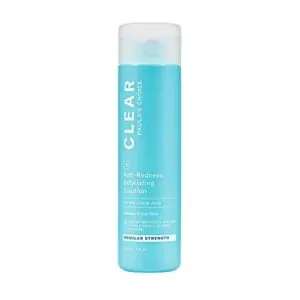
Redness and breakouts often travel together, which is exactly the pairing this liquid exfoliant targets. 2% salicylic acid works inside pores to clear blackheads and whiteheads, while dipotassium glycyrrhizate and allantoin calm active irritation.
It’s part of Paula’s Choice CLEAR regimen, formulated fragrance-free for daily use morning or night. A few drops on a cotton pad, swept after cleansing, is all it takes — skip the temptation to layer heavier.
Expect gradual fading of post-acne marks, not overnight results.
| Best For | Those with mild to severe acne-prone or sensitive skin looking to reduce redness, unclog pores, and improve texture through consistent daily use. |
|---|---|
| Skin Type | Acne-prone/Sensitive |
| Free From | Fragrance-free |
| Cruelty Free | N/A |
| Dermatologist Tested | N/A |
| Format | Liquid exfoliant |
| Usage Frequency | AM/PM daily |
| Additional Features |
|
- Unclogs pores and visibly reduces blackheads, whiteheads, and post-acne red marks
- Fragrance-free, hydrating formula suitable for daily use on sensitive or acne-prone skin
- Fits seamlessly into the Paula’s Choice CLEAR regimen for a comprehensive acne-care routine
- May cause initial purging or temporary breakouts before improvement is seen
- Bottle design can leak during travel, so extra sealing is recommended
- Results take consistent use over several weeks; it’s not an instant fix
7. Olay Super Serum Glow Facial Serum
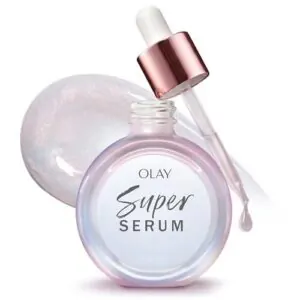
If your goal is one product doing several jobs well, this serum earns its "five-in-one" name honestly. It blends activated niacinamide, vitamin C, collagen peptide, vitamin E, and AHA into a lightweight, non-sticky formula.
Clinical testing shows improved texture within a week, more even tone by week two, and visible brightening and firmness by week four. It layers easily morning or night — just remember sunscreen afterward if you’re using it in your AM routine.
| Best For | Anyone wanting a streamlined anti-aging routine who’d rather use one multi-tasking serum than layer several separate products. |
|---|---|
| Skin Type | All skin types |
| Free From | N/A |
| Cruelty Free | N/A |
| Dermatologist Tested | Clinically tested |
| Format | Serum |
| Usage Frequency | AM/PM daily |
| Additional Features |
|
- Combines five active ingredients (niacinamide, vitamin C, collagen peptide, vitamin E, and AHA) into one lightweight formula
- Delivers visible results in stages, from improved texture in week one to brightening and firmness by week four
- Absorbs quickly without leaving a sticky residue, making it easy to fit into both morning and night routines
- Requires consistent daily use to see and maintain results
- Morning application means you’ll need to add sunscreen as an extra step
- Individual results may vary, so it might not work as quickly (or as well) for everyone
8. Revitalift Hyaluronic Acid Vitamin C Serum
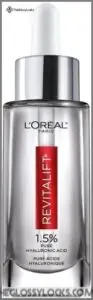
When simplicity is the priority, this serum keeps things refreshingly basic: dual-weight hyaluronic acid paired with vitamin C, at a 1.5% concentration, delivered in a lightweight gel that absorbs fast without any tackiness.
The layered hyaluronic acid hydrates at multiple skin depths, plumping fine lines while the vitamin C works on radiance. It’s fragrance-free, paraben-free, and dermatologist tested — a solid pick if you’ve got sensitive or mature skin and want hydration and brightening without complicating your routine.
| Best For | Anyone with dry, sensitive, or mature skin who wants a simple, no-fuss serum that hydrates and brightens without a complicated routine. |
|---|---|
| Skin Type | All skin types |
| Free From | Fragrance/Paraben-free |
| Cruelty Free | N/A |
| Dermatologist Tested | Dermatologist tested |
| Format | Serum |
| Usage Frequency | Daily |
| Additional Features |
|
- Dual-weight hyaluronic acid hydrates at multiple skin depths for a plump, dewy look
- Vitamin C helps boost radiance while the formula stays lightweight and fast-absorbing
- Fragrance-free, paraben-free, and dermatologist tested, making it gentle enough for sensitive skin
- Wrinkle-reduction results are based on a 6-week study, so visible change takes time
- Effectiveness can vary depending on individual skin type
- Plumping and radiance benefits build gradually rather than showing up instantly
9. Roc Multi Correxion Eye Cream
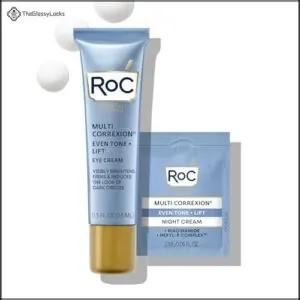
Under-eye skin has almost no oil glands, which is why it shows fatigue and aging faster than the rest of your face — this cream fills that gap directly.
Its Hexyl-R Complex works alongside niacinamide and antioxidants to soften crow’s feet and diminish dark circles, backed by clinical testing rather than guesswork.
Non-comedogenic and dermatologist-tested, it layers cleanly under concealer. Apply just a rice-grain amount per eye, morning and night — a 0.5 oz tube lasts roughly two to three months.
| Best For | anyone starting to notice puffiness, dark circles, or fine lines around the eyes and wanting a gentle, dermatologist-tested formula for daily use. |
|---|---|
| Skin Type | All skin types |
| Free From | Paraben-free |
| Cruelty Free | Cruelty-free |
| Dermatologist Tested | Dermatologist tested |
| Format | Eye/Night cream |
| Usage Frequency | AM/PM daily |
| Additional Features |
|
- Clinically proven to visibly reduce crow’s feet and dark circles
- Non-comedogenic, hypoallergenic, and gentle enough for the delicate eye area
- Cruelty-free, paraben-free, and layers smoothly under makeup or sunscreen
- Small 0.5 oz size means it only lasts about 2–3 months
- Requires careful, minimal application (just a rice-grain amount) to avoid irritation
- Packaging may differ from what’s shown in product photos
10. Kiehl’s Ultra Facial Hydrating Cream
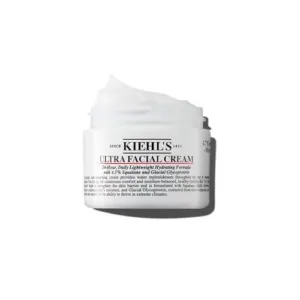
Think of this as your skincare equivalent of a reliable pair of jeans: nothing flashy, but it fits every situation. Formulated with squalane and glycerin, it delivers water-based hydration that plumps without clogging pores — non-comedogenic and fragrance-free, so it suits normal to dry skin types especially well.
Cetyl and stearyl alcohols give it that creamy, cushioned texture dermatologists often recommend for daily barrier support. Layer it under SPF each morning, or use it as your final nighttime step — either way, 24-hour hydration claims hold up in practice.
| Best For | This is a great fit for anyone with normal, dry, or eczema-prone skin who wants a lightweight, fragrance-free moisturizer that reinforces the skin barrier without clogging pores. |
|---|---|
| Skin Type | Sensitive/Eczema-prone |
| Free From | Fragrance-free |
| Cruelty Free | N/A |
| Dermatologist Tested | N/A |
| Format | Moisturizer |
| Usage Frequency | Day/Night |
| Additional Features |
|
- Formulated with Pro-Ceramides and 4.5% Squalane to strengthen and repair the skin’s barrier
- Clinically shown to hydrate up to 15 layers deep, with hydration lasting up to 72 hours
- Non-comedogenic, fragrance-free, and carries the National Eczema Association’s Seal of Acceptance
- Heavier texture than Kiehl’s Ultra Facial Moisturizer, so it may not suit oily skin types
- Hydration depth and duration claims are based on instrumental studies rather than everyday use
- May feel too rich for those who prefer a very light, fast-absorbing daytime formula
Frequently Asked Questions (FAQs)
What is the healthiest skin care routine?
A healthy routine stays simple: cleanse, treat, and moisturize daily, plus SPF every morning. Match products to your skin type, introduce actives gradually, and give ingredients like retinol 8–12 weeks before judging results.
What is the 4 2 4 rule in skincare?
It’s a timed cleansing method: 4 minutes oil-based massage, 2 minutes foam cleansing, then a 4-minute rinse shifting warm to cold—10 minutes total designed to prevent over-cleansing while thoroughly removing makeup, sunscreen, and daily buildup.
Which two serums cannot be used together?
That stinging sensation isn’t your imagination — it’s chemistry working against you. Vitamin C and retinol clash badly: layering them within five minutes can slash retinol’s effectiveness by up to 30%, so keep Vitamin C for mornings, retinol for nights.
How do Koreans keep their skin so clear?
Consistency beats intensity. Double cleansing twice daily, fermented ingredients like galactomyces, sheet masks three times weekly, and diligent SPF 30 reapplication every two hours — that combination, backed by clinical data, is their real secret.
What is a good healthy skin care routine?
Your best bet: cleanse, treat, moisturize, protect daily. Add vitamin C mornings, retinol at night, weekly exfoliation, and SPF Keep it simple, tailor actives to your skin type, and give it 8-12 weeks to show results.
What are the 7 steps of skincare?
Seven pillars protect your skin: cleanse, tone, treat with vitamin C, moisturize, apply SPF 30, exfoliate one to two times weekly, and use nighttime retinol—each step layered correctly builds a resilient, healthy complexion over time.
What are the 5 basics of skincare?
Five basics: cleanse, moisturize, and protect with sunscreen daily; add targeted treatments for specific concerns like acne or discoloration; and support the skin barrier by avoiding over-cleansing or harsh products that trigger irritation.
What is the best routine for healthy skin?
A simple, twice-daily routine works best: cleanse, treat, moisturize, and protect each morning; cleanse, treat, moisturize each night. Match products to your skin type, and give actives like retinol or vitamin C 8–12 weeks to show results.
How do you maintain a good complexion?
Consistency beats intensity: cleanse twice daily, moisturize while skin’s damp, and never skip SPF 30. Rotate actives slowly, protect your barrier, and give products 8–12 weeks before judging results — good skin is built, not bought overnight.
What is the ideal skin care routine?
Ironically, "ideal" isn’t one fixed formula—it’s cleanse, treat, moisturize, protect, adjusted to your skin type and concerns, using targeted actives like vitamin C or retinol, applied consistently morning and night for genuine, lasting results.
Conclusion
Let’s face it: great skin isn’t luck, it’s layering done right.
A skin care routine for a healthy complexion doesn’t demand twelve products or endless patience—just consistency, a little restraint, and one new active at a time.
Skip the trends, trust the sequence, and give your barrier the weeks it needs to prove itself.
Your complexion isn’t chasing flawlessness; it’s building strength, one honest step at a time.
That’s a glow worth earning.