This site is supported by our readers. We may earn a commission, at no cost to you, if you purchase through links.
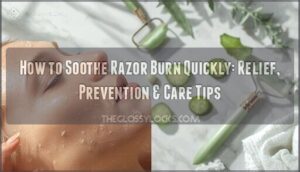
That stinging sensation hitting your freshly shaved skin isn’t just uncomfortable—it’s your body’s alarm system signaling damage. Razor burn affects nearly 80% of people who shave regularly, turning a routine grooming task into a painful reminder that something went wrong.
The redness, burning, and irritation develop within minutes, but you don’t need to wait days for relief. Your skin’s recovery starts the moment you take action.
The right combination of cooling treatments, protective barriers, and smart product choices can calm inflamed skin in hours instead of days, getting you back to comfort fast.
Table Of Contents
- Key Takeaways
- How to Identify Razor Burn Symptoms
- Immediate Steps to Soothe Razor Burn
- Best Natural Remedies for Quick Relief
- Over-the-Counter Treatments That Work
- Optimizing Your Shaving Technique
- Essential Aftercare for Healing Skin
- Preventing Future Razor Burn Episodes
- Frequently Asked Questions (FAQs)
- How do I get rid of razor burn fast?
- What is the best product for Razor Burn?
- How to prevent razor burn?
- Can you use aloe vera for Razor Burn?
- What is the best aftershave for Razor Burn?
- Can milk help soothe razor burn?
- How long does razor burn typically last?
- Can razor burn lead to permanent scarring?
- Is razor burn more common in certain areas?
- Should I stop shaving until razor burn heals?
- Conclusion
Key Takeaways
- Razor burn hits fast after shaving, showing up as redness and burning within minutes, but you can stop it from getting worse by applying a cold compress immediately and following up with alcohol-free aloe vera or hydrocortisone cream.
- Prevention beats treatment every time—shave with the grain using a sharp, clean blade on properly prepped skin, and you’ll cut your razor burn risk in half compared to shaving against hair growth with dull equipment.
- Natural remedies like aloe vera gel (97% concentration), coconut oil, and oatmeal-honey paste deliver real relief by calming inflammation and supporting your skin’s healing process without harsh chemicals.
- Your aftercare matters just as much as your shaving technique—keep the area clean and dry, moisturize with fragrance-free lotions containing ceramides, and resist scratching to avoid turning a two-day problem into a week-long infection risk.
How to Identify Razor Burn Symptoms
Razor burn shows up fast after shaving, and it’s not always obvious what you’re dealing with. Knowing what to look for helps you act quickly before the irritation gets worse.
Let’s break down the key signs and how razor burn differs from other post-shave problems.
Common Signs of Razor Burn
Razor burn shows up as visible redness and blotchy patches right where you shaved. You’ll feel a burning sensation and itchiness that can range from mild to intense. The irritated skin often looks inflamed with some swelling.
Timing matters—these symptoms appear within minutes to hours after shaving and usually clear up in a few days without treatment. Shaving without lubricant increases the risk of developing razor burn.
Razor Burn Vs. Razor Bumps
People often confuse these two, but they’re different issues. Razor burn is skin irritation that appears as diffuse redness and burning right after shaving. Razor bumps—also called ingrown hairs—show up as firm, raised papules or pustules one to three days later when hair curls back into your skin.
The appearance differences matter because razor bumps can cause scarring while razor burn usually won’t. This is especially relevant, as ingrown hairs form when hair is cut beneath the skin.
Areas Most Prone to Razor Burn
Your face and neck are top targets for razor burn because dense hair grows at angles close to the skin. The pubic area ranks highest for irritation—hair grows in multiple directions and moisture compounds friction.
Underarms face constant chafing from movement. Legs show vulnerability despite being less sensitive, especially with dull blades.
Even trunk grooming carries risk wherever you shave curly body hair.
Immediate Steps to Soothe Razor Burn
When razor burn strikes, the first few minutes matter. Quick action can stop the irritation from getting worse and speed up healing.
Here are three simple steps you can take right away to calm your skin and start feeling better.
Applying a Cold Compress
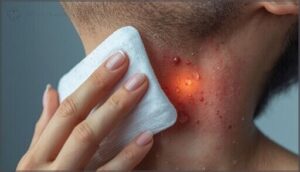
Cold compresses deliver fast relief by triggering vasoconstriction that cuts blood flow to inflamed skin. This mechanism reduces redness and burning within minutes.
Here’s how to apply one properly:
- Wrap ice or a frozen gel pack in a soft cloth
- Press gently against the razor burn for 10 to 15 minutes
- Remove and wait 30 minutes before reapplying
- Repeat 2 to 3 times daily until inflammation subsides
- Use cool water if ice feels too intense for sensitive skin
Avoiding Irritating Products

When you’ve just shaved, your skin barrier is compromised and vulnerable to further damage. Skip anything with alcohol or fragrance—these irritants strip moisture and trigger stinging.
Fragrance-free moisturizing cream offers real benefits by avoiding common allergens that affect 30% to 40% of sensitive individuals. Alcohol-based aftershave products dehydrate skin and worsen burning.
Choose non-comedogenic formulas that won’t clog follicles or cause breakouts.
Wearing Loose Clothing

Tight clothing traps heat and moisture against freshly shaved skin, worsening irritation through constant friction. Choose loose cotton clothes that allow air circulation and reduce rubbing on inflamed areas.
This fabric choice aids moisture wicking and heat control, preventing follicle damage. Post-shave comfort improves dramatically when you avoid compression around the neck, groin, or underarms—areas most vulnerable to friction-related flare-ups after shaving.
Best Natural Remedies for Quick Relief

Natural remedies work quickly because they calm inflammation and support your skin’s healing process without harsh chemicals. You likely have several effective options already sitting in your kitchen or medicine cabinet.
Here are the most reliable natural treatments that dermatologists recommend for fast razor burn relief.
Aloe Vera Gel Application
Aloe vera stands out as one of the most effective natural remedies for razor burn. Concentration matters—look for gels containing at least 97% aloe for best soothing of irritated skin. Apply a thin layer to the affected area two to three times daily.
Clinical data shows symptom reduction usually occurs within 48 hours. The safety profile is excellent, with minimal risk of irritation when used on intact skin.
Coconut Oil Benefits
Coconut oil works as a natural remedy for razor burn through three main mechanisms. Its lauric acid content provides antimicrobial action against skin pathogens while delivering anti-inflammatory effects.
Clinical data shows skin moisture improves by 100% after just two weeks of application.
The medium-chain fatty acids in this oil’s lipid composition accelerate wound healing and repair your irritated skin barrier. Apply a thin layer twice daily for soothing relief.
Oatmeal and Honey Treatments
Combining oatmeal and honey creates a powerhouse treatment for razor burn. Oatmeal reduces inflammation by lowering pro-inflammatory cytokines, while honey accelerates healing by boosting collagen production up to 117%. Mix one tablespoon of colloidal oatmeal with raw honey to form a paste. Apply directly to irritated skin for 10 minutes, then rinse with cool water.
Application methods that work:
- Create a paste with equal parts colloidal oatmeal and medical-grade honey
- Apply a thin layer to clean irritated skin
- Leave on for 10-15 minutes without rubbing
- Rinse gently with lukewarm water
- Pat dry and follow with fragrance-free moisturizer
Using Witch Hazel and Tea Tree Oil
Witch hazel and tea tree oil deliver rapid relief for inflamed skin after shaving. Witch hazel’s astringent effects tighten pores and reduce redness within minutes, while tea tree oil’s antimicrobial properties prevent infection in tiny nicks. Always follow dilution guidelines—mix one tablespoon of witch hazel with 3-5 drops of tea tree oil. Safety considerations matter: patch-test first to avoid allergic reactions on compromised skin.
| Application Method | Concentration | Expected Results |
|---|---|---|
| Witch hazel toner | 10-20% distillate | Reduced redness in 2-3 days |
| Tea tree oil blend | 0.5-1% dilution | Antimicrobial protection |
| Combined spray | 1 tbsp + 3-5 drops | Anti-inflammatory calming |
| Post-shave pad | Alcohol-free only | Soothing irritated skin immediately |
| Daily maintenance | Once or twice daily | Prevention of secondary infection |
Over-the-Counter Treatments That Work

When natural remedies aren’t enough, over-the-counter products can deliver faster relief from razor burn symptoms.
These treatments target inflammation, pain, and irritation with active ingredients proven to help skin heal.
Here’s what actually works and how to use each option safely.
Hydrocortisone Cream Usage
For fast relief of redness and swelling, hydrocortisone cream stands as one of the most effective over-the-counter remedies. This topical medication works as an anti-inflammatory agent to calm skin inflammation within hours. Apply a thin layer of 0.5% to 1% hydrocortisone twice daily for up to seven days.
Dosage guidelines and safety considerations:
- Use only thin films applied to clean, dry skin twice daily
- Limit application duration to one week maximum without medical review
- Avoid broken skin, eyes, mouth, or genital areas completely
- Watch for adverse effects like thinning skin or worsening redness with prolonged use
- Never apply to infected areas or under tight clothing that increases absorption
Hydrocortisone cream offers comparative efficacy against other treatments, but contraindications exist for viral infections like herpes simplex.
Topical Anesthetics for Relief
While hydrocortisone targets inflammation, topical anesthetics like lidocaine and benzocaine numb nerve endings to stop burning and stinging within minutes.
Over-the-counter lidocaine concentrations up to 4% provide rapid relief when applied as a thin film to irritated skin two to four times daily. Benzocaine alternatives work similarly but carry higher sensitization risks.
Follow application guidelines carefully—avoid large areas, broken skin, and prolonged use beyond a few days to prevent absorption issues.
Choosing Alcohol-Free Aftershave Balms
Balms without alcohol soothe razor burn without the sting or dryness that ethanol-based splashes bring. Around half of men report skin sensitivity after shaving, making alcohol-free formulations a safer bet for preventing razor burn.
When choosing the right products, look for:
- Glycerin or sodium lactate to lock in moisture
- Aloe vera or chamomile extracts that calm redness
- Panthenol and allantoin supporting barrier repair
- Product labeling marked “for sensitive skin”
- Fragrance-free options reducing allergen exposure
These balm benefits add up to faster healing and lasting comfort.
Optimizing Your Shaving Technique

The right shaving technique makes all the difference between smooth skin and red irritation. Small adjustments to how you shave can prevent razor burn before it starts.
Let’s look at three practical changes that protect your skin during every shave.
Shaving With The Grain
Shaving with the grain—following your hair’s natural growth direction—is one of the most effective ways to prevent razor burn and calm irritated skin. When you map hair direction on your face and neck, you’ll notice growth patterns vary by area. Use a short stroke technique and rinse your blade often to reduce friction.
| Shaving Technique | Benefit for Preventing Razor Burn |
|---|---|
| Follow hair growth | Reduces inflammation and ingrown hairs |
| Use light pressure | Minimizes micro-tears in skin |
| Keep blade angle shallow (30°) | Prevents cuts and abrasions |
| Limit passes to one or two | Decreases epidermal trauma |
Multi-pass shaving against the grain increases the risk of razor bumps, especially in population groups like men with tightly curled facial hair. The importance of blade angle can’t be overstated—shallow angles protect sensitive areas like your neck, where irritation hits hardest.
Using Sharp, Clean Razors
When you keep your blade sharp and clean, you’re taking control of the most common cause of razor burn. Dull blades tug at hair instead of cutting cleanly, creating micro-tears that trigger inflammation.
Replace your blade every five to seven shaves—sooner if you have coarse hair. Rinse thoroughly after each use and store your razor in a dry spot, not in the shower where bacteria multiply rapidly.
Exfoliating Before Shaving
Removing dead skin cells before you shave improves blade glide and lowers your risk of bumps and irritation. Exfoliation benefits your routine by clearing follicle openings and preventing trapped hairs.
Use a gentle chemical exfoliant or soft scrub 12 to 24 hours before shaving—timing frequency matters because exfoliating right before can compromise your barrier and worsen razor burn instead of preventing it.
Essential Aftercare for Healing Skin

Once the razor has done its job, your skin needs the right support to recover quickly and fully. How you treat the affected area in the hours and days after shaving makes a real difference in healing time and comfort.
These three aftercare steps will help your skin bounce back without complications.
Gentle Moisturizing Lotions
Moisturizing lotions restore what shaving strips away—your skin’s protective barrier. Look for fragrance-free formulas with ceramide benefits to rebuild that barrier and lock in hydration.
Humectant effects from glycerin draw water into your skin while botanical ingredients like aloe and shea butter calm inflammation.
Choose clinically evaluated gentle lotions that moisturize skin without alcohol or added scents to speed healing.
Avoiding Scratching or Rubbing
Your hands are the enemy when razor burn strikes. That itch-scratch cycle amplifies skin inflammation through nerve sensitization and immune activation, turning a two-day annoyance into a week-long problem. Barrier compromise from scratching invites infection while clothing friction prolongs irritated skin recovery.
- Resist the urge—scratching worsens skin barrier damage exponentially
- Pat gently—never rub towels against irritated skin
- Choose loose fabrics—tight clothing creates relentless friction
- Apply soothing remedies—redirect your hands to help, not harm
Keeping The Area Clean and Dry
Bacteria thrive in damp shaved skin like weeds in a wet garden. A 2023 review linked occluded moisture to 60% more post-shave irritation.
Moisture trapped on freshly shaved skin creates the perfect breeding ground for bacteria and intensifies irritation by over 60%
Thorough drying techniques and gentle cleansing practices prevent skin infection by starving bacteria of their breeding ground. Pat the area dry after washing with lukewarm water.
Trapped sweat accelerates folliculitis, so change moisture-wicking clothing promptly. Hygiene importance can’t be overstated for infection prevention.
Preventing Future Razor Burn Episodes

The best treatment for razor burn is prevention. You can avoid most irritation by making smart choices before the blade ever touches your skin.
Three simple changes to your routine will help you shave cleanly without the burn.
Choosing The Right Shaving Products
Your shaving products matter more than you think. The right razor type paired with quality cream ingredients can cut razor burn risk in half. Look for these derm recommendations:
- Emollient-rich shaving cream or gel with glycerin and coconut acid to hydrate without drying
- Alcohol-free aftershave balm containing ceramides and aloe vera for barrier protection
- Paraben-free shaving lubricant with colloidal oatmeal for sensitive skin
Product efficacy studies confirm balm benefits include 97% improved hydration after four weeks.
Regular Blade Maintenance
Blade maintenance directly impacts your shaving experience. Replace your razor every 5 to 7 shaves to prevent tugging and irritation. Daily shavers need new blades every 1 to 2 weeks.
Rinse your blade after each swipe and air dry it completely. Store razors in dry areas since wet grips can harbor millions of bacteria.
Weekly alcohol soaks keep blades clean between uses.
Skin Preparation Tips Before Shaving
Your skin needs proper setup before the razor touches it. Soak the area in lukewarm water for three to five minutes to soften hair by 60%. Cleanse gently to remove oils that clog blades. Exfoliating skin clears dead cells that increase friction. Apply shaving lubricant to damp skin for a protective barrier.
These shaving techniques open pores and prepare follicles for smoother cuts.
Frequently Asked Questions (FAQs)
How do I get rid of razor burn fast?
That angry red rash stinging your freshly shaved skin needs fast attention. Apply a cold compress for ten minutes, then smooth on petroleum jelly or aloe vera to calm inflammation and speed healing.
What is the best product for Razor Burn?
The best product for razor burn is a pure, alcohol-free Aloe vera gel. For stubborn cases, add a short course of low-strength Hydrocortisone cream.
Sensitive-skin Aftershave balms and Witch hazel toners also help, especially with coconut oil or tea tree oil.
How to prevent razor burn?
Like knights of old who kept their swords spotless, preventing razor burn demands the right blade maintenance and proper shaving technique.
Always hydrate hair, apply shaving lubricant, follow natural hair growth direction, and exfoliate regularly.
Can you use aloe vera for Razor Burn?
Yes, aloe vera is highly effective for razor burn. Its anti-inflammatory properties reduce redness and swelling, while its natural moisture soothes irritation.
Apply a thin layer of pure aloe vera gel immediately after shaving for best results.
What is the best aftershave for Razor Burn?
The absolute best aftershave for razor burn is an alcohol-free balm loaded with barrier-repair ingredients like ceramides, hyaluronic acid, and soothing aloe vera—proven to calm redness fast without stinging.
Can milk help soothe razor burn?
Cold milk compresses may provide temporary relief by cooling irritated skin and delivering lactic acid’s anti-inflammatory benefits.
However, scientific evidence is limited, and milk risks triggering allergic reactions in sensitive individuals.
How long does razor burn typically last?
Razor burn generally lasts two to three days. Redness and inflammation fade within 24 to 48 hours for mild cases.
Severity factors and skin types affect healing timelines. Proper treatment can reduce irritation duration considerably.
Can razor burn lead to permanent scarring?
Most razor burn heals without scarring. However, repeated inflammation can trigger post-inflammatory hyperpigmentation or keloid scars in some individuals.
Risk factors include darker skin tones, picking at bumps, and genetic predisposition to scarring.
Is razor burn more common in certain areas?
Yes. Think of your body as terrain—some zones are battlegrounds.
The neck, pubic region, and axillae face the most irritation due to coarse hair, sensitive skin, curved surfaces, and aggressive shaving technique against the grain.
Should I stop shaving until razor burn heals?
Absolutely. Stopping shaving allows your skin’s healing process to unfold without repeated irritation. Razor burn generally resolves in two to three days when you pause shaving and let skin health recover naturally.
Conclusion
An ounce of prevention beats a pound of cure—but when razor burn strikes, you now have the tools to act fast. Cold compresses calm inflammation immediately, while proper technique stops irritation before it starts.
The strategies you’ve learned will soothe razor burn quickly and protect your skin from future damage. Your skin deserves better than reactive damage control. Master these methods and transform shaving from a painful gamble into a reliable, comfortable routine that respects your skin’s limits.
- https://my.clevelandclinic.org/health/diseases/23583-razor-burn
- https://skullshaver.eu/blogs/news/top-13-ways-to-stop-shaving-rash-on-head-new-research-2022
- https://harlanmd.com/blogs/smartlotion-blog/shaving-rash-irritant-dermatitis-and-male-friction-rash
- https://www.parkview.com/blog/skin-solutions-%E2%80%93-addressing-chafing-and-razor-burn
- https://www.webmd.com/skin-problems-and-treatments/remedies-relieve-razor-burn