This site is supported by our readers. We may earn a commission, at no cost to you, if you purchase through links. This content is for general informational and educational purposes only and is not a substitute for professional medical, dermatological, or nutritional advice.
The vegan skincare market cleared $2 billion in 2025, and analysts project it hitting $12 billion by 2027. That’s not a niche trend. It’s a category reshape driven by shoppers who now audit the full supply chain, from ingredient sourcing to end-of-life packaging, before they buy.
That pressure is producing real innovation. Plant-derived exosome serums, fermented collagen alternatives, and minimalist high-performance formulas are rewriting what effective skincare looks like. Private-label production has pushed entry products below $15, making the switch easier than ever.
These vegan skincare trend predictions map exactly where the category is heading next.
Table Of Contents
- Key Takeaways
- Vegan Skincare Market Predictions for 2027
- Vegan Skincare Ingredients Shaping The Future
- Transparency and Sustainability Trends
- Digital-First Vegan Skincare Shopping Trends
- Top 6 Vegan Wellness Products to Explore
- Frequently Asked Questions (FAQs)
- What are the biggest beauty trends for 2026?
- Is veganism increasing or declining?
- What new vegan products will be launched in 2026?
- Is veganism growing in 2026?
- Which segment dominates the vegan skin care market in 2023?
- What are the future prospects for the vegan cosmetics market?
- What is the demand for vegan cosmetics?
- What is the market share of vegan skin care products in 2021?
- How big is the vegan cosmetics market?
- What is the vegan cosmetics market growth?
- Conclusion
Key Takeaways
- Vegan skincare is shifting into the mainstream, driven by ethical consumer demand, lower-priced private-label products, and strong growth through 2027.
- Biotechnology will shape product innovation, with plant-derived exosomes, vegan PDRN, fermented collagen alternatives, and streamlined high-performance formulas gaining traction.
- Brands will need verifiable sourcing, third-party vegan and cruelty-free certifications, QR-based traceability, and lower-waste packaging to earn consumer trust.
- Digital discovery and omnichannel retail will accelerate adoption, especially among Gen Z and fast-growing Asia-Pacific markets seeking effective, transparent, affordable products.
Vegan Skincare Market Predictions for 2027
Vegan skincare is moving from niche choice to serious global growth market. As 2027 approaches, changing values, broader price points, and regional momentum will shape where demand lands. Here are five market predictions worth watching.
Market Size and Growth Forecasts
Vegan skincare trend predictions point to a market moving from USD 2008 billion in 2025 toward USD 5542 billion by 2035, reflecting an 111 CAGR.
Much of this growth is being fueled by AI-driven personalization—explore how personalized skincare routine trends and AI diagnostics are reshaping what consumers expect from vegan formulations.
The nearer 2027 outlook sits around $12 billion, with 6 to 8 percent global growth. Europe leads with 3384 market share, while North America remains powerful.
For you, the signal is clear: scale becoming mainstream.
Ethical Consumerism Driving Demand
Scale is only half the story. Ethical consumerism is turning vegan skincare into a trust test, especially for Gen Z consumers. You want proof, not polished promises: transparent plantbased ingredients, fair labor, and sustainable packaging. This scrutiny increasingly includes full product life-cycle evaluation, from sourcing through end-of-life.
- Verified impact on workers and ecosystems
- Certifications that lower purchase risk
- Digitalfirst brands sharing remediation plans
Clear ethical evidence lifts purchase intent over 20 percent.
Affordable Vegan Skincare Expansion
Trust has to fit the budget. Affordable vegan skincare expansion will move beyond discount bins as private-label production cuts unit costs by 12 to 25 percent. You’ll see three-to-six-SKU launches, starter bundles below $25, and entry products under $15.
For vegan skincare trend predictions, winning digitalfirst brands pair plantbased ingredients with sustainable packaging, refills, and concentrated formulas. Better value.
Europe and North America Leadership
Affordable formulas widen access, but Europe and North American region retain category leadership through 2027. Europe dominated the vegan cosmetics market through rigorous labeling and premium traceability, while North American retailers convert certification into scale online and in stores.
Forecasts point to USD 2048 billion, climbing toward USD 3743 billion at a CAGR of 694, rewarding brands that earn repeat purchases.
Asia Pacific’s Rapid Growth
Across Asia Pacific, the fastest growing opportunity in vegan skincare is moving through phones, pharmacies, and fast-changing routines. China, Indonesia, Vietnam, and the Philippines pair rising incomes with demand for clean formulations, ginseng, and green-tea actives.
- Local relevance builds loyalty.
- Sustainable packaging signals progress.
- VLabel certification makes claims easier to trust.
For you, digital-first distribution turns regional complexity into reach.
Vegan Skincare Ingredients Shaping The Future
Vegan skincare is moving beyond familiar plant oils and extracts. In 2026, biotechnology and smarter formulation are expanding what fully vegan products can achieve. Here are five ingredient shifts that will shape your future skincare choices.
Plant-Derived Exosome Serums
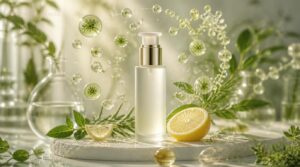
Plant-Derived Exosome Serums bring sustainable beauty closer to precision. Plant vesicles, 30 to 150 nanometers, carry antioxidants and plantbased peptides toward skin, supporting hydration, texture, strength.
| Source | Benefit |
|---|---|
| Fruit | Brightness |
| Herbs | Comfort |
| Lipids | Stability |
| Airless packaging | Protection |
Choose clean formulations disclosing botanical sources, purification, and packaging. That’s ingredient innovation you can judge.
Vegan PDRN Skin Repair
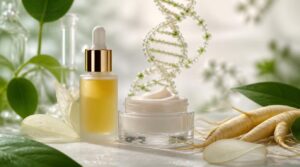
One repair-focused shift stands out in Vegan skincare trend predictions: vegan PDRN. Biotechnology in cosmetics uses fermented, purified plant DNA fragments to support barrier recovery without animal inputs.
Look for sciencebacked formulations and clean formulations that disclose source and testing:
- Ginseng-derived DNA mimetics
- Plantbased peptides for comfort
- Transparent cruelty-free supply chains
It’s skin repair with an ethical compass for you.
Fermentation-Derived Collagen Alternatives
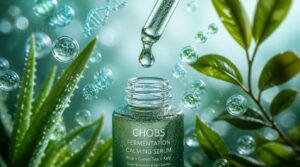
Fermentation turns microbes into collagen-like proteins, giving vegan skincare hydration and firmer-looking skin. Controlled molecular weights improve texture and compatibility in clean formulations.
| Benefit | What it means | Your payoff |
|---|---|---|
| Consistency | Defined batches | Reliable feel |
| Vegan sourcing | No animal inputs | Ethical choice |
| Lower impact | Efficient production | Sustainable packaging fit |
These collagen alternatives work well with peptides, and sustainable packaging fits ethical appeal.
Fermented Botanical Actives
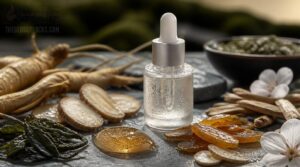
Fermented Botanical Actives turn familiar plants into smarter skin-support tools. Microbial processing can reveal polyphenols, improve solubility, and make ginseng, tea, citrus, or licorice gentler on sensitive skin.
- Better antioxidant stability
- Smoother serum compatibility
- Clearer vegan sourcing
You should look for ingredient transparency and thirdparty certifications. These actives support clean beauty standards, while sustainable packaging reinforces a credible low-impact story.
Minimalist High-Performance Formulas
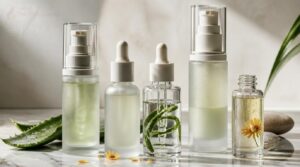
Minimalist high-performance formulas are becoming vegan skincare’s fast lane: five to seven actives, one clear job. Think glycerin, ceramides, antioxidants, and lightweight plant oils in precise doses, built for minimalist skincare routines.
You get reduced irritation formulas, 3-to-5-second absorption, and fewer conflicting layers. Natural preservation systems and airless pumps support potency, while transparent concentration labels strengthen clean label beauty claims.
Transparency and Sustainability Trends
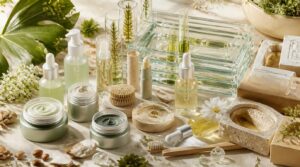
In 2026, vegan skincare buyers want proof, not vague promises. You’ll see brands make trust visible across labels, sourcing, and packaging choices. Here are the transparency and sustainability shifts setting the new standard.
Third-Party Vegan Certifications
A vegan certification gives vegan skincare credibility beyond a brand’s own promise. Marks from Vegan Action, The Vegan Society, and CGA require ingredient records, supplier evidence, and review of processing aids.
For crueltyfree cosmetics, that scrutiny matters. Certifiers can verify no animal derivatives, animal testing, or bone-char-filtered sugar enter the formula. It turns ethical consumerism into authentic transparency.
QR-Code Ingredient Traceability
Certification proves the claim. QR code verification proves the journey behind it.
With one scan, you can see farm origin, supplier lot, harvest date, processing checkpoints, and expiry data. GS1 Digital Link formats keep records readable across retailers and markets, while blockchain traceability can preserve tamper-evident audit trails.
That creates authentic transparency, strengthens vegan certification standards, and gives social media marketing evidence consumers can actually check.
Clear Cruelty-Free Labeling
A QR scan shows the trail. Crueltyfree labeling must show the proof at a glance, too.
Look for:
- Leaping Bunny audits and fixed testing cutoffs.
- Vegan Society marks for vegan ingredients and supply-chain testing rules.
- PETA listings, checked against documentation.
- Colorcoded labeling linked to QR code verification.
Clear logos support transparent sourcing and vegan certification standards.
Sustainable Packaging Innovation
Proof on a label matters, but the bottle must carry its weight too. Ecofriendly packaging now pairs 40% recycled content with mono-material bottles that sort more easily.
| Format | Consumer win |
|---|---|
| Refillable containers | Less single-use waste |
| Biodegradable materials | Better end-of-life options |
These practices bring circular economy principles closer: lighter packs, refill pouches, and smart designs cut virgin plastic by up to 50%.
Ethical Ingredient Sourcing
The next frontier is ethical ingredient sourcing. You’ll see vegan skincare brands publish supplier lists, origin certificates, and audit results for botanicals, minerals, and fermentation inputs. This gives plantpowered skincare a clearer passport from farm to formula.
Look for living-wage commitments, no child or forced labor, habitat-safe harvesting, and farmer premiums. These sustainable practices turn transparent sourcing into lasting consumer trust building.
Digital-First Vegan Skincare Shopping Trends

Buying vegan skincare is becoming a digital-first decision, especially for younger shoppers who expect proof behind every claim.
Social platforms, verification tools, and flexible retail options are changing how you discover and choose products.
Here are the five shopping shifts shaping that experience.
Gen Z Beauty Expectations
Gen Z beauty expectations are reshaping vegan skincare from the shelf outward. With growing Gen Z purchasing power, you want proof that formulas work, values hold up, and packaging avoids unnecessary waste. Ethical consumerism is now a baseline, not a bonus.
For Gen Z, ethical consumerism in vegan skincare is no longer a bonus—it’s the baseline
Authentic brand values matter most. Real reviews, diverse faces, transparent ingredients, and practical multi-use products build trust faster than polished campaigns.
Social Commerce Discovery
A scroll can become a sale in seconds. Social media influence turns tutorials, shoppable reels, and live demos into fast discovery routes for vegan skincare, especially as Gen Z purchasing power rises.
You’ll see digital commerce growth through:
- Shoppable product tags
- Beauty bloggers’ ingredient routines
- Live creator Q&As
- Curated skincare bundles
Mobile-first feeds make product exploration feel personal, visual, and immediate.
Barcode-Based Claim Verification
Barcode-Based Claim Verification turns a label into a trust signal. With mobile app scanning, you can confirm vegan status, allergens, and certification records.
| Scan result | What you see | Why it matters |
|---|---|---|
| Vegan pass | Certifier ID | backs ethical consumerism |
| Ingredient match | Formula data | Flags reformulations |
| Audit record | Time and location | Builds digital commerce growth |
Vegan skincare trend predictions make transparency real.
Influencer-Led Product Education
Influencer-led product education turns a 60-second routine into a trust-building lesson. Tutorials, ingredient cards, and two-to-four-week results help you see whether a formula fits your skin and values.
For vegan skincare trend predictions, creators who answer comments within 24 hours can correct myths fast. That helps ethical consumerism and Gen Z brand expectations.
Clear sponsorship disclosures and verified claims matter. They turn conscious consumer behavior into informed buying.
Omnichannel Retail Expansion
Omnichannel Retail Expansion makes vegan skincare feel less like a digital gamble, more like a connected beauty counter. Ecommerce growth brings discovery, while offline distribution recovery lets you test textures, collect orders, or return products locally.
- Inventory sync every 15 minutes
- Same-day pickup
- Unified customer profiles
- Consistent promotions
- Easy returns
Online retailers’ adaptability matters, but the hypermarket/supermarket segment leads everyday accessibility.
Top 6 Vegan Wellness Products to Explore
Vegan wellness now reaches far beyond a good moisturizer. These six picks can help you build a practical plant-based routine around everyday nutrition and meals. Start with the options below.
1. NOW Foods B-12 Folic Acid Lozenges
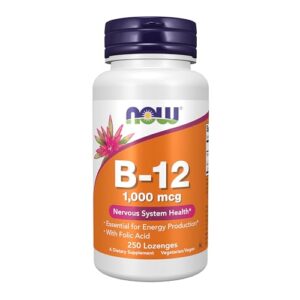
One small lozenge can close a nutrition gap in a plant-based routine. NOW Foods B-12 Folic Acid Lozenges provide 1,000 mcg cyanocobalamin and 100 mcg folic acid per serving, supporting energy metabolism, nervous system function, DNA synthesis, and red blood cell formation.
You can chew it or let it dissolve under your tongue, though some users find chewing works better. The fruit-flavored vegan formula is kosher, soy-free, gluten-free, dairy-free, and egg-free, with GMP assurance. Keep xylitol sensitivity in mind, and choose methylcobalamin instead if you prefer a bioactive B-12 form.
| Best For | Vegans, vegetarians, and anyone wanting an easy-to-take B12 and folic acid supplement to support energy metabolism and nervous system health. |
|---|---|
| Vegan Status | Certified Vegan & Kosher |
| Product Form | Chewable Lozenge |
| Primary Purpose | B12 & Folate Supplement |
| Target Audience | Vegans & Vegetarians |
| Key Highlight | 1,000 mcg B12 Plus Folate |
| Notable Drawback | Synthetic Cyanocobalamin Form |
| Additional Features |
|
- Provides 1,000 mcg of vitamin B12 plus folic acid in each serving
- Chewable, vegan-friendly lozenge is helpful for people who dislike swallowing pills
- Free from soy, gluten, dairy, and eggs; also certified vegan and kosher
- Uses synthetic cyanocobalamin rather than methylcobalamin
- Xylitol may cause digestive discomfort for sensitive users
- May not dissolve well under the tongue unless chewed
2. Doctors Best Vegan D3 Vitamin
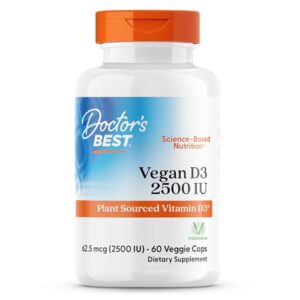
After B-12, vitamin D is another common watchpoint in a plant-based routine, particularly when sun exposure runs low. Doctor’s Best Vegan D3 provides 62.5 mcg, or 2,500 IU, of lichen-sourced cholecalciferol per veggie capsule, rather than the lanolin often used in conventional D3.
Vitamin D helps regulate calcium and phosphorus, supporting bones, teeth, immune function, and cardiovascular health. The vegan, non-GMO formula is also gluten-free and soy-free. Take one capsule daily with food, as directed. Keep cool and dry, away from heat and sunlight during delivery or storage.
| Best For | Vegans and plant-based adults looking for a lichen-sourced vitamin D3 supplement to support vitamin D intake when sun exposure is limited. |
|---|---|
| Vegan Status | Vegan, Non-GMO |
| Product Form | Veggie Capsule |
| Primary Purpose | Vitamin D3 Supplement |
| Target Audience | Vegans with Low Sun Exposure |
| Key Highlight | Lichen-Sourced D3 2,500 IU |
| Notable Drawback | Heat and Light Sensitive |
| Additional Features |
|
- Provides 2,500 IU of plant-sourced Vitashine D3 per capsule
- Vegan, non-GMO, gluten-free, and soy-free formula
- Supports calcium regulation, bone and teeth health, immune function, and cardiovascular health
- May melt or degrade when exposed to heat or sunlight
- Delivery timing and storage conditions matter in warm climates
- Vitamin D needs and results can vary based on diet, sun exposure, and existing levels
3. NOW Foods B-12 2000 mcg Lozenges
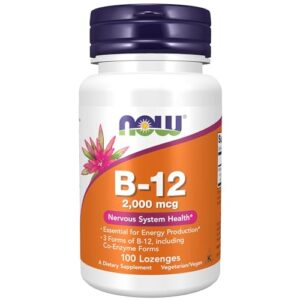
After lichen-sourced D3, B-12 is the other plant-based staple worth keeping within reach. NOW Foods B-12 2000 mcg Lozenges deliver 2,000 mcg per lozenge in three forms: cyanocobalamin, methylcobalamin, and dibencozide. The latter two are active coenzyme forms linked to energy metabolism and nervous-system support.
Take one daily by chewing it or letting it dissolve in your mouth before swallowing. The vegan, kosher formula is gluten-, dairy-, egg-, and nut-free, though it contains soy lecithin and fructose. Store it dry, since moisture can affect lozenge texture. A practical vegan B-12 staple.
| Best For | Vegans, vegetarians, and anyone seeking a high-dose, easy-to-use B-12 lozenge with multiple B-12 forms. |
|---|---|
| Vegan Status | Certified Vegan & Kosher |
| Product Form | Chewable Lozenge |
| Primary Purpose | High-Dose B12 Supplement |
| Target Audience | Vegans & Vegetarians |
| Key Highlight | Three B12 Forms Combined |
| Notable Drawback | Contains Soy Lecithin |
| Additional Features |
|
- Delivers 2,000 mcg of B-12 in three forms, including methylcobalamin and dibencozide.
- Vegan, kosher, and free of gluten, dairy, eggs, and nuts.
- Convenient once-daily lozenge that can be dissolved in the mouth or chewed.
- Contains soy lecithin and fructose, which may not suit everyone.
- Lozenges may crumble or dissolve quickly for some users.
- Needs dry storage to help prevent moisture-related texture changes.
4. DEVA Vegan Multivitamin Tiny Tablets 2-Pack
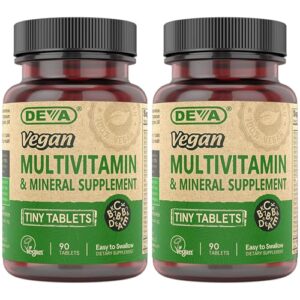
After a high-dose B-12 lozenge, a broader daily formula can keep your routine simple. DEVA Vegan Multivitamin Tiny Tablets 2-Pack provides 180 small, easy-to-swallow tablets, or roughly six months at one tablet daily.
The vegan-certified formula supplies B-complex vitamins, vitamins A, C, D and E, plus folate, iodine, selenium, and 8 mg of iron. It is gluten-, dairy-, soy-, sugar-, wheat-, and yeast-free. Review the label if you need higher iron intake or another nutrient profile.
| Best For | Vegans and plant-based eaters looking for a simple, easy-to-swallow daily multivitamin that covers core nutritional gaps like B12, iron, and vitamin D without any animal-derived ingredients. |
|---|---|
| Vegan Status | Vegan Certified |
| Product Form | Tiny Tablet |
| Primary Purpose | Daily Multivitamin |
| Target Audience | Vegans with Multiple Restrictions |
| Key Highlight | Six-Month 180-Tablet Supply |
| Notable Drawback | Low Iron at 8mg |
| Additional Features |
|
- Tiny tablets are easy to swallow, making daily supplementation hassle-free even for those sensitive to large pills
- Comprehensive vegan-certified formula covers a wide range of essential vitamins and minerals, including B-complex, A, C, D, E, folate, iodine, and selenium
- Free from gluten, dairy, soy, sugar, wheat, and yeast, making it suitable for people with multiple dietary restrictions
- At only 8 mg of iron per tablet, those with higher iron needs may need to supplement additionally
- Some users find the taste or smell off-putting, which can make daily use less pleasant
- The formula may fall short on certain nutrients compared to other multivitamins, so checking the label against your specific needs is a must
5. Testa Vegan Omega 3 Supplement
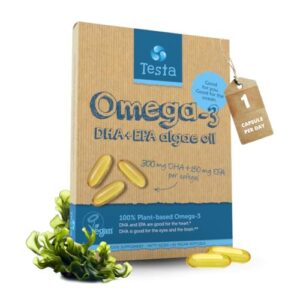
Testa takes algae-sourced omega-3s seriously. Each soft gel delivers 325mg DHA and 150mg EPA from 860mg of pure algae oil, comparable to fish oil but without the ocean baggage. No fishy aftertaste, no marine environment impact. Your brain, heart, eyes, and joints all benefit.
The microalgae is cultivated in the United States and processed in FDA-registered facilities, so you know where it’s coming from. One bottle gives you 60 capsules, a two-month supply at one daily dose.
Worth knowing: the formula includes carrageenan, which some consumers prefer to avoid. If that’s not a dealbreaker, Testa is a sustainability-conscious omega-3 pick worth exploring.
| Best For | Vegans, people with fish allergies, and anyone who wants effective omega-3 support without fish-derived ingredients or environmental guilt. |
|---|---|
| Vegan Status | Vegan |
| Product Form | Soft Gel Capsule |
| Primary Purpose | Omega-3 Supplement |
| Target Audience | Vegans & Fish-Allergic |
| Key Highlight | 325mg DHA Plus 150mg EPA |
| Notable Drawback | Contains Carrageenan |
| Additional Features |
|
- High-quality DHA and EPA sourced directly from microalgae — skips the fish middleman entirely
- No fishy burps or aftertaste, making it easier to take consistently
- Sustainably produced in FDA-registered U.S. facilities with no harm to marine ecosystems
- Contains carrageenan, which some health-conscious consumers prefer to avoid
- Large soft gel size can be hard to swallow, and blister pack capsules may burst when removed
- Some users report side effects like heartburn or dizziness after taking it
6. Vegan Recipes for Everyday Plant Based Meals
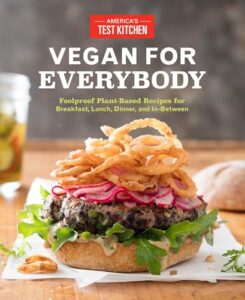
What you eat eventually shows up on your skin, and this cookbook takes that idea seriously. America’s Test Kitchen’s plant-based collection delivers 200+ rigorously tested recipes covering everything from breakfast to casual entertaining, built around whole ingredients like beans, grains, and vegetables rather than hard-to-find substitutes.
You’ll find comfort food done right, with vegan lasagna, mac and cheese, and cookies all included. It also walks you through DIY kitchen staples like nut butters and vegan mayonnaise.
For anyone starting to eat plant-based, this is a practical, no-nonsense kitchen companion.
| Best For | Anyone transitioning to a plant-based diet who wants reliable, tested recipes for everyday meals and familiar comfort foods without relying on specialty ingredients. |
|---|---|
| Vegan Status | Plant-Based Focus |
| Product Form | Paperback Book |
| Primary Purpose | Vegan Recipe Guide |
| Target Audience | New & Transitioning Vegans |
| Key Highlight | 200+ Tested Vegan Recipes |
| Notable Drawback | Nut-Heavy Recipe Requirements |
| Additional Features |
|
- 200 rigorously tested recipes spanning every meal, from breakfast to entertaining, all built around whole-food ingredients
- Includes handy DIY guides for staples like nut butters, vegan mayo, and coconut yogurt — great for cutting costs and avoiding additives
- Clear explanations of vegan substitutions (like aquafaba for eggs) make it genuinely approachable for beginners
- Heavy reliance on nuts in many recipes makes it tricky for anyone with nut allergies
- Some recipes use oil and refined sugar, so it’s not ideal if you’re after a strict clean-eating approach
- Certain recipes call for specific equipment like a food processor or blender, which not everyone has on hand
Frequently Asked Questions (FAQs)
What are the biggest beauty trends for 2026?
The biggest beauty trends for 2026 are clean formulations, biotech plant actives, cruelty-free standards, traceable sourcing, and low-waste packaging. You’ll also see social commerce reshape discovery, while minimalist routines demand proven results from fewer products.
Is veganism increasing or declining?
Veganism is increasing overall, especially among Gen Z and Millennials. About 8 million people tried veganism in January 2025, while vegan launches keep expanding. Growth is uneven, but mainstream access and better prices continue widening adoption.
What new vegan products will be launched in 2026?
Expect plant-exosome brightening serums, vegan PDRN repair creams, fermentation-derived collagen moisturizers, antioxidant foundation drops, and five-active cleansers.
These launches target faster visible results, cleaner formulas, and animal-free performance without premium-only pricing.
Is veganism growing in 2026?
Yes. In 2026, veganism is growing as ethical concerns, transparent labeling, and social-media advocacy shape buying habits.
Younger consumers seek cruelty-free choices, while affordable products, third-party certification, and retail access bring plant-based choices into routines.
Which segment dominates the vegan skin care market in 2023?
In 2023, skin care dominated vegan beauty, led by plant-based creams and serums. Moisturizers led spending, while anti-aging treatments remained substantial. Cleansers and makeup removers ranked second by volume, with sun care growing fastest overall.
What are the future prospects for the vegan cosmetics market?
Because apparently lipstick needed a moral audit, vegan cosmetics are set for strong growth, surpassing $29 billion by Millennials and Gen Z, certifications, premium innovation, and fast-growing Asian demand will keep sales climbing worldwide.
What is the demand for vegan cosmetics?
Demand for vegan cosmetics is rising fast. The market reaches about $88 billion in 2026 and could hit $43 billion by 2034, fueled by ethical shoppers, accessible pricing, online discovery, and growing Asia Pacific adoption.
What is the market share of vegan skin care products in 2021?
A precise 2021 skincare share isn’t publicly established. The overall vegan cosmetics market reached $6 billion, while skincare was its leading segment, propelled by plant-based, cruelty-free serums, moisturizers, and clean-label demand.
How big is the vegan cosmetics market?
The vegan cosmetics market is worth roughly USD 21–22 billion in 2026. By 2034, it could reach USD 37–39 billion, growing about 9–1% annually as clean beauty, certification, and online shopping expand across consumer markets.
What is the vegan cosmetics market growth?
The market is expanding steadily, rising from USD 88 billion in 2026 toward USD 43 billion by Most forecasts place annual growth near 7%, powered by clean-label demand, certifications, and online buying.
Conclusion
One question remains: will your next skincare purchase merely perform, or prove where it came from?
These vegan skincare trend predictions point toward a market where biotech works, labels earn trust, and accessible formulas widen the door.
Choose products that show their sourcing, certification, and purpose.
The strongest brands won’t just sell a serum. They’ll give you proof in every drop, turning a daily ritual into a vote for the beauty system you want tomorrow.