This site is supported by our readers. We may earn a commission, at no cost to you, if you purchase through links. This content is for general informational and educational purposes only and is not a substitute for professional medical, dermatological, or nutritional advice.
Walk into any skincare aisle and you’ll spot vitamin C and niacinamide sharing shelf space on nearly every brightening serum.
Both ingredients carry serious clinical credentials, yet they work through completely different mechanisms—one scavenging free radicals and blocking melanin production, the other reinforcing your skin barrier and calming the inflammation that lingers after a breakout.
Choosing between them isn’t about picking the better ingredient; it’s about matching the right one to what your skin actually needs.
Here’s how to tell which belongs in your routine—and whether you need both.
Table Of Contents
- Key Takeaways
- Vitamin C Vs Niacinamide Differences
- What Vitamin C Does
- What Niacinamide Does
- Which Ingredient Fits Your Skin?
- Hyperpigmentation and Brightening Results
- Can You Use Them Together?
- How to Layer Them Safely
- Top 5 Serums to Compare
- Choosing The Better Skincare Active
- Frequently Asked Questions (FAQs)
- Which is better niacinamide or vitamin C?
- Can niacinamide and vitamin C be used together?
- Is niacinamide a replacement for vitamin C?
- What do Koreans use instead of vitamin C?
- Is it better to use niacinamide or vitamin C?
- Can I use niacinamide and vitamin C together?
- Is vitamin C the best for dark spots?
- How long to wait between vitamin C and niacinamide?
- How long does it take to see results?
- Can pregnant women safely use these ingredients?
- Conclusion
Key Takeaways
- Vitamin C blocks melanin production at the source by inhibiting the tyrosinase enzyme, making it your go‑to for sun spots and oxidative dullness, while niacinamide works downstream by stopping pigment transfer — so using both together hits the brightening process from two different angles.
- These two actives are compatible when layered correctly: Apply Vitamin C first on clean skin, let it absorb for about 60 seconds, then follow with Niacinamide to reduce any irritation risk while keeping both ingredients effective.
- Your skin type is the deciding factor — oily and acne‑prone skin responds better to Niacinamide’s sebum regulation and barrier repair, while dry or sun‑damaged skin benefits more from Vitamin C’s antioxidant protection and collagen support.
- Results require real patience: you’ll likely notice a brighter, calmer complexion within 4–6 weeks, but fading deeper hyperpigmentation or building collagen requires a consistent 8–12 weeks of daily use — skipping days resets the clock.
Vitamin C Vs Niacinamide Differences
Vitamin C and niacinamide both show up in nearly every effective skincare routine, but they don’t work the same way. Knowing where they overlap and where they part ways saves you from guessing which one your skin actually needs. Here’s a quick rundown of how these two compare, from what they do to who they suit best.
If dark spots from past breakouts are your main concern, pairing both ingredients fits right into a targeted acne treatment for dark spots routine.
Main Skin Benefits

Think of vitamin C and niacinamide as two skincare bodyguards, each protecting your skin through a different path. Here’s how they compare:
| Benefit | Vitamin C | Niacinamide |
|---|---|---|
| Antioxidant Defense | Fights free radicals | Calms redness |
| Melanin Regulation | Eases hyperpigmentation | Evens tone |
| Barrier Resilience | Promotes collagen synthesis | Strengthens skin barrier |
Both deliver skin brightening, sebum control, and lasting resilience you’ll notice every day.
How Each Ingredient Works

Here’s the science driving those benefits.
| Mechanism | Vitamin C | Niacinamide |
|---|---|---|
| Antioxidant Action | Free radical neutralization | Barrier lipid synthesis |
| Melanin Pathway Inhibition | Blocks tyrosinase enzyme | Blocks melanosome transfer |
Vitamin C’s antioxidant properties stem from antioxidant scavenging. Its collagen gene regulation also firms skin over time. Niacinamide works differently, calming inflammation and reinforcing your barrier from within.
Both interrupt melanin production at separate points. That’s why pairing them often speeds skin brightening. It also fades hyperpigmentation faster than either ingredient alone.
Best Skin Concerns

Those mechanisms decide which concerns each active targets best, so picking the right one starts with naming your biggest skin worry.
| Concern | Top Pick |
|---|---|
| Sun spot fading | Vitamin C |
| Post-acne marks | Niacinamide |
| Managing facial redness | Niacinamide |
Vitamin C also helps fine line prevention through collagen, while niacinamide controls midday oil, strengthens your skin barrier, and fades hyperpigmentation for steady brightening.
Ideal Skin Types

Knowing your skin type makes choosing between these two a lot easier.
| Skin Type | Best Active | Why It Helps |
|---|---|---|
| Oily / Acne-prone | Niacinamide | Regulates sebum, minimizes pores |
| Dry / Sensitive | Vitamin C | Antioxidant support without barrier strain |
| Combination | Both | Targets T-zones and dryness together |
Niacinamide suits oily skin best, while vitamin C fits most skin types comfortably.
Expected Result Timeline

Results rarely arrive all at once. Within 4 to 6 weeks, vitamin C often delivers early brightening, while niacinamide begins calming and barrier adjustment. Hyperpigmentation fading usually lags behind, needing 8 to 12 weeks minimum. Collagen improvements from vitamin C take longer still — around 12 weeks of consistent use. Skin texture shifts gradually throughout.
| Goal | Vitamin C Timeline | Niacinamide Timeline |
|---|---|---|
| Initial brightening | 4–6 weeks | 4–8 weeks |
| Hyperpigmentation fading | 12–16 weeks | 6–12 weeks |
| Collagen and texture | 12+ weeks | 8–12 weeks |
What Vitamin C Does
Vitamin C is one of those ingredients that earns its spot in your routine with hard science behind it. It’s not a one-trick brightening serum — it actually works on several fronts at once. Here’s what it’s doing for your skin every time you apply it.
Antioxidant Protection
Think of vitamin C as your skin’s personal bodyguard against daily environmental damage. It works by neutralizing free radicals generated by UV rays and pollution before they can harm your cells:
- Shields epidermal DNA from oxidative damage
- Activates the Nrf2 pathway, boosting your skin’s own enzyme defense systems
- Prevents oxidative stress buildup that accelerates visible aging
Brightens Dull Skin
Dull skin is often the result of oxidative stress buildup — daily UV exposure and pollution gradually erode your skin’s natural radiance.
Vitamin C intercepts that process by neutralizing free radicals before they flatten your glow.
At concentrations of 10%–20% L-ascorbic acid, it visibly improves uneven tone and surface luminosity within four to eight weeks of consistent morning use.
Supports Collagen Production
Vitamin C doesn’t just protect skin — it’s essential architecture for rebuilding it. As an enzyme cofactor, it drives procollagen maturation, helping your skin cells assemble collagen fibers that are actually strong and durable.
Without adequate vitamin C, newly formed collagen is structurally weaker and breaks down faster, accelerating visible aging before you even notice the change.
Fades Sun Spots
Those flat, stubborn patches — clinically known as solar lentigines — form when repeated UV exposure triggers uneven melanin clustering in the skin.
Since sun-damaged skin tends to be more reactive, easing into a gentle, consistent daily skin cleansing routine for acne-prone skin can help prevent further irritation while those spots are treated.
Vitamin C works by inhibiting the tyrosinase enzyme, interrupting melanin production at its source.
With consistent daily use, you can expect visible fading over four to eight weeks, though results depend on your skin’s natural turnover rate.
Boosts Sunscreen Defense
Sunscreen blocks UV rays, but it can’t catch every free radical UV exposure creates. That’s where vitamin C steps in — its antioxidant protection neutralizes those UV‑induced free radicals before they damage skin cells.
Think of it as a second line of defense working alongside your SPF, making your overall sunscreen synergy meaningfully stronger without changing your routine.
What Niacinamide Does

Niacinamide is one of those ingredients that quietly does a lot — no dramatic stinging, no strict storage rules, just steady, reliable results. It works on multiple fronts at once, from your skin barrier to your oil glands to lingering dark marks. Here’s a closer look at what it actually delivers.
Strengthens Skin Barrier
Niacinamide quietly rebuilds your skin’s foundation from the inside out. It boosts ceramide lipid replenishment in the stratum corneum — basically restocking the mortar between skin cells — and raises NMF hydration levels so your barrier holds onto moisture longer.
- Reduces TEWL, keeping skin less dry and reactive
- Strengthens tight junction organization for a more selective barrier
- Improves barrier moisture retention, cutting that tight, flaky feeling
Calms Visible Redness
That stronger barrier we just covered also plays a direct role in how your skin processes redness. Niacinamide reduces inflammatory mediators in irritated skin, helping keratinocytes maintain immune balance so your complexion stops overreacting to everyday triggers.
It steadily calms visible flushing by lowering oxidative stress and supporting barrier recovery — less reactive skin simply shows less red.
Helps Regulate Oil
If redness is your skin’s alarm system, excess oil is its pressure valve — and niacinamide helps regulate that output directly. Clinical trials show that ≥2% niacinamide measurably reduces sebum production within two weeks, making it a reliable tool for acne-prone skin care routines.
That sebum flow balance also enhances midday shine management, keeping skin calmer and less slick throughout the day.
Minimizes Pore Appearance
Sebum control and pore appearance go hand in hand. When niacinamide regulates oil output, less debris collects at pore openings — and that directly helps minimize the appearance of pores over time.
Here’s what promotes that improvement:
- Skin texture improvement through consistent oil regulation
- Better light reflection across the skin surface
- Reduced congestion without chemical exfoliation
Fades Acne Marks
Those lingering marks after a pimple heals can stick around longer than the breakout itself.
Niacinamide works here by blocking melanosome transfer — the step where pigment moves from melanocytes into skin cells, causing brown or red post-acne discoloration.
With consistent daily use, you’ll often notice marks softening over several weeks, especially when paired with daily broad-spectrum sunscreen to prevent UV darkening.
Which Ingredient Fits Your Skin?

The best skin active for you really comes down to what your skin is asking for right now. Both vitamin C and niacinamide are effective, but they shine in different situations depending on your skin type and main concerns. Here’s how each one stacks up for five common skin profiles.
Oily Acne-prone Skin
If your skin turns shiny by midday — especially across the T-zone — niacinamide is your best starting point. It directly targets sebum regulation and helps break the oil-and-blockage cycle that fuels inflammatory acne.
Clinical data shows measurable sebum reduction within two weeks.
Layering lightweight vitamin C underneath adds antioxidant backup without worsening acne-prone skin.
Dry Sensitive Skin
If your skin feels tight after cleansing or stings from products that seem gentle, niacinamide is your ally. It reinforces the skin barrier through ceramide production, which directly reduces water loss — especially when cold air or low humidity are working against you.
Keep your vitamin C concentration at 10% or below to minimize irritation risk on dry, sensitive skin.
Dull Uneven Skin
Dull, uneven skin often comes down to two culprits working together: dead cell buildup and oxidative stress from daily environmental pollutant exposure. Both disrupt how light reflects off your surface, leaving you with that flat, tired look.
Here’s where each ingredient earns its place:
- Vitamin C neutralizes free radicals and inhibits tyrosinase, fading hyperpigmentation at the source.
- Niacinamide blocks melanosome transfer, evening out patchy discoloration caused by irregular pigment distribution.
- Combined brightening targets melanin production and distribution simultaneously for faster, more visible results.
- Surface texture improves as niacinamide reinforces your barrier, while vitamin C strengthens collagen to smooth irregularities over time.
Both ingredients improve patchy light reflection — vitamin C through antioxidant protection, niacinamide through better hydration and barrier repair.
Mature Aging Skin
Aging skin is fighting on multiple fronts at once.
Collagen and elastin decline gradually, while barrier lipids thin and cell turnover slows — leaving skin drier, less resilient, and more prone to fine lines.
Vitamin C aids new collagen synthesis, and niacinamide replenishes ceramides to ease xerosis and protect the weakened matrix beneath.
Redness-prone Complexions
Redness‑prone skin is fundamentally a skin type where the alarm system is permanently set too low — ordinary stressors like wind, heat, or stress trigger visible flushing.
Niacinamide’s barrier‑repair and anti‑inflammatory properties make it the safer daily choice here, calming sensory nerve reactivity and reducing erythema.
Keep vitamin C at low concentrations to minimize irritation risk.
Hyperpigmentation and Brightening Results

Dark spots and uneven tone are two of the most common reasons people reach for a brightening serum in the first place. Vitamin C and niacinamide each target pigmentation differently, and knowing which one fits your concern makes all the difference. Here’s how they compare across the key brightening factors.
Vitamin C for Dark Spots
If dark spots are your main concern, vitamin C is one of the most clinically supported tools you have. It works through tyrosinase inhibition, blocking the enzyme that drives melanin production at its source — not just masking pigment on the surface.
Here’s what consistent use actually delivers:
- Slows new pigment formation by reducing tyrosinase activity directly within active dark spots
- Neutralizes oxidative stress from UV exposure, preventing signals that keep melanin production elevated
- Collagen-driven radiance improves skin texture, making existing discoloration appear less stark over time
- Targets sun spots and hyperpigmentation where active melanogenesis is the underlying cause
- Aids pigment turnover cycles so fading happens progressively, usually becoming noticeable around 12 weeks
One practical caveat worth knowing: formula oxidation risks are real with L-ascorbic acid. A serum that’s turned orange or brown has already degraded and won’t deliver meaningful brightening — so storage matters as much as concentration.
Niacinamide for Acne Marks
Where vitamin C targets active melanin production, niacinamide works differently — it blocks melanosome transfer from melanocytes to keratinocytes, making it particularly effective for post-inflammatory hyperpigmentation left behind after acne heals.
Studies using 2%–5% niacinamide show visible fading of acne marks within 6–8 weeks, while simultaneously calming post-acne redness, supporting barrier lipid function, and regulating sebum to prevent new breakouts from compounding existing discoloration.
Melanin Pathway Differences
Both ingredients target hyperpigmentation, but they intervene at completely different points in the melanin pathway.
Vitamin C inhibits tyrosinase, blocking melanin production at its earliest enzymatic step inside the melanocyte.
Formulas like this one, paired with a smart vitamin C morning routine, help maximize that enzyme-blocking effect while antioxidants guard against daytime environmental stress.
Niacinamide, by contrast, doesn’t touch melanin synthesis at all — it blocks melanosome transfer to surrounding keratinocytes, interrupting pigment delivery before it even reaches your skin’s surface.
Combining for Faster Glow
Since these two ingredients block pigment at entirely separate stages, pairing them gives you dual-pathway brightening — something neither can achieve alone.
Vitamin C and niacinamide block pigment at separate stages, so pairing them delivers brightening neither achieves alone
Vitamin C cuts melanin production upstream while niacinamide stops delivery downstream.
That combination targets uneven tone more completely, and consistent daily use with sunscreen helps lock in those gains before UV signals can undo your progress.
Realistic Fading Timelines
Expect early changes — reduced dullness and a calmer tone — within 4 to 6 weeks, but true sun spot fading usually takes 8 to 12 weeks of consistent use.
Niacinamide often improves post-inflammatory marks a little faster than vitamin C clears deeper sun damage.
Miss days or irritate your barrier, and the clock resets.
Can You Use Them Together?
Short answer: yes, you can use them together — and when you do it right, your skin will thank you. There’s a lot of noise online about these two clashing, but most of it doesn’t hold up under scrutiny. Here’s what you actually need to know before pairing them.
Ingredient Compatibility Myths
Two myths about this pairing refuse to die, and both are worth setting straight.
The flushing reaction isn’t a guaranteed chemical event — it’s more often tied to sensitive skin, a disrupted barrier, or high-strength formulas.
Similarly, they don’t cancel each other out; when formulated correctly, both ingredients stay active and deliver their intended results independently.
PH Interaction Concerns
pH gets more attention than it deserves here, but it’s not entirely irrelevant. Vitamin C’s acidic stability requirements demand a pH below 3.5 to stay effective, while niacinamide performs comfortably at neutral pH levels. Key concerns to keep in mind:
- pH buffering effects can slightly raise vitamin C’s surface pH when products mix
- Oxidative degradation risks increase when vitamin C contacts higher-pH formulas
- Surface contact dilution from layering reduces direct pH interference noticeably
- Waiting briefly between steps limits immediate mixing on skin
The reassuring part? Niacinamide’s pH won’t neutralize vitamin C enough to meaningfully compromise its antioxidant activity.
Irritation Risk Factors
Even a well-matched pair of actives can cause trouble when other formula factors stack up against you. Fragrance sensitivity, harsh surfactants, and drying alcohols in surrounding products can weaken your barrier before vitamin C or niacinamide ever touches your skin — making irritation far more likely than the actives themselves cause alone.
| Risk Factor | Why It Matters |
|---|---|
| Fragrance & essential oils | Trigger redness and stinging on sensitized skin |
| Preservative allergens | Can cause contact dermatitis, especially on a compromised barrier |
| Over-exfoliation | Strips the stratum corneum, increasing active penetration and irritation risk |
Niacin flush — that brief, harmless redness — is rare at standard concentrations but worth knowing about. If your skin feels reactive, audit your full routine first.
Synergy for Glowing Skin
When vitamin C and niacinamide work together, the result is more than the sum of their parts. Dual action brightening targets pigment at two different points — one blocks its formation, the other stops its spread — while antioxidant recovery and barrier radiance keep skin calm and reflective enough to actually show that glow.
- Light reflection improves when niacinamide’s ceramide support reduces dryness and flaking.
- Complexion luminousness builds as vitamin C clears oxidative dullness from the surface.
- Skin barrier stability from niacinamide lowers the irritation risk of layering active ingredients.
- Brightening skin becomes more consistent when both melanin pathways are addressed simultaneously.
The L‑ascorbic acid benefits include improved radiance through melanin inhibition.
Best Pairing Approach
Think of this as a handshake between two well-matched actives. Apply vitamin C first in the morning, let it absorb for a minute or two, then follow with your niacinamide.
Once your skin adjusts to this routine, it’s worth reading up on what happens when you stop using hydroquinone cream so you can keep dark spots from resurfacing.
This texture order — serum to serum — keeps each ingredient working without interference, and niacinamide’s barrier-strengthening effect quietly reduces any irritation risk that comes with brightening skin daily.
How to Layer Them Safely

Getting the order right makes a real difference when you’re using both actives. A few simple steps are all it takes to keep each ingredient working at its best without irritating your skin. Here’s how to layer them safely.
Morning Routine Order
Order matters more than you might think. Start with your vitamin C serum on clean, dry skin, letting it absorb for about 60 seconds before adding anything else. Then apply niacinamide and finish with moisturizer and sunscreen.
- Cleanse first, always
- Vitamin C serum goes on bare skin
- Wait briefly between layers
- Sunscreen closes the morning routine
Serum Before Moisturizer
Once you’ve applied your vitamin C serum and niacinamide, serum before moisturizer is the rule that makes both work harder. Serums absorb within 60 seconds, reaching deeper layers before a moisturizer seals everything in.
That sealing effect locks hydration and prevents pilling.
Skip the wait, and your moisturizer becomes a barrier — not a boost.
Sunscreen as Final Step
Sealing your routine with sunscreen isn’t optional — it’s the step that makes everything else count. After your vitamin C serum and niacinamide absorb, sunscreen goes on last to keep its protective film intact.
- Oils or moisturizers applied after can dilute its coverage
- Layering too early risks smearing during later steps
- Even tiny gaps leave skin exposed to UV damage
Sensitive Skin Spacing
Sensitive skin needs a slower onboarding schedule with both these actives. Start with niacinamide alone for one to two weeks before adding vitamin C, since gradual product introduction helps your barrier adjust without triggering stinging.
Apply them on alternate mornings if layering feels too intense — that spacing lets each ingredient absorb fully while keeping reactivity low.
Patch Testing Tips
Before introducing vitamin C or niacinamide to your routine, a quick patch test can spare you a lot of frustration. Apply each product separately to your inner forearm, wait 24–48 hours, and watch for redness, stinging, or swelling.
Here’s how to do it right:
- Choose clean, intact skin — no tattoos, scars, or active irritation nearby
- Skip moisturizer on the test spot beforehand
- Log your baseline — note skin color, texture, and any immediate sensation right after application
- Check at fixed intervals, not just once, since delayed allergic reactions can appear up to 72 hours later
- Test each ingredient separately to pinpoint tolerability without confusion
Top 5 Serums to Compare
Finding the right serum can feel like a guessing game when every label promises the same thing. These five picks span a range of formulas, price points, and skin concerns so you can compare what actually matters. Here’s what’s worth your attention.
1. Vichy LiftActiv Niacinamide Dark Spot Serum
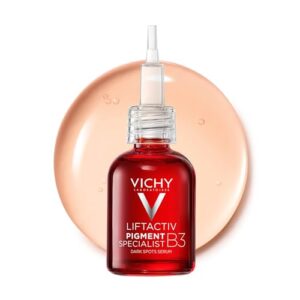
Vichy’s LiftActiv Niacinamide Dark Spot Serum keeps things focused. It leads with 5% niacinamide to block melanosome transfer, paired with tranexamic acid for additional pigment regulation and glycolic acid for gentle surface renewal.
The lightweight, water-based texture absorbs fast without grease — practical for layering under sunscreen.
It’s fragrance-free and well-tolerated, making it a reliable daily option for those targeting uneven tone or post-inflammatory marks without aggressive exfoliation.
| Best For | Anyone dealing with dark spots, uneven skin tone, or hyperpigmentation who wants a gentle, no-fuss daily serum that works for sensitive skin too. |
|---|---|
| Primary Active | Niacinamide 8% |
| Texture | Lightweight, non-sticky |
| Target Concern | Dark spots, pigmentation |
| Application Area | Face |
| Price | $44.99 |
| Volume | 3.53 oz (100 mL) |
| Additional Features |
|
- The 8% niacinamide plus Melasyl combo hits melanin overproduction from two angles, so you’re not just fading spots — you’re helping stop new ones from forming.
- Lightweight and non-sticky, so it layers easily under moisturizer or sunscreen without any greasy residue.
- Fragrance-free, silicone-free, and dermatologist-tested — a solid pick if your skin tends to react to a lot of ingredients.
- You’ll want to skip other exfoliants (AHAs, BHAs, retinoids) in the same routine — stacking them with the glycolic acid here can tip into irritation territory.
- Acne-prone skin might push back if you overdo the amount — a little goes a long way.
- If you’re dealing with deep acne scars, this won’t move the needle much — it’s built for surface discoloration, not structural damage.
2. Neutrogena Collagen Vitamin C Serum
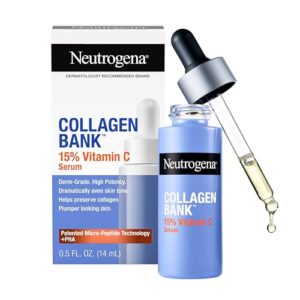
Neutrogena’s Collagen Vitamin C Serum punches well above its $13.50 price tag. With 15% L-ascorbic acid, it sits at a clinically meaningful concentration for brightening and collagen stimulation — results you’d usually expect from pricier options.
The addition of gluconolactone (PHA) provides gentle exfoliation while supporting hydration, which helps sensitive skin tolerate the formula better. It absorbs quickly and layers cleanly under moisturizer.
One caveat: the formula can oxidize over time, so use it consistently and store it properly.
| Best For | Anyone who wants a solid vitamin C serum without spending a fortune — especially if you’re new to actives or looking for an everyday brightening boost. |
|---|---|
| Primary Active | Vitamin C 15% |
| Texture | Fast-absorbing, oily |
| Target Concern | Uneven tone, discoloration |
| Application Area | Face, neck |
| Price | $13.50 |
| Volume | 0.5 fl oz (15 mL) |
| Additional Features |
|
- 15% L-ascorbic acid is a legit, clinically effective dose — not a token amount just to list it on the label
- The PHA keeps things gentle and hydrating, so it’s friendlier to sensitive skin than a lot of vitamin C serums
- Fast-absorbing and plays well under makeup or moisturizer, so it fits easily into any routine
- Can oxidize over time and develop a metallic smell — once that happens, it’s lost most of its punch
- The initial texture feels a bit oily or runny before it absorbs, which some people find off-putting
- Very sensitive skin might still get some mild burning or tingling, so a patch test is a smart move first
3. Summer Fridays Vitamin C Serum
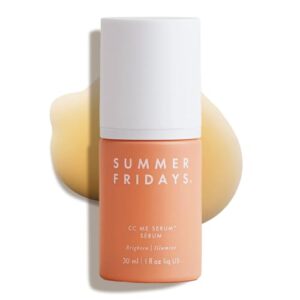
Summer Fridays CC Me Serum takes a different approach than a single high-dose L-ascorbic acid formula. It pairs two stable vitamin C derivatives — 3-O-Ethyl Ascorbic Acid and Ascorbyl Glucoside — with niacinamide, which lowers irritation risk while still targeting pigmentation. In clinical testing, 97% of users noticed increased radiance within four weeks.
At $68, it’s a premium pick, but the lightweight texture absorbs fast and layers beautifully. One note: the vitamin C concentration isn’t disclosed.
| Best For | Anyone who wants a gentle, brightening serum that works well for sensitive skin or those who’ve had trouble tolerating traditional vitamin C in the past. |
|---|---|
| Primary Active | Vitamin C + Niacinamide |
| Texture | Lightweight, fast-absorbing |
| Target Concern | Dark spots, radiance |
| Application Area | Face, neck |
| Price | $68 |
| Volume | 1 fl oz (4.64 oz) |
| Additional Features |
|
- Uses stable vitamin C derivatives, so it’s less likely to irritate or oxidize quickly
- 97% of testers saw a noticeable radiance boost in just four weeks
- Lightweight and fast-absorbing — plays nicely under moisturizer, sunscreen, and makeup
- At $68, it’s a splurge that might not suit every budget
- The vitamin C concentration isn’t disclosed, so it’s hard to gauge how potent it really is
- Has a light citrus scent that may bother fragrance-sensitive skin, and some users have noticed color or scent inconsistencies between batches
4. Peter Thomas Roth Brightening Niacinamide Serum
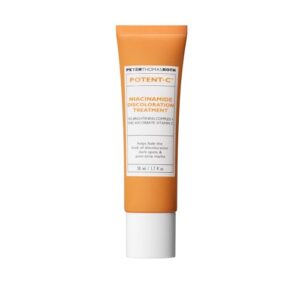
Peter Thomas Roth’s Brightening Niacinamide Serum leans fully into niacinamide as its lead active, pairing it with tranexamic acid and alpha arbutin — a solid trio for targeting post-acne marks and uneven tone. The gel-cream texture absorbs cleanly without greasiness, which makes layering straightforward.
At $45.50 for 80 ml, it’s priced higher than most drugstore alternatives. Results build gradually with consistent use, though some users with mild discoloration report modest improvements.
| Best For | Anyone dealing with post-acne marks, sun spots, or uneven skin tone who wants a dermatologist-trusted formula and doesn’t mind spending a bit more for quality ingredients. |
|---|---|
| Primary Active | Vitamin C + Niacinamide 15% |
| Texture | Gel-cream |
| Target Concern | Dark spots, discoloration |
| Application Area | Face, arms, knees |
| Price | $45.50 |
| Volume | 2.82 oz (80 mL) |
| Additional Features |
|
- Packs a strong brightening combo — niacinamide, tranexamic acid, and alpha arbutin all in one
- Gel-cream texture layers well under other products without pilling or greasiness
- Works on more than just your face — arms and knees too
- At $45.50, it’s pricier than a lot of drugstore options doing similar things
- Results are gradual, so don’t expect overnight magic — especially if your discoloration is mild
- Some users find the finish a little sticky or oily after it settles
5. Retinol Vitamin C Brightening Serum
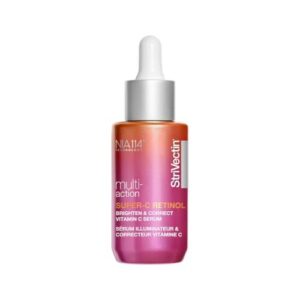
If you want retinol and vitamin C in a single bottle, this serum delivers both in one step. It pairs stabilized vitamin C with retinol and adds acerola cherry extract for a natural antioxidant boost.
Designed for face, neck, and hands, it targets fine lines, sun spots, and uneven tone together.
Daily sunscreen is non‑negotiable here since retinol increases photosensitivity. Sensitive skin types should patch test first and start with every other night use.
| Best For | Anyone who wants to tackle fine lines, sun spots, and uneven tone without juggling a dozen bottles — especially if you’re ready to commit to daily SPF. |
|---|---|
| Primary Active | Retinol + Vitamin C |
| Texture | Serum, dropper bottle |
| Target Concern | Wrinkles, sun spots |
| Application Area | Face, hands, neck |
| Price | Not disclosed |
| Volume | 1 oz (30 mL) |
| Additional Features |
|
- Combines retinol and vitamin C in one step, so your routine stays simple
- Works on face, neck, and hands — covers all the spots aging tends to show up first
- Acerola cherry extract gives you a natural antioxidant boost on top of the main actives
- Retinol makes your skin more sun-sensitive, so skipping sunscreen isn’t really an option
- Not the most budget-friendly pick, and some users have noticed the scent or texture shift between batches
- If you have sensitive or rosacea-prone skin, there’s a real chance of irritation — patch testing is a must
Choosing The Better Skincare Active

By now, you know what both ingredients can do — but knowing which one actually fits your skin is what matters. The right pick depends on your main concern, whether that’s dullness, breakouts, aging, or sensitivity. Here’s a simple breakdown to help you choose.
Best for Brightening
For brightening, vitamin C takes the lead. It blocks the tyrosinase enzyme directly, slowing melanin production at the source and fading sun-induced hyperpigmentation within 4–8 weeks.
Niacinamide targets post-inflammatory marks by disrupting melanosome transfer. Together, they hit melanin pathways from both ends — giving you faster, more complete skin tone evening and genuine radiance enhancement.
Best for Acne
Niacinamide is the clear winner here. It combats acne from multiple angles — regulating sebum production, reducing inflammatory lesions, and calming post-acne redness all at once. A 4% formulation used twice daily can show measurable improvement within 8 weeks.
Vitamin C plays a supportive role, defending against oxidative stress and helping fade the marks breakouts leave behind.
Best for Anti-aging
Regarding antiaging, this is where both ingredients genuinely earn their place together.
Vitamin C drives collagen production through direct synthesis pathways and inhibits matrix metalloproteinases — enzymes that break collagen down.
Niacinamide promotes skin elasticity and barrier repair, protecting newly formed collagen from daily oxidative stress.
Used consistently, expect gradual visible improvements in firmness and fine lines within 8–12 weeks.
Best for Sensitivity
If collagen support is your priority, both actives deliver. But if sensitive skin tolerance is the concern, niacinamide is the safer starting point. It doesn’t require a low pH, so it’s far less likely to sting.
For vitamin C, choose a stabilized vitamin derivative like ascorbyl glucoside, and patch test first.
Best Overall Routine Choice
So, what’s the single best overall routine choice? It depends on your biggest daily concern.
If hyperpigmentation and dullness top your list, lead with vitamin C each morning. If barrier balance and redness matter more, niacinamide fits both AM and PM.
For most people, though, using both active ingredients together — layered correctly — delivers the most complete skincare routine.
Frequently Asked Questions (FAQs)
Which is better niacinamide or vitamin C?
Neither is universally better — it depends on your skin goals. Vitamin C excels at brightening and antioxidant protection, while niacinamide strengthens the barrier and calms irritation. Your skin type decides the winner.
Can niacinamide and vitamin C be used together?
Yes, you can use them together. Layer vitamin C first, let it absorb, then follow with niacinamide. This order respects pH stability and lets niacinamide calm any irritation the vitamin C may cause.
Is niacinamide a replacement for vitamin C?
No, niacinamide can’t replace vitamin C. They work on different skin pathways — one shields against oxidative stress, the other strengthens your barrier. Swapping them means losing real antioxidant and brightening benefits.
What do Koreans use instead of vitamin C?
Many Koreans rely on niacinamide and arbutin for brightening instead of vitamin C, while tranexamic acid treats hyperpigmentation. Fermented foods like kimchi and a diet rich in kiwi and citrus round out their routine.
Is it better to use niacinamide or vitamin C?
It depends on your skin goal. If brightening and antioxidant defense matter most, vitamin C leads. For barrier support and oil control, niacinamide wins. Honestly, your skin often tells you which one it needs first.
Can I use niacinamide and vitamin C together?
Old-school chemists once feared mixing actives like alchemy gone wrong. Today, layering vitamin C and niacinamide works fine: apply vitamin C first, wait for absorption, then buffer with moisturizer before niacinamide to manage stinging.
Is vitamin C the best for dark spots?
For sun-induced pigment, vitamin C is your strongest brightening agent, blocking the tyrosinase enzyme and easing oxidative stress triggers along melanin production pathways.
But for acne-related hyperpigmentation, niacinamide often fades post-inflammatory marks faster, since it targets a different pigment-transfer mechanism entirely.
How long to wait between vitamin C and niacinamide?
Wait about 15 minutes after applying vitamin C before layering niacinamide. This gap lets your serum absorb fully and keeps pH interference from triggering stinging or redness on your skin.
How long does it take to see results?
Results aren’t instant, but early wins come quickly. Most people notice brighter, more even skin tone within 2–4 weeks, while hyperpigmentation fading and collagen improvements take closer to 8–12 weeks of consistent daily use.
Can pregnant women safely use these ingredients?
Both vitamin C and niacinamide are generally considered safe during pregnancy. Topical absorption stays localized, minimizing systemic risk. Stick to lower concentrations and patch test first, since pregnancy skin sensitivity can make familiar products suddenly sting.
Conclusion
Choosing between vitamin C vs niacinamide might look like a minor detail in your daily skincare routine, but getting it right could genuinely shave years off visible skin aging.
Vitamin C earns its place as your morning shield against oxidative damage and sun‑triggered dark spots.
Niacinamide steps in as the quiet rebuilder, steadying your barrier and calming post‑acne inflammation daily.
Your skin doesn’t need a perfect formula; it needs the right one for right now.