This site is supported by our readers. We may earn a commission, at no cost to you, if you purchase through links. This content is for general informational and educational purposes only and is not a substitute for professional medical, dermatological, or nutritional advice.
Most people with wavy hair spend years fighting their texture—straightening it into submission or loading it with curl creams meant for tighter coils. Neither works, and most wavies know it.
The wavy girl method flips that script by treating your waves as their own hair type, not a lesser version of curls or a failed attempt at straight. It borrows the gentle cleansing and moisture-first philosophy of the curly girl method, then loosens the rules to fit the lighter, more fragile nature of wavy strands.
Think of it as a custom routine—one that works with your hair’s natural movement instead of against it. What follows breaks down everything you need to get started.
Table Of Contents
- Key Takeaways
- Wavy Girl Method Basics
- Hair Types 2A to 2C
- Wash Day Routine Steps
- Top 5 Wavy Girl Products
- Styling Waves Without Frizz
- Root Volume and Definition
- Moisture, Clarifying, and Buildup
- Night Care and Protection
- Troubleshooting and Routine Tweaks
- Frequently Asked Questions (FAQs)
- Is there a wavy girl method?
- What hair type is rarest?
- What ingredients should I avoid in CGM?
- How to manage wavy hair in high humidity?
- Can I use protein treatments with the Wavy Girl Method?
- How often should wavy hair be trimmed for optimal health?
- How to incorporate oils without weighing down wavy hair?
- Can wavy hair benefit from protein treatments?
- How often should wavy girls trim their hair?
- Does hard water affect wave pattern definition?
- Conclusion
Key Takeaways
- The Wavy Girl Method treats waves as their own hair type — not a watered-down version of curly hair — so you use lighter products, skip heavy creams, and keep styling techniques flexible enough for your strands to actually move.
- Knowing whether you’re a 2A, 2B, or 2C changes everything about your routine, from how much moisture you need to how you handle frizz, and which products won’t weigh your waves flat.
- Wash day technique matters more than the products themselves — pre-detangling, scrunching upward, applying conditioner with the praying hands method, and keeping product away from your roots are the steps that actually build definition.
- Your routine isn’t a one-and-done setup; waves shift with seasons, humidity, and even your water source, so regular check-ins — clarifying monthly, trimming every 8–12 weeks, and tweaking product weight as needed — keep your results consistent.
Wavy Girl Method Basics

The Wavy Girl Method started as a smart remix of the Curly Girl Method — built specifically for those of us with waves, not curls. It’s more relaxed, more flexible, and honestly a lot easier to stick with.
If you’re just getting started, the Curly Girl Method’s core rules are actually a great foundation to build your wavy routine from.
Here’s what you need to know before getting started.
How The Method Adapts Curly Girl Routines
The Wavy Girl Method takes the Curly Girl Method and loosens it up — literally. Instead of strict ingredient restrictions, it gives you Ingredient Flexibility, Heat Tool Freedom, and Routine Frequency Customization based on how your hair actually behaves.
Think of it as Adapting Curly Girl Method for wavy hair: same gentle philosophy, but with Product Weight Adjustments and Scalp Sensitivity Focus built right in. A core step is full saturation cleansing to open hair cuticles before cleaning.
Why Flexibility Matters for Waves
Flexibility is everything in this method. Your waves need room to move — to stretch, rebound, and clump naturally as they dry. That’s Curl Stretch Recovery in action.
Think of it like elastic: too stiff, and waves crack; too loose, and they fall flat.
Flexibility offers:
- Elastic Hold Balance — lightweight styling techniques for waves let strands shift while drying
- Humidity Resistance Flex — product buildup prevention keeps waves springy, not weighed down
- Drying Set Flex — air dry or diffuse cool for natural Scalp Strand Movement and wave definition
A flexible hold mousse works with your hair, not against it.
Key Differences From Curly Hair Care
Curly care and wavy care aren’t the same game.
The Wavy Girl Method gives you Heat Tool Flexibility — blow‑dryers and diffusers are totally fine. Brushing Permission is real here too; wide‑tooth combs are welcome. And Product Layering Lightness keeps waves from collapsing under heavy creams.
| Wavy Girl Method | Curly Girl Method |
|---|---|
| Lightweight styling techniques for waves | Richer, heavier creams tolerated |
| Brushing Permission with wide-tooth combs | No brushing allowed |
| Heat Tool Flexibility encouraged | Heat use discouraged |
| Flexible Clumping Technique via scrunching | Stronger raking for ringlets |
| Lower Protein Prioritization | More protein-focused treatments |
Who The Method Works Best For
This method clicks best for Loose Wave Candidates — people with 2A hair, 2B hair, or 2C hair who want definition without the drama. If you’re Frizz Sensitive, easily overloaded by heavy products, or just prefer to air dry and go, you’ll feel right at home here.
Moisture Balanced routines and Product Overload Avoiders thrive too, especially once you factor in your hair porosity and hair density.
Hair Types 2A to 2C
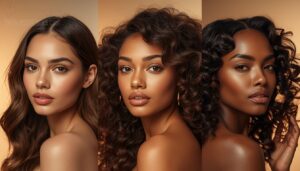
Not all wavy hair is created equal, and knowing your type changes everything about how you care for it. Wavy hair falls into 2A, 2B, and 2C — each with its own personality and needs.
Here’s how to tell them apart.
Identifying Loose 2A Waves
Type 2A hair is the quietest wave in the room. Your natural curl pattern starts almost invisibly — roots look straight, then gradually shift into soft S-shapes further down the length. That Length Change is the giveaway.
Wave Visibility is low without styling, and Texture Thinness can make waves feel nonexistent. Don’t mistake Root Straightness for straight hair — your waves are there, just subtle.
Recognizing Balanced 2B Texture
2B sits right in the sweet spot. Your mid-length S-shape starts forming through the middle of your hair, not at the roots — that’s your natural wave pattern doing its thing.
Watch for a shrinkage indicator as it dries; that slight length reduction signals clump formation cues working. Wave density balance gives 2B hair a fuller, bouncier look, but texture variation zones mean some sections may look straighter than others.
Managing Frizz-prone 2C Waves
2C hair is basically a frizz magnet — tighter waves mean more surface area for humidity to sneak in. That’s where the Wavy Girl Method really earns its keep. Build your defense with:
- Humidity Shields like anti-frizz serums after applying lightweight conditioner
- Protective Styling — braids or twists lock in definition overnight
- Diffuser Techniques on cool air to set waves without disruption
Deep conditioning treatment monthly keeps 2C hair balanced and bouncy.
Wash Day Routine Steps
Wash day is where the magic actually happens — get this part right and everything else falls into place.
The steps are simple, but the order and technique matter more than you’d think. Here’s exactly how to move through your routine for the best wave results.
Pre-wash Detangling With a Wide-tooth Comb
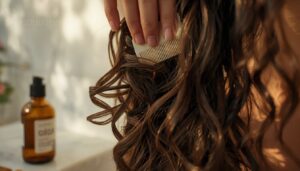
Before water even touches your wavy hair, grab your wide tooth comb — this single step can save you serious breakage later. Pre-wash detangling with slip lubrication techniques (a light oil or conditioner works great) lets the comb glide instead of snagging. Use a smart sectioning strategy and practice scalp tension reduction by holding hair above each knot.
| Detangling Step | Why It Matters |
|---|---|
| Start at the ends | Prevents scalp tugging |
| Work upward in stages | Avoids re-tangling cleared sections |
| Apply slip product first | Reduces friction and breakage |
| Control comb angle | Helps comb slide through waves cleanly |
This is foundational Wavy Girl Method hair health — don’t skip it.
Cleansing With Sulfate-free Shampoo

Sulfate-free shampoo is your wave’s best friend — gentle enough to protect natural oils without stripping your scalp bare. Foam reduction is normal here; less lather doesn’t mean less clean.
Focus on Lather Technique: emulsify the product between your palms first, then massage from roots out. Smart Surfactant Choice keeps Scalp Sensitivity low, making every Wavy Girl Method wash day feel easy.
Co-washing When Waves Need Extra Moisture
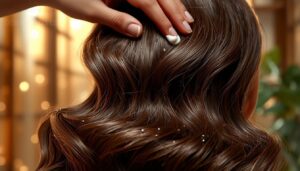
Sometimes your waves just need a drink of water — that’s where cowashing comes in. Instead of reaching for your sulfatefree shampoo, you swap in a conditioner-based cleanser that leans on Cationic Surfactant Benefits to gently lift dirt while keeping moisture locked in.
Here’s when and how to do it right:
- Use the Scalp Massage Technique — fingertip scrubbing replaces lather
- Focus on Product Ingredient Focus: look for glycerin and Moisture‑Sealing Oils like Shea butter
- Follow Frequency Guidelines: once weekly works for most wavy types
- Alternate with sulfate‑free shampoo to avoid buildup
- Think of it as a mini deep conditioning reset for better moisture retention
Applying Conditioner With Praying Hands

Once you’ve finished co-washing, don’t rinse everything out just yet — your waves are primed and ready for the praying hands method.
Divide your hair into two sections, then coat your palms with leave-in conditioner.
Press both hands around one section and glide slowly from root to ends.
That steady Product Glide smooths each strand and locks in moisture before styling.
| Step | Hand Positioning | What It Does |
|---|---|---|
| Load product | Palms facing, fingers together | Coats hands evenly |
| Section hair | One section between both hands | Ensures full coverage |
| Glide down | Root to ends, steady pressure | Seals and defines waves |
Scrunching to Encourage Wave Clumps

Now that your conditioner is evenly distributed, it’s time to let your waves do their thing.
- Upward Squeeze Motion — Scrunch sections from ends toward roots to coax Moisture-Driven Clumping.
- Pinch and Scrunch — Target smaller sections for tighter wave clumps.
- Flip and Scrunch or Twist and Scrunch — Add definition before applying curl enhancing mousse.
Scrunch while air-drying using this scrunching method for the best Wavy Girl Method results.
Top 5 Wavy Girl Products
Finding the right products can make or break your wave routine. The good news is you don’t need a cabinet full of options — just a few well-chosen picks that work with your texture, not against it.
Here are five products worth knowing about.
1. Curly Girl Hair Care Handbook
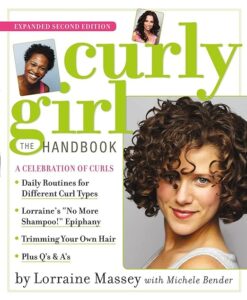
Want a single resource that covers everything from loose waves to tight curls? The Curly Girl Hair Care Handbook is worth keeping on your shelf.
At just $9.33, this 176-page paperback walks you through daily routines, DIY treatments like flaxseed gel, and even a 12-step recovery program for damaged hair.
It’s a solid foundation, especially if you’re just starting your wavy hair journey.
Just keep in mind the product recommendations are from 2011, so treat it as a guide, not a gospel.
| Best For | Anyone with curly, wavy, or coily hair who wants a simple, affordable starting point for building a healthier hair routine. |
|---|---|
| Product Type | Paperback Book |
| Sulfate Free | N/A |
| Paraben Free | N/A |
| Color Safe | N/A |
| Frizz Control | Guidance included |
| Price | $9.33 |
| Additional Features |
|
- Covers a wide range of curl types, from loose waves to tight corkscrews, so it’s genuinely useful for most people
- Packed with DIY recipes and step-by-step guidance that saves you money on products
- At $9.33, it’s a low-risk way to learn the basics of curly hair care
- Published in 2011, so some product recommendations are outdated
- Video content lives on YouTube or a DVD, which won’t work on every device
- English only and paperback format, so it may not hold up well with heavy daily use
2. Aveeno Fresh Greens Sulfate Free Shampoo
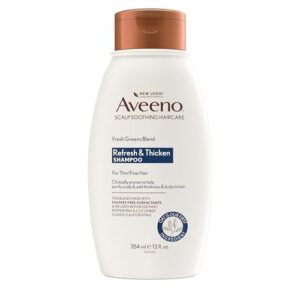
If the handbook is your roadmap, Aveeno Fresh Greens Sulfate Free Shampoo is your starting point on wash day. At $8.57 for 13.4 oz, it’s a solid pick for fine to medium wavy hair.
The oat, rosemary, peppermint, and cucumber blend cleanses without stripping — so your waves stay soft, not crunchy.
It’s sulfate-free, paraben-free, and safe for color-treated hair too.
One heads-up: the lather is lighter than traditional shampoos, but that’s actually a good sign for your waves.
| Best For | Fine to medium hair folks — especially those with color-treated or wavy hair — who want a gentle, plant-based shampoo that cleans without stripping. |
|---|---|
| Product Type | Clarifying Shampoo |
| Sulfate Free | Yes |
| Paraben Free | Yes |
| Color Safe | Yes |
| Frizz Control | Light moisture |
| Price | $8.57 |
| Additional Features |
|
- Sulfate-, paraben-, and dye-free formula that’s kind to color-treated hair
- Oat and botanical blend soothes the scalp and adds light moisture without weighing hair down
- Great for daily use — cleanses gently while keeping waves soft and manageable
- Less lather than traditional shampoos, which can feel like it’s not cleaning as well
- The scent might be a bit much if you’re sensitive to fragrance
- Not the best fit for thick or oily hair that needs a stronger clean
3. Shea Moisture Manuka Honey Shampoo

Next up is the SheaMoisture Manuka Honey Shampoo — a favorite for wavier girls who need serious hydration without sacrificing definition. At $10.97 for 13 oz, it’s packed with manuka honey, mafura oil, and shea butter, so it cleanses and conditions at the same time.
The sulfate-free, silicone-free formula won’t weigh your waves down or strip them dry.
Just note — if your hair runs fine or oily, the rich texture might feel a little heavy.
| Best For | People with coily or type 4 hair who need deep moisture and easier detangling — especially those following the curly girl method. |
|---|---|
| Product Type | Hydrating Shampoo |
| Sulfate Free | Yes |
| Paraben Free | Yes |
| Color Safe | Yes |
| Frizz Control | Reduces brittleness |
| Price | $10.97 |
| Additional Features |
|
- Packed with manuka honey, baobab oil, and shea butter for serious hydration
- Cleanses and conditions at the same time, so you can skip the conditioner
- Free of sulfates, silicones, parabens, and mineral oil — great for low-tox routines
- Can feel heavy or leave residue on fine or oily hair
- The thick, creamy texture is a lot if you’re used to lighter shampoos
- Highly porous hair may still need extra conditioning after washing
4. Alfaparf Milano Curl Enhancing Shampoo
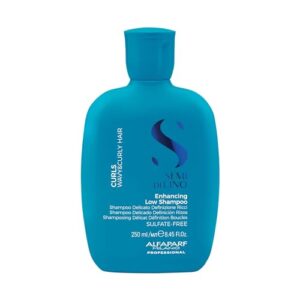
The Alfaparf Milano Curl Enhancing Shampoo is a salon-quality pick that actually delivers on its promises.
At $28 for 8.45 oz, it’s the premium option here — but the Manketti Oil and Semi Di Lino technology work together to activate your wave pattern, fight humidity frizz, and protect color-treated hair all in one wash.
It’s sulfate-free, vegan, and cruelty-free, so it cleanses without stripping.
If you color your waves and want real definition, this one’s worth the splurge.
| Best For | Wavy and curly-haired folks who color their hair and want a clean, vegan shampoo that actually tames frizz. |
|---|---|
| Product Type | Curl Shampoo |
| Sulfate Free | Yes |
| Paraben Free | Yes |
| Color Safe | Yes |
| Frizz Control | Humidity resistant |
| Price | $28.00 |
| Additional Features |
|
- Sulfate-free formula cleanses gently without stripping moisture or messing with your curl pattern
- Manketti Oil and Semi Di Lino tech work together to define curls and fight humidity frizz
- Color-safe and vegan — a solid pick if you care about what goes on your hair and how it’s made
- At $28, it’s on the pricier side compared to drugstore options
- The scent is pretty strong, so if you’re sensitive to fragrance, heads up
- Some buyers have received bottles that look half-empty, which is frustrating at this price point
5. Carols Daughter Hair Milk Co Wash
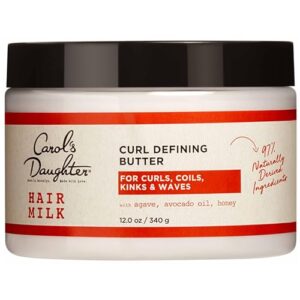
Carol’s Daughter Hair Milk Co-Wash is the go-to pick when your waves are craving moisture without a heavy cleanse. It’s packed with agave nectar, shea butter, and glycerin — all working together to detangle, hydrate, and reduce frizz in one step.
Skip the shampoo on low-manipulation days and let this do the work. It’s especially useful during dry winter months when co-washing is your best friend.
Just follow up with a lightweight leave-in and you’re set.
| Best For | Anyone with curly, coily, or wavy hair (curl types 3A–4A) who wants to cleanse, detangle, and moisturize all in one step without stripping their hair dry. |
|---|---|
| Product Type | Co-Wash Cleanser |
| Sulfate Free | Yes |
| Paraben Free | N/A |
| Color Safe | Yes |
| Frizz Control | Reduces frizz |
| Price | Not listed |
| Additional Features |
|
- Deep moisture from real ingredients like shea butter, avocado oil, and agave nectar — no filler stuff
- Cuts your wash-day routine in half by cleansing and detangling at the same time
- Keeps curls defined and soft for up to 24 hours without that stiff, crunchy feeling
- Too much product or daily use can leave hair feeling cakey or hard once it dries
- The thick texture can weigh down fine or low-density hair if you’re not careful with the amount
- It’s gone out of stock pretty often, so it’s not always easy to grab when you need it
Styling Waves Without Frizz

Getting your waves to look defined without turning into a frizz cloud comes down to how you apply and dry your products.
A few simple techniques make a bigger difference than you’d think.
Here’s what actually works.
Using Mousse for Lightweight Hold
Mousse is your secret weapon for lightweight hold that actually lets your waves breathe. Apply it to damp hair about 4 cm from the roots — Quantity Control matters here. Too much weighs waves down; too little does nothing.
| Mousse Tip | Why It Works |
|---|---|
| Apply to damp hair | Ensures even coating |
| Start with a golf ball-sized amount | Prevents buildup |
| Focus away from roots | Preserves natural volume |
| Scrunch upward gently | Encourages wave clumping |
Humidity Adaptation and smart Ingredient Selection keep your Wavy Girl Method results consistent year-round.
Adding Gel Only When Needed
Gel isn’t a daily must — think of it as your backup plan for days when waves need a little extra backbone.
- Use Targeted Gel Placement only on mid-lengths and ends
- Try Incremental Hold Control — add small amounts, then reassess
- Practice Sectional Gel Application on frizzy or separating strands
- Always work with Damp Hair Timing for even distribution
- Keep Selective Gel Use light so lightweight products stay your foundation
Scrunching Without Breaking Wave Pattern
Scrunching sounds simple — but the technique makes or breaks your wave pattern. Use Gentle Upward Pressure only, pressing small sections upward in Sectioned Scrunch Passes rather than squeezing randomly.
| What to Do | Why It Works |
|---|---|
| Microfiber Towel Blotting first | Removes drips without disrupting clumps |
| Scrunch at right Dampness Timing | Wet enough to reshape, not sopping |
| Keep Light Product Ratio | Prevents weighed-down, stringy waves |
| Limit total passes | Stops over-manipulation breaking the pattern |
Air-drying Versus Diffusing on Cool Air
Once your waves are scrunched, you’ve got two paths: let them air dry or use a diffuser.
Air drying keeps shrinkage effects minimal — gravity does the work, elongating your waves naturally.
Diffusing with cool air speeds up drying time and locks in definition faster, which helps with frizz management in humid weather.
Both fit the Wavy Girl Method perfectly.
Root Volume and Definition
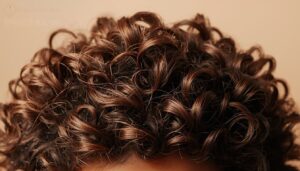
Flat roots can undo everything, even when the rest of your waves look great. The good news is that a few small technique shifts make a real difference.
Here’s what actually works for building volume and definition from the root down.
Applying Styling Product Away From Roots
Think of your roots as the foundation — you don’t want them weighed down. Start with a dime-sized amount of mousse and focus on mid-length layering and end-focused styling only. Scalp-free application keeps root volume intact while preventing product buildup.
- Use sectioned product placement on thicker hair
- Emulsify product in palms first
- Apply with the praying hands method application
- Keep lightweight products away from the crown
- Work ends upward, not roots downward
Lifting Roots While Drying
Once your product’s on, timing is everything. Lift timing matters — gently lift roots while hair is still damp, not soaking wet. That’s your sweet spot for root volume.
Use Section Access to part and re-part every few minutes.
Cool Diffuse Lift works better than warm air here.
With the right air drying technique and lightweight styling, Root Clump Separation happens naturally.
Creating Curl Clumps for Stronger Waves
Now that your roots have some lift, it’s time to build those curl clumps. Start on soaking wet hair — water clumping is real. Wet strands group together naturally.
Use the praying hands method to smooth mousse through, then scrunch upward by section size. Layered hold (leave-in first, then gel casting to set the shape) keeps clumps intact as you diffuse on low heat.
Adjusting Technique for Fine or Dense Hair
Fine and dense hair need different game plans — and that’s okay.
- Product Quantity Control: Fine hair does best with less; dense hair needs more water per strand for even distribution.
- Root Weight Management: Keep products away from roots to avoid limp waves.
- Water Saturation Timing: Apply everything on soaking-wet hair for cleaner clumps.
- Layered Cutting Strategies: Internal layers lift fine hair; strategic bulk removal helps dense hair fall better.
- Drying Method Adaptation: Fine hair air-dries fast — don’t touch it. Dense hair benefits from cool diffusing.
Adjusting styling techniques for fine vs dense hair is one of the most important Wavy Girl Method steps for choosing lightweight products for wavy hair that actually work.
Moisture, Clarifying, and Buildup
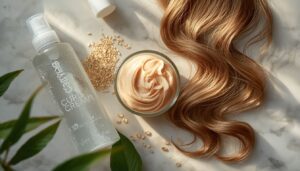
Getting the moisture balance right is one of those things that can make or break your wave routine. Too much product and your waves go flat; too little and frizz takes over.
Here’s what you need to know to keep things in check.
Balancing Hydration With Lightweight Formulas
Hydration doesn’t have to mean heaviness. The Wavy Girl Method thrives on smart Humectant Layering — think glycerin and hyaluronic acid pulling just enough moisture in without loading your strands down. Keep your Protein-Moisture Ratio balanced, apply weightless leave-in from mid-lengths to ends, and practice Scalp Load Management by staying product-light near roots.
Smart hydration means layering lightweight humectants, not heavy creams, to keep waves bouncy without the weight
| Strategy | Best For | Key Benefit |
|---|---|---|
| Humectant-rich lightweight conditioners | 2A–2B waves | Hydration without collapse |
| Protein-moisture rotation | All wave types | Elasticity and bounce |
| Humidity-responsive ingredients | Frizz-prone 2C | Frizz control in heat |
When to Use a Clarifying Shampoo
Think of clarifying shampoo as a reset button — not a regular wash.
Hard water buildup, product overload reset after heavy styling, post swim cleansing following pool days, and seasonal humidity shift are all clear signals that it’s time.
clarify once a month works well for most. Color treated hair needs it less often.
Sulfate-free shampoos handle everyday cleansing; clarifying addresses the deeper stuff.
Deep Conditioning Without Overloading Waves
Deep conditioning works best when you keep it away from the scalp — that’s Scalp-Free Application in action. Focus on Mid-length Targeting, scrunching the product into your ends where dryness actually lives.
Leave it on for 20–30 minutes, then add a warm cap for a Timed Heat Boost. Watch your Protein Balance — too much stiffens waves.
A solid Rinse Technique clears residue without disrupting your wave clumps.
Preventing Buildup From Conditioners and Stylers
Product buildup is sneaky — it creeps up slowly until your waves feel coated and lifeless. Beat it with smart Light Layering: apply conditioners to mid-lengths only, never the roots.
Your Rinse Technique matters too — rinse thoroughly, then finish cool. Watch your Ingredient Weight by avoiding silicones and heavy oils.
Adjust your Cleansing Frequency with a clarifying shampoo monthly, and practice Film Prevention by using only what your hair actually needs.
Night Care and Protection

What happens while you sleep matters more than you might think. Your waves can lose their shape, pick up frizz, and wake up looking nothing like they did the night before — all from tossing around on the wrong pillowcase.
A few simple habits can change that completely.
Sleeping on Satin Pillowcases
Your pillowcase matters more than you’d think. Satin’s smooth surface delivers serious friction reduction, letting your waves glide instead of snagging while you sleep. That means better hair tangle prevention and real overnight protection for wavy hair.
It also helps moisture retention by absorbing less than cotton, keeping your hair hydrated. Bonus: skin crease minimization and cooler sleep comfort all night.
Using Microfiber or Cotton T-shirts
Your pillowcase takes care of nighttime, but what about drying your hair after wash day?
A microfiber towel or old cotton tee beats a regular towel every time.
Standard towels rough up your wave pattern through fabric friction impact.
Microfiber wins on moisture wicking efficiency, while cotton is gentler on frizz.
Both support the scrunching method beautifully in the Wavy Girl Method.
Preserving Wave Shape Overnight
Now that drying is sorted, protecting your waves overnight is the real turning point. Here’s what actually works:
- Bonnet Fit Control — A snug satin bonnet keeps Sleep Handling Control tight, reducing friction.
- Loose Pineapple Bunching — Gather waves high with Soft Scrunchie Banding to avoid dents.
- Dry Hair Overnight — Never sleep damp; moisture retention suffers and frizz control disappears.
- Preserve your hair cast — Don’t crush it.
Refreshing Waves The Next Morning
Once your waves survive the night, the morning refresh is simple. Let your hair settle for about 10 minutes after removing your scrunchie — this lets the pattern reform naturally.
Then use a Light Dampening Technique: mist lightly, don’t soak. Apply your Morning Mist Application with a Product Spotting Strategy — mousse or lightweight conditioners only where frizz appears.
Scrunch, then air dry for Heat-Free Drying and easy frizz control.
Troubleshooting and Routine Tweaks

Even the best routines hit a rough patch sometimes — and that’s completely normal.
Your waves will shift with the seasons, your stress levels, even a new water source, so it makes sense to troubleshoot as you go.
Here are the most common issues wavy girls run into, along with simple fixes to get your waves back on track.
Fixing Limp or Weighed-down Waves
Limp waves usually come down to one culprit — too much weight. Whether it’s heavy conditioners, excess oils, or product buildup, your hair is basically drowning in product.
Here’s how to turn things around:
- Scalp Oil Management: Clarify once or twice a month to reset greasy roots
- Protein Boost: Add a light protein treatment when hair feels stretchy or lifeless
- Product Layering Strategy: Use fewer products — less really is more
- Lightweight Sprays and lightweight conditioners: Swap heavy formulas for featherlight alternatives
- Product buildup prevention strategies: Rinse thoroughly every wash, every time
Reducing Frizz in Humid Weather
Humidity is basically waves’ worst enemy — warm, wet air lifts the cuticle and lets moisture sneak in, turning definition into frizz.
Cuticle Sealing Techniques, like layering a leave-in with mousse, give you Flexible Hold Strategies that move with your hair.
Microfiber Towel Benefits include less friction on wet strands, keeping clumps intact.
For stubborn flyaways, Light Gel Application on the outer layer — not all over — locks things down without crunch.
Updating Your Routine as Waves Change
Your hair isn’t static — it shifts with seasons, stress, and even your water supply. That’s why routine personalization for wavy hair matters so much.
Practice texture change monitoring quarterly, adjusting your product layering strategy and heat tool modulation as needed.
Seasonal adjustments for wavy hair care, like weather impact on wavy hair awareness, porosity-based product application, scalp care focus, seasonal product swaps, and managing product buildup in wavy hair keep your waves thriving year‑round.
Frequently Asked Questions (FAQs)
Is there a wavy girl method?
Yes, and it’s more approachable than you’d think. The Wavy Girl Method is a real, flexible haircare system built specifically for wavy textures — not borrowed rules from curly routines.
What hair type is rarest?
The rarest hair type is Type 1A in the Andre Walker system — completely straight, ultra-fine texture, found in roughly 2% of people.
Natural red hair and platinum blonde rarity make certain combined rarity combos even more uncommon.
What ingredients should I avoid in CGM?
Avoid isobornyl acrylate — it triggers allergic adhesive reactions. Acetaminophen interference and methyldopa effect can skew CGM readings. Gentisic acid distorts values too.
Stick to sulfate-free shampoos and silicone-free products for safer, cleaner sulfate and silicone avoidance.
How to manage wavy hair in high humidity?
Humid weather makes waves frizz fast.
Fight it with layered product application — leave-in first, then mousse, then a light gel boost at the ends for humidity‑resistant hold and lasting curl definition.
Can I use protein treatments with the Wavy Girl Method?
Protein treatments are your waves’ secret weapon — use them when hair feels limp or mushy.
With the Wavy Girl Method, balance protein timing and strength carefully to avoid overload and maintain hair health.
How often should wavy hair be trimmed for optimal health?
Aim for a trim every 8 to 12 weeks. Watch your End Condition Indicators — rough, stringy tips mean it’s time.
Heat Styling Impact speeds that up, while a growth-focused Trim Timing can stretch closer to
How to incorporate oils without weighing down wavy hair?
Think of oil as a finishing whisper, not a shout. A drop of argan or jojoba on dry ends seals softness without dragging waves flat.
Can wavy hair benefit from protein treatments?
Yes, wavy hair can benefit from protein treatments.
They strengthen strands, reduce frizz, and improve wave definition — but maintaining the right Protein Moisture Balance is key to avoiding stiff, brittle results.
How often should wavy girls trim their hair?
Every 8–12 weeks is your sweet spot. If you heat style often, trim closer to Healthy ends mean you can stretch to 12 and still keep waves defined.
Does hard water affect wave pattern definition?
Hard water leaves mineral buildup on strands, causing cuticle stiffness effects and frizz amplification. This disrupts defined waves by reducing hard water lather and product buildup removal efficiency.
regular clarifying shampoo helps.
Conclusion
It’s funny—most wavies discover the wavy girl method right when they’re about to give up on their hair entirely. That moment of frustration turns out to be the turning point.
Your waves were never the problem; the wrong approach was.
Now you have a routine built around what your hair actually needs: gentle care, the right moisture balance, and a little patience. Trust the process, and your waves will finally start working with you.