This site is supported by our readers. We may earn a commission, at no cost to you, if you purchase through links. This content is for general informational and educational purposes only and is not a substitute for professional medical, dermatological, or nutritional advice.

Most people blame skin texture on genetics and leave it at that. But here’s what I see in my practice every day: rough, uneven skin is rarely destiny—it’s usually the result of a few consistent habits working against your barrier. A stripped cleanser here, skipped sunscreen there, and your skin spends more time recovering than actually thriving.
The good news is that smooth skin follows a predictable logic. Once you understand your barrier needs—and what quietly damages it—the path forward gets straightforward. These steps will get you there.
Table Of Contents
- Key Takeaways
- Build a Skin-Smoothing Routine
- Exfoliate Without Irritation
- Moisturize to Repair Skin Barrier
- Treat Bumps, Blemishes, and Hair
- Protect Skin for Lasting Smoothness
- Frequently Asked Questions (FAQs)
- Why is Korean skin so smooth?
- How to get 100% clear skin?
- How does diet impact skin texture and smoothness?
- Can stress affect the quality of my skin?
- What role does sleep play in maintaining smooth skin?
- How often should I change my skincare products for optimal results?
- Are there specific vitamins or supplements that promote smoother skin?
- Can diet alone improve skin texture significantly?
- Does exercise help skin become smoother over time?
- Are natural oils safe for sensitive or reactive skin?
- Conclusion
Key Takeaways
- Your skin barrier is the real foundation — rough texture usually comes from stripping it with harsh cleansers or skipping sunscreen, not from genetics.
- Chemical exfoliants like glycolic acid (for texture) and salicylic acid (for oily, clogged skin) outperform physical scrubs, but only work safely at 1–3 times per week.
- Moisturizing on slightly damp skin with ceramides, glycerin, or hyaluronic acid is what actually locks in hydration and keeps your barrier functioning.
- Daily SPF, stress management, 7–9 hours of sleep, and a nutrient-rich diet are the long-term habits that protect everything your topical routine builds.
Build a Skin-Smoothing Routine

Getting smooth skin doesn’t require a complicated arsenal of products. It starts with a few consistent daily habits that work with your skin instead of against it. Here’s what a solid routine actually looks like.
If breakouts are part of the picture, checking out effective acne treatments for men can help you build a routine that actually tackles the problem at the source.
Cleanse Face and Body With a Gentle, Non-stripping Wash
Choosing the right cleanser is the foundation of smooth skin. Look for a gentle, nonstripping cleanser with mild surfactants — sodium lauroyl sarcosinate or cocamidopropyl betaine are solid dermatologist recommendations.
Low-foam formulas respect your skin barrier repair techniques better than harsh, foamy washes. Humectant additives like glycerin help prevent post-wash dryness.
Smart surfactant choice and barrier-friendly rinse behavior keep your skin feeling comfortable, not tight. Avoid harsh sulfate surfactants, such as sodium lauryl sulfate, which can strip essential lipids.
Use Lukewarm Water and Pat Skin Dry
Your cleanser does its best work when paired with the right water temperature. Lukewarm water — around 32–37°C — keeps your skin barrier intact where hot water strips it.
Once you’ve rinsed, pat dry with a soft towel using light pressure, especially on sensitive areas. moisturize immediately while your skin is still slightly damp. locks in hydration before it evaporates.
Keep a Simple Morning and Nighttime Routine
Think of your daily skin care as a nightly skin reset and a fresh-start morning — two bookends that hold everything together. A consistent timing habit matters more than having a dozen products.
Keep it simple:
- Cleanse gently, morning and night
- Follow your layering sequence (lightest to richest)
- Apply eye cream application before heavier moisturizers
- Stick to minimalist skincare routines when traveling with a travel-friendly kit
- Never skip your nighttime skin care regimen
Choose Products Based on Your Skin Type
Your routine is only as good as the products in it.
Oily skin does best with noncomedogenic, oil-free formulas — lightweight hydrating gel moisturizers that won’t clog pores. Dry skin needs richer creams with ceramides and glycerin. Sensitive skin? Stick to fragrance-free options with simple ingredient lists.
Niacinamide balance works well across most skin types. A pH-balanced cleanser rounds out these skin type-specific care recommendations.
Exfoliate Without Irritation
Exfoliation is one of the fastest ways to go from dull and rough to actually smooth — but only if you do it right.
The key is knowing which type works for your skin and how often to use it.
Here’s what you need to know before you start.
Compare Chemical and Physical Exfoliants

Not all exfoliation techniques work the same way.
Physical exfoliants use friction — particle size impact matters here, since harsher particles can cause micro-tears.
Choosing finer, rounder particles helps minimize that risk — and if your skin does flare up, a soothing serum for irritated skin can help calm things down while you heal.
Chemical exfoliants rely on active ingredient mechanisms: AHAs like glycolic acid loosen surface buildup, while BHAs penetrate pores.
pH level differences and application technique variations affect how fast your barrier recovery rate happens after each session.
Pick Salicylic Acid for Clogged or Oily Skin
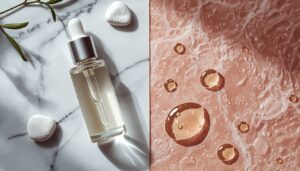
If your skin is prone to staying oily or your pores clog easily, salicylic acid is your best pick. It’s a BHA — oil‑soluble, meaning it cuts right through sebum to exfoliate regularly at the pore level.
- Oil‑Soluble Action: reaches inside pores, not just the surface.
- Leave‑On Serum: stays on skin longer for better oil control.
- Spot Treatment: targets individual blemishes without drying everything else.
- Concentration Choice: start at 1–2% OTC strength.
- Barrier Support: always follow with a moisturizer.
Pick Glycolic or Lactic Acid for Rough Texture
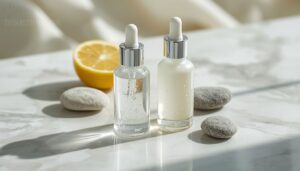
Rough, uneven texture responds well to alpha hydroxy acids — and two stand out: glycolic and lactic. Glycolic acid penetrates faster, making it ideal for stubborn rough patches on elbows, knees, or dull facial skin.
Lactic acid works more gradually and feels gentler, a dermatologist‑recommended skin‑care tip for dry or sensitive types.
Both improve skin texture improvement, noticeably with consistent use in leave-on serums or lotions.
Exfoliate Only 1–3 Times Weekly
More isn’t better here — your skin needs recovery time between sessions. Start once a week, then follow a simple ramp-up schedule: increase only if your skin tolerates it well after 24–72 hours.
Sensitive skin stays at once weekly; oily skin can handle two to three times.
Patch testing before committing to any new acid keeps your skin barrier protection intact.
Avoid Over-scrubbing and Harsh DIY Scrubs
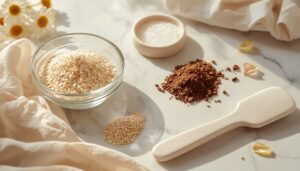
That DIY coffee-and-lemon scrub trending online? Skip it.
Coarse grounds and acidic additives are a fast track to irritation.
For gentle pressure and fine exfoliants — think colloidal oatmeal or fine sugar — your skin barrier stays intact.
Skip fragrance and essential oils too.
Watch red flags like redness, burning, or tightness. If you spot them, back off immediately.
Moisturize to Repair Skin Barrier
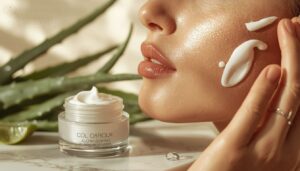
Moisturizing isn’t just about softness — it’s about keeping your skin barrier intact so everything else in your routine actually works. The right moisturizer, applied the right way, can make a real difference in texture and comfort.
Moisturizing protects your skin barrier — making everything else in your routine actually work
what to focus on.
Apply Moisturizer on Slightly Damp Skin
Timing after cleansing matters more than most people realize. Don’t wait until your skin feels tight — apply moisturizer while it’s still slightly damp. That thin film of water left after a gentle pat-dry helps seal surface moisture right in.
Use a light product amount and press it in gently rather than rubbing. This fast absorption technique keeps your skin barrier strong and your moisturizing routine actually working.
Use Ceramides, Glycerin, or Hyaluronic Acid
Now that moisture is locked in, the ingredients you choose do the heavy lifting. Together, these ingredient combination benefits make skin barrier repair techniques genuinely effective.
Ceramides offer a ceramide lipid boost by filling gaps in your barrier — think of them as the grout between tiles. Glycerin hydration power pulls water into the skin’s surface. And hyaluronic acid plumping adds that soft, comfortable feel.
Choose Lighter Lotions for Oily Skin
Oily skin still needs hydration — skipping moisturizer only pushes your skin to produce more oil. The trick is choosing the right formula.
Look for a non-comedogenic formula with an oil-free finish and lightweight humectants like glycerin or hyaluronic acid.
A matte texture keeps shine in check, while a fragrance-free option lowers irritation risk.
Your skin barrier stays supported without the greasiness.
Use Richer Creams for Dry Skin
Dry skin needs a richer touch. water-in-oil emulsion works harder than a regular lotion — it seals moisture in longer and helps your skin barrier throughout the day.
Look for ceramides, glycerin, or hyaluronic acid in sensitive skin formulas. layered moisturizer system adds barrier-boosting oils for deeper hydration.
Adjust your cream seasonally — your skin’s needs change with the weather.
Support Overnight Moisture With Humidifiers and Pillowcase Care
Your bedroom environment matters just as much as what you put on your skin. Aim for ideal humidity levels — around 40–50% — to support skin barrier repair overnight.
A humidifier with auto shutoff safety keeps things safe while you sleep. Use distilled water to cut down on mineral buildup and stick to a humidifier maintenance routine every few days.
A silk pillowcase reduces friction, protecting your skin hydration all night.
Treat Bumps, Blemishes, and Hair

Bumps, blemishes, and unwanted hair are some of the most common things that stand between you and smooth skin.
The good news is that most of them respond well to the right approach. Here’s what actually works.
Reduce Razor Burn and Shaving Irritation
Razor burn isn’t just annoying — it’s your skin barrier waving a white flag.
Smart shaving starts before the blade even touches your skin: pre‑shave hydration with warm water softens hair and reduces tugging.
Always prioritize blade sharpness management — dull blades drag and inflame.
Use your lubrication product choice generously, practice shave direction technique (with the grain), apply light pressure, then finish with post‑shave cooling to calm redness fast.
Try Waxing, Dermaplaning, or Depilatory Creams Carefully
Each method — waxing, dermaplaning, depilatories — works well when you respect its rules.
- Patch Test first: Always test on a small area before full application to catch reactions early.
- Timing Guidelines matter: Leave depilatory creams on only 3–10 minutes — longer means irritation.
- Aftercare Soothing is non-negotiable: Rinse with cool water, skip scrubbing, and let your barrier recover.
Skin Preparation and Professional Training make all the difference.
Manage Acne With Over-the-counter or Prescription Options
Acne doesn’t have to derail smoothness goals.
Start with over-the-counter acne treatment options — Benzoyl Peroxide kills bacteria and calms inflammation, while Salicylic Acid clears clogged pores. Tea tree oil works as a gentler alternative. Adapalene Gel boosts cell turnover without a prescription.
If breakouts persist, prescription medications for severe acne — including Prescription Retinoids or Oral Isotretinoin — deliver stronger, longer‑lasting results.
Address Keratosis Pilaris, Ingrown Hairs, and Body Bumps
Those rough, sandpaper-like bumps on your arms or thighs? They’re likely keratosis pilaris — totally harmless, but worth addressing. Here’s what actually helps:
- Use a keratosis acid cream with lactic or salicylic acid for skin exfoliation and bump reduction.
- Practice ingrown hair prevention with pre-shave warm water to soften hair before any hair removal methods and products.
- Try targeted laser therapy for persistent redness from keratosis pilaris.
- Follow dermatologist‑recommended skin care tips: moisturize right after exfoliating.
- Book a dermatology consultation if bumps won’t budge.
Consider Dermatologist Treatments for Stubborn Texture
Sometimes home remedies just don’t cut it — and that’s okay. Stubborn texture often needs a professional hand.
| Treatment | What It Does |
|---|---|
| Prescription Retinoids | Speeds up cell turnover to smooth rough skin |
| Chemical Peels | Removes damaged surface layers with acid |
| Microneedling Therapy | Triggers collagen remodeling via micro‑injuries |
| Laser Resurfacing | Targets deep texture and stimulates collagen |
| Isotretinoin Treatment | Reduces acne‑driven roughness at the source |
These dermatological procedures for rough skin build results gradually — always follow your dermatologist’s recommended skin care tips throughout.
Protect Skin for Lasting Smoothness

All the cleansing, exfoliating, and moisturizing in the world only goes so far if you’re skipping the basics that protect your skin day to day. Think of this final step as locking in everything you’ve already built.
Here’s what actually matters for long-term smoothness.
Wear Broad-spectrum Sunscreen Every Day
Think of sunscreen as your skin’s daily armor. Broad-spectrum benefits are real — it blocks both UVA rays (which age skin) and UVB rays (which burn).
For SPF selection, choose SPF 30 or higher. Apply the right application quantity — about two tablespoons for your body.
Use a water-resistant formula if you sweat, and stick to two-hour reapplication timing. Sun protection factor works best when it’s consistent.
Drink Enough Water and Eat Skin-supporting Nutrients
Sunscreen protects from the outside — but what you eat and drink works from within.
Hydration timing matters: sip water throughout the day, not all at once. Aim for straw-colored urine as your guide.
nutrient-rich diet for a glowing complexion includes omega-3 foods like salmon, vitamin C sources like berries, zinc benefits from shellfish, and protein for collagen to keep skin firm.
Reduce Stress, Face-touching, and Poor Sleep Habits
Your lifestyle quietly shapes your skin’s texture. Stress spikes inflammation, breaks down your skin barrier, and worsens acne or eczema. Here’s how to protect it daily:
- Take a Microbreak Breathing pause — 5–10 minutes calms cortisol fast.
- Use Hand-Free Phone mode to keep oils off your cheeks.
- Stick to Consistent Sleep Timing — 7–9 hours, same schedule daily.
- Use an Evening Screen Dimmer to improve your sleep onset.
- Increase your Pillowcase Change Frequency to every 2–3 days.
Use a Humidifier in Dry Environments
Dry indoor air pulls moisture right out of your skin, leaving it tight and rough. A humidifier helps — aim for Ideal Humidity Levels between 30–50% indoors.
For Nighttime Air Moisture, run it while you sleep.
Choose your device wisely: Device Type Selection matters — evaporative models are safer with tap water than ultrasonic ones.
Regular Humidifier Maintenance keeps mold and buildup out of your air.
See a Dermatologist for Scars or Persistent Roughness
A humidifier helps at night, but some skin concerns run deeper than dry air can fix. If rough texture or scars aren’t responding to your routine, it’s time for a dermatology consultation.
A dermatologist covers the full picture — scar type evaluation, postinflammatory hyperpigmentation, stubborn bumps — and builds a real plan.
Here’s what that plan might include:
- Laser resurfacing to remove damaged skin layers and encourage smoother regrowth
- Microneedling therapy to stimulate collagen deep within the skin
- Prescription retinoids to normalize how skin cells shed over time
- Skin resurfacing peels customized to your tone and sensitivity
- A follow-up schedule to adjust scar treatment as your skin responds
Frequently Asked Questions (FAQs)
Why is Korean skin so smooth?
Korean skin often looks impossibly perfect — almost glass-like.
secret isn’t magic. It’s layered hydration, routine consistency, and a cultural skincare philosophy built around protecting the skin barrier every single day.
How to get 100% clear skin?
Honestly, 100% clear skin isn’t realistic — even dermatologists have off days.
But with consistent dermatologist recommended skin care tips, balanced hormones, a healthy gut microbiome, and antioxidant foods, you can get remarkably close.
How does diet impact skin texture and smoothness?
What you eat shows up on your skin. Omega-3 fatty acids reduce inflammation, while a low glycemic diet calms breakouts.
Zinc-rich foods and protein for collagen keep texture firm and smooth.
Can stress affect the quality of my skin?
Yes — absolutely.
Stress raises cortisol, which triggers inflammation, weakens your skin barrier, and disrupts neuropeptide signaling.
Over time, that heightened reactivity can show up as flare-ups, and these skin conditions caused by stress often appear when your routine is under the most pressure.
Over time, this cascade can leave skin more vulnerable to irritation, making targeted razor burn relief for sensitive skin especially important for those already dealing with chronic stress.
The result? Hormonal acne, pigmentation changes, and rougher texture.
Managing stress isn’t just self-care — it’s real dermatologist advice for healthier skin.
What role does sleep play in maintaining smooth skin?
Sleep is when skin does its heaviest lifting. Growth hormone kicks in, driving collagen synthesis and cell turnover.
Poor spikes inflammation, weakens your barrier, and disrupts microbiome stability — leaving skin rougher by morning.
How often should I change my skincare products for optimal results?
Think of your skincare regimen like a good friendship — don’t abandon it too quickly. Stick with most products for 4–6 weeks before judging results. That’s your result evaluation period.
Are there specific vitamins or supplements that promote smoother skin?
A few supplements move the needle.
Collagen peptides, Omega-3 fatty acids, Vitamin C, Zinc supplement, and Vitamin D each support collagen production, barrier repair, and dietary antioxidants — especially paired with Omega-3 foods and Vitamin E.
Can diet alone improve skin texture significantly?
Diet can move the needle, but it’s rarely the whole story.
Omega-3 fatty acids, vitamin A, vitamin C, and managing glycemic load all support smoother skin — best paired with a solid topical routine.
Does exercise help skin become smoother over time?
Yes — exercise genuinely helps. Regular movement delivers a microcirculation boost that feeds skin cells, triggers collagen synthesis for firmness, and provides stress reduction that calms inflammation.
That exercise-induced glow is real, not just a feeling.
Are natural oils safe for sensitive or reactive skin?
Natural oils aren’t automatically safe for sensitive skin. Fixed carrier oils tend to be gentler than essential oils, which can trigger irritation.
Always do patch testing first, and choose non-comedogenic options for reactive skin.
Conclusion
Smooth skin isn’t about chasing ideal—it’s about removing the obstacles you’ve unknowingly placed in your skin’s way. Most people assume texture is fixed, but the evidence tells a different story: consistent barrier care consistently wins.
Learning how to get smooth skin comes down to protecting what your skin already knows how to do.
Cleanse gently, moisturize faithfully, shield it from the sun, and let your barrier do the rest.
It already knows the way.