
This site is supported by our readers. We may earn a commission, at no cost to you, if you purchase through links. This content is for general informational and educational purposes only and is not a substitute for professional medical, dermatological, or nutritional advice.
Beard oil won’t grow you a thicker beard. Not one hair. Anyone selling you that story is selling you something else.
So what does beard oil do? It does two jobs, and it does them well. It coats each hair to cut friction and breakage, and it seals moisture into the skin underneath, where dryness, itch, and flaking start. Think of it as a leave-in conditioner and a moisturizer in one small bottle.
Whether it earns a spot on your shelf depends on knowing where the benefits end. Here’s what the oil actually does, what it can’t, and how to use it.
Table Of Contents
Key Takeaways
- Beard oil won’t make your beard grow faster, thicker, or fuller, because it works on the hair you already have and can’t reach the follicle.
- It does two real jobs: it coats each hair to cut friction and breakage, and it seals moisture into the skin underneath, which calms the itch and flaking.
- Pick a light jojoba-based oil, keep essential oils to a small share (tea tree stays under 1%), and skip coconut oil and cinnamon, since they can clog pores or irritate your skin.
- Apply a few drops once daily to a slightly damp beard after your shower, work it down to the skin first, and give it two to four weeks to show real results.
What Does Beard Oil Do for Your Beard?
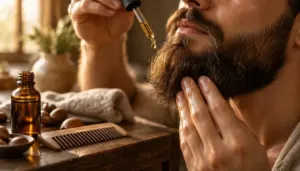
A beard is basically a sebum sponge. As hair grows longer, it wicks oil off your skin faster than your glands can replace it. The result is a dry, tight patch where hair meets skin.
Washing less often with a gentle, sulfate-free cleanser and keeping water lukewarm can help, as this guide to treating dry skin under your beard explains.
The longer your beard grows, the more it drains your skin’s natural oil, leaving the skin beneath dry and tight
That’s the gap beard oil fills. It works two ways. First, it lays a thin lipid layer on your skin that slows trans-epidermal water loss, so moisture stays put. Second, it coats each hair shaft, smoothing and sealing the cuticle so coarse strands feel softer and lie flatter.
It also protects what you’ve already grown. Less friction means fewer hairs snapping mid-shaft, and a beard with every hair intact simply looks denser. Common carrier oils like jojoba, argan, and castor have no clinical growth evidence, so their benefits are limited to conditioning, reducing breakage, and improving visual uniformity.
Think of it as maintenance, not magic.
How Beard Oil Softens, Hydrates, and Soothes
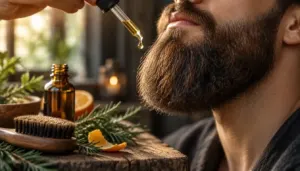
Beard oil does three jobs, and each one fixes a different problem. Below, you’ll see how it replaces lost sebum, calms the itch and flakes, and keeps your hair from snapping. Knowing the mechanism behind each one helps you use the stuff with purpose.
Replaces Lost Sebum
Washing strips your beard of oil every single time, and coarse beard hair soaks up whatever’s left like a sponge. Your glands only make so much sebum each day, and a longer beard stretches that supply thin.
Jojoba-based beard oil mimics wax ester structure, so it spreads evenly and fills the gap. The skin beneath your beard stays protected.
Jojoba’s skin-matching wax esters are just one of the many beard oil benefits worth knowing about.
Relieves Itch and Beardruff
Dry skin is the usual culprit behind beard itch. Hair wicks moisture off your skin, and the dry, tight, itchy skin underneath starts to flake.
Oil on damp skin after a shower replaces that lost moisture. Massage 1 to 2 drops in small circles, down to the skin. Tea tree and argan help calm beardruff. Give it two weeks.
Conditions Hair, Prevents Breakage
Skin isn’t the only thing that dries out. Your hair does too, and dry hair is brittle hair. The cuticle lifts, the shaft weakens, and it snaps mid-length. Those hairs never reach the surface, so your beard looks thinner.
Oils like coconut and avocado actually penetrate the shaft, which softens coarse beard hair and improves elasticity. Intact hairs mean a fuller beard.
What Beard Oil Cannot Do
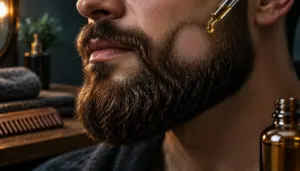
Brands love to blur the line between conditioning and growing. Beard growth myths thrive on that blur, so let’s clear it up.
Oil works on the hair you already have. It can’t reach the follicle, and the follicle makes the decisions. Here’s what stays out of its control:
- Follicle count and density. Patchy spots stay patchy. Oil only makes the surrounding hair look neater.
- Genetics and hormones. It won’t raise testosterone or change how your follicles respond to it.
- Growth speed and thickness. Strands won’t grow faster, longer, or coarser.
Wondering about minoxidil? That’s a different product with a different job, and it’s not oil.
Persistent redness, flaking, or sudden bald patches? Skip the bottle and see a doctor soon.
Carrier and Essential Oils Decoded
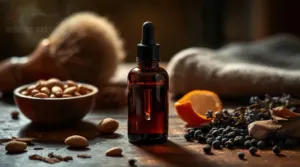
Every bottle of beard oil is built from two parts, and knowing the split tells you what you’re really buying. One part does the heavy lifting for your skin and hair, while the other mostly takes care of scent and a few small perks. Here’s how each one earns its spot in the mix.
Carrier Oils (90–95%)
Most of your bottle is just a base, and that base decides how it feels. Jojoba oil is the safe bet. It’s technically a wax ester that mimics your own sebum, so it feels dry, not greasy. Mix it with lighter grapeseed for spread and a little argan for conditioning. Skip coconut oil. It clogs pores.
Essential Oils (5–10%)
Tea tree oil becomes an allergen risk on facial skin above 1%. That’s why more isn’t better. Essential oils are potent, volatile and responsible for scent, while carrier oils do the conditioning. Pick two or three, like cedarwood and lavender. Skip cinnamon bark, which burns even diluted.
Start low, patch test first, and expect the fragrance to fade within hours.
How to Apply Beard Oil Properly
Wash it, pat it, oil it. Most guys skip the middle step and wonder why the oil beads up. A good application technique takes about thirty seconds, and it starts with a slightly damp beard, not a soaked one.
- Dispense 4 to 6 drops for a medium beard into one palm.
- Rub your palms together until the oil warms into a thin film.
- Apply to skin first, massaging in small circles along your cheeks, jawline and chin.
- Sweep down to the tips, then comb with the grain.
- Pinch the leftover oil from your fingertips into your moustache.
Work it into your beard maintenance routine, ideally right after your shower. Looks greasy? You overdid it, so halve the drops next time.
Beard Oil vs Balm vs Butter
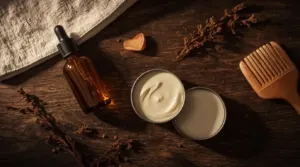
Think of them as three tools, not three versions of one.
Oil goes deepest into the skin. Butter softens coarse hair. Balm shapes it. Use balm alone and you’ll get hold, but little skin care.
| Product | Best job |
|---|---|
| Beard oil | Skin hydration, any length |
| Beard butter | Softening dry, coarse hair |
| Beard balm | Light hold, flyaways |
Need both softness and shape? Apply butter first, then balm on top. Balm can replace oil, since it already contains carrier oil, but short beards still want oil for direct skin access.
Don’t overdo balm. Too much turns a beard clumpy and tacky. Butter just gets greasy, so start small. Give butter a week on a slightly damp beard and you should feel the difference. If you want to try balm, a lightweight beard balm for flyaways works best when you warm a pea-sized amount in your palms first.
Frequently Asked Questions (FAQs)
How often should you apply beard oil?
Slathering beard oil every hour won’t make your beard grow faster. Once daily, post-shower, on a slightly damp beard is the baseline.
Go twice if it’s long, curly, or winter-dry. Oily skin? Every other day.
Is beard oil safe for sensitive skin?
Yes, if you pick carefully. Choose fragrance-free oil built on jojoba, which is non-comedogenic and sits close to your natural sebum. Skip citrus and cinnamon oils. Patch test on your forearm for 48 hours first.
Does beard oil work on short stubble?
Picture a lawn in early spring: short, dry blades poking up from thirsty soil. That’s stubble. Yes, beard oil works here. Use two drops on warm, clean skin, massage in, then spread. Jojoba works best.
How Long Does Beard Oil Take to Work?
You’ll feel softness and shine on day one, but that’s just surface gloss. Real change, like less itch, flatter hair, and less breakage, builds over two to four weeks. Dry or brittle beards can need up to eight weeks.
Does beard oil expire or go rancid?
Open a bottle that’s sat in a hot bathroom for a year and you’ll know. That sour, crayon-like smell is rancid oil. Yes, beard oil expires, usually 6 to 12 months after opening.
Is too much beard oil bad?
Yes. Beard oil has a limit, and anything past it just sits on your skin. That excess mixes with sebum and dead cells, clogs facial pores, and leaves a greasy film. Scale your dose to your beard length.
Conclusion
So what does beard oil do, really? It softens hair, calms itchy skin, and cuts breakage. That’s the whole job, and it’s a good one.
It won’t fill patchy spots or speed up growth, so don’t expect miracles from a bottle.
Pick a light carrier oil, add a few drops after washing, and work it down to the skin. Do that daily, and you get a softer, healthier beard you actually control. Simple as that.