This site is supported by our readers. We may earn a commission, at no cost to you, if you purchase through links. This content is for general informational and educational purposes only and is not a substitute for professional medical, dermatological, or nutritional advice.
Dark skin doesn’t limit your hair color options. It multiplies them.
Deep browns, ebony tones, and rich umber complexions create a canvas where color pops in ways lighter skin tones can’t match. Honey blonde glows warmer. Burgundy hits deeper. Copper and violet look like they were made for melanin-rich skin.
But not every shade flatters every person, and that’s where undertones matter. Knowing whether your undertone runs warm, cool, or neutral shapes which colors will make your skin look radiant versus washed out. The shades ahead do more than complement your look. They transform it.
Table Of Contents
- Key Takeaways
- How to Match Hair Color to Dark Skin Undertones
- The Best Hair Colors Complement Your Undertone
- Bold and Fantasy Hair Colors for Dark Skin
- Highlights and Low-Commitment Hair Color Ideas
- How to Maintain Color-Treated Textured Hair
- Frequently Asked Questions (FAQs)
- What color hair looks best on dark skin?
- What hair colors should brown skin avoid?
- What color looks best on dark skin?
- Which hair color brightens brown skin?
- What are the best hair products to use for dark skin?
- How do I maintain the color of my hair when I have dark skin?
- What type of hairstyles look best with dark skin?
- How often should I touch up my colored hair?
- Will bleaching damage my dark hair texture?
- Can I color my hair at home safely?
- Conclusion
Key Takeaways
- Knowing your undertone — warm, cool, or neutral — is the real key to finding a hair color that makes your dark skin glow instead of look washed out.
- Deep shades like jet black, burgundy, and golden brown aren’t just safe choices — they’re some of the most stunning options you can wear on melanin-rich skin.
- If you’re not ready to commit, low-maintenance options like balayage, money-piece highlights, or clip-in extensions let you experiment with color without the pressure.
- Keeping color-treated hair healthy comes down to a simple routine: sulfate-free shampoo, weekly deep conditioning, monthly protein treatments, and a toner refresh every four to six weeks.
How to Match Hair Color to Dark Skin Undertones
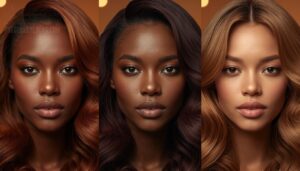
Getting the right hair color starts with knowing your undertone — that subtle warmth or coolness living just beneath your skin’s surface. Once you crack that code, choosing a shade that makes your complexion glow becomes so much easier. Here’s how to figure out your undertone and which color families work best with it.
For fair complexions especially, nailing that undertone match is everything — this guide to best hair colors for fair skin breaks down exactly which shades flatter cool, warm, and neutral tones.
Warm Undertones: Gold, Copper, Honey
If your skin leans warm, shades like honey blonde, copper, and golden blonde are genuinely your sweet spot. They work with your glow, not against it.
Golden copper blends bring that sun-kissed warmth and depth you want. For warm highlight ideas, ask your colorist about honey balayage. Auburn red also shines, and copper glow techniques seal everything with serious radiance. Switching to warm shades like chestnut or auburn can visibly improve your skin’s appearance, as warm undertone hair colors reflect light in a way that makes skin look healthier and more radiant.
Cool Undertones: Ash, Burgundy, Black
Cool undertones do best with shades that lean into contrast and depth, not warmth.
Ash brown creates a cool, elegant base that brightens your face without brassiness.
Burgundy in wine or oxblood tones flatters the blue in your skin beautifully.
True black with blue undertones delivers the highest contrast, making your eyes and lips instantly pop.
Neutral Undertones: Mocha, Auburn, Chestnut
Neutral undertones get the best of both worlds. You’re not fully warm, not fully cool, which means mocha brown, auburn red, and chestnut brown all land beautifully on your skin without clashing.
Mocha hair balances warm chocolate and subtle cool notes for real depth. Auburn brings that reddish glow. Chestnut keeps things natural and grounded.
Check Veins, Jewelry, Sun Response
Still figuring out your exact undertone? These four quick checks can steer you right:
- Vein color test: Blue or purple veins point to cool undertones. Green means warm. Mixed? You’re likely neutral.
- Jewelry matching: Gold flatters warm tones. Silver flatters cool.
- Sun response: If you tan easily, you likely run warm.
- Natural light check: Always read your veins in daylight for accuracy.
Compare Swatches in Natural Light
Once you’ve nailed your undertone, swatch testing in natural light confirms your best match. Hold swatches 12 to 18 inches from your face near a window. Soft shade beats direct sun.
| Undertone | Look for in daylight |
|---|---|
| Warm | Honey or copper glow |
| Cool | Ash or crisp burgundy |
| Neutral | Balanced mocha brown |
Always compare shades side by side for the clearest read.
The Best Hair Colors Complement Your Undertone
Now that you know your undertone, it’s time to find the shades that’ll actually work with your skin — not against it. Whether you’re drawn to deep and dramatic or warm and sun-kissed, there’s a color here with your name on it. Here are the best hair colors for dark skin, broken down by what they do best.
If you’re eyeing a lighter contrast look, mastering frosted tips techniques for men’s hair can open up some seriously bold, dimension-rich options that pop beautifully against deeper skin tones.
Jet Black and Natural Black-Brown
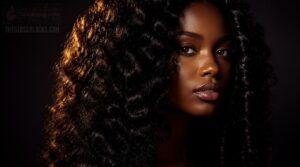
When everything else feels uncertain, jet black always delivers. It’s universally flattering on dark skin, giving curls and coils a high-gloss, mirror-like finish. Cool undertones especially love this shade.
For a softer look with less visible scalp contrast, natural black-brown is your sweet spot. It reveals subtle warmth in direct sunlight and fades more gradually, making upkeep easier between visits.
Chocolate, Mocha, and Cinnamon Brown
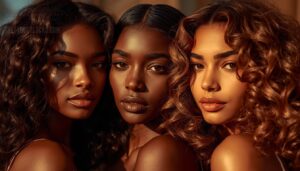
Think of chocolate, mocha, and cinnamon brown as the warmest trio in the room. Each one works a little differently depending on your undertone.
- Chocolate brown creates eye-brightening contrast on cool undertones
- Mocha brown blends softly with neutral undertones for depth
- Cinnamon brown enhances warm complexions with honey and copper warmth
- All three stay rich and luminous in natural light
Golden Brown and Caramel Brown
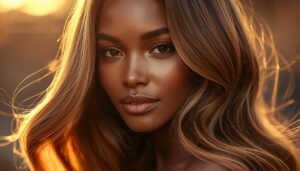
Golden brown and caramel brown are like a warm hug for dark skin. Golden brown hair blends amber and medium brown to add natural warmth without harsh contrast, especially gorgeous on warm undertones.
Caramel brown works across warm and cool undertones with the right toning. A balayage technique gives both shades that easy, sun-kissed finish. Pair with bronze makeup and you’re glowing.
Auburn, Burgundy, and Ginger Red
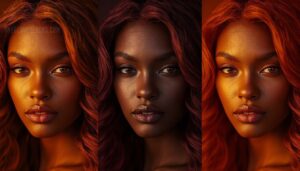
Dark skin and red hair? That’s a serious power move.
- Auburn red suits warm undertones with copper-brown warmth
- Burgundy red flatters cool undertones with deep wine tones
- Ginger red adds spicy brightness to warm, golden skin
Red fades faster than other shades. Use color-safe shampoo and get a touch-up every four to six weeks to keep your color looking fresh.
If you’d rather skip the salon mixing, a ready-to-use purple hair dye without ammonia or peroxide can freshen your color between visits.
Honey, Caramel, and Chestnut Blonde
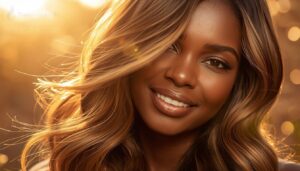
Soft and sun-kissed, blonde shades are some of the most flattering hair color for dark skin options available.
| Shade | Best Undertone |
|---|---|
| Honey blonde hair | Warm |
| Caramel blonde | Warm or neutral |
| Chestnut blonde | Neutral |
| Caramel highlights | All undertones |
| Chestnut blonde mix | Neutral |
Honey blonde tones brighten your complexion naturally. A soft golden blonde balayage adds warm blonde dimension without full commitment. Low-maintenance blonde options like caramel keep color looking fresh longer.
Bold and Fantasy Hair Colors for Dark Skin
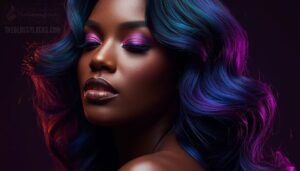
Sometimes the best way to wear your dark skin is to let your hair do the talking — loudly. Bold and fantasy colors aren’t just for runways; they’re made for you, and they look stunning against deep complexions. Here are some head-turning shades worth trying.
Bold, stunning, and made for deep complexions — fantasy hair colors aren’t just for runways; they’re made for you
Plum, Violet, and Lavender
Purple power is real. Plum flatters warm undertones with berry-rich depth. Violet reads cool and bold on dark complexions. Lavender needs a light base to show its true color.
Here’s what to know:
- Plum enhances golden undertones as a warm, wearable purple
- Violet flatters cool undertones as a striking black alternative
- Lavender requires significant lifting for true color payoff
Rose Gold and Hot Pink
From purple, let’s get warmer. Rose gold pairs beautifully with caramel highlights on dark skin, keeping the pink from reading too cool. It fades to peach quickly, so gloss treatments every 4 to 6 weeks help you hold the tone.
Hot pink needs prelightening to at least level 9 to truly pop on melanin-rich skin. Try a money piece first.
Midnight Blue and Teal
These cool-based shades hit differently on dark skin. Midnight blue reads almost black in low light, and teal brings bold blue-green depth.
- Midnight blue creates cool undertone contrast
- Teal works as a subtle warm undertone accent
- Both make gold jewelry pop against dark skin
- Choose matte finish for a luxurious look
Test swatches in natural light before you commit.
Silver and Smoky Gray
If midnight blue is a moody night sky, silver and smoky gray are the full moon. On dark skin, silver hair creates crystalline, metallic contrast.
Cool undertones wear it best. Warm undertones can rock it with blue-tinted silver to dodge any gold cast. Smoky gray adds depth without going full chrome.
Keep purple toning shampoo close. Brassiness creeps in fast.
Crimson and Copper-Red Shades
When you want fire, crimson and copper-red shades deliver. These tones glow against dark skin, especially with warm undertones to create a radiant halo.
Pick your vibe:
- Crimson undertones for deep, wine-kissed drama
- Copper red shine for a metallic, sun-lit glow
- Copper Gingerlicious for bold, spicy warmth
- Burgundy red for rich, cool-toned contrast
Seal with color-safe products to fight fading.
Highlights and Low-Commitment Hair Color Ideas
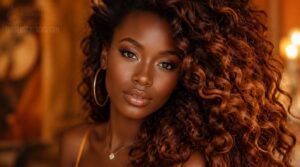
Not ready to go all in? That’s completely okay — there are plenty of ways to play with color without the full commitment. From soft balayage to clip-in extensions, here are some low-key options worth trying.
Golden Blonde Balayage
Golden blonde balayage looks like sunlight decided to settle right into your hair. Honey and wheat tones flow from mid-lengths to ends, adding soft warmth without a full color commitment.
Face framing pieces go two shades lighter to brighten your complexion instantly.
Keep up with toning every four to six weeks so brassiness never gets the upper hand.
Dark Brown Highlights
Dark brown highlights are a quiet power move. Copper honey streaks on a deep base catch light naturally, adding warmth that flatters warm and neutral undertones.
- Face framing highlights soften features and brighten your complexion
- Warm tone placement adds rich, subtle dimension
- Lowlight enhancement prevents brassiness over time
Keep a color-safe shampoo on rotation to protect that depth.
Dark-Root Ombre
If you love that lived-in, just-grew-out look without the upkeep panic, dark-root ombre is basically your hair’s best friend. The root shadow effect blends seamlessly into a gradual color shift toward lighter ends.
| Style | Best For |
|---|---|
| Honey Blonde Ombre | Warm undertones |
| Dark to Caramel | Neutral undertones |
| Dark to Copper | Cool undertones |
Natural root growth is the whole point here, not a mistake.
Peekaboo and Money-Piece Highlights
Two highlights, one stunning frame. Peekaboo highlights tuck color underneath, revealing brightness when you move. Money-piece highlights frame your face, starting at the temples.
- Warm undertones: honey or caramel money pieces
- Cool undertones: ash beige for soft contrast
- Neutral undertones: try copper or auburn front pieces
- Balayage technique creates smooth color blending
- Touch up roots every 6 to 8 weeks
Wigs, Extensions, Virtual Try-Ons
Want to test a shade without any commitment? Wigs and extensions make that possible.
Clip-in extensions attach in minutes, while tape-in styles last four to six weeks. Lace front wigs create a natural hairline, perfect for protective styling with colored hair.
Before buying, use a virtual try-on tool with undertone filters to preview warm or cool shades in real light.
How to Maintain Color-Treated Textured Hair
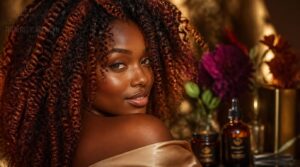
Getting a gorgeous color is just the beginning — keeping it that way takes a little intention, especially for textured hair.
The good news is that a simple, consistent routine can make all the difference between color that thrives and color that fades fast.
Here’s what to focus on to keep your color looking fresh and your hair feeling its healthiest.
Deep Condition for Lasting Moisture
Color-treated hair loses moisture fast. That’s why you should deep condition regularly, at least once a week, to keep your strands soft and strong.
Look for hydrating hair masks with humectants like glycerin and emollients like argan oil.
Pair with a sulfate-free shampoo to protect your hair color and glow.
Dark and Lovely’s deep conditioners work great for textured hair.
Use Monthly Protein Treatments
Moisture keeps strands soft, but protein treatments keep them strong. Your color-treated hair needs both. Use protein once a month to rebuild without overdoing it.
Here’s what to look for:
- Keratin formulas to smooth and strengthen
- Hydrolyzed proteins for deeper repair
- Collagen-rich products to boost softness
Too much protein causes stiffness, so monthly treatments hit the sweet spot.
Wash With Color-Safe Products
Strong protein keeps strands standing, but the wrong wash routine can undo all of it. Switch to a sulfate-free, color-safe shampoo and rinse in cold water to slow dye bleed.
| What to Use | Why It Matters |
|---|---|
| Color-safe detergent | Targets stains without stripping dye |
| Gentle wash cycle | Less friction means less color dull |
| Cold water rinse | Slows fading and preserves vibrancy |
Measure your detergent carefully, and don’t overload the machine. Residue buildup dulls color fast.
Prevent Fading and Brassiness
Even the best wash routine won’t save your shade if you skip these steps.
Rinse with cool water every wash to seal the cuticle and slow pigment loss. Limit heat styling, and spritz a UV protective spray before heading out. Hard water speeds up brassiness, so a shower filter helps.
A toner refresh every 4-6 weeks keeps your color true.
Protect Ends With Regular Trims
Split ends are color’s quiet enemy. Once they creep up the shaft, breakage follows fast, and all that gorgeous dimension you worked for starts looking ragged.
Trimming every 6 to 12 weeks keeps your ends fresh and your color looking intentional. A professional can remove just enough without sacrificing length, which really matters when you’re growing out a beautiful shade.
Frequently Asked Questions (FAQs)
What color hair looks best on dark skin?
Like a canvas waiting for the right palette, dark skin shines with almost every shade. Warm, cool, or neutral undertones each open different colors that feel made just for you.
What hair colors should brown skin avoid?
Skip ash blue blonde, platinum silver tones, and very light ash browns. They tend to wash out warm undertones or look gray. Green based and blue pigment shades often clash with your natural warmth too.
What color looks best on dark skin?
Just as sunlight pulls the richest tones from a gemstone, the right hair color can do the same for your complexion. Jet black, golden brown, and deep burgundy are top picks for dark skin.
Which hair color brightens brown skin?
Golden brown glow, honey blonde radiance, and copper warmth are your best bets. Warm tones like caramel brightness and amber highlights naturally lift brown skin, making your complexion look radiant and alive.
What are the best hair products to use for dark skin?
Think of your hair like a sponge. The right products keep it full and happy. Sulfate-free shampoo protects your dye job without stripping. Follow with a color-safe conditioner and lightweight oil to lock in moisture.
How do I maintain the color of my hair when I have dark skin?
Use a sulfate-free shampoo and always rinse with cool water to lock in your color. A UV hair shield fights sun fade between washes, and weekly deep conditioning keeps your color-treated strands soft and vibrant.
What type of hairstyles look best with dark skin?
Your skin tone doesn’t limit your style. From box braids to textured afros, the options are wide open. Match your hairstyle to your face shape, and let protective styles keep your hair healthy and gorgeous.
How often should I touch up my colored hair?
Permanent color holds, but fantasy shades fade fast. Your root touch-up schedule for permanent dye falls every four to six weeks, while vibrant colors need touching up every two to four weeks to stay bright.
Will bleaching damage my dark hair texture?
Bleaching does damage dark hair texture. It weakens strands, causes moisture loss, and can trigger breakage.
Monthly protein treatments, deep conditioning, and limiting heat styling help you maintain gorgeous color without sacrificing your hair’s health.
Can I color my hair at home safely?
You could color your hair a million times over and still nail it, as long as you prep right. Always do a patch test 24 hours before, wear gloves, open a window, and follow the timing.
Conclusion
A single shade can literally change everything about how you walk into a room. The right color doesn’t just update your look, it reframes how the world sees you and how you see yourself.
Figuring out which hair color is good for dark skin always starts with your undertone and ends with your confidence. Go warm, go bold, go completely unexpected. Your melanin isn’t a limit. It’s the whole reason certain shades hit so differently.