This site is supported by our readers. We may earn a commission, at no cost to you, if you purchase through links. This content is for general informational and educational purposes only and is not a substitute for professional medical, dermatological, or nutritional advice.
Most sunburns happen on days people never planned to be in the sun. A quick errand, a school pickup, twenty minutes of yard work, and skin takes a hit that adds up over years. That’s the real case for daily protection.
Finding the best sunscreen for everyday use means balancing SPF strength, texture, and how a formula behaves under sweat, water, or makeup. I tested lotions, serums, sprays, and mineral formulas against these exact conditions, tracking absorption times, water resistance, and real UVA blocking data along the way.
Here’s what actually held up, and what’s worth putting on your skin tomorrow morning.
Table Of Contents
- Key Takeaways
- Top 7 Best Sunscreens for Everyday Use
- 1. Hawaiian Tropic SPF 50 Sunscreen Lotion
- 2. Hawaiian Tropic Face Serum SPF 30
- 3. Neutrogena Daily Defense Sunscreen Serum
- 4. Sun Bum SPF 50 Vegan Sunscreen Spray
- 5. Everyday Humans SPF 50 Sunscreen Body Lotion
- 6. Shiseido Ultimate Sun Protection Lotion SPF 60+
- 7. Hawaiian Tropic Mineral Sunscreen SPF 50
- How We Evaluated Everyday Sunscreens
- How to Choose an Everyday Sunscreen
- Why Wearing Sunscreen Daily Matters
- How to Apply Sunscreen Correctly
- Frequently Asked Questions (FAQs)
- What is the best body sunscreen for daily use?
- Which sunscreen should I use if I have sensitive skin?
- Which sunscreen should I use every day?
- What is a good daily sunscreen serum?
- Which sunscreen is best for acne prone skin?
- What makes a good sunscreen?
- Which sunscreen is best for You?
- How to choose a good face sunscreen?
- What is the best UV sunscreen?
- What is the best affordable sunscreen?
- Conclusion
Key Takeaways
- Broad-spectrum protection matters more than a high SPF number, since it’s the only way you’re actually covered against both UVA and UVB rays.
- You’re probably applying way too little sunscreen—dermatologists recommend a nickel-sized amount for your face and about a shot glass worth for your body, roughly 9 teaspoons total.
- No sunscreen lasts all day, so you’ll need to reapply every two hours (and immediately after swimming or heavy sweating) to keep your protection intact.
- Your skin type should drive your pick: mineral formulas with zinc oxide work best for sensitive or acne-prone skin, while lightweight serums suit oily complexions and tinted options help avoid a white cast on deeper tones.
Top 7 Best Sunscreens for Everyday Use
Finding a sunscreen you’ll actually use every day shouldn’t feel like a chore. We tested formulas across lotions, sprays, and serums to see which ones deliver on protection without weighing down your skin or your routine. Here are the seven that earned a spot in our daily lineup.
If lotions are more your speed, this roundup of sunscreen lotions for daily wear breaks down ten formulas built for comfort, hydration, and lasting SPF power.
1. Hawaiian Tropic SPF 50 Sunscreen Lotion
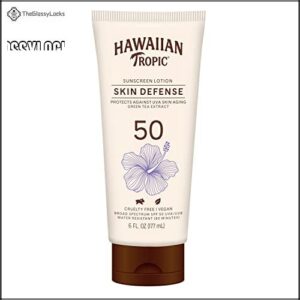
If you want one lotion that controls beach days and errands alike, Hawaiian Tropic SPF 50 earns its spot at the top. It delivers true broad-spectrum protection, using avobenzone (2.7%) and octocrylene (5%) to block UVA and UVB rays without feeling heavy.
The formula stays water-resistant for 80 minutes, so sweat and swimming won’t strip your coverage. Glycerin and Diisopropyl Adipate keep skin soft, while the tropical scent makes reapplication feel like a treat, not a chore.
It’s reef-friendly, too. This lotion skips oxybenzone and octinoxate, so you’re protecting your skin and the ocean at the same time, a small but meaningful win for daily wear.
| Best For | Beachgoers and outdoor enthusiasts who want long-lasting, reef-friendly sun protection with a pleasant tropical scent for daily use. |
|---|---|
| SPF Level | SPF 50 |
| Broad Spectrum | Yes |
| Water Resistance | 80 minutes |
| Reef Friendly | Yes |
| White Cast | Slight sheen |
| Makeup Layering | Not specified |
| Additional Features |
|
- Broad spectrum SPF 50 protects against both UVA and UVB rays
- Water resistant for up to 80 minutes, ideal for swimming or sweating
- Reef-friendly formula, free of oxybenzone and octinoxate
- Chemical filters may irritate the eyes for some users
- Requires reapplication after 80 minutes of water exposure or sweating
- Leaves a slight sheen rather than a matte finish
2. Hawaiian Tropic Face Serum SPF 30
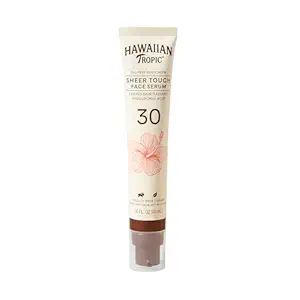
Not every routine needs a heavy lotion, and that’s where this face serum comes in. Hawaiian Tropic’s SPF 30 pairs hyaluronic acid with avobenzone and octisalate for broad-spectrum coverage that hydrates as it protects.
The texture absorbs fast, sits clear on most skin tones, and stays water-resistant for 80 minutes. Some testers noticed slight pilling after a few hours, so apply thin layers. With a light tropical scent, it works well under makeup for anyone building sunscreen into their morning skincare step.
| Best For | Anyone who wants a lightweight daily sunscreen that hydrates, layers well under makeup, and fits easily into a morning routine. |
|---|---|
| SPF Level | SPF 30 |
| Broad Spectrum | Yes |
| Water Resistance | 80 minutes |
| Reef Friendly | Yes |
| White Cast | None noted |
| Makeup Layering | Works well |
| Additional Features |
|
- Hyaluronic acid keeps skin hydrated while delivering broad-spectrum SPF 30 protection
- Lightweight, non-greasy formula absorbs quickly and sits clear on all skin tones
- Water-resistant for up to 80 minutes, great for outdoor activities and travel
- Can feel gritty or pill slightly after a few hours of wear
- Water resistance wears off after 80 minutes, requiring reapplication after swimming or sweating
- Light tropical scent may not suit those with fragrance sensitivities
3. Neutrogena Daily Defense Sunscreen Serum
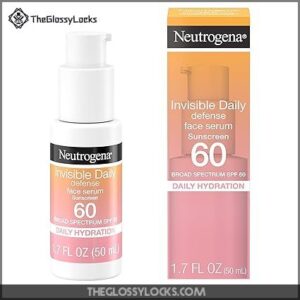
If a serum-textured sunscreen sounds appealing, Neutrogena’s Daily Defense Sunscreen Serum takes that idea further with SPF 60 coverage. It’s an oil-free, broad-spectrum formula that blends into skin almost invisibly, avoiding the white cast that shows up on darker tones.
Ginger extract and an antioxidant complex help defend against pollution and other environmental stressors, while the fragrance-free formula stays gentle on sensitive skin. Testers noted it layers well under makeup without pilling.
At 1.7 fluid ounces, it’s compact enough for daily carry but may need frequent repurchasing if you’re applying it liberally every morning.
| Best For | People with sensitive or acne-prone skin who want daily SPF 60 protection with a lightweight, invisible finish that layers easily under makeup. |
|---|---|
| SPF Level | SPF 60 |
| Broad Spectrum | Yes |
| Water Resistance | 80 minutes |
| Reef Friendly | Yes |
| White Cast | None, invisible |
| Makeup Layering | Layers well |
| Additional Features |
|
- Broad-spectrum SPF 60 with sweat and water resistance for up to 80 minutes
- Fragrance-free formula with ginger extract and antioxidants, gentle on sensitive skin
- Lightweight, non-greasy, non-comedogenic texture that layers well under makeup
- Small 1.7 fl oz bottle may require frequent repurchasing for daily or heavy use
- Not moisturizing enough for extremely dry skin without an added moisturizer
- Risk of eye irritation if applied too close to the eyes or during heavy sweating
4. Sun Bum SPF 50 Vegan Sunscreen Spray
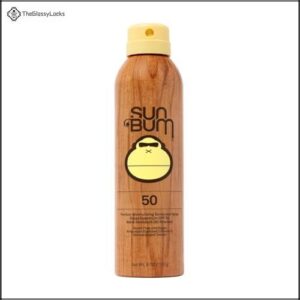
Spray sunscreens win on convenience, and Sun Bum’s SPF 50 version delivers that ease with a tropical coconut scent testers genuinely enjoyed. The vegan, reef-friendly formula skips oxybenzone and octinoxate, and vitamin E adds a light antioxidant boost while you’re outdoors.
It’s also water-resistant enough to hold up during laps or beach days, making it one of the best reef-safe sunscreens for swimming without leaving a greasy residue.
Here’s where I get cautious. Independent lab testing found this spray blocked just 44.86% of UVA rays, far short of what SPF 50 broad-spectrum labeling promises. UVA rays drive premature aging and pigmentation, so that gap matters more than the pleasant scent does.
I can’t recommend it as your primary daily protection until that UVA performance improves.
| Best For | Beachgoers and hikers who want fast, easy spray coverage with a pleasant scent and don’t mind paying more for a vegan, reef-friendly formula. |
|---|---|
| SPF Level | SPF 50 |
| Broad Spectrum | Yes |
| Water Resistance | 80 minutes |
| Reef Friendly | Yes |
| White Cast | None noted |
| Makeup Layering | Layers well |
| Additional Features |
|
- Lightweight, non-greasy formula that absorbs quickly and suits all skin types, including sensitive skin
- Water-resistant for 80 minutes and free of oxybenzone, octinoxate, gluten, and parabens
- Enjoyable tropical coconut scent that testers genuinely liked
- Independent lab testing found it blocked only 44.86% of UVA rays, well below what SPF 50 broad-spectrum labeling suggests
- Spray application can be imprecise, requiring extra care to avoid the eye area
- Higher price point than many competitors, with some users reporting irritation or packaging issues like leakage
5. Everyday Humans SPF 50 Sunscreen Body Lotion
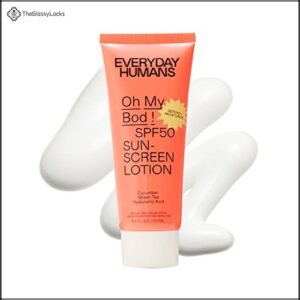
Body sunscreens rarely feel this weightless, and that’s the main reason Everyday Humans SPF 50 keeps landing in daily rotations. The lotion absorbs fast, leaves zero white cast, and skips oxybenzone and octinoxate in favor of safflower, cucumber, and green tea extracts.
You get 80 minutes of water resistance, useful for sweaty commutes or beach days, plus a hydrating finish that layers well under makeup. Some users report mild eye stinging, so patch-test if you have sensitive skin.
At 3.4 ounces, it’s on the pricier side for the size, but for face-and-body versatility, it earns its spot.
| Best For | Everyday Humans SPF 50 is best for people who want a lightweight, invisible sunscreen for both face and body that fits easily into a daily routine or travel bag. |
|---|---|
| SPF Level | SPF 50 |
| Broad Spectrum | Yes |
| Water Resistance | 80 minutes |
| Reef Friendly | Yes |
| White Cast | Zero |
| Makeup Layering | Layers well |
| Additional Features |
|
- Fast-absorbing, invisible formula with zero white cast
- Free of oxybenzone and octinoxate, made with safflower, cucumber, and green tea
- Hydrating finish that layers well under makeup
- Some users experience eye stinging, burning, or redness
- Not fully sweat resistant beyond 80 minutes, so it may not hold up for intense workouts
- Pricier than budget options and only comes in a small size
6. Shiseido Ultimate Sun Protection Lotion SPF 60+
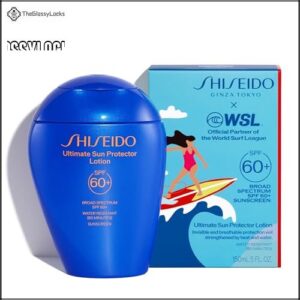
When 80 minutes of water resistance isn’t enough, Shiseido’s Perfect Sun Protection Lotion SPF 60+ picks up the slack. Its SynchroShieldRepair Technology actually gets stronger with heat, water, and sweat, self-repairing as you move through your day.
At $44.20, it’s a splurge, but you’re paying for consistency. The invisible lotion absorbs fast, skips the white cast, and layers well under makeup. Algae complex and licorice root extract calm breakout-prone skin while it works.
Some testers note a greasy feel or faint alcohol scent, so patch-test first if your eyes are sensitive.
| Best For | People who spend long hours outdoors or in the water and want high-level sun protection that holds up under sweat and swimming without constant reapplying. |
|---|---|
| SPF Level | SPF 60+ |
| Broad Spectrum | Yes |
| Water Resistance | 80 minutes |
| Reef Friendly | Yes |
| White Cast | None, invisible |
| Makeup Layering | Layers well |
| Additional Features |
|
- SPF 60 with SynchroShieldRepair Technology that strengthens and self-repairs with heat, water, and sweat
- Lightweight, invisible formula that layers well under makeup
- Contains algae complex and licorice root extract to hydrate and soothe breakout-prone skin
- Premium price compared to many other sunscreens
- Some users report a greasy texture or alcohol-like scent
- Still requires reapplication every 2 hours or after 80 minutes in water
7. Hawaiian Tropic Mineral Sunscreen SPF 50
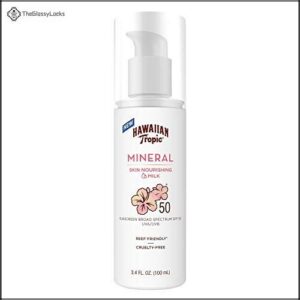
Rounding out the list is a mineral-only formula built for sensitive skin. Zinc oxide and titanium dioxide sit on the surface, physically deflecting UVA and UVB rays instead of absorbing them, which makes this pick gentler for reactive or acne-prone complexions.
Coconut and kukui nut oils add hydration, and the lightweight lotion rubs in clear when applied generously. It’s reef-safe, vegan, water-resistant for 80 minutes, and ideal for daily wear or beach days without irritation.
| Best For | People with sensitive or vegan skin who want a reef-safe, mineral-only sunscreen for beach days, swimming, and outdoor activities. |
|---|---|
| SPF Level | SPF 50 |
| Broad Spectrum | Yes |
| Water Resistance | 80 minutes |
| Reef Friendly | Yes |
| White Cast | Slight on dark skin |
| Makeup Layering | Not specified |
| Additional Features |
|
- 100% mineral formula with zinc oxide, oxybenzone-free and reef-safe
- Lightweight lotion with coconut and kukui nut extracts that hydrates without leaving a heavy feel
- Water resistant up to 80 minutes, great for swimming and sports
- Can leave a slight white cast on darker skin tones
- Water resistance tops out at 80 minutes, so it’s not fully waterproof
- Some users report an oily texture and a bottle cap that feels flimsy
How We Evaluated Everyday Sunscreens
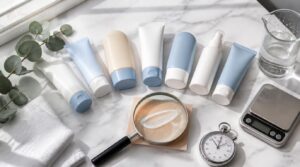
Picking a daily sunscreen shouldn’t feel like guesswork, so we put every formula through the same real-world checks. You want protection that actually holds up, feels good on your skin, and fits your budget. Here’s exactly what we looked at before naming our favorites.
Broad-Spectrum Protection and SPF
Two numbers matter here: what’s on the label and what’s in the formula. Broad-spectrum protection means UVA and UVB coverage together, not just SPF.
We checked each product against broad spectrum standards, verifying UVA-blocking ingredients like avobenzone or zinc oxide. Since 2011, FDA rules have required testing for both UVA and UVB protection before a sunscreen can carry the broad-spectrum label.
- SPF 30 blocks 97% of UVB rays
- SPF 50 blocks about 98%
- Lab testing uses thicker application than real life
Texture, Absorption, and Skin Feel
Would you actually wear it twice? That’s our real test.
Serums absorbed in 15-45 seconds with quick absorption and zero tackiness.
Gels gave fast gel absorption speed with a fleeting cool film.
Lotions felt cushiony, non-greasy.
Sprays dried instantly, no pooling.
Minerals showed a micronized mineral finish, resisting grit and chalkiness on skin.
Skin Type and Tone Compatibility
No single sunscreen flatters every complexion, so we tested across Fitzpatrick I through VI. Cool undertones did best with pink-based formulas, warm tones needed peachy bases to avoid a ghostly cast. We flagged any product leaving a grayish film on deeper skin. Tinted minerals scored high for evening tone. Noncomedogenic, fragrance-free options earned extra points for sensitive, acne-prone testers.
Water and Sweat Resistance
Getting the shade right doesn’t matter if your sunscreen slides off by mile three.
We ran pool immersion testing and humidity testing and humidity runs to check real staying power. Formulas with film-forming agents held up best, staying water and sweat resistant** for up to 80 minutes. Sweat-proof ingredients kept faces matte, even during hard cardio sessions.
Price, Packaging, and Overall Value
Water resistance means nothing if the price tag keeps you from reapplying enough.
We compared cost per ounce across value pack sizes, from Everyday Humans’ 8-ounce bottles to Shiseido’s premium tube. Testers said budget friendly options rarely sacrificed quality.
- Hawaiian Tropic Lotion, low price per ounce
- Everyday Humans, mid-range 8 oz value
- Neutrogena Serum, affordable 1.0-1.7 oz tubes
- Sun Bum Spray, travel-friendly packaging
- Shiseido, premium long term savings
How to Choose an Everyday Sunscreen
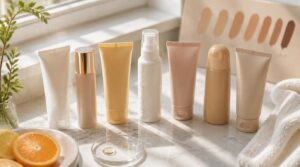
The right sunscreen isn’t just about SPF number, it’s about matching the formula to your skin. Your skin type, tone, and daily routine all play a role in what actually works for you. Here’s what to weigh before you buy.
SPF 30 Vs SPF 50
SPF 30 blocks about 97% of UVB rays; SPF 50 blocks 98%. That SPF efficacy gap is small, so higher SPF benefits mostly show up with imperfect application.
Application thickness matters more than the number on the bottle. Either works for daily wear if you commit to broad spectrum protection and reapply every two hours, sun or shade.
Mineral Vs Chemical Sunscreens
Once you’ve settled on an SPF number, the next question is what’s actually doing the work. Mineral sunscreen relies on zinc oxide particles sitting on skin, reflecting UV rays instantly. Chemical sunscreen absorbs radiation and converts it to heat, requiring stabilizers for chemical stability. Both deliver broad spectrum protection, but environmental impact differs. Many dermatologist-tested formulas now combine both as hybrid formulas, balancing ingredient safety with wearable texture, without sacrificing SPF 30 coverage.
Sensitive and Acne-Prone Skin
Redness and breakouts often mean your barrier is compromised, which lets irritants sneak in easily.
Look for fragrance-free sunscreen with zinc oxide, gentle on reactive skin. Niacinamide (4-6%) calms inflammation, while non-comedogenic formulas keep pores clear.
Already using salicylic acid? Apply sunscreen after, skip layering with strong retinoids. Patch test for 24 hours first, always.
Skin Tone and White Cast
If mineral sunscreen ever left you looking ashy, you’re not alone, especially with titanium dioxide formulas on deeper tones.
Look for micronized minerals or tinted formulas with iron oxides for pigment matching. A sheer finish and blendable texture mean true skin tone inclusivity, no white cast, whatever your shade.
Finish and Makeup Compatibility
Once sunscreen dries down, your makeup routine shouldn’t fight it. Matte vs dewy comes down to skin type: oily zones want mattifying formulas, dry skin loves a satin glow.
- Lightweight texture for easy blending
- Wait 15 minutes before foundation
- Choose powder compatibility formulas for touch-ups
- Silicone primers smooth layering
- Fragrance-free options reduce irritation
Why Wearing Sunscreen Daily Matters
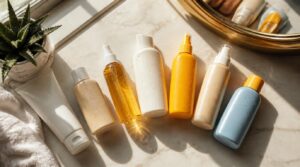
Sunscreen isn’t just a summer thing, it’s a daily habit that protects your skin in ways you can’t always see. From burns to fine lines to those stubborn dark spots, the damage adds up faster than you’d think. Here’s what’s really at stake when you skip it, and why that little bottle deserves a permanent spot in your routine.
Sunburn and Cumulative UV Damage
That angry pink after a beach day fades fast, but skin cells remember.
Cumulative UV exposure compounds year after year, especially from sand and water, prime UV reflection surfaces. Add high altitude UV intensity or ozone depletion, and unprotected days add up quietly.
Choose broad spectrum SPF 30+, reapply often, and treat every burn’s aftermath as damage your skin won’t fully forget.
Skin Cancer Risk Reduction
Most skin cancers trace back to UV exposure, which is why the FDA requires broad spectrum protection with SPF 15 or higher for cancer-risk labeling.
Pair daily sunscreen with shade seeking, protective clothing, and hats. This layered approach, backed by public health campaigns, works better than sunscreen alone.
Add yearly skin cancer screening for full coverage.
Premature Aging and Dark Spots
Ever wonder why sun-worshippers age faster than their sunscreen-loyal friends? UV rays trigger enzymes that break down collagen, the protein making up 95% of your dermis.
UV rays age skin by triggering enzymes that break down collagen, the protein forming 95% of your dermis
This collagen degradation shows up as wrinkles distinct from expression lines. Photoaging compounds through melanocyte overactivity, too.
Daily broad-spectrum protection, paired with antioxidant teamwork, slows both processes, giving your skin real repair time.
Hyperpigmentation and Uneven Skin Tone
Melanin production doesn’t just fade evenly, it clusters, leaving brown or gray patches from acne scars, melasma triggers, or old sunburns.
- Post inflammatory marks linger after breakouts heal
- Melasma often flares with hormonal shifts
- Dark spots can outlast a suntan by years
Daily mineral sunscreen with no white cast helps pigmentation treatment, especially for sunscreen for dark skin tones needing gentle skin tone correction.
Daily UVA and UVB Exposure
Those patches don’t wait for summer. UVA rays penetrate glass and clouds year-round, while UVB rays peak from 10 a.m. to 4 p.m. Snow, water, and sand reflect UV, raising exposure even in shade.
Check the UV Index daily, wear broad-spectrum protection rated SPF 30-50, and reapply. Cloud cover won’t save you.
How to Apply Sunscreen Correctly
Even the best sunscreen won’t protect you if you’re not using it right. The amount you apply, where you apply it, and how often you reapply all affect how well it actually works. Here’s what you need to know to get real protection out of every bottle.
Correct Face and Body Amounts
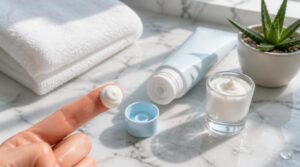
Most people apply half the sunscreen they need. Use a nickel-sized amount for your face, plus a shot glass worth for your body, roughly 9 teaspoons total.
That’s the teaspoon measurement dermatologists rely on: 1 teaspoon for face and neck, 1 per arm, 2 per leg, 2 each for front and back torso. Whether you’re using SPF 30 or SPF 50 daily, this volume determines actual protection.
Areas People Commonly Miss
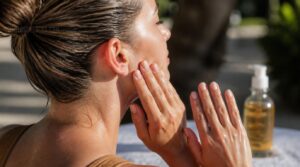
Getting the amount right doesn’t help if you skip spots entirely. Ears burn easily yet rarely get product. Your hairline, scalp part, and neck’s underside go untouched too, along with the back of your hands and tops of feet.
One sunscreen study found these gaps cause early hyperpigmentation and sunburn, testers said, even with daily sunscreen use.
Two-Hour Reapplication Rule

Why every two hours, no exceptions? Because SPF 50 doesn’t mean extended coverage, it’s still sunscreen reapplication at the same clock-driven pace as SPF 30.
Above 5,000 feet, UV runs 15% stronger, tightening your window further. Apps like REAPPLY send timed alerts, useful since memory alone rarely holds up against a full day outdoors.
After Swimming or Heavy Sweating

Even "water-resistant for 80 minutes" doesn’t mean invincible. Immediate reapplication matters once you towel off, since water resistance and sweat resistance both fade fast.
Pat skin dry (don’t rub), then reapply while slightly damp. Polymer film adhesion works best on prepped skin, so quick touch-up methods like brush-on powders help maintain SPF effectiveness without disrupting sunscreen underneath.
Layering With Skincare and Makeup
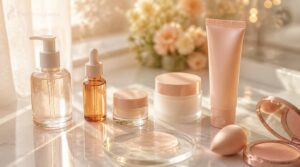
Where sunscreen falls in your routine determines how well it works. Follow this layering sequence: cleanser, serum, eye cream, moisturizer, then SPF last, always allowing 30-60 seconds of absorption timing between steps.
- Antioxidant stacking with vitamin E boosts protection
- Sunscreen doubles as a makeup-gripping primer
- Choose blendable, non-sticky finishes
- Tinted blending replaces foundation
- Powder SPF avoids disrupting makeup
Frequently Asked Questions (FAQs)
What is the best body sunscreen for daily use?
For gym-goers tired of greasy formulas, La Roche-Posay Anthelios Melt-in Milk SPF 100 delivers broad spectrum protection with a lightweight, fragrance free texture, 80-minute water resistance, and no white residue after daily body application.
Which sunscreen should I use if I have sensitive skin?
Reach for a mineral sunscreen with zinc oxide or titanium dioxide, fragrance-free and dermatologist tested. Keep the ingredient list short, skip added alcohol, and patch test on your jawline for 24 hours before applying it anywhere else.
Which sunscreen should I use every day?
Picture your skin wrapped in an invisible shield, quiet protection against a sun you can’t feel working.
Wear broad-spectrum SPF 30 to 50 daily, choosing a lightweight, fragrance-free, dermatologist-tested formula like Neutrogena’s Daily Defense Serum that won’t disrupt makeup or clog pores.
What is a good daily sunscreen serum?
Look for Neutrogena Invisible Daily Defense Face Serum SPF 60, a serumlike, lightweight texture with broad spectrum UVA UVB protection. Its fragrance-free formula stays makeup compatible, absorbs fast, and won’t irritate sensitive skin or leave residue.
Which sunscreen is best for acne prone skin?
Does "oil-free" really mean breakout-proof? Not quite, but it helps. Choose non-comedogenic, fragrance-free, oil-free formulas with zinc oxide.
Mineral sunscreens offer broad-spectrum protection without clogging pores or worsening inflammation, staying gentle on sensitive, acne-prone skin daily.
What makes a good sunscreen?
A good sunscreen offers true broad-spectrum protection, shielding you from UVA and UVB rays, with SPF 30 or higher. Look for water resistant formulas, lightweight textures, fragrance-free ingredients, and non-comedogenic, skin-friendly compatibility for daily wear.
Which sunscreen is best for You?
Your best match depends on skin type and daily habits. Choose mineral formulas with zinc oxide for sensitive or acne-prone skin, lightweight serums for oily complexions, or tinted, fragrance-free options for smoother skin tone matching and easy makeup layering.
How to choose a good face sunscreen?
The best face sunscreen is the one you’ll actually reapply, so simplicity beats perfect results. Pick SPF 30 to 50, broad-spectrum, fragrance-free, and noncomedogenic. Match texture to skin type: mineral for sensitive skin, matte for oily, hydrating for dry.
What is the best UV sunscreen?
Your best bet is a broad-spectrum SPF 30 to 50 formula with zinc oxide or titanium dioxide. Choose a fragrance-free, non-comedogenic option that’s water resistant for 80 minutes, protecting skin without clogging pores or irritating sensitivity.
What is the best affordable sunscreen?
Drugstore deals make sun protection affordable: Hawaiian Tropic Skin Defense SPF 50 runs about $7, offers broad spectrum protection, absorbs fast, and won’t dry skin out, proving budget-friendly sunscreen can still deliver quality UVA/UVB coverage.
Conclusion
Think of sunscreen as armor, invisible but essential, quietly standing between your skin and decades of damage you can’t see happening.
Your best sunscreen for everyday use isn’t the fanciest bottle. It’s the one you’ll actually reach for each morning, rain or shine. SPF 30 or 50, mineral or chemical, a formula only works when it’s actually on your skin.
Make it a daily habit, not an afterthought. Your future skin will thank you.