This site is supported by our readers. We may earn a commission, at no cost to you, if you purchase through links.
dry hair rarely announces itself slowly. One day your hair feels fine, and the next it snaps mid-brush, frizzes in humidity, and drinks up product without looking any better.
The culprit is almost always a damaged cuticle—those tiny overlapping scales that should lie flat and lock moisture inside the hair shaft. When they lift and stay lifted, moisture escapes faster than you can replenish it.
Argan oil works directly on this problem, sealing micro-gaps in the cuticle with a blend of oleic acid, linoleic acid, and vitamin E that most conditioning products can’t match.
Understanding exactly how it works—and how to use it—makes all the difference.
Table Of Contents
- Key Takeaways
- Why Does Hair Become Dry in The First Place?
- What is Argan Oil and Where Does It Come From?
- How Does Argan Oil Treat Dry Hair?
- How to Use Argan Oil on Dry Hair
- How Often Should You Apply Argan Oil?
- Can Argan Oil Improve a Dry Scalp?
- Is Argan Oil or Coconut Oil Better for Dryness?
- Does Argan Oil Support Hair Growth and Reduce Breakage?
- Who Should Avoid Argan Oil on Hair?
- How to Choose a Quality Argan Oil Product
- Frequently Asked Questions (FAQs)
- Conclusion
Key Takeaways
- Argan oil works by sealing tiny gaps in your hair’s cuticle with fatty acids and vitamin E, locking moisture in before it can escape.
- How often you apply it depends on your hair type—fine hair needs just one or two drops once or twice a week, while coarse or curly hair can handle three to four times weekly.
- It won’t fix protein damage, split ends, or hair loss on its own, but consistent use strengthens strands and reduces breakage over time.
- Always choose cold-pressed, single-ingredient argan oil in dark packaging to ensure you’re getting the real, nutrient-rich product that actually delivers results.
Why Does Hair Become Dry in The First Place?
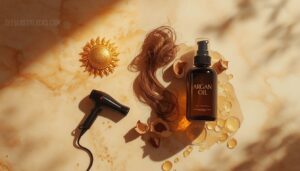
Dry hair rarely has just one cause — it’s usually a mix of things working against your strands at the same time.
From heat and hard water to hormones and diet, identifying your triggers is the first step — and switching to one of the best hair growth shampoos for women can help restore moisture while addressing underlying damage.
Understanding what’s actually happening gives you a real advantage for fixing it.
Here are the three main culprits worth knowing about.
Role of The Cuticle in Moisture Retention
Think of your hair shaft as a sealed tube. When the cuticle layer sits flat, scale alignment stays tight, creating a hydrophobic coating that locks hydration inside.
That’s barrier integrity at work — it slows moisture diffusion outward.
Lift those scales, and cuticle porosity spikes, letting water escape freely.
Smooth cuticles aren’t cosmetic; they’re your hair’s first defense against deep moisture loss.
Maintaining a balanced scalp microbiome helps preserve cuticle integrity and reduce moisture loss.
Environmental and Heat Damage
Your cuticle doesn’t just suffer from within — outside forces hit hard, too.
UV rays trigger UV Oxidative Damage that strips moisture and roughens the surface.
Heat-Induced Cuticle Lift from Thermal Styling Frequency leaves strands brittle and dull.
Wind Salt Pollution deposits grime that increases friction, while Humidity Moisture Cycling stresses the cuticle repeatedly.
A good heat protectant and environmental stress protection strategy make a real difference.
How Nutrition and Habits Affect Hair Hydration
What you eat and how you rest shape your hair from the inside out. Nutritional factors affecting hair health run deeper than most people realize:
- Protein Intake supplies keratin, your hair’s core building block.
- Omega-3 Fats and essential fatty acids support scalp barrier function.
- Iron & Zinc keep texture smooth and follicles active.
- Hydration Levels affect moisture retention directly.
- Sleep Quality steadies nutrient delivery to each strand.
What is Argan Oil and Where Does It Come From?
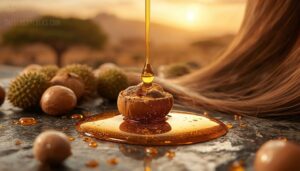
Argan oil has a pretty interesting backstory, and understanding it helps you trust what you’re putting on your hair. It starts with a tree, a kernel, and a careful process that keeps all the good stuff intact.
makes this oil so special from the ground up.
Cold-Pressed From Moroccan Argania Spinosa Kernels
Argan oil starts its journey in Morocco, harvested from the kernels of wild Argania spinosa trees.
Workers crack nuts by hand using traditional stone pressing methods, a slow process that preserves the oil’s delicate nutrients.
Cold-pressed oil retains its natural purity markers, and researchers even use purity marker analysis to verify quality.
Geographical tocopherol variation means kernel harvest timing and location genuinely affect what ends up in your bottle.
Key Nutrients — Fatty Acids, Vitamin E, and Polyphenols
What makes this oil genuinely special is its nutrient lineup working together as a team. Three key players drive real results for dry hair:
- Oleic Acid Benefits — smooths and penetrates for deep moisturization
- Linoleic Acid Balance — locks in hair moisture retention at the cuticle
- Tocopherol Antioxidant Role — shields strands from daily damage
That polyphenol anti‑inflammatory and essential fatty acid nutrient synergy means vitamin E and antioxidant activity protect your hair from the inside out.
Why Its Lightweight Texture Sets It Apart
Unlike heavier oils that sit on your strands like a thick coat, argan oil absorbs quickly and leaves no greasy residue. That means better frizz control, improved hair moisture retention, and real hair breakage reduction — without weighing you down.
| Feature | What It Means for You |
|---|---|
| Rapid Absorption | Softer hair, faster — no waiting |
| Non-Greasy Feel | Style-ready without residue |
| Enhanced Slip | Easier brushing, less breakage |
| Low Buildup | Volume stays between washes |
Styling Compatibility is built in — argan oil layers effortlessly under your other products.
How Does Argan Oil Treat Dry Hair?
Argan oil doesn’t just sit on top of your hair — it actually works at the strand level to fix what dryness breaks down. The fatty acids, vitamin E, and antioxidants each play a specific role in bringing moisture back and keeping it there.
Here’s exactly how it does that.
Sealing Moisture Into The Hair Shaft
Think of your hair shaft as a leaky pipe — moisture escapes through tiny cuticle gaps all day long. Argan oil works through lipid occlusion, laying down a fatty‑acid film that delivers real microgap coverage and slows water loss substantially.
Argan oil seals cuticle gaps with a fatty-acid film, locking in moisture before it can escape
Here’s how that sealing process actually works:
- Humectant sealing — Apply a water-based leave‑in first, then argan oil locks that hydration in place.
- Hair shaft penetration — Oleic and linoleic acids absorb into the strand, supporting genuine deep moisturization.
- Thermal moisture seal — A few drops before heat tools create a layered sealing barrier against blow‑dry damage.
- Hair elasticity improvement — Consistently sealed strands resist breakage better over time.
Smoothing The Cuticle for Shine and Frizz Control
When your cuticle lies flat, everything changes. Argan oil’s lightweight oil film thickness creates a smooth cuticle laydown, boosting light reflective shine and locking out humidity and blocking moisture pickup from the air.
You get natural slip for detangling, fewer flyaways, and real frizz control — all from a drop or two. It’s a simple addition to any argan oil hair care routine.
Protecting Hair From UV and Environmental Damage
Sun, wind, and pollution hit your hair hard every single day.
Argan oil’s vitamin E works as an antioxidant shield, neutralizing free radicals from UV exposure and environmental damage before they strip elasticity from your strands. Its antioxidant properties also slow pollution-resistant breakdown of the hair fiber.
Pair it with physical hair coverings outdoors, and you’ve got real protection from UV rays working for you.
How to Use Argan Oil on Dry Hair
Getting the most from argan oil comes down to how and when you apply it. There’s single "right" way — it depends on what your hair needs most right now.
Here are three methods that actually work, each targeting a different concern.
Leave-in Serum for Daily Moisture
A leave-in serum is your simplest daily win for dry hair. Application Timing matters — apply 1–2 drops to damp mid-lengths and ends right after washing. This Layering Strategy keeps frizz low without weighing hair down.
Ingredient Synergy between argan oil’s fatty acids and any humectants in your formula boosts hair elasticity improvement with oil.
Even a Travel Size fits seamlessly into your routine.
Deep Conditioning Mask for Intense Repair

When your hair needs more than a quick fix, a deep conditioning treatment is the answer.
Mix 6–10 drops of argan oil into your favorite Protein-Infused Formula or Hydrating Emollients Blend mask, then apply from roots to tips. Cover with a warm towel for 30 minutes.
This Mask Application Timing locks in intense hydration, helps prevent hair breakage, and delivers real frizz control using natural oils.
Pre-Heat Styling Application for Protection
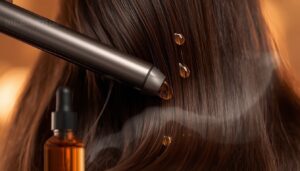
Before reaching for your flat iron, apply 2–3 drops of argan oil to damp hair — this is where its heat protectant properties really shine. Think of it as your prestyling protection step.
- Damp Hair Application ensures even section coating across every strand
- Focus on Heat Tool Targeting at mid-lengths and ends
- Use a minimal product amount to avoid weighing hair down
- Leave-In Layering works well when textures stay lightweight
This locks in thermal protection before heat styling begins.
How Often Should You Apply Argan Oil?
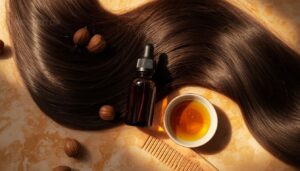
Getting frequency right matters just as much as how you apply argan oil. Too little, and your hair stays dry; too much and you end up with buildup and greasy roots.
Here’s how to find your sweet spot based on your hair type.
Frequency Guide by Hair Type
Not every hair type plays by the same rules. Your Fine Hair Schedule looks different from a Coarse Hair Frequency plan, and that gap matters.
| Hair Type | Recommended Frequency |
|---|---|
| Fine/Medium | 1–2 times per week |
| Curly/Coarse | 3–4 times per week |
| High Porosity | Increase with Porosity-Based Refresh |
Seasonal Adjustment also counts — cold, dry months often call for more frequent application, while humid weather may require pulling back.
Fine Hair Vs. Coarse and Curly Hair Needs
Fine hair needs a light touch — one or two drops max, or you’ll lose that Weightless Lift fast.
Coarse and curly hair, though, crave Layered Moisture and more Slip Balance to tame frizz and support Curl Definition.
Thicker strands have the Fiber Resilience to handle richer application, so don’t hold back.
Your dry hair type dictates the rules here.
Signs You May Be Overusing It
Too much of a good thing shows up fast. Watch for these red flags:
- Heavy Hair that feels flat and weighted down, especially at the roots
- Matte Shine instead of glossy — dull, limp strands that look coated
- Scalp Breakouts or tiny bumps along your hairline from trapped debris
- Product Buildup creating Sticky Residue that resists rinsing
- Increased oiliness from disrupted sebum regulation and oil production
Can Argan Oil Improve a Dry Scalp?

dry, flaky scalp often signals the same moisture deficiency that leaves your strands brittle and rough.
Argan oil’s anti-inflammatory compounds and antioxidants can work at the root level, not just along the hair shaft.
Here’s what the oil actually does for your scalp.
Anti-Inflammatory Effects on Flaky Scalps
A flaky scalp isn’t just a dandruff problem — it’s often a sign your scalp’s lipid barrier repair system is struggling.
Argan oil steps in with polyphenol antioxidants and fatty acids that calm inflammation modulation at the surface, supporting microbiome support and sebum balance without harsh ingredients.
For flaky scalp treatment, these anti-inflammatory effects on scalp tissue can visibly reduce redness and irritation over time.
Scalp Massage Technique to Boost Circulation
Massaging argan oil into your scalp is one of the simplest ways to boost scalp circulation and support dry hair and frizz reduction. Use fingertip finger pressure in circular motions, moving from your hairline toward the crown.
Pairing this scalp massage with nourishing oils works even better once you understand whether hair oils actually contain protein, since strengthening strands from within complements the circulation boost from massage.
Let the oil glide naturally — don’t drag. Each session timing should be 3–5 minutes.
Watch for safety signs like redness or soreness, which means you should ease up.
Balancing Sebum Without Causing Buildup
Argan oil is good at balancing oil production, but scalp oil ratio matters. Apply it only to mid-lengths and ends — not the roots — to keep sebum regulation and oily scalp management on track.
Application timing counts too: post-shower use reduces buildup risk.
Add clarifying shampoo use weekly for product layer management, and after heat styling impact days, go lighter on oil to protect scalp health.
Is Argan Oil or Coconut Oil Better for Dryness?
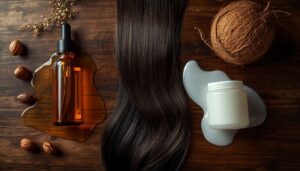
Both argan oil and coconut oil are popular choices for dry hair, but they don’t work the same way for every hair type. Knowing the difference helps you pick the right one — or figure out when using both makes sense.
Here’s what to think about.
Texture and Absorption Differences
Think of these two oils as opposites on a weight scale. Argan oil wins on Silky Surface Feel, Rapid Penetration, and Non‑Greasy Residue — giving your dry hair Feathery Slip without heaviness. Coconut oil offers deeper conditioning but slower oil absorption.
Here’s how they differ:
- Texture: Argan feels lighter; coconut feels thicker
- Quick Absorption: Argan absorbs fast; coconut lingers longer
- Residue: Argan leaves minimal buildup
- Moisture retention: Both seal hydration differently
- Hair texture improvement: Argan smooths; coconut coats
Best Oil Match for Your Hair Type
Your hair type is the real deciding factor here. Fine or wavy hair thrives with argan oil’s lighter oil viscosity levels, since hair porosity pairing matters — low porosity strands absorb it without buildup.
Thick, coarse hair benefits more from coconut oil’s deeper conditioning. For scalp oil balance, dry hair, frizz, and hair breakage prevention, matching oil weight to your texture drives real hair texture improvement.
When to Combine Both Oils
Sometimes the best move is using both oils — just in the right order. Try pre-wash layering with coconut oil overnight, then post-wash finishing with a drop or two of argan oil to fight frizz without the waxy feel.
This oil layering technique works especially well during seasonal humidity adjustments. For coarser hair, lean into higher hair type-specific ratios of coconut; fine hair needs far less.
Does Argan Oil Support Hair Growth and Reduce Breakage?
Argan oil won’t magically grow a full head of hair overnight, but it does create right conditions for stronger, healthier strands. The antioxidants, fatty acids, and scalp-nourishing properties all work together in ways worth understanding.
Here’s a closer look at what argan oil actually does — and where its limits are.
How Antioxidants Protect Follicle Health
Your scalp faces constant oxidative stress from UV rays, pollution, and heat — and that’s where argan oil’s antioxidants earn their place. Through ROS Scavenging and Enzyme Defense, they neutralize free radicals before they damage follicle cells.
This Lipid Oxidation Prevention protects cell membranes, while Collagen Synthesis Support and Scalp Barrier Reinforcement strengthen the environment where healthy growth actually starts.
Strengthening Strands to Prevent Split Ends
Split ends start small — a little friction, some dryness, and suddenly your ends are fraying faster than you’d like. Argan oil helps with cuticle smoothing and Porosity Regulation, keeping moisture locked in so strands stay flexible. Its fatty acids support Elasticity Enhancement and Fiber Cohesion, reducing breakage where it starts.
Here’s what consistent use does for your strands:
- Keratin Boost — conditions the protein structure so hair bends without snapping
- Elasticity Enhancement — improves elasticity so strands handle tension better
- Porosity Regulation — controls how much moisture enters and escapes each strand
- Deep moisturizing and nutrient delivery — feeds dry ends the lipids they’re missing
- Fiber Cohesion — keeps the cuticle layers lying flat, slowing the fray
What Argan Oil Cannot Fix on Its Own
Argan oil does a lot, but it has real limits. It won’t deliver protein bond repair or split end reversal — once ends fray or chemical processing breaks internal bonds, no oil closes that gap.
Alopecia regrowth, UV damage reversal, and scalp infection cure are beyond its reach too. For hair loss, dandruff, or heat styling damage that’s already done, you need targeted treatments.
Who Should Avoid Argan Oil on Hair?
Argan oil works beautifully for most hair types, but it’s not a perfect fit for everyone. few situations call for some caution before you reach for that bottle.
Here’s what you should know.
Risks of Overuse for Fine or Oily Hair
Fine or oily hair doesn’t always play well with argan oil — even a drop too many can turn things greasy fast. The potential drawbacks of argan oil for fine or oily hair are real and worth knowing before you reach for the bottle.
Watch for these signs you’re overdoing it:
- Greasy Roots that appear within hours of washing
- Weighed-Down Hair with no volume or lift
- Product Residue building up across wash cycles
- Clogged Pores around follicles, especially on oily scalps
- Scalp Itch or irritation from excess oil and debris
Preventing a greasy feel means using less than you think you need, skipping the roots entirely, and washing thoroughly between applications to clear any greasy residue or oil buildup.
When to Seek a Doctor Instead
Argan oil is a great tool, but it’s not a doctor. If you notice sudden scalp tenderness, rapid hair loss, scalp bleeding, or a severe itching rash, stop self-treating and get a professional opinion.
Conditions like seborrheic dermatitis, eczema, psoriasis, or deeper scalp inflammation need clinical care, not a carrier oil. Any neurologic symptoms alongside unusual hair loss are a definite red flag — those always deserve a real diagnosis.
How to Choose a Quality Argan Oil Product
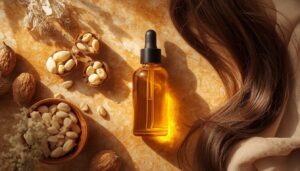
Not every bottle labeled argan oil delivers the same results, and that gap in quality is where most people go wrong. A few key things separate a product that actually works from one that just looks good on a shelf.
Here’s what to look for before you buy.
Cold-Pressed and Additive-Free Labels Explained
Labels like cold-pressed and "additive-free" tell you a lot—if you know how to read them. Cold-pressed means the oil was extracted mechanically, below about 49°C, which preserves its fatty acids and vitamin E for your dry hair and frizz concerns.
For ingredient list verification, check the back panel: one ingredient means truly pure. Transparency claims fall apart fast when you spot emulsifiers or fragrance hiding in the list.
Dark packaging signals serious packaging light protection, keeping your oil fresh longer.
Pure Oil Vs. Blended Formulas
Pure oil and blended formulas aren’t interchangeable—your hair type decides which wins. Pure argan oil offers full ingredient transparency, one clean component, and a stronger allergen profile to track.
Blends lower viscosity, so they spread faster and dry down quicker, making them practical daily serums.
For dry hair, frizz, and preventing hair loss and breakage, pure oil works best as a targeted natural conditioner, while blends suit lighter, everyday finishing needs.
Frequently Asked Questions (FAQs)
Is it good to put argan oil on dry hair?
Yes, putting argan oil on dry hair is genuinely beneficial.
It smooths the cuticle, tames frizz, and reduces breakage risk — all without heavy residue, making it a smart, travel-friendly solution for instant hair moisturization.
Does argan oil make your hair dry faster?
No, it doesn’t. Argan oil seals the hair shaft, reducing moisture loss and softening the cuticle. What feels like dryness afterward is usually residue buildup from using too much.
Can argan oil replace my regular conditioner completely?
Not quite.
Argan oil works as a natural leave-in conditioner for moisture and shine, but it lacks the detangling slip and water-based conditioning systems that your regular conditioner provides.
Think of it as a powerful partner, not a full replacement.
How long before results are visible with argan oil?
Think of it like watering a drought-stressed plant — immediate softness arrives first, short-term frizz reduction follows within weeks, and long-term damage repair builds gradually through consistent, repeated use.
Can argan oil be mixed into shampoo or conditioner?
You can mix a few drops into your shampoo or conditioner, right in your palm. Keep the dose small, stir well, and rinse thoroughly so nothing lingers.
Does argan oil expire, and how should it be stored?
Yes, argan oil does expire. Most bottles last 12–24 months. Store yours in a cool, dark spot, sealed tight. A rancid smell or cloudy look means it’s time to toss it.
Conclusion
The less you fight dry hair, the faster it heals—and that’s exactly what argan oil teaches you. Instead of stripping and overloading your strands, you’re simply giving the cuticle what it needs to close back up and hold moisture in.
Using argan oil for dry hair isn’t a complicated fix; it’s a quiet, consistent habit. Stay patient, use the right amount for your hair type, and your results will speak for themselves.
- https://pmc.ncbi.nlm.nih.gov/articles/PMC8621445/
- https://pubmed.ncbi.nlm.nih.gov/35226791/
- https://form.traya.health/questions?cohort=1&location=internal-a&utm_campaign=blogs_hc_internal-a
- https://link.womenshealthmag.co.uk/join/signup-womens-health-allnewsletters
- https://www.instagram.com/perditanouril/