This site is supported by our readers. We may earn a commission, at no cost to you, if you purchase through links. This content is for general informational and educational purposes only and is not a substitute for professional medical, dermatological, or nutritional advice.

Most people assume nose hair trimmers hurt because they’ve had a bad experience—a tug, a sting, a quick flinch that made them swear off the tool entirely. That reaction makes sense, but the trimmer rarely deserves the blame.
Nasal hair fulfills a real purpose, filtering dust, slowing airborne particles, and keeping your airway’s entrance moist and protected. Disrupting that system carelessly does cause discomfort.
Used correctly, though, a quality trimmer glides without pain. The difference almost always comes down to technique, blade condition, and the right tool for the job.
Table Of Contents
Key Takeaways
- Nose hair trimmers shouldn’t hurt — pain, tugging, or stinging means something’s wrong with your technique, blade condition, or tool choice.
- Dull blades grab instead of cut, so replacing them every 6 to 12 months is one of the easiest ways to keep trimming comfortable.
- Pressing too hard or inserting the trimmer too deep causes most of the irritation people blame on the device itself.
- Trim only what visibly sticks out — over-removing nasal hair weakens your body’s natural filter against dust, pollen, and bacteria. For a safe, step-by-step approach, see this guide to trimming nose hair safely at home.
Why Nose Hair Trimming Matters

Nose hair doesn’t exist just to annoy you — it’s actually doing important work inside your body every single day. Before you reach for a trimmer, it helps to understand what those hairs are protecting and why removing too much can backfire. Here’s what you need to know about the role nasal hair plays.
If you do trim, make sure you’re using a clean, well-maintained nose hair trimmer — a dirty one can introduce the very bacteria your nose hairs are trying to keep out.
Nasal Hair’s Protective Role
Nasal hair isn’t just filler — it’s a working defense system. These small hairs create airflow disruption near the nostril entrance, which forces incoming particles to slow down and make contact with hair surfaces coated in sticky mucus. That’s mucus trapping at work, holding debris before it travels deeper. Additionally, they assist in regulating inhaled air temperature.
- Acts as a microbe barrier at the airway entrance
- Promotes particle capture of dust and larger airborne matter
- Aids ciliary clearance by handing trapped debris to the mucociliary system
- Protects the sensitive nasal mucosa from direct exposure to irritants
Filtering Dust and Pollen
Those hairs you read about don’t just block microbes — they also catch dust and pollen before it reaches your airways. Think of them as a natural particle net. When you remove too much, that net develops gaps, and airborne debris slips through more easily, putting extra strain on your respiratory health.
| What Nasal Hair Filters | What Passes Without It |
|---|---|
| Dust particles | Fine allergens |
| Pollen grains | Airborne bacteria |
Keeping Nasal Passages Moist
Filtering particles is one job those hairs do — but they also help slow moisture evaporation inside your nasal passages. When you over-trim, that moisture escapes faster, leaving your nasal mucosa dry and irritated.
Saline spray adds that moisture back directly. A humidifier helps overnight. Staying hydrated and using a nasal moisturizing gel helps your nasal hygiene and keeps trimming sessions far more comfortable.
Trimming Versus Over-removal
Those hairs work best when most of them stay put. Gentle trimming technique means removing only what visibly sticks out — not clearing the nostril bare.
Over-trimming risks include irritated nasal mucosa, increased sensitivity, and a weakened natural barrier against bacteria. If you’re wondering do nose hair trimmers hurt, aggressive removal is often why. Trim the tips, not the roots.
No, Trimmers Shouldn’t Hurt

A good nose hair trimmer, used correctly, shouldn’t cause you any real pain. There’s a difference between what’s normal and what’s a warning sign worth paying attention to. Here’s what your body might be telling you during a trim.
Mild Tickling is Normal
A gentle tickle is your body’s natural ticklish response to light contact — nothing alarming. This protective mechanism signals that the trimmer is working near sensitive tissue.
Variable sensitivity means some people barely notice it, while others squirm slightly. Either reaction is completely normal. It’s simply gentle stimulation of the nasal lining, not a sign of skin irritation or any potential adverse effects.
Pain Signals a Problem
Pain is your body’s clearest signal that something is wrong. Unlike mild tickling, actual pain during trimming means the tool is likely pressing into delicate nasal tissue rather than shearing hair. This can cause micro-irritations or skin irritation that worsen with repeated use.
If it hurts, stop immediately and reassess before continuing.
Knowing your limits matters—check out these top-rated nose hair clippers with ergonomic trimmer tips to make gentle, controlled grooming a lot easier.
Tugging Means Dull Blades
A tugging sensation is a clear sign that blade sharpness has dropped. When dull blades can’t slice cleanly, they grab and drag hairs instead of cutting them — and that pulling is exactly what makes do nose hair trimmers hurt feel like a fair question.
Replacing dull blades every six to twelve months restores smooth cutting action and protects the sensitive nasal lining from unnecessary friction.
Stinging Suggests Irritation
Stinging is your nose’s nerve signal response — a sharp warning that something has irritated the delicate mucosal lining inside.
- Mucosal irritation triggers localized stinging near the exact point of blade contact
- Dryness amplifies sting by making the lining more reactive to friction
- Blade contact sting often means the trimmer pressed too deep or at a poor angle
Follow an immediate stop protocol — pause, reassess, and switch to hypoallergenic blades for reduced irritation.
Why Nose Trimmers Can Hurt
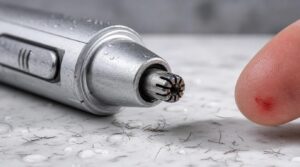
When a trimmer causes real pain, something specific is usually to blame. It’s rarely random — there’s almost always a clear reason behind the discomfort. Here are the most common culprits worth knowing about.
Dull or Dirty Blades
A blade that’s lost its edge doesn’t cut — it grabs. Dull blades drag hair instead of slicing it cleanly, which is what causes that sharp tug inside your nostril. Dirty blades make it worse; oil, dried mucus, and skin buildup increase friction and raise your contamination risks.
Clean your trimmer after every use, and follow a blade replacement schedule of every 6–12 months.
Pressing Too Hard
Too much force is one of the most common reasons do nose hair trimmers hurt becomes a real concern. Pressing the trimmer inward doesn’t speed things up — it just crushes hairs against the guard, causing skin irritation, tugging, and sometimes minor nosebleeds or cuts.
Here’s what excessive pressure actually does:
- Traps hairs against the guard instead of guiding them into the cutting path
- Creates repeated scraping on the same patch of delicate nasal tissue
- Raises friction even when blades are sharp, making Minimize Tissue Trauma harder to achieve
- Increases the risk of small cuts from compressed, bent hairs
- Builds discomfort gradually throughout your session
The fix is simpler than you’d think. A Gentle Pressure Technique means resting the trimmer near the hair tips, not pushing it inward. Let the blades do the work. Controlled Force Application and a Soft Trimming Approach keep the cutting head moving freely, which is the whole point of Avoid Over-Pressing as a core trimming habit.
Wrong Insertion Angle
Wrong insertion angle is another reason nose hair trimming mistakes cause real discomfort.
The trimmer head is designed to meet hairs at a specific angle — not point straight inward like a drill. When your head orientation is off, the cutting edge contacts the nasal wall instead of the hair, raising injury risk and skin irritation fast.
Dry Nasal Passages
Angle isn’t the only culprit. Dry nasal passages make the lining thin, tight, and far more reactive to contact.
Three ways dryness raises your trimming risk:
- Moisture retention drops, leaving the mucosa fragile and prone to micro-tears
- Mucociliary function slows, reducing the lining’s natural protective coating
- Low environmental humidity — common in heated rooms — quietly worsens sensitivity before you even start
A quick saline spray beforehand helps.
Fast, Jerky Movements
How you move the trimmer matters just as much as where you put it. Fast, jerky movements shift the head repeatedly against the same sensitive spot, turning a simple grooming task into a source of real irritation.
| Movement Type | Jerky Motion Risks | Speed Control Tips |
|---|---|---|
| Rotary electric trimmer | Blade skips across skin | Use slow circular sweeps |
| Reciprocating electric trimmer | Catches hairs mid-stroke | Short, controlled movements |
| Either trimmer type | Increases repeated contact | Pause between each pass |
Hand stability is your best tool. A steady grip keeps the trimmer aligned and reduces accidental skin contact.
Use Trimmers Without Pain
Good technique makes all the difference between a comfortable trim and one you dread. A few small adjustments to how you prep and move the trimmer can eliminate most of the discomfort entirely. Here’s what actually works.
Soften Hairs With Saline

A quick spritz of saline nasal spray before trimming can make a real difference. It moisturizes dry nasal lining and softens stiff hairs, so your trimmer cuts cleanly instead of tugging. This simple step reduces friction, which is one of the main reasons nose hair trimmers hurt on sensitive skin.
Keep the application light to avoid over-wetting.
Trim in Good Lighting

Good lighting is one of the most overlooked parts of safe personal grooming. When you can clearly see inside the nostril, you’re less likely to insert the trimmer too deep or scrape the lining.
A bright, well-lit mirror helps you spot irritation early, trim only visible hairs, and keep each pass controlled — so nose hair trimmers stay comfortable rather than painful.
Use Slow Circular Motions
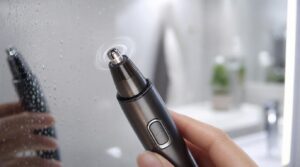
Slow down once the trimmer is inside — circular motion technique works best when you let the blades glide steadily rather than rush. Moving too fast forces extra passes, which increases friction against the nasal lining.
Consistent trimming pattern in one direction keeps the smooth trimming flow even, reduces irritation, and helps nose hair trimmers cut cleanly without causing uncomfortable tugs or accidental cuts.
Keep Depth Shallow

Depth control is simpler than it sounds. A shallow trimming technique means keeping the trimmer near the nostril entrance — not pushing inward to chase every hair.
- Let the depth guard do its job
- Angle blades outward toward the opening
- Avoid deep insertion past the visible zone
- Stop once protruding hairs are gone
Nasal entrance safety protects the sensitive lining deeper inside.
Avoid Cutting Too Much
Nose hair exists for a reason — trim, don’t erase it. Removing too much strips away your natural filtration barrier, which can leave your nasal passages more exposed and irritated over time.
Work in small, gradual passes and stop once protruding hairs are gone. Length preservation, not total removal, is the goal. This minimal trimming approach also means you won’t need to trim as often.
Choose a Comfortable Trimmer

The trimmer you pick makes a bigger difference than most people realize. Some designs are simply gentler on your nose than others, and knowing what to look for puts you in control. Here’s what to keep in mind when choosing one that actually works comfortably for you.
Rotary Trimmer Benefits
Rotary nose hair trimmers are often the gentler choice for sensitive nostrils. Their precise cutting design uses a round blade that glides smoothly, reducing snagging. Many feature self-sharpening blades that stay effective over time, so tugging stays minimal.
Quiet operation keeps the experience calm, while depth guards control how far the trimmer reaches, protecting delicate nasal tissue from accidental contact.
Oscillating Trimmer Benefits
Oscillating trimmers work differently than rotary nose hair trimmers — their back-and-forth blade motion makes precise cuts in tight spaces with minimal force. That controlled movement means less pulling on coarse hairs and reduced skin contact with the nasal lining.
Here’s what makes them stand out:
- Low profile design fits snugly without deep insertion
- Variable speed control adjusts to hair thickness and sensitivity
- Rounded tips on hypoallergenic blades prevent skin irritation
- Gentle hair cutting avoids the drag that blunt blades cause
Protective Blade Guards
A good blade guard is what separates a comfortable trim from one that nicks or scrapes. The guard sits between the rotating blade and your nasal lining, preventing direct skin contact during use.
Most guards use impact-resistant polycarbonate, so they hold up after repeated use without cracking. An interlock safety switch disables the blade if the guard shifts, adding a quiet but important layer of protection.
Stainless Steel Blades
The guard keeps blades away from skin, but the blades themselves determine how cleanly hair gets cut. Stainless steel blades resist rust, hold a sharp edge longer, and are gentle enough for sensitive skin.
- Edge retention means fewer tugging incidents
- Corrosion resistance prevents rust in humid bathrooms
- Smooth surface finish reduces bacterial buildup
- Manufacturing standards guarantee consistent, precise cuts
Smaller Heads for Precision
Blade material shapes the cut, but head size shapes the experience.
A trimmer with a narrow precision tip fits the nostril entrance more naturally, reducing how much surface contacts sensitive skin. Smaller blade openings limit cutting exposure, so you’re targeting hair, not scraping lining. That tighter contour fit also improves maneuver control, helping you trim with short, steady passes rather than risky, deep insertions.
Prevent Irritation and Infection

Getting a clean trim is only half the job. How you care for your trimmer afterward makes a bigger difference than most people realize. These habits will keep both your device and your nostrils in good shape.
Clean After Every Use
A trimmer that isn’t cleaned is just spreading yesterday’s bacteria back into your nose.
After each session, follow these five steps for proper grooming device maintenance:
- Remove debris first before any rinsing or wiping
- Rinse trimmer head under clean running water
- Sanitize with alcohol using a wipe safe for your blade material
- Air dry blades completely before storing
- Store in dry case with the protective cap on
Replace Dull Blades Regularly
Dull blades don’t just trim poorly — they tug, drag, and irritate delicate nasal tissue. When a trimmer needs extra passes to finish the job, that’s your sign the cutting edge is done.
Replace blades every 6 to 12 months, or sooner if you notice pulling sensations or uneven results. Keeping blades oiled and fully dry between uses slows wear.
Never Share Trimmers
A nose trimmer is a personal use only tool — full stop. The trimmer head contacts the inside of your nostril, picking up bacteria, skin debris, and moisture with every use. Even if it looks clean, cross contamination is a real risk that a quick rinse won’t eliminate.
Keep a dedicated trimmer for yourself, and don’t share.
Avoid Infected Nostrils
Trimming inside an infected nostril is one of the fastest ways to make things worse. Active nasal infections create broken, inflamed skin — and running a trimmer through that environment can push bacteria deeper or cause new micro-abrasions.
Follow these steps to protect yourself:
- Wash your hands thoroughly before any grooming near your nose.
- Use only sterile tools — never improvised or shared equipment.
- Apply saline spray beforehand to hydrate passages and reduce irritation.
- Avoid nose picking between sessions; repeated micro-injuries invite infection.
- Check for swelling, pus, or crusting — these signal active infection; stop trimming immediately.
If you notice redness or tenderness inside your nostril, skip the trimmer until symptoms clear.
When to Call a Doctor
Most trimmer discomfort clears up on its own — but some symptoms genuinely need a doctor. Seek medical advice promptly if you notice swelling, pus, or persistent crusting after trimming, as these point to active infection. If you’ve recently had nasal surgery, avoid trimming entirely until your surgeon clears you. Nosebleeds lasting over 20 minutes always warrant professional evaluation.
Certain symptoms go beyond grooming. Difficulty breathing, chest pain, sudden dizziness, or confusion alongside nasal symptoms are emergency warning signs — call emergency services immediately. A high fever paired with facial pain may indicate a developing sinus infection requiring treatment. Any sharp, throbbing pain or signs of a severe allergic reaction — such as swelling, hives, or cold, clammy skin — also need urgent care. When in doubt, don’t wait.
When breathing difficulties, chest pain, or dizziness accompany nasal symptoms, stop waiting and call for emergency help immediately
Frequently Asked Questions (FAQs)
Are nose hair trimmers supposed to hurt?
No, they shouldn’t. A good trimmer feels like light contact — maybe a mild tickle. Pain, stinging, or tugging isn’t normal. Those sensations signal a problem worth fixing, not something you push through.
Can children safely use nose hair trimmers?
Most children shouldn’t use nose hair trimmers without adult supervision. The technique requires careful control, and the risk of nasal irritation or injury increases considerably with improper handling, insertion depth, or pressure from a child.
How often should nose hair actually be trimmed?
Most people do well with every 1–2 weeks. If growth is slower, monthly maintenance works fine. Trim only what visibly protrudes — overtrimming risks removing the hairs your nose needs for protection.
Do electric trimmers work better than manual scissors?
Electric trimmers generally outperform manual round-tip scissors in speed, comfort, and consistency. Their rotating blades cut multiple hairs per pass, reducing pulling.
Scissors demand steady hands and take longer, raising the risk of accidental skin contact.
Is trimming safe during pregnancy or while medicated?
Think of your body during pregnancy like a house mid-renovation — even minor disruptions need extra care. Trimming nose hair stays safe as long as blades are clean, sharp, and no cuts occur.
Can nose hair grow back thicker after trimming?
No, trimming doesn’t make nose hair grow back thicker. Hair follicles stay unchanged, so regrowth thickness is driven by genetics. The "stubbly" sensation after trimming is simply a visual perception effect from blunt, freshly cut ends.
Conclusion
Pain during trimming isn’t inevitable—it’s a warning sign. When people ask, "Do nose hair trimmers hurt to use?" the real answer depends entirely on technique and tool condition.
Dull blades pull instead of cut. Heavy pressure aggravates sensitive tissue. Rushed movements invite nicks and irritation.
Slow down, soften the hairs first, and keep your blades clean. Small adjustments make the difference between a tool that works for you and one that works against you.