This site is supported by our readers. We may earn a commission, at no cost to you, if you purchase through links.

That over-scrubbed, tight, flaky feeling after a harsh physical scrub isn’t exfoliation working, it’s your barrier waving a white flag. Chemical exfoliants work differently, dissolving the "glue" between dead cells instead of scraping them off, and that distinction changes everything about how your skin looks and feels.
Estheticians reach for acids like glycolic, salicylic, and lactic for a reason: dosed correctly, they smooth texture, clear pores, and fade dullness without the micro-tears physical scrubs leave behind. The catch is that "correctly" part, since skipping patch tests or layering too many actives too fast turns a good routine into an irritated mess.
Building a chemical exfoliant routine for beginners means starting slow, choosing the right acid for your skin type, and knowing exactly when to apply, wait, and protect. Get those steps right, and radiant, even-toned skin follows naturally.
Table Of Contents
- Key Takeaways
- Types of Chemical Exfoliators Explained
- Choosing Exfoliants for Your Skin Type
- How to Patch Test Safely
- Building a Beginner Exfoliation Routine
- How Often to Exfoliate Skin
- Preventing Over-Exfoliation and Irritation
- Post-Exfoliation Skin Protection Steps
- Top 5 Chemical Exfoliants for Beginners
- Buying Guide for First-Time Users
- Frequently Asked Questions (FAQs)
- Can chemical exfoliation help with KP?
- Can I exfoliate before microcurrent?
- Does exfoliating help with collagen production?
- What is the best exfoliator for hyperpigmentation?
- Can I exfoliate and use retinol together?
- Is it normal for skin to tingle slightly?
- How long until I see visible results?
- Can pregnant or breastfeeding women use exfoliants?
- Do I still need to exfoliate in winter?
- Conclusion
Key Takeaways
- Chemical exfoliants dissolve bonds between dead skin cells rather than scraping them off, making them gentler and more effective than physical scrubs when used correctly.
- Beginners should choose their acid type based on skin needs—BHAs like salicylic acid for oily/acne-prone skin, AHAs like glycolic and lactic acid for texture and dullness, and PHAs or mandelic acid for sensitive skin.
- A 48–96 hour forearm patch test is essential before facial application, and beginners should start with just twice-weekly use, gradually increasing frequency only after confirming skin tolerance.
- Post-exfoliation care—including immediate moisturizing, daily SPF 30+ application, and avoiding ingredient stacking with retinol or vitamin C—protects the skin barrier and prevents over-exfoliation.
Types of Chemical Exfoliators Explained

Walking into the skincare aisle, you’ll notice chemical exfoliants aren’t a one-size-fits-all category, and that’s actually good news for your skin.
From gentle AHAs to more intense options, choosing wisely matters, and if you’d rather skip the bottle altogether, these natural ways to exfoliate legs offer a simpler starting point.
Each type works differently, targeting everything from dullness to clogged pores to sensitivity concerns. Here’s a breakdown of the five main types you’ll encounter, so you can figure out exactly which one belongs in your routine.
AHAs for Texture and Dullness
Reveal brighter skin by dissolving the bonds holding dead cells to the surface—that’s the magic of alpha hydroxy acids.
- Glycolic acid’s small molecular size penetrates deepest
- Lactic acid hydrates while it exfoliates
- Both boost collagen stimulation over time
- Regular use accelerates epidermal turnover
This combination smooths rough patches and enhances surface radiance, transforming dull skin into your routine’s biggest win. Using these acids helps address hyperpigmentation concerns for a more even complexion.
BHAs for Pores and Acne
If glycolic and lactic acid work on the surface, salicylic acid goes straight for the source of the problem: clogged pores.
As an oil-soluble BHA, it slips through sebum to perform pore lining exfoliation, loosening blackhead and whitehead debris while calming inflammation. That makes it the go-to pick for acne-prone, congested skin needing real sebum congestion management rather than just a smoother texture.
PHAs for Sensitive Skin
Salicylic acid targets acne, but if your skin reacts to nearly everything, PHAs offer a gentler path. Gluconolactone’s larger molecular size limits penetration, providing surface-level renewal without stinging.
These humectant-rich acids support barrier lipid organization, reduce transepidermal water loss, and suit rosacea-prone or reactive complexions. For beginners craving control without irritation, PHA exfoliation delivers real results while protecting the barrier you’re working to strengthen.
Enzyme-based Exfoliants
Enzymatic exfoliants offer a no-acid alternative, using papain (from papaya) or bromelain (from pineapple) for gentle surface cell dissolution without low pH requirements. Unlike acid-based options, enzymes stay stable across wider pH ranges, causing less sun sensitivity. Some formulas use microbial proteases for skin-friendly activity.
This enzyme vs acid comparison makes them ideal, beginner-friendly chemical exfoliants for reactive, rosacea-prone skin craving radiant renewal without irritation risk.
Mandelic Acid Benefits
Patience pays off with mandelic acid, a larger-molecule AHA that delivers gentle exfoliation without harsh irritation. It helps acne bacteria reduction, fades hyperpigmentation, and improves skin elasticity over time.
Beginners with sensitive skin benefit most, since slower absorption means gentler cell turnover and fewer reactive breakouts—making it one of the most beginner-friendly chemical exfoliants for building a lasting skincare routine.
Choosing Exfoliants for Your Skin Type
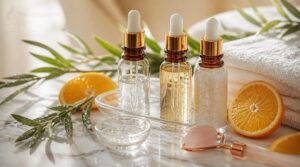
Not every acid works the same way on every skin type, so matching the right one to yours makes all the difference.
Your skin’s specific needs, whether that’s oil control, hydration, or extra gentleness, will point you toward the best fit. Here’s how to choose wisely based on what your skin actually needs.
Best Acids for Oily Skin
Oily, breakout-prone skin craves a pore-deep clean, and that’s exactly where BHAs shine. Being oil-soluble, salicylic acid cuts through sebum and congestion that water-based acids can’t touch.
Look for concentrations around 1–2%, applied a few evenings weekly.
Best picks:
- Salicylic acid cleanser
- BHA toner
- AHA/BHA combo serum
Best Acids for Dry Skin
Why does dry skin need gentler acids than a nightly retinol routine? Because stripping moisture only worsens flaking. Lactic acid hydration makes it the top choice, while mandelic acid absorption offers slow, low-irritation resurfacing.
Best picks:
- Lactic acid serum (5–10%)
- Mandelic acid treatment
- Humectant acid pairings with hyaluronic acid
Pair either with a rich moisturizer to lock in comfort after exfoliating.
Options for Sensitive Skin
Reactive skin thrives on restraint, not stronger acids. Choose PHAs like gluconolactone or mandelic acid for gentle exfoliation, paired with ectoin barrier support and ceramide moisturizer benefits.
Look for fragrance-free formulas, mineral SPF non-sting protection, and oat soothing ingredients to calm reactivity. These beginner-friendly chemical exfoliants protect your skin barrier while still delivering visible texture improvement—always patch test before committing to daily AHA BHA use.
Combination Exfoliants Explained
Why choose one acid when a smart mix does more? Combination exfoliants pair an AHA with a BHA, or an enzyme with a PHA, delivering multi-acid benefits for texture and pores at once.
Staggered acid strengths and stable carrier bases keep pH balanced, so layering gentle actives feels controlled, not chaotic—ideal for beginner-friendly chemical exfoliants supporting steady skin cell turnover within any skincare regimen.
How to Patch Test Safely
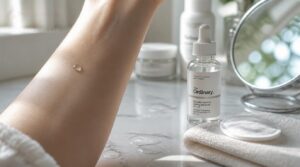
Before any new acid touches your face, your skin deserves a trial run somewhere lower-stakes.
Patch testing takes a little patience, but it’s what separates a confident first try from a painful guessing game. Here’s exactly how to test safely, what to watch for, and when you’re truly ready to move forward.
Forearm Patch Test Steps
Think of your inner forearm as a preview screening before the main event on your face. Skip exfoliants there for 48 hours beforehand, then apply a quarter-sized amount in a thin layer, uncovered, avoiding moles or veins.
Check it morning and night for 48–96 hours. No rubbing, no bandages, just patience while your skin barrier reveals the truth.
What Reactions to Watch For
What you feel during those 48 hours tells the real story. A little tingling that fades fast is normal; persistent stinging or burning isn’t. Watch for:
- Spreading redness
- Swelling near lips or eyes
- Hives or raised bumps
- Itching that intensifies
- Tightness signaling barrier stress
Any of these mean your skin’s flagging overexfoliation risk, not readiness for facial application.
When to Proceed to Face
Clear skin for the full 24–48 hour window? You’re cleared for face application, using the same product, strength, and contact time from your patch test.
Pick a day you can monitor for 24 hours afterward—skip event days entirely. Confirm your skin’s calm, with no active irritation or sunburn, before starting your chemical exfoliation routine. When in doubt, wait another day.
Building a Beginner Exfoliation Routine
Once you’ve patch tested and picked the right acid for your skin, the real work is building a routine you’ll actually stick to. Where and when you apply your exfoliant matters just as much as which one you choose. Here’s how to weave it into your existing steps without throwing off your skin’s balance.
Cleansing Before Application
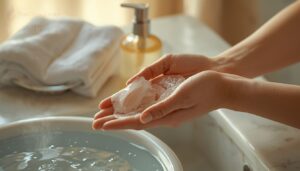
Every successful chemical exfoliation routine starts with clean skin, never a rushed rinse. Removing surface residue—oil, sunscreen, makeup—prevents patchiness later. Use lukewarm water and a gentle cleanser; harsh formulas strip your barrier. Pat, don’t rub, when drying.
- Radiant, prepped skin
- Confidence in your routine
- Fewer surprise breakouts
- A barrier that actually holds up
This groundwork makes your at-home routine safer and more effective.
Applying Exfoliant Correctly
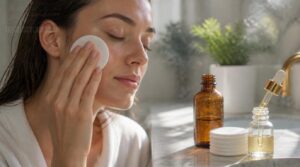
Once your skin is clean and dry, how you apply that exfoliant matters just as much as which one you choose. Use a cotton pad or clean fingertips, sweeping product evenly across your face while avoiding the eye area and any broken skin.
Don’t press or rub—let the formula sit. Layer a hydrating serum afterward to protect your skin barrier and prevent irritation from this beginner-friendly step.
Best Time to Exfoliate

Nighttime works best for a chemical exfoliation routine, since freshly treated skin isn’t immediately exposed to UV rays and can recover while you sleep.
Consider these scheduling factors:
- Night vs morning – evening minimizes photosensitivity risk
- Sunscreen the next morning protects recovering skin
- Avoid exfoliating before big events or makeup days
- Weekly scheduling helps you monitor irritation calmly
For beginner-friendly chemical exfoliants, this at-home routine timing leads to safer, more predictable results.
Fitting Acids Into Skincare Steps
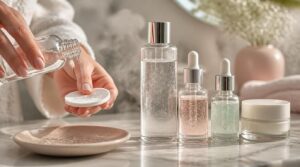
Where an acid lands in your routine determines how well it works, so always apply it after cleansing but before serums and moisturizers—thinnest texture absorption sequence first. Wait 30–60 seconds before layering the next product.
Pair your chemical exfoliation routine with hyaluronic acid for hydration pairing, and finish with SPF the next morning to complete your beginner-friendly skincare schedule.
How Often to Exfoliate Skin

Knowing which acid to use is only half the equation; how often you use it determines whether your skin thrives or rebels. Frequency isn’t a one-size-fits-all number, and getting it wrong is one of the fastest ways to undo your progress.
Here’s how to pace yourself, build tolerance safely, and work with your skin’s natural rhythm instead of against it.
Starting Frequency for Beginners
Less is more when you’re new to chemical exfoliation. Start with just twice weekly applications, giving your skin’s barrier time to adjust before adding intensity.
Track how your skin responds after each session, watching for redness or tightness.
- Choose non-consecutive days (Tuesday, Friday)
- Apply at night only
- Follow with moisturizer
- Skip if skin feels irritated
Consistency matters more than frequency early on.
Increasing Tolerance Gradually
Patience beats speed here: your skin tells you when it’s ready for more, not the calendar. Extend the gap between sessions only after several irritation-free applications, rather than boosting strength or frequency at once.
If redness appears, retreat to fewer days weekly. Otherwise, add one extra day, keep contact time brief, and let your skin barrier adjust before pushing further.
Understanding The 28-day Cycle
Why 28 days, specifically? That number mirrors the average menstrual cycle length, and your skin follows a similar rhythm: new cells form, rise, and shed over roughly four weeks. This natural cell turnover rate is the foundation of every chemical exfoliation routine.
Like the menstrual cycle, skin renews itself on a roughly 28-day rhythm, forming, rising, and shedding new cells
Just as ovulation timing varies cycle to cycle, your skin’s regeneration pace shifts too, so let results, not the calendar, guide your next move.
Preventing Over-Exfoliation and Irritation
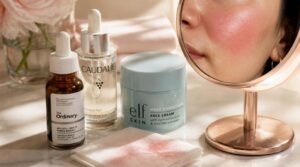
Even with the best intentions, it’s easy to push your skin past what it can handle. Your barrier will tell you when something’s wrong, but only if you know what to look for. Here’s what to watch out for so you can catch trouble before it starts.
Signs of Barrier Damage
Your skin will tell you when it’s had enough, if you know what to listen for. Persistent redness that won’t calm down, stinging on contact, chronic flare-ups, and flaky texture all signal a compromised moisture barrier.
If moisturizer stops helping or sensitive skin suddenly feels reactive, pause exfoliating entirely and focus on skin barrier protection until symptoms fully resolve.
Ingredients to Avoid Combining
Once your barrier shows strain, the next mistake is often stacking too many active ingredients at once.
- Acid stacking: mixing AHA and BHA in one step doubles irritation risk
- Pairing acids with retinol treatments increases sensitivity dramatically
- Vitamin C sensitivity spikes when layered with low-pH exfoliants
- Benzoyl peroxide dryness worsens alongside acids
- Scrub layering compounds micro-tears and redness
Keep exfoliation to one active ingredient per session for genuine skin barrier protection.
Skin Conditions to Avoid Treating
Not every rash belongs in your acid routine. Active eczema or dermatitis, rosacea flares, and psoriasis plaques need trigger avoidance, not exfoliation, since inflamed skin barriers can’t tolerate acids. Unexplained rashes deserve a dermatologist’s eye to rule out infection first.
And fragile skin conditions like epidermolysis bullosa require specialized care, never a beginner routine that adds surface stress to already vulnerable skin.
Post-Exfoliation Skin Protection Steps
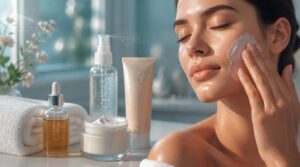
Exfoliating acids do their job by breaking down the skin’s outer layer, which means your barrier needs real support right after. What you do in the minutes and hours following application determines whether you wake up glowing or red and irritated.
Here’s exactly how to lock in moisture, guard against sun damage, and calm any lingering sensitivity.
Moisturizing After Acid Use
Post-acid hydration isn’t optional — apply a moisturizer with hyaluronic acid or glycerin immediately to seal moisture into freshly exfoliated skin.
Layer in ceramide boost formulas to fortify your barrier, while squalane adds occlusive comfort that curbs water loss.
This humectant seal helps pH recovery too, since acids temporarily disrupt your skin’s natural acidity, and proper moisturizing helps restore balance and calm irritation.
Daily SPF Application
Once your barrier’s replenished, broad-spectrum sunscreen SPF 30+ becomes non-negotiable, since exfoliated skin turns highly photosensitive and burns faster.
Apply a quarter-size amount every morning, covering ears, neck, and hairline—commonly missed spots that still need UVA/UVB protection.
Reapply every two hours outdoors; stretch to four-to-six indoors near windows. Skipping reapplication is the most common sunscreen application error beginners make.
Soothing Irritated Skin
Occasionally your skin fights back—stinging, redness, or tightness signal it’s time to pause and comfort, not push through.
Apply a cool compress for 5–10 minutes to calm nerve signaling, then seal in moisture with fragrance-free, barrier repair ingredients like ceramides and niacinamide.
Skip active acids entirely until symptoms fade, and identify irritation triggers—heat, friction, fragrance—before resuming your routine.
Top 5 Chemical Exfoliants for Beginners
Knowing which acid works for your skin is one thing, but finding a product that actually delivers it in a beginner-friendly formula is another challenge entirely. You don’t need to guess your way through crowded shelves or confusing ingredient labels to get started safely.
Here are five standout options worth considering as you build your exfoliation routine.
1. AHA BHA Fruit Enzyme Chemical Peel
Think of this one as your triple-threat starter peel: glycolic, lactic, and salicylic acids join pineapple enzymes in a non-abrasive gel that skips scrubbing entirely.
Applied for just 3–6 minutes, 2–3 times weekly, it refines texture and minimizes pore appearance without added fragrance or parabens.
Expect mild tingling rather than visible peeling—that’s normal, not a warning sign.
Its fragrance-free, dermatologist-tested formula suits dry, oily, combination, and sensitive skin alike, making it a genuinely adaptable entry point.
| Best For | anyone wanting a gentle, at-home alternative to professional chemical peels, especially those with sensitive skin who still want visible texture-refining results. |
|---|---|
| Exfoliant Type | Chemical (AHA/BHA) |
| Skin Texture Improvement | Yes |
| Fragrance-Free | Yes |
| Patch Test Recommended | Not specified |
| Sensitive Skin Suitable | Yes |
| Pore Refining | Yes |
| Additional Features |
|
- Combines three acids and pineapple enzymes for triple-action exfoliation without physical scrubbing
- Fragrance-free, paraben-free formula suits dry, oily, combination, and sensitive skin types
- Dermatologically tested and third-party tested for added peace of mind
- May cause a tingling sensation during application
- Results won’t include visible peeling, which some users might find less satisfying
- Effectiveness can vary significantly from person to person
2. Heimish RX AHA BHA Enzyme Facial Scrub
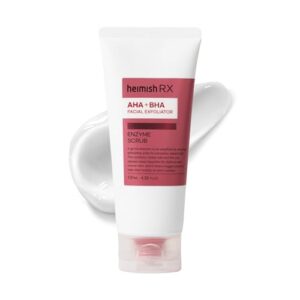
Rather than a gritty scrub, this gommage-style formula uses bromelain enzymes alongside salicylic and citric acids to loosen dead skin on damp skin, no harsh rubbing required.
Panthenol and allantoin cushion the acids, making it forgiving for oily, sensitive, or troubled complexions.
Massage it in circles 1–2 times weekly, then rinse.
Skip it if you’re managing active eczema or dermatitis—consult your dermatologist first, since even gentle formulas can aggravate compromised barriers.
| Best For | This gommage-style scrub is best for those with oily, sensitive, or troubled skin who want gentle exfoliation without harsh scrubbing. |
|---|---|
| Exfoliant Type | Chemical (AHA/BHA) |
| Skin Texture Improvement | Yes |
| Fragrance-Free | Yes |
| Patch Test Recommended | Recommended for sensitive skin |
| Sensitive Skin Suitable | Yes |
| Pore Refining | Yes |
| Additional Features |
|
- Combines AHA, BHA, and bromelain enzymes for effective yet non-abrasive resurfacing
- Panthenol and allantoin help hydrate and soothe skin during exfoliation
- PH-balanced formula free of added fragrance and artificial colors
- May trigger a temporary purging period as impurities rise to the surface
- Overuse can lead to over-exfoliation, so frequency must be limited
- Not suitable as a daily cleanser or for those with active eczema or dermatitis
3. MedPeel Salicylic Acid Peel Kit
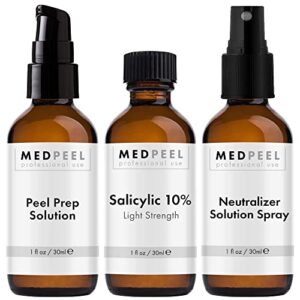
Think of this kit as your at-home dermatologist visit: 10% salicylic acid, plus Prep and Neutralizer steps that remove the guesswork.
Apply once weekly for 2-3 minutes, then neutralize on schedule. That precision matters for oily, acne-prone skin battling clogged pores.
Patch test 3 days beforehand, and skip it entirely if you’re pregnant, nursing, using Accutane, or prone to keloids.
Wait 3-4 weeks between sessions, and wear SPF 30+ daily—your skin needs recovery time between treatments.
| Best For | People with oily, acne-prone skin who want professional-grade exfoliation and a clearer complexion without a dermatologist visit. |
|---|---|
| Exfoliant Type | Chemical (BHA) |
| Skin Texture Improvement | Yes |
| Fragrance-Free | Not specified |
| Patch Test Recommended | Required |
| Sensitive Skin Suitable | Not specified |
| Pore Refining | Yes |
| Additional Features |
|
- Complete 3-step system (Peel, Prep, Neutralizer) removes the guesswork from at-home treatments
- Professional-strength 10% salicylic acid formula targets breakouts, clogged pores, and dark spots
- FDA-compliant manufacturing with clear step-by-step instructions makes it beginner-friendly
- Requires a patch test 3 days before first use, adding extra prep time
- Not suitable for those who are pregnant, nursing, using Accutane, or prone to keloids
- Long recovery window (3-4 weeks between sessions) with mandatory daily SPF 30
4. Glycolic Acid AHA Facial Peel
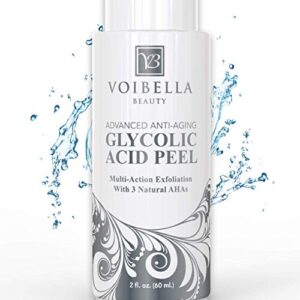
Sun spots, uneven texture, mild scarring: glycolic acid helps with all three by dissolving the lipids binding dead skin cells together, revealing smoother skin underneath.
As a keratolytic AHA, it penetrates the stratum corneum in aqueous or gel form—gel bases feel gentler for reactive skin. Some formulas add phytic or citric acid for antioxidant support.
Clinical protocols repeat treatments every two weeks. Beginners should start monthly, watching for redness before increasing frequency, and always pair sessions with daily SPF.
| Best For | This peel is best for people with sensitive skin who want to fade acne scars, dark spots, and fine lines through gentle, weekly at-home exfoliation without visible peeling. |
|---|---|
| Exfoliant Type | Chemical (AHA) |
| Skin Texture Improvement | Yes |
| Fragrance-Free | Not specified |
| Patch Test Recommended | Required |
| Sensitive Skin Suitable | Yes |
| Pore Refining | Yes |
| Additional Features |
|
- Triple AHA blend (Glycolic, Lactic, Pyruvic) exfoliates microscopically, avoiding harsh visible peeling
- Clean formula that’s paraben-free, sulfate-free, vegan, and cruelty-free
- Preps skin to absorb serums and creams more effectively afterward
- Requires a patch test before full use, which adds an extra step
- Must strictly avoid eye and lip contact during application
- Demands consistent sunscreen use, since skin becomes more sun-sensitive during treatment
5. Ning Dermologie AHA PHA Peeling Gel
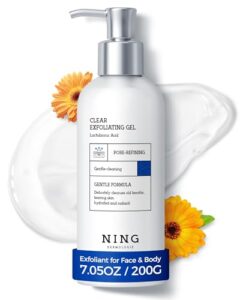
Rounding out this lineup is a gel that pairs AHAs with PHAs, giving reactive skin the benefits of exfoliation without the sting. Gluconolactone softens the acid mix while niacinamide calms redness and helps barrier repair.
Massage onto dry, cleansed skin, let it sit briefly, then rinse. Beginners should apply once weekly, extending contact time only after confirming tolerance—ideal for those easing into acids for the first time.
| Best For | This peeling gel is best for those with sensitive or reactive skin who want the benefits of exfoliation without harsh irritation, especially beginners easing into acids for the first time. |
|---|---|
| Exfoliant Type | Chemical (AHA/PHA) |
| Skin Texture Improvement | Yes |
| Fragrance-Free | Yes |
| Patch Test Recommended | Not specified |
| Sensitive Skin Suitable | Yes |
| Pore Refining | Yes |
| Additional Features |
|
- Combines AHA and PHA for effective yet gentle dual exfoliation
- Niacinamide and botanical extracts like calendula and argan oil help calm skin and support the moisture barrier
- Versatile enough for multi-zone use on the face, neck, elbows, knees, and ankles
- May cause redness, irritation, or dryness in individuals with sensitive skin
- Doesn’t produce a foaming lather, which may feel unfamiliar to those used to traditional cleansers
- Results can vary, with some users noticing only minimal exfoliation
Buying Guide for First-Time Users
Standing in front of a shelf full of exfoliants can feel overwhelming when every label promises smoother, brighter skin. Knowing what to look for takes the guesswork out of shopping and puts you back in control. Here’s what actually matters when you’re choosing your first bottle.
Checking Acid Concentration Levels
Reading the label matters as much as reading your skin. Salicylic acid works best at 0.5–2%, while glycolic acid ranges 5–15%—labs confirm these numbers through titration endpoint detection and calibrated pH meters, not guesswork.
- Verify percentages against known therapeutic ranges
- Distrust vague "acid mix" labeling
- Cross-check with patch testing results
- Start low, especially with beginner-friendly chemical exfoliants
Trust brands publishing exact acid concentration calculations.
Kits With Neutralizers Included
Once you’ve confirmed your acid concentrations, skip any kit marketed with industrial-style "neutralizers"—that language belongs to lab spill-response gear built with sorbents, PPE, and hazmat disposal bags, not your face. Skincare peels use pH-balancing solutions instead, formulated specifically for skin contact.
A trustworthy at-home routine relies on gentle, calibrated formulas, never chemical-deactivation tools designed for spill containment or waste disposal.
Formulas With Soothing Ingredients
Once neutralizers are off your checklist, scan the ingredient list for botanical soothing complexes like aloe or chamomile alongside barrier fortifying actives such as niacinamide and ceramides. These calm skin sensitivity while active ingredients exfoliate.
Look for anti-inflammatory agents like bisabolol and humectant hydration benefits from glycerin or hyaluronic acid—together, they make your chemical exfoliation routine gentler and genuinely beginner-friendly.
Frequently Asked Questions (FAQs)
Can chemical exfoliation help with KP?
Yes — a consistent chemical exfoliation routine using AHAs like lactic acid or BHAs like salicylic acid helps with keratin plug removal, smooths follicles, improves KP texture, and calms surrounding redness through gentle, gradual dead skin cell removal.
Can I exfoliate before microcurrent?
Timing matters more than you’d think here. Wait at least 72 hours after AHA or BHA use before microcurrent—acid-induced sensitivity raises electrical skin resistance and barrier disruption risk, making treatments less comfortable and less effective on freshly exfoliated skin.
Does exfoliating help with collagen production?
Indirectly, it does. Consistent skin resurfacing triggers fibroblast activation and dermal remodeling, supporting collagen maintenance over time. It won’t replace injectables, but gentle, regular exfoliation nurtures healthier skin cell regeneration and long-term renewal cycles.
What is the best exfoliator for hyperpigmentation?
Mandelic acid offers gentle brightening for post-acne marks, while glycolic acid peels boost hyperpigmentation fade speed.
Pair with SPF after exfoliation and a 48-hour patch test before starting any nighttime exfoliation routine using AHA and BHA products or salicylic acid treatments.
Can I exfoliate and use retinol together?
Combining both works best on alternating nights, giving your skin a genuine recovery window. Cleanse and moisturize on off-nights, apply retinol to dry skin separately, and always finish exfoliation nights with hydration plus daily SPF for barrier protection.
Is it normal for skin to tingle slightly?
Think of it like a light spark from a match, not a flame — that quick fizz signals normal skin response. If it fades fast without redness, your exfoliating acids are working properly; lingering burn suggests irritation, not tolerance.
How long until I see visible results?
Expect subtle smoothing within 2 to 6 weeks, with fuller texture and tone improvements by 6 to 12 weeks. Consistency matters most—skin turnover follows a steady 28-day cycle, so a beginner-friendly chemical exfoliant routine rewards patience over quick fixes.
Can pregnant or breastfeeding women use exfoliants?
Pregnancy shifts your skin’s chemistry like weather turning mid-season—unpredictable.
Stick to low-concentration options like lactic or mandelic acid on intact skin, avoid the nipple/areola area while breastfeeding, and always get clinical guidance before starting any routine.
Do I still need to exfoliate in winter?
Yes, gentle exfoliation still helps, since winter’s low humidity and slower cell turnover cause flakiness. Choose chemical over physical exfoliants to avoid friction, reduce frequency, and prioritize hydration to protect your compromised skin barrier.
Conclusion
Picture skin catching morning light without a single dull patch stealing its glow—that’s the payoff waiting on the other side of patience. A chemical exfoliant routine for beginners isn’t about rushing toward radiance; it’s about earning it, one gentle application at a time.
Respect the process, listen to your skin’s signals, and protect what you’ve built with SPF. Mastery here isn’t complicated. It’s consistency, dressed up as glowing, resilient skin.
- https://www.byrdie.com/best-chemical-exfoliators
- https://www.sandandsky.com/blogs/news/aha-vs-bha-vs-pha-acid-exfoliant-guide
- https://www.dermatica.com/skinlab/using-exfoliants-how-to-combine-ahas-bhas-phas-with-retinoids
- https://www.ipsy.com/blog/physical-vs-chemical-exfoliator
- https://www.nytimes.com/wirecutter/reviews/best-exfoliants