This site is supported by our readers. We may earn a commission, at no cost to you, if you purchase through links.

Your first glycolic acid serum probably left your skin red, tight, and stinging by morning. That’s the exfoliation trap most people fall into: bigger molecules like glycolic penetrate fast and deep, often faster than your barrier can handle. Lactic acid works differently. Its larger molecular size slows penetration, which means you get smoother texture and fewer breakouts without the punishing sting.
That’s why estheticians keep circling back to it for clients with rosacea, eczema, or plain old reactive skin.
Finding the right lactic acid exfoliant gentle option comes down to matching concentration and formula to your specific skin type, whether that’s a 5% hyaluronic-boosted serum for your face or a 15% cream for stubborn keratosis pilaris on your arms.
Table Of Contents
- Key Takeaways
- Top 8 Gentle Lactic Acid Exfoliants
- Best Options by Skin Type
- Lactic Acid Concentration Guide
- Gentle Ingredient Pairings
- Safe Lactic Acid Routine Tips
- Frequently Asked Questions (FAQs)
- Is lactic acid a gentle exfoliator?
- Can I use a gentle exfoliator while on accutane?
- Can I layer lactic acid with tretinoin?
- Which exfoliator is best for rosacea?
- Can lactic acid help fade dark spots?
- Does lactic acid work on active breakouts?
- Is lactic acid safe during pregnancy?
- Can I use lactic acid around my eyes?
- How long until lactic acid shows results?
- Conclusion
Key Takeaways
- Lactic acid’s larger molecule size slows penetration compared to acids like glycolic, delivering effective exfoliation with far less irritation for sensitive, rosacea-prone, or reactive skin.
- Concentration should match use case: 5% for beginners or facial skin, 10% for stronger resurfacing, and up to 15% for tougher body concerns like keratosis pilaris, since facial skin is thinner and needs gentler strength than body skin.
- Pairing lactic acid with ingredients like hyaluronic acid, squalane, ceramides, or soothing botanicals boosts hydration and calms the skin while it exfoliates, preventing the tight, stripped feeling other acids cause.
- Safe use requires patch testing above 10% concentration, avoiding same-night layering with retinoids or benzoyl peroxide, and always applying broad-spectrum SPF 30+ afterward since exfoliated skin becomes more sun-sensitive.
Top 8 Gentle Lactic Acid Exfoliants
Not all lactic acid products are created equal, and picking the right one depends a lot on what your skin actually needs.
If you’re also navigating aging skin concerns, this guide to choosing the best facial moisturizers for seniors can help you pair lactic acid with the right hydration routine.
You’ll find options here for every concern, from stubborn keratosis pilaris to dry, reactive skin that can’t handle much.
Here’s a closer look at eight formulas worth adding to your routine.
1. Paula Choice Mandelic Lactic Exfoliant
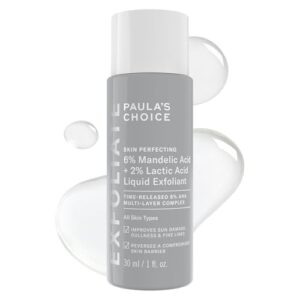
A dependable workhorse, this exfoliant pairs 6% mandelic acid with 2% lactic acid for texture refinement without the sting. Dr. Hope Mitchell recommends it precisely because it smooths without stripping moisture.
At $15 for 1 fl oz, it’s an accessible entry point for acne-prone or reactive skin. Yarrow extract and fermented botanicals cushion the exfoliation, though that small bottle empties fast with nightly use—budget accordingly if you’re hooked.
| Best For | People with sensitive, acne-prone, or rosacea-prone skin who want gentle daily exfoliation to improve tone and texture without harsh irritation. |
|---|---|
| Exfoliant Type | Mandelic/Lactic AHA |
| Fragrance Free | Yes |
| Sun Sensitivity | Increased |
| Skin Barrier Support | Microbiome/Antioxidants |
| Price | $15 |
| Product Size | 1 fl oz |
| Additional Features |
|
- Dual AHA blend (6% mandelic, 2% lactic) smooths texture without stripping moisture
- Time-released lactic acid delivers strong exfoliation with reduced irritation, even for reactive skin
- Fragrance-free formula with antioxidant-rich botanicals supports the skin barrier during use
- Small 1 fl oz bottle empties quickly with nightly use, leading to frequent repurchases
- Increases photosensitivity, so daily sunscreen is a must
- May cause an initial purging phase or temporary breakouts for some users
2. Biossance Squalane Lactic Acid Night Serum
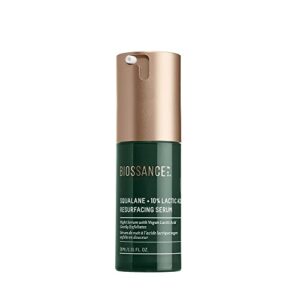
If mandelic-lactic feels like a warm-up, this serum is the real overnight repair session. At 10% lactic acid blended with squalane and clover extract, it resurfaces while cushioning your barrier against UV and pollution stress—smart engineering for combination skin.
It runs $65-68 for 1 fl oz, no small ask. But dermatologists note visible texture improvement within 1-2 weeks, and that squalane base means you wake up dewy, not tight or flaky.
| Best For | Combination skin types looking for a nightly resurfacing treatment that improves texture and fine lines without sacrificing hydration. |
|---|---|
| Exfoliant Type | Lactic Acid |
| Fragrance Free | Unspecified |
| Sun Sensitivity | Increased |
| Skin Barrier Support | Clover Extract |
| Price | $68 |
| Product Size | 1.0 oz |
| Additional Features |
|
- 10% lactic acid delivers visible texture improvement in just 1–2 weeks
- Squalane base keeps skin moisturized and dewy instead of tight or flaky
- Clover extract helps support the skin barrier against UV, blue light, and pollution
- Premium price of $65–68 for just 1 fl oz may not fit every budget
- Increases photosensitivity, so daily sunscreen is a must the next day
- May irritate very sensitive or compromised skin, so a patch test is recommended
3. Rice Enzyme Brightening Cleanser
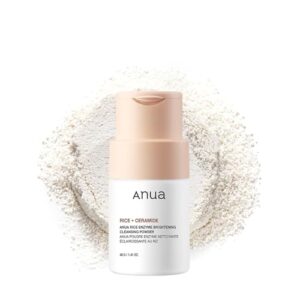
Not every gentle exfoliant comes in liquid form. This powder-to-foam cleanser mixes rice extract, papain enzyme, and alpha arbutin for brightening, then adds ceramides and glycerin so your barrier isn’t left gasping.
At $15.90 for 1.41 fl oz, it’s a low-commitment way to test enzymatic exfoliation. Use it 1-3 times weekly as a mask, or daily as a cleanser if skin tolerates it. Fair warning: the fermented rice scent isn’t for everyone, and some users notice breakouts with daily use.
| Best For | Anyone with dull, textured skin who wants a gentle brightening cleanser or mask that still respects a sensitive or dry barrier. |
|---|---|
| Exfoliant Type | Rice Powder/Arbutin |
| Fragrance Free | Unspecified |
| Sun Sensitivity | Not Specified |
| Skin Barrier Support | Ceramides/Allantoin |
| Price | $15.90 |
| Product Size | 1.41 fl oz |
| Additional Features |
|
- Combines rice powder and alpha-arbutin to smooth texture and visibly brighten complexion
- Ceramides, allantoin, and glycerin help keep skin hydrated and barrier-supported during exfoliation
- Versatile, spill-free powder format works as either a quick mask or a regular cleanser, great for travel
- Daily use can lead to over-exfoliation, so it’s best kept to 1-3 times a week for most people
- The fermented rice scent may not appeal to those sensitive to fragrance
- Some users report breakouts with daily cleansing, suggesting mask-only use may work better for reactive skin
4. Ordinary Lactic Acid Hyaluronic Serum
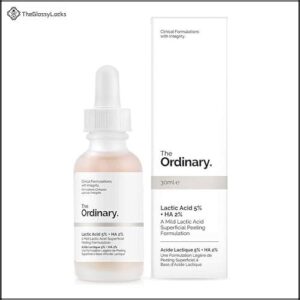
If you’re new to acids or your skin leans dry, this is where to start. The formula pairs 5% lactic acid with 2% hyaluronic acid in a lightweight, water-based serum that exfoliates while it hydrates, so you skip the tight, flaky aftermath other AHAs cause.
At $8 for 30 mL, it’s the most affordable way to test the waters. Apply nightly after cleansing, 2-3 times weekly at first, and always follow with sunscreen the next morning.
| Best For | People new to chemical exfoliants or those with dry, sensitive skin who want gentle texture improvement without harsh irritation. |
|---|---|
| Exfoliant Type | Lactic Acid |
| Fragrance Free | Unspecified |
| Sun Sensitivity | Increased |
| Skin Barrier Support | Pepperberry Extract |
| Price | Not Specified |
| Product Size | 1.06 oz |
| Additional Features |
|
- Combines 5% lactic acid with 2% hyaluronic acid for exfoliation and hydration in one step
- Tasmanian pepperberry extract helps soothe and calm the skin during exfoliation
- Lightweight, water-based formula suits nightly use without leaving skin tight or flaky
- Increases sun sensitivity, so daily sunscreen the next morning is a must
- May cause mild tingling or redness for those with very sensitive skin
- Not strong enough for users seeking a more intense exfoliation
5. AmLactin KP Bumps Cream
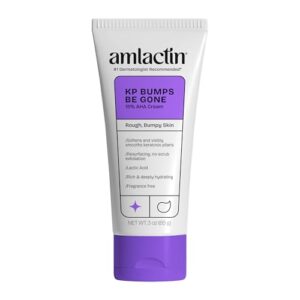
Those rough, sandpapery bumps on your arms? That’s keratosis pilaris, and AmLactin’s KP Bumps Cream targets it with a 15% lactic acid Ultraplex mix (ammonium, potassium, and sodium lactate working together).
Since these bumps often show up on thighs too, pairing this treatment with simple habits for smoother, bump-free legs can help you tackle rough patches all over.
Glycerin and petrolatum keep hydration locked in, so exfoliation doesn’t leave skin parched. It’s rinse-free, fragrance-free, and absorbs without greasy residue.
Apply once daily after showering. Expect gradual smoothing, not overnight miracles, and patch-test first since this concentration sits well above facial-strength lactic acid.
| Best For | Anyone dealing with rough, bumpy keratosis pilaris on their arms, legs, or thighs who wants a fragrance-free, no-scrub option that also works for dry or flaky skin. |
|---|---|
| Exfoliant Type | Lactic Acid |
| Fragrance Free | Yes |
| Sun Sensitivity | Not Specified |
| Skin Barrier Support | Hydration Focus |
| Price | Not Specified |
| Product Size | 3 oz |
| Additional Features |
|
- 15% lactic acid gently exfoliates while smoothing KP bumps over time
- Fast-absorbing, non-greasy formula that’s dye-free, paraben-free, and fragrance-free
- Gentle enough for daily use on both adults and children after showering
- Costs more than many comparable body creams of similar size
- Some users notice mild tingling or short-term irritation
- Results tend to build gradually rather than show up right away
6. Ordinary Lactic Acid Exfoliating Serum
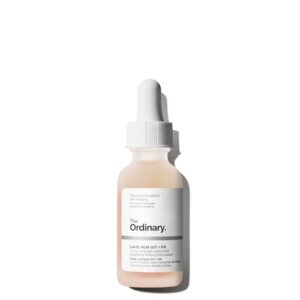
Think of this one as the entry-level option before you graduate to the KP cream’s intensity. The 10% lactic acid version delivers noticeable resurfacing for normal-to-oily skin, while pairing with hyaluronic acid to offset dryness.
At $8, it’s tough to beat for value. Layer it into your routine slowly, though: this concentration sits above what most beginners should start with, so patch-test first and watch how your skin responds before increasing frequency.
| Best For | People with dry skin looking for a gentle yet effective chemical exfoliant to smooth texture and even out tone as part of their nightly routine. |
|---|---|
| Exfoliant Type | Lactic Acid |
| Fragrance Free | Unspecified |
| Sun Sensitivity | Increased |
| Skin Barrier Support | Pepperberry Extract |
| Price | Not Specified |
| Product Size | 1 fl oz |
| Additional Features |
|
- Combines 10% lactic acid with hyaluronic acid to exfoliate while keeping skin hydrated
- Lightweight, water-based formula with no oil, alcohol, silicone, or greasy residue
- Tasmanian pepperberry extract helps calm irritation while smoothing flaky patches and reducing redness
- High acid concentration may cause stinging or burning for those with sensitive skin
- Increases sun sensitivity, so daily sunscreen is a must
- Beginners to acids should start with a lower 5% concentration before working up to this strength
7. CeraVe Salicylic Acid Lotion
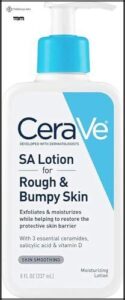
Grab this one when the bumps show up on your arms, not your face. It pairs salicylic acid with lactic acid to clear clogged pores while smoothing texture, and three ceramides keep the barrier intact so you’re not trading roughness for irritation.
Fragrance-free and non-comedogenic, it’s a solid pick for sensitive, acne-prone body skin. Start once daily, watch for tingling, and remember: body only, never your face.
| Best For | Anyone dealing with rough, bumpy skin on their arms or legs who wants gentle, consistent exfoliation without upsetting sensitive or acne-prone skin. |
|---|---|
| Exfoliant Type | Salicylic/Lactic Acid |
| Fragrance Free | Yes |
| Sun Sensitivity | Not Specified |
| Skin Barrier Support | Ceramides |
| Price | Not Specified |
| Product Size | 8 oz |
| Additional Features |
|
- Combines salicylic acid and lactic acid to smooth texture and clear rough, bumpy skin
- Three ceramides help restore and maintain the skin barrier, reducing risk of irritation
- Fragrance-free, non-comedogenic, and pH-balanced, making it safe for daily use on sensitive skin
- Not formulated for facial use — body only
- May cause mild tingling or irritation for first-time users
- Not suitable for those allergic to salicylic acid, ceramides, or related ingredients
8. AmLactin Calm Renew Lotion
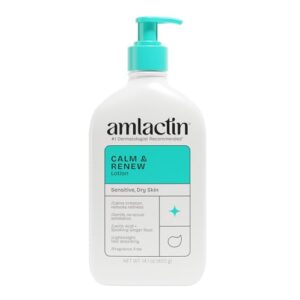
Fragrance-free and clinically shown to work after one use, this lotion pairs lactic acid with soothing ginger root and bisabolol to calm redness while it exfoliates—no scrubbing required.
It’s a great everyday option for sensitive, reactive skin that still craves smoother texture. Use it on face or body, ideally after cleansing, and let the humectant-rich formula attract moisture as it works.
Pair it with a fragrance-free moisturizer, and you’ve got a routine that treats irritation and texture in one gentle step.
| Best For | People with dry, sensitive, or easily irritated skin who deal with redness, post-shave discomfort, or rough patches like keratosis pilaris. |
|---|---|
| Exfoliant Type | Lactic Acid |
| Fragrance Free | Yes |
| Sun Sensitivity | Not Specified |
| Skin Barrier Support | Ginger Extract |
| Price | Not Specified |
| Product Size | 14.1 oz |
| Additional Features |
|
- Gently exfoliates with lactic acid while ginger root and bisabolol calm redness and irritation
- Fragrance-free, non-greasy formula that’s free of dyes, parabens, and phthalates
- Versatile enough for daily use on both face and body
- Only sold in one 14.1 oz size, with no travel-friendly option
- May cause mild tingling on skin that’s already severely compromised
- Not suitable for broken skin or infected lesions
Best Options by Skin Type

Not all skin types react the same way to lactic acid, and that’s exactly why picking the right formula matters so much.
Your skin’s specific needs, whether that’s calming redness, fighting breakouts, or smoothing rough patches, should guide which product ends up in your routine.
Here’s how to match the best option to what your skin is actually asking for.
Sensitive Skin Picks
If your face flushes at the sight of a new serum, low-concentration lactic acid is your safest bet—it exfoliates gently while minimizing redness.
5 must-haves:
- Fragrance-free formulas
- Hyaluronic acid for hydration
- Soothing botanicals like chamomile
- Barrier-repairing ceramides
- Start 1-2x weekly, patch test first
Your skin barrier stays protected, not stripped. Daily use of a mineral sunscreen recommendation helps prevent UV‑triggered irritation.
Dry Skin Options
Dry, flaky patches need moisture, not scrubbing. Lactic acid works as a humectant, pulling water into skin while it exfoliates—no tight, stripped feeling afterward.
| Product | Key Ingredient | Benefit |
|---|---|---|
| The Ordinary Serum | 5% Lactic + Hyaluronic Acid | Deep hydration |
| Biossance Night Serum | 10% Lactic + Squalane | Barrier support |
| AmLactin Cream | 15% Lactic Acid | Smooths rough patches |
Pair with hyaluronic acid for hydrating exfoliation that actually nourishes.
Acne-prone Skin Choices
Breakouts and exfoliation can feel like a tightrope walk, but lactic acid keeps things gentle. Mandelic-lactic blends fight acne without over-drying, while 6% Mandelic + 2% Lactic refines texture and fades hyperpigmentation.
Skip layering with salicylic acid same-day—alternate instead. Choose lightweight serums over heavy creams, and always pair with oil-free moisturizer and sunscreen to keep acne-prone skin calm, clear, and comfortable.
Body Bump Treatments
Elbows, knees, and thighs feel rough? That’s follicular roughness—AmLactin KP Bumps Be Gone Cream uses 15% lactic acid to smooth keratosis pilaris fast.
- Apply nightly to clean, dry skin
- Follow with moisturizer if needed
- Start every-other-day, increase gradually
- Watch for redness or stinging
Consistent body exfoliation, not harsh scrubbing, wins this fight. Patience beats intensity here.
Mature Skin Concerns
Collagen loss and slower cell turnover show up as fine lines, dullness, and stubborn pigmentation. Good Genes pairs biobased lactic acid with licorice root, and Dr. Engelman notes visible smoothing within minutes.
Lactic acid helps elasticity and hydration simultaneously, unlike harsher AHAs. For thinning, barrier-compromised skin, that gentleness matters more than aggressive resurfacing—your anti-aging routine should rebuild, not strip.
Lactic Acid Concentration Guide
Choosing the right lactic acid percentage can feel confusing when every product label seems to promise something different.
The truth is, your ideal strength depends on your skin type, your experience level, and even where on your body you’re applying it. Here’s exactly what you need to know to pick your perfect match.
Beginner-friendly Percentages
Percentages just mean "parts per hundred," so a 5% lactic acid serum contains five parts active acid per hundred parts total.
Beginners should start here, using it 2-3 times weekly.
That gentle exfoliation lets skin build tolerance gradually, pairing beautifully with hyaluronic acid to keep sensitive skin hydrated while smoothing texture, without overwhelming your barrier before you’re ready for stronger stuff.
Face Versus Body Use
Here’s the thing your elbows and your face don’t share: skin thickness.
Your face and your elbows don’t share the same skin thickness, so they shouldn’t share the same lactic acid strength
Facial skin has a thinner stratum corneum, so stick to 5-10% lactic acid there.
Body zones like elbows tolerate up to 15%, like AmLactin’s KP formula, because thicker skin takes stronger exfoliation without compromising your skin barrier or triggering excess UV sensitivity.
Weekly Usage Frequency
Rarely does more frequency mean better results with a gentle exfoliator—consistency beats intensity every time. Start once weekly, then adjust by skin type:
- Sensitive skin: 1x/week
- Normal/dry: 2x/week
- Oily skin: 1-2x/week
- Mature skin: 2x/week
Watch for flaking or redness before increasing. Seasonal shifts (hello, winter dryness) often mean dialing frequency back down.
Signs of Over-exfoliation
Persistent redness that lingers past an hour, along with stinging or tightness, means your barrier’s waving a white flag. Flaking, rough patches, or sudden acne flareups signal overexfoliation risks, too.
If yesterday’s glow turns into today’s dehydration or dermal irritation, pause exfoliating entirely and focus on skin barrier protection until sensitivity fades—usually a few days of rest.
When to Patch Test
Skip a step, pay for it later—patch testing isn’t optional once you’re above 10% lactic acid.
Dab product behind your ear or on your inner arm, then wait 24 hours (longer if you’re prone to delayed reactions). No redness or itching? Test your jawline next.
Planning for an event? Give yourself 48 hours minimum before showtime, since sensitive skin doesn’t always react on day one.
Gentle Ingredient Pairings
Lactic acid doesn’t have to work alone, and honestly, it works best when it doesn’t. Pairing it with the right ingredients can soften the exfoliation process while boosting hydration and calming your skin at the same time. Here are the gentle sidekicks worth looking for on your next label check.
Hyaluronic Acid Hydration
Ever wonder why lactic acid serums feel plumping instead of drying? Pair it with hyaluronic acid, which binds up to 1,000 times its weight in water, and you’ve got a gentle chemical exfoliant that hydrates while it works.
This water-binding power cushions sensitive skin, boosts barrier strength, and leaves you dewy—not tight—right after application.
Squalane Barrier Support
Think of squalane as the peacekeeper in your routine—it slips right into your skin’s lipid matrix, reinforcing your barrier while Lactic Acid exfoliates.
This duo (like in Biossance’s serum) means preventing moisture loss even during active resurfacing.
Squalane’s non-comedogenic barrier repair and oxidation stability make it safe for sensitive skin, enhancing active absorption without triggering breakouts or irritation.
Mandelic Acid Balance
Squalane guards your barrier, but if lactic acid still feels like too much, mandelic acid offers a gentler chemical exfoliant with a bigger molecule that absorbs slower.
That slow absorption means less irritation for sensitive skin, plus real help fading hyperpigmentation.
Look for beginner formulas around 5-10%, blended with glycerin for hydration—it’s balance, not compromise, for skin-type-specific serums that still deliver results.
Soothing Botanical Extracts
Sensitive skin thrives when lactic acid teams up with calming botanicals like chamomile, calendula, and Tasmanian pepperberry, which curb redness and support barrier repair.
Green tea polyphenols fight environmental stress, while aloe vera adds instant cooling comfort.
- Chamomile: reduces irritation
- Calendula: locks in moisture
- Tasmanian pepperberry: calms reactivity
- Aloe vera: cools instantly
Together, they turn a gentle chemical exfoliant into a genuinely soothing ritual.
Fragrance-free Formulas
Botanicals soothe, but hidden fragrance ingredients can undo that work fast. Even "natural" essential oils are top sensitive skin allergens, and fragrance masking agents hide under vague labels.
Choose fragrance-free lactic acid formulas with true ingredient transparency—no perfume, no masking, just scent neutral textures supporting skin barrier repair. Your gentle chemical exfoliant should calm, never trigger.
Safe Lactic Acid Routine Tips
Picking the right product is only half the equation—how you use it matters just as much. A few simple habits can mean the difference between glowing skin and an angry, irritated complexion. Here’s exactly how to fold lactic acid into your routine safely.
Nighttime Application Steps
Ever notice how your skin feels different at night? That’s your cue to work with it, not against it.
- Cleanse with lukewarm water, massaging 20-30 seconds
- Press toner in—don’t rub—then wait 30 seconds
- Apply lactic acid serum to dry skin, pause 60 seconds
- Seal with a ceramide-rich moisturizer for barrier support
This layering order helps your hydrating exfoliator actually absorb instead of sliding off.
Actives to Avoid Mixing
Just because two actives are gentle alone doesn’t mean they play nice together.
Mixing actives like lactic acid with retinoids or benzoyl peroxide invites trouble—retinoid overlap heightens irritation, while benzoyl peroxide oxidizes vitamin C, slashing its potency.
Stacking alpha hydroxy acids compounds skin barrier damage, especially on sensitive skin.
Keep your lactic acid solo, save strong pairings for different nights.
Sunscreen After Exfoliation
Skip sunscreen after exfoliating and you’re basically undoing every bit of progress you just made—freshly treated skin is far more prone to photosensitivity and hyperpigmentation.
Stick to these basics:
- Apply broad-spectrum SPF 30+ after moisturizing
- Reapply every two hours outdoors
- Cover missed spots—nose, hairline, ears
Mineral formulas with zinc oxide often feel gentlest on reactive, freshly exfoliated skin.
Accutane and Tretinoin Cautions
If you’re on isotretinoin (Accutane), skip lactic acid entirely unless your prescriber says otherwise—your skin’s already dealing with intense dryness, mucosal sensitivity, and heightened sun sensitivity.
Layering retinoids increases irritation risk, and extra vitamin A can trigger toxicity symptoms like nausea or headaches.
Watch for serious side effects—severe abdominal pain, vision changes, or mood shifts—and report them immediately. Your skin barrier needs gentleness, not more exfoliation.
Rosacea-friendly Considerations
Rosacea and lactic acid can coexist beautifully—if you’re strategic. Sun exposure is the top trigger, so nonnegotiable SPF 30+ comes first.
Patch test on your neck before facial use, and stop immediately at burning or stinging—these are irritation signals, not "purging." Choose fragrance-free formulas (fragrance triggers flares in 30% of patients per NRS data) and support your skin’s microbiome for calmer, more resilient results long-term.
Frequently Asked Questions (FAQs)
Is lactic acid a gentle exfoliator?
Yes — its larger molecular size slows penetration into skin, reducing sting compared to other alpha hydroxy acids. Acting as a humectant, it exfoliates while preserving your barrier, making it a genuinely gentle chemical exfoliation choice for sensitive skin.
Can I use a gentle exfoliator while on accutane?
Isotretinoin already thins your skin barrier, so chemical exfoliation carries real risk. A low-percentage lactic acid, used sparingly, may be tolerable—but check with your physician first, since Accutane dryness varies widely person to person.
Can I layer lactic acid with tretinoin?
Technically, but spacing application times matters most—use tretinoin one night, lactic acid the next. This builds exfoliant tolerance without overwhelming your skin barrier, managing irritation risks while still supporting a consistent, sensitive-skin-friendly skincare routine.
Which exfoliator is best for rosacea?
For reactive skin prone to flushing, Paula’s Choice 6% Mandelic + Lactic combination wins out—low-concentration exfoliation minimizes stinging beautifully.
Reactive, redness-prone complexions thrive on gentle, hydration-focused formulas that avoid inflammatory triggers while still smoothing texture without compromising your skin’s fragile barrier.
Can lactic acid help fade dark spots?
Definitely, dark spots do dwindle with dedication. Melanin turnover speeds up as lactic acid sheds pigmented cells, gradually fading sun damage and post-acne marks—track progress with same-angle photos, since hyperpigmentation improvement happens slowly, not overnight.
Does lactic acid work on active breakouts?
Yes, especially for comedone reduction—it clears clogged pores fueling whiteheads and blackheads.
Expect possible purging first.
Skip open lesions, ease inflammation gently, and always follow with SPF to prevent post-breakout marks and hyperpigmentation on sensitive, acne-prone skin.
Is lactic acid safe during pregnancy?
Nobody’s pregnancy cravings ever include "extra AHA exposure," yet here we are, googling anyway. Low-strength, leave-on lactic acid is generally fine, but skip harsh peels, patch test first, and always ask your dermatologist before adding new actives.
Can I use lactic acid around my eyes?
Best to keep it off your lash line entirely—periocular skin is thinner and prone to stinging. Dab formulas near cheekbones instead, avoiding acid migration toward the orbital rim, and rinse immediately if irritation hits.
How long until lactic acid shows results?
Rome wasn’t built in a day, and neither is your glow-up. Skin texture can feel smoother within minutes, but true skin renewal—less dullness, fading hyperpigmentation—needs a full skin cycle, roughly 4 to 6 weeks of consistent, gentle use.
If tired, puffy eyes are part of your skin story too, a ceramide-rich formula like the one in this Paula’s Choice Clinical Ceramide Firming Eye Cream review can help rebuild that fragile barrier over time.
Conclusion
Slow and steady wins this race. Your skin doesn’t need aggressive acids to transform, just consistency and the right match for your barrier.
Whether you land on a 5% hyaluronic serum or a 15% body cream, the best lactic acid exfoliant gentle option is the one you’ll actually stick with.
Smoother texture, calmer breakouts, fewer flare-ups: that’s the real payoff. Start low, go slow, and let your glow build patiently, not painfully.