This site is supported by our readers. We may earn a commission, at no cost to you, if you purchase through links. This content is for general informational and educational purposes only and is not a substitute for professional medical, dermatological, or nutritional advice.
Not all protein scoops are created equal. One tub delivers 25 grams of clean, fast-digesting fuel; another hides fillers, sugars, or a mediocre amino acid profile behind flashy marketing. That gap matters more than most lifters realize.
Your muscles don’t respond to protein content alone. They respond to leucine levels, purity, and how well a formula fits your body’s digestion and dietary needs. Grass-fed whey, collagen blends, egg white powders — each brings a different mechanism to the recovery table.
Below, you’ll find eight standouts, evaluated on the science that actually drives muscle protein synthesis.
Table Of Contents
- Key Takeaways
- Top 8 Protein Powders for Muscle Gain
- How We Evaluated Protein Powders
- Best Protein Types for Muscle Gain
- Protein Powder Timing and Dosage
- Choosing Protein for Dietary Needs
- Frequently Asked Questions (FAQs)
- Which powder is best for muscle gain?
- What are the top 3 protein powders?
- Which protein is no 1 for muscle gain?
- Do protein powders really work for muscle growth?
- Are proprietary blends safe to use regularly?
- Can too much protein powder cause weight gain?
- Is third-party testing necessary for protein supplements?
- Should teen athletes use protein powder supplements?
- Conclusion
Key Takeaways
- Protein quality depends less on total grams and more on leucine content, purity, and how well it fits your digestion, so a 25g scoop isn’t automatically better than a 20g one.
- Whey hits the 2.5g leucine threshold needed to trigger muscle protein synthesis in just one scoop, while plant proteins like pea need much larger servings to catch up.
- Timing your protein matters: aim for 20-30g within 30-60 minutes after training, and consider a slow-digesting option like casein before bed to support overnight recovery.
- Dairy-free and low-sugar options (like egg white, bone broth, or lactose-free whey) let you hit your daily protein target of 1.6-2.2g per kg without sacrificing quality or triggering digestive issues.
Top 8 Protein Powders for Muscle Gain
Not every protein powder pulls its weight when muscle gain is the goal. You need options that hit real protein targets without hidden fillers or empty label claims. Here are eight formulas worth putting on your shelf.
If weight management is also on your radar, check out this rundown of the best protein powders for weight loss for picks that balance lean protein with fewer added calories.
1. Naked Whey Protein Powder 5LB
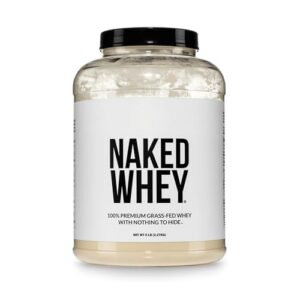
When purity is the goal, Naked Whey keeps things simple: one ingredient, no additives, no fillers. Each serving delivers 25g of protein and 61 servings per 5lb bag.
Cold-processed and undenatured, it preserves the whey’s natural amino acid profile, including BCAAs that fuel recovery. Expect a strong dairy flavor and some clumping unless you whisk it well. For lifters who want minimal ingredients and maximum transparency, it’s a dependable staple.
| Best For | Fitness-focused individuals who want a minimal-ingredient, high-purity protein source to support muscle recovery and daily protein intake. |
|---|---|
| Protein Source | Grass-fed whey concentrate |
| Protein Per Serving | 25g |
| Gluten Free | Yes |
| Container Size | 5 lb |
| Servings Per Container | 76 |
| Mixing Consideration | Needs mechanical mixing |
| Additional Features |
|
- Just one ingredient—100% grass-fed whey protein concentrate, no additives or fillers
- 25g of protein and 5.9g BCAAs per serving to support muscle growth and recovery
- NSF Certified, cold-processed, and undenatured for quality and purity you can trust
- Strong natural dairy flavor may stand out in some drinks or recipes
- Tends to clump, so it needs thorough mechanical mixing like an electric whisk
- Creates noticeable foam when blended, which isn’t ideal for everyone
2. Orgain Organic Vegan Chocolate Protein Powder
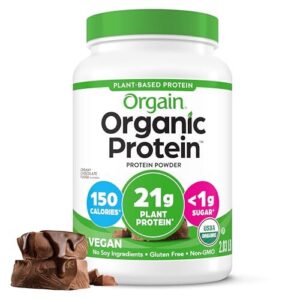
If dairy isn’t part of your plan, Orgain’s chocolate mix fills that gap. Each serving packs 21g of organic protein from peas, brown rice, and chia seeds, plus 7g of prebiotic fiber to support digestion.
There’s zero added sugar and no artificial sweeteners, which keeps blood sugar steadier post-workout. Some users notice a slightly chalky texture in water alone; almond milk smooths it out. At 150 calories per serving, it’s a solid pick for vegan lifters building muscle without compromising on ingredient transparency.
| Best For | Vegan and dairy-free lifters who want a clean, plant-based protein to support muscle recovery without artificial ingredients. |
|---|---|
| Protein Source | Pea/rice/chia/mung bean |
| Protein Per Serving | 21g |
| Gluten Free | Yes |
| Container Size | 2.03 lb |
| Servings Per Container | 20 |
| Mixing Consideration | Chalky texture |
| Additional Features |
|
- 21g of organic plant-based protein per serving supports muscle recovery and daily protein goals
- 7g of prebiotic fiber aids digestion and promotes satiety with zero added sugar
- USDA Organic, non-GMO, and free from dairy, soy, and artificial sweeteners or preservatives
- Can taste chalky when mixed with water alone
- Higher calorie count (150 per serving) than some competing protein powders
- Scoop can be hard to find in the container due to settling
3. Collagen Whey Protein Powder
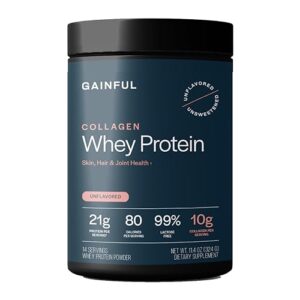
For lifters who want joints and muscles working together, this formula pairs whey isolate with grass-fed collagen peptides, delivering 22g of protein per 30g scoop, 44% of a 2,000-calorie daily value.
Vanilla-flavored with stevia, it dissolves cleanly in cold water and adds 5g of hydrolyzed collagen alongside 2.1g leucine. Micro-filtered whey keeps lactose minimal, though dairy-sensitive users should still proceed cautiously. At 120 calories per serving, it’s a smart dual-purpose option for recovery and connective tissue support.
| Best For | This product is best for lifters and active individuals looking to support muscle recovery and joint/skin health with a clean, unflavored protein blend. |
|---|---|
| Protein Source | Whey isolate + collagen |
| Protein Per Serving | 21g |
| Gluten Free | Yes (implied) |
| Container Size | 11.4 oz |
| Servings Per Container | Not specified |
| Mixing Consideration | Clumps in hot drinks |
| Additional Features |
|
- Combines whey protein isolate with grass-fed collagen peptides for both muscle and connective tissue support
- Unflavored with no artificial additives, making it easy to mix into cold drinks, smoothies, or recipes
- Contains vitamin C to help support joint and skin health
- May clump and not dissolve fully when used in hot beverages
- Container may appear partially filled due to settling of ingredients
- Not recommended for those with dairy sensitivities, despite being virtually lactose-free
4. Premium Chicken Bone Broth Powder
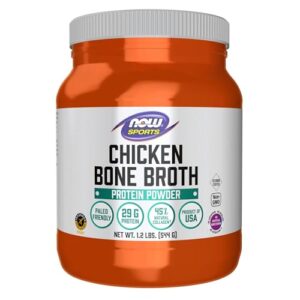
Not everyone tolerates dairy well, and this option skips it entirely. Each 30g scoop delivers 25g of protein from chicken bone broth, along with 10g collagen and 2.5g glycine for joint and gut support.
At 120 calories with zero lactose and zero added sugar, it dissolves fast and suits paleo or allergen-sensitive diets. The catch: flavor is mild and savory, not sweet, so it works better in soups than smoothies.
| Best For | Athletes, active individuals, and anyone on a paleo or dairy-free diet who wants an easy way to add extra protein and collagen to soups, stews, and sauces. |
|---|---|
| Protein Source | Chicken bone extract |
| Protein Per Serving | 29g |
| Gluten Free | Yes |
| Container Size | 1.2 lb |
| Servings Per Container | Not specified |
| Mixing Consideration | Needs hot water mixing |
| Additional Features |
|
- Delivers 29g of protein and 45% naturally occurring collagen per serving from premium chicken bone extract
- Free of artificial ingredients, common allergens, and dairy, making it paleo-friendly and GMP-certified
- Versatile enough to mix into soups, stews, sauces, rice, or even pet meals
- Unflavored and bitter on its own, so it’s best combined with other foods or seasonings
- Needs hot water and careful mixing to avoid clumping
- Not suited for sipping straight as a broth due to its strong taste
5. Grass Fed Whey Isolate
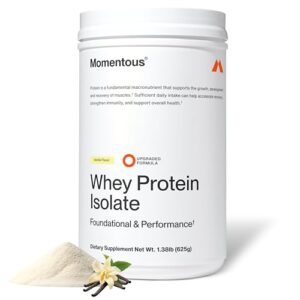
Cold microfiltration at 4°C keeps this isolate’s structure intact, delivering 25-28g of protein per 30g scoop with 90-95% purity and under 1% lactose.
If you’re new to whey isolates, this beginner’s guide to protein powders breaks down why that low lactose content matters for digestion.
Grass-fed sourcing bumps CLA content 2-3x higher than conventional whey, and hydrolyzed peptides hit your bloodstream fast, absorbing within 30 minutes for a 15-20% higher amino acid spike than standard whey.
NSF-certified and CGMP-produced, it’s built for lifters who want verified purity without lactose bloat holding back recovery.
| Best For | Fitness enthusiasts and lifters following a clean-eating routine who want a premium, easily digestible protein to support lean muscle growth and post-workout recovery. |
|---|---|
| Protein Source | Grass-fed whey isolate |
| Protein Per Serving | 20g (90%+) |
| Gluten Free | Yes |
| Container Size | 1.38 kg |
| Servings Per Container | 25 |
| Mixing Consideration | Mixes smoothly |
| Additional Features |
|
- Made from grass-fed, pasture-raised European dairy with no rBST hormones, and cold-processed to preserve 90% protein per serving
- Includes the ProHydroase enzyme blend to improve protein absorption and digestion
- Mixes easily into water, almond milk, or smoothies, with a natural vanilla flavor and no artificial sweeteners
- Priced higher than standard whey concentrates
- Not intended as a meal replacement, so it should only supplement a balanced diet
- Contains dairy and monk fruit sweetener, making it unsuitable for vegans or those with dairy allergies
6. Chocolate Egg White Protein Powder
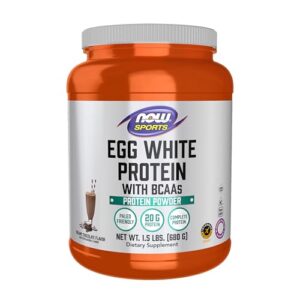
For anyone avoiding dairy entirely, egg white powder solves the problem without sacrificing amino acid quality. This chocolate formula delivers 20g of protein per serving, built on egg whites that are pasteurized to deactivate avidin, so biotin absorption isn’t compromised.
It’s naturally rich in BCAAs and dairy-free, making it a solid pick for lactose-intolerant lifters or anyone building muscle on a low-fat diet.
Mixing works best in warm liquids, since cold beverages can cause clumping.
| Best For | Lactose-intolerant lifters, vegetarians, and anyone on a low-fat diet who wants a dairy-free way to hit their protein goals. |
|---|---|
| Protein Source | Egg white protein |
| Protein Per Serving | 20g |
| Gluten Free | Yes (implied) |
| Container Size | 1.5 lb |
| Servings Per Container | Not specified |
| Mixing Consideration | Clumps in cold liquids |
| Additional Features |
|
- Delivers 20g of high-quality protein per serving with a PDCAAS score of 1.0
- Naturally rich in BCAAs to support muscle recovery and growth
- Dairy-free and low-fat, making it easy on digestion for those avoiding lactose
- Can clump in cold liquids, so it’s best mixed into warm or blended drinks
- Chocolate flavor won’t suit those who prefer unflavored protein
- Some users have reported digestive discomfort like gas or bloating
7. Chocolate Whey Protein Powder
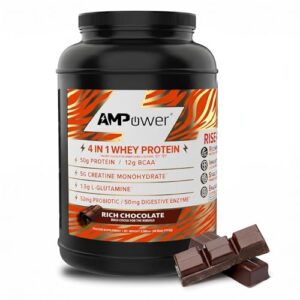
Chocolate cravings and muscle goals don’t have to compete. This formula packs 24g of protein into a 31.1g scoop, using micro-filtered whey isolate for over 90% purity and fast digestion within 30 minutes.
Sweetened with sucralose and acesulfame potassium, it keeps sugar at just 2g while delivering 2.2g of leucine to drive muscle protein synthesis.
Mix one scoop with 200ml of water or milk post-workout, and you’ve got a lean, effective recovery shake without the chalky aftertaste some blends leave behind.
| Best For | This product is best for fitness enthusiasts who want an all-in-one supplement combining muscle recovery, gut health, and performance support in a single scoop. |
|---|---|
| Protein Source | Grass-fed whey isolate |
| Protein Per Serving | 28g |
| Gluten Free | Yes |
| Container Size | 2.31 lb |
| Servings Per Container | 30 |
| Mixing Consideration | Initial foam |
| Additional Features |
|
- Combines protein, creatine, BCAAs, probiotics, and digestive enzymes for recovery and gut health in one formula
- Made with non-GMO, gluten-free ingredients and no artificial flavors or colors, manufactured in a GMP-certified US facility
- Versatile enough to mix into shakes, coffee, baking, or smoothies for high-protein, low-carb diets
- Chocolate flavor can taste overly sweet with a lingering aftertaste when mixed with water alone
- Serving size instructions referencing two scoops can make dosing confusing
- Smaller container size relative to price may be less cost-effective than bulk protein powders
8. Grass Fed Vanilla Whey Protein
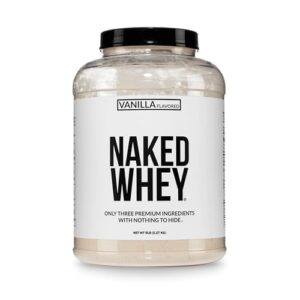
Grass-fed doesn’t just sound wholesome, it changes the amino acid profile slightly, often boosting CLA content compared to conventional whey.
This vanilla formula delivers 25g protein per scoop with 5g BCAAs, mixed from cows raised without added hormones. Sunflower lecithin aids mixability, and the label stays refreshingly short.
Mix one scoop with 8-12oz of milk or water, shake for 20 seconds, and drink post-workout. Simple, effective, and free of rBST or rGBH residues.
| Best For | This protein powder is best for fitness-minded individuals who want a clean, minimally processed protein source to support muscle recovery without dealing with artificial additives. |
|---|---|
| Protein Source | Whey isolate |
| Protein Per Serving | 25g |
| Gluten Free | Yes |
| Container Size | 2.45 lb |
| Servings Per Container | 30 |
| Mixing Consideration | Can be overly sweet |
| Additional Features |
|
- Made with just three simple ingredients, cold-processed to preserve nutrients
- Delivers 25g of high-quality protein per serving to support muscle recovery and growth
- Non-GMO, soy-free, and gluten-free, fitting a variety of dietary needs
- The mild vanilla flavor may not satisfy those who prefer a stronger taste
- Can cause gas or bloating for people who aren’t used to whey protein
- Not a good fit for anyone with lactose intolerance or dairy allergies
How We Evaluated Protein Powders

Not every protein powder on the shelf earns its spot in your gym bag. To build this list, you need a clear set of standards, not guesswork. Here’s exactly what you’re looking for when you size one up against another.
Protein Per Serving
Not all scoops are created equal. A 30g serving can deliver anywhere from 18 to 25 grams of protein, depending on source and processing—whey isolate leads at 25g, pea concentrate trails at 18g.
Protein Amount Comparison:
- Whey isolate: 25g
- Casein: 24g
- Whey concentrate: 22g
- Soy isolate: 20g
- Pea concentrate: 18g
Scoop weight and caloric content vary too, so check labels for true protein density.
Leucine and BCAA Content
Grams tell half the story—leucine triggers the rest. Muscle protein synthesis switches on near 2.5g of leucine, which a 30g whey serving hits easily (0.08g leucine per gram protein). Pea protein needs 40g to approach that mark.
Look for a 2:1:1 BCAA ratio, mirroring whey’s natural amino acid profile, and consider blending plant sources to close the leucine gap.
Additives and Fillers
The label tells you what’s riding along with your protein. Scan for carbohydrate fillers like maltodextrin, emulsifiers such as soy lecithin, and artificial sweeteners like sucralose or aspartame.
A clean label favors:
- Minimal artificial ingredients
- Natural flavor additives over dyes
- Third-party testing verification
Vitamin fortification can add value, but excess additives dilute what you’re actually paying for.
CGMP Manufacturing Standards
A clean ingredient list means little if the facility behind it cuts corners. That’s why CGMP compliance matters: it requires documented quality control protocols, verified facility hygiene standards, and a strict equipment validation process.
Raw material testing confirms purity before production even starts. Finished product release testing, paired with third-party testing for heavy metal safety, closes the loop on protein manufacturing safety you can trust.
Following current good manufacturing practices ensures consistent quality and safety across all stages of production.
Best Protein Types for Muscle Gain
Not all protein powders work the same way in your body. Each type digests at a different speed and offers its own mix of amino acids. Here’s what you need to know about the five main options.
Whey Protein
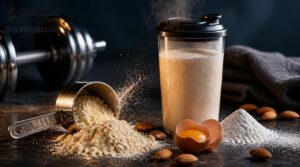
Fuel for growth, fast-absorbing and battle-tested: whey protein remains the top choice for muscle gain.
- Whey isolate benefits: ~90% protein, lower lactose
- Whey concentrate forms: more affordable, retains lactose
- Whey hydrolysate absorption: pre-digested for rapid uptake
- Rich BCAA leucine ratio drives muscle protein synthesis
Paired with resistance training, whey delivers efficient recovery your muscles will thank you for.
Casein Protein
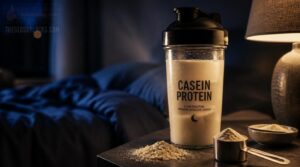
Where whey sprints, casein walks. Its micelle structure slows digestion to roughly a third of whey’s rate, releasing amino acids for 6–8 hours.
Casein’s micelle structure slows digestion to a third of whey’s rate, releasing amino acids for 6-8 hours
| Trait | Whey | Casein |
|---|---|---|
| Digestion | Fast | Slow |
| Best timing | Post-workout | Pre-sleep |
Calcium-binding peptides and steady leucine support overnight muscle recovery, sustaining protein synthesis after resistance training even during sleep.
Plant-Based Protein
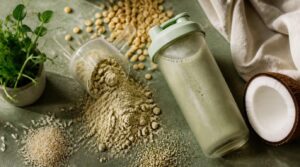
No single plant source covers every essential amino acid, which is why smart formulas pair peas with rice for a complete amino acid profile. Digestibility runs slightly below whey, though sprouting and fermentation narrow that gap.
Look for leucine fortification and added fiber—both boost protein quality and gut comfort. Check labels for soy or pea allergens before you commit.
Egg White Protein

Dairy-free by nature, egg white protein delivers a perfect PDCAAS score of 1.0, with all nine essential amino acids intact. Expect roughly 25g protein per 30g scoop, plus 11.5g leucine per 100g—solid fuel for muscle gain.
Digestive absorption peaks near 94% within four hours. Pasteurization and spray-drying preserve structure, while proper sealing keeps this protein powder shelf-stable and reliable, unlike whey’s shorter storage window.
Bone Broth Protein
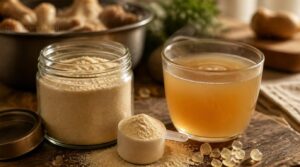
Once dismissed as "just broth," this powder now earns real respect in muscle gain circles.
- 5g gelatin per 30g serving, gelling smoothly for gut support
- Type I, II, and III collagen, hydrolyzed to 3,000 Da for fast absorption
- 300mg calcium, plus magnesium and potassium
- 2g glycine, 0.8g leucine per serving, aiding protein synthesis and recovery
Digestion finishes within 30 minutes—efficient fuel without dairy-related discomfort.
Protein Powder Timing and Dosage
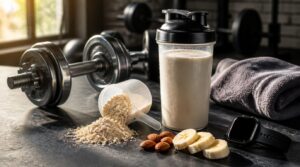
When you take your protein matters almost as much as what’s in it. Timing your intake around workouts and meals can make a real difference in how your body uses it. Here’s what you need to know about when and how much to take.
Daily Protein Requirements
How much protein do you actually need? Aim for 1.6 to 2.2 g/kg daily—for a 70-kg lifter, that’s 112–154g.
| Body Weight | Daily Protein | Per Meal (4-5x) |
|---|---|---|
| 60 kg | 96-132g | 24-33g |
| 70 kg | 112-154g | 28-38g |
| 90 kg | 144-198g | 36-49g |
Seniors need 1.0–1.2 g/kg; vegans often push toward 2.0 g/kg for ideal leucine threshold intake.
Post-Workout Protein
Your muscles are primed right after training—don’t waste it. Hit the timing window within 30-60 minutes post-workout, ideally around 45 minutes, for peak muscle protein synthesis.
Take 0.25-0.40 g/kg bodyweight as your protein dose—about 20-28g for most lifters. Make sure 2.5g leucine threshold minimum; a whey protein isolate scoop often delivers this easily for postworkout nutrition.
Pre-Workout Protein
Timing matters as much as the shake itself. Have 20-30 grams of protein 30-60 minutes pre-training; whey isolate peaks in your blood within 30 minutes.
- 25g for 70-85kg lifters
- Pair with carbs for faster emptying
- Add creatine—no digestion interference
- Use 200-300ml water
- Skip heavy meals within 2 hours
Casein Before Bed
While whey fuels your workout, casein protein owns the night shift. Its slow digestion rate forms a gel that releases amino acids for 6-8 hours, driving overnight muscle synthesis up 30-40%.
Take 25-30g, 30 minutes before lights out. Chocolate or vanilla casein mixes smoothly for easy nighttime protein—turning sleep recovery into another rep toward muscle gain.
Protein Between Meals
Nighttime coverage takes care of one gap—but daytime hours between meals matter just as much. A snack delivering 20-30g protein maximally triggers muscle protein synthesis, keeping amino acid levels steady and blunting blood sugar swings.
Space snacks 3-4 hours apart. Pairing protein with fiber or healthy fat slows absorption, extending satiety while supporting steady muscle gain between meals.
Choosing Protein for Dietary Needs
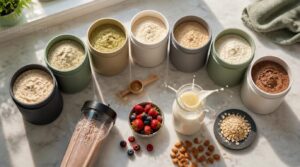
Not every protein powder fits every body, and dietary restrictions shouldn’t force you into a formula that doesn’t work for you. Whether you’re avoiding dairy, following a vegan diet, or watching your sugar intake, the right match exists. Here’s what to look for before you commit to a tub.
Lactose-Free Options
If dairy leaves you bloated, don’t abandon your gains—switch strategies instead.
- Lactose Free Whey Isolate: 25g protein, 0.2g lactose
- Hydrolyzed whey: 26g protein, absorbed in 15 minutes
- Lactose Free Casein: 24g protein, overnight release
- NSF Lactose-Free Certification verifies ELISA-tested purity
- Look for CGMP-compliant, dairy-free labels
Whey protein isolate and hydrolyzed forms suit lactose intolerance without sacrificing muscle-building power.
Vegan Protein Powders
Skipping dairy entirely? Vegan protein powders lean on pea, brown rice, or soy protein, often blended to round out amino acid profile since pea alone runs low on methionine. Soy adds more complete essential amino coverage.
Check labels for mixability additives like xanthan gum, allergen labeling for soy or tree nuts, and third-party testing confirming purity for plant-based protein powder for muscle building.
Low-Sugar Formulas
Sugar hides in more protein powders than you’d think. Low-sugar formulas swap it for stevia or monk fruit with erythritol, cutting calories to roughly 90–110 per serving versus 150–170 in regular whey.
- Net carbs usually under 5g
- Erythritol: 0.24 calories/gram
- Sugar alcohols listed separately on labels
- Total sugars usually below 2g
- Citric acid brightens flavor, masks aftertaste
Check labels—transparency matters for muscle gain progress.
Allergens and Label Checks
Before trusting any label, check the Contains statement for milk, soy, or egg—required by law near the ingredient list.
| Risk | Standard | Verify |
|---|---|---|
| Cross-contact | <10 ppm (NSF) | Batch testing |
| Undeclared milk | 22% of tested wheys | Third-party seal |
| "Natural flavors" | Hides allergen source | Contact manufacturer |
Certifications require unannounced audits—your safety net against hidden risk.
Side Effects and Precautions
More isn’t always better. Past 2.2g per kg body weight, you risk kidney strain, digestive upset, and blood sugar spikes.
Watch for:
- Cortisol elevation with caffeine stacking
- Soy-based hormonal shifts above 20g daily
- Contaminant exposure—heavy metals, glyphosate
Hydrate well, verify third-party testing, and consult your provider if you have kidney or hormonal conditions.
Frequently Asked Questions (FAQs)
Which powder is best for muscle gain?
For raw muscle gain, grass fed whey isolate wins: 28g protein, 8g leucine, and fast absorption for muscle protein synthesis.
Prefer plant-based? A pea-rice mix delivers 20g protein plus fiber, matching resistance training demands without dairy.
What are the top 3 protein powders?
For serious lifters, Grass Fed Whey Isolate leads with 27g protein and top leucine ratios, Naked Whey follows at 25g with fast digestibility, and Orgain rounds out the trio with clean vegan power for muscle protein synthesis.
Which protein is no 1 for muscle gain?
Like a gladiator crowned champion in the arena, whey protein takes the title. It hits the leucine threshold fast, digests quickly, and outperforms plant based blends and casein for building muscle through resistance training.
Do protein powders really work for muscle growth?
Yes, when paired with resistance training. Whey protein delivers 20-30g of amino acids that boost muscle protein synthesis up to 50%, backed by real-world results and consistent dosage—not magic, just science working with your effort.
Are proprietary blends safe to use regularly?
What’s really hiding behind that label? Proprietary blends skip individual amounts, risking dosage consistency and ingredient transparency. Choose brands with third-party testing and regulatory oversight to limit contaminant risks and unwanted long-term effects.
Can too much protein powder cause weight gain?
Only when it pushes you past your calorie surplus threshold. Exceed 2g/kg protein daily and roughly 30% of the excess can convert to fat, so watch total intake, not just protein dosage, for real muscle gain.
Is third-party testing necessary for protein supplements?
It confirms label accuracy verification, screens for contaminants, and checks banned substances. Independent lab accreditation and testing scope traceability add real protein transparency—turning marketing claims into verified protein safety you can actually trust before you buy.
Should teen athletes use protein powder supplements?
Gaining muscle isn’t just about "gainz," it’s about grounded choices. Teen athletes can use protein powder, but pediatrician consultation matters first. Watch kidney strain risks, check allergen labels, and prioritize hydration alongside dietary protein for safe muscle gain benefits.
Conclusion
Test the theory that more protein always means better gains, and the label will prove you wrong. Amino acid profile, purity, and digestibility decide what your muscles actually absorb.
The best protein powders for muscle gain aren’t the loudest ones on the shelf; they’re the ones matching your training demands, digestion, and daily protein targets. Pick with precision, dose with consistency, and let your body do what it’s built to do: rebuild stronger, every single time.