This site is supported by our readers. We may earn a commission, at no cost to you, if you purchase through links. This content is for general informational and educational purposes only and is not a substitute for professional medical, dermatological, or nutritional advice.

Walk into any drugstore aisle and you’ll find fifty cleansers promising clear, glowing skin. Most patients I see have tried half of them, and their skin still feels tight, breaks out, or stings after washing.
The problem usually isn’t the products themselves. It’s that matching cleanser to skin type gets skipped in favor of chasing trends or five-star reviews.
Your skin has its own chemistry, its own barrier, its own tolerance for oil and moisture. Once you understand how to choose a facial cleanser based on what your skin actually needs, the guesswork disappears, and washing your face stops feeling like a gamble.
Table Of Contents
Key Takeaways
- Your cleanser choice should match your actual skin type—oily, dry, sensitive, or combination—rather than following trends or flashy marketing claims.
- Waterproof sunscreen and long-wear makeup need an oil-based cleanser first, followed by a second wash (double cleansing) to fully remove residue without clogging pores.
- Look for a pH around 5.5 and barrier-friendly ingredients like ceramides, hyaluronic acid, and niacinamide, since these protect your skin’s natural moisture and defense system.
- Technique matters as much as product: massage your cleanser for a full 60 seconds with lukewarm water, then watch how your skin feels within 30 minutes to confirm it’s the right fit.
Choose a Cleanser Matching Your Skin Type

Walking into the skincare aisle can feel overwhelming, with shelves full of products promising the world. The truth is, the right cleanser has less to do with flashy packaging and more to do with what your skin actually needs. Here’s what to think about before you make your choice.
If you’re aiming for something gentler, exploring options like a sulfate-free and paraben-free facial cleanser can help you avoid ingredients that strip your skin’s natural balance.
Prioritize Skin Needs Over Branding
Before you fall for "dermatologist recommended" on a label, ask what your skin actually needs.
- Identify your skin type first
- Skip claims like hypoallergenic
- Compare ingredients, not brand names
- Choose fragrance-free if reactive
- Trust how skin responds, not ads
Skin needs first means suited cleansing beats marketing every time. Listen to your skin. Cleanser choice matters because cleansers vary by skin type, with gel-based or bar formulas suited to oily skin and cream or lotion-based options better for normal to dry skin.
Consider Makeup and Sunscreen Removal
Your skin type is only half the equation. What you put on your face daily matters too.
Water resistant sunscreen and long-wear makeup won’t budge with a quick rinse. They need oil-based cleansers to dissolve fully, followed by a second wash to emulsify and rinse clean, preventing residue and clogged pores.
| Product Type | Best Removal Method |
|---|---|
| Waterproof sunscreen | Oil cleanser, then foaming wash |
| Long-wear makeup | Oil cleanser or balm |
| Light makeup | Micellar water or gel cleanser |
| Daily sunscreen | Standard cleanser |
Choose Your Preferred Cleanser Texture
Once removal needs are sorted, texture becomes personal preference. A gel facial cleanser rinses clean with a light lather, ideal if you dislike residue. Cream facial cleanser feels rich and soothing on drier skin. Foaming cleanser offers deeper oil removal, while oil cleanser leaves a comforting finish. Micellar water suits quick, low-lather routines with easy rinse comfort.
Set a Practical Product Budget
Texture preference is one thing, but price tags matter too. Keep annual spending under 5 to 10 percent of your personal care budget, whether you have oily skin, dry skin, or sensitive skin.
Set a monthly limit, track purchases for three months to improve pricing, and reassess each season. Allocate more toward a few trusted products than many cheap ones.
Read Labels Before Buying
Before checking out, flip the bottle over. Scan the ingredient list top to bottom, since order reflects concentration.
Confirm skin type suitability on the label, and look for noncomedogenic formula or fragrance-free skincare claims if you’re reactive. Trust "dermatologist tested" only with real certification. Check the expiration date, and favor a pH-balanced formula for barrier health.
If you’re building a routine around barrier-friendly products, this guide to pH-balanced facial cleansers for gentle makeup removal makes a great starting point.
Identify Your Skin Type Accurately
Before you can choose the right cleanser, you need to know what you’re actually working with. Skin type isn’t always obvious—it can shift with seasons, stress, or even the products you’re already using. Here’s how to spot the signs of each type, so you can match your skin to the right formula with confidence.
Normal Skin Signs

Lucky you if this sounds familiar: skin that looks calm without much effort. Normal skin type shows even pigmentation, balanced oil shine, and smooth texture, no rough patches or greasy midday shine. You’ll notice healthy radiance and stable comfort after washing, no tightness.
Gentle cleansing keeps moisture retention intact, which is exactly what dermatologist recommended routines aim to preserve.
Dry and Dehydrated Skin

Tightness after washing, flaking, or dull texture often signal dry skin, medically called xeroderma. Dehydration is different: skin lacks water, not oil, and may fail the pinch test.
Look for hydrating cleanser ingredients like hyaluronic acid and ceramides, which support moisture barrier repair and retention. CeraVe Hydrating Facial Cleanser suits both concerns well.
Oily and Acne-prone Skin
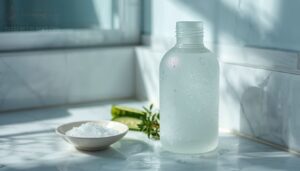
A persistent shine by midday, often across your forehead, nose, and chin, points to excess sebum production. This oil mixes with dead skin cells, clogging pores and triggering breakouts.
Watch for:
- Enlarged, visible pores
- Frequent blackheads
- Midday shine returning fast
- Breakout-prone areas
Look for noncomedogenic, gentle foaming cleansers with salicylic acid or niacinamide, never harsh alcohol-based washes that trigger rebound oiliness.
Sensitive and Reactive Skin
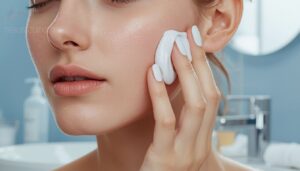
Does your skin sting after trying a new product, even without redness? That’s classic reactivity, not just dryness.
| Sign | What It Means |
|---|---|
| Stinging/burning | Reduced tolerance |
| No visible redness | Still valid reaction |
| Tightness | Barrier stress |
| Itching | Trigger response |
| Fragrance flare-ups | Avoid scented formulas |
Choose fragrance-free, dermatologist-recommended cleansers. Patch test new products behind your ear first.
Combination Skin Patterns
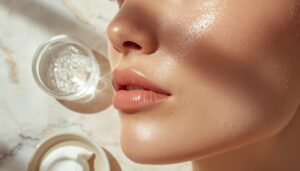
One face, two personalities: that’s combination skin. Your T zone (forehead, nose, chin) shines with oil, while cheeks stay normal to dry, often shifting with the seasons. Watch for pore visibility changes and post-cleansing comfort as your guide.
Gel cleansers control T zone oil; cream or lotion formulas soothe drier cheeks. Balance, not stripping, is the goal.
Match Cleanser Formulas to Skin Needs

Now that you know your skin type, it’s time to find a formula that actually works with it. Cleansers come in five main textures, and each one behaves differently on your skin. Here’s what sets them apart, so you can pick with confidence.
Once you’ve nailed down your cleanser, the same skin-first thinking applies to sun protection, and this guide to choosing the best daily sunscreen for your skin type makes narrowing down formulas much easier.
Gel Cleansers for Excess Oil
Sebum builds up fast on oily skin, and that’s where gel cleansers earn their keep. Mild surfactants like coco glucoside lift oil without stripping, while niacinamide or salicylic acid regulate sebum and curb acne. Look for formulas near pH 5.5.
Massage in, rinse clean, no greasy residue left behind.
Cream Cleansers for Dry Skin
Where gel formulas control oil, cream cleansers work the opposite way: they add it back. A good hydrating cleanser carries glycerin, hyaluronic acid, and ceramides to support your skin barrier while washing.
Look for:
- Glycerin for water attraction
- Squalane for lightweight sealing
- Panthenol to calm irritation
- Fragrance-free labeling for reactive skin
CeraVe’s cream formula fits this profile well.
Foaming Cleansers for Deeper Cleaning
Cream cleansers hydrate; foaming ones dig deeper. Foaming face washes shift from gel to lather once activated by water, lifting sebum and makeup from pores.
| Feature | Benefit | Best For |
|---|---|---|
| Mild surfactants | Cleans without stripping | Oily skin |
| Deep lather | Pore cleansing depth | Acne prevention |
| Water activation | Even coverage | Oil control |
This sebum regulation helps clearer skin over time.
Oil Cleansers and Cleansing Balms
Foaming washes clean deep, but they can’t touch waterproof mascara or SPF. That’s where oil cleansers and balms step in.
Like dissolves like: oils bind to sunscreen and makeup, lifting them gently.
- Massage onto dry skin first
- Emulsify with warm water
- Try CeraVe Makeup Removing Cleanser Balm
- Follow with a gentle cleanser (double cleansing)
Great for sensitive skin, since it protects your barrier without stripping it.
Micellar Water for Travel
When a sink isn’t nearby, micellar water becomes your best cleansing option. Its micelles, tiny surfactant clusters, lift dirt and light makeup with a single swipe, no rinsing required.
Fragrance-free, alcohol-free formulas suit sensitive skin during long flights, while glycerin helps offset dry cabin air. Keep bottles under 100ml for carry-on compliance. Heavy or waterproof makeup still needs a follow-up cleanse.
Check Ingredients and Cleanser PH

Once you know your skin type and texture preference, the label becomes your next best guide. A handful of ingredients do most of the heavy lifting, and the product’s pH matters just as much as what’s in it. Here’s what to look for before you buy.
Ceramides and Hyaluronic Acid
Think of ceramides and hyaluronic acid as a moisture locking pair. Ceramides make up nearly half your skin barrier lipids, sealing water in, while hyaluronic acid pulls hydration to the surface, holding up to 1000 times its weight in water.
Together, this ceramide HA combination offers real barrier repair teamwork, a formula most dermatologists recommend for lasting skin barrier protection.
Niacinamide for Oil Control
Oily skin doesn’t just sit on the surface, it starts deep in the sebaceous gland. Niacinamide works at that source, calming inflammation and slowing sebum production at the cellular level.
Studies show visible oil control within four to six weeks of twice-daily use. Better still, it strengthens your barrier while regulating oil, so a facial cleanser with niacinamide won’t leave skin dry or reactive.
Salicylic Acid for Clogged Pores
Clogged pores start as trapped oil and dead skin. Salicylic acid is oil soluble, so it slips inside pores to dissolve that buildup, working as both exfoliant and comedolytic agent.
Look for:
- 0.5% to 2% salicylic acid on face cleansers
- Reduced blackheads and whiteheads over weeks
- Barrier-supporting formulas paired with moisturizer
Start two to three times weekly, massaging for 60 seconds.
Fragrance-free Sensitive Skin Formulas
Fragrance free" on a label doesn’t always mean scent free. Check the ingredient list for Parfum or Fragrance hiding in the mix.
True fragrance free formulas skip masking agents too, pairing gentle preservatives like phenoxyethanol with barrier repair ingredients such as ceramides and glycerin. Dermatologist recommended for reactive, easily irritated skin, these soothing formulas reduce redness risk while cleansing effectively.
Skin-friendly Cleanser PH
Here’s a number worth remembering: 5.5. That’s the ideal pH range matching your skin’s natural acid mantle, which guards against bacteria and locks in moisture. Alkaline cleansers above pH 7 disrupt this barrier fast.
Since dog shampoo is formulated for a much higher pH, it’s worth understanding why dog shampoo isn’t safe for human hair before reaching for it in a pinch.
A pH of 5.5 protects your skin’s acid mantle, while alkaline cleansers above 7 quickly break it down
Look for pH-balanced formula labels, or test with strips yourself. Dermatologist-recommended, low-pH options support your skin barrier without stripping it.
Use Proper Technique and Evaluate Results

Choosing the right cleanser is only half the job—how you use it matters just as much. Even a well-matched formula can underperform, or irritate your skin, if your technique works against it. Here’s what to pay attention to, from your first splash of water to how your skin responds afterward.
Set Frequency and Water Temperature
Rarely does one routine fit every face, so let your skin type set the pace. Normal and combination skin do well with a morning routine plus evening cleanse; dry skin needs just once daily; oily skin may add a post-exercise wash.
Always use lukewarm water, roughly 98°F to 105°F, paired with a pH-balanced formula to protect your barrier.
Massage Cleanser for 60 Seconds
Water temperature matters, but timing matters just as much. Most people rinse after fifteen seconds, far too quick for a facial cleanser to work.
Spend a full 60 seconds massaging in gentle circular motions, giving extra attention to your T-zone. This lets surfactants emulsify makeup effectively, whether you have oily skin or dry skin, before your lukewarm water rinse.
Double Cleanse Makeup and Sunscreen
That 60-second massage works best after an oil-based first step. Sunscreen and waterproof makeup contain film-forming ingredients that plain water can’t break down.
Double cleansing means oil first, water-based cleanser second, sequencing that matches your skin type and evening routine, protecting your barrier while fully removing residue before bed.
Monitor Comfort, Oil, and Breakouts
Once your routine settles, pay attention to how skin feels and looks. Comfort within 30 minutes matters: dryness or tightness signals barrier trouble.
Track oil at the same time daily, watch breakouts appear over 3-7 days, and note humidity or heat exposure. These patterns reveal whether your cleanser truly suits your skin type.
Stop if Irritation Worsens
If burning, stinging, or redness shows up, discontinue product use right away. Rinse with lukewarm water, apply a cold compress, then use a calming moisturizer.
Always patch test first and switch cleansers gradually, especially with fragrance-free skincare for sensitive skin. Persistent skin sensitivity beyond 48 hours warrants a dermatologist-recommended evaluation.
Frequently Asked Questions (FAQs)
How often should you switch cleansers seasonally?
Aim for two seasonal check-ins yearly, around the shift into summer and winter. Watch for tightness or excess shine as your shift timing cue, then adjust texture gradually rather than waiting for visible discomfort to set in.
Can you use the same cleanser morning and night?
Yes, in most cases. If your cleanser gentleness suits your skin type, whether dry, oily, or sensitive, and doesn’t strip your skin barrier, you can use it both morning and night without irritation.
How long does a cleanser take to work?
A cleanser works fastest when it barely lingers, seconds of contact, yet results feel instant. Massage for 30 to 60 seconds using circular motions, then rinse promptly. Whether you have oily, dry, or sensitive skin, comfort right after rinsing signals it worked.
Should you exfoliate before or after cleansing?
Cleanse first, then exfoliate. This clears away debris so active ingredients like salicylic acid reach your skin directly, supporting proper product layering, barrier care, and a more effective, pH-balanced routine overall.
Is it normal for skin to purge from a new cleanser?
It’s not the cleanser itself, but active ingredients like salicylic acid or retinoids. True purging clears within weeks, stays in your usual breakout zones, and differs from irritation, which worsens and spreads to new areas.
Conclusion
Some skin struggles are simply less flattering to admit, tight cheeks after washing, an unwelcome shine you can’t shake, redness that flares up without warning. Once you name that struggle honestly, how to choose a facial cleanser stops being a mystery and becomes a formula. Your skin type is your compass, not a verdict. Read labels, test gently, and give new formulas time. Clear, comfortable skin isn’t luck. It’s the quiet result of choosing well.