This site is supported by our readers. We may earn a commission, at no cost to you, if you purchase through links. This content is for general informational and educational purposes only and is not a substitute for professional medical, dermatological, or nutritional advice.
Patients ask me this in nearly every consultation: does facial moisturizer help with wrinkles, or is it just marketing dressed up in a jar? The honest answer sits somewhere between hope and hype. Moisturizer can soften fine lines within minutes by plumping the skin’s surface with water, and smoother texture genuinely reflects light better, masking creases you’d otherwise notice under bathroom lighting.
But that plumped, dewy look fades once the humectants stop working. Real, lasting change requires understanding what’s happening beneath the surface, from corneocyte hydration to barrier repair, and which ingredients actually earn their place on your shelf.
Table Of Contents
- Key Takeaways
- Yes, Facial Moisturizer Softens Wrinkle Appearance
- How Moisturizers Reduce Wrinkle Appearance
- Best Moisturizer Ingredients for Wrinkles
- Choose and Apply Wrinkle Moisturizer Correctly
- Moisturizer Alone Cannot Remove Wrinkles
- Frequently Asked Questions (FAQs)
- What is the best facial moisturizer for wrinkles?
- What is the best thing to put on your face to prevent wrinkles?
- What is the best face cream for reducing wrinkles?
- Will I get wrinkles if I don’t moisturize?
- Can moisturizer prevent new wrinkles from forming?
- Does age affect how well moisturizer works?
- Are expensive moisturizers more effective than drugstore brands?
- Can diet or supplements improve moisturizer results?
- How long until moisturizer shows visible results?
- Conclusion
Key Takeaways
- Moisturizer softens wrinkles instantly by plumping skin with water, but that effect is temporary and fades once hydration wears off.
- Real, lasting improvement comes from active ingredients like retinol, peptides, and vitamin C, which boost collagen production over weeks, not minutes.
- Layering matters: apply treatments on damp skin after cleansing, then seal everything in with moisturizer, using richer formulas at night and lighter ones with SPF in the morning.
- Moisturizer alone can’t erase deep wrinkles or replace sunscreen, so pairing it with daily SPF, healthy habits, and professional treatments gives you the best long-term results.
Yes, Facial Moisturizer Softens Wrinkle Appearance
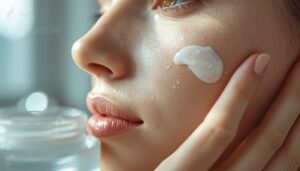
So can moisturizer actually soften wrinkles, or is that just clever packaging? The short answer is yes, and the reasons come down to some pretty specific things happening in your skin’s outer layers. Here’s exactly what’s going on when your moisturizer gets to work.
Beyond softening fine lines, moisturizers help lock in hydration and reinforce your skin’s natural defenses, as explained in this breakdown of how moisturizers support your skin barrier.
Hydration Plumps Fine Lines
When your skin looks tight and dull, that’s dehydration talking, not aging. Humectant hydration boosts water retention fast, plumping fine lines within minutes.
- High molecular weight HA plumps skin surface instantly
- Multi-weight formulas cut line depth 12% in 14 days
- Effects fade in hours, needing reapplication
This surface plumping action delivers real, though temporary, line reduction. This works because humectants trigger cellular expansion and plumping, forcing shriveled skin cells to absorb water and flatten superficial lines.
Smoother Skin Reflects Light Better
Beyond plumping, hydration changes how light bounces off your face. Rougher corneocyte surfaces scatter light unevenly, creating that dull look. Facial moisturizer smooths this microtexture, so light reflects more uniformly across skin, an effect dermatologists call moisture-enhanced reflectance. That’s the science behind glow, and it makes wrinkles far less noticeable under everyday lighting.
Results Are Mostly Temporary
That radiance doesn’t last forever, and you should know that going in. Hydration fades quickly, so plumping is a temporary improvement, not a structural change to collagen.
Expect this timeline:
- Hyaluronic acid: visible in minutes, fades in 8-12 hours
- Glycerin blends: last 10-14 hours
- Occlusive formulas: hold moisture up to 16 hours
Daily reapplication needed for consistent results.
How Moisturizers Reduce Wrinkle Appearance
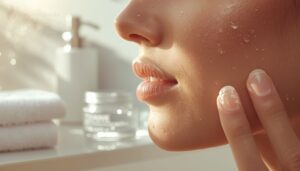
Not every moisturizer works the same way, and that’s actually good news for your skin. Different ingredients tackle hydration from different angles, working together rather than doing the same job twice. Here’s what’s really happening beneath the surface every time you apply your moisturizer.
Humectants Draw Water Into Skin
Think of humectants as tiny sponges: hyaluronic acid and glycerin pull water into your stratum corneum, causing gentle swelling that smooths fine lines for roughly 24 hours.
| Humectant | Source of Water | Best Paired With |
|---|---|---|
| Hyaluronic acid | Air or deeper skin | Occlusives |
| Glycerin | Environment | Ceramide creams |
| Urea | Deeper layers | Barrier creams |
In dry climates, they may worsen transepidermal water loss without occlusive backup.
Pairing humectants with a rich moisturizer helps lock in hydration, and these skin hydration tips for humid weather offer useful strategies worth adapting for drier climates too.
Emollients Smooth Rough Texture
Once hydration is in place, your skin still needs smoothing, and that’s where emollients earn their keep. These lipid-rich ingredients, think ceramides and fatty acids, slide into gaps between corneocytes, delivering genuine texture smoothing and a surface smoothing effect that softens rough patches.
- Reduce flakiness and visible dryness
- Repair the lipid barrier
- Soften skin tone unevenness
- Absorb gently without greasiness
Occlusives Reduce Moisture Loss
Your skin’s last line of defense is a good seal, and that’s exactly what occlusives provide. Ingredients like petrolatum form an occlusive barrier on the surface, physically blocking transepidermal water loss, sometimes reducing it by up to 98%.
This isn’t new hydration, it’s moisture retention, locking in what’s already there for a smoother, plumper look that fades once you stop applying.
Ceramides Strengthen Aging Skin Barriers
As you age, your skin naturally loses ceramides, the lipids that cement corneocytes together in your barrier.
This age-related ceramide loss raises TEWL and invites dryness. Topical ceramides help by:
- Replenishing lipid structure
- Improving corneocyte sticking together
- Restoring barrier function
The payoff? Better hydration retention and visibly smoother, less crepey-looking skin over time.
Best Moisturizer Ingredients for Wrinkles
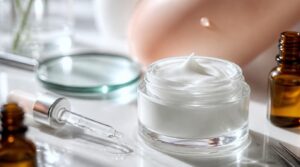
Not all moisturizer ingredients work the same way, and knowing which ones actually target wrinkles helps you shop with more confidence. Some work fast, plumping skin within minutes, while others need weeks of consistent use to show results. Here’s what to look for on that ingredient label.
Retinol Boosts Collagen Over Time
Retinol works differently than plain hydrators: it binds retinoid receptors, triggering fibroblast activity and true collagen synthesis, not just surface plumping.
| Week | What You Notice |
|---|---|
| 1 | Subtle smoothing begins |
| 2 | Texture refines |
| 4 | Firmness improves |
| 8 | Wrinkles visibly soften |
This dermal matrix remodeling, paired with reduced collagen breakdown, makes retinol-based antiaging moisturizer a genuine wrinkle-fighter over time.
Niacinamide Supports Elasticity and Barrier
Think of niacinamide as your skin’s repair crew. This vitamin B3 derivative boosts ceramide synthesis and fatty acid production, rebuilding your barrier while cutting transepidermal water loss.
Clinical use of 5% nicotinamide over 12 weeks shows real gains in elasticity, texture, and wrinkle appearance, all while staying gentle enough for daily wear.
Vitamin C Defends Against Damage
Free radicals from UV exposure break down collagen fast, and that’s where vitamin C earns its keep. This water-soluble antioxidant neutralizes reactive oxygen species while supporting the enzymes your fibroblasts need for collagen synthesis.
The payoff? Better oxidative stress defense, calmer inflammation, and skin that’s actively repairing itself, not just sitting there hydrated.
Peptides Support Firmer-Looking Skin
Where vitamin C plays defense, peptides play messenger. These short amino acid chains signal fibroblasts to ramp up collagen synthesis, with palmitoyl tripeptide-5 shown to boost production while blocking enzymes that break collagen down.
Peptides also support:
- Barrier firming peptides for stronger skin
- Peptide elasticity support over time
- Anti-aging peptide action against sagging
- Skin firming peptides for smoother texture
Hyaluronic Acid Provides Fast Plumping
While peptides work slowly on collagen, hyaluronic acid delivers a fast plumping effect through simple water binding. This sugar molecule holds moisture in the stratum corneum, temporarily smoothing wrinkles and helping skin reflect light more evenly.
| Format | Best For | Layering Tip |
|---|---|---|
| Serum | Damp skin | Apply first |
| Cream | Dry skin | Apply after |
| Gel | Oily skin | Use alone |
Results stay temporary once hydration fades.
Choose and Apply Wrinkle Moisturizer Correctly
The right ingredients only work if you use them the right way, and your routine matters just as much as your product choice. A few small habits determine whether your moisturizer actually reaches the corneocytes that need it or just sits on the surface. Here’s how to build a routine that gets real results.
Match Formula to Skin Type
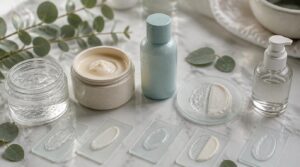
No single moisturizer works for every face.
Oily skin does best with gel moisturizers, while dry skin craves rich cream formulas with fatty acids. Sensitive types need barrier repair ingredients like ceramides. Combination skin is a balancing act, gel on the T-zone, cream elsewhere. Normal skin just needs steady maintenance.
Matching formula to skin type keeps hydration and your skin barrier working for you, not against those wrinkles.
Apply After Gentle Cleansing
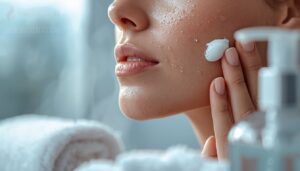
Timing matters as much as the formula itself.
Wash with a gentle, nonmedicated cleanser, then pat skin dry, don’t rub. Apply facial moisturizer while skin still feels slightly damp, before surface water fully evaporates. This locks in hydration and reinforces your skin barrier right when it’s most receptive, softening wrinkles instead of letting freshly cleansed skin tighten up.
Layer Treatments Before Moisturizer
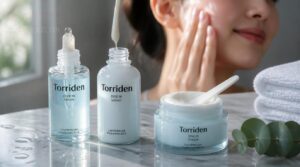
Order counts here. Apply serums right after cleansing, giving each one a moment to absorb before moisturizer goes on. Follow a light-to-heavy routine: watery actives first, cream last.
This sequence lets treatments reach skin directly instead of getting blocked, while moisturizer seals everything in, reinforcing your barrier and supporting the hydration those actives just delivered.
Use Morning and Night

Twice daily beats once. Morning moisturizer preps skin for makeup and layers protection under sunscreen against UV and pollutants.
At night, your skin turns permeable, so richer formulas support barrier repair and collagen synthesis during peak turnover hours.
This rhythm creates dual protection teamwork, daytime defense reinforcing overnight regeneration for real, cumulative anti-aging results.
Patch Test Active Ingredients
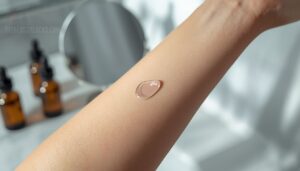
Before trusting a new retinol or vitamin C serum to your whole face, test it first. Dab a small amount behind your ear or inner arm for several days, watching for redness or itching.
If irritation persists, a formal patch test with your dermatologist checks allergen concentration levels and rules out false positive causes, since irritant reactions can mimic true sensitization.
Moisturizer Alone Cannot Remove Wrinkles
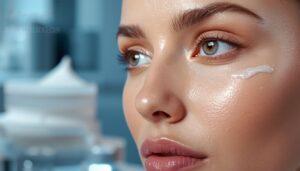
As satisfying as that plumped, dewy look is, moisturizer has its limits, and it’s important to know where they are. It works on the surface, not in the deeper layers where real wrinkles form. Here’s what actually works once hydration alone stops cutting it.
Deep Wrinkles Need Stronger Treatments
Here’s the honest truth: no jar can rebuild what time takes from your dermis. Deep wrinkles need real intervention.
No jar can rebuild what time takes from your dermis; deep wrinkles need real intervention
- Injectable collagen stimulators
- Laser resurfacing
- Polynucleotide skin boosters
- Ultrasound skin tightening
These rebuild collagen and elastin directly. Your antiaging moisturizer with actives still matters, supporting dermal hydration between treatments, but it’s a teammate, not the star player.
Daily Sunscreen Prevents Further Damage
Here’s what your moisturizer can’t do alone: block UV rays. Daily broad spectrum SPF stops photoaging before it starts, defending against free radical damage that breaks down collagen.
Dermatologists recommend SPF 30 or higher, rain or shine. Pair it with your moisturizer each morning, and you’re covering hydration and prevention, the real one-two punch against future wrinkles.
Skipping Moisturizer Worsens Dryness, Not Aging
Here’s the truth: skipping moisturizer won’t erase existing wrinkles, but it will accelerate transepidermal water loss and leave skin dehydrated within hours.
Expect:
- Dehydrated, tight-feeling texture
- Rebound sebum overproduction
- Delayed barrier repair and increased sensitivity
That’s dryness, not new wrinkle formation, though dehydrated skin can temporarily emphasize fine lines already there.
Healthy Habits Support Skin
No jar works alone. Balanced nutrition, quality sleep, stress management, regular exercise, and steady hydration all shape how your skin looks and recovers.
Antioxidant-rich foods like blueberries and kale help offset daily stressors, while cutting added sugar protects collagen. Pair that with consistent water intake, and your moisturizer has far more to work with.
When to See a Dermatologist
Good habits go a long way, but they don’t replace a trained eye. See a dermatologist if you notice:
- A mole that’s changed shape, size, or color
- A rash or irritation that won’t quit
- Unexplained hair thinning
- Persistent nail changes
- Any new spot that looks different from the rest
Skin changes deserve attention, not guesswork.
Frequently Asked Questions (FAQs)
What is the best facial moisturizer for wrinkles?
Like a knight choosing armor before battle, pick a fragrance-free, dermatologist recommended face moisturizer blending humectants and emollients, with nighttime repair focus and SPF inclusion for daytime, balancing hydration and cost-effectiveness for lasting wrinkle-fighting results.
What is the best thing to put on your face to prevent wrinkles?
Broad-spectrum sunscreen, hands down. It blocks the UV damage driving most collagen breakdown. Pair it with a moisturizer rich in humectants and emollients, plus solid sleep, hydration, and stress management, for real prevention from the inside out.
What is the best face cream for reducing wrinkles?
Think of your face cream as armor and elixir combined. The best formula pairs retinol or peptides with hyaluronic acid, matched to your skin type, applied consistently. Consulting a dermatologist ensures you’re layering actives correctly for real results.
Will I get wrinkles if I don’t moisturize?
Skipping moisturizer won’t create new wrinkles overnight, but dryness accentuates lines through increased transepidermal water loss. Hydration reduces shadows by smoothing texture and supporting skin elasticity, so skipping worsens appearance temporarily rather than causing permanent structural damage.
Can moisturizer prevent new wrinkles from forming?
Not entirely. Consistent moisturizer use helps barrier function and reduces TEWL, but collagen loss comes from UV exposure and aging. Pair hydration with daily sunscreen and a healthy lifestyle, since antioxidants combat free radicals that damage skin over time.
Does age affect how well moisturizer works?
Like a rotary phone trying to keep up with a smartphone’s speed, aging skin absorbs moisturizer more slowly.
Thinner skin and weaker barrier repair mean humectants and richer creams matter more, since reduced water content makes hydration needs greater than in youth.
Are expensive moisturizers more effective than drugstore brands?
Not necessarily. Ingredient concentration matters more than price, and many pricier jars just add fancier packaging or a "dermatologist endorsed" label without proven extra benefits. Focus on formulas with glycerin, ceramides, or hyaluronic acid, whatever your budget allows.
Can diet or supplements improve moisturizer results?
Picture a patient pairing her retinol routine with daily oral collagen. Yes, diet helps: oral collagen hydration, ceramide supplements, and antioxidant vitamins support skin from within, complementing (never replacing) your moisturizer’s topical benefits for genuinely radiant results.
How long until moisturizer shows visible results?
You’ll feel immediate hydration within minutes, softer skin and fine lines look better within days. True barrier repair and collagen synthesis benefits build over 4 to 8 weeks, so give any moisturizer a full month before judging results.
Conclusion
Funny enough, the same jar sitting on your bathroom shelf might already hold your answer. So does facial moisturizer help with wrinkles? Yes, when it’s paired with retinol, sunscreen, and patience. Hydration softens what’s visible today, while active ingredients quietly rebuild what time has worn down. Your skin barrier remembers consistency, not shortcuts. Give it months, not mornings. That’s not hype. That’s biology, working exactly as it should.