This site is supported by our readers. We may earn a commission, at no cost to you, if you purchase through links. This content is for general informational and educational purposes only and is not a substitute for professional medical, dermatological, or nutritional advice.
Jump from SPF 30 to SPF 100, and you gain about two extra percentage points of UVB protection. That number surprises most people standing in the sunscreen aisle, squinting at labels that promise dramatically better coverage for a much higher price.
Here’s what’s actually happening: SPF math isn’t linear, and the difference between SPF levels shrinks fast once you pass 30. SPF 15 blocks roughly 93% of UVB rays, SPF 30 blocks 97%, and SPF 50 inches up to 98%. Meanwhile, none of them touch UVA rays unless the label says "broad-spectrum."
Understanding what those numbers really mean, and where they fall short, changes how you shop, apply, and reapply for actual protection.
Table Of Contents
Key Takeaways
- SPF protection isn’t linear, so jumping from SPF 30 to SPF 100 only gains you about two extra percentage points of UVB blockage, going from 97% to 99%.
- SPF only measures UVB protection, so you need a "broad-spectrum" label to make sure you’re also covered against UVA rays, which age skin and penetrate even glass.
- Most people apply far too little sunscreen, and that thin layer can quietly drop a high-SPF product’s real-world performance down to the level of a much lower one.
- No matter which SPF you choose, you should reapply every two hours, and immediately after swimming, sweating, or towel drying, since water resistance only buys time rather than lasting protection.
SPF Levels Differ Mainly in UVB Protection
When you compare SPF numbers side by side, the real story is all about UVB radiation and how much of it actually gets blocked. Each jump in SPF sounds impressive on the label, but the percentage gains behind those numbers tell a different tale. Here’s how SPF 15, 30, 50, and 100 actually stack up against UVB rays.
SPF 15 blocks about 93% of UVB rays, while SPF 100 edges up to roughly 99%—diminishing returns that explain why tanning while wearing sunscreen is still possible even with high SPF.
SPF 15 Blocks About 93%
Thirteen out of every fourteen UVB rays never reach your skin when you wear SPF 15, since it blocks about 93% of UVB radiation. That number comes from lab testing at 2 mg/cm², meaning thin, uneven application drops your real protection well below that mark.
Missed spots like ears and lips need coverage too, since bare skin gets zero percent. Reaching that lab-tested standard also depends on how SPF is calculated and measured, since real-world application often uses only half the tested amount.
SPF 30 Blocks About 97%
Jump from SPF 15 to SPF 30 and you gain only four percentage points, moving from 93% to 97% UVB protection. That gap explains why dermatologists call SPF 30 the baseline for daily SPF use.
It’s not double the protection despite doubling the number, a common SPF misconception. Still, four extra percent meaningfully improves sunburn prevention during real-world protection scenarios.
SPF 50 Blocks About 98%
Push past SPF 30 and you gain just one more point, from 97% to 98% UVB protection. That last percentage relies on filter cooperation, titanium dioxide paired with octocrylene, working under broad spectrum protection standards.
But lab results assume 2 mg/cm² application; skimping on thickness shrinks your real-world coverage well below that number.
SPF 100 Blocks About 99%
Double your SPF from 50 to 100, and UVB protection inches up just one point, 98% to 99%. That’s the diminishing returns effect in action.
No formula blocks everything, and SPF 100 is no exception. It still demands broad-spectrum coverage and proper thickness. Skimp on application, and real-world SPF efficacy drops far below the label’s promise.
SPF Protection Scales Nonlinearly
Once you move past that first jump from SPF 15 to 30, the math starts working differently than most people assume. Higher numbers on the bottle don’t deliver higher payoffs in protection, at least not at the rate you’d expect. Here’s what those numbers actually mean, and where the returns start to level off.
What SPF Actually Measures

SPF isn’t magic, it’s math. That number comes from a sunburn measurement ratio: minimal erythemal dose on protected skin divided by unprotected skin, tested in a lab using a strict application standard.
That’s why SPF 30 blocks roughly 97% of UVB rays but never all of them, a distinction worth understanding through how sunscreen actually protects your skin.
So SPF 30 means it takes 30 times more UV radiation to burn protected skin than bare skin under identical conditions.
Diminishing Returns Above SPF 30

Once you hit SPF 30, the math stops being dramatic. Going from SPF 30 to SPF 50 only moves UVB blocking from 97% to 98%, a fractional increase that barely registers. SPF 100 nudges you to 99%. That’s the UVB gain plateau in action: real protection efficiency drops sharply, so chasing higher numbers offers a wider safety margin, not proportionally better defense.
No SPF Blocks Everything

Even SPF 100 still lets through about 1% of UVB rays, since no sunscreen offers complete protection. That gap matters more once you factor in UVA, blue light, and infrared exposure, none of which SPF measures. Pollution and certain medications causing photosensitivity add further risk.
Broad-spectrum formulas help, but layering habits matter more than chasing a higher number.
SPF Does Not Measure Duration
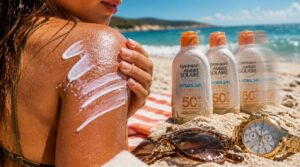
A common label misconception: SPF tells you sunburn resistance, not minutes of safety. Reapplication timing matters more than the number itself.
Sweat and water exposure shorten real-world effectiveness, regardless of SPF 30, SPF 50, or SPF 100. Application thickness also skews results, since lab testing uses far more product than most people apply.
That’s why you reapply every two hours, no matter the SPF.
Broad-Spectrum Coverage Protects Against UVA

SPF numbers only tell part of your protection story, since they measure UVB defense alone. Your skin still faces UVA rays, which work differently and demand their own kind of coverage. Here’s what you need to know about UVA damage, how it’s rated, and why SPF alone won’t cut it.
UVA Versus UVB Damage
UVB burns fast, UVA ages slow. That’s the main split: UVB damages the epidermis, causing sunburn and direct DNA breaks.
UVB burns fast, UVA ages slow, damaging skin through two very different paths
UVA penetrates into the dermis, generating oxidative stress that breaks down collagen, often silently. It even passes through glass, meaning your commute exposes you daily.
Combined, they raise mutation risk more than either alone.
UVA Ratings and PA Levels
Ever wonder why Asian sunscreens list pluses instead of numbers? That’s the PA rating scale, running PA+ to PA++++, based on Persistent Pigment Darkening testing.
Europe uses UVA-PF instead, requiring at least one-third of SPF. These regulatory differences mean consumer interpretation varies by region, so a bottle’s UVA claims depend entirely on where it’s sold.
Why SPF Alone is Incomplete
Those pluses and thirds only tell part of the story. A high SPF number can still leave UVA protection missing if the label isn’t broadspectrum.
That’s why smart sun safety habits go beyond the bottle:
- Check for "broad-spectrum" on the label
- Add shade and clothing needed for real coverage
- Keep sunscreen reapplication interval to two hours
Physical barriers boost what SPF alone can’t finish.
Application Changes Your Effective SPF
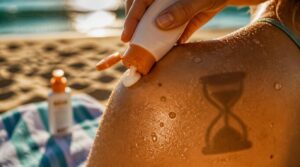
Even the right SPF number can’t save you from bad habits at application time. How much you apply, how often you reapply, and how water changes things all shift your actual protection level. Here’s what you need to get right.
How Much Sunscreen to Apply
Most people apply half of what a bottle’s SPF assumes. That gap is why amount matters as much as the number on the label.
| Area | Amount |
|---|---|
| Face/neck | Nickel-sized dollop |
| Full body | Two tablespoons |
Apply generously, layer for coverage, and check missed spots like ears and feet before heading out.
Underapplication Reduces Protection
That nickel-sized dollop isn’t optional generosity, it’s the difference between real and theoretical protection. Thin layers create coverage loss at knuckles, ears, and hairline, letting more UV reach skin than lab testing accounts for.
So SPF 50 applied sparingly can perform closer to SPF 15 or lower. Underapplication doesn’t just weaken protection, it quietly resets your actual defense to a number you never chose.
Reapply Every Two Hours
Even correct amounts break down over time. UV exposure and physical activity wear sunscreen away, which is why the AAD recommends reapplying every two hours outdoors, cloudy days included.
Reapply immediately in three cases:
- After swimming
- After sweating
- After towel drying
Applying before exposure sets your starting point. Reapplying consistently keeps SPF 30 or SPF 50 performing as tested.
Water Resistance Has Limits
Water resistant" isn’t a permanent label. Water resistance testing proves SPF 30 or SPF 50 survives set immersion cycles, not unlimited swimming or sweating. Sweat, friction, and saltwater speed up protective seal degradation. Rinse saltwater exposure within 10 minutes to limit damage.
Follow manufacturer usage guidelines exactly, and still reapply water-resistant sunscreen every two hours; the rating buys time, not immunity.
Choose SPF Based on Exposure

Once you understand how SPF numbers work, the real question becomes which one fits your day. Your skin type, activity level, and time outdoors all play a part in that decision. Here’s how to match your sunscreen to what you’re actually doing.
SPF 30 for Daily Wear
For your daily sun protection routine, SPF 30 broad-spectrum hits the sweet spot, blocking about 97% of UVB rays. Make morning sunscreen application a habit, even on cloudy days, and don’t forget SPF 30 lip balm.
Set reminders for reapplication every two hours if you’re outdoors longer. This everyday broad-spectrum use suits most skin sensitivity levels without feeling excessive.
SPF 50 for Outdoor Activities
Hiking a ridge or spending hours at the lake calls for tougher armor. SPF 50 blocks about 98% UVB, with sport sticks for ears and nose, sweat-resistant formulas, and water resistance up to 80 minutes.
- Reapply every two hours
- Choose water-resistant formulas for swimming
- Pair with UPF clothing
- Use mineral SPF 50 at altitude
- Reapply after toweling off
Higher SPF for Sensitive Skin
Reactive, easily irritated skin needs SPF 30 minimum, but many dermatologists push toward SPF 50 for extra margin.
Look for mineral filters like zinc oxide, fragrance-free formulas, and broad-spectrum coverage.
Apply gently, patting rather than rubbing, and let it set for 15 to 20 minutes.
Reapply every two hours to keep protection consistent without triggering flare-ups.
Texture and White Cast Tradeoffs
Mineral-based ingredients block UV rays effectively, but often leave a chalky, white cast, especially at higher SPF concentrations.
- Choose tinted mineral sunscreen for sheer coverage balance
- Opt for nongreasy, velvety finish formulas over thick, dewy ones
- Apply thin layers, blending quickly to reduce white cast
Matte finishes suit oily skin, while sheer, non-chalky formulas work better for deeper tones.
Pair Sunscreen With Protective Clothing
No SPF works alone forever, so let clothing carry part of the load. Apply sunscreen first, wait 30 minutes, then dress in UPF 50+ fabric for exposed-area balance.
Cotton only offers UPF ~5, less when wet, so keep sunscreen on covered skin too. Reapply every two hours to hands, neck, and face for lasting UVAUVB protection.
Frequently Asked Questions (FAQs)
Can you mix different SPF sunscreens together safely?
Not reliably. Mixing formulas creates protection unpredictability since SPF ratings assume single-product application. Dermatologists recommend a layering alternative: let one sunscreen absorb, then apply the next, or use body part separation for leftover products instead.
Are chemical sunscreens more effective than physical sunscreens?
Like two different shields guarding the same castle, neither wins outright.
Chemical sunscreens absorb UVB rays smoothly; physical sunscreens sit atop skin, easing sensitivity concerns.
Effectiveness hinges on broad-spectrum coverage, correct SPF, and consistent application, not filter type alone.
Do makeup products with SPF provide adequate protection?
Not on their own. Thin application and cosmetic elegance keep real coverage low, often missing broad-spectrum UVA protection. Layer a dedicated SPF 30+ sunscreen underneath as primer, then reapply separately since makeup rarely gets reapplied every two hours.
Does cloudy weather reduce the need for sunscreen?
No. Up to 80% of UV still reaches skin through clouds, so broad-spectrum sunscreen stays essential. Check the UV index, watch reflection off water or sand, and reapply every two hours regardless of sky conditions.
Conclusion
Chasing higher SPF numbers is like chasing the horizon: you never quite catch what you’re after. Once you grasp what’s the difference between SPF levels, you realize real gains come from broad-spectrum coverage, proper application, and consistent reapplication, not a bigger number on the bottle.
SPF 30, applied correctly, outperforms SPF 100 used carelessly. Protect your skin with knowledge, not marketing. That’s the formula that actually works, every single time.