This site is supported by our readers. We may earn a commission, at no cost to you, if you purchase through links. This content is for general informational and educational purposes only and is not a substitute for professional medical, dermatological, or nutritional advice.
Your face tightens after cleansing. The moisturizer that felt like silk last month now stings. Your skin looks dull, then red, then oddly oily, all in the same week.
These aren’t random glitches. They’re signs your skin barrier, the thin lipid layer that locks water in and keeps irritants out, has cracked under pressure. Retinoids, acids, hot showers, and scrubs strip it faster than most people realize.
The good news is that how to repair damaged skin barrier care is simple and works fast. You’ll learn which products to pause, which ingredients rebuild lipids, and when to expect results.
Table Of Contents
- Key Takeaways
- Is Your Skin Barrier Damaged?
- How Do You Repair Your Skin Barrier?
- Which Products Help Repair Your Skin Barrier?
- How Long Does Skin Barrier Repair Take?
- When Should You See a Dermatologist?
- Frequently Asked Questions (FAQs)
- What is the fastest way to heal a damaged skin barrier?
- How long does it take for the skin barrier to repair?
- How do I tell if my skin barrier is damaged?
- How can I naturally repair my damaged skin barrier?
- Can a damaged skin barrier cause breakouts?
- Is double cleansing safe with a damaged barrier?
- Can makeup be worn while repairing the skin barrier?
- Does hot water harm the skin barrier?
- Can a humidifier help repair a damaged skin barrier?
- Conclusion
Key Takeaways
- If your skin feels tight after cleansing, stings from products you’ve used for months, or looks dull, red, and oddly oily, your skin barrier is likely damaged.
- Pause retinoids, acids, scrubs, and cleansing brushes for 2 to 4 weeks, and stick to a gentle, fragrance-free cleanser with lukewarm water.
- Moisturize twice daily with a product containing ceramides, cholesterol, and fatty acids, and wear sunscreen by day so your skin can rebuild the lipids it’s lost.
- Expect calmer skin within two to four weeks, but see a dermatologist if there’s no improvement, the problem keeps returning in the same spot, or you notice spreading redness, pus, or fever.
Is Your Skin Barrier Damaged?

How can you tell when your skin barrier has stopped doing its job? Your skin usually tells you, and the signs are easy to spot once you know them.
Tightness, flaking, and stinging after shaving are common early warnings, and a gentle formula like these aftershave lotions for dry climates can help restore lost moisture.
Start with tightness after cleansing. If your face feels dry, rough, or stretched even after a gentle wash, your barrier is likely losing water faster than it should. Products that sting are another clue. When a moisturizer you’ve used for months suddenly burns, irritants are getting in more easily than before. Switching to a fragrance-free ceramide moisturizer can calm that stinging by replenishing the lipids your barrier needs to hold water in.
You might also notice a dull complexion, new redness, or flare-ups after washing. Some people turn oilier than usual, because skin sometimes overcompensates for lost moisture.
Together, these signs point to a compromised barrier. A recent new product, hot showers, or heavy exfoliation often explains the change.
How Do You Repair Your Skin Barrier?
Repairing your skin barrier comes down to two simple moves. First, you’ll stop doing what’s causing the damage, then you’ll give your skin the steady, gentle care it needs to recover. Here’s how to start with each one.
Pause Irritating Products
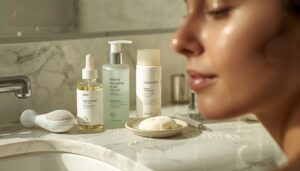
Stop using retinoids, AHAs, BHAs, scrubs, and cleansing brushes now. They strip ceramides, cholesterol and fatty acids your skin needs, so every pass makes damage worse. These lipids form the "mortar" between skin cells, and the skin barrier structure depends on them to limit water loss.
Pause for 2 to 4 weeks, until basic moisturizer no longer stings. Swap foaming washes for a fragrancefree cleanser or sulfatefree cleanser. Save niacinamide at 2 to 5 percent for your barrier repair routine.
Once your skin feels calm again, this step-by-step glycolic acid peel guide can help you ease back into exfoliating without setting your barrier back.
Build a Gentle Daily Routine
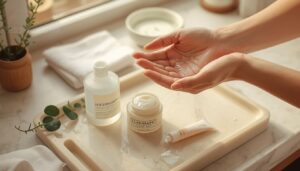
Once your irritants are on pause, keep everything else simple. Wash with a gentle cleanser using lukewarm water, then pat dry. While your skin is still damp, smooth on a moisturizer with ceramides, cholesterol and fatty acids.
Repeat morning and night. Add sunscreen on exposed areas by day. Introduce any new product one at a time, after a patch test.
Which Products Help Repair Your Skin Barrier?
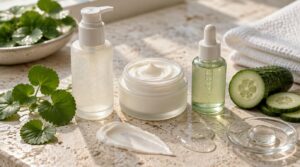
Once your routine is simple, the right products make recovery easier. Start with a gentle, fragrance-free cleanser that’s pH-balanced and sulfate-free, so it cleans without stripping your skin.
Pairing that cleanser with a warm pre-shave soak makes a real difference, and this guide on how to prevent ingrown hair bumps walks through the full routine step by step.
Your moisturizer matters most. Look for a barrier repair moisturizer with ceramides, cholesterol, and fatty acids, since these lipids refill the gaps between skin cells. Ceramides alone make up about half of your natural barrier. Add niacinamide to calm redness, and hyaluronic acid or glycerin to hold in water.
Choose a moisturizer rich in ceramides, cholesterol, and fatty acids, because these lipids refill the gaps between skin cells and rebuild your barrier
If you like serums, choose a soothing one with hyaluronic acid, vitamin B5, or Centella asiatica.
How Long Does Skin Barrier Repair Take?

Two to four weeks is how long most people need to see their skin barrier start to feel calmer and more comfortable, though deeper repair can take a bit longer. Your healing timeline depends on how badly your skin was irritated and how consistent you are. Here’s what most people notice along the way:
- Days 1 to 3: Stinging and tightness start to ease.
- Week 1: Moisture retention improves, and your skin feels softer.
- Weeks 2 to 4: Redness fades as lipid matrix repair gets underway.
- Weeks 4 to 6: Flaking stops and barrier integrity strengthens.
- Weeks 6 to 12: Severe damage may need this long to fully settle.
Don’t judge progress by a single day. Skin barrier repair moves in small steps, and a mild flare can still happen along the way.
Stay patient and keep your routine simple. Rushing back to actives too soon restarts the damage fast.
When Should You See a Dermatologist?

You don’t need to wait out every flare at home. Know when to see a dermatologist, because damaged skin barrier function can hide eczema, rosacea, or contact dermatitis.
| Sign | Next step |
|---|---|
| Rapidly spreading redness | Urgent care |
| Fever, pus, honey-colored crust | Urgent care |
| Rash near your eyes | Prompt visit |
| No gain after 2–4 weeks | Book dermatology |
| Repeats in the same spot | Book dermatology |
Children, immunosuppressed people, and anyone with widespread or genital rash should get earlier evaluation. Ringed or bleeding lesions need a look too.
Pregnant or breastfeeding? Ask before using any new topical, since safety isn’t automatic.
Otherwise, keep your gentle routine going. If your skin keeps worsening after one to two weeks of careful care, don’t push through it.
Frequently Asked Questions (FAQs)
What is the fastest way to heal a damaged skin barrier?
Ironically, the fastest barrier repair starts with doing less. Stop every active and keep a gentle skincare routine.
Then apply a moisturizer with ceramides, cholesterol and fatty acids twice daily. Barrier restoration follows within days.
How long does it take for the skin barrier to repair?
Mild irritation usually settles in 3 to 7 days once you stop the cause. Deeper damage, like an eczema flare, stretches skin barrier repair to 2 to 4 weeks, while your barrier function slowly improves.
How do I tell if my skin barrier is damaged?
Think of your skin as a brick wall; when the mortar crumbles, everything leaks. Notice tightness after cleansing, stinging products, and skin sensitivity. These signal weak barrier function, transepidermal water loss, and lipid replenishment needs.
How can I naturally repair my damaged skin barrier?
Start with gentle cleansing and drop exfoliants and fragrances. Layer glycerin, then ceramides for lipid replenishment, and seal with petrolatum. This helps barrier repair while your skin healing process runs, usually over days to weeks.
Can a damaged skin barrier cause breakouts?
Yes, even when skin feels dry, not oily.
Weakened barrier function raises transepidermal water loss, upsets skin pH balance, and weakens moisture retention. That triggers an inflammatory response, which can plug follicles and cause breakouts.
Is double cleansing safe with a damaged barrier?
Double cleansing can work, but only if you keep it gentle. Use one gentle cleanser at a time, rinse with lukewarm water, and skip rubbing. Choose a pH between 4 and 6, and avoid harsh cleansers during flare-ups.
Can makeup be worn while repairing the skin barrier?
You can, if your skin tolerates it. Choose fragrance-free, makeup compatible formulas, apply a thin layer, and remove it with a gentle cleanser. Skip stinging products, since they can slow barrier repair. Moisturizer goes first.
Does hot water harm the skin barrier?
That steamy shower feels like self-care, yet it quietly undermines your skin. Hot water strips oils and raises transepidermal water loss, weakening your skin barrier and moisture retention. Switch to lukewarm, keep it brief, and moisturize right after.
Can a humidifier help repair a damaged skin barrier?
A humidifier can support barrier repair, but only as a helper. Dry air raises transepidermal water loss, so adding moisture to your room eases that stress and protects skin hydration. Pair it with ceramide moisturizers.
Conclusion
Think of your skin barrier as a brick wall, with lipids as the mortar holding everything together. Knowing how to repair damaged skin barrier problems means patching that mortar, not scrubbing the bricks.
Pause the actives, keep your routine simple, and lean on ceramides, cholesterol, and fatty acids. Most skin feels calmer within two weeks and fully recovers in about a month.
If redness, burning, or cracking lingers, see a dermatologist. Patience always pays off.
- https://drdavidjack.com/blogs/under-the-microscope/the-real-science-of-skin-barrier-repair-why-ceramides-and-fatty-acids-matter
- https://www.mysticbeautyandskincare.com/blogs/k-beauty-skincare/top-skincare-ingredients-sensitive-barrier
- https://estheticsembassynewyork.com/skin-barrier-repair-ingredients