This site is supported by our readers. We may earn a commission, at no cost to you, if you purchase through links. This content is for general informational and educational purposes only and is not a substitute for professional medical, dermatological, or nutritional advice.
Yes, spot treatment dries out skin, and it often happens within days. I see it in my clinic every week: a patient dabs benzoyl peroxide on one pimple, then arrives with a flaky, pink patch twice that size.
The cause is simple. Active ingredients like salicylic acid and retinoids loosen dead cells, and alcohol in the gel strips moisture along with them. Cold air and thin skin near the nose make it worse.
You don’t have to give up on clearing blemishes. A few small changes to how you apply and layer product keep the pimple shrinking and your barrier intact.
Table Of Contents
- Key Takeaways
- Does Spot Treatment Dry Out Skin?
- Why Does Spot Treatment Cause Dryness?
- How Can You Apply Spot Treatment Without Over-Drying?
- Should You Moisturize After Spot Treatment?
- When is Spot Treatment Dryness a Concern?
- Frequently Asked Questions (FAQs)
- Should you moisturize after spot treatment?
- Why does my acne treatment make my skin dry?
- Will a pimple go away if I don’t pop it?
- How long do I leave spot treatment on?
- Can you use spot treatment on dry skin?
- How long should spot treatment stay on overnight?
- Do gel spot treatments dry out skin less?
- Can spot treatment be layered with other products?
- How often can you safely use spot treatment?
- Conclusion
Key Takeaways
- Spot treatments usually dry skin within days because actives like benzoyl peroxide, salicylic acid, and retinoids weaken your skin barrier, and alcohol-based gels strip moisture even faster.
- You can limit dryness by dabbing a thin dot on the blemish only, choosing a lower strength like 2.5% benzoyl peroxide if your skin runs dry, and skipping other strong actives on the same patch.
- Moisturize with a light, fragrance-free gel-cream or lotion once the treatment has fully dried, applying it around the spot first if the area feels raw.
- Pause the product for a few days and see a doctor if burning lasts beyond a week, peeling or redness gets worse, or swelling spreads.
Does Spot Treatment Dry Out Skin?

Many spot treatments can leave your skin feeling drier, and that’s normal more often than you’d think. Most acne actives pull moisture from the outer layer, so you may notice tightness, flaking, or mild peeling within the first few days.
If dryness lingers or breakouts seem to worsen, how spot treatments can sometimes make acne worse explains why, so dab them only on active blemishes and follow with moisturizer.
I also see this pattern in my patients: dry skin shows it first. If your skin type runs oily, you’ll likely tolerate a spot treatment better. If your skin barrier is already stressed, trans epidermal water loss climbs and dryness shows up sooner and lasts longer.
Strength and frequency matter. A higher concentration, or applying it twice daily, raises your risk. Your application technique counts. A thin dot on intact skin dries less than a thick layer over flaky patches.
If you’re using benzoyl peroxide, this guide to benzoyl peroxide spot treatments shows how strength and application habits affect dryness.
Why Does Spot Treatment Cause Dryness?
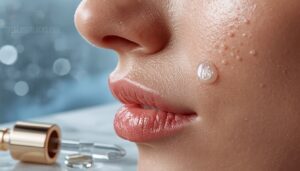
The dryness comes down to what’s in the tube. Active ingredients like benzoyl peroxide, salicylic acid, sulfur, and retinoids loosen the glue between dead skin cells. That clears the plugged pore, but it also weakens your skin barrier, the lipid layer that holds water in.
Pairing a gentle, hydrating formula with your actives helps rebuild that barrier, and this guide to the best facial cleansers for teens breaks down which ones cleanse thoroughly without stripping skin.
The same actives that unclog your pores also loosen your skin barrier, the lipid layer that holds water in
When that barrier slips, trans epidermal water loss rises. Your skin feels tight, then flaky.
The formula adds to it. Many spot gels use alcohol so they dry fast, and that strips surface moisture too.
Your skin type and surroundings matter. Cold air and low humidity and temperature swings pull more water from already irritated skin. Spots near your nose and mouth are thinner, so they react sooner.
Layering a spot treatment over a retinoid or acid makes all of this worse.
How Can You Apply Spot Treatment Without Over-Drying?
Start with less product than you think you need. I tell patients to treat only the blemish, nothing wider.
Once the blemish calms down, a step-by-step cystic acne spot treatment routine can help you pace each application so you avoid overdoing it.
Wash, then pat your face fully dry. Damp skin spreads the active across more territory. Keep these habits in mind:
- Use a clean fingertip or cotton swab to dot the product onto the lesion only.
- Let it dry into an even layer before touching anything else.
- Choose a lower-strength gel, like 2.5% benzoyl peroxide, if your skin runs dry or sensitive.
- Skip reapplying every few hours, because film builds up on the same patch.
Stagger products. If you used a retinoid or acid tonight, keep spot treatment away from that patch until tomorrow. Watch for transfer from hands and makeup.
Should You Moisturize After Spot Treatment?
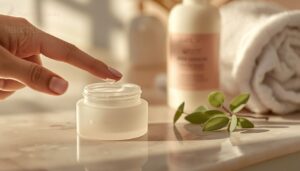
Yes, you should, once the spot treatment has fully dried. That’s the same rule from the last step: nothing goes on top of a wet layer.
A light moisturizer helps skin hydration and calms the tightness that active ingredients like benzoyl peroxide and retinoids cause. Pick a gel-cream or lotion, not a heavy balm.
| Your skin type | Moisturizer plan |
|---|---|
| Dry or sensitive | Morning and night |
| Oily | Light layer, as needed |
Product formulation matters here. Choose fragrance-free, non-comedogenic options so you don’t add irritation to the spot. Apply moisturizer around the blemish first if the area feels raw, then dab sparingly over the treated patch. You can skip it entirely only if your skin feels comfortable and the spot treatment isn’t peeling.
When is Spot Treatment Dryness a Concern?
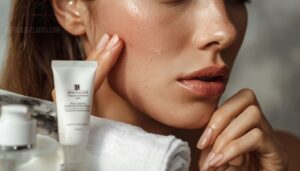
When should you stop shrugging off tightness and start worrying? Some dryness is normal while your skin adjusts, but certain signs mean the spot treatment is too much for your skin type.
- Burning or stinging that lasts beyond a week, not just a few minutes after you apply.
- Flaking or visible peeling, which signals real skin irritation and a disrupted barrier.
- Redness that worsens with each application, especially if you have sensitive skin.
- Dryness returning to the same spot cycle after cycle.
I also see this when people use strong active ingredients daily or spread the product onto healthy skin. If you notice these signs, pause it for a few days, moisturize, then try a much gentler product formulation instead.
Frequently Asked Questions (FAQs)
Should you moisturize after spot treatment?
Moisturizing after spot treatment usually helps, as long as you wait until the spot treatment has dried. Pick a gentle, fragrance-free product formulation, especially with sensitive skin, and dab it around the spot.
Why does my acne treatment make my skin dry?
Picture a pressure washer aimed at one patch of brick wall. Your active ingredients do that to skin barrier function, stripping moisture out fast.
Your application technique and skin type decide how much dryness follows.
Will a pimple go away if I don’t pop it?
Wondering if leaving it alone actually works? It does. Most fade within days, and spot treatment with active ingredients can speed things up.
Match your skin type, keep application technique light, and watch drying time. Starting acne actives too often can irritate and dry skin, so introduce them slowly, only a few nights per week.
How long do I leave spot treatment on?
Check your label first. Most benzoyl peroxide or salicylic acid spot treatments stay on overnight once dry. Sulfur masks differ: rinse after about 10 minutes. With sensitive skin or dry air, start with 30 minutes.
Can you use spot treatment on dry skin?
Yes, you can, but think of it as walking a tightrope. Dab a thin layer only on the blemish, then use a moisturizer around it. Skip other strong actives, and stop if your sensitive skin stings.
How long should spot treatment stay on overnight?
Leave your spot treatment on overnight only if the label says so. Otherwise, follow the stated wear time.
Allow full drying time and absorption first, and your skin type matters: dry skin needs shorter contact.
Do gel spot treatments dry out skin less?
Is a gel really gentler? Not usually. A gel-based treatment dries fast, and that quick drying time can pull water from skin.
Your skin type matters: oily skin tolerates gels better, while skin absorption varies.
Can spot treatment be layered with other products?
Think of your routine as a sandwich. Product layering works with spot treatment if you sequence it: cleanse, treat, wait two minutes, then moisturize. That protects skin absorption and product efficacy while limiting skin irritation.
How often can you safely use spot treatment?
Most over-the-counter spot treatment works best once a day, or every other day if your skin feels tight. Watch your drying time and skin irritation. If stinging or flaking lingers, cut your frequency of use.
Conclusion
About seven in ten of my patients notice dryness within a week of starting a blemish product. So, does spot treatment dry out skin? Usually, yes. But you can limit it.
Dab a pea-sized amount only on the pimple, then seal the area with a gentle moisturizer. Stop and call your doctor if peeling, stinging, or swelling spreads.
You’re in control of this. Treat the spot, protect the rest, and your skin will stay calm.