This site is supported by our readers. We may earn a commission, at no cost to you, if you purchase through links. This content is for general informational and educational purposes only and is not a substitute for professional medical, dermatological, or nutritional advice.

Every minute, your skin sheds roughly 30,000 to 40,000 dead cells. Most fall away on their own, but some cling to the surface, leaving your face looking dull, rough, or patchy.
That’s where exfoliation comes in. But walk down any skincare aisle and you’ll face a fork in the road: acids that dissolve dead cells, or scrubs and tools that buff them away. Pick the wrong one for your skin, and you can trade a healthy glow for redness, microtears, and a compromised barrier.
As a dermatologist, I see the confusion this causes every week. So let’s break down chemical vs physical exfoliation for face, how each works, and which one deserves a spot in your routine.
Table Of Contents
- Key Takeaways
- Chemical Vs Physical Exfoliation: Key Differences
- How Chemical Exfoliation Works
- How Physical Exfoliation Works
- Chemical Exfoliation Benefits and Drawbacks
- Physical Exfoliation Benefits and Drawbacks
- Best Exfoliation Method by Skin Type
- Choosing AHA, BHA, PHA, or Enzymes
- How to Exfoliate Your Face Safely
- Can You Use Both Methods Together?
- Which Exfoliation Method Should You Choose?
- Frequently Asked Questions (FAQs)
- Do dermatologists recommend exfoliating the face?
- How do Koreans exfoliate their face?
- What is the healthiest way to exfoliate your skin?
- Do you need to physically exfoliate your face?
- How often should you exfoliate your face each week?
- Can you exfoliate while using retinol or vitamin C?
- Should you exfoliate in the morning or at night?
- Is it safe to exfoliate during pregnancy or breastfeeding?
- What should you do after exfoliating your face?
- Conclusion
Key Takeaways
- Chemical exfoliation uses acids or enzymes to dissolve dead skin cells, while physical exfoliation buffs them away with friction—and picking the wrong one can damage your skin barrier.
- Match the method to your skin type: salicylic acid (BHA) clears oily, clogged pores from within, lactic acid hydrates dry skin, and PHAs or enzymes are safest for sensitive skin.
- Physical exfoliation delivers instant smoothness but risks microtears from harsh particles like walnut shells, so choose round jojoba beads and gentle pressure if you scrub at all.
- Exfoliate safely by patch testing, starting at low strengths once weekly, wearing SPF 30+ daily, and never combining chemical and physical methods in the same session.
Chemical Vs Physical Exfoliation: Key Differences
Chemical and physical exfoliation both remove dead skin cells, but they get the job done in very different ways. Understanding those differences is the key to picking the method your skin will actually tolerate and benefit from. Here’s how the two stack up, point by point.
If your skin leans reactive, this guide to exfoliating sensitive skin safely breaks down which acids and scrubs are gentlest.
Exfoliation Mechanism
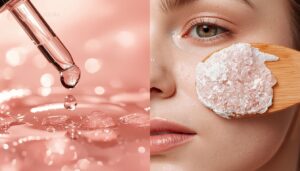
Chemical exfoliation uses acids or enzymes to dissolve the bonds holding dead cells together, while physical exfoliation rubs them away with friction. Think of it as unzipping versus scraping. Both help skin cell turnover and dead skin removal. When dead cells are not shed completely, exfoliation helps prevent buildup that causes dullness and clogged pores.
| Chemical | Physical | Shared Goal |
|---|---|---|
| Loosens cell bonds | Lifts cells off | Renewal |
| No scrubbing | Scrubbing | Smoothness |
| Helps barrier | May stress barrier | Turnover |
Respect your skin barrier function either way.
Depth and Pore Access
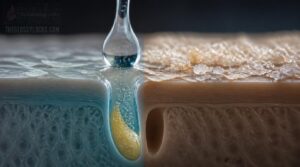
Depth is where the real differences show up. Salicylic acid (BHA) is oil-soluble, so it travels through sebum and cleans pores from the inside out. Physical exfoliation only lifts surface cells. That’s why scrubs can’t touch blackheads.
| Chemical (BHA) | Physical |
|---|---|
| Enters pores | Surface only |
| Dissolves sebum | Rubs cells off |
| Deep skin cell turnover | Shallow dead skin removal |
| True pore cleansing | No pore access |
Choose based on how deep you need to go.
Speed of Visible Results
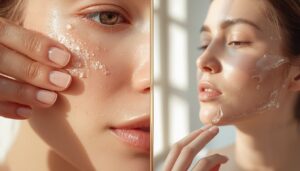
Speed is the next big question, and the two methods play very different games. Physical exfoliation wins instantly, your skin feels smoother minutes after rinsing. Chemical exfoliation builds results gradually as cell turnover increases. That’s why patience pays off.
| Chemical | Physical |
|---|---|
| Days to weeks | Minutes |
| Cumulative | Temporary |
| Deeper changes | Surface feel |
Match your skin type and timeline before choosing.
Irritation and Barrier Risks
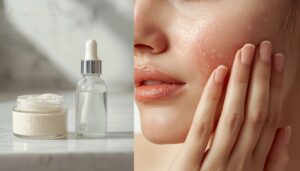
Fast results can come at a cost, and irritation is where that bill arrives. Both methods stress your skin barrier, the protective shield limiting water loss and irritant entry. Scrubbing creates friction and pressure that can cause microtears in skin, while over-the-counter acids can disrupt your acid mantle if strength and pH aren’t respected.
| Risk Factor | Chemical | Physical |
|---|---|---|
| Main trigger | Acid strength, contact time | Friction, pressure |
| Onset | Often delayed, hours later | Usually immediate redness |
| Sensitive skin care | PHAs, enzymes safer | Gentle tools only |
| Recovery | Stop use, barrier repairs | Stop use, barrier repairs |
Over-exfoliation compounds the problem, since repeating before full repair keeps irritation elevated. Listen to your skin.
Best Uses at Glance

One quick reference can save you weeks of trial and error. Match your skin type to the right method before you buy anything.
| Best For | Chemical Exfoliation | Physical Exfoliation |
|---|---|---|
| Clogged pores | Salicylic acid wins | Riskier for acne |
| Dull tone | AHAs brighten evenly | Instant glow |
| Sensitive skin | PHAs, enzymes | Generally avoid |
| Frequency | 1–3x weekly | 1–2x weekly |
Whatever you choose, respect skin barrier protection and keep exfoliation frequency low at first.
How Chemical Exfoliation Works

Chemical exfoliation sounds intimidating, but the idea behind it’s simple: certain ingredients loosen the glue holding dead skin cells together, so they shed on their own. No scrubbing required.
The real trick is knowing which ingredient does what, because each one works at a different depth and suits a different skin concern.
Here’s how the main players break down.
Surface Exfoliation With AHAs
Alpha Hydroxy Acids, or AHAs, are the workhorses of surface-level chemical exfoliation. Glycolic acid and lactic acid break the bonds holding dead cells together, speeding up skin cell turnover. The result is smoother texture and a fresher look. Think of it as dissolving glue rather than scrubbing it off. AHAs stay near the surface, so expect gradual texture improvement, not deep resurfacing.
Pore Cleansing With BHA
While AHAs work on the surface, Beta Hydroxy Acid goes deeper. Salicylic acid is oil soluble, meaning it dissolves into the sebum lining your pores and clears congestion from within. That’s why it’s the go-to for oily skin management and blackheads. For pore cleansing, BHA is genuinely peerless. Apply a leave-on formula after cleansing, before moisturizer, and start slowly.
Gentle Exfoliation With PHAs
What if your skin could exfoliate itself without stinging? That’s the promise of polyhydroxy acids, the gentlest members of the chemical exfoliation family. Their larger molecules penetrate more slowly, dissolving the bonds holding dead cells while supporting skin barrier function and hydration.
Ideal for sensitive skin care, PHAs like gluconolactone and lactobionic acid also soothe and protect. Start two to three evenings weekly, then increase gradually as tolerated.
Keratin Breakdown With Enzymes
Enzyme exfoliation works differently than acids. Instead of dissolving cell bonds chemically, fruit enzymes like papain (papaya) and bromelain (pineapple) digest keratin, the protein in dead surface cells. Think of them as tiny scissors, snipping away roughness. This keratin breakdown is gentle, making enzymatic activity ideal for reactive skin.
Even gentle enzymes can trigger sensitivity in some people, so a quick patch test before trying any new formula is always worth the extra minute.
Use once or twice weekly, leaving masks on ten minutes.
Product Strength and Concentration
Numbers on the label matter more than you might think. Most over-the-counter AHAs, like glycolic and lactic acid, max out at 2 percent in facial serums, while salicylic acid sits around 2 percent for pore cleansing. PHAs like gluconolactone run up to 10 percent because they’re gentler. Enzymes differ, measured in activity units rather than percentages, so labels can confuse.
Your skin type should guide strength. Start low, watch for stinging, and remember that prescription-strength formulas exist for a reason. Irritation avoidance beats aggressive results every time.
How Physical Exfoliation Works
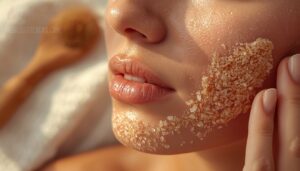
If chemical exfoliation works from the inside out, physical exfoliation takes the opposite approach: it removes dead skin manually, through friction. Instead of dissolving the bonds between cells, you’re physically sweeping them away with a tool, a scrub, or a textured surface. It sounds simple, and it’s—but the details matter, so let’s walk through the main methods and how each one works.
Facial Scrubs and Particles
Facial scrubs are the most familiar form of physical exfoliation, using solid particles to sweep dead cells off your skin’s surface. The particle matters more than you’d think.
Jojoba seed beads and cellulose microspheres are spherical, so they glide gently. Ground powders like walnut shell or apricot seeds are angular and harsher, raising irritation risk.
Check the ingredient list before buying.
Washcloths, Brushes, and Gloves
Beyond scrubs, your bathroom already holds gentler tools. A soft washcloth offers mild mechanical abrasion, lifting dead cells with minimal irritation. Exfoliating brushes, whether rotating or sonic, work deeper but demand a light touch and 60 seconds max. Exfoliating gloves suit rough body patches, not delicate facial skin.
Whatever you choose, keep tools clean and dry, since damp bristles harbor bacteria.
Dermaplaning and Microdermabrasion
For a step up from home tools, you have two professional options.
Dermaplaning uses a sterile blade to shave away dead skin cells and peach fuzz, revealing a smoother, brighter complexion almost instantly.
Microdermabrasion uses suction plus crystals or a diamond tip to sand the outer skin layer, improving texture and tone.
Both are physical exfoliation, so skip them if you’re prone to microtears.
Surface Cell Removal
However deep the tool, the goal stays the same: removing only the outermost dead skin cells. Your stratum corneum holds 15 to 20 layers of flattened, dead cells, and healthy skin sheds 30,000 to 40,000 of them every minute on its own.
Physical exfoliation simply speeds up that natural dead skin removal. The catch is precision:
- Detached, ready-to-shed cells lift away easily
- Still-adherent cells require force
- Force that’s too strong strips living layers below
Chemical exfoliation dissolves those same bonds without friction, which means gentler surface cell removal overall.
Friction and Pressure Levels
Because friction is the force that resists sliding between two surfaces, how hard you press directly controls the damage risk. Scrubbing harder increases friction and pressure, which means more exfoliation but also more microtears.
Chemical exfoliation needs no pressure at all, so your skin texture improvement comes without that physical stress. Let the product work, not your hands.
Chemical Exfoliation Benefits and Drawbacks

Chemical exfoliation has earned its reputation for a reason, but it’s not a one-size-fits-all fix. Depending on the acid you choose, you can brighten tone, clear pores, smooth texture, or even boost hydration. Here’s an honest look at what chemical exfoliation can do for your skin, and where it can go wrong if you’re not careful.
Brighter, More Even Tone
If dull, uneven skin is your main complaint, chemical exfoliation is your strongest ally. Acids dissolve dead cells that scatter light unevenly, revealing fresher skin underneath.
Key benefits include:
- Hyperpigmentation reduction through faster cell turnover
- Brightening complexion in 4-6 weeks
- Even tone without abrasion
Physical exfoliation smooths texture but fades dark spots less reliably.
Clearer Pores and Breakouts
Why do scrubs fail where acids succeed? Pores sit below the surface, and physical exfoliation only sweeps the top.
Salicylic acid, a beta hydroxy acid, is oil-soluble, so it dissolves sebum plugs deep inside pores. Alpha hydroxy acids work more superficially.
For blackheads and breakouts, chemical exfoliation wins clearly.
Smoother Texture and Fine Lines
Ever noticed how a freshly waxed car looks shinier than a clean one? Smoother surfaces reflect light evenly, and your skin follows the same rule.
Chemical exfoliation, especially alpha hydroxy acids like glycolic acid, drives skin texture improvement by loosening the bonds holding dead cells together. The result is a smoother, more even surface.
That smoothness matters for fine lines. When the top layer is uneven, lines look deeper than they really are. Improve the surface, and those lines soften visually.
Physical exfoliation smooths too, but only what friction can reach, and harsh scrubbing risks micro-tears.
Hydration Benefits by Acid
Here’s a surprise: some acids don’t just exfoliate, they actually add water to your skin. Alpha hydroxy acids (AHAs) do more than dissolve dead cells. Lactic acid boosts ceramide production, strengthening your moisture barrier. Glycolic acid stimulates glycosaminoglycans, improving hydration retention in deeper layers. Even better, exfoliation lets your moisturizer absorb properly. Physical scrubs can’t replicate these humectant effects.
Irritation and Sun Sensitivity
Here’s the honest downside: chemical exfoliation weakens your skin’s natural UV defenses. Freshly exfoliated skin lets more sunlight through, raising your risk of sunburn and long-term damage. That’s why daily broad-spectrum sunscreen isn’t optional during chemical exfoliation.
Watch for these over-exfoliation warning signs:
- Stinging or burning when applying products
- Redness that lingers past an hour
- New sensitivity to sunlight
Physical exfoliation carries its own risks, mainly microtears in skin from harsh scrubbing. For sensitive skin care, start slowly, protect with SPF, and stop if irritation develops.
Physical Exfoliation Benefits and Drawbacks

Physical exfoliation has real appeal—you can feel it working, and the results show up fast. But that same friction that smooths your skin can work against it if you’re not careful. Here’s an honest look at what this method does well, and where it can go wrong.
Immediate Skin Smoothing
If you want results you can feel right away, physical exfoliation is hard to beat. Scrubs, dermaplaning, and microdermabrasion buff away dead cells on contact, so your skin feels smoother within seconds of rinsing.
Chemical exfoliation works gradually, loosening bonds over minutes or days. That instant payoff explains the appeal of exfoliation for men, who often prefer quick, tactile results. Just match the method to your skin type.
Temporary Glow and Circulation
That rosy flush after a scrub? It’s real circulation stimulation. Physical exfoliation boosts blood flow to the surface, giving you a temporary glow that reads as a radiant complexion.
How to get the most out of it:
- Use gentle, circular motions
- Exfoliate warm, damp skin
- Stay hydrated
- Try microdermabrasion alternatives like soft brushes
The glow fades within hours as circulation normalizes. Enjoy it, but don’t chase it daily.
Improved Product Absorption
That instant smoothness does more than look good. It clears away dead cells that block your serums, so hyaluronic acid and retinol absorb evenly instead of pooling on rough patches.
Think of it as wiping a windshield before treating the glass. Just remember, a healthy skin barrier still needs moisture, so follow with hydration.
Potential Barrier Damage
That smoothness comes at a cost, though. Aggressive scrubbing can damage your skin barrier, the lipid seal that locks moisture in and keeps irritants out. When it’s compromised, water loss jumps two to five times, leaving skin tight and flaky.
Worse, transdermal absorption of irritants increases, triggering low-grade inflammation instead of reducing it. Your pH balance also falters, inviting disruptive bacteria.
Microtears From Harsh Particles
While barrier damage builds slowly, microtears happen in a single session. Crushed walnut shells and apricot seeds have jagged, uneven edges that act like sandpaper, slicing tiny lacerations into your skin. Facial skin is especially thin, with a stratum corneum just 10-15 micrometers thick, so it can’t handle that mechanical scraping.
Watch for these warning signs:
- Immediate redness mistaken for "working" exfoliation
- Chronic dryness and flaking from water loss
- Rough texture instead of smoothness
If your scrub contains harsh particles, swap it for round jojoba beads or chemical exfoliation.
Best Exfoliation Method by Skin Type

Here’s the truth I tell every patient: there’s no single "best" exfoliation method, only the best match for your skin. What works beautifully for your oily-skinned friend might leave your reactive skin red and angry. Let’s break down which approach fits each skin type so you can choose with confidence.
There’s no single best exfoliation method—only the best match for your skin type
Oily and Acne-Prone Skin
Chemical exfoliation is the clear winner for oily, acne-prone skin. Physical scrubbing irritates inflamed skin and often makes breakouts look worse, not better. Salicylic acid, a beta hydroxy acid, penetrates deep into pores to dissolve excess oil and debris. It’s the cornerstone of oily skin management and acne treatment. Glycolic acid helps with texture, but salicylic acid takes the lead.
| Exfoliant Type | Key Ingredient | Best For |
|---|---|---|
| Chemical toner | Salicylic acid (BHA) | Clogged pores, oiliness |
| Chemical serum | Glycolic acid (AHA) | Texture, mild congestion |
| Cleansing wash | Salicylic acid 0.5–2% | Daily acne treatment |
Dry and Dull Skin
When your skin feels tight and looks dull, physical scrubs are the wrong move. They strip the little moisture you have left. Lactic acid exfoliates gently while supporting moisture retention, and it won’t irritate an already depleted surface.
- Swap natural abrasives for a lactic acid serum
- Follow cleansing with a hydrating toner
- Add glycolic acid weekly to lift deeper dullness
Sensitive and Reactive Skin
For reactive skin, even mild friction can set off redness, stinging, or a breakout. Physical exfoliation is largely off the table.
Instead, PHAs and enzyme-based chemical exfoliation dissolve dead cells slowly and gently, supporting barrier repair without added irritation. They’re truly the safest option for sensitive skin. Start once a week and adjust based on how your skin actually feels.
If a new product leaves you wondering whether those spots are purging or a real reaction, this guide on whether sheet masks can cause breakouts explains how to tell the difference.
Mature or Sun-Damaged Skin
Sun damage doesn’t just show on the surface. UV exposure breaks down skin’s support structures over time, causing fine lines, rough texture, and uneven dark spots.
Alpha Hydroxy Acids (AHAs) are your best option here, gently dissolving dead cells and improving both tone and clarity. Skip microdermabrasion and harsh scrubs, and always follow every session with broad-spectrum sun protection daily.
Darker Skin Tones
Melanin-rich skin heals differently. Even mild irritation can trigger postinflammatory hyperpigmentation, causing dark marks to linger far longer than expected.
To keep your even skin tone intact, darker skin tones should stick to these four rules:
- Choose PHAs or enzymes, not rough scrubs
- Start exfoliating just once weekly
- Skip sessions on inflamed or irritated skin
- Wear daily sun protection
Choosing AHA, BHA, PHA, or Enzymes

Not all chemical exfoliants work the same way, and that distinction matters more than most people realize. The right acid for you depends on what your skin actually needs — whether that’s more brightness, deeper hydration, or cleaner pores. Here’s a breakdown of the main options and what each one does best.
Glycolic Acid for Dullness
If your complexion looks flat and tired, glycolic acid targets dullness directly. As the smallest of the Alpha Hydroxy Acids (AHAs), it penetrates more deeply than other acids to loosen dead cell bonds, revealing brighter skin beneath.
Look for 5 to 10 percent in OTC products. Consistent chemical exfoliation like this helps your skin barrier function when you start gradually.
Lactic Acid for Dryness
Glycolic acid works fast, but it’s not always the right fit if your skin leans dry.
That’s where lactic acid shines. It exfoliates gently while acting as a humectant, meaning it pulls moisture into the skin as it works. It also helps skin barrier function by boosting ceramide production. For dry skin, a 5 to 10 percent concentration is your sweet spot.
Salicylic Acid for Congestion
If your concern is clogged pores rather than dryness, salicylic acid is the go-to. It’s a Beta Hydroxy Acid (BHA), which means it’s oil-soluble and can actually sink into pores to dissolve sebum and dead cell buildup, not just skim the surface like most Alpha Hydroxy Acids (AHAs). That pore-penetrating ability makes it uniquely effective for blackheads, whiteheads, and congested skin.
It also carries anti-inflammatory properties, so it calms active breakouts while clearing the blockage causing them. A concentration of 0.5 to 2 percent works well for most oily or acne-prone skin types.
PHAs for Sensitive Skin
If your skin reacts to everything, polyhydroxy acids (PHAs) deserve your attention. Their molecules are larger than glycolic’s, so they penetrate slowly and sting less, which helps skin barrier function and inflammation reduction.
That gentler penetration makes PHAs especially worth considering if you’re still figuring out how exfoliation timing and technique affect acne-prone skin.
Common PHAs to look for include:
- Gluconolactone
- Lactobionic acid
- Galactose
- Labels just saying "PHA"
Always check the full ingredient list. Patch test first, and remember that gentle still means real chemical exfoliation.
Enzymes for Gentle Resurfacing
Enzymes offer another gentle option, often called enzyme exfoliation or fruit enzyme exfoliation. Papain, from papaya, and bromelain, from pineapple, break down keratin, the protein holding dead cells together. Think of it as dissolving glue rather than scrubbing it off.
That’s why enzymes suit sensitive skin seeking gentle resurfacing without stinging acids or abrasive particles. Patch test first.
How to Exfoliate Your Face Safely

Knowing how to exfoliate is just as important as choosing the right method, because even the best product can backfire with poor technique. The good news is that safe exfoliation comes down to a handful of straightforward habits. Here’s how to protect your skin barrier while still getting the results you want.
Patch Test New Products
Skipping a patch test is like diving into a pool without checking the depth. Your skin deserves better, especially with chemical exfoliation, where acids can trigger stinging or hives fast.
Do an inner forearm patch test first. Apply a half-pea-sized amount, as thickly as regular use, and leave it uncovered. Wait a full day. If burning, swelling, or redness appears, wash it off with lukewarm water and skip that product. Sensitive skin types, never skip this step.
Start With Low Concentrations
Jumping straight to a 20% glycolic peel is a recipe for regret. Start with low concentrations: Alpha Hydroxy Acids (AHAs) at 5-10% and Beta Hydroxy Acids (BHAs) like Salicylic Acid at 0.5-2%.
Even after a clean patch test, your barrier needs time to adapt. Lower doses prevent the redness and flaking that signal your skin has been pushed too hard.
Adjust Frequency Gradually
Think of exfoliation like exercise: doing too much too soon leads to injury, not faster results. Start once a week, regardless of skin type, and only increase after two consecutive weeks with no redness or tightness.
For chemical exfoliation with over-the-counter acids, or physical exfoliation with a scrub, the rule is the same: let your skin tell you when it’s ready.
Apply Broad-Spectrum Sunscreen
Exfoliation raises your photosensitivity, making broad-spectrum sun protection non-negotiable. Your skin barrier is temporarily thinner after any session, leaving it far more vulnerable to sun damage.
- Pick SPF 30 or higher with both UVA and UVB coverage
- Apply about 20 minutes before heading outside
- Reapply every two hours while outdoors
- Try tinted formulas with iron oxide to help protect against visible light that deepens dark spots
Recognize Over-Exfoliation Signs
Your skin will usually tell you when enough is enough. Redness, stinging, or that hot-to-the-touch feeling after exfoliating are clear warning signs your barrier is compromised.
Flaking, unexpected breakouts, and a tight, uncomfortable sensation mean your routine has become too aggressive.
When normal products start to sting, stop exfoliating immediately and let your skin recover.
Can You Use Both Methods Together?
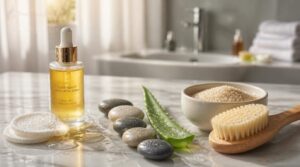
Using both chemical and physical exfoliation together is absolutely possible — you just need a smart plan to avoid overdoing it. The key is knowing when, how often, and what else to pair them with. Here’s how to combine both methods without compromising your skin barrier.
Alternate Exfoliation Days
On alternate days, your skin gets breathing room between treatments. This approach, often called skin cycling, lets each method work without interference.
- Chemical exfoliation (AHAs/BHAs) on Monday
- Rest Tuesday
- Physical exfoliation Wednesday
- Rest Thursday
- Repeat based on your skin type
Recovery days preserve ceramides, natural oils, and your barrier, preventing cumulative damage.
Avoid Layering Harsh Treatments
Rest days help, but only if you don’t stack treatments on active days. Never combine chemical and physical exfoliation in one session, since doubling removal methods overwhelms your skin barrier function and invites inflammation.
Skip harsh scrubs, alcohol-heavy toners, and overthecounter acids layered together. One exfoliating "engine" per routine keeps results coming without the sting.
Schedule Skin Recovery Days
One exfoliating engine per routine still needs a day off. Schedule skin recovery days after every active night, giving your skin barrier function time to rebuild without acids or scrubs.
On recovery nights, cleanse, then apply a hydrating serum and moisturizer to slightly damp skin. Hydration retention does the heavy lifting, calming any low-grade inflammatory response or microirritation before it compounds.
Coordinate Other Active Ingredients
Recovery days also give you room to plan your other activities. Retinoids and benzoyl peroxide belong on non-exfoliating nights, since stacking them with alpha-hydroxy or beta-hydroxy acids multiplies irritation. Pair salicylic acid with oil-control products safely, but keep polyhydroxy acids or lipohydroxy acid away from strong resurfacing treatments. Vitamin C? Use it mornings, after sunscreen.
Stop if Irritation Develops
Even when you plan carefully, irritation can still sneak up. If you notice burning, stinging, or redness lasting over 30 minutes, stop if irritation develops immediately. Your skin barrier function needs a break, not more effort. Here’s what to do:
- Stop all exfoliating products
- Apply a cool compress for inflammation reduction
- Use a fragrance-free, ceramide moisturizer
- Skip retinoids and vitamin C until skin feels normal
- Wait 48 hours symptom-free before restarting
Sensitive skin especially needs this pause. Give it time to heal.
Which Exfoliation Method Should You Choose?
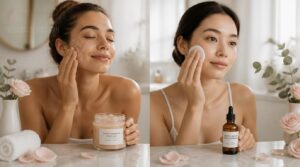
By now, you know how chemical and physical exfoliation work, so it’s time to make a decision. The right choice depends on what your skin actually needs, not on what’s trending on social media. Here’s a simple guide to help you pick the method that fits your goals.
Choose Chemicals for Congestion
If clogged pores are your main complaint, chemical exfoliation wins hands down. Salicylic acid is oil-soluble, meaning it dissolves sebum inside pores where scrubs can’t reach. That’s true pore unclogging, not surface smoothing.
| Concern | Best Pick | Why |
|---|---|---|
| Blackheads | Salicylic Acid | Penetrates oil |
| Dullness | Glycolic Acid | Brightens tone |
| Dryness + congestion | Lactic Acid | Hydrates while exfoliating |
Expect clearer skin in 2-4 weeks with consistent use.
Choose Physicals for Quick Smoothness
Need smooth skin by tonight? Physical exfoliation delivers instant results. Scrubs with jojoba beads or powdered micronized shells buff away dead cells immediately, leaving skin soft and camera-ready. A gentle sugar face scrub is one of the easiest ways to get that quick polish without irritating your skin before a big night out.
That’s why face scrubs are popular before big events. Just avoid harsh particles like crushed apricot kernels, which can cause microtears. Sugar scrubs offer gentler, quick polish.
Prioritize Gentle Options
Whatever method you pick, gentleness wins the race. Alpha Hydroxy Acids AHAs like lactic acid at low strengths work well, and PHAs are even milder. For sensitive skin, enzyme exfoliants are your safest bet.
Skip aggressive scrubs and consider microdermabrasion alternatives like soft silicone brushes. Your barrier will thank you.
Match Method to Goals
What do you actually want from exfoliation? That answer should drive your choice, not the trend of the week.
For dullness and uneven tone, Alpha Hydroxy Acids (AHAs) like glycolic acid fit best. For breakouts and clogged pores, Beta Hydroxy Acids (BHAs) reach deeper. Sensitive Skin Type? Choose gentler enzymatic activity. For instant smoothness, Microdermabrasion works, but results are temporary. Match the tool to your goal.
Ask a Dermatologist When Unsure
When in doubt, don’t guess. Dermatologist supervision prevents chemical burns, microtears, and wasted money on wrong products. Unsure of your skin type? A professional assessment guides concentration gradation, matching acid strength to your tolerance.
Try a behind the ear test first, but persistent redness or breakouts still warrants a visit. Your skin deserves expert eyes.
Frequently Asked Questions (FAQs)
Do dermatologists recommend exfoliating the face?
Yes, dermatologist-recommended exfoliation is part of a healthy skincare routine. It removes dead cells, improves texture, and boosts product absorption, though the right frequency depends entirely on your skin type.
How do Koreans exfoliate their face?
Korean skincare treats exfoliation like a light tune-up, not a deep overhaul. The Korean Skincare Routine favors gentle exfoliation using Alpha Hydroxy Acids or Beta Hydroxy Acids BHAs, each applied just once or twice weekly.
What is the healthiest way to exfoliate your skin?
The healthiest approach means starting gentle, matching the method to your skin type, and never pushing past what your skin tolerates. Consistency and restraint beat intensity every time.
Do you need to physically exfoliate your face?
No, you don’t. Physical exfoliation isn’t a must for everyone. If your skin type leans sensitive or acne-prone, chemical exfoliation can deliver the same glow with far less friction.
How often should you exfoliate your face each week?
More is not always better. Most skin types do well exfoliating two to three times weekly, though sensitive skin may need just once. Watch for over-exfoliation signs like redness, and adjust frequency accordingly.
Can you exfoliate while using retinol or vitamin C?
Yes, but separate your actives. Use vitamin C mornings, retinol at night, and try skin cycling with exfoliants like glycolic or salicylic acid on alternate days. Stinging or flaking means pause and prioritize barrier repair.
Should you exfoliate in the morning or at night?
Night wins. Counterintuitively, exfoliating while you sleep gives skin time for barrier repair before sun exposure, though sun sensitivity still demands morning sunscreen. Nighttime exfoliation helps overnight recovery.
Is it safe to exfoliate during pregnancy or breastfeeding?
Generally, yes, with care. Favor gentle chemical exfoliation like lactic acid or PHAs, and skip harsh physical exfoliation. For pregnancy skincare and breastfeeding safety, confirm ingredients with your doctor, especially with sensitive skin.
What should you do after exfoliating your face?
Rinse with lukewarm water, then pat dry gently. Apply a hydrating serum, follow with moisturizer, and finish with broad-spectrum SPF 30 sunscreen. Skip retinoids and vitamin C until skin calms.
Conclusion
Hippocrates had it right centuries ago: first, do no harm. That principle settles the chemical vs physical exfoliation for face debate better than any trend. The same gentle logic applies to your eye area, where harsh formulas often backfire—this guide on why under-eye creams cause irritation explains how to spot the culprits before your skin pays the price.
Your skin isn’t marble to be sanded, it’s a living barrier that rewards patience. Choose the gentlest effective method, protect it with sunscreen, and let consistency do the heavy lifting.
When you respect the barrier, the glow follows. Your face already knows the answer.