This site is supported by our readers. We may earn a commission, at no cost to you, if you purchase through links. This content is for general informational and educational purposes only and is not a substitute for professional medical, dermatological, or nutritional advice.

You’ve got a breakout, and your skin feels rough and bumpy. So you reach for a scrub, thinking a little polishing will clear things up. That instinct makes sense. But here’s the catch: exfoliating the wrong way can make acne worse, not better.
In my dermatology practice, I see this constantly. Patients either avoid exfoliation entirely out of fear, or they scrub so aggressively that their skin barrier pays the price. The truth sits in the middle. Can you exfoliate face with acne? Yes, you can, and done right, it helps unclog pores and smooth your skin. The key is knowing which products to use, how often to use them, and when to stop and call a dermatologist instead.
Table Of Contents
- Key Takeaways
- Yes, You Can Exfoliate Acne-Prone Skin
- How Exfoliation Helps With Acne
- Chemical Versus Physical Exfoliation
- Best Exfoliating Acids for Acne
- How to Exfoliate Acne Safely
- How Often Should You Exfoliate?
- Signs You Are Over-Exfoliating
- When Acne Needs Professional Treatment
- Frequently Asked Questions (FAQs)
- What kills acne naturally?
- What exfoliator is best for acne?
- How do I exfoliate my acne-prone skin?
- How do Koreans clear acne?
- Can You Exfoliate Active, Broken-Out Skin?
- Should You Exfoliate Before or After Cleansing?
- Can You Use Retinol With Exfoliants?
- Is It Safe to Exfoliate During Accutane Treatment?
- Can You Exfoliate Other Body Areas With Acne?
- Conclusion
Key Takeaways
- You can exfoliate acne-prone skin, but only with gentle chemical exfoliants like salicylic acid, which dissolves oil and debris inside pores rather than scrubbing the surface.
- Exfoliation supports acne care but can’t cure it, since the real drivers—bacteria, hormones, and inflammation—require targeted treatments, and inflamed cysts or nodules need a dermatologist, not acids or scrubs.
- Abrasive physical scrubs and friction from washcloths can cause microtears, spread bacteria, and damage your skin barrier, making breakouts worse instead of better.
- Start exfoliating just once weekly and increase slowly while watching for warning signs like burning, peeling, or sudden new breakouts—these signal over-exfoliation, not progress, and mean you should pause and repair your barrier with ceramide moisturizers and daily sunscreen.
Yes, You Can Exfoliate Acne-Prone Skin

Yes, you can exfoliate acne-prone skin — but the details matter. How and when you exfoliate determines whether it helps clear your skin or makes breakouts worse. Here’s what you need to know before you start.
The right approach comes down to choosing the best chemical exfoliants for acne-prone skin, so you know which acids actually work and which ones to skip.
When Exfoliation Helps Acne
When your skin is dealing with frequent clogged pores and dull texture, chemical exfoliants like salicylic acid can genuinely help.
As a beta hydroxy acid (BHA), salicylic acid is oil-soluble, meaning it works inside pores to break down keratin and sebum buildup.
These comedolytic agents loosen the cellular debris that starts most breakouts before they form.
When Exfoliation Worsens Acne
But exfoliation can backfire quickly. If you’re dealing with inflamed acne lesions, scrubbing or overusing acids makes things much worse. Friction from washcloths and abrasive physical scrubs increases irritation right where your skin is most vulnerable.
Overexfoliating strips surface lipids, triggering dryness and barrier breakdown. That damaged barrier makes your skin react more intensely to everything, including your acne treatments.
Exfoliation Cannot Cure Acne
Even with perfect exfoliation technique, you won’t clear acne completely. Exfoliation removes dead cells and smooths texture, but it can’t touch the real drivers: bacteria, hormones, and inflammation. Those go deeper than any acid or scrub can reach.
Think of it as preparation, not treatment. In fact, chemical exfoliants like salicylic acid are recommended by dermatologists for penetrating pores and reducing inflammation, making them a smarter choice than physical scrubs for acne-prone skin. For persistent breakouts, a dermatologist consultation gets you targeted solutions exfoliation simply can’t offer.
How Exfoliation Helps With Acne

Exfoliation does more for acne-prone skin than most people realize. When used correctly, it works in several ways to calm breakouts and keep your skin clearer over time. Here’s exactly how it helps.
Removes Built-Up Dead Skin
Think of your skin like a window that hasn’t been cleaned in months. Dead skin cells pile up on the surface, making your complexion look dull and rough.
Regular exfoliation clears away that buildup, revealing fresher skin underneath. Chemical exfoliants speed up natural skin turnover, nudging those older cells off so newer, healthier skin shows through.
Unclogs Acne-Prone Pores
Pores clog when trapped sebum and dead cells build up inside the follicle. Chemical exfoliants like salicylic acid are oil-soluble, meaning they travel into clogged pores and dissolve that blockage from within. A regular cleanser can’t reach that far.
This is real pore cleansing. It also helps with sebum regulation, helping keep congestion from quietly building back up.
Improves Acne Treatment Absorption
Dead skin acts like a wall, blocking your acne treatments from sinking in. Exfoliation clears it, so chemical exfoliants and topicals can reach deeper layers.
Better product absorption means your antiacne regimen works harder:
- Retinoids penetrate more effectively
- Benzoyl peroxide reaches active breakouts
- Niacinamide absorbs deeper into skin
- Prescription topicals deliver stronger results
Improved skin cell turnover keeps this working.
Smooths Uneven Skin Texture
When acne clears, rough patches often remain. That uneven feel comes from built-up keratin and old skin cells sitting on the surface.
Chemical exfoliants loosen these cells, speeding skin cell turnover so fresh, smoother skin replaces them. Over weeks, this brings real skin texture improvement.
Just go gently, because overdoing it can damage your skin barrier function and worsen texture.
Reduces Excess Oiliness
Oily skin and acne often go hand in hand. The good news? Exfoliation helps sebum control by clearing the oil and dead cells that build up inside pores.
Salicylic acid works especially well here. It’s oil-soluble, so it penetrates the pore lining and dissolves excess sebum directly.
To keep oil regulation steady:
- Exfoliate 3–4 times weekly
- Use salicylic acid cleansers
- Follow with a noncomedogenic moisturizer
- Never over-scrub
- Support skin barrier repair daily
Over-exfoliation backfires, triggering more oil. Balance wins.
Chemical Versus Physical Exfoliation
Not all exfoliants are created equal, and the wrong type can make breakouts angrier. The choice comes down to chemical versus physical exfoliation, and it matters more than most people realize. Here’s what you need to know before you pick up that scrub.
How Chemical Exfoliants Work
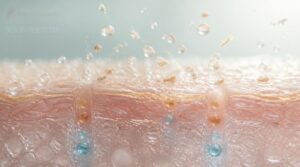
Chemical exfoliants work like tiny dissolvers. They loosen the "glue" holding dead skin cells together, so those cells shed easily.
Salicylic acid, a BHA, is oil-soluble. It dives into pores and clears trapped oil. AHAs like glycolic acid stay on the surface, smoothing texture.
Think of it as ungluing debris rather than scrubbing it off. Gentle, targeted, and kind to your skin barrier.
Risks of Abrasive Scrubs

That apricot scrub in your shower? It may be working against you.
Physical exfoliants with jagged particles, like crushed walnut shells, create microscopic tears in your skin. Those tears weaken your skin barrier and invite bacteria in. Here’s what abrasive scrubs can do:
- Cause tiny cuts that trap acne bacteria
- Trigger inflammation and redness
- Strip protective oils, causing rebound oiliness
- Spread bacteria to nearby pores
For skin irritation prevention, chemical exfoliation is gentler. Your exfoliation frequency matters too, so skip the scrubbing.
Avoiding Friction on Breakouts

Scrubbing isn’t the only friction problem. Rubbing, pressure, and heat can also trigger breakouts, a type of acne called acne mechanica. Helmets, tight straps, and phone screens pressed against your cheek all count.
So be gentle. Use your fingertips, not a washcloth. Pat dry, don’t rub. Exfoliation should never feel like sanding wood. Protect your skin barrier, and you’ll calm inflammation instead of feeding it.
Choosing Gentle Exfoliation Methods

Gentle exfoliation means letting chemistry do the work. Choose chemical exfoliants over scrubs. They dissolve dead skin without rubbing.
Look for low concentrations and gentle bases. Skip alcohol-heavy formulas. Rinse-off masks are milder than leave-ons for beginners.
If you have sensitive skin, solutions like PHAs work slowly and kindly. They protect your skin barrier and support healthy skin pH balance. Your skin stays calm.
Best Exfoliating Acids for Acne

Not all acids are created equal, and the one you pick can make or break your results. The right choice depends on whether you’re fighting clogged pores, rough texture, dryness, or sensitive skin. Here’s a simple breakdown of the best exfoliating acids for acne and how to use each one safely.
Salicylic Acid for Clogged Pores
When your pores feel stuffed with oil and dead skin, salicylic acid is your best friend. Unlike other chemical exfoliants, this beta hydroxy acid (BHA) is oil-soluble, so it slips inside clogged pores and clears them from within.
Look for 0.5–2% strengths in leave-on products. Give it 8–12 weeks before judging results, and always wear sunscreen daily.
Glycolic Acid for Texture
While salicylic acid works inside your pores, glycolic acid works on the surface. This alpha hydroxy acid (AHA) loosens bonds between dead skin cells, smoothing rough texture and uneven tone left behind by breakouts.
Here’s what glycolic acid can do for you:
- Speeds up skin turnover
- Fades dark marks
- Softens rough patches
- Boosts treatment absorption
Start with 5–10% strengths, two or three times weekly. Expect smoother texture within 2–4 weeks.
Lactic Acid for Dryness
If glycolic acid feels too strong, lactic acid may be your match. Like other alpha hydroxy acids (AHAs), it exfoliates, but its larger molecule penetrates more slowly. That means less irritation.
Lactic acid also works as a humectant, pulling water into dry skin. It helps skin barrier repair and boosts skin hydration while smoothing flaky patches.
Choose 5% or less if your skin is sensitive. Start weekly, then build up.
PHAs for Sensitive Skin
If your skin reacts to everything, polyhydroxy acids PHAs may be the answer. Their large molecules work slowly, so chemical exfoliation happens without the sting. PHAs also hydrate and support your skin barrier while helping acne-prone, sensitive skin.
Dermatologist-recommended sensitive skin solutions include:
- Gluconolactone toners with soothing niacinamide
- Fragrance-free PHA serums
- PHA masks for gentle smoothing
- Daily PHA moisturizers
Start slowly, then increase.
Choosing Safe Acid Concentrations
Picking the right strength matters as much as picking the acid itself. Beta hydroxy acids (BHAs) like salicylic acid work best at 0.5% to 2%. Alpha hydroxy acids (AHAs) such as glycolic acid should start at 5% or lower.
Higher percentages don’t clear acne faster; they just raise skin sensitivity. Begin low, stay consistent, and give your face time to adjust.
How to Exfoliate Acne Safely
Knowing which acid to use is only half the battle. How you apply it matters just as much, because even the gentlest exfoliant can backfire with the wrong routine. Here are five simple steps to exfoliate acne-prone skin safely, so you get smoother skin without the setbacks.
Cleanse With Gentle Products
Before you reach for any exfoliant, start with a clean slate. Use a gentle cleanser and warm water, never hot. Harsh soaps and scrubbing strip your skin’s barrier and make acne worse. Rinse thoroughly so no residue lingers. Pat dry softly. Think of this step as prepping the canvas, so your chemical exfoliants can work safely and effectively.
Apply Exfoliant as Directed
More is not better. Use only a pea-sized amount of your exfoliant, just like the label says. Apply chemical exfoliants in a thin layer to damp, not dripping, skin. Dripping wet skin dilutes the product and weakens results.
Give it about 30 seconds, then rinse with lukewarm water. Following directions keeps cell turnover steady without irritating your acne.
Avoid Layering Harsh Actives
Think of your skin like a bucket. Every active ingredient adds water. Stack too many at once, and it overflows.
That overflow shows up as skin irritation signs: burning, redness, flaking. Don’t combine AHAs and BHAs with retinoids or benzoyl peroxide in one session. Choose one active per night. Space them out, and give your skin rest days to recover.
Restore Moisture Barrier
Exfoliation stirs up your skin’s barrier. Now it needs repair.
After every exfoliating session, apply a ceramide-rich moisturizer twice daily. Ceramides make up about half your skin barrier, acting like glue between cells. Look for niacinamide too—it boosts ceramide production and calms inflammation.
Your barrier repair routine should include:
- A gentle hydrating cleanser
- A ceramide and niacinamide serum
- A thick moisturizer morning and night
- Hyaluronic acid on damp skin
- Panthenol for fast soothing
Give your skin what it lost. It will thank you.
Wear Daily Broad-Spectrum Sunscreen
A repaired barrier still needs daily broad-spectrum sunscreen. Exfoliation raises UV sensitivity, and sun darkens acne marks.
| Need | Look For | Avoid |
|---|---|---|
| Pores | Non-comedogenic | Heavy oils |
| Protection | SPF 30 or higher | Low SPF |
| Skin type | Mineral zinc oxide | Fragrance |
Apply after moisturizer. Reapply every two hours. UV protection keeps healing on track.
How Often Should You Exfoliate?

So how often should you exfoliate when your skin breaks out? It’s a fair question, because more isn’t better here. The answer depends on a few things, like your product’s strength and how your skin reacts, so let’s walk through it step by step.
Start Once Weekly
Start slowly. Always begin chemical exfoliation just once weekly, especially with sensitive or acne-prone skin. Your skin needs time to adjust, and this pace helps you avoid irritation.
Why once weekly matters:
- It lets your skin turnover happen naturally
- It protects a compromised skin barrier
- It reveals how your skin truly responds
Whether you choose a nonprescription topical or physical exfoliation, patience wins.
Increase Frequency Gradually
Once weekly is working well? Great. Now you can slowly build up to two or three sessions weekly.
Go slowly, though. Your skin barrier needs recovery time between sessions. If you re-exfoliate before it heals, irritation builds up quietly. That’s how over-exfoliation sneaks up on you.
A simple rule: add one session weekly, then wait. Watch for stinging or redness. If those appear, hold steady. Your skin sets the pace.
Consider Product Strength
Strength matters more than frequency. Match product strength to your skin’s tolerance, not your goals. Chemical exfoliants vary widely:
- Low strength (2% salicylic acid)
- Mild-to-moderate acne formulas
- Higher concentrations
- Professional peels
For home use, choose dermatologist-recommended options. Stronger isn’t faster. It just trades skin barrier repair time for irritation.
Adjust for Seasonal Changes
Think of your skin as having a seasonal wardrobe. What works in July may fail in January. Winter dryness thins your barrier, so the same chemical exfoliation can sting more. Summer heat and humidity boost oil and sweat, changing clogged-pore conditions.
Ease up strength in cold months. Add oilfree skincare and barrier repair moisturizers. Adjusting beats pushing through.
Follow Your Skin’s Response
Listen to your skin like a trusted friend. It tells you what it can handle. If chemical exfoliants cause stinging or flaking, back off. Salicylic acid that once felt fine may suddenly irritate inflamed skin. Everyone’s barrier differs.
Watch for these signals:
- Tightness after rinsing
- Lingering redness
- New breakouts
- Burning with retinoids
- Stinging from topical acne treatment
Mild response? Continue. Irritation? Pause. Your skin sets the schedule, not the calendar. Adjusting early prevents inflammatory acne flares and keeps results on track.
Signs You Are Over-Exfoliating

Sometimes your skin tells you it has had enough before you realize it. Exfoliating too often or too strongly can damage your moisture barrier, and that damage shows up in ways you might mistake for "just more acne." Here are the warning signs of over-exfoliation to watch for, plus how to help your skin heal.
Burning or Persistent Stinging
A little tingling can be normal. Burning that lingers is not. When chemical exfoliation leaves your skin stinging during routine washing, your barrier is damaged. Inflammation makes nerves more reactive.
| Sensation | Likely Cause | What to Do |
|---|---|---|
| Brief tingle, fades fast | Normal acid action | Continue as directed |
| Stinging with moisturizer | Compromised barrier | Pause exfoliating, hydrate |
| Burning all day | Over-exfoliation | Stop, see a dermatologist |
Physical exfoliation can cause tiny microtears that keep skin burning. If water alone stings, rest your skin.
Redness and Increased Sensitivity
Redness that lingers after washing? That’s an inflammatory response, not normal exfoliation. Damaged barriers cause transepidermal water loss, so skin flushes easily and reacts to once-tolerated products.
Sensitive skin solutions start with stopping all acids, then hydrating and protecting. Nerve endings stay sensitized even as skin heals, so give it time. Your barrier, like skin elasticity, recovers with patience.
Peeling or Tight Skin
Skin that peels or feels tight isn’t "working harder." It’s your barrier waving a white flag. When exfoliation strips too much moisture, skin turns papery and flaky.
What to do right now:
- Pause all chemical exfoliants, including salicylic acid
- Use a gentle, non-foaming cleanser
- Apply a ceramide-rich moisturizer twice daily
- Skip scrubs until skin feels supple again
Healing takes about two weeks. Be patient.
Sudden Breakouts and Irritation
Here’s the frustrating part: new pimples after exfoliating aren’t a "purge." When acne vulgaris flares suddenly, it usually means skin irritation, not progress.
Those new pimples after exfoliating usually signal irritation, not a purge or progress
| What It Looks Like | What’s Really Happening |
|---|---|
| New bumps within 24–48 hours | Chemical exfoliants disrupted your barrier |
| Small, red, itchy pimples | Inflammation from over-exfoliation |
| Breakouts in unusual spots | Sudden breakouts from irritation, not clogged pores |
Stop exfoliating. Give your skin a two-week break. If bumps persist, see a dermatologist.
Repairing Your Skin Barrier
The good news? Your skin barrier can heal. It just needs the right support.
Here’s how to speed up barrier repair:
- Apply a ceramide-rich moisturizer on damp skin, twice daily.
- Pause all acids, retinoids, and vitamin C for now.
- Use gentle cleansers only, plus sunscreen every morning.
Expect calmer skin within days. Full repair takes three to six weeks.
When Acne Needs Professional Treatment

Sometimes acne needs more than a good skincare routine, and that’s okay. Knowing when to call in a dermatologist can save you months of frustration and protect your skin from lasting damage. Here are the clear signs it’s time to seek professional help, plus the treatments a dermatologist can offer.
Painful Cysts or Nodules
If you’re dealing with painful cysts or nodules, stop exfoliating that area immediately. These deep, inflamed lesions sit far below the surface, so chemical exfoliation won’t reach them and can make things worse.
This level of inflammatory acne needs dermatologist-recommended topical treatments or in-office procedures, not acids or scrubs.
Persistent or Worsening Acne
When acne keeps coming back despite your routine, exfoliation alone won’t fix it. Persistent or worsening acne often signals something deeper.
A dermatologist can help when:
- Breakouts spread or multiply weekly
- Chemical exfoliation irritates rather than clears
- Inflammatory acne leaves painful new lesions repeatedly
Dermatologist-recommended treatments like retinoids or antibiotics target root causes no acid can reach.
Dark Marks After Acne
Those flat spots left behind after a breakout are called postinflammatory hyperpigmentation. They’re not true acne scarring. They fade over time, but slowly.
Gentle chemical exfoliation, like glycolic acid, can speed fading by turning over pigment. Daily sunscreen matters most, since UV darkens those marks. For stubborn spots, see a dermatologist. Prescription options and peels work faster than anything you can do alone.
Indented or Raised Scars
True scars behave differently from dark marks. Indented scars form when deep inflammation heals with too little collagen support. Raised scars form when healing makes too much. Here’s what matters:
- Acne scarring is set during healing, not after
- Deeper breakouts raise indented scar risk
- Genetics influence raised scars and keloids
Chemical exfoliation, including alpha hydroxy acids AHAs and beta hydroxy acids BHAs, can smooth texture and soften edges. But it cannot rebuild lost collagen or flatten raised tissue. Retinoids may help mildly. For real change, these scars need procedures, not products.
Dermatologist-Guided Exfoliation Options
When home care isn’t enough, dermatologist-guided exfoliation options offer stronger, safer results. In-office salicylic acid peels penetrate oil-clogged pores deeply. Microdermabrasion gently smooths texture. Light therapies target acne bacteria.
The American Academy of Dermatology recommends professional care for stubborn cases. We often pair peels with topical retinoids for better outcomes.
Your dermatologist can build a plan combining chemical exfoliants with barrier repair and daily sunscreen protection.
Frequently Asked Questions (FAQs)
What kills acne naturally?
Nature offers some real acne fighters. Tea tree oil kills Cutibacterium acnes bacteria. Zinc calms inflammation and reduces oil. Green tea, aloe vera, and honey-cinnamon masks also fight breakouts gently.
What exfoliator is best for acne?
For acne, salicylic acid is best. This BHA dissolves oil inside clogged pores. Glycolic or lactic acid (AHAs) suit dryness or dark marks. Choose gentle chemical exfoliants, start slowly, and stop if irritation develops.
How do I exfoliate my acne-prone skin?
Start with a gentle cleanser, then apply salicylic acid two or three times weekly. Avoid scrubs, don’t layer harsh actives, moisturize, and wear sunscreen daily.
How do Koreans clear acne?
How do Koreans clear acne? Their Korean skincare routine relies on gentle acne management: double cleansing, mild chemical exfoliation with beta hydroxy acids BHAs, barrier-repairing hydration, and daily sunscreen. Think soothing, not scrubbing.
Can You Exfoliate Active, Broken-Out Skin?
Yes—with care. Think of exfoliation like pruning a garden: done gently, it clears the way for healthy growth. Use chemical exfoliation, skip scrubs, and pause if skin feels raw.
Should You Exfoliate Before or After Cleansing?
Exfoliate after cleansing, always. Clean skin lets chemical exfoliation penetrate better and prevents scrubbing dirt deeper into pores. Physical exfoliation on dirty skin can worsen breakouts, so cleanse first.
Can You Use Retinol With Exfoliants?
Retinol and exfoliants can work together, but never in the same routine. Alternate nights instead: retinol one evening, hydroxy acids another, with recovery nights between to protect your barrier.
Is It Safe to Exfoliate During Accutane Treatment?
Short answer: no, not usually. Accutane (isotretinoin) makes skin fragile and sensitive, so most dermatologists advise skipping exfoliants during treatment. Instead, use gentle cleansers, urea creams, and sunscreen.
Can You Exfoliate Other Body Areas With Acne?
Scrubbing your back raw won’t erase body acne overnight, despite what ads claim.
You can exfoliate acne-prone areas like your chest, back, and shoulders, but only gently.
Skip abrasive physical exfoliation over inflamed bumps.
Salicylic acid suits oily skin care best.
Conclusion
One patient told me her skin felt like sandpaper, so she scrubbed harder. Her acne doubled.
So, can you exfoliate face with acne? Yes, but gently, like tending a garden rather than power-washing a driveway. Choose mild chemical exfoliants, go slow, and protect your moisture barrier. Your skin isn’t the enemy. Treat it kindly, and it will reward you with smoother, calmer, clearer days ahead.