This site is supported by our readers. We may earn a commission, at no cost to you, if you purchase through links. This content is for general informational and educational purposes only and is not a substitute for professional medical, dermatological, or nutritional advice.
Eight minutes. That’s all it takes for a dry steel blade to reach 125°F (51°C), hot enough to burn the skin on your client’s neck or your own fingers.
The oil film that protects your blades often breaks down within 3 to 5 minutes of cutting. After that, metal grinds on metal and your motor turns energy into heat instead of clean cuts. Hair clogs, dull edges, and blocked vents make it worse.
Preventing hair clipper motor overheating comes down to a few habits: clean airflow, fresh oil, sharp blades, and planned breaks. Here’s how to build each one.
Table Of Contents
- Key Takeaways
- Common Causes of Hair Clipper Motor Overheating
- What to Do When Clippers Overheat
- Maintain Blades and Vents to Reduce Strain
- Take Cooling Breaks During Long Haircuts
- Choose Hair Clippers With Heat-Management Features
- Frequently Asked Questions (FAQs)
- Can repeated overheating shorten a clipper motors lifespan?
- When should you apply cooling spray to clippers?
- How often should clippers be professionally serviced?
- How should clippers be stored to avoid motor damage?
- Do pet grooming clippers overheat faster than barber clippers?
- How long do clipper motors usually last?
- Conclusion
Key Takeaways
- Dry steel blades can pass 125°F in about eight minutes because the oil film breaks down within 3 to 5 minutes, so you should put 2 to 3 drops of oil on the teeth before every use.
- Brush hair out of the blades and vents every session, since clogged vents trap heat and packed hair makes your motor work harder.
- Test your blade on printer paper, because dull, chipped, or rusted blades add drag and strain, and you should replace the blade and cutter as a matched pair.
- Pause every 15 to 20 minutes to cool and oil the blades, and if they still run hot after cleaning, or you see smoke, sparks, or a swollen battery, stop using the clippers.
Common Causes of Hair Clipper Motor Overheating
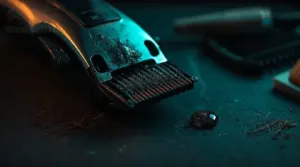
Often, hair clipper overheating comes down to friction. Once the oil film breaks down, usually within 3 to 5 minutes of cutting, metal rubs on metal and turns most of the motor’s energy into heat. Dry steel can pass 125°F (51°C) in about eight minutes.
Cleaning your blades properly before oiling them helps that film last longer, and this guide to cleaning clipper blades safely walks you through it.
Dirty blades make it worse. Hair, hairspray and pomade pack into a gritty paste that forces the blades apart and traps hair. Blocked air vents trap excessive heat inside the housing.
Hair clippers overheat under load, too. Thick hair, a low battery, over-tightened blade tension or a worn motor all force the motor to work harder. Dull edges add drag and extra passes. Carbon steel blades also hold heat longer than ceramic or DLC-coated ones. Using the right guide comb and removing bulk in smaller sections keeps the machine from being forced through heavy masses of hair.
What to Do When Clippers Overheat
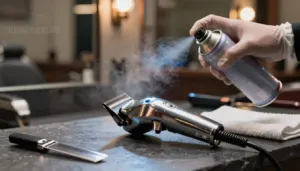
Once friction and clogged vents have pushed a machine past its limit, act fast. Here are the immediate steps to cool down clippers:
- Turn them off and unplug the cord.
- Set them on a stable, dry surface for 30 to 60 seconds.
- Spray the blade teeth with cooling spray, then wipe off the excess.
- Swap in a second, pre-cooled blade set if you have one.
- Touch-check the blade before you resume.
Never use water, WD-40 or household oil. Don’t blow a fan at the vents either, since it pushes dust inside.
For a full walkthrough of the right way to clear out the vents and clean around the drive, see this guide to cleaning a hair clipper motor properly.
If the blade stays hot after cleaning, oiling and a full cooldown, the cause is likely misalignment or worn parts. Smoke, sparks or a swollen battery mean permanent retirement.
Maintain Blades and Vents to Reduce Strain
Most clipper overheating starts with the blades and vents, and both are easy to keep in good shape. Three habits will cut the strain on your motor and keep heat under control. Here’s what to do, in order.
Clear Hair From Blades and Vents
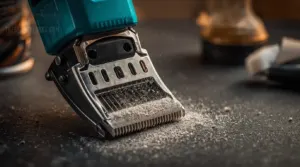
Picture a fine gray dust packed into the vents like lint in a dryer trap. Your motor breathes through those slots, so keep them open.
| Area | Tool | When |
|---|---|---|
| Blade teeth | Soft brush | After each use |
| Blade seat | Brush | Weekly |
| Vents | Brush | Every session |
| Crevices | Compressed air | Weekly |
Tilt clippers down and brush away from the blade so hair falls out. A small clipper cleaning brush with firm, narrow bristles reaches between the teeth and sweeps stubborn clippings out before they pack into the blade seat.
Once the blades are clean, a few drops of oil along the teeth, as shown in this guide on how to oil hair clippers properly, keep them gliding smoothly.
Lubricate Blades With Clipper Oil
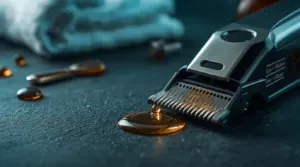
Clean blades still run hot if they’re dry. Metal rubbing on metal turns most of the motor’s energy into heat, and a dry blade can pass 125°F within eight minutes. A few drops of clipper blade oil form a thin film that cuts friction, so the blades stay cooler and the motor works less.
Put 2 to 3 drops of clipper oil across the teeth while the clipper runs. Let it spin for 5 to 10 seconds, then wipe off the excess. Repeat before each use.
Replace Dull or Damaged Blades
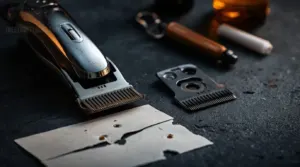
Test your blade before you blame the motor. Cut a sheet of printer paper. A dull edge tears or leaves jagged lines, and it forces the motor to work harder on every pass.
Replace the blade if you find any of these:
- Chipped or broken teeth
- A bent blade or fork
- Deep rust or pitted edges
- Fractured ceramic
- Pulling that continues after cleaning and oiling
Swap the stationary blade and cutter as a matched pair.
Take Cooling Breaks During Long Haircuts
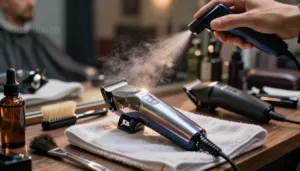
Pause every 15 to 20 minutes during back-to-back cuts. Dry continuous usage can push blade temperature past 125°F (51°C) in about eight minutes, which is hot enough to burn skin. Insufficient cooling also lets trapped hair insulate the blades, so heat just keeps building with every pass.
Use each break to reset the tool. Spray a cooling product on the blade, then add oil before you restart. Don’t run water over non-waterproof clippers.
| Sign | Action |
|---|---|
| Blade feels uncomfortable on your skin | Stop and cool it |
| Housing near the motor runs hot | Power off, check for overload |
| Rapid heating within minutes | Fix the problem first |
Keep a second clipper or cool blade assembly ready. Swapping gives the fastest return to service.
Choose Hair Clippers With Heat-Management Features
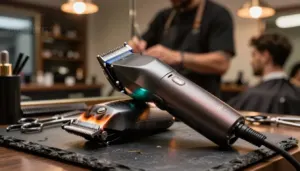
Picture a barber with a full Saturday book. Two hours in, her budget clippers run hot enough to sting, and she’s stuck swapping to a backup mid-cut. A better-built tool would’ve kept going.
A busy barber loses money and momentum when cheap clippers overheat mid-cut, and sturdier tools keep the chair moving
Spec sheets can mislead. RPM or wattage alone won’t tell you how hot a clipper runs, so weigh the whole design:
- Motor type: brushless and magnetic motors waste less energy as heat.
- Blade coating: ceramic or DLC blades cut friction and skin contact heat.
- Housing and vents: aluminum bodies and cooling fans move heat away from the motor.
- Thermal protection: NTC sensors or overload switches cut power before damage starts.
Check battery capacity too. Cells of 2500mAh or more let you work long blocks without recharging breaks.
Spend a little more up front. Good thermal management protects the motor and your clients’ skin.
Frequently Asked Questions (FAQs)
Can repeated overheating shorten a clipper motors lifespan?
Yes, it can. Excessive heat breaks down the insulation on your motor’s windings. Every 10°C above its rating cuts insulation life in half, so repeated overheating leads to short circuits and motor burnout.
When should you apply cooling spray to clippers?
Spray your clippers between every client or every 15 to 20 minutes of continuous cutting, whichever comes first. Don’t wait until the blades burn your fingers. Spray when they feel warm to the touch.
How often should clippers be professionally serviced?
Send busy barbershop clippers out every three months. Moderate daily users can stretch that to six. Home users clipping weekly can wait about six months. Don’t wait if you drop the clippers or spot a nicked blade.
How should clippers be stored to avoid motor damage?
Store your clippers in a dry, ventilated spot between 24 and 32°C. Dry the blades fully first, then fit a guard. Coil the cord loosely in a figure-eight, and keep everything away from damp counters.
Do pet grooming clippers overheat faster than barber clippers?
Do pet clippers overheat faster than barber clippers? Usually not. Pet models are built for long sessions, with better heat dissipation and high-torque motors. Barber clippers overheat quickly on thick fur, where motor strain climbs.
How long do clipper motors usually last?
Most clipper motors last 5 to 20 years, depending on type and care. Corded professional models often reach 15 to 20 years. Budget clippers usually fail within 2 to 3 years. Regular cleaning and maintenance can triple that.
Conclusion
Think these habits take too long? They don’t. Cleaning, oiling, and a quick glance at the blade take under two minutes, and they save you from a burned-out motor.
Preventing hair clipper motor overheating is a routine, not a repair. Clear the vents, oil the blades, and swap dull edges. Rest the clipper before it runs hot. Do that every time, and your clippers will cut cooler, last longer, and stay safe in your hands.