This site is supported by our readers. We may earn a commission, at no cost to you, if you purchase through links. This content is for general informational and educational purposes only and is not a substitute for professional medical, dermatological, or nutritional advice.
Your durag sits on your nightstand, and suddenly you’re wondering if it’s the reason your hairline looks different. You’re not alone—online forums overflow with conflicting claims about whether durags damage hair follicles or protect them.
The truth is, durags don’t cause hair loss when worn correctly, but improper use can trigger traction alopecia, a preventable condition caused by excessive tension on your scalp. Most hair loss stems from genetics and hormones, not fabric wrapped around your head.
Understanding the difference between protective styling and damaging tension gives you control over your hair health, letting you maintain your waves or locks without sacrificing your hairline.
Table Of Contents
- Key Takeaways
- Do Durags Cause Hair Loss?
- How Improper Durag Use Leads to Hair Loss
- Hair Loss Causes Unrelated to Durags
- Benefits of Wearing a Durag for Hair Health
- Choosing The Right Durag Material and Fit
- Safe Durag Practices to Prevent Hair Loss
- When to Seek Help for Hair Loss
- Frequently Asked Questions (FAQs)
- Are durags harmful for hair?
- What happens if a durag is tied too tightly?
- What materials are durags made of?
- Should you trust your haircare to any Durag?
- Do durags work for wavy hair?
- What are the different types of durags?
- Do Durags Damage Hair?
- Do Durags Stop Hair Growth?
- Is It Bad to Wear a Durag All Day?
- Do Durags Cause Receding Hairlines?
- Conclusion
Key Takeaways
- Durags don’t cause hair loss when worn correctly, but tying them too tightly can trigger traction alopecia—a preventable condition caused by chronic tension pulling on your hair follicles, especially along your hairline and temples.
- Most hair loss stems from genetics, hormones, stress, and poor hair care habits rather than headwear, with about 80% of male pattern baldness rooted in inherited factors and androgenetic alopecia.
- Properly fitted durags made from breathable materials like silk or satin actually protect your hair by reducing friction up to 43%, locking in moisture, and preventing breakage while you sleep.
- You can prevent durag-related damage by choosing the right material, avoiding excessive tightness, limiting continuous wear to give follicles recovery time, and maintaining a regular cleaning routine with proper scalp moisturizing.
Do Durags Cause Hair Loss?
No, durags don’t cause hair loss when you wear them correctly. The real problem comes from how you use them, not the durag itself.
Let’s look at what science actually says, clear up some common myths, and hear what dermatologists want you to know about durags and your hair.
Scientific Evidence on Durags and Hair Loss
Studies show durags don’t directly cause hair loss—they actually protect against hair breakage by reducing friction during sleep. However, improper use can trigger traction alopecia through tension on follicles. Research confirms durags support scalp health when worn correctly:
- Preserve natural moisture and prevent brittleness
- Shield hair from environmental damage
- Maintain blood flow with proper fit
- Reduce mechanical stress on follicles.
To minimize risks, it’s vital to understand hair loss causes and take preventive measures.
Common Myths and Misconceptions
Many believe durags directly cause baldness, but surveys in hair loss clinics show over 80% of male pattern baldness stems from genetics and hormones—not headwear. Another myth claims durags block scalp circulation, yet blood reaches follicles through deeper networks unaffected by fabric. Understanding the role of hair loss causes is essential for addressing the issue.
Here’s what you need to know:
| Myth | Reality |
|---|---|
| Durags suffocate follicles | Follicles get oxygen from blood, not air |
| Any durag use causes traction alopecia | Only excessive tightness over time triggers damage |
| Durags always damage hairlines | Proper wear actually protects edges from friction |
What Experts and Dermatologists Say
Board-certified dermatologists confirm that durags won’t cause hair loss when worn correctly. Hair loss specialists emphasize the importance of a proper fit to avoid traction alopecia, the real culprit behind durag-related damage.
Expert insights reveal that protective styling with breathable fabric and moderate tension promotes scalp health instead of harming follicles.
Regular scalp care prevents scalp conditions like follicular irritation, reducing hair breakage while maintaining your waves.
How Improper Durag Use Leads to Hair Loss

Durags won’t harm your hair when you wear them correctly, but misuse can absolutely lead to real damage. The problem isn’t the durag itself—it’s how tightly you tie it, how long you keep it on, and whether you’re taking care of your scalp underneath.
Let’s break down the three main ways improper durag use can trigger hair loss.
Traction Alopecia From Tight Durags
Traction alopecia happens when durags tied too tightly pull on your hair follicles over time, especially along your hairline and temples where tension concentrates. This preventable form of hair loss affects approximately one-third of women of African descent who use high-tension styling practices, and tight durags can add to that risk.
Traction alopecia from overly tight durags damages follicles along your hairline, affecting roughly one-third of people who use high-tension styling
Key risk factors for durag-related traction alopecia:
- Excessive tightness – Constantly securing your durag “nice and tight” creates chronic pulling forces that stress follicles
- Prolonged daily wear – Wearing tight durags most of the day increases cumulative tension on vulnerable hairline zones
- Early warning signs – Soreness, itching, or small bumps where durag edges press signal follicle distress
- Progressive damage – What starts as reversible thinning can become permanent scarring if tension persists for years
- Combined traction sources – Pairing tight durags with braids or ponytails multiplies mechanical stress on the same scalp areas
You can prevent this damage through tension reduction: choose properly sized durag materials, tie them securely but not constrictingly, and limit continuous wear to give your follicles recovery time between styling sessions.
Scalp Circulation and Follicle Stress
Beyond the pulling force itself, tight durags can compress your scalp and reduce blood flow to hair follicles, starving them of oxygen and nutrients they need for healthy hair regrowth. Research shows balding areas can have 2.6 times lower circulation than healthy scalp, linking poor follicle health directly to restricted blood supply.
Scalp massage increases circulation and hair thickness, but chronic pressure from overly snug durags does the opposite—creating follicle stress that weakens strands and increases hair breakage risk alongside traction alopecia.
Moisture Buildup and Scalp Conditions
When you wear a durag continuously without letting your scalp breathe, trapped sweat and moisture create a breeding ground for fungi and bacteria. This prolonged moisture retention disrupts scalp hydration balance, weakening your hair follicle health and triggering scalp irritation.
Yeast overgrowth thrives in these warm, damp conditions, making dandruff prevention harder and potentially leading to folliculitis—inflamed follicles that contribute to hair breakage and hair loss from durags worn improperly.
Hair Loss Causes Unrelated to Durags

Before you assume your durag is the culprit behind your hair loss, it’s important to understand that most cases of thinning or shedding have nothing to do with what you’re wearing on your head.
Your body’s internal processes, genetic blueprint, and daily habits play a far bigger role in hair health than external accessories.
Let’s look at the most common causes of hair loss that exist completely independent of durag use.
Genetic and Hormonal Factors
Your genes and hormones orchestrate hair loss far more than any headwear ever could. Androgenetic alopecia, or male pattern baldness, results from genetic predisposition combined with dihydrotestosterone affecting hair follicle health. About 80% of this risk comes from inherited factors, particularly androgen effects and hormone regulation.
Alopecia areata, an autoimmune condition, also stems from internal factors rather than external accessories like durags.
Stress and Medical Conditions
Your body’s stress response can sabotage hair regrowth before you even notice. Medical research shows 73.8% of stressed individuals experience hair loss, while chronic stress hormones like cortisol extend the resting phase of hair follicles. Telogen effluvium, triggered by psychological stress, causes dramatic shedding months later.
Autoimmune conditions like alopecia areata, thyroid disorders, and anemia also disrupt hormonal balance and scalp health independently of any headwear.
Poor Hair Care Habits
Your daily hair routine might be sabotaging follicles more than any durag ever could. Skipping regular washing allows sebum and pollutants to clog follicles, triggering scalp irritation and hair thinning.
Rough handling when wet, overuse of harsh sulfates, and neglecting moisture cause hair breakage and split ends.
Poor hair hygiene creates inflammation that accelerates hair loss—proper hair care tips matter more than headwear.
Benefits of Wearing a Durag for Hair Health
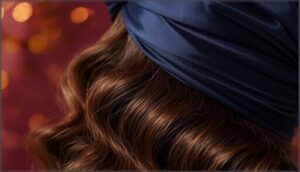
When you wear a durag correctly, it actually works in your favor to protect and strengthen your hair. The key benefits revolve around reducing damage, locking in what your hair needs, and keeping your style fresh.
Let’s break down exactly how a durag fosters healthier hair when it’s part of your routine.
Protection Against Friction and Breakage
Your pillowcase isn’t as innocent as it looks—every night, cotton fibers rub against your hair, creating friction that weakens strands and triggers breakage. Durags act as a shield, reducing friction by up to 43% compared to rough surfaces.
This fabric selection matters for hair protection, especially if you have textured or treated hair that’s already vulnerable to mechanical damage and splitting.
Moisture Retention and Scalp Protection
Beyond friction control, durags create an occlusion effect that locks moisture into your hair shaft, preventing overnight water loss that leaves textured hair brittle. Silk or satin fabric selection reduces moisture absorption compared to cotton, keeping your applied conditioners and oils working longer.
This scalp barrier also shields you from UV damage and environmental pollutants that trigger oxidative stress, supporting both hair hydration and overall scalp health.
Maintaining Hairstyles and Hair Patterns
Durags excel at Hairstyle Preservation by holding your waves, braids, and curls exactly where you set them overnight. Silk durags reduce friction by roughly 43%, keeping wave patterns intact and minimizing frizz that would otherwise destroy your style.
This compression locks in your brushing work, extends Style Longevity between sessions, and cuts down on heat damage—all while supporting Hair Growth by limiting manipulation that causes Hair Breakage.
Choosing The Right Durag Material and Fit
Not all durags are created equal, and the wrong choice can undermine all the protective benefits you’re aiming for. The material, fit, and breathability of your durag directly affect whether it protects your hair or puts it at risk.
Let’s break down what you need to know to make the right selection.
Silk Vs. Satin Vs. Velvet Durags
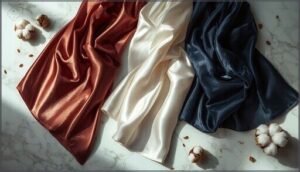
Choosing between silk durags, satin durags, and velvet durags requires understanding material science and how each fabric interacts with your hair texture. Laboratory studies show silk reduces breakage by up to 40% compared to cotton, while satin offers similar but slightly less protection.
Velvet durags provide maximum hold for wave patterns but create more friction against your scalp. Consider your hair goals and durag maintenance routine when making this fabric comparison.
Breathability and Comfort Considerations

Your fabric choice impacts more than friction—thermal regulation and moisture management determine scalp comfort during extended wear. A 2020 study found breathable fabrics reduced skin humidity markedly, and silk showed 30% better airflow than tightly woven satin.
Poor breathability traps heat and sweat, creating conditions that aggravate scalp irritation. For all-day comfort, prioritize materials with high water vapor transmission to keep your scalp dry and cool.
How Tight is Too Tight?

When does snug become harmful? If your durag leaves deep grooves that persist after removal or causes pain at rest, you’ve crossed into dangerous territory.
Tension thresholds vary by scalp sensitivity, but any persistent soreness signals excessive pressure on hair follicles.
Traction alopecia begins where comfort ends—your durag should stay secure without triggering friction, hair breakage, or compromising the durag benefits meant to prevent hair loss.
Safe Durag Practices to Prevent Hair Loss
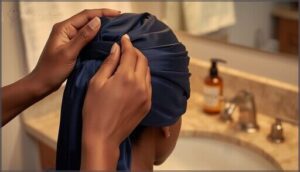
You’ve picked the right material and fit, but how you use your durag matters just as much. Poor habits can undermine all the benefits and put your hair at risk.
Here’s what you need to focus on to keep your hair healthy while wearing a durag.
Proper Tying Techniques
How you fasten your durag can make or break your hair’s safety. To protect your hairline from traction alopecia and hair breakage, avoid tying methods that dig into your edges—tension control means the fabric should rest snugly without leaving marks or discomfort.
Distribute even pressure across your scalp rather than cinching one spot, and always check that scalp comfort trumps security to prevent friction and improper durag use.
Regular Cleaning and Maintenance
Washing your durag weekly prevents oils, sweat, and residue from clogging follicles and triggering scalp conditions—the difference between fabric care that protects hair health and a breeding ground for irritation.
Use mild detergent, rinse thoroughly to avoid chemical buildup, and air-dry to preserve texture.
Clean durags reduce bacterial and fungal overgrowth, safeguarding scalp hygiene and minimizing inflammation that contributes to hair loss.
Moisturizing and Scalp Care Routines
Your scalp needs hydration, not deprivation. Apply lightweight hair oils like jojoba or argan one to three times weekly to maintain moisture balance and support scalp hygiene.
Pair application with a gentle scalp massage using fingertips for three to five minutes to boost circulation and distribute natural remedies.
This hair care routine prevents scalp conditions, reduces breakage, and keeps moisturizing hair effective under durag occlusion.
When to Seek Help for Hair Loss

If you notice unusual shedding, thinning patches, or persistent scalp irritation, it’s time to stop guessing and get professional help. Hair loss can signal underlying conditions that won’t resolve on their own, and catching them early makes treatment far more effective.
Here’s what you need to know about recognizing the warning signs, finding the right specialist, and exploring your treatment options.
Identifying Early Signs of Hair Damage
You don’t want to miss early warning signs that signal trouble. Watch for thinning along your hairline or broken hairs at tension points—these early markers of follicle stress and hair damage demand attention.
Scalp inflammation, itching, or tiny bumps around follicles can flag underlying issues before significant hair loss develops.
Hair shedding beyond normal, patchy thinning, and unusual fracture patterns along hair shafts all point to problems requiring intervention before damage becomes permanent.
Consulting a Dermatologist or Trichologist
When hair loss persists despite better durag practices, you need expert eyes on your scalp. Dermatologists provide Hair Loss Diagnosis through scalp examinations and blood work, identifying whether Hair Follicles face genetic, hormonal, or inflammatory threats.
Trichologist Services offer specialized Scalp Health assessments using digital imaging to measure density and breakage patterns.
Specialist Consultations establish whether you’re dealing with reversible damage or conditions requiring Hair Loss Treatment beyond home care routines.
Treatment Options for Hair Loss
Once your specialist pinpoints the cause, you’ll explore Hair Loss Treatment Options customized to your needs. Minoxidil Treatment can boost density by over 30% in 24 weeks, while Laser Therapy increases terminal hair counts notably.
Platelet Therapy shows promise for Hair Growth Strategies, and Hair Transplant procedures offer permanent solutions for Male Hair Loss when follicles remain viable.
Frequently Asked Questions (FAQs)
Are durags harmful for hair?
Worn correctly, durags aren’t harmful—they actually shield your strands from friction and breakage.
The risk appears when you tie too tight, creating tension that stresses follicles and compromises scalp health over time.
What happens if a durag is tied too tightly?
Overly snug durags create constant tension on your follicles, triggering traction alopecia along your hairline.
They also restrict scalp circulation, trap moisture, and cause headaches—all compounding friction, breakage, and follicle stress you can’t ignore.
What materials are durags made of?
Think of fabric as armor for your strands—choosing the wrong one is like showing up to battle unprepared.
Durags come in silk, satin, velvet, polyester, and cotton, each offering different breathability, smoothness, and moisture-wicking properties for your hair.
Should you trust your haircare to any Durag?
Not all durags deserve your trust. Choosing breathable materials and proper fit protects scalp health, prevents traction alopecia, and maintains hair growth—while poorly made options risk hair breakage and follicle damage.
Do durags work for wavy hair?
Yes, durags can shape wavy hair effectively. Compression helps boost natural wave patterns, reduce frizz, and maintain 360 waves through consistent use.
Choose breathable materials like satin for moisture retention and ideal scalp health maintenance.
What are the different types of durags?
You’ll find silk durags, satin durags, velvet options, mesh fabrics, and cotton durags—each material offers different compression, breathability, and friction levels to match your hair care needs and styling goals.
Do Durags Damage Hair?
When worn too tightly or for prolonged periods, durags can damage hair by creating traction alopecia, follicle stress, and scalp irritation.
Proper fit, breathable durag materials, and follicle care prevent hair breakage while supporting scalp health.
Do Durags Stop Hair Growth?
No, durags don’t stop hair growth. Your follicles receive nutrients from blood circulation beneath the scalp, not external air exposure, so breathable fabrics won’t compromise follicle function or alter natural growth cycles.
Is It Bad to Wear a Durag All Day?
Wearing your durag around the clock isn’t ideal—constant pressure stresses follicles, and trapped sweat can irritate your scalp.
Give your hair breaks during the day to protect scalp health and prevent traction alopecia.
Do Durags Cause Receding Hairlines?
A receding hairline can result from traction alopecia if your durag is tied too tightly or worn for long periods.
Prioritizing Hairline Protection, Traction Prevention, and Scalp Health ensures Durags won’t trigger Hair Loss or Hair Breakage.
Conclusion
Your durag sits on your nightstand again tonight, but now you know the real story. Durags don’t cause hair loss—poor habits do.
The difference between protective styling and damaging tension lies in how you tie, clean, and care for both your durag and scalp. Your hairline’s future depends on deliberate choices, not the fabric itself.
Wear it with intention, adjust with awareness, and your waves will thrive without compromise.