This site is supported by our readers. We may earn a commission, at no cost to you, if you purchase through links. This content is for general informational and educational purposes only and is not a substitute for professional medical, dermatological, or nutritional advice.

You rinse the last of the color from your hair, glance in the mirror, and there it is: a dark, dye-stained outline tracing your hairline like a pencil sketch.
It happens to nearly everyone who colors at home, and it’s frustrating when you’ve just finished a perfect application. The good news is that those marks sit on the surface of your skin, so they respond to the right approach. If you want to know how to remove hair dye from scalp and skin without irritation, a few gentle products and one smart prep step make all the difference. Here’s what works, what to skip, and how to stop stains before they start.
Table Of Contents
- Key Takeaways
- How to Remove Hair Dye From Your Scalp and Hairline Gently
- Top 4 Products to Consider for Scalp and Hairline Dye Cleanup
- Hair Dye Removal Methods to Avoid on Your Scalp
- How to Prevent Hair Dye Stains on Your Scalp and Hairline
- How to Care for Your Scalp After Dye Removal and Recognize Irritation
- Frequently Asked Questions (FAQs)
- How do I get hair dye off my scalp fast?
- How long does it take for hair dye to get off your scalp?
- How to remove hair dye stains from skin in just 2 minutes?
- Does Dawn dish soap take out hair dye?
- How can I prevent staining on my scalp when dyeing my hair?
- How long does hair dye stay on skin?
- Does hair dye stain skin permanently or fade?
- Why does hair dye stain some peoples skin more?
- Conclusion
Key Takeaways
- Wipe dye off your skin right away with a damp cloth, and if it’s already dried, massage on baby oil or coconut oil for 5 to 10 minutes, then wipe gently with light pressure.
- Skip harsh fixes like bleach, acetone, rubbing alcohol, lemon juice, vinegar, or aggressive scrubbing, since they can burn or inflame your scalp.
- Prevent stains by spreading petroleum jelly along your hairline, ears, and neck before you color, and wipe any smudges the moment they happen.
- Most stains fade on their own within days, but see a dermatologist if irritation lasts 7 to 10 days or blisters appear, and get emergency care for hives, facial swelling, or trouble breathing.
How to Remove Hair Dye From Your Scalp and Hairline Gently
Wipe the stain as soon as you spot it. A damp washcloth can lift fresh dye from your hairline before it sets, and that alone saves you a lot of effort.
If you’re unsure whether your hair should be dry or damp before the dye goes on, this guide on whether you can dye wet hair explains how moisture affects color results.
If the color has already dried, grab some baby oil and massage it into the stained skin. Leave it for five to ten minutes so the oil can break down the pigment. Then wipe the area with a damp cloth. Use light pressure. Rubbing hard won’t speed things up, and it can irritate your skin.
Still seeing color? Put a little micellar water on a cotton pad and swipe gently along the hairline. Repeat as needed.
Finish by working a small amount of shampoo through the area, then rinse with lukewarm water to clear away any oily residue.
Top 4 Products to Consider for Scalp and Hairline Dye Cleanup
Stained skin after dyeing is common, and you can fix it without harsh scrubbing. The four products below are easy to find and gentle enough for your scalp and hairline. Check each one’s use and fit, then pick what suits your skin and your routine.
Dove Beauty Bar Moisturizing Cleanse
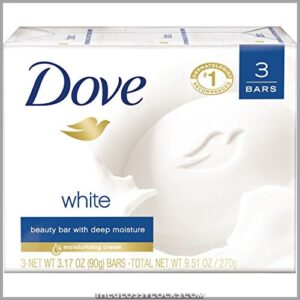
A gentle bar like Dove Beauty Bar Moisturizing Cleanse can lift fresh dye stains from your hairline and face without irritation. Its ¼ moisturizing cream formula cleans while leaving skin soft and smooth, and it’s free of sulfates, phthalates, and parabens.
Here’s how to use it. Rub the bar between wet hands until it forms a creamy lather. Spread it over the stained skin, then massage in small circles. Don’t scrub hard. Rinse well with warm water.
Buy from a trusted seller, since some customers report receiving non-genuine bars. The scent is quite light, so don’t expect strong fragrance.
If you’re building a routine around protective styles, these hair products for protective styles show which items are worth keeping and when each one makes sense to use.
| Best For | People with sensitive or dry skin who want a gentle, moisturizing bar for everyday cleansing of the face and body. |
|---|---|
| Product Type | Moisturizing beauty bar |
| Hair Dye Use | Lifts fresh dye stains |
| Skin Gentleness | Gentle on sensitive skin |
| Best For | Sensitive or dry skin |
| Quantity | N/A |
| Main Drawback | Non-genuine bars reported |
| Additional Features |
|
- Made with ¼ moisturizing cream, so skin feels soft, silky, and nourished after washing
- Plant-based and free of sulfates, phthalates, and parabens, with the PETA cruelty-free logo
- Gentle enough for the face and other sensitive areas while still removing dirt and germs
- Some customers report receiving non-genuine product, so buying from a trusted seller matters
- Not explicitly stated as antibacterial or medicated
- The light scent may not satisfy people who prefer a strong fragrance
Framar Kolor Killer Wipes
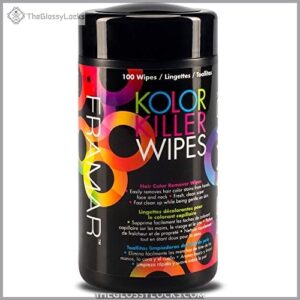
Soap works when you catch a stain early. When you’re mid-service or away from a sink, reach for Framar Kolor Killer Wipes instead.
Once the stain is gone, it’s worth understanding why salons wash hair after coloring, since leftover ammonia and peroxide can irritate the scalp.
Each pre-moistened wipe removes semi-permanent and permanent dye from your hands, face, neck, and hairline. Take one from the can and use it right away, because dye left on skin for long gets harder to lift. Keep it off your eyes.
Each can holds 100 wipes with a fresh scent. Users find them hard to pull out, and results vary.
| Best For | Hair colorists, cosmetologists, and at-home dye users who need to wipe dye stains off skin quickly when they are mid-service or away from a sink. |
|---|---|
| Product Type | Pre-moistened wipes |
| Hair Dye Use | Removes semi-permanent and permanent dye |
| Skin Gentleness | Designed to avoid irritation |
| Best For | Colorists and at-home dyers |
| Quantity | 100 wipes per can |
| Main Drawback | Mixed stain removal results |
| Additional Features |
|
- Removes semi-permanent and permanent hair dye from hands, face, neck, and hairline
- Gentle formula designed to avoid irritation or dryness, with a fresh scent that isn’t overpowering
- Can also clean dye stains from surfaces like countertops and sinks
- Works less well if the dye has been left on skin for a long time
- Some users find the wipes hard to pull out of the dispenser
- Customer feedback on stain removal performance is mixed
Johnsons Baby Oil Shea Cocoa
If wipes aren’t on hand, grab Johnson’s Baby Oil Shea Cocoa. Oil breaks down the dye’s binding agents, so the stain loosens.
Dab it onto the stain with a cotton swab. Wear reusable rubber gloves if you’d rather use your fingers. Let it sit as long as you can, even overnight. Then wash with warm water and soap.
The shea and cocoa butter keep your skin moisturized, and the formula is non-comedogenic, so it won’t clog pores along your hairline.
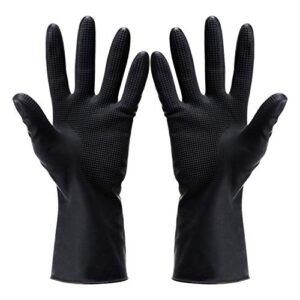
| Best For | People who dye their hair at home and want reusable gloves that protect their hands from dye, chemicals, and stains. |
|---|---|
| Product Type | Reusable rubber gloves |
| Hair Dye Use | Protects hands during dyeing |
| Skin Gentleness | N/A |
| Best For | N/A |
| Quantity | N/A |
| Main Drawback | Some find them too big |
| Additional Features |
|
- Made of natural high-quality rubber that is durable, acid and alkali resistant, wear-resistant, and tear-resistant
- Anti-slip patterns on the palm and fingers give a better grip
- Reusable and washable, and handy for hair dyeing, cleaning, manicures, tattoos, chemical experiments, and gardening
- Some users find the gloves too big
- Textured palms may reduce tactile sensitivity
- The thick material can make fine movements more challenging
Organic Coconut Oil Viva Naturals
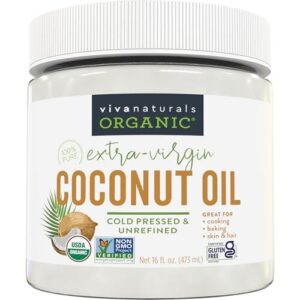
Coconut oil is a gentle, natural option for stubborn skin staining, and Organic Coconut Oil Viva Naturals is a solid pick for hair dye removal at home. It’s USDA Organic and Non-GMO Project Verified, so you’re skipping harsh chemicals.
Here’s how to use it:
- Massage 1 to 2 tablespoons into the stained skin, let it sit for 5 to 10 minutes, then wipe with a damp cloth.
This natural oil treatment breaks down pigment and soothes your scalp as it works. It moisturizes, which helps if dye leaves your skin dry.
Rinse thoroughly, since leftover oil can leave residue. Expect a strong scent and a greasy feel. Start with less.
Hair Dye Removal Methods to Avoid on Your Scalp
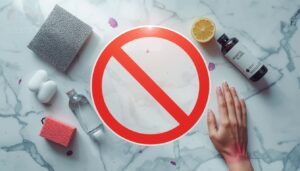
Skip anything harsh when you’re tackling stains. Bleach, ammonia, and pure hydrogen peroxide can cause chemical burns on your scalp, and mixing bleach with vinegar or ammonia triggers a dangerous chemical reaction that releases toxic gas.
Stay away from abrasive cleaning too. Steel wool, magic erasers, and aggressive scrubbing create micro-tears that invite inflammation and infection.
Put down the acetone, nail polish remover, rubbing alcohol, and paint thinner. These solvents strip your skin’s natural oils and can burn. Lemon juice, vinegar, and toothpaste are no safer, since they upset your scalp’s pH and may lead to allergic contact dermatitis.
Treat dish soap with caution. Use it rarely, rinse well, and stop if your skin tightens or stings. Skip hot towels.
How to Prevent Hair Dye Stains on Your Scalp and Hairline

Think of your skin as a freshly painted wall. You tape the edges first, so the paint never touches what it shouldn’t. Hair dye works the same way, and the barrier method is your tape.
Just as you tape a wall’s edges before painting, protect your skin with a barrier so hair dye never touches it
Prevention takes five minutes and saves you a lot of scrubbing. Here’s the routine:
- Spread petroleum jelly along your hairline, ears, and neck.
- Put on gloves and drape an old towel over your shoulders.
- Section your hair, then apply dye from mid-lengths toward the roots.
- Wipe any smudge off your skin right away with a damp cotton ball.
- Pin up processed hair so it doesn’t touch your face.
If you have skin sensitivity, choose a semi-permanent dye. Strong scalp protection also means avoiding alcohol-based products.
How to Care for Your Scalp After Dye Removal and Recognize Irritation

Your scalp may feel tight and warm, like skin after a long afternoon in the sun. That’s normal right after hair dye removal, so be gentle.
Rinse with cool water, then wash with a fragrance-free, sulfate-free shampoo. Pat dry and apply pure aloe vera gel. Hold off on exfoliation for a few days, because it can inflame sensitive skin.
Watch for these signs of skin irritation:
- Redness along your hairline or ears
- Itching or dryness
- Burning or stinging
- Mild flaking
- Slight swelling
Use 1% hydrocortisone cream if itching lingers. See a dermatologist if symptoms last 7 to 10 days, or if you notice blistering.
Hives, facial swelling, or trouble breathing need emergency care immediately.
Next time, try a barrier method.
Frequently Asked Questions (FAQs)
How do I get hair dye off my scalp fast?
Worried it won’t budge? Fresh hair dye lifts quickly. Wipe your scalp with micellar water on a cotton pad, then massage baby oil onto dried stains. Rinse it gently. Toothpaste won’t help, so don’t scrub.
How long does it take for hair dye to get off your scalp?
Stains fade in one to three days.
Hair dye removal speeds up with natural oils. Learn how to remove hair dye from scalp overnight. Watch for scalp irritation; hair dye on scalp risks include it.
How to remove hair dye stains from skin in just 2 minutes?
Color should live on your hair, not wear your skin like a shadow.
Soak a pad with makeup remover and swipe hair dye stains. Follow with exfoliating soap and warm water. Done in 2 minutes.
Does Dawn dish soap take out hair dye?
Dawn dish soap is a blunt instrument for hair dye. It can fade color after a few washes, but use with caution. It strips oils fast, so expect dryness and scalp irritation. Condition afterward.
How can I prevent staining on my scalp when dyeing my hair?
Does petroleum jelly really block dye? Mostly, yes. For scalp protection, dab a thin layer along your hairline, ears, and neck with a cotton swab. Patch test first, then rinse with a color safe shampoo.
How long does hair dye stay on skin?
Think hair dye lingers for weeks? Usually not. Pigment staining on your scalp fades in 3 to 7 days with gentle cleansing.
Dry skin and dark shades hold on longer, so skip harsh home remedies.
Does hair dye stain skin permanently or fade?
Hair dye stain is a passing guest on your skin. It fades naturally, usually within one to two weeks, as skin cells shed. Dark shades last longer. Gentle dye removal and skin protection speed things up.
Why does hair dye stain some peoples skin more?
Your skin’s condition and chemistry decide how much dye sticks. Dry, damaged, or eczema-prone skin has a weaker skin barrier protection, so dye pigment absorption happens faster. Darker dyes and rubbing worsen hairline staining.
Conclusion
Dye stains are like pencil marks, not permanent ink: they fade when you treat them right. Knowing how to remove hair dye from scalp and skin means choosing gentle tools, like a moisturizing bar, a wipe, or an oil, and skipping harsh solvents.
Prep matters most. Apply a barrier before you color, wipe drips fast, and clean up while the dye is fresh.
Care for your skin. Stay gentle, and every color job ends clean.