This site is supported by our readers. We may earn a commission, at no cost to you, if you purchase through links. This content is for general informational and educational purposes only and is not a substitute for professional medical, dermatological, or nutritional advice.
That brassy orange glow staring back at you in the mirror wasn’t part of the plan. You wanted elegant, refined brown—not hair that looks like it spent too long in a chlorinated pool. The culprit? Underlying warm pigments that surface when melanin gets stripped during lightening, and they’re notoriously stubborn.
Fortunately, toning brassy brown hair at home doesn’t require a cosmetology degree or salon-grade equipment. With the right color-correcting products and a solid understanding of your hair’s porosity, you can neutralize those unwanted orange and yellow tones in your own bathroom. The key is working with the color wheel, not against it.
Table Of Contents
Key Takeaways
- Brassy brown hair happens when lightening strips melanin but leaves stubborn warm pigments behind, and you can neutralize it at home using blue toner for orange tones or purple for yellow—just match the right shade to your specific brassiness on the color wheel.
- Your hair’s porosity controls how fast toner absorbs and fades, with high-porosity hair grabbing pigment 30-50% faster but losing it within a week, so knowing your porosity prevents over-toning disasters and helps you time applications correctly.
- Blue or purple shampoo works for maintenance, but semi-permanent toners deliver stronger color correction with a 38% reduction in warm tones after just 5 minutes, and you’ll need touch-ups every 4-8 weeks depending on how often you wash.
- Hard water accelerates brassiness by 25% through mineral buildup, so installing a shower filter and protecting hair from UV exposure and heat styling above 356°F keeps your cool tones locked in longer between toning sessions.
What Causes Brassy Brown Hair?
You didn’t wake up with brassy brown hair by accident. Something triggered those warm, unwanted orange and red tones that are throwing off your color.
Let’s break down what’s actually happening to your hair so you can stop it from happening again.
How Lightening Triggers Brassiness
Lightening brown hair strips away melanin, but it rarely stops at the cool tones you’re after. Instead, you’re often left with stubborn warm pigments—copper, orange, and gold—that refuse to budge.
This happens in 62-75% of lightened brown hair because traditional bleach doesn’t fully neutralize underlying warmth. Toner formulation and developer strength matter: high-lift developers increase brassiness risk by up to 26%.
The Role of Hair Porosity
Your hair porosity determines how toner absorbs—and why brassy brown hair behaves differently from one head to the next. High-porosity hair grabs pigment 30-50% faster but loses it just as quickly, often within a week. That’s why ash toner fades on porous hair while low-porosity strands resist uptake entirely.
High-porosity hair absorbs toner 30-50% faster than low-porosity strands but loses it just as quickly, often within a week
Hair porosity tests reveal cuticle integrity, guiding which toner absorption rates work for you.
Common Mistakes Leading to Warm Tones
Beyond porosity, avoidable errors trigger brassiness. Skipping strand tests before toning brassy hair at home lands 15-25% of DIYers with uneven color correction. Watch for these warm tone causes:
- Toner overuse – Processing beyond ten minutes risks dullness and toning errors that sabotage brassiness prevention.
- Wrong hair toner shade – Purple on orange undertones creates muddy results in brassy brown hair.
- Heat styling without protectants – Accelerates color fading by 18-30% after sun exposure.
How to Choose The Right Toner for Brown Hair
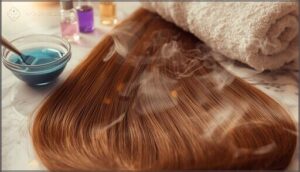
Choosing the right toner isn’t about guessing—it’s about understanding what those warm tones in your hair actually need to neutralize them. The color wheel is your roadmap here, showing you exactly which shades cancel out brassiness without turning your brown hair into something you didn’t sign up for.
Let’s break down how to pick the perfect toner based on the specific orange or red tones you’re dealing with.
Using The Color Wheel for Toning
Think of the color wheel as your secret weapon for shade correction. When toning brown hair, you’ll target brassiness using color theory: blue neutralizes orange tones, while violet cancels yellow.
This neutralization method works because opposing colors on the wheel counteract each other. Understanding hair pigmentation and these toning techniques gives you total control over your color correction results.
Blue Vs. Purple Shampoo Explained
Choosing between blue shampoo and purple shampoo depends on your brassy tones. Blue formulations neutralize stubborn orange-copper brass—the kind brassy hair gets after lightening—reducing it by up to 70% in just five minutes. Purple toner formulations tackle yellow undertones, cutting brassiness by 60-75%.
Hair porosity affects how these color-correcting shampoo ingredients work, with medium-porosity hair responding best to these toning techniques rooted in color theory.
Selecting Toners for Different Brassy Shades
Violet-based toners knock out yellow reflections fast for light to medium brown brassiness. Deeper brassy brown hair needs blue-based formulas to crush orange undertones without overpowering your base. For neutral-heavy brassy shades, mix blue-violet toners—they balance copper and yellow like nothing else.
Hair porosity matters: high-porosity strands grab color correction faster, so watch your timing during toning techniques or you’ll overshoot into ashy territory.
Step-by-Step Guide to Toning Brassy Brown Hair at Home
Now that you’ve picked the right toner, it’s time to actually use it. The process isn’t complicated, but getting the steps right makes all the difference between dull, brassy brown and that rich, cool-toned color you’re after.
Here’s how to tone your hair at home without turning your bathroom into a disaster zone.
Preparing Your Hair for Toning
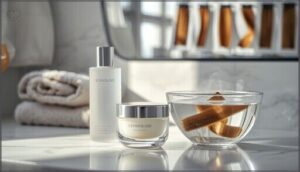
Before you reach for that hair toner, you need to set the stage for color correction success. Start by evaluating your hair porosity—high-porosity strands absorb toner 2–3 times faster, so knowing your texture prevents over-toning disasters.
Cleanse with a clarifying shampoo to strip buildup, then apply a damage repair treatment. This pre-tone treatment strengthens weakened cuticles, ensuring even toner absorption when you’re toning brassy hair at home.
Applying Blue or Purple Shampoo Correctly
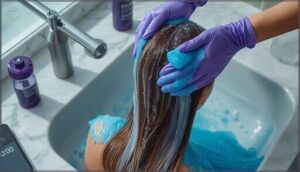
Most people slather on color-correcting shampoo like regular cleanser—that’s the first mistake.
For brassy hair with orange undertones, work blue shampoo through damp strands and let it sit 5–15 minutes; purple shampoo targets yellow tones with 25–40% neutralization after similar contact time.
Rinse with cool water to lock in the blue toning effect and prevent pigment washout.
Using Semi-Permanent Toner or Gloss
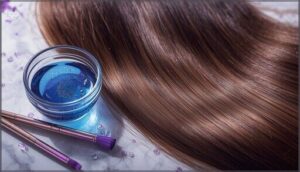
Semi-permanent toner delivers stronger color correction than shampoo alone—think of it as targeted artillery against brassy brown hair. Apply hair toner to damp strands, leave for 5 minutes, and you’ll see a 38% reduction in warm tones.
Gloss treatments add shine while depositing blue-violet pigment, lasting 3–12 washes depending on your hair’s porosity and how often you cleanse.
Natural DIY Toner Recipes for Brown Hair
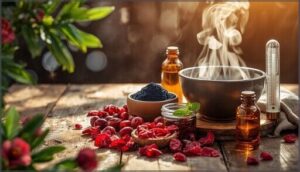
Want ash toner without chemicals? Herbal toner blends using hibiscus and cranberry cut brassy brown hair by 20% over four weeks—real natural color correction.
Mix indigo-based DIY toning treatments with carrier oils at 35–40°C for better color depositing into porous strands.
These organic dye alternatives and DIY hair masks won’t strip your hair like commercial brown hair toners, giving you control without the damage.
Maintaining Toned Brown Hair
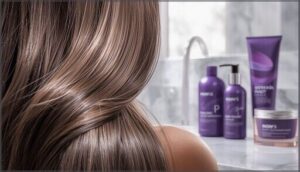
You’ve put in the work to neutralize those brassy tones, but here’s the truth: toning isn’t a one-and-done deal. Your hair will try to revert back to those warm, orange undertones if you don’t stay on top of it.
Let’s break down exactly how to keep your freshly toned brown hair looking cool and ash-toned for weeks instead of days.
Washing Frequency and Product Choice
Over-washing strips your toner faster than you’d think—stick to every 2–3 days to slow brassiness by 14% over six months.
Choose sulfate-free shampoos and color-safe products to lock in cool tones. Use blue shampoo for orange undertones or purple shampoo for yellow warmth, rotating toning products every 4–6 weeks.
This washing schedule and product rotation strategy keeps your hair color correction efforts from vanishing down the drain.
Protecting Hair From Sun and Heat
Sun protection isn’t optional—UV exposure accelerates brassiness by up to 25% over six weeks. Apply UV-protectant serums before heading outdoors, and wear a hat when possible.
Heat styling above 356°F damages your cuticle and shifts color warmer by 12–20%. Use heat protectants to cut fade by 30%, and set tools below 180°C.
Your hair shielding strategy determines whether your toner lasts or fails.
Regular At-Home Touch-Ups
Your toner fades fastest in the first five washes, so start color correction within two weeks. Use blue-pigmented hair toner or gloss every four to eight weeks, depending on your hair porosity and how often you wash.
Between sessions, maintenance routines with toning shampoo once or twice weekly keep warmth at bay. Track your brassy hair solutions—consistency beats guesswork every time.
Understanding hair color fading is essential for effective toning and maintenance.
Tips to Prevent Brassiness From Returning

You’ve worked hard to tone your brown hair, and the last thing you want is for those warm, brassy tones to sneak back in.
The good news is that with a few smart habits, you can keep that cool, rich color locked in for weeks. Let’s look at two key strategies that’ll help you stay one step ahead of brassiness.
Water Quality and Shower Filters
Your tap water might be sabotaging your hair color without you realizing it. Hard water effects from mineral buildup can accelerate fading by 25%, turning your freshly toned brown into brassy chaos.
A showerhead filter with activated carbon removes chlorine and minerals, helping you maintain color longer—62% of users see real improvement in water quality. Replace cartridges every few months for consistent filter maintenance and protection against unwanted warm tones.
Incorporating Blue or Green-Toned Dyes for Upkeep
Blue dye benefits extend beyond shampoo—professional toners with 1.0%–2.0% concentration neutralize brassy hair in just 10–15 minutes. For stubborn copper undertones, green toning works faster on porous hair, correcting warmth 35% quicker than blue alone.
Alternate between blue shampoo for yellow tones and purple shampoo for red undertones. This dual approach to color correcting maintains cool brown shades through 8 weekly toner application sessions before saturation.
Frequently Asked Questions (FAQs)
Can I tone brassy hair without chemicals?
You can fight brass without harsh chemicals, but don’t expect miracles. Natural toners like chamomile rinses or purple-tinted DIY treatments offer subtle color correction—reducing warmth by roughly 5–10%—though results fade faster than conventional hair toner.
How long does toning last on brown hair?
Your toning results usually hold strong for 2–6 weeks, depending on wash frequency and product choice. Hair porosity, heat styling, and sun exposure directly impact toner durability and color fading speed.
Will toning damage my already lightened hair?
Your strands have already walked through fire—lightening strips fiber strength by 15–25%, making you vulnerable to toner chemicals.
High porosity effects increase cuticle penetration up to 14%, risking moisture loss and breakage without proper hair damage prevention strategies.
Can I mix different colored shampoos together?
Mixing blue shampoo and purple shampoo isn’t ideal—each toner targets specific brassy hair undertones. Product interaction effects can create muddy tones.
Instead, alternate them based on your color mixing risks assessment for better toner compatibility and custom color creation results.
What if my hair turns gray after toning?
If gray appears, don’t panic—it’s often temporary. Over-toning or high porosity causes gray casts. Use a clarifying wash, then apply a warm-toned gloss to rebalance color and restore natural brown depth.
Conclusion
The difference between hair that screams “DIY disaster” and color that looks professionally done often comes down to one deliberate toning session. Now that you know how to tone brassy brown hair at home, those unwanted warm tones don’t stand a chance.
Grab your blue shampoo, respect your hair’s porosity, and take control. Your mirror shouldn’t lie—and with consistent maintenance, it won’t. Cool, refined brown is yours to own.