This site is supported by our readers. We may earn a commission, at no cost to you, if you purchase through links. This content is for general informational and educational purposes only and is not a substitute for professional medical, dermatological, or nutritional advice.
Your scalp turns oily by 3pm and you already washed it that morning. Sound familiar? That’s often rebound sebum production talking, your sebaceous glands overcompensating for stripped-out oils or trapped residue at the root. Genetics, hormones, and product buildup all play a role, but the fix isn’t more washing.
An effective oily scalp clarifying treatment targets the actual cause, whether that’s keratin plugs clogging follicles or a damaged barrier signaling your glands to work overtime. Get the ingredients and frequency right, and you control the oil instead of chasing it.
Table Of Contents
- Key Takeaways
- What Causes an Oily Scalp?
- Oily Scalp Clarifying Treatment Options
- Best Clarifying Ingredients for Oily Scalp
- How to Use Clarifying Treatments Safely
- Prevent Rebound Oil and Maintain Balance
- Frequently Asked Questions (FAQs)
- How to get rid of oily scalp buildup?
- How can I treat an extremely oily scalp?
- How can I cleanse my oily scalp?
- What is the best clarifying shampoo for a greasy scalp?
- How to clarify an oily scalp?
- How often should oily scalp treatments be used?
- Can clarifying treatments damage color-treated hair?
- Whats the difference between dry and clarifying shampoos?
- Are there any side effects from overusing treatments?
- How long before seeing results from clarifying treatments?
- Conclusion
Key Takeaways
- Washing your hair more often usually backfires—overwashing strips natural oils and can trigger rebound oil production, so the fix is smarter products, not more scrubbing.
- Match your treatment to the actual cause: salicylic acid dissolves keratin plugs clogging follicles, clay masks pull out surface oil, and niacinamide rebuilds your scalp’s barrier.
- Frequency matters as much as ingredients—clarifying shampoo works best once a week, serums can be used daily, and overlapping too many treatments causes irritation instead of faster results.
- Always apply clarifying treatments to your scalp skin (not your hair strands) and keep conditioner off your roots, since that’s where sebum gets trapped and oiliness starts.
What Causes an Oily Scalp?

An oily scalp rarely has just one cause. Your habits, your environment, and even your skin conditions can all crank up sebum production at once. Here’s what’s likely driving yours.
Genetics and hormones set your baseline oil production, but pairing that knowledge with these practical tips for managing an oily scalp can help you keep shine and buildup in check.
Overwashing and Rebound Oiliness
Wash your hair daily with harsh sulfates and it’ll feel squeaky clean, then oily by evening. That’s not always true rebound oil production, it’s often just dryness contrasted against normal sebum settling. Genetics drive most oil output, not stripping. Overwashing can actually strip natural oils and trigger rebound sebum production, making the problem worse over time.
Use lukewarm water and gentle cleansing methods to support your skin barrier recovery instead of chasing a myth.
Product Buildup and Heavy Styling
Genetics aren’t the only culprit. Styling product accumulation from gels, sprays, and dry shampoo leaves film-forming ingredients coating your roots, trapping sebum underneath.
Heavy conditioner buildup near the scalp adds insult to injury. A weekly clarifying shampoo session, paired with gentle scalp exfoliation, breaks down residue that daily sulfate-free shampoos can’t touch.
Sweat, Pollution, and Humidity
Your environment matters as much as your genetics. Sweat is a salty fluid, and as water evaporates, salts and residue stay behind, especially when humidity climbs above a 60°F dewpoint and slows evaporation.
Airborne pollutants settle into that damp film too. Rinse promptly after heavy sweating and use a barrier mist outdoors to limit scalp buildup.
Dandruff and Scalp Conditions
Oily scalp and flaking often overlap, but they’re not the same problem. Dandruff stems from Malassezia overgrowth, causing itchy, non-inflammatory flaking without excess oil. Seborrheic dermatitis, its inflamed cousin, spreads beyond the scalp.
Fungal dandruff treatment (ketoconazole, salicylic acid) experiences flaking directly. Add tea tree oil or apple cider vinegar rinses for scalp exfoliation. Correct diagnosis first, then clarify.
Oily Scalp Clarifying Treatment Options
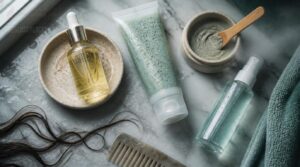
Not every oily scalp needs the same fix, and your treatment format matters as much as the ingredients inside it. Some formulas work best in the shower, others before you even shampoo, and a few are designed to catch you between wash days. Here’s how to match the right option to your routine.
Deep-Cleansing Clarifying Shampoos
Think of clarifying shampoo as your scalp’s reset button. It uses heavier surfactants for better residue removal, lifting sebum, product film, and dead skin that daily formulas leave behind. Massage into your scalp first, then rinse through lengths.
Clarifying shampoo is your scalp’s reset button, lifting sebum and buildup that daily formulas leave behind
Limit use to once weekly, this prevents rebound oiliness while restoring scalp pH and delivering real deep cleansing without over-stripping.
Leave-on Scalp Serums
When shampoo alone can’t keep up, a leave-on serum picks up the slack between washes. These water-based formulas deliver salicylic acid or niacinamide without rinsing, absorbing fast for a non-greasy feel.
Pair your serum with a sulfate-free, pH balanced routine by checking this in-depth roundup of fine and thin hair product reviews before you commit to a new bottle.
Part your hair, apply a few drops to your scalp, and massage in. Many work well overnight for deeper sebum regulation. Always patch test first, especially with active ingredients.
Pre-Shampoo Clay Masks
Before shampoo touches your hair, clay gets first crack at the oil. Bentonite and kaolin work through ion exchange, pulling sebum and impurities to the surface for a real scalp detox.
Section dry hair, apply root to root, wait 5 minutes, then rinse with massage. That timing matters, too long dries you out.
Scalp Tonics Between Washes
Not every oily day calls for a full wash, sometimes your scalp just needs a targeted reset. Tonics fill that gap.
Apply to a clean, towel-dried scalp, sectioning hair and massaging in circular motions. Let it absorb 5-10 minutes before styling.
- Ingredient spotlight: salicylic acid, tea tree oil, rosemary oil
- Restores pH balance
- Cooling sensation via menthol
- Use 2-3x weekly for sebum control
Professional Scalp Treatments
Sometimes at-home care isn’t enough, and that’s when a licensed specialist steps in. Professional visits start with scalp assessment imaging to evaluate follicle health before treatment.
Expect sectioned application via dropper, targeted scalp exfoliation, and 10-15 minutes of deep cleansing techniques. These protocols address buildup and circulation, restoring sebum regulation and microbiome balance you can’t fully achieve solo.
Best Clarifying Ingredients for Oily Scalp
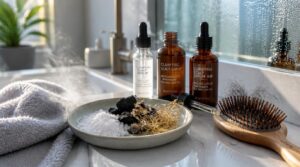
Not every clarifying ingredient works the same way, and knowing what’s actually in your product matters. Some target buildup deep in the follicle, others calm inflammation or shore up your scalp’s barrier. Here’s what to look for on the label, and why each one earns its spot.
Salicylic Acid for Follicle Buildup
Salicylic acid works like a mini chemical peel for your scalp, dissolving keratin plugs before they clog follicles. This beta-hydroxy acid is oil-soluble, so it penetrates sebum-heavy buildup directly, exfoliating dead skin and unclogging pores. Look for concentrations around 0.5-2%.
Used consistently, it regulates sebum production, reduces buildup, and keeps follicles clear without stripping your scalp’s natural balance.
Tea Tree Oil for Flaking
Where salicylic acid dissolves buildup, tea tree oil grips the microbial side of flaking, thanks to terpinen-4-ol’s antimicrobial action.
Clinical use: 5% shampoo formulas, daily for 4 weeks, reduce flaking and itchiness.
Never apply undiluted, it can blister skin. Patch-test 24 hours first.
- Choose 5% shampoo
- Or add drops to your bottle
- Massage in
- Rinse thoroughly
- Repeat daily
Clay and Activated Charcoal
Clay and activated charcoal work by surface adsorption, not absorption, trapping sebum rather than soaking it in.
| Ingredient | Mechanism | Best For |
|---|---|---|
| Bentonite clay | Ion exchange draws oil out | Weekly pre-shampoo masks |
| Kaolin clay | Gentle mineral absorption | Sensitive scalps |
| Activated charcoal | Porous carbon adsorbs residue | Heavy buildup, odor control |
Leave on 5-10 minutes, rinse before it dries completely.
Niacinamide for Barrier Support
After clay pulls oil out, niacinamide puts balance back. This B3 vitamin boosts ceramide synthesis, cutting transepidermal water loss while regulating sebum output.
It’s non-hygroscopic but still helps hydration under humidity, restoring pH balance and scalp microbiome health, all without weighing hair down or clogging follicles again.
Surfactants Without Over-Stripping
Niacinamide restores balance, but your cleanser decides whether that balance holds. Mild surfactant systems lift oil without stripping ceramides, keeping scalp pH near 4.8-5.6.
Skip SLS or SLES. Choose sulfate-free shampoos with gentle cleansing action for thorough rinsing behavior, no residue film. This is non-stripping cleansing done right: real oily scalp clarifying treatment, minus the rebound grease.
How to Use Clarifying Treatments Safely
The right ingredients only work if you apply them correctly, and safety comes down to technique, not luck. Overdoing it strips your barrier; underdoing it leaves buildup intact. Here’s exactly how to get the balance right, step by step.
Choose Frequency by Treatment Type

Not every product on your shelf follows the same clock. Match frequency to format, or you’ll undo your progress.
- Clarifying shampoo: weekly
- Serums: daily
- Clay masks: weekly
- Tonics: every 1-2 days
- Professional treatments: every 4-6 weeks
Overlapping treatments without spacing them out causes irritation, not faster oil control.
Apply Directly to The Scalp
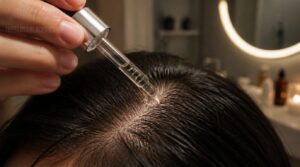
Skin, not strands. Your oily scalp clarifying treatment works through dermal absorption, so coat hair and you’ve wasted product.
Use the dropper dispensing technique: 2-4 drops per section, worked directly onto scalp skin for targeted spot treatment. Salicylic acid and tea tree oil need scalp contact to perform scalp exfoliation. This scalp-focused product use matters most in your nighttime absorption routine, when serum penetrates undisturbed for hours.
Massage, Wait, and Rinse Thoroughly

Once product’s on, technique decides results. Massage clarifying shampoo for a full 60 seconds using gentle cleansing pressure, never scrubbing, then let it sit briefly before rinsing.
Start with lukewarm water, finish 20-30 seconds cooler to curb sebum production. Rinse thoroughly, running fingers through roots to confirm zero residue lingers.
Condition Mid-Lengths and Ends Only

Here’s the rule that trips up most oily scalp types: skip the roots entirely. Conditioner belongs at the ear line down, never on the scalp itself, where it traps sebum and turns hair greasy within hours.
Use lightweight, water-based, silicone-free formulas on fine hair, slightly more on thick strands. Limit conditioning to 2-3 times weekly if you’re prone to oiliness.
Patch-Test Sensitive or Color-Treated Scalps

Color-treated or reactive scalp? Patch-test first. Dab a small amount behind your ear or on your inner arm, wait 48 hours, and confirm no redness, itching, or burning before scalp application.
Watch for common dye triggers like paraphenylenediamine. Track symptoms by:
- Product name and batch number
- Onset timing
- Severity (itching, scaling, burning)
Choose sulfate-free, fragrance-free formulas for sensitive, color-treated hair.
Prevent Rebound Oil and Maintain Balance
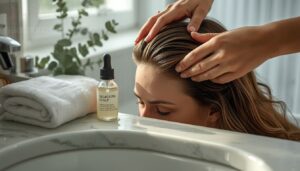
Clarifying treatments only solve half the problem. Skip the daily habits that trigger rebound oil, and your scalp resets faster, stripping less. Here’s what actually keeps sebum production steady between treatments.
Set a Consistent Wash Schedule
Your scalp likes routine more than it likes any single product. Pick a consistent wash schedule (daily or every other day) and stick with it for a few weeks before judging results. Sweating heavily? Wash sooner. Track oil, itching, and flaking within 24 hours of washing, this tells you if frequency, not just product, needs adjusting.
Avoid Heavy Oils and Silicones
Even a solid wash schedule can’t outwork what you put on your scalp between showers. Oil-Free Scalp Care means checking labels for anything ending in "-cone" or "-siloxane," plus skipping coconut and argan oils near the roots.
Go Silicone-Free Products and Lightweight Haircare:
- Choose non-comedogenic formulas
- Skip heavy pomades near your part
- Read full ingredient lists
- Use sulfatefree clarifying shampoo weekly
- Prioritize oil control over shine
Clean Brushes, Pillowcases, and Hats
Your scalp isn’t the only surface holding onto sebum. Brushes need cleaning every 3-4 days (oily hair) and weekly deep cleans for thicker textures.
Wash pillowcases every 4-7 days, ideally within 24 hours of a clarifying treatment. Wash caps weekly in cool water.
Store everything dry, upright, and ventilated, this cuts sebum transfer back onto freshly treated skin.
Support Scalp Barrier and Microbiome
Keeping brushes and linens clean protects your scalp microbiome, but daily care matters just as much.
Your scalp’s lipid-rich environment houses fungal species like Malassezia. Overwashing disrupts this balance.
- Use pH-balanced, sulfate-free cleansers
- Apply niacinamide for barrier repair
- Avoid stripping natural oils
- Support sebum regulation gently
- Choose antimicrobial, non-drying formulas
Gentle cleansing preserves pH stability, keeping microbes and sebum production working together instead of against you.
Know When to See Dermatologists
A balanced microbiome helps, but some symptoms need more than good habits. See a dermatologist for persistent scalp symptoms, unexplained hair thinning, recurring scalp acne, folliculitis, or stubborn dandruff and psoriasis that won’t respond to OTC care.
Also flag any skin lesion changes, new spots, or evolving moles. Annual screenings plus monthly self-checks catch issues early, dermatologist tested and worth the visit.
Frequently Asked Questions (FAQs)
How to get rid of oily scalp buildup?
Think of buildup like sediment in a riverbed, it settles until washing stirs it loose. Use gentle washing techniques, double cleansing for heavy residue, thorough rinsing, and a weekly clarifying mask for real sebum control.
How can I treat an extremely oily scalp?
Rotate a salicylic acid solution twice weekly for scalp exfoliation, layer in tea tree serums for sebum control, and use gentle clarifying shampoo between charcoal clay masks. Niacinamide tonics rebuild the barrier so oil production stays balanced, not stripped.
How can I cleanse my oily scalp?
The secret isn’t scrubbing harder, it’s technique. Wet with lukewarm water, apply clarifying shampoo to roots only, and massage for 60 seconds. Double cleanse if buildup’s heavy, then rinse thoroughly to restore pH balance.
What is the best clarifying shampoo for a greasy scalp?
Look for salicylic acid plus zinc pyrithione or selenium sulfide for oil and flaking. Sulfate-free, pH-balanced, color-safe formulas offer gentler oil control. Travel-size options let you compare efficacy before committing to a full bottle.
How to clarify an oily scalp?
Your scalp works like soil before planting, clear the debris first, then let treatment absorb. Massage a clarifying shampoo weekly, salicylic acid or zinc PCA for oil control, rinse lukewarm to restore pH balance without stripping.
How often should oily scalp treatments be used?
Ironically, treating too often backfires. Cap clarifying shampoos at once weekly, use leave-on serums as needed between washes, and adjust your wash frequency (daily or every other day) before adding extra clarifying steps for rebound oil prevention.
Can clarifying treatments damage color-treated hair?
Yes, in the worst case a harsh clarifier can strip color like paint remover. Chelating agents open the cuticle, causing color fading and dryness. Choose sulfate-free formulas, wait two weeks post-color, and cleanse gently.
Whats the difference between dry and clarifying shampoos?
Dry shampoo absorbs surface oil via powder, no water needed. Clarifying shampoo uses stronger surfactants with water to strip buildup and excess sebum. One masks oiliness temporarily; the other removes it at the follicle level.
Are there any side effects from overusing treatments?
Overusing clarifying treatments causes scalp dryness, hair breakage, and color fading. Sebaceous glands overcompensate within 24-48 hours, triggering rebound oiliness. Scalp irritation follows once barrier function repair and pH balance restoration can’t keep pace with stripping.
How long before seeing results from clarifying treatments?
Think of it like draining a clogged sink: relief is instant. You’ll feel immediate oil reduction after one wash, visible buildup removal within days, and full sebum production balance after four consistent weekly clarifying sessions.
Conclusion
Still blaming your hair for that 3pm shine? Your scalp isn’t broken, it’s just overworked.
The right oily scalp clarifying treatment interrupts that cycle by treating buildup and barrier damage, not masking symptoms with dry shampoo. Salicylic acid clears follicles, niacinamide builds strength, and consistency does the rest.
Skip harsh daily stripping. Give your glands two to three weeks to recalibrate, and oil stops running your schedule. That’s control, not chasing.