
This site is supported by our readers. We may earn a commission, at no cost to you, if you purchase through links.

Your grandmother might have sworn by them, but curry leaves aren’t just folklore passed down through generations. These aromatic leaves contain beta-carotene, proteins, and amino acids that directly influence hair follicle function—components modern trichology now recognizes as essential for healthy hair growth.
While the beauty industry races to bottle “exotic” ingredients, curry leaves have quietly delivered results in traditional medicine for over 4,000 years. The difference between anecdotal remedies and effective hair care often comes down to understanding what’s actually happening beneath your scalp.
When you know which compounds in curry leaves target specific hair concerns—and how to use them properly—you’re no longer guessing with home remedies.
Table Of Contents
- Key Takeaways
- Are Curry Leaves Good for Hair Health?
- Key Nutrients in Curry Leaves for Hair
- Hair Benefits of Curry Leaves
- How to Use Curry Leaves for Hair Care
- Precautions and Tips for Safe Use
- Frequently Asked Questions (FAQs)
- How can I use curry leaves for hair growth?
- How long do curry leaves take to grow hair?
- Is curry leaf good for pregnancy?
- How to use curry leaves for hair growth?
- Can I eat raw curry leaves daily for hair?
- Which is best for hair, onion or curry leaves?
- Are curry leaves good for hair growth?
- Can you eat curry leaves fresh from the tree?
- What are the uses of curry leaves for hair?
- Do curry leaves damage hair?
- Conclusion
Key Takeaways
- Curry leaves contain beta-carotene, B vitamins, iron, and antioxidants that strengthen hair follicles, reduce inflammation, and protect against oxidative stress—nutrients modern trichology recognizes as essential for healthy growth.
- You can apply curry leaves topically through coconut oil infusions, yogurt masks, or water rinses, or consume them in your diet to nourish follicles from within, though visible results typically require consistent use over several months.
- While curry leaves support scalp health and may help with dandruff, hair strength, and delaying premature greying, they won’t cure baldness or replace medical treatments for conditions like alopecia—expectations should align with evidence-based outcomes.
- Always perform a patch test before using curry leaf treatments to check for allergic reactions, and consult a healthcare professional if you experience worsening hair loss, scalp infections, or persistent irritation after 2-4 weeks of use.
Are Curry Leaves Good for Hair Health?
You’ve probably heard that curry leaves can work wonders for your hair, but it’s worth separating fact from folklore. These aromatic leaves have been used in traditional hair care for centuries, and modern interest continues to grow.
If you’re looking to boost your scalp care routine beyond curry leaves, nutrient-rich oils like jojoba and argan can provide deep moisture while complementing herbal treatments.
Let’s look at how curry leaves are actually used for hair health and clear up some common misunderstandings about what they can and can’t do.
Traditional and Modern Uses for Hair
For generations, curry leaves have been a staple in herbal remedies and natural hair care, blending tradition with modern scalp treatments. You’ll find them infused in natural oils like coconut or sesame, creating hair masks that target follicle stimulation and scalp health.
- Traditional practice: Curry leaves boiled with coconut oil create a nourishing hair tonic that’s been used across South Asia for decades.
- Modern application: Today’s scalp treatments incorporate curry leaf extracts into serums and hair masks targeting hair growth.
- Dietary inclusion: Consuming curry leaves promotes overall hair care from within, complementing topical natural hair care remedies.
Studies show that many women in North West Saudi Arabia use and scalp care as part of their routine.
Common Misconceptions About Curry Leaves
Despite curry leaves’ real benefits, you’ll encounter several myths that oversell their power. Many believe these aromatic leaves guarantee rapid hair growth or cure baldness—claims unsupported by rigorous trials. While curry leaves do contain antioxidants and nutrients that support hair health, they won’t replace medical treatments for alopecia.
Curry leaves support hair health with real nutrients, but they won’t cure baldness or replace medical treatments for hair loss
Interestingly, research highlights their potent , contributing to broader wellness beyond just hair care. Understanding these natural fallacies helps you use herbal remedies wisely, tempering expectations with evidence-based hair care practices.
Key Nutrients in Curry Leaves for Hair
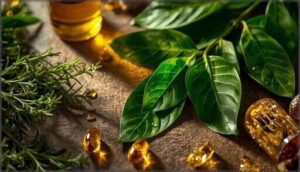
Curry leaves pack a concentrated blend of vitamins, minerals, and protective compounds that work directly on your hair follicles and scalp. These nutrients don’t just sit on the surface—they penetrate to strengthen roots, boost circulation, and shield against damage.
Let’s break down the specific elements that make curry leaves a powerhouse for hair health.
If you’re working on building natural volume and thickness, curry leaves deliver key nutrients that strengthen roots and support healthier growth from the inside out.
Vitamins and Minerals Beneficial for Hair
Curry leaves pack vitamins and minerals your hair needs. You’ll find vitamin B6 supporting follicle care, while beta-carotene converts to vitamin A for scalp health and sebum production. Vitamin C strengthens strands through collagen synthesis. Iron delivers oxygen to roots, and zinc aids keratin formation.
This vitamin balance corrects mineral deficiency that causes thinning. Think of these nutrients as targeted hair nutrition, not just supplementation.
Antioxidant and Anti-inflammatory Properties
Beyond their nutrient profile, curry leaves contain bioactive compounds that protect your scalp health at the cellular level. Their antioxidants tackle free radical scavenging, neutralizing reactive oxygen species that damage hair follicles.
The anti-inflammatory properties reduce inflammatory response in scalp tissue, calming irritation and flaking. This dual action guards against oxidative stress, offering cellular protection that keeps your hair cycle stable and your follicles functioning properly.
Hair Benefits of Curry Leaves
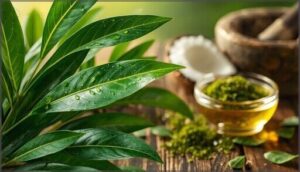
Curry leaves offer several distinct advantages for your hair and scalp, backed by their unique nutritional profile. While research continues to evolve, traditional use and emerging studies point to four primary areas where these leaves may make a difference.
Let’s examine each benefit and what the science currently tells us.
Promoting Hair Growth and Strength
Your scalp’s health begins at the follicle level, where curry leaves deliver beta-carotene to support cellular nutrition. This natural hair tonic provides B vitamins that energize scalp cells, while minerals like iron and calcium strengthen your hair’s structure.
The follicle stimulation from these natural ingredients creates favorable conditions for hair growth, helping you take control of your scalp restoration journey with evidence-backed hair strengthening support.
Preventing Hair Loss and Thinning
Amino acids in curry leaves help protect existing hair shafts from protein degradation that weakens follicle integrity. When your hair follicle health declines, you’ll notice increased shedding during washing or brushing.
These natural compounds support hair loss prevention by maintaining the anagen phase, giving you thinning remedies that address follicle stimulation through antioxidant protection and growth enhancement without harsh chemicals.
Improving Scalp Health and Dandruff Control
Inflammation and microbial imbalance often trigger the flaking you see with dandruff treatment challenges. Curry leaves contain natural antifungals and anti-inflammatory compounds that support scalp health by targeting the Malassezia yeast responsible for many scalp conditions. Their antibacterial properties improve hair follicle care through:
- Reducing itchiness and redness on your scalp
- Controlling excess oil production for scalp balance
- Providing scalp hydration without greasiness
- Offering dandruff remedies that protect hair follicle health
Delaying Premature Greying
Grey hair prevention starts with nutrition and oxidative stress management. Curry leaves deliver antioxidant benefits through vitamins C and A, which protect your pigment cells from free radical damage that accelerates premature graying. While genetics and lifestyle drive hair pigmentation changes, incorporating these natural remedies may aid melanin production:
| Nutrient | Role in Hair Pigmentation |
|---|---|
| Vitamin B complex | Aids melanin synthesis in follicles |
| Iron and copper | Essential for natural hair color retention |
| Antioxidants | Shield pigment cells from oxidative damage |
Vitamin supplements alone won’t reverse gray hair, but curry leaves paired with stress reduction and balanced nutrition can help delay visible changes.
How to Use Curry Leaves for Hair Care
You can use curry leaves for hair care in several ways, from topical treatments to dietary additions. The method you choose depends on your specific hair concerns and how much time you want to invest.
Here are four practical approaches to incorporate curry leaves into your hair care routine.
Curry Leaves and Coconut Oil Hair Mask
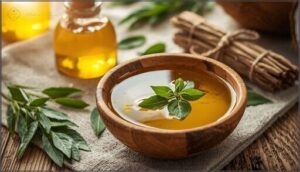
You’ll love this easy hair care staple: heat coconut oil with fresh curry leaves until fragrant, then let it cool. The oil infusion delivers fatty acids and antioxidants straight to your hair follicles.
Massage the mask into your scalp for follicle stimulation, working through to the ends for complete hair nourishment. Leave it on for 30–60 minutes before washing.
This traditional blend reduces dryness while improving manageability.
Curry Leaves and Yogurt Hair Mask
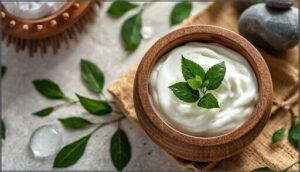
For a nourishing DIY hair mask, blend 8–10 fresh curry leaves with half a cup of plain yogurt. This natural hair conditioner combines lactic acid for gentle scalp exfoliation with antioxidants for hair follicle stimulation.
Apply the paste to your scalp and lengths, leave for 20–30 minutes, then rinse thoroughly. It’s one of the most effective DIY hair treatments for improving texture.
Curry Leaves Water Rinse
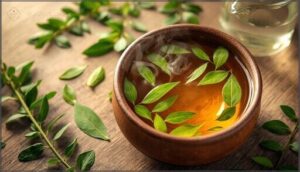
A simpler alternative is the curry leaves water rinse, which transfers water-soluble vitamins directly to your scalp. Steep 8–12 fresh curry leaves in warm water for 30 minutes, then strain.
Apply the cooled aromatic infusion after shampooing, massaging gently for 1–2 minutes. This method promotes scalp health and adds subtle shine without greasiness, making it ideal for regular hair care routines.
Incorporating Curry Leaves Into Your Diet
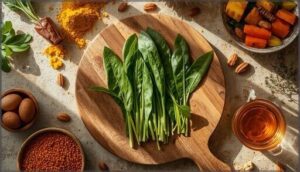
Beyond topical treatments, eating curry leaves unlocks internal support for hair health. The nutrients—iron, calcium, folate, and vitamins A and C—circulate through your bloodstream to nourish follicles from within. Dietary benefits include improved digestion and steady nutrient absorption, both essential for strong hair growth.
Consider these meal planning ideas for a daily nutrient boost:
- Add fresh leaves to morning eggs or savory chutneys for aromatic flavor.
- Simmer them in lentil dals to boost nutritional benefits without extra sodium.
- Toss into roasted vegetables near the end of cooking to preserve essential oils.
- Steep in hot water for a mild herbal tea that aids digestive health.
Including curry leaves in healthy recipes tackles digestive problems while delivering antioxidants that protect follicles. This dietary approach complements external treatments, creating a complete strategy for peak hair health.
Precautions and Tips for Safe Use

While curry leaves offer promising benefits for your hair, using them safely matters just as much as using them regularly. A few simple precautions can help you avoid irritation and get the best results from your treatments.
Here’s what you need to know before applying curry leaves to your scalp.
Proper Application and Washing Techniques
Start by applying your curry leaf oil infusion or hair mask to a clean, dry scalp—not just the strands. Use gentle, circular motions during scalp massage for 2-5 minutes to boost circulation.
After 20-30 minutes, rinse thoroughly with lukewarm water and a mild, sulfate-free shampoo. Finish with a cool hair rinse to seal the cuticle and lock in moisture.
When to Consult a Healthcare Professional
Even with proper application, your scalp health matters more than any home remedy. Watch for allergic reactions like itching or swelling within 30 minutes—that’s a medical emergency requiring immediate care.
If hair loss worsens after 2–4 weeks, or scalp infections develop with redness and pus, consult your doctor. Telemedicine options and specialist referrals can address persistent concerns affecting hair follicles and gray hair prevention.
Frequently Asked Questions (FAQs)
How can I use curry leaves for hair growth?
You can steep curry leaves in warm coconut oil and massage it into your scalp nightly to stimulate follicles.
Alternatively, blend fresh leaves with yogurt for a weekly hair mask treatment.
How long do curry leaves take to grow hair?
One woman noticed finer regrowth after three months of weekly curry leaf oil massages.
Realistic growth timelines span several months with consistent use. Individual results vary based on scalp health, genetics, and nutrition—natural hair restoration requires patience.
Is curry leaf good for pregnancy?
Curry leaves are safe during pregnancy when used in normal cooking amounts.
However, you should avoid large medicinal doses or concentrated extracts without your doctor’s approval to protect maternal health and fetal development.
How to use curry leaves for hair growth?
Massage curry leaf oil into your scalp weekly to stimulate follicle stimulation and boost scalp health.
This natural remedy improves blood flow, nourishes roots, and promotes natural hair growth with consistent use over several months.
Can I eat raw curry leaves daily for hair?
You can safely eat a few raw curry leaves daily for hair growth stimulation. Their nutrient absorption promotes follicle health, though digestive considerations matter—start small to assess tolerance and balance this natural hair remedy with varied nutrition.
Which is best for hair, onion or curry leaves?
Neither ingredient outranks the other—both offer distinct scalp health perks. Onion delivers sulfur for stronger strands and follicle stimulation methods, while curry leaves provide antioxidants and nutrients supporting natural hair remedies and sustained growth.
Are curry leaves good for hair growth?
Yes, curry leaves support hair growth by nourishing follicles with essential vitamins, minerals, and antioxidants. These natural ingredients strengthen strands and improve scalp restoration.
They also protect follicle health from environmental damage through herbal benefits.
Can you eat curry leaves fresh from the tree?
You can enjoy fresh curry leaves straight from the tree to table—this culinary herb is edible and safe when washed.
The curry leaf plant offers peak freshness preservation, and raw curry leaves deliver maximum benefits.
What are the uses of curry leaves for hair?
You can infuse curry leaves into coconut oil for scalp massage techniques, or blend them into hair masks as Ayurvedic hair remedies.
Alternatively, prepare a water rinse to boost hair growth and scalp health naturally.
Do curry leaves damage hair?
Curry leaves don’t usually cause hair damage when used correctly. However, allergic reactions can occur, causing scalp sensitivity or irritation.
Always perform a patch test first to protect your hair follicle health and prevent unwanted reactions.
Conclusion
Your scalp doesn’t need a blockchain to verify if curry leaves are good for hair—the beta-carotene, proteins, and antioxidants speak for themselves. You’ve seen the mechanisms: improved follicle function, reduced inflammation, strengthened keratin structures.
Whether you’re brewing rinses or blending oil treatments, consistency determines results. Don’t expect overnight transformations, but don’t dismiss four millennia of traditional use either.
Your hair reacts to compounds, not marketing claims. Apply what works, track what changes, adjust accordingly.