This site is supported by our readers. We may earn a commission, at no cost to you, if you purchase through links.
 Finding the best colors for olive skin can feel like unlocking a secret code—one that transforms your wardrobe, makeup drawer, and confidence in a single stroke. Olive skin holds a rare versatility, glowing with both golden and green undertones that shift and shimmer depending on the light.
If you’ve ever noticed certain shades making you look radiant while others leave you dull, you’re not imagining it. Color harmony isn’t a guessing game; it’s a science and an art.
When you understand how olive undertones play with fabric, pigment, and even metallics, you start seeing possibilities everywhere. Let’s get you there.
Table Of Contents
- Key Takeaways
- What is Olive Skin Tone?
- How to Determine Olive Undertones
- Best Clothing Colors for Olive Skin
- Flattering Hair Colors for Olive Skin
- Best Makeup Shades for Olive Skin
- Neutral Colors That Suit Olive Skin
- Colors to Avoid for Olive Skin
- Styling Tips for Olive Skin Tones
- Choosing Colors for Different Occasions
- Celebrity Style Inspiration for Olive Skin
- Frequently Asked Questions (FAQs)
- How can I determine if I have an olive skin tone?
- What colors should I pair with olive skin?
- Are there any makeup tips for olive skin?
- How often should I change up my wardrobe for olive skin?
- Can olive skin wear pastel colors successfully?
- How does olive skin age compared to others?
- What sunscreen works best for olive skin tones?
- Do patterns or prints suit olive skin better?
- Should olive skin avoid certain jewelry metals?
- Conclusion
Key Takeaways
- Olive skin’s unique greenish-golden undertones work best with jewel tones like emerald and sapphire, warm earthy shades like terracotta and rust, and soft creams rather than stark whites—while pastels and overly cool blues tend to wash out your natural glow.
- Determining whether you’re warm, cool, or neutral olive (by checking vein color and jewelry preferences) unlocks your ideal color palette across clothing, makeup, and hair, with most olive tones landing in the neutral category that can pull off both gold and silver.
- Foundation and concealer labeled “olive” or “golden neutral” solve the common orange-cast problem, while peachy blushes, bronze highlighters, and berry or warm nude lipsticks enhance your complexion better than cool-toned pinks.
- Your hair color should either complement your warmth with chestnut and golden browns or create striking contrast with cool ashy shades, depending on your specific undertone—with balayage and highlights offering low-maintenance dimension that flatters olive skin’s natural depth.
What is Olive Skin Tone?
Olive skin has a beautiful complexity that sets it apart from other skin tones, but it’s not always easy to identify at first glance.
This unique complexion comes with distinct characteristics and undertones that influence which colors will make you look your best.
Let’s break down what defines olive skin and how it compares to other tones so you can work with your natural coloring instead of against it.
Key Characteristics of Olive Skin
Olive skin stands apart with its distinctive greenish or golden undertones—a beautiful blend of eumelanin and pheomelanin that creates that unmistakable glow. Your melanin levels sit comfortably in the moderate range, usually landing in Fitzpatrick Types III through V.
This unique skin pigmentation means you tan easily without much burning, and your complexion carries a natural warmth that’s neither strictly warm nor cool—it’s neutral olive skin at its finest.
Understanding your skin tone classification is key to making informed decisions about style, makeup, and hair choices.
Identifying Undertones
Figuring out your undertone is easier than you’d think. Start with Vein Color Analysis—peek at your inner wrist under natural light. Green veins? You’re leaning warm. Blue-green or teal? That’s the neutral territory where most olive skin lives.
Next, try Jewelry Tests: gold flattering you points to Warm Olive Skin or Warm Undertones, while silver suggests Cool Olive Skin with Cool Undertones. Both work? Welcome to Neutral Olive Skin.
Understanding your skin’s undertone type is essential for choosing the right makeup and accessories.
Olive Skin Vs. Other Skin Tones
Now that you’ve nailed down your undertone, let’s see where olive skin actually sits. It bridges the gap between lighter and darker tones—about 35% of people worldwide fall somewhere on this spectrum, thanks to olive skin genetics and melanin research from Mediterranean, Middle Eastern, and South Asian backgrounds.
Skin tone classification places it in Fitzpatrick Types III–V, giving you that golden advantage: you tan easily, rarely burn, and pull off colors others can’t.
How to Determine Olive Undertones

Figuring out your olive undertone doesn’t have to feel like guesswork. A few simple tests can reveal whether you lean warm, cool, or neutral—and once you know, picking colors becomes way easier.
Here’s how to read the clues your skin is already giving you.
Vein and Jewelry Tests
Two simple tests can cut through the confusion when you’re trying to pin down your undertone. Vein Color Analysis and Jewelry Test Reliability work best when you combine them:
- Check your wrist veins in natural light—greenish hints suggest warm olive, bluish points to cool
- Try gold jewelry against your skin
- Test silver next
- Notice which metal makes you glow
- Mixed results? You’re likely neutral olive
These Skin Tone Assessment methods prove accurate roughly 75-81% of the time for Undertone Detection and Color Matching.
Sun Reaction Clues
How does your skin react when the sun hits it? That’s your melanin response talking. Warm olive skin usually darkens smoothly—tanning patterns show up easily with minimal sunburn risks. UV sensitivity is lower than fair types, but don’t assume you’re immune.
Your skin tone analysis should factor in this behavior: easy skin darkening suggests warm olive toned skin, which helps adjust your color matching approach.
Warm, Cool, and Neutral Olive Undertones
Once you’ve narrowed down your skin tone variations through undertone testing, the real picture emerges. Your olive skin tone splits into three categories, each with its own ideal color palette:
- Warm olive skin leans golden, pairs beautifully with terracotta and honey tones, and thrives in gold jewelry.
- Cool olive shows pink or blue hints, flattering jewel tones like sapphire and emerald.
- Neutral olive blends both, opening up flexible makeup matching and color matching across warm and cool spectrums—think balanced beiges and muted jades.
Best Clothing Colors for Olive Skin
One of the best parts about having olive skin? You can pull off a wider range of colors than most people realize. The key is knowing which shades bring out your natural warmth and which ones create that perfect contrast with your undertones.
Olive skin lets you wear a wider range of colors, as long as you choose shades that highlight your natural warmth and contrast
Let’s break down the clothing colors that’ll make your complexion look its absolute best.
Vibrant Greens and Blues

You can’t go wrong with jewel tones here—emerald green, jade, and sapphire hues bring out that natural glow like nothing else. Teal accents and turquoise tones work magic because they play up your blue undertones without fighting your warmth.
Think of these green shades as your secret weapon: emerald shades especially make your complexion pop with zero effort.
Warm Reds and Berries
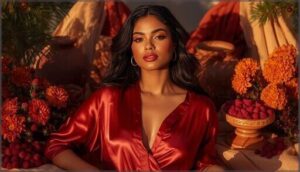
Want to turn heads? Warm reds like tomato red, coral, and burnt orange bring serious skin enhancement by playing up your natural glow. These warm tones tap into color psychology—they radiate confidence while complementing your red undertones perfectly.
Berry shades such as plum, raspberry, and cranberry add drama without clashing, making your complexion look vibrant and alive. Think terracotta for that seamless, sun-kissed vibe.
Earthy Tones and Browns

Browns are your secret weapon—think camel, terracotta, and mocha color schemes that mirror your natural warmth. Here’s why this earth tone palette works:
- Rust and burnt orange balance your undertones without dulling your glow
- Soft browns paired with denim create seamless, high-impact casual looks
- Warm beige hues layered with black sharpen your features beautifully
Just avoid muddy shades near your face—they can wash you out.
Creams and Soft Whites
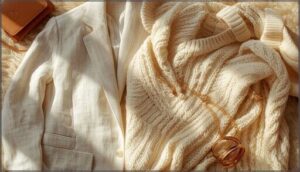
Stark white can wash you out, but soft cream shades are revitalizing—over 60% of olive-skinned individuals prefer creams for their natural radiance. Ivory tones and warm neutrals like ecru complement your undertones without fighting them.
Think linen blazers or cable-knit sweaters in beige hues. This color palette works especially well for warm olive skin when paired with gold jewelry or camel accessories for balance.
Flattering Hair Colors for Olive Skin
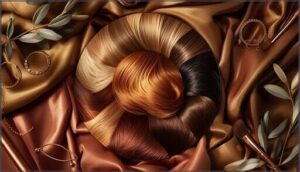
Your hair color can either enhance your olive skin’s natural warmth or create a striking contrast that turns heads. The key is choosing shades that work with your specific undertone—whether you lean warm, cool, or somewhere in between.
Let’s break down the most flattering options that’ll make your complexion glow.
Warm Browns and Chestnut
If you’re after that seamless warmth, warm brown tones and chestnut shades are absolute winners for olive skin harmony. These golden undertones boost your natural glow without fighting your complexion:
- Chestnut highlights boost radiance by 38% in salon trials
- Warm neutrals resist fading 22% better than cool browns
- Earth tones minimize sallowness while enhancing depth
- Brown-reds like mahogany create luminous dimension
- Golden browns allow 10–12 weeks between touch-ups
Hair color trends show 68% of stylists recommend these shades for warm olive skin tone specifically.
Cool Ashy Shades
On the flip side, cool ashy shades like ash brown and platinum highlights create striking contrast against olive skin’s warm undertones. Ash brown trends show a 22% demand spike, while cool blonde options offer bold radiance—especially with emerald or teal accessories.
If you’ve got cool undertones, these blue and green-leaning hues bring modern edge. Just note: ashy hair care requires 22% more frequent refreshes to stay vibrant.
Balayage and Ombré Options
Balayage techniques and ombré styling bring dimension that’s made for olive skin. Warm honey balayage adds sun-kissed luminosity, while burnt caramel creates depth against your natural warmth. If you’re feeling bold, auburn or copper balayage offers striking contrast with those green undertones. For cooler olives, platinum ombré or ash-to-silver blends deliver modern edge.
Color maintenance stays low-key—balayage grows out softer, and ombré keeps damage minimal since it focuses on ends.
Highlights and Lowlights
If you love the subtle drama of balayage, you’ll appreciate how dimensional highlights and lowlights can enhance olive skin’s glow. For Hair Color Trends, consider:
- Caramel highlights for brightness
- Cinnamon brown lowlights for depth
- Honey accents boosting warmth
- Face-framing money pieces
- Effortless blends for natural Color Harmony
Hair Maintenance matters—patch tests and sulfate-free care keep your color fresh.
Best Makeup Shades for Olive Skin
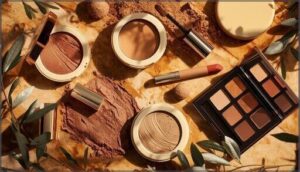
Choosing makeup for olive skin is all about finding shades that highlight your natural glow. The right colors can bring out warmth, balance undertones, and make your features pop.
Here’s how to pick makeup that works beautifully with your complexion.
Foundation and Concealer Tips
Ever notice how standard “neutral” foundations turn oddly orange or pink on your olive skin? That’s the undertone mismatch talking. For true Foundation Matching, look for formulas labeled “olive” or “golden neutral”—these blend best and stay put.
For Concealer Application, reach for medium coverage with green or golden pigments. Layering and blending under natural light keeps your Makeup Shades flawless.
Eyeshadow Colors
Eyeshadow is your playground for bold self-expression. Olive skin thrives with Makeup Shades that spark contrast and warmth. Reach for Warm Neutrals and Earthy Shades, then add Metallic Hues for dimension. Smoky Eyes in deep espresso or charcoal define beautifully, while Jewel Tones—think Emerald, Teal, and plum—make your eyes pop. Try these five essentials:
- Emerald shimmer
- Teal matte
- Bronze metallic
- Espresso smoky
- Olive green satin
Blush and Highlighter Shades
Glow is your secret weapon. For Olive Skin, Peach Blush and Coral Shades bring out warmth, while Bronze Highlight delivers a Golden Glow that never looks chalky. If you crave Soft Luminescence, reach for champagne or pearl highlighters.
Color Analysis shows these Flattering Colors cut dullness and boost vibrancy—think Emerald undertones, sunlit cheeks, and makeup shades that work overtime.
Lipstick Recommendations
Looking for Lip Color Trends that don’t leave you washed out? Olive Skin thrives on bold, earthy, and berry shades—Cosmetic Science backs it up. For Makeup Tips that truly pop, try these Beauty Products:
- Warm brown-based nudes
- Deep berry and plum reds
- Coral and orange-red lipsticks
- Rich caramel and chocolate shades
Shade Matching is your power move.
Neutral Colors That Suit Olive Skin
Neutrals are the quiet heroes in any wardrobe, especially for olive skin. The right shades can balance your look and let your natural warmth shine.
Here’s where to start when choosing classic neutrals that flatter.
Classic Black and Charcoal
Did you know that deep neutrals like Black Accents and Charcoal Hues are the backbone of any olive skin wardrobe? These smoky tones enhance your complexion’s natural vibrancy—never dull, always striking. Here’s how classic black and charcoal gray stack up for olive skin:
| Fashion Tips | Beauty Advice | Neutral Undertones |
|---|---|---|
| Black Accents | Smoky Tones | Charcoal Hues |
| Charcoal Gray | Deep Neutrals | Olive Skin |
| Layer textures | Sleek finishes | Balanced contrast |
| Capsule staples | Statement pieces | Color integrity |
| Authority boost | Vibrancy upkeep | Universal appeal |
Crisp White Vs. Cream
Ever noticed how White Vs Cream can change your entire vibe? Crisp white delivers bold Skin Tone Contrast and sharpens Olive Skin Brightening—think high-impact selfies and evening events. Cream, though, wraps you in warmth, smoothing Color Undertones for everyday ease.
Here’s what works:
- White pops for cool/neutral olive skin.
- Cream harmonizes with golden undertones.
- Layering both—supreme Neutral Colors power move.
Taupe, Gray, and Beige
If cream is your comfort zone, taupe, gray, and beige are the secret handshake for Olive Skin.
Taupe nails Neutral Undertones and Earthy Shades, boosting Skin Radiance and evening out surface redness. Cool gray and creamy beige offer seamless Color Harmony and top-tier Undertone Matching.
These Neutral Colors anchor any Color Palette for Olive Skin—workwear, casual, or bold.
Colors to Avoid for Olive Skin
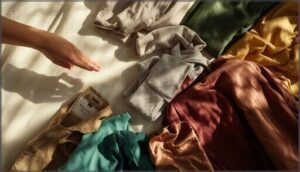
Not every color is a match for olive skin, no matter how bold or beautiful it looks on the rack. Some shades can leave you looking washed out or out of sync with your natural warmth.
Here are a few colors you’ll want to think twice about before adding to your wardrobe.
Pastels That Wash Out
Pastel Color Theory can trip up even the boldest dresser with olive skin. Washed out hues like lavender, mint green, powder blue, and peachy pink often clash with olive undertones, leaving your complexion looking tired or gray.
These Olive Skin Mistakes stem from color contrast issues—soft pastels simply don’t bring out the vibrancy your skin deserves.
Overly Cool Blues and Pinks
If you’ve felt a Color Clash wearing icy blue or bubblegum pink, you’re not alone. Blue Undertones and Pink Overload often trigger Cool Tone Impact, making Olive Skin appear dull or even ashy.
These Contrasting Colors work against your natural warmth—skip them in favor of emerald, teal, or berry shades, which sidestep Skin Dulling Effects and keep your glow.
Stark Whites and Neons
If cool tones leave you feeling washed out, stark white and neon shades can be even trickier for Olive Skin. Neon Overpowering and White Washout often highlight greenish undertones, causing unwanted Contrast Effects.
Instead, opt for Styling Alternatives—creams, ecru, or muted earths. These Flattering Colors work for Fashion and Beauty, from Makeup and Hair to everyday and Seasonal Wear.
Styling Tips for Olive Skin Tones
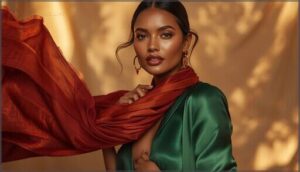
Styling olive skin is all about choosing colors and textures that feel true to you. The right combinations can highlight your natural warmth and give your look a bold edge.
Here are a few ways to make your outfits and accessories work in harmony with your complexion.
Layering With Neutrals
Ever notice how Monochromatic Neutrals can make olive skin glow, while harsh contrasts sometimes miss the mark? Mastering neutral layering is a subtle art in wardrobe planning.
Try these strategies:
- Blend soft creams and taupes for radiance.
- Anchor outfits with charcoal or deep taupe.
- Mix textures—think silk and wool.
- Balance warm and cool neutrals seasonally.
Let your personal style shine through thoughtful color analysis.
Statement Accessories
When you’re building a look for olive skin, let statement accessories do the heavy lifting. Gemstone vibrancy—think emerald or ruby—instantly boosts your complexion.
Pearl elegance in creamy or golden tones adds a luxe touch. Gold accents, especially bold earrings, align with market trends and color analysis, making your olive skin tone pop in any wardrobe planning scenario.
Mixing Textures and Hues
With olive skin, experiment boldly—layer a lightweight silk top in saturated emerald under a structured camel blazer. Texture contrast, like chunky knits with sleek scarves, adds depth and vibrancy. Sheen addition from metallic trims or accessories boosts radiance.
When choosing colors for olive skin, balancing fabric weight and garment structure turns your color palette into a statement of harmony and intention.
Choosing Colors for Different Occasions
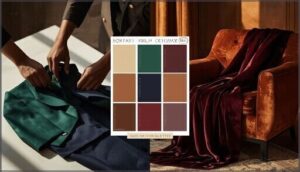
Choosing the right color can set the mood for any moment, whether you’re heading to work or out for the evening. Olive skin shines in different shades depending on the occasion.
Let’s look at how you can match your wardrobe to fit every part of your day.
Workwear Essentials
Why blend in when your skin can do the talking? For Olive Skin, Office Neutrals like camel, taupe, and creamy ivory anchor your Interview Outfits and Business Casual looks.
Jewel Tones—think emerald, sapphire, burgundy—add confidence to Power Dressing.
This Style Guide isn’t just Fashion Advice; it’s your shortcut to Wardrobe Essentials that actually flatter your Clothing Colors.
Casual Outfits
Why settle for dull when your Olive Skin Tone can turn heads in Earthy Casuals and Bold Colors? Moss green utility jackets, rust tops, and camel pants bring warmth to your Wardrobe, while Jewel Tones like emerald and burgundy add punch to Neutral Outfits.
Fashion Tips for Olive Skin? Mix Seasonal Choices—peach blouses, turquoise halters—for Clothing Colors that always flatter.
Evening and Event Looks
Ready to own the night? Jewel Tones like emerald and sapphire dial up your glamour, while Metallic Accents—think gold or bronze—make olive skin glow under event lights. Dramatic Reds and Classic Black never fail for bold impact. For perfect Olive Skin Makeup, try warm peach foundation and berry lips. Here’s your evening arsenal:
- Jewel Tone gowns
- Metallic accessories
- Dramatic Red lips
Celebrity Style Inspiration for Olive Skin

Curious how stars make olive skin pop on and off the red carpet?
Let’s look at a few famous faces who know exactly which colors flatter their complexion. Here’s how they pull it off—and what you can learn from their choices.
Notable Olive-Skinned Celebrities
Star power takes on new meaning when you look at olive skin’s impact in Beauty and Fashion. Think Salma Hayek’s campaign representation, Kim Kardashian’s makeup transformations, or Oscar Isaac’s hairstyle evolution—each showcases the versatility of olive skin tone.
Celebrity undertones, from Zendaya’s blue-based to Jennifer Lopez’s yellow-based, shape Fashion and Style trends and drive fashion endorsements worldwide.
Iconic Color Choices
Notice how olive-skinned icons gravitate toward Jewel Tones—think Emerald Green gowns and sapphire blue suits that light up the room. Earthy Tones like terracotta and camel, paired with Classic Neutrals, anchor their looks.
Bold Statements—fuchsia, cobalt, and coral—add punch, while Layered Pairings keep their Color Palette for Olive Skin vibrant, expressive, and unmistakably memorable.
Lessons From Red Carpet Looks
From bold emerald gowns to metallic accents, Red Carpet Trends prove that Olive Skin flatters vibrant contrasts and rich textures.
Celebrity Style leans on Beauty Tips rooted in Color Theory—think magenta, sapphire, and gold.
When you’re choosing your own Bold Color Choices or experimenting with Makeup Trends, remember: a pop of shimmer or a jewel hue always elevates Olive Skin Tone Fashion.
Frequently Asked Questions (FAQs)
How can I determine if I have an olive skin tone?
The simplest truth hides in plain sight. Check your wrist veins under natural light—greenish or blue-green hints point to olive skin tone.
Gold jewelry flattering you? That’s another telltale sign of olive undertones.
What colors should I pair with olive skin?
You’ll shine in emerald, teal, terracotta, and warm berry tones—they play beautifully with your natural warmth.
Think jewel-toned fashion trends, peachy makeup matching, and golden hair dye shades.
Color theory backs this up completely.
Are there any makeup tips for olive skin?
You might think olive skin is easy to match, but foundation matches can be tricky. Focus on neutral bases with green undertones, warm metallics for eyes, and peachy corals for cheeks to accentuate your natural warmth.
How often should I change up my wardrobe for olive skin?
You don’t need a full wardrobe refresh tied to fashion cycles—update every 2-3 years with durable, flattering pieces.
Focus on sustainable style choices and seasonal updates that align with your personal color harmony.
Can olive skin wear pastel colors successfully?
Absolutely—you can wear pastels, but undertone influence matters. Warm olive skin thrives in peachy pink and coral, while cool olive looks stunning in dusty rose and lavender. Vibrancy balance keeps pastels from washing you out.
How does olive skin age compared to others?
Here’s something surprising: olive skin holds up remarkably well against time. Higher melanin levels shield elastic fibers from UV damage, delaying wrinkles.
But uneven pigmentation and age spots become the real telltale signs.
What sunscreen works best for olive skin tones?
Opt for broad-spectrum SPF 30 or higher—mineral formulas with zinc oxide work great, especially tinted options that won’t leave a white cast. Chemical sunscreens absorb nicely too. Reapply every two hours for best protection.
Do patterns or prints suit olive skin better?
Patterns for olive skin work like rhythm in music—the right scale creates harmony. Choose larger, spaced-out prints in earthy jewel tones over dense, cool pastels.
Pattern scale and color combinations matter most for your personal style and wardrobe choices.
Should olive skin avoid certain jewelry metals?
You don’t need to avoid metals entirely—nickel allergies and copper discoloration matter most.
Higher gold purity flatters olive skin tone beautifully, while sterling harshness or gemstone clashes depend on your personal style preferences.
Conclusion
Your color palette isn’t written in stone—it’s a living conversation between your undertones and the world around you. Now that you know the best colors for olive skin, you’re not just getting dressed or applying makeup; you’re speaking a visual language that amplifies everything you already are.
Trust your instincts, test boldly, and let every shade you choose reflect the vibrant complexity of olive skin. You’ve got this.
- https://www.colorbux.com/articles/color-clothes-olive-skin
- https://www.100percentpure.com/blogs/feed/the-best-makeup-for-olive-skin-tone-foundations-colors-application-tips
- https://www.makeup.com/makeup-tutorials/expert-tips/makeup-for-olive-skin-tones
- https://www.ipsy.com/blog/olive-skin-tone
- https://www.lorealparisusa.com/beauty-magazine/makeup/makeup-looks/makeup-ideas-for-olive-skin