This site is supported by our readers. We may earn a commission, at no cost to you, if you purchase through links. This content is for general informational and educational purposes only and is not a substitute for professional medical, dermatological, or nutritional advice.
I once watched a client cry happy tears over a box of drugstore dye because it finally matched her skin instead of fighting it. That’s the real secret: color doesn’t work in isolation. It has to talk to your undertone, your eyes, even the health of your strands.
Choosing right hair color isn’t about chasing whatever’s trending on your feed. It’s about reading your own features like a map. Grab a mirror, check your veins, and let’s find the shade that makes people ask what you did differently.
Table Of Contents
- Key Takeaways
- Assess Your Current Hair Condition
- Identify Your Skin Undertone
- Match Hair Color to Skin Tone
- Consider Eyes, Face Shape, and Features
- Choose Your Hair Color Type
- Align Color With Style and Lifestyle
- Top 5 At-Home Hair Color Products
- Test Your Chosen Hair Color Safely
- Plan Hair Color Maintenance Before Dyeing
- Frequently Asked Questions (FAQs)
- How do you know which hair color is right for you?
- Should you go darker or lighter with hair color as you age?
- What hair color looks the healthiest?
- How do I choose the right hair color?
- How do I find the perfect hair color?
- How do I choose a hair color for fair skin?
- How do I choose a color when dying my hair?
- What color hair color is right for You?
- What color hair color should a woman wear?
- How to determine hair color that’s right for you?
- Conclusion
Key Takeaways
- Your skin’s undertone—which you can spot with a quick vein, jewelry, or sun test—is the real key to picking a hair color that flatters you, not whatever’s trending.
- Warm undertones glow in honey, caramel, and copper shades, while cool undertones look best in ash blondes, cool browns, and jet black.
- Your hair’s current condition matters just as much as color choice, since porosity, past dye jobs, and damage all affect how new color takes and lasts.
- Always run a patch test and strand test before committing, since they reveal real results and catch allergic reactions or unexpected shades before you dye your whole head.
Assess Your Current Hair Condition
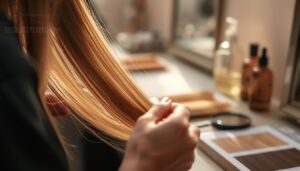
Before you pick a shade, you need to know what you’re actually working with. Your hair has its own story, and that story shapes every choice from here on out. Let’s break down the five things you should check first.
If your roots are noticeably darker than your ends, this guide on dyeing roots darker than the rest of your hair walks you through blending the two seamlessly.
Natural Hair Color
Your natural color is your baseline, the map you’re working from. It comes down to melanin: eumelanin builds browns and blacks, pheomelanin brings red and gold.
Levels run 2 (darkest) to 10 (lightest). Consider:
- Your level
- Undertone
- Eye color
- Personal style
Genetics wrote this recipe. A strand test confirms it before you commit.
Natural hair color levels are determined by melanin concentration, which ranges from 0.1% for light blond to 3.5% for black hair. Hair color levels and concentration
Previous Color Treatments
Genetics gave you the base, but old dye jobs write their own chapter. Previous color treatments change how new color grabs.
| Past Treatment | Effect |
|---|---|
| Bleaching | Raises porosity |
| Ammonia dye | Cuticle strain |
| Toner | Buildup issues |
| Semi-permanent | Fades, reveals roots |
A strand test and patch test catch surprises early. When in doubt, ask a professional.
Hair Texture and Porosity
Old dye jobs tell one story. Your hair’s natural texture and porosity tell another, and both matter here.
Grab a strand and drop it in water. Sinks fast? That’s high porosity—thirsty cuticles gulping color quickly, but losing moisture just as fast. Floats a while? You’re low porosity, meaning color takes longer to grab but holds beautifully once it does.
Damage and Breakage
Before picking a shade, be honest about breakage. Split ends, snapping strands, straw-like texture near the ends? That’s overprocessing talking.
- Hair that snaps instead of stretches
- Ends that feel like straw
- Color that fades unevenly
Fix it first: bond-strengthening products, deep conditioning, heat protectant, and sulfate-free, color-safe shampoos. Damaged hair grabs color unpredictably, so patience pays off.
Gray Coverage Needs
If grays are creeping in, this changes everything. Gray hair texture usually be coarser and resists pigment, so permanent color usually wins for full coverage.
Watch for gray undertones—they often skew ashy. A strand test shows real results first. Plan root blending and touch-ups every 4-6 weeks. Reach for color-safe products, and when unsure, professional advice saves you from surprises.
Identify Your Skin Undertone
Here’s the thing: your undertone is the secret code behind every "wow, that color!" moment. Once you crack it, picking a shade stops being a guessing game. Let’s figure out yours with a few quick, easy tests.
Wrist Vein Test

Flip your wrist over. Those blue-green lines under your skin hold real answers about your skin undertone.
Blue veins mean cool undertones; greenish points to warm. Check in natural daylight, skin clean and bare, for accurate vein color interpretation.
Lighting skews results, so ditch harsh bulbs. This quick vein test becomes your first clue toward mastering true hair color matching.
Gold or Silver Test
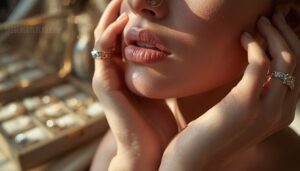
Here’s a fun one: raid your jewelry box. Hold gold pieces near your face, then silver.
Gold makes you glow? You’re warm-toned. Silver’s your best friend? Cool undertone.
Can’t decide, both look great? That’s your neutral undertone sign. This jewelry comparison method backs up your vein test analysis, giving you two solid clues before choosing hair color.
Sun Reaction Test
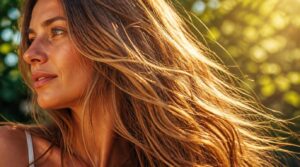
Sunlight doesn’t lie, and neither does your hair under it. Spend a day outside and watch closely: warm undertones make hair glow golden or coppery, while cool undertones stay ashier, sometimes even fading faster.
Hair porosity affects how fast you’ll notice this shift. This sun test confirms your undertone alongside the vein and jewelry checks, giving you real-world proof before committing to color.
Warm Undertone Signs

Warm undertones leave clues everywhere, once you know where to look. Your skin carries golden or yellowish hints, veins read greenish, and gold jewelry (not silver) makes you glow.
From warm neutrals to deep jewel tones, exploring the best clothing and hair colors for olive skin reveals just how many shades genuinely flatter those golden undertones.
You likely tan into a golden bronze rather than burn.
- Honey blonde or caramel brown hair feels instantly "you"
- Copper tones make your eyes sparkle
- Golden hour lighting flatters you effortlessly
- Amber or hazel eyes complement your warmth
- Confidence builds knowing your palette
Cool and Neutral Signs

Blue veins, silver jewelry that pops, skin that burns before it tans — that’s your cool undertone trio. Neutral? Veins sit between blue and green, both metals work fine.
Either way, your hair color range leans ash blonde, cool brown, or jet black. Skip warm highlights near your face; they’ll turn brassy fast. Cooler shades frame you best.
Match Hair Color to Skin Tone
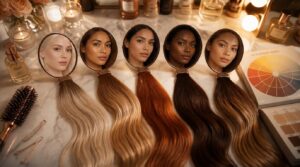
Now that you know your undertone, it’s time to put that knowledge to work. Your skin tone acts like a built-in guide, pointing you toward shades that’ll make you glow instead of clash. Here’s how fair, medium, olive, deep, and neutral skin each pair up with their best hair color matches.
Fair Skin Hair Colors
If your skin is fair, you’re holding a blank canvas that rewards the right undertone match. Honey blonde and golden brown add glow; strawberry blonde flatters pink undertones; light copper highlights brighten gently.
Cool or neutral fair skin? Soft espresso brown creates striking contrast.
Let your undertone, not just skin color, steer your final choice.
Medium Skin Hair Colors
Medium skin tones sit in a sweet spot, handling both warm and cool colors with ease. Honey golden brown and caramel highlights shine on warm undertones. Chestnut shades or ash chestnut suit cooler ones.
- Warm: golden balayage
- Cool: ash chestnut
- Neutral: chestnut base
- Bold: deep espresso
Match depth to undertone, and you’ll glow, not muddy.
Olive Skin Hair Colors
Olive skin plays by its own rules, thanks to that gorgeous yellow-green undertone. Warm chocolate brown and golden caramel highlights bring out your glow instantly. Want more fire? Copper auburn warmth or chestnut with red tones adds sunlit depth. Deep espresso contrast sharpens your features beautifully. Skip ash shades entirely, they’ll dull your natural warmth fast.
Deep Skin Hair Colors
Rich, deep skin carries its own kind of power, and warm hair hues make it shine. Think mahogany brown or copper, with jewel tones like burgundy adding depth.
- Espresso brown with golden shine
- Deep burgundy jewel tones
- Caramel balayage highlights
- Soft red or golden brown, skip flat black
Low-shine, warm shades flatter deep skin undertones best.
Neutral Skin Hair Colors
If your veins looked more teal than blue or green, congratulations — you’ve got the easiest palette to work with. Neutral skin tones handle almost anything: beige blonde, chestnut brown, bronde mixes, warm ash brown, deep chocolate brown, honey brunette.
| Depth | Shade | Vibe |
|---|---|---|
| Light | Beige blonde | Soft |
| Medium | Bronde mix | Natural |
| Dark | Chocolate brown | Rich |
Hair color selection gets easier here. Trust your gut.
Consider Eyes, Face Shape, and Features
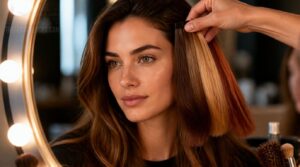
Your skin tone sets the stage, but your eyes and face shape fine-tune the whole look. Once you know your undertone, it’s time to bring these other features into the mix. Here’s what to think about next.
Blue and Gray Eyes
Blue and gray eyes have low melanin, so light bends differently in your iris, shifting from icy blue to soft gray depending on the room. Cool ash blondes and soft platinum tones echo that shift beautifully.
Try sapphire or slate clothing for eye color complementary shades, and a charcoal liner makes blue eyes pop under any lighting.
Green and Hazel Eyes
Nature saved something special for green and hazel eyes: low melanin plus that shifting sunburst pattern. Copper shades, chestnut, and rich auburn make the gold flecks glow.
Here’s a fun trick: warm undertones in your hair boost eye color contrast instantly. Watch how hazel eyes flip green to amber under different light. Genetics gave you this magic—work with it.
Brown Eye Color Matches
Think brown eyes are basic? Think again—they hold hidden gold, amber, and green flecks just waiting for the right shades to wake them up.
Honey blonde highlights, copper auburn shades, and deep espresso brown all bring out that warmth. Want drama? Try rich mahogany tones or copper red. Prefer delicacy? Warm caramel tones and golden brown mix beautifully with warm undertones for a natural glow.
Face-Framing Color Placement
Here’s a trick pros swear by: place your money piece right at the temples, extending about an inch into the face. This front hairline placement brightens your eyes instantly.
Vary strand thickness for dimension, and choose shade contrast based on your undertone. Fuse everything into your midlengths—that’s true hair contouring, not just random highlights.
Flattering Contrast Levels
Ever notice how some faces look striking and others look soft? That’s contrast at work.
Contrast is what separates a striking face from a soft one
High contrast pairs dark hair with light skin for bold drama. Medium contrast blends hair, skin, and eyes naturally. Low contrast keeps tones close for gentle balance.
Match warm undertones with golden hues, cool undertones with ash—then let maintenance match your lifestyle.
Choose Your Hair Color Type
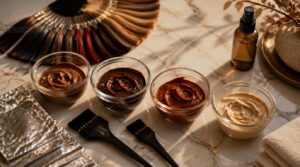
Now that you know your undertone and what flatters your features, it’s time for the fun part: picking how long you want that color to stick around. Not every color commitment has to be forever, and that’s actually good news. Here’s a quick look at your options, from permanent to totally temporary.
Permanent Hair Color
When you want total transformation, permanent hair color is your power move. A developer (that’s the peroxide activator) opens your cuticle for full gray coverage and lasting pigment. Choose your developer volume wisely, higher lifts more, damages more. Always run a strand test first. This is professional salon-level payoff, if you maintain it right.
Demi-Permanent Hair Color
Not ready for full commitment? Demi-permanent is your middle ground. No ammonia, just a low-volume developer gently depositing color into the cuticle, skipping the deep cortex lift permanent color demands.
Gray blending comes out soft, roots fade gracefully, no harsh lines. Processing runs 20-40 minutes, lasting 20-24 washes. Lower damage, real dimension. Your hair breathes easier, and so do you.
Semi-Permanent Hair Color
Craving color with zero long-term strings attached? Semi-permanent hair color coats strands rather than penetrating them, no ammonia, no odor. Lasts 4-12 washes.
If you’re curious whether these gentler formulas actually deliver noticeable color, this guide on how hair dye performs without developer breaks down what to realistically expect.
Think Trendy Turquoise Dye, Zesty Yellow Shades, or Smoky Bronze Tones. It flatters your skin undertones and eye color beautifully. Great for Soft Shadow Roots, gray blending, or blended low maintenance style testing before committing further.
Temporary Hair Color
Not ready to commit to anything? Temporary color is your playground. It sits on the surface level, no cortex penetration, so it rinses out in one or two washes.
Perfect for fantasy shade selection like pastel pink or electric blue. Do a strand test first, porosity impact results vary. Refresh often, use sulfate-free shampoo and color-depositing conditioners between wears, and always run an allergic reaction test.
Bleach and Toner
When you crave true transformation, bleach and toner is where the magic happens. Bleach lifts melanin using peroxide and a developer volume you choose based on desired lift. Porosity affects results, so strand test first.
| Step | Purpose |
|---|---|
| Bleach | Lifts pigment |
| Tone | Corrects brass |
| Rinse | Sets shade |
| Condition | Restores health |
| Style | Reveals glow |
Mix toner precisely, apply timely, master color correction like royalty.
Align Color With Style and Lifestyle
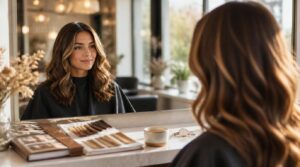
Picking a shade is only half the job. Now you need one that actually fits your daily routine, your personality, and how much time you’re willing to spend on upkeep. Let’s break down the choices that matter most.
Natural Versus Bold Shades
Subtle or showstopper? Here’s how to choose:
- Natural shades: go with your base, low maintenance commitment, universal skin tone compatibility
- Bold shades: high Color Impact Comparison, faster fade, suited to warmer or cooler undertones
- Fade Resistance Levels favor natural hues
- Match your pick to real Style Expression Goals, not just trends
Choose based on your lifestyle, not just personal style whims.
Lighter or Darker Color
Think about the mood you want your reflection to give off. Lighter shades soften your features and brighten your whole face, especially with cool undertones. Darker shades add depth, drama, and richness, pairing beautifully with warm undertones and brown or hazel eyes. Lighter fades faster; darker holds longer. Choose based on the contrast that flatters you most.
Highlights and Lowlights
Want dimension without a full-color commitment? Highlights bring light in, lowlights add shadow, and together they mimic real sun-kissed hair.
Face framing highlights brighten around your eyes and skin tone. Crown highlights lift the top. Lowlights placement just behind adds contrast without heaviness. Finish with a toner final shade matching your undertone for a polished, natural glow.
Balayage and Ombré
Picture two rivers of color: one blends like watercolor, the other shifts like a sunset. That’s balayage versus ombré.
- Balayage: hand-painted, diffuse blending, mid-lengths to ends
- Ombré: bold root-to-tip gradient
- Balayage grows out softly
- Ombré shows a visible root line
- Both love a good gloss for shine
Maintenance Time and Budget
Your color choice is a budget decision too. Vivid fades in 2-3 weeks, demi-permanent lasts 24-28 shampoos. Run this like a preventive maintenance schedule: build a contingency fund for touch-ups, stock root touchup kits, and invest in color-safe products.
Low-maintenance shades save you salon hours and cash — proof that mastering your color means mastering your calendar.
Top 5 At-Home Hair Color Products
Ready to put all that knowledge into action? You don’t have to guess your way through the drugstore aisle anymore. Here are five tried-and-true picks worth adding to your cart.
1. L’Oreal Excellence Creme Triple Care Hair Color
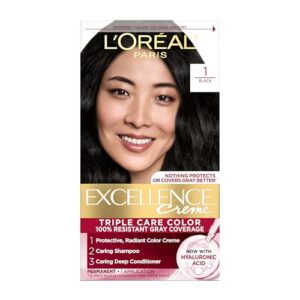
If gray coverage is your main battle, this one earns its spot on the shelf. L’Oreal Creme runs a Triple Care routine, pairing the coloring cream with a caring shampoo and conditioner loaded with hyaluronic acid.
You get full coverage on stubborn grays, thanks to the Pro-Keratine complex, plus ceramide and glycerin working to keep strands soft. The non-drip formula suits most textures. Just brace for an awkward bottle grip during application.
| Best For | Anyone dealing with stubborn gray hair who wants full coverage at home without sacrificing softness or shine. |
|---|---|
| Gray Coverage | 100% gray coverage |
| Formula Type | Permanent |
| Ammonia Free | Not specified |
| Cruelty Free | Not specified |
| Color Longevity | Weeks (resists fading) |
| Conditioning Treatment | Deep Conditioner included |
| Additional Features |
|
- 100% gray coverage, even on the toughest grays, thanks to the Pro-Keratine complex
- Triple Care routine (color, shampoo, conditioner) leaves hair noticeably softer and shinier, not dry
- Non-drip formula works well across different hair types and textures, with 27 shades to choose from
- Bottle shape can be awkward to grip and control during application
- Formula may leave marks on towels during or after use
- Timing is finicky — some users need to shave the standard 45 minutes down to around 35 for the best results
2. Clairol Nice’n Easy Ultra Light Blonde Hair Dye
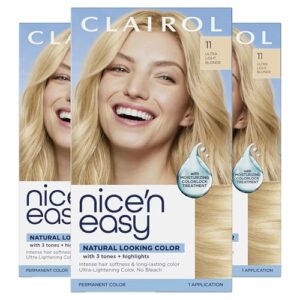
Chasing a lighter shade this time? Clairol’s Ultra Light Blonde in shade 11 delivers 100% gray coverage with three tones plus highlights, so you get real dimension instead of flat, one-note color.
The oil-infused formula smooths hair as it processes, and root application only takes 15-20 minutes. That’s shorter than most light-blonde dyes, meaning less scalp irritation. The included Revitashine Treatment seals color in, keeping shine alive for up to eight weeks.
| Best For | Anyone at home looking to cover gray hair with a natural-looking ultra light blonde while keeping processing time short and results long-lasting. |
|---|---|
| Gray Coverage | 100% gray coverage |
| Formula Type | Permanent |
| Ammonia Free | Not specified |
| Cruelty Free | Not specified |
| Color Longevity | Up to 8 weeks |
| Conditioning Treatment | Revitashine Treatment included |
| Additional Features |
|
- Delivers 100% gray coverage with multidimensional color from three tones plus highlights
- Shorter 15-20 minute processing time means less scalp irritation than most light-blonde dyes
- Includes a Revitashine Treatment that seals in color and keeps hair shiny for up to 8 weeks
- Some packages have reported inconsistent glove quality or sizing
- May not lighten enough for those switching from salon-level blonde treatments
- Requires a skin allergy test 48 hours before every application
3. Garnier Nutrisse Ultra Crème Hair Color 50
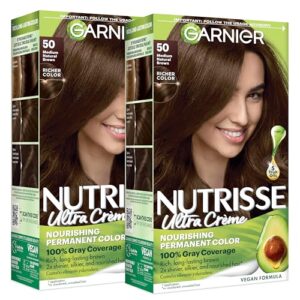
Want stubborn grays gone without a salon bill? Garnier Nutrisse Ultra Crème 50 (Medium Natural Brown, or "Truffle") delivers 100% gray coverage lasting up to eight weeks.
The formula’s snap-and-pour ampoule blends avocado, olive, coconut, argan, and shea oils right into your color for noticeably shinier strands. Its non-drip crème and Color Boost Technology make application forgiving, even for first-timers. Just know: thick or long hair (14+ inches) needs two boxes for full coverage.
If you’re dyeing at home for the first time, our guide on how long it takes to dye hair can help you plan your timing before you start.
| Best For | Anyone covering salt-and-pepper grays at home who wants salon-quality color without the salon price tag. |
|---|---|
| Gray Coverage | 100% gray coverage |
| Formula Type | Permanent |
| Ammonia Free | Not specified |
| Cruelty Free | Vegan, cruelty-free |
| Color Longevity | Up to 8 weeks |
| Conditioning Treatment | After-color conditioner included |
| Additional Features |
|
- Delivers 100% gray coverage that lasts up to eight weeks
- Snap-and-pour oil ampoule (avocado, olive, coconut, argan, shea) leaves hair noticeably shinier and softer
- Easy, forgiving application thanks to non-drip crème and Color Boost Technology
- Thick, long (14 inches), or very gray hair needs two boxes, adding to the cost
- After-color conditioner can leave hair feeling oily and may strip its pleasant scent
- Some long-term users notice gray coverage and color longevity fading over time
4. Adore Semi Permanent Hair Color Paprika
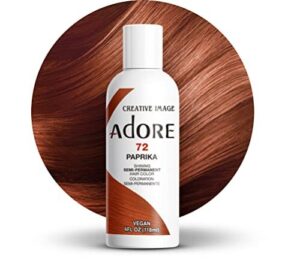
If gray coverage was step three, playing with color is a whole different game. Adore’s Paprika shade skips ammonia and peroxide entirely, so you get a rich reddish brown deposit without the sting or the smell.
It’s ready-to-use, no mixing required, vegan, and lasts roughly four weeks or 20 washes. Works on any texture. Just remember: it won’t lighten hair, and it can stain skin or fabric, so keep towels nearby.
| Best For | Anyone wanting bold, temporary reddish-brown color at home without the damage or harsh smell of ammonia and peroxide. |
|---|---|
| Gray Coverage | Does not cover gray |
| Formula Type | Semi-permanent |
| Ammonia Free | Ammonia-free |
| Cruelty Free | Vegan, cruelty-free |
| Color Longevity | Up to 4 weeks |
| Conditioning Treatment | Conditions while depositing pigment |
| Additional Features |
|
- No ammonia, peroxide, or alcohol, so it’s gentler on hair and scalp
- Ready-to-use formula with no mixing needed
- Vegan, cruelty-free, and conditions hair while depositing color
- Can’t lighten hair, so it works best on existing base or pre-lightened strands
- May stain skin, shower surfaces, and fabric during application
- Fades faster on virgin or undyed hair, especially at the roots
5. Moroccanoil Color Depositing Mask Bordeaux 6.7 oz
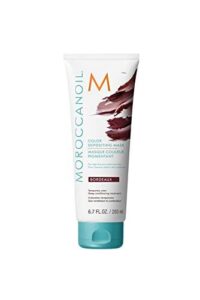
For a treatment-meets-color hybrid, Moroccanoil’s Bordeaux mask is the power move. It deposits a crimson brown tint on dark bases while ArganID technology seals the cuticle for real shine.
Amino acids and apricot kernel oil detangle and hydrate, so you’re conditioning, not damaging. Apply to towel-dried hair for 5-7 minutes, rinse clear.
Fades gradually with washes, faster on porous strands. It won’t cover gray, but as a bold refresh between salon visits, it turns heads effortlessly.
| Best For | Anyone with dark hair who wants a temporary color refresh and a deep-conditioning treatment in one step between salon visits. |
|---|---|
| Gray Coverage | Does not cover gray |
| Formula Type | Temporary |
| Ammonia Free | Ammonia-free |
| Cruelty Free | Cruelty-free (PETA) |
| Color Longevity | 3-4 washes |
| Conditioning Treatment | ArganID conditioning treatment |
| Additional Features |
|
- Deposits a rich crimson brown tint while ArganID technology repairs and seals the hair cuticle
- Amino Acid Blend and Apricot Kernel Oil detangle and hydrate without ammonia, peroxide, or bleach
- Cruelty-free certified and easy to customize by mixing with High Shine Gloss Mask
- Color is temporary, typically fading within 3-4 washes
- Doesn’t cover grey hair and can only tone it down slightly
- May cause minor staining on skin, clothes, or surfaces
Test Your Chosen Hair Color Safely

You’ve picked a shade, and that’s exciting. But before you commit, a few simple checks can save you from a bad surprise. Here’s what you should do first.
Perform a Patch Test
Skip this step, and you’re gambling with your skin. Mix a small dab of dye with developer, dab it on your inner forearm, and leave it alone for 48 hours. Check at 24 hours, then again at 48. Redness, itching, or swelling means stop immediately. No reaction? You’re cleared for full color, safely.
Complete a Strand Test
Patch test done? Good. Now snip a tiny, inconspicuous strand from behind your ear and mix a fresh batch of dye. Saturate root to tip, then time it exactly per instructions. Watching color development unfold here shows you the real shade, no guesswork. Rinse with lukewarm water, air dry, and judge honestly before committing your whole head.
Check Color Processing Time
Timing isn’t one-size-fits-all. Porosity changes everything: porous hair processes in 15-25 minutes, low porosity needs 30-40. Temperature matters too, warmth speeds development.
Quick guide:
- Semi-permanent: 10-25 min
- Demi-permanent: 20-30 min
- Permanent with lift: 30-45 min
- Toners: 5-20 min
- Bleach: 20-40 min
Check every 5 minutes against your strand test. Don’t guess, verify.
Preview Expected Color Results
Ever wonder how your color will look before it’s even mixed? That’s the magic of a color preview: it shows a swatch under home-like lighting, factoring your undertone and porosity.
Porous hair grabs pigment fast, so results may look richer. Grays get their own visual check, and you’ll see a fade projection too, so no surprises down the road.
If the color runs deeper than expected, knowing how to remove semi-permanent hair dye safely in one day gives you a solid backup plan.
Consult a Professional Colorist
Some transformations deserve an expert’s eye. A skilled hair colorist spots issues home kits miss and prevents costly color correction. Choose a salon by checking portfolios, reviews, and specialty shades.
Many now offer virtual color consultations too.
Come prepared:
- Bring inspiration photos
- Share your color history
- Ask about maintenance costs
- Discuss timeline realistically
Clear communication turns your vision into a plan you’ll love.
Plan Hair Color Maintenance Before Dyeing
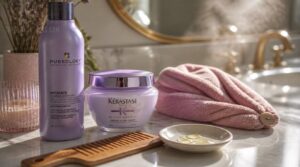
Before you crack open that box of dye, take a minute to think ahead. Your color’s lifespan depends just as much on what happens after as what happens during. Here’s what you’ll want to have sorted out first.
Schedule Root Touch-Ups
Rarely does regrowth follow a fixed clock, so plan around your own hair’s rhythm. Gray needs touch-ups every 3-4 weeks; balayage stretches to 8-12. Track growth monthly, book ahead, and watch for fading warmth as your cue.
| Hair Type | Touch-Up Timing |
|---|---|
| Gray coverage | 3-4 weeks |
| Full color | 4-6 weeks |
| Highlights | 8-12 weeks |
Use Color-Safe Shampoo
That touch-up schedule only holds if your shampoo cooperates. Grab a sulfate-free formula—it skips the harsh stripping and keeps your color’s shine intact.
Wash with cold water when you can; it seals the cuticle shut. Pair it with a matching conditioner, watch for UV protection on the label, and wash less often.
Small habit, big payoff.
Limit Heat and Sun
Shampoo’s only half the battle—heat and sun fade color fast too. Any tool over 300°F opens the cuticle, so grab a heat protectant spray before blow-drying or curling.
Sunny days? Look for UV hair defense in your styling product. Bonus: deep conditioning treatments weekly restore what thermal styling steals back.
Protect Hair From Chlorine
Pool days can undo weeks of color work fast. Before jumping in, smooth on a pre-swim oil to block chlorine penetration, then add a silicone cap for extra armor.
After swimming, rinse immediately with fresh water, then follow with a chlorine-neutralizing shampoo. Cap the week off with deep conditioning to rebuild strength and keep that color-treated hair vibrant.
For a complete swim-day routine, this guide to protecting color-treated hair while swimming breaks down exactly how to shield your strands before, during, and after a dip.
Refresh Color Between Applications
Since full color doesn’t last forever, keep it looking fresh in between.
- Apply a color depositing conditioner every 1-2 washes
- Rinse with cool water to seal cuticles
- Switch to sulfate-free shampoo
Choose a tinted conditioner in your actual shade, add UV protection, and toss in a bond rebuilding treatment for strength between applications.
Frequently Asked Questions (FAQs)
How do you know which hair color is right for you?
Your power move starts with skin undertones, eye color, and face shape working together. Match warm undertones to golden or copper shades, cool undertones to ash tones, then let face shape placement and eye color pairing sharpen your final, most flattering choice.
Should you go darker or lighter with hair color as you age?
Lighter, honestly. As the natural aging process softens skin tone and dulls vibrancy, warm, lighter shades complement gray beautifully, flatter your undertone and eye color, and deliver that youthful appearance enhancement without demanding constant, high-maintenance touch-ups.
What hair color looks the healthiest?
Think of your hair like a tree trunk: shades close to its own rings always look strongest. Staying near your natural melanin level, with gloss treatments and sulfate-free shampoo, keeps hair looking shiny, smooth, and genuinely healthy.
How do I choose the right hair color?
Start with your undertone and eye color, then weigh face shape and lifestyle. Trust color theory over trends—warm or cool contrast unlocks your best look. A quick professional consultation seals the deal, matching maintenance to your real-life schedule.
How do I find the perfect hair color?
Like a key finding its lock, your perfect shade clicks into place through undertone testing, eye color, and face shape. Match those to color-safe products and a maintenance commitment you’ll actually keep.
How do I choose a hair color for fair skin?
Warm undertones glow in honey blonde or copper; cool undertones shine with ash blonde or platinum. Check your wrist veins first, then let that undertone analysis guide your fair skin shade selection.
For a curated starting point, these best hair colors for fair skin by undertone narrow down the options so you’re not guessing at the salon.
Once you’ve nailed your undertone, browse these natural-looking summer hair color ideas for shades that mimic sun-kissed, low-maintenance dimension.
How do I choose a color when dying my hair?
Test your undertone with the vein or jewelry trick, then match it to your skin tone and eye color. Factor in hair type, damage, and upkeep. When unsure, book a professional consultation first.
What color hair color is right for You?
The right shade lives at the crossroads of your skin undertone, eye color, and lifestyle. Match warm or cool tones, factor in maintenance time, and let your natural coloring—not trends—guide the final call.
What color hair color should a woman wear?
Forget the rotary phone approach of one shade fits all. Your best color depends on skin undertone, whether warm, cool, or neutral, plus lifestyle needs like bridal hair color, workout proof colors, and swimming resistant color for chlorine days.
How to determine hair color that’s right for you?
Start with your skin undertone, hair condition, eye color, and face shape. Combine wrist vein tests with lifestyle and maintenance commitment. This mix reveals shades that flatter you naturally, not just what’s trending.
Conclusion
The proof is in the pudding, and yours shows on every strand once the right shade catches the light. Choosing right hair color isn’t guesswork anymore; it’s a formula built from your veins, your eyes, and your natural undertone. You’ve got the full map now. Test it, trust it, and let your colorist fine-tune the rest. The best shade won’t just flatter you. It’ll feel like the real you, finally caught up to your reflection.