This site is supported by our readers. We may earn a commission, at no cost to you, if you purchase through links. This content is for general informational and educational purposes only and is not a substitute for professional medical, dermatological, or nutritional advice.
Olive skin doesn’t follow the same rules as other complexions. Its yellow-green base shifts under different lighting, which means a color that looked stunning in the dressing room can turn muddy under fluorescent office lights by noon.
Most color advice treats olive as a single category, but warm, cool, and neutral olive undertones each respond differently to the same shade. Burgundy that flatters a cool olive complexion can wash out a warm one. Navy that reads rich and grounded on medium depth can disappear on deeper tones.
The best colors for olive skin work with its undertone, not against it.
Table Of Contents
- Key Takeaways
- 12 Best Colors for Olive Skin
- Best Neutrals for Olive Skin
- Match Colors to Undertone and Depth
- Colors to Reconsider and Better Swaps
- Test Colors in Natural Daylight
- Style Olive-Friendly Colors by Occasion
- Frequently Asked Questions (FAQs)
- What color looks best on olive skin tones?
- What colors should olive skin tones avoid?
- Can olive skin tone wear black?
- Can olive skin wear white?
- How can I determine if I have an olive skin tone?
- What colors should I pair with olive skin?
- Are there any makeup tips for olive skin?
- How often should I change up my wardrobe for olive skin?
- Can olive skin wear pastel colors successfully?
- How does olive skin age compared to others?
- Conclusion
Key Takeaways
- Olive skin has a yellow-green base that shifts under different lighting, so the same color can look flattering in one setting and muddy in another — always test in natural daylight, not in stores.
- Your specific undertone (warm, cool, or neutral) determines which colors actually work: burgundy flatters cool olive tones, terracotta suits warm ones, and emerald or teal perform well across all three.
- Deep jewel tones like emerald, burgundy, and navy are the most reliably flattering colors for olive skin because they create contrast without amplifying the green cast.
- Avoid stark white, neon shades, icy pastels, and ashy grays — they drain warmth and flatten olive skin’s natural depth, and each has a better swap (ivory, moss green, dusty rose, or slate gray).
12 Best Colors for Olive Skin
These six colors don’t just work with olive skin—they actively counteract its green cast and bring out its natural richness. They span a range of moods, from warm and earthy to deep and dramatic, so there’s something here regardless of your style. Pick the ones that match your undertone, and you’ll immediately see the difference.
For even more tailored picks based on your specific undertone depth, this guide to hair color for olive skin tones breaks down which warm and cool shades complement each variation.
Deep Emerald and Teal

Choosing deep emerald is textbook color analysis for olive skin. It draws out green undertones without washing out freckles.
- Stick to pine or ivy shades over neon for balanced contrast
- Pair it with warm gold jewelry to bring out radiance
- Try deep teal with camel for a sunlit, casual look
Both are flattering colors that balance olive’s warm and cool tones.
Burgundy and Oxblood
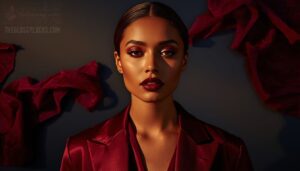
From cool greens to rich reds, the shift toward burgundy and oxblood keeps olive skin looking balanced. Burgundy’s blue-red base suits cooler olive undertones; oxblood’s brownish depth flatters warm undertones best.
Wear a burgundy blazer for authority at work. In the evening, oxblood works especially well on medium-olive skin. Pair either with charcoal or navy to anchor the whole look.
Berry and Aubergine
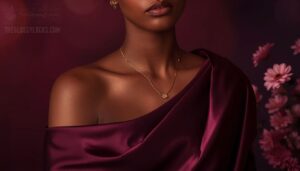
sit deeper than burgundy. Both are best colors for your olive skin, but they work differently.
- Warm olive: reach for raspberry or mulberry
- Cool olive: blue-based aubergine
- Neutral olive: fuchsia to deep plum both work
- In fabric: matte for berry, satin for aubergine
Gold jewelry lifts berry tones best; silver suits cooler aubergine.
For deeper guidance on pairing metals with your specific skin undertones, cool skin tone hair and jewelry color tips offer a helpful starting point.
Terracotta and Burnt Sienna

Where berry runs cool, terracotta and burnt sienna pull warm.
They’re among the best colors for olive skin because they align with your natural warm undertones. Terracotta flatters medium to deep olive complexions best; pair it with gold jewelry for extra warmth.
Burnt sienna works where terracotta reads too bright, stabilizing color depth in natural light without washing you out.
Navy and Cobalt Blue
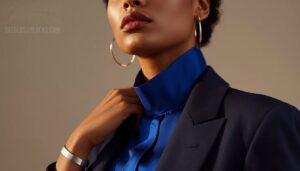
Depth is what sets navy and cobalt apart for olive skin. Navy blue reads nearly neutral in daylight, while cobalt blue lifts your greenish undertones with stronger chroma.
- Pair navy with gold for warm color balance
- Choose cobalt with silver for cool undertones contrast
- Wear navy jeans and a cobalt top together
- Use blue accessories to help anchor monochrome outfits
Caramel and Chocolate Brown
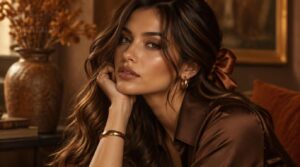
Two warm earth tones rank among the best colors for olive skin: caramel and chocolate brown. Both deepen golden undertones naturally.
Espresso and mahogany shades work especially well when paired with golden-toned highlights, as this olive skin hair color guide explains beautifully.
| Shade | Skin Depth | Effect |
|---|---|---|
| Chocolate brown | Medium olive | Frames features |
| Warm caramel | Deep olive | Adds contour |
| Caramel highlights | Light olive | Lifts dimension |
Avoid orange caramel on cool undertones; it reads muddy. A finishing gloss keeps your chocolate brown true.
Best Neutrals for Olive Skin

Think of a plain white tee under harsh fluorescent store lighting, then under afternoon sun. The difference is stark, and it’s exactly why picking neutrals for olive skin takes care. The wrong choice muddies your complexion; the right one sharpens it.
The right neutral sharpens olive skin; the wrong one muddies it entirely
Cool neutrals including true white, cool gray, and navy create clean contrast against olive tones. Warm neutrals like camel, taupe, and ivory work when your undertone pulls gold. Both are flattering clothing colors for olive skin, depending on your specific tone.
Avoid bright, plasticky finishes. High-sheen fabrics strip natural depth from your complexion instead of complementing it. Go matte whenever you can. Round out any neutral with a mustard or forest green accent to keep the whole palette balanced.
Match Colors to Undertone and Depth

Olive skin isn’t one thing, and your best colors depend on undertone and depth, not just a general category. Knowing which of the five types below matches you makes the difference between colors that pop and ones that fall flat. Find your type, then treat the corresponding shades as your starting point.
Warm Olive Undertones
Your warm olive undertones pull yellow and gold to the surface. Don’t fight your undertone. Let your color palette build on warm earth tones like terracotta and caramel for your best colors.
- Swap platinum for gold or bronze jewelry to boost warmth.
- Pick brick red or ochre over pure red.
- Reach for creamy ivory, not icy white, as your neutral.
Cool Olive Undertones
Your cool undertones carry a blue-green shift that warm yellows can’t resolve. Blue-based jewel tones like sapphire, deep plum, and emerald work with that cast rather than muddying it.
For neutrals, slate gray and cool grays outperform creamy beige every single time. Cool pastel pink will flatten cool olive undertones unless it’s highly saturated. Always stick with crisp, true tones.
Neutral Olive Undertones
sit right between warm and cool. Your veins appear greenish, and both gold and silver jewelry work on you.
That balance gives you real range. Deep emerald, teal, and burgundy are your strongest performers. Navy adds sharp contrast without washing you out. Your color palette doesn’t need to choose sides, so lean into richness over muted neutrals.
Light Olive Skin
has a subtle green undertone closer to the surface than you’d expect. Overly muted shades flatten your complexion fast.
In color analysis, contrast is your priority. Deep emerald, burgundy, and terracotta are your best colors. They lift warmth without competing with it. Warm earth tones like camel and taupe are reliable neutrals. Swap stark white for ivory.
Deep Olive Skin
carries more pigment, which means colors need real saturation to register. Rich jewel tones like deep teal and deep burgundy work immediately. Warm earth tones, camel and chocolate brown, anchor your neutrals without dulling your natural depth.
Pair any bold shade with gold jewelry to improve your skin’s warmth. Skip bright white; off-white keeps your complexion glowing.
Colors to Reconsider and Better Swaps
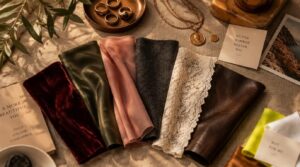
Once you know your undertone and depth, spotting the colors quietly working against you gets easier.
Neon shades push yellow undertones forward, making skin look sallow instead of warm. Swap them for moss or forest green, which hold depth without the harsh chemical cast.
Stark white dulls olive skin. Choose creamy ivory or eggshell instead; they brighten without the flattening contrast. Similarly, cool pastel pink drains warmth from the complexion. Rosewood or dusty rose give you softness without washing the face out.
Too-bright reds and pure black create harshness at mid-tone depths. Oxblood works with that richness better, and charcoal or espresso replace black without sacrificing contrast. For accessories and jewelry, skip yellow-gold and reach for warm bronze or copper instead.
Test Colors in Natural Daylight

Swapping colors on paper is one thing. Seeing them against your skin in real light confirms what actually works, and that’s where natural daylight testing becomes your clearest tool.
Use a north-facing window or a shaded outdoor spot. Test between 10:00 and 11:30 a.m. or 2:00 and 4:00 p.m. Direct sun distorts color perception, so keep it out of the process.
Hold each swatch at your jawline, not your wrist. That’s where olive skin undertone signals show up most clearly. Note whether the color lifts your face or pulls unwanted yellow-green tones forward.
Repeat the test on at least two separate days under similar sky conditions. One good result isn’t enough. Colors that pass consistently are your confirmed best colors.
Style Olive-Friendly Colors by Occasion

For evening events, deep emerald is your strongest move. It creates rich contrast against olive skin without washing out your warmth. Pair it with gold jewelry and a matte fabric to keep the look pulled together. A deep emerald evening dress in a matte crepe or velvet fabric amplifies that contrast beautifully while keeping the overall look polished and intentional.
In casual wear, teal tops perform well during the day. They’re bright enough to read fresh but stay within a natural, flattering range on your full clothing palette for olive tones. Skip near-neon greens; they fight your complexion rather than work with it.
For formal wear and business wear, oxblood and burgundy add depth and authority. Both shades work well across light to deep olive complexions. Follow this style guide for olive tones: match occasion formality to color saturation, and every outfit looks intentional.
Frequently Asked Questions (FAQs)
What color looks best on olive skin tones?
Personal color analysts consistently name deep emerald as the single strongest choice for olive skin. It creates natural contrast without dulling your yellow undertones, making it the clearest win across any olive skin color palette.
What colors should olive skin tones avoid?
Not every color is completely off-limits, but some colors to avoid with olive skin are stark white, bright neon colors, too-bright reds, icy pastels, and ashy grays. These drain warmth and flatten your natural depth.
Can olive skin tone wear black?
You can wear black with olive skin, but color contrast always matters. Warm olive undertones do better with charcoal or navy. Cool undertones handle true black more easily. Add gold accessories to soften the look.
Can olive skin wear white?
Olive skin absolutely can wear white, but the right shade depends on your undertone.
Warm olive needs ivory or bone, not stark white. Cool olive suits pure white. Light olive should add a bold lip.
How can I determine if I have an olive skin tone?
Skin tone labels can feel vague, but the clues are all physical. Check your wrist veins in natural light. A greenish undertone signals olive skin. Gold flatters you more than silver. You also tan easily.
What colors should I pair with olive skin?
Studies in personal color analysis consistently show that olive skin glows right next to deep emerald, burgundy, and navy blue. Add terracotta or camel for warmth. Avoid neon brights and near-whites; both wash you out.
Are there any makeup tips for olive skin?
Choose warm coral blush and a caramel bronzer to bring out your natural warmth. Avoid olive-green lip colors; they always flatten your complexion. For eyes, deep emerald liner or a rich oxblood shadow creates striking contrast.
How often should I change up my wardrobe for olive skin?
Say you’ve worn the same terracotta top for eight weeks straight. For olive skin, swap full outfits every 4-6 weeks using seasonal color typing, or refresh with new accessories every two to four weeks instead.
Can olive skin wear pastel colors successfully?
Yes, olive skin can wear pastels. Stick to warm-biased shades like peach, coral, and butter yellow. They work with your undertone instead of fighting it. Cool pastels wash you out unless you add strong contrast.
How does olive skin age compared to others?
Olive skin ages more gradually than lighter tones because higher melanin delays visible fine lines. You’ll notice texture roughness before deep wrinkles appear, then slow-building hyperpigmentation, so consistent sun protection matters more than you think.
Conclusion
Think of your wardrobe as a second skin, one that either fights your complexion or works with it. The best colors for olive skin don’t flatten your natural warmth or gray out your depth. They let it read clearly, in any light.
Match your undertone first. Once you know whether you’re warm, cool, or neutral, the right shades stop feeling like guesswork. You stop settling. You start dressing with intention.