This site is supported by our readers. We may earn a commission, at no cost to you, if you purchase through links. This content is for general informational and educational purposes only and is not a substitute for professional medical, dermatological, or nutritional advice.
An itchy scalp is one of those problems that’s easy to dismiss—until you’re mid-conversation, desperately trying not to scratch. What most people don’t realize is that scalp and skin conditions affect nearly half of all adults at some point, yet the vast majority reach for the wrong product because they’re treating the symptom, not the source.
Dandruff isn’t always dryness. Dryness isn’t always dandruff. And that distinction changes everything about which product actually works for you.
The best products for itchy scalp target a specific cause—whether that’s Malassezia yeast, product buildup, a compromised moisture barrier, or something more persistent like psoriasis. Knowing what’s driving your itch means you can stop cycling through shampoos that don’t deliver and start using something that genuinely does.
Table Of Contents
- Key Takeaways
- Best Products for Itchy Scalp
- 1. DHS Zinc Dandruff Shampoo for Dry Scalp
- 2. Natural Moisturizing Factors Scalp Serum
- 3. Christophe Robin Purifying Sea Salt Scrub
- 4. Living Proof Dry Scalp Treatment
- 5. Ouai Balancing Scalp Serum
- 6. Nizoral Anti Dandruff Ketoconazole Shampoo
- 7. CLn Clarifying Salicylic Acid Shampoo
- 8. SEEN Restore Scalp Hydrating Serum
- 9. Act+Acre Scalp Detox Oil
- 10. Person & Covey DHS Tar Shampoo 8 Ounce
- How to Choose Scalp Treatments
- Key Ingredients That Relieve Itching
- What Causes Itchy Scalp
- Itchy Scalp Care Routine
- Frequently Asked Questions (FAQs)
- What is the best thing to put on an itchy scalp?
- What do dermatologists recommend for an itchy scalp?
- Why is my scalp so insanely itchy?
- Can high cortisol cause dry scalp?
- What is the best dandruff treatment for itchy scalp?
- What is the best shampoo for itchy scalp?
- What is the best scalp treatment shampoo?
- What are the best scalp treatments?
- How do you treat an itchy scalp?
- Should I use dry shampoo If I have an itchy scalp?
- Conclusion
Key Takeaways
- Matching your treatment to the actual cause of your itch — whether that’s yeast, dryness, buildup, or a skin condition like psoriasis — is what separates products that work from ones that just waste your money.
- Active ingredients like ketoconazole (antifungal), zinc pyrithione (anti-flaking), salicylic acid (exfoliating), and coal tar (cell turnover control) each target a different problem, so the label matters more than the brand.
- How you use a medicated shampoo matters as much as which one you pick — most require 5–10 minutes of contact time on the scalp, not a quick rinse, to actually do their job.
- If your itch disrupts sleep, keeps coming back after treatment, or shows up alongside hair loss, redness, or sores, that’s your cue to see a dermatologist.
Best Products for Itchy Scalp
Finding the right product for an itchy scalp isn’t guesswork — it’s about matching the right ingredient to what’s actually going on with your skin. Whether you’re dealing with dandruff, dryness, or stubborn buildup, these ten options cover the full range of scalp concerns. Here’s what made the cut.
Each pick is backed by dermatologist-recommended ingredients, and you can explore the full breakdown in this guide to the best shampoos for dry itchy scalp.
1. DHS Zinc Dandruff Shampoo for Dry Scalp
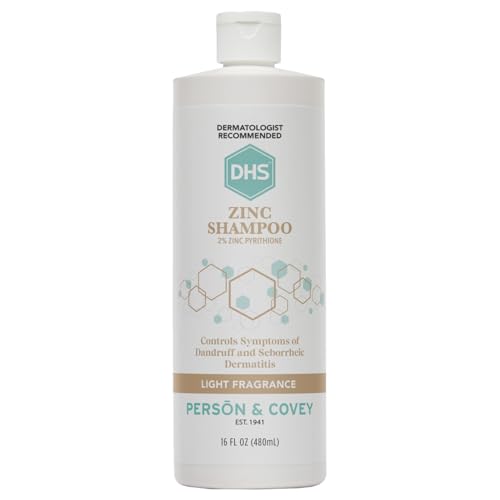
With 2% zinc pyrithione as its active ingredient, DHS Zinc Dandruff Shampoo is a dermatologist-recommended option that targets dandruff and seborrheic dermatitis without unnecessary additives — it’s both PABA-free and TEA Lauryl Sulfate-free, which matters if your scalp runs sensitive.
Use it three to four times a week, not daily. Overuse can dry out your hair and scalp, which works against you. The 16 oz bottle keeps things practical for consistent, ongoing treatment.
| Best For | Anyone dealing with dandruff, seborrheic dermatitis, or a persistently itchy, flaky scalp who wants a no-frills, dermatologist-recommended formula without harsh additives. |
|---|---|
| Product Type | Medicated Shampoo |
| Key Ingredient | Zinc Pyrithione 2% |
| Primary Benefit | Dandruff & Dermatitis Relief |
| Usage Frequency | 3–4x per week |
| Texture/Consistency | Opaque liquid |
| Scalp Concern | Dandruff, seborrheic dermatitis |
| Additional Features |
|
- Contains 2% zinc pyrithione, a proven active ingredient that targets dandruff and seborrheic dermatitis at the source
- Free from PABA and TEA Lauryl Sulfate, making it a gentler pick for sensitive scalps
- Leaves hair soft and shiny while clearing buildup — you’re not just treating symptoms, you’re still getting a real cleanse
- Not suitable for daily use — using it more than 3–4 times a week can dry out your scalp and hair
- May not be color-safe, so it’s worth patch-testing if you have dyed hair
- Can cause irritation or burning on sensitive facial skin, so be careful around your hairline
2. Natural Moisturizing Factors Scalp Serum
Where DHS Zinc targets the cause, this serum takes care of the aftermath — that tight, parched feeling that lingers even after dandruff clears.
The Natural Moisturizing Factors Scalp Serum works through a layered hydration system: hyaluronic acid derivatives, squalane, urea, amino acids, and mineral humectants like zinc PCA all working together to restore your scalp’s moisture barrier. Lightweight and milky, it won’t weigh your roots down.
Apply a few drops to a clean, dry scalp — ideally at bedtime — and leave it in overnight.
| Best For | Anyone dealing with a dry, tight, or sensitized scalp — especially after chemical treatments or during harsh winter months. |
|---|---|
| Product Type | Scalp Serum |
| Key Ingredient | Hyaluronic Acid & Squalane |
| Primary Benefit | Dryness & Itch Relief |
| Usage Frequency | Daily or at bedtime |
| Texture/Consistency | Lightweight milky serum |
| Scalp Concern | Dryness, sensitivity, tightness |
| Additional Features |
|
- Combines multiple hydrating ingredients (hyaluronic acid, squalane, urea, amino acids) for deep, layered moisture
- Lightweight, milky texture that won’t leave roots feeling heavy or greasy when used correctly
- Vegan, cruelty-free, and free from silicones, alcohol, and gluten — gentle enough for sensitive skin
- Over-applying can leave hair looking flat or oily, so less is more
- Not designed for significant hair growth or thickening results
- May feel too heavy for daytime use if you have an oily scalp
3. Christophe Robin Purifying Sea Salt Scrub
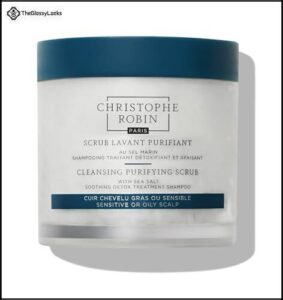
When hydration alone isn’t enough, sometimes your scalp just needs a proper reset. The Christophe Robin Purifying Sea Salt Scrub takes a more hands-on approach — natural sea salt granules physically lift product buildup, excess sebum, and dry shampoo residue that regular shampoo misses.
Bisabolol and plant-derived actives help calm irritation during the process. At $54 for 250ml, it’s an investment, but weekly use leaves roots noticeably lighter and scalp genuinely soothed.
| Best For | Anyone dealing with stubborn product buildup, oily or itchy scalp, or flat, lifeless roots who wants a weekly deep-cleanse that goes beyond regular shampoo. |
|---|---|
| Product Type | Scalp Scrub |
| Key Ingredient | Natural Sea Salt |
| Primary Benefit | Deep Cleansing & Exfoliation |
| Usage Frequency | Weekly |
| Texture/Consistency | Concentrated paste |
| Scalp Concern | Oiliness, buildup, irritation |
| Additional Features |
|
- Sea salt granules physically scrub away buildup, oils, and dry shampoo residue that regular shampoos leave behind
- Calming plant-based ingredients soothe irritation, making it suitable even for sensitive scalps
- Noticeably boosts root volume and bounce after just one use
- At $54 for 250ml, it’s a pricey addition to your routine
- The large salt crystals can feel quite gritty, which may be off-putting for some
- The jar runs smaller than it looks in ads, and you’ll need to work in extra water to get a proper lather going
4. Living Proof Dry Scalp Treatment
Where the sea salt scrub resets, the Living Proof Dry Scalp Treatment rebuilds. This leave-in serum pairs hyaluronic acid — delivered through a Molecular Patch system — with a vitamin B3 microbiome-balancing complex, so it targets both moisture loss and the root irritation cycle at once.
Apply it three times per week to clean, damp hair, massage it in, and you’re done. No rinsing, no residue. At $42 for 3.4 oz, it sits mid-range, with most users reporting visible flake reduction within two weeks.
| Best For | Anyone dealing with persistent dry scalp — flaking, itching, irritation — who wants a science-backed, leave-in solution that works across all hair types. |
|---|---|
| Product Type | Leave-In Treatment |
| Key Ingredient | Hyaluronic Acid & Vitamin B3 |
| Primary Benefit | Flaking & Irritation Relief |
| Usage Frequency | 3x per week |
| Texture/Consistency | Lightweight fast-absorbing serum |
| Scalp Concern | Dryness, flaking, itching |
| Additional Features |
|
- Dual-action formula tackles both moisture loss and microbiome imbalance at the same time
- Lightweight and fast-absorbing — no rinsing needed, and no greasy residue when used correctly
- Most users see noticeable flake reduction within just two weeks of consistent use
- At $42, it’s a bigger investment than drugstore alternatives
- Requires three applications per week to get the best results — not a one-and-done fix
- Won’t treat underlying medical conditions like psoriasis, only the surface symptoms
5. Ouai Balancing Scalp Serum
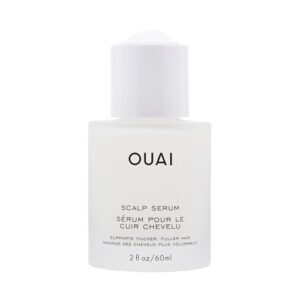
Where Living Proof focuses on rebuilding, the Ouai Balancing Scalp Serum shifts the approach toward adaptogenic calm. Red clover extract, Chaga mushroom, and Siberian ginseng work together to soothe irritation and restore balance — while hyaluronic acid locks in moisture without heaviness.
Its sulfate- and silicone-free formula also makes it a standout pick among hair products for defining natural curls, where buildup-free hydration is everything.
At 2 fl oz, it absorbs quickly, leaves no residue, and suits all hair types. Apply daily to the scalp and massage in. Just note: the stimulant mix can occasionally cause mild scalp tingling or headaches in sensitive users.
| Best For | Anyone dealing with scalp imbalance, irritation, or dryness who wants a lightweight, daily serum that supports thicker-looking hair without weighing it down. |
|---|---|
| Product Type | Scalp Serum |
| Key Ingredient | Red Clover & Ginseng |
| Primary Benefit | Scalp Hydration & Hair Fullness |
| Usage Frequency | Daily |
| Texture/Consistency | Lightweight non-greasy serum |
| Scalp Concern | Thinning hair, dryness |
| Additional Features |
|
- Adaptogenic blend of Chaga mushroom, red clover, and Siberian ginseng helps calm and rebalance a stressed scalp
- Hyaluronic acid delivers deep hydration with zero greasiness or residue
- Works for all hair types, including fine or thin hair prone to shedding
- Stimulant ingredients can trigger mild tingling or headaches in sensitive users
- Requires consistent daily use — results take time and patience
- Higher price tag compared to most scalp serums on the market
6. Nizoral Anti Dandruff Ketoconazole Shampoo
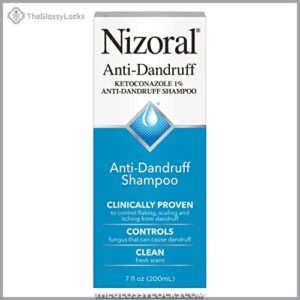
Few dandruff shampoos go after the actual cause — Nizoral does. Its 1% ketoconazole targets the fungus responsible for flaking, scaling, and itching, rather than just masking symptoms. Clinically proven and gentle enough for color-treated or gray hair, it lathers cleanly without that medicinal smell.
Use it twice weekly, leave it on for at least five minutes, and always follow with a rich conditioner — ketoconazole can leave hair feeling dry without one.
| Best For | Anyone dealing with stubborn dandruff, scalp fungus, or oily buildup — especially those who want a clinically proven treatment that’s still safe for color-treated or gray hair. |
|---|---|
| Product Type | Medicated Shampoo |
| Key Ingredient | Ketoconazole 1% |
| Primary Benefit | Severe Dandruff Control |
| Usage Frequency | 2x per week |
| Texture/Consistency | Standard liquid shampoo |
| Scalp Concern | Dandruff, fungal buildup |
| Additional Features |
|
- Targets the root cause of dandruff with 1% ketoconazole, not just the symptoms
- Gentle enough for chemically processed and color-treated hair, with a clean, fresh scent
- Can double as a supportive treatment for androgenic alopecia and localized skin flaking on the face or body
- Can leave hair feeling dry and straw-like without a heavy conditioner to follow up
- Requires twice-weekly use to stay effective — results don’t last with irregular application
- May cause a tight or stripped scalp sensation if overused, and can sting if it gets in your eyes
7. CLn Clarifying Salicylic Acid Shampoo
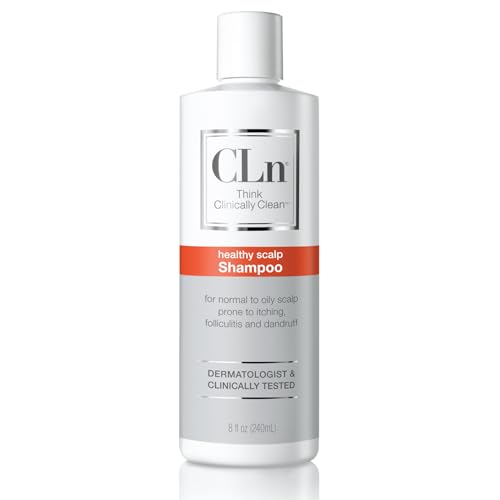
CLn takes a clinical approach to an itchy, congested scalp. Its 0.5% salicylic acid dissolves dead skin cells and excess oil, while sodium hypochlorite adds a layer of deep cleansing that most shampoos skip entirely.
The formula is free of fragrances, dyes, and SLS — making it a safe pick for sensitive or chemically treated hair. Massage it in for 30 seconds, rinse thoroughly, and use it up to three times weekly for consistent results.
| Best For | Anyone dealing with scalp conditions like dandruff, folliculitis, or seborrheic dermatitis — especially those with sensitive or chemically treated hair who need a clinical-grade cleanse. |
|---|---|
| Product Type | Clarifying Shampoo |
| Key Ingredient | Salicylic Acid & Sodium Hypochlorite |
| Primary Benefit | Folliculitis & Dandruff Management |
| Usage Frequency | 1–3x per week |
| Texture/Consistency | Standard liquid shampoo |
| Scalp Concern | Folliculitis, dandruff, dermatitis |
| Additional Features |
|
- Combines salicylic acid and sodium hypochlorite for a deeper clean than most medicated shampoos offer
- Free of fragrances, dyes, parabens, and SLS — gentle enough for relaxed or treated hair
- Tackles a range of scalp issues including itchiness, buildup, and razor bumps from head or facial shaving
- Has a noticeable medicinal or chlorine-like scent that some users may find off-putting
- Pricier than standard shampoos, which can add up with regular use
- Limited to 1–3 uses per week, and severe scalp conditions may still need additional medical treatment
8. SEEN Restore Scalp Hydrating Serum
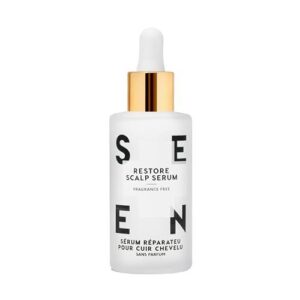
When dryness is the root cause of your itch, hydration does the heavy lifting. The SEEN Restore Scalp Serum pairs squalane and ethylhexyl olivate with glycerin to pull moisture in and seal it there — fast-absorbing, non-greasy, and gentle enough for eczema-prone skin (it carries the National Eczema Association Seal of Acceptance).
Sarcosine quietly takes care of buildup and microbiome balance in the background. At $48, it’s a commitment, but being fragrance-free, silicone-free, and color-safe makes it worth the shelf space.
| Best For | Anyone dealing with a dry, itchy, or eczema-prone scalp who wants a clean, fragrance-free serum that hydrates without weighing hair down. |
|---|---|
| Product Type | Scalp Serum |
| Key Ingredient | Squalane & Ethylhexyl Olivate |
| Primary Benefit | Itch & Flake Reduction |
| Usage Frequency | As needed |
| Texture/Consistency | Lightweight serum |
| Scalp Concern | Eczema, dryness, irritation |
| Additional Features |
|
- Lightweight and fast-absorbing formula that won’t leave a greasy residue
- Earned the National Eczema Association Seal of Acceptance, making it a trustworthy pick for sensitive skin
- Fragrance-free, color-safe, and free from sulfates, silicones, and parabens — a genuinely clean formula
- At $48, it’s on the pricier side, especially if you need to use it regularly
- Results can vary — some users didn’t notice meaningful improvement in itching or flaking
- A few customers reported packaging damage on arrival, which is frustrating at this price point
9. Act+Acre Scalp Detox Oil
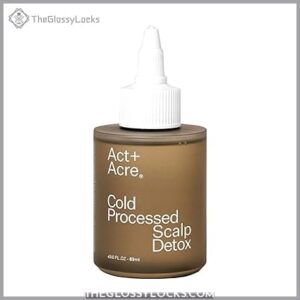
Think of this as a reset button for your scalp. The Act+Acre Scalp Detox Oil uses a cold-processed formula — meaning the active ingredients stay potent — with sunflower oil, basil leaf, and baobab oil to dissolve buildup, excess sebum, and product residue before you even shampoo.
Leave it on for 20 minutes, then rinse. Clinically, 95% of buildup is removed after one use. At $48, it’s sulfate-, silicone-, and fragrance-free — safe for color-treated hair.
| Best For | Anyone dealing with a dry, flaky, or congested scalp who wants a clean, plant-based treatment that preps hair before shampooing. |
|---|---|
| Product Type | Scalp Scrub |
| Key Ingredient | Basil Leaf & Baobab Oil |
| Primary Benefit | Scalp Buildup Removal |
| Usage Frequency | Pre-shampoo treatment |
| Texture/Consistency | Oil-based scrub treatment |
| Scalp Concern | Buildup, eczema, psoriasis |
| Additional Features |
|
- Clinically removes over 95% of scalp buildup in a single use, tackling dead skin, product residue, and pollutants
- Free from sulfates, silicones, parabens, and synthetic fragrances — safe for color-treated and chemically processed hair
- Cold-processed formula keeps active ingredients like basil leaf and baobab oil at full potency
- At $48, it’s pricier than many scalp treatments on the market
- May need a double shampoo after use to fully rinse out the oil, adding time to your routine
- Results around oiliness can vary depending on your hair type
10. Person & Covey DHS Tar Shampoo 8 Ounce
Coal tar has been treating itchy, scaling scalps for over a century — and DHS Tar Shampoo still earns its place on that list. Its active coal tar extract slows skin cell turnover, which is exactly what you need if psoriasis or seborrheic dermatitis is behind your itch.
If you’re weighing your options, this comparison of coal tar versus salicylic acid shampoos breaks down which formula suits your scalp’s specific needs.
The formula is fragrance-free and dye-free, making it one of the gentler medicated options for sensitive scalps. Use it up to three times weekly, and let it sit for several minutes before rinsing.
If bleach has already left your scalp irritated or scabbed, this gentle formula can support healing alongside the steps outlined in this guide on treating scabs on scalp from bleach.
| Best For | Anyone dealing with dandruff, psoriasis, or seborrheic dermatitis who has a sensitive scalp and wants a no-frills, medicated solution without dyes or fragrances. |
|---|---|
| Product Type | Medicated Shampoo |
| Key Ingredient | Coal Tar |
| Primary Benefit | Psoriasis & Dandruff Relief |
| Usage Frequency | 3x per week or as directed |
| Texture/Consistency | Standard liquid shampoo |
| Scalp Concern | Psoriasis, seborrheic dermatitis |
| Additional Features |
|
- Fragrance-free and dye-free formula makes it well-suited for sensitive scalps that react to common shampoo additives
- Coal tar’s century-long track record gives it real credibility for slowing skin cell turnover and easing chronic scalp conditions
- Tackles a wide range of issues — from dandruff and psoriasis to folliculitis and general itchiness — in one bottle
- The medicinal coal tar scent is noticeable and may be off-putting for some users
- Not confirmed to be color-safe, so those with dyed hair should use caution
- At 8 ounces, the bottle is on the smaller side for the price, especially compared to mainstream alternatives
How to Choose Scalp Treatments
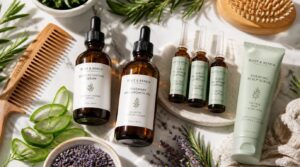
Not every scalp treatment works the same way, and picking the wrong one can make things worse before they get better. The right choice really comes down to a few key factors — your specific concern, your hair type, and what’s actually in the formula. Here’s what to look at before you buy.
Match Your Scalp Concern
Your itch isn’t random — and the right scalp treatment depends entirely on what’s actually triggering it. Dandruff-driven itching calls for an anti-dandruff shampoo with ketoconazole or zinc, while a dry, tight scalp needs lightweight leave-on hydration to restore lipid balance. Product buildup requires a clarifying or exfoliating approach.
Match the fix to the cause, or you’re just guessing. Performing a scalp self-assessment can help you identify specific textures or inflammation.
Consider Hair Type
Once you’ve matched your concern to a treatment category, your hair type changes how that treatment actually performs.
High porosity hair drinks product fast but loses moisture just as quickly — so leave-in serums absorb well. Coily and curly textures slow oil movement down the shaft, meaning buildup near the scalp can intensify itch faster than you’d expect with straighter hair.
Check Active Ingredients
Once you know your hair type, the label becomes your next stop. Active ingredients tell you exactly what a product is designed to do — and at what strength.
Ketoconazole and selenium sulfide target fungal overgrowth; zinc pyrithione reduces flaking; salicylic acid dissolves buildup. A medicated shampoo listing 1% ketoconazole versus 2% performs differently, so concentration matters more than branding.
Avoid Irritating Formulas
Active ingredients matter, but the formula surrounding them can undo all that work. If your scalp is already reactive, fragrance, artificial dyes, and alcohol are the first things to cut — they trigger itching without contributing anything therapeutic.
Harsh surfactants strip your barrier further, and pH-imbalanced products can cause stinging on contact. Look for labels that say fragrance-free, alcohol-free, and designed for sensitive skin.
Compare Treatment Formats
The format shapes how long actives contact your scalp — and that matters more than most people realize.
- Medicated shampoo needs 5–10 minutes before rinsing.
- Scalp serums apply via dropper as leave-in treatments for ongoing relief.
- Scalp scrubs exfoliate on contact, then rinse.
Dermatologist recommended topical treatments like oils absorb slowly — give them time before styling.
Key Ingredients That Relieve Itching
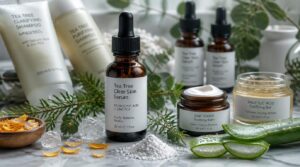
Not every itchy scalp reacts to the same fix, and that’s where active ingredients make all the difference. Knowing what’s inside your shampoo or serum helps you pick something that actually targets your specific issue — whether that’s fungal buildup, flaking, or dryness. Here are the key ingredients worth knowing about.
Ketoconazole for Dandruff
Ketoconazole doesn’t just wash away flakes — it targets the Malassezia yeast driving the irritation in the first place. That’s why dermatologist-recommended Nizoral works differently from regular antidandruff treatments.
Use it every three to four days, leaving it on for five to ten minutes before rinsing. Some people notice mild dryness initially, but consistent use usually brings visible relief within weeks.
Zinc for Flaking
Pyrithione zinc targets Malassezia yeast directly — the source of dandruff, flaking, and scalp redness. It’s built into popular antidandruff treatments like Head & Shoulders precisely for its anti-fungal topical efficacy and well-documented safety profile.
If leftover residue or harsh products are drying out your scalp too, pairing pyrithione zinc with a gentler routine outlined in this guide to soothing an itchy, irritated scalp can help restore balance without stripping moisture.
- Controls yeast without stripping your scalp barrier
- Works alongside selenium sulfide for tougher flaking cases
- Designed for repeated use in medicated shampoos
Salicylic Acid Exfoliation
Salicylic acid works differently than most scalp actives — it’s oil-soluble, meaning it penetrates into follicles rather than sitting on the surface.
| Format | Best Use |
|---|---|
| Rinse-off shampoo | Regular buildup control |
| Leave-on treatment | Targeted, occasional use |
Its keratolytic action loosens dead skin cells, clearing flakes at the source. Overuse disrupts your scalp barrier, so start slow.
Coal Tar for Scaling
Coal tar is one of dermatology’s oldest workhorses — and it still earns its place. As a keratoplastic agent, it slows abnormal skin cell turnover, reducing the thick scaling that comes with psoriasis and seborrheic dermatitis. It also delivers antipruritic and anti-inflammatory effects, calming the itch-scratch cycle directly.
Here’s what it does:
- Normalizes keratin growth
- Reduces visible flaking
- Eases scalp inflammation
- Offers antimicrobial control
- Available as shampoo or lotion
Hydrators for Dryness
When the scalp is dry and itchy, hydrating ingredients do the heavy lifting. Humectants like hyaluronic acid and glycerin pull moisture toward the skin surface, while occlusives seal it in — so relief actually lasts. Barrier lipids like ceramides and squalane support the skin’s structure underneath.
Lightweight serums absorb cleanly without residue, making them easy to layer into any routine.
What Causes Itchy Scalp
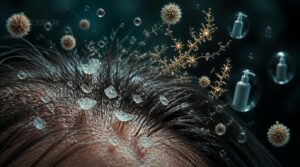
An itchy scalp rarely has just one cause — and pinpointing the right one changes everything about how you treat it. Some triggers are fungal, some are environmental, and others come straight from the products already in your shower. Here’s a closer look at the most common culprits behind that persistent itch.
Dandruff and Yeast Buildup
Most itchy scalps have a microscopic culprit: Malassezia yeast, a naturally occurring organism that lives on everyone’s skin.
When sebum production increases, Malassezia feeds on that oil, throwing off your scalp microbiome balance and triggering an inflammatory reaction that produces the flaking and itch you recognize as dandruff. That’s why seborrheic dermatitis often comes back — the conditions that feed it rarely disappear on their own.
Malassezia feeds on excess sebum, triggering the inflammation behind dandruff — and the conditions fueling it rarely disappear on their own
Dry Scalp Irritation
Not every itchy scalp traces back to yeast. Sometimes the cause is simpler — your skin just isn’t holding moisture well.
Cold, dry air in winter pulls hydration from the scalp surface, and indoor heating makes it worse. You’ll notice scalp tightness and small, fine flakes that worsen when hair care products strip your natural oils rather than support them.
Product Buildup
Dry scalp isn’t the only culprit behind that persistent itch — sometimes the problem is what you’re leaving behind.
Silicone residue, heavy oils, and styling products layer over time, mixing with your scalp’s natural sebum into a coating that regular shampoo can’t always lift. Hard water minerals compound this. A periodic deep cleansing with a scalp scrub or clarifying wash breaks that cycle.
Contact Dermatitis Triggers
Sometimes the itch isn’t coming from your scalp at all — it’s your skin reacting to something in the product itself. Fragrance allergens and preservatives like parabens are common culprits, triggering allergic contact dermatitis even in products labeled "gentle."
Hair dyes and permanent solutions can sensitize the scalp with repeated use, while nickel from metal hair accessories quietly inflames skin at the hairline.
Psoriasis or Eczema
Chronic skin conditions like psoriasis and eczema operate on a different level than ordinary dryness.
Three distinctions help you identify which you’re dealing with:
- Psoriasis forms thick, silvery-scaled plaques with sharp borders
- Eczema causes diffuse redness and intense itch linked to barrier dysfunction
- Psoriasis stems from immune-driven cell buildup, not moisture loss
A dermatologist can confirm which condition you have and recommend targeted treatments.
Itchy Scalp Care Routine
Getting the right products is only half the equation — how you use them matters just as much. A consistent, well-ordered routine can mean the difference between lasting relief and symptoms that keep coming back. Here’s what that routine actually looks like, step by step.
Understanding which calming ingredients work best for sensitive skin helps you choose products that actually support your routine rather than undermine it.
That’s especially true if you’re layering treatments for stubborn discoloration, so pairing your routine with this guide to acne treatment for dark spots can help you sequence products without irritating your skin.
Use Medicated Shampoo Correctly
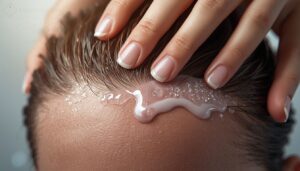
Medicated shampoos only work when you use them correctly. Apply directly to the scalp — not the hair — parting sections and massaging with your fingertips for even coverage.
| Active Ingredient | Contact Time |
|---|---|
| Ketoconazole | 10 minutes |
| Pyrithione zinc / Sulfur | 3–5 minutes |
| Coal tar | 5–10 minutes |
Avoid overuse — once or twice weekly is enough. Skip any broken or inflamed skin entirely.
Exfoliate Only When Needed
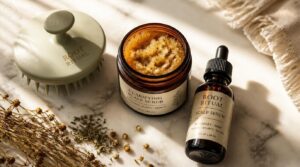
Scalp exfoliation works best when it’s symptom-driven, not scheduled. If flaking slows and itch eases, pause — your scalp doesn’t need it. Resume only when buildup or itching returns.
Watch for tightness, stinging, or redness after exfoliating. Those are signals to reduce frequency or stop, since over-exfoliation strips the barrier and worsens scalp irritation rather than relieving it.
Add Lightweight Hydration
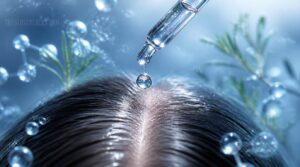
Think of scalp serums the way runners think about hydration vests — light, targeted, and easy to reach when you need them most.
- Hyaluronic acid serums draw moisture into dry tissue without heaviness
- Vitamin B3 formulas calm flaking at the surface
- Peptide-based options support barrier repair overnight
- Leave-in zinc serums deliver active ingredients between wash days
Apply to a damp scalp for better absorption.
Avoid High Heat Styling
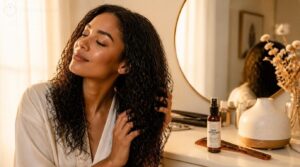
Heat is one of the quietest contributors to scalp irritation. High temperatures strip moisture from your scalp, and repeated passes with a flat iron or dryer create cumulative heat damage that compounds over time.
Always apply a heat protectant beforehand, dry hair to at least 80% before styling, and keep settings low. Your scalp will thank you.
Know When to See Dermatologists
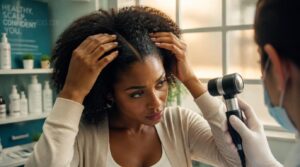
Over-the-counter products can only take you so far. If itching disrupts your sleep, returns immediately after treatment stops, or comes with burning or redness, that’s your cue to call a dermatologist.
Watch for these signs:
- Persistent itching that won’t respond to treatment
- A spreading rash or scalp lesions
- Sudden or patchy hair loss
- Sores that won’t heal after two weeks
- Any mole or patch that’s visibly changing
Don’t wait.
Frequently Asked Questions (FAQs)
What is the best thing to put on an itchy scalp?
Like a lock that needs the right key, an itchy scalp responds best when you match the treatment to the cause — a dermatologist-recommended medicated shampoo for dandruff, or a hydrating scalp serum for dryness.
What do dermatologists recommend for an itchy scalp?
Dermatologists recommend identifying the itch trigger first, then matching treatment to cause — whether that’s a medicated shampoo, a topical foam, or in stubborn fungal cases, oral antifungal treatment.
Why is my scalp so insanely itchy?
Think of your scalp like a garden in flux — seborrheic dermatitis, yeast overgrowth, dandruff, lice, a fungal infection, or an allergic reaction to hair products can each tip the balance and trigger that relentless itch.
Can high cortisol cause dry scalp?
Yes — high cortisol can dry out your scalp. Chronic stress weakens the skin barrier, accelerates moisture loss, and disrupts your scalp’s microbiome, making itching and flaking noticeably worse, especially during tense periods.
What is the best dandruff treatment for itchy scalp?
Ketoconazole dandruff shampoo targets the yeast overgrowth driving seborrheic dermatitis — lather it in, hold for five to ten minutes, then use daily until your itchy scalp calms, dropping to twice weekly after.
What is the best shampoo for itchy scalp?
Nizoral leads for antifungal active effectiveness, thanks to its 1% ketoconazole — dermatologist-recommended for dandruff and seborrheic dermatitis. Leave it on for five to ten minutes to let it actually work.
What is the best scalp treatment shampoo?
There’s no one-size-fits-all answer here. Ketoconazole shampoo — like Nizoral — leads for yeast-driven itch, requiring a 5–10 minute contact time, while zinc or salicylic acid options better target flaking or buildup-prone scalps.
What are the best scalp treatments?
The best scalp treatments range from medicated dandruff shampoos like ketoconazole and zinc formulas to leave-in serums, detox oils, and exfoliating scrubs — each targeting a different root cause of itching.
How do you treat an itchy scalp?
Treating an itchy scalp starts with identifying the cause. Dandruff clears up with antifungal shampoos, dry scalp needs hydration, and persistent itch warrants a dermatologist visit to rule out psoriasis or infection.
Should I use dry shampoo If I have an itchy scalp?
Dry shampoo is a band-aid, not a cure — it absorbs oil but leaves residue buildup behind. If your scalp is already itchy, that powder can trap dead skin cells and make things worse.
Conclusion
The irony is that the people who obsess least over their scalp health tend to struggle with it most. Once you match the best products for itchy scalp to your actual cause—yeast, dryness, buildup, inflammation—the cycle of ineffective shampoos quietly ends.
Treat the source, not just the sensation. Your scalp doesn’t need more products. It needs the right ones, used consistently. That’s the difference between temporary relief and a scalp that finally stays calm.