This site is supported by our readers. We may earn a commission, at no cost to you, if you purchase through links. This content is for general informational and educational purposes only and is not a substitute for professional medical, dermatological, or nutritional advice.
A client once told me her "gentle" cleanser left her cheeks tight and flaking by week two. The label said soothing. The ingredient list said otherwise, with sulfates stripping her skin’s natural oils faster than her barrier could replenish them.
That gap between marketing and chemistry is exactly why natural skin care benefits matter. Plant-based formulas, pH-balanced cleansers, and humectants like glycerin work with your skin’s biology instead of against it.
From calming rosacea flare-ups to building real defense against photoaging, the ingredients you choose matter more than the promises on the bottle.
Table Of Contents
- Key Takeaways
- Key Natural Skin Care Benefits
- Plant Ingredients That Support Skin
- Benefits for Common Skin Concerns
- Cleaner Beauty and Safer Choices
- Eco-Friendly and Ethical Benefits
- Frequently Asked Questions (FAQs)
- What are the benefits of all natural skincare?
- Does natural skincare really work?
- What are the benefits of using natural?
- What are the cons of natural skin care products?
- How long do natural skincare products last?
- Can natural ingredients cause allergic reactions?
- Are natural products suitable for all ages?
- How much do organic skincare products cost?
- Do natural ingredients work as fast as synthetic ones?
- How long until natural skincare shows visible results?
- Conclusion
Key Takeaways
- Plant-based ingredients like glycerin, ceramides, and rosehip oil work with your skin’s natural biology to strengthen the barrier, retain hydration, and reduce irritation compared to harsh synthetic alternatives.
- Antioxidants such as vitamin C, vitamin E, and green tea’s EGCG actively defend against photoaging by neutralizing free radical damage from UV exposure and pollution.
- Patch testing matters even with natural products, since ingredients like essential oils and botanical extracts can still trigger allergic reactions in sensitive skin.
- Ethical and environmental factors—including cruelty-free certification, biodegradable formulas, and reduced-waste packaging—are core benefits of natural skincare beyond what touches your skin.
Key Natural Skin Care Benefits
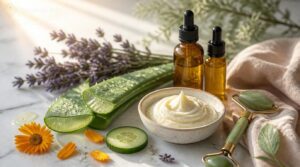
Switching to natural skin care isn’t just a trend, it’s a shift your skin can actually feel. From calmer breakouts to fewer reactions, the benefits show up in ways you’ll notice daily. Here’s what your skin stands to gain.
If you’re ready to make the switch, this beginner’s guide to starting natural skincare walks you through building a routine your skin will thank you for.
Gentler Daily Skin Support
Gentle daily care starts with what you skip, not just what you apply. Lukewarm water keeps your skin from losing essential oils that hot water strips away. Pat skin dry instead of rubbing—friction triggers irritation in sensitive skin.
If you shave, timing matters too, and this guide on whether to shave before or after a shower explains how warm water softens hair and cuts down on irritation.
A minimalist routine with pH-balanced cleansers prevents over-stripping, keeping your barrier steady instead of reactive day after day. Consistent use also helps to strengthen the moisture barrier for long-term health.
Better Hydration and Barrier Care
Real hydration means pairing water with a seal. Humectants like glycerin or hyaluronic acid pull moisture in, but without an occlusive, it evaporates fast.
Layer smart:
- Humectant first (damp skin)
- Ceramide-rich cream next
- Occlusive on top, if needed
Ceramides rebuild barrier lipids, slowing transepidermal water loss. Keep formulas pH-balanced, too—it helps the barrier repair process daily.
Antioxidant Aging Defense
Barrier repair takes care of the moisture side; antioxidants tackle the damage side. Free radicals from UV exposure and pollution drive photoaging, and your skin’s natural enzymatic antioxidant networks (think superoxide dismutase, catalase) weaken with age.
| Antioxidant | Key Benefit |
|---|---|
| Vitamin C | Boosts collagen, fights dullness |
| Vitamin E | Calms UV-induced redness |
| Green Tea | Neutralizes oxidative stress |
| Pomegranate | Natural UV defense |
| Grape Seed | Helps skin regeneration |
Vitamin C and E work synergistically—a one-two punch against cellular senescence.
Fewer Harsh Irritants
Antioxidants fight damage already done; cutting irritants prevents new damage from starting. Fragrance sensitivity triggers redness and itching even in tolerant skin. Alcohol-induced stinging and harsh chemicals strip lipids fast.
Gentle exfoliation beats abrasive scrubs—menthol and camphor cause real tightness. Choosing nontoxic cosmetics with better preservative tolerance limits chemical exposure, protecting your barrier instead of testing it daily.
Balanced Oil Production
Your skin’s oil isn’t the enemy—it’s a messenger. Balanced sebum production keeps oily skin, combination skin, and acne-prone skin from swinging between shine and tightness.
Your skin’s oil isn’t the enemy, it’s a messenger keeping balance between shine and tightness
This sebum-moisture interaction prevents pore buildup, strengthens your skin barrier’s lipid defenses, and stabilizes your microbiome. The payoff? Smoother texture, fewer breakouts, and steadier sebum control—without harsh stripping agents working against your skin’s natural rhythm.
If you’re weighing which natural oil fits your routine best, this argan oil versus jojoba oil comparison breaks down how each interacts with your skin’s own moisture and oil balance.
Plant Ingredients That Support Skin
Nature packs some serious tools into leaves, oils, and seeds. You don’t need a chemistry degree to put them to work for your skin. Here are five plant ingredients worth knowing, and what each one actually does.
Aloe Vera for Soothing

That cooling, jelly-like gel inside an aloe leaf is mostly water, which is exactly why it works so fast on hot, irritated skin.
It delivers:
- Sunburn relief with an instant cooling sensation
- Wound healing support for cuts and scrapes
- Inflammation reduction that calms redness and tenderness
For sensitive, reactive skin, this plant-based ingredient offers gentle hydration without harsh additives.
Green Tea Antioxidants

Sip on this: green tea owes its punch to EGCG, the most abundant catechin in its leaves. Its hydroxyl-rich structure chelates metal ions, blocking oxidative stress before it starts. That’s the science behind real antioxidant properties, not marketing fluff.
One caveat—extract stability varies, so check for fresh, well-sourced botanical extracts when shopping for trustworthy natural skin care ingredients.
Rosehip Oil for Elasticity

Rosehip oil earns its reputation honestly. Rich in linoleic and linolenic acids, it rebuilds your skin barrier while feeding collagen production at the cellular level.
Clients using it for scars and stretch marks often notice firmer texture within weeks. The vitamin A and C content fuels cellular regeneration, leaving skin smoother. Even sensitive types tolerate it well, since absorption is fast and lightweight, not greasy.
Jojoba Oil for Balance
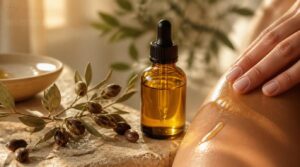
Your pores can’t tell the difference between jojoba oil and your own sebum — that’s the trick behind its sebum mimicry. This signals glands to ease up on oil production, which is why it suits oily and dry skin alike.
It’s non-comedogenic, absorbs without greasiness, and tested best for oxidative stability among compared oils, defending against photoaging while keeping skin supple.
Oatmeal for Barrier Repair
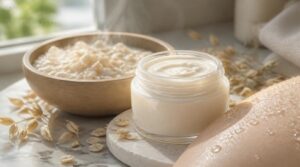
Your morning oats aren’t just breakfast — they’re quietly rebuilding what stress strips away. Colloidal oatmeal forms a colloidal film protection layer, easing dryness while supporting tight junction upregulation and lipid regulation pathways.
4 documented benefits:
- pH buffering capacity
- Clinical dryness relief
- Skin barrier repair
- Improved skin hydration
One clinical trial tracked 50 women with moderate-to-severe dry skin. Results held up.
Benefits for Common Skin Concerns
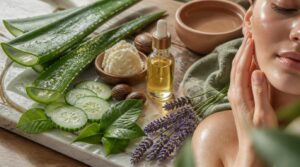
Every skin type comes with its own list of frustrations, from breakouts to dullness. Natural ingredients don’t just mask these issues, they work with your skin’s own repair process. Here’s how plant-based care combats five concerns clients bring up most often.
Acne-prone Skin Support
Breakouts don’t mean you need harsh chemicals. Noncomedogenic picks, gel moisturizers, and tea tree-based spot treatments calm blemishes without stripping skin.
| Concern | Plant-Based Fix | Why It Works |
|---|---|---|
| Clogged pores | Jojoba oil | Balances sebum |
| Active breakouts | Tea tree spot gel | Antibacterial |
| Sun sensitivity | Oil-free SPF | Protects healing skin |
Skip physical scrubs; chemical exfoliation works gentler.
Dryness and Flaking Relief
Tight, flaky skin doesn’t need a dozen products, just the right timing. Apply moisturizer within 10 minutes after showering, while skin’s still damp, to trap water before it evaporates.
- Relief from constant tightness
- Smoother, calmer-looking skin
- Fewer painful cracks
- Confidence in your reflection
- Control over flare-ups
Petrolatum ointments seal moisture overnight. Use gentle, fragrance-free cleansers and lukewarm water, never hot, to protect your skin barrier.
Redness and Sensitivity Care
Redness flares fast and fades slow if you don’t catch the trigger early. Skip hot showers and harsh scrubs—heat and friction worsen flushing every time.
Reach for niacinamide serums; they’re soothing and built for reactive skin. Layer a ceramide-based moisturizer to rebuild your barrier, then apply mineral SPF with zinc oxide daily.
Cool compresses calm visible redness fast, no fragrance required.
Dark Spots and Dullness
Once redness calms, pigment issues often surface next. Dark spots form when melanin overproduction clusters in one spot, usually triggered by sun exposure, old acne marks, or hormonal shifts.
Dullness is different: it’s dead cell buildup messing with light reflection. Vitamin C extracts brighten tone while licorice root fades discoloration. Gentle exfoliation plus daily SPF keeps both pigment and dullness in check.
Fine Lines and Texture
Ever notice how a smile leaves a faint trace behind, even after your face relaxes? That’s facial movement creasing at work, and it’s normal.
Collagen loss and elastin decline thin the skin, so light scatters instead of reflecting evenly. Rosehip oil’s fatty acids support elasticity, while hydration plumping from hyaluronic acid smooths texture. Antioxidant-rich plant extracts like green tea help defend against further breakdown.
Cleaner Beauty and Safer Choices
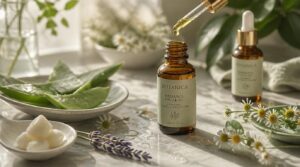
Reading a skincare label shouldn’t feel like decoding a chemistry exam. You deserve to know exactly what’s touching your skin and why it’s there. Here’s what to watch for before you trust a product.
Avoiding Synthetic Fragrances
"Fragrance" is one word, but it can hide hundreds of chemicals. Manufacturers aren’t required to disclose them—a real allergen risk for sensitive skin.
Watch for:
- "Fragrance" or "parfum" on labels
- "Fragrance-free" claims (still verify ingredients)
- Individually named fragrance chemicals
- Essential oils listed by botanical name
Going fragrance-free cuts volatile irritant exposure near your eyes and nose, and makes ingredient substitution tracking far simpler when something irritates your skin.
Skipping Parabens and Sulfates
Two ingredient categories spark the most clean beauty questions: parabens and sodium laureth sulfate.
Parabens prevent microbial growth; skipping them means checking that preservative replacement safety holds up in water-based formulas. Sulfates create foam but strip lipids. Sulfate-free cleansers use gentler surfactants with lower foam levels. Reading labels accurately matters most here, since "free-from" claims don’t guarantee an irritation-free experience for sensitive skin.
Choosing Certified Products
Logos alone don’t prove a thing—verifying label authenticity matters more. Look for traceable certification numbers from bodies like ECOCERT or COSMOS, backed by third-party audits, not just pretty seals.
- Check expiration dates on certificates
- Confirm ingredient traceability claims
- Search official verification portals
- Watch for vague "natural" wording
- Avoid greenwashing tactics dressed as clean beauty
Genuine organic skin care, cruelty-free status, and sustainable packaging hold up to scrutiny.
Patch Testing New Formulas
Natural" doesn’t mean allergenfree. Even plant-based formulas can trigger skin sensitivity, so patch testing matters before full use.
Apply a small amount, wait 48 hours, then check again at 96—delayed reaction timing is real. If results seem off, a dilution series or ingredient level verification helps prevent false readings and confirms what’s truly dermatologically safe for your skin.
Eco-Friendly and Ethical Benefits

Choosing natural skincare isn’t just about what touches your skin. It’s also about what happens before and after the bottle reaches your hands. Here’s what to look for when you want your routine to align with your values.
Cruelty-free Skincare Choices
Cruelty-free isn’t just a label slapped on a bottle—it’s a promise about how that product came to be. Look for Leaping Bunny or PETA certification, since these confirm no animal testing occurred on ingredients or finished goods.
Keep in mind cruelty-free doesn’t always mean vegan, and brand acquisitions can quietly shift testing policies. Always verify status before you trust it.
Sustainable Ingredient Sourcing
Where an ingredient comes from matters as much as what it does for your skin. Ethical sourcing means ethical supplier audits, regional sourcing, and digital traceability tools tracking each batch.
Look for:
- Life cycle assessment data on key ingredients
- Regenerative agriculture practices among suppliers
- Documented environmental impact disclosures
This transparency lowers your risk of supporting hidden harm.
Biodegradable Formulas
That same transparency extends to what happens after you rinse a product down the drain. Biodegradable formulas break down via microbial and enzymatic action into water, CO2, and biomass.
| Material | Breakdown Path |
|---|---|
| PLA | Industrial composting |
| PHA | Soil & marine water |
| Cellulose blends | Enzymatic cleavage |
| Starch-based polymers | Microbial digestion |
Look for compostability testing standards like ASTM or ISO before trusting eco claims.
Lower Chemical Runoff
What happens at the farm or factory matters just as much as what’s in the bottle. Brands sourcing ingredients responsibly often rely on vegetated buffer strips and land management timing to limit water pollution before harvest even begins.
This keeps nontoxic skincare nontoxic from soil to shelf, supporting real environmental sustainability and ecofriendly beauty through biodegradable ingredients and proper waste disposal compliance.
Reduced-waste Packaging Options
What’s left after the formula is just as telling as what’s in it. Refillable bottle systems can be reused 10–20 times, while minimalist design trims materials 15–40% per SKU.
- Compostable materials break down in 90–180 days
- Recycled content cuts virgin plastic demand by 60%
- Circularity programs reward returns, extending each container’s life
That’s zero-waste skincare in action, not just a label.
Frequently Asked Questions (FAQs)
What are the benefits of all natural skincare?
Plant-derived nutrients calm reactive skin while supporting gentle barrier support and hydration. Botanical products like aloe and green tea offer antioxidant skin defense, reducing inflammation and oil imbalance.
The payoff? Healthy skin, fewer flare-ups, and a routine you can actually trust.
Does natural skincare really work?
Picture a client switching to plant-based serums for redness, only to find tea tree oil triggers a reaction.
Yes, it works—but results depend on concentration, formulation stability, and your individual skin reactivity, not just whether ingredients are natural.
What are the benefits of using natural?
You get plant-based nourishment without synthetic fillers, plus antioxidant protection, gentler hydration, and reduced exposure to environmental toxins.
Your skin’s microbiome stays balanced, supporting healthy skin long-term—proof that chemical-free living isn’t just trendy, it’s genuinely skin-smart.
What are the cons of natural skin care products?
Not everything green is harmless. Allergen irritation, inconsistent batch quality, phototoxic reactions, and limited clinical testing can undercut results—plus shorter shelf life and greenwashing claims that hide weak formulas behind pretty packaging.
How long do natural skincare products last?
Most natural formulas last 3 to 12 months after opening—oils up to a year, botanical serums closer to 3-6 months. Check the PAO symbol and watch for rancidity or texture shifts; that’s your cue to toss it.
Can natural ingredients cause allergic reactions?
Just because it grows in the ground doesn’t mean it’s harmless. Essential oils, beeswax, and botanical extracts can still trigger allergic reactions in sensitive skin. Always patch test new formulas, and see a dermatologist if irritation persists.
Are natural products suitable for all ages?
Not automatically. Childhood skin sensitivity calls for age-graded formulations, while aging skin needs richer emollients. Match formula thickness to your skin’s real needs, not just the "plant-based" label, since botanical safety profiles vary widely between routines.
How much do organic skincare products cost?
Think of organic skincare as artisanal bread versus a grocery loaf: small batch production, certification audit fees, and sourcing complexity raise costs.
Expect $20-$80+ per item, reflecting clean beauty’s premium ingredients, sustainable consumption values, and pricier packaging over conventional alternatives.
Do natural ingredients work as fast as synthetic ones?
Not always, and that’s okay. Ingredient concentration and formulation delivery vehicles matter more than label type. Synthetic stability advantages offer consistent performance, while botanical actives can vary by batch—both work, just on different timelines.
How long until natural skincare shows visible results?
Rome wasn’t built in a day, and neither is healthy skin. Expect early calming within 1-2 weeks, subtle texture shifts by week six, and real transformation around 3 months—consistency beats speed every time on a natural skin care routine.
This patience pays off even more once estrogen declines, since collagen production can drop by nearly a third within five years—making strategies to improve skin elasticity a smart addition to your routine.
Conclusion
Think of your skin like soil: feed it what it recognizes, and it grows resilient on its own. That’s the quiet truth behind natural skin care benefits—you’re not masking problems, you’re rebuilding trust between your skin and what touches it.
My client swapped her sulfate cleanser for an oat-based one; her flaking stopped within ten days. Read labels like you’d read a map. Your skin remembers every choice you make, and rewards patience over promises.
- https://www.gminsights.com/industry-analysis/skincare-oil-market
- https://www.kyomiskin.com/blogs/natural-skincare-edit/the-benefits-of-using-plant-based-oils-in-your-skincare-routine-the-ultimate-guide
- https://madebynaturelabs.com/blogs/natural-skin-care/natural-skincare-trends-in-2024-2025-and-beyond