This site is supported by our readers. We may earn a commission, at no cost to you, if you purchase through links. This content is for general informational and educational purposes only and is not a substitute for professional medical, dermatological, or nutritional advice.
Your skin loses about 1% of its collagen every year after 25. By your late thirties, that snapback quality, the kind that let skin bounce right back after a smile or a pinch, starts to lag behind.
Sun exposure, hormonal shifts, and even a decade-old smoking habit speed up the process, breaking down elastin faster than your body can rebuild it. The good news: skin elasticity answers to intervention at nearly any stage, given the right combination of ingredients, habits, and patience.
From daily sunscreen to collagen peptides and in-office treatments, the path to firmer, more resilient skin starts with understanding what’s actually happening beneath the surface.
Table Of Contents
- Key Takeaways
- What is Skin Elasticity and Why Does It Decline?
- How to Improve Skin Elasticity Daily
- Best Skincare Ingredients for Firmer Skin
- Diet, Supplements, and Lifestyle Habits
- Professional Treatments for Skin Elasticity
- Frequently Asked Questions (FAQs)
- Can you restore elasticity to skin?
- Can saggy skin tighten back up?
- What is the fastest way to improve skin elasticity?
- How can I tighten my skin naturally?
- How can I improve my skin elasticity?
- What are the best foods to eat to improve skin elasticity?
- How to increase face elasticity?
- Why is skin elasticity important?
- Can skin elasticity be improved at any age?
- What causes reduced skin elasticity?
- Conclusion
Key Takeaways
- Your collagen drops about 1-2% a year after 25, and menopause can cut production by up to 30% within five years, so elasticity loss speeds up with hormonal shifts.
- Daily broad-spectrum SPF 30 is your single best defense, since UV exposure drives free radical damage and elastin-destroying solar elastosis.
- Retinoids, vitamin C, hyaluronic acid, and niacinamide work best together, each supporting a different part of collagen production, hydration, and barrier repair.
- Visible improvement takes patience: skincare and supplements need about 8-12 weeks to show results, while deeper laxity may require professional treatments like microneedling, lasers, or PRP.
What is Skin Elasticity and Why Does It Decline?

Skin elasticity depends on a handful of biological workhorses, and when they slow down, you notice. Aging, sun exposure, and daily habits all play a part in that decline. Here’s what’s actually happening beneath the surface.
By your mid-30s, that collagen slowdown starts showing up as rougher texture and sun spots, which is why so many people turn to a dermatologist-recommended anti-aging skincare routine to help skin bounce back.
Collagen, Elastin, and Hyaluronic Acid
Strength starts with three proteins working as a team. Collagen builds the scaffolding, elastin provides snap-back, and hyaluronic acid locks in moisture. Together, this collagen elastin partnership forms your skin’s structural support system.
Hyaluronic acid binding pulls water into tissue, but its effects fade fast, sometimes within 24 hours, making steady dermal collagen production essential for lasting elasticity. Unlike collagen, adult skin synthesizes very little new elastin, which is why elastin loss is largely irreversible compared to collagen decline.
Aging and Hormonal Changes
That protein team weakens with time. Collagen synthesis declines 1-2% yearly after 25, but menopause changes everything. Estrogen drives dermal collagen production directly, so its drop cuts synthesis by up to 30% within five years.
MMP activity increases, degrading elastin faster while glycosaminoglycan loss reduces hydration. Skin thickness falls 1.13% annually post-menopause. Hormone therapy can partially reverse this through estrogen receptor modulation.
UV Damage and Elastosis
Hormones aren’t the only saboteur. Sunlight causes UVA free radical damage, breaking down elastin fibers and driving solar elastosis, abnormal elastin clumping in the dermis. Pathologists grade this on a 0-3 actinic elastosis scale, a marker of lifetime sun exposure.
Daily SPF prevents UV-induced elastosis, preserving elastin fibers, supporting collagen synthesis, and antioxidants add backup protection.
Smoking and Weight Changes
UV rays aren’t the only environmental hit your skin takes. Smoking accelerates elastin degradation and slows collagen synthesis through nicotine’s effects on blood flow and metabolic function.
Nicotine’s appetite-suppressing effect often keeps smokers leaner, but it also drives abdominal fat redistribution. Quitting frequently brings weight gain, yet dermal remodeling still improves once smoke exposure stops, even if the scale shifts upward.
Signs of Lost Elasticity
Diminished elasticity shows up in patterns your skin practically maps out for you. Fine lines form first around eyes and mouth. Sagging targets jowls, eyelids, and the throat. Crepey texture appears on arms and décolletage.
Try the pinch test: skin flattening in 1-2 seconds is normal; 3-4 seconds signals real elastin degradation.
How to Improve Skin Elasticity Daily

Good skin elasticity doesn’t come from one miracle product. It comes from a handful of small habits, done consistently, morning and night. Here’s what your daily routine actually needs to include.
Apply Broad-Spectrum Sunscreen Every Morning
Your best anti-aging tool isn’t a serum, it’s broadspectrum SPF 30. Daily UV radiation protection blocks the free radicals driving photoaging and elastosis.
| Step | Why It Matters |
|---|---|
| Apply 20 min before sun | Full absorption |
| Use SPF 30+ | Filters ~97% UVB |
| Cover ears, neck, scalp | Prevents gaps |
| Reapply every 2 hours | Sustains coverage |
| Reapply after sweat/swim | Restores protection |
Cleanse Gently and Moisturize
Your cleansing routine sets the stage for everything else. Choose a gentle, alcohol-free cleanser and wash with lukewarm water using fingertips only, never a washcloth. Pat dry, don’t rub.
While you’re rethinking your routine, don’t overlook how internal hydration keeps skin plump, since even the gentlest cleanse can’t compensate for dehydrated skin from within.
Follow immediately with a ceramide-based moisturizer to seal in hydration and support skin barrier function. This simple pairing curbs epidermal water loss and keeps elasticity-supporting hyaluronic acid where it belongs: in your skin.
Introduce Retinoids Gradually
Retinoids are the closest thing dermatology offers to a proven elasticity fix, but rushing them backfires. Start with a low-strength retinol (0.01-0.03%), two to three nights weekly. Buffer with moisturizer to ease the adjustment period. Over 8-12 weeks, increase frequency gradually. This builds fibroblast activity and collagen synthesis without the barrier damage that aggressive use triggers.
Layer Hydrating Products Correctly
Order matters more than most people realize. Apply products light to heavy: Cleanser, Toner, Serum, Moisturizer, then Sunscreen. Wait 30-60 seconds between layers so each one absorbs properly.
- Skipped layering means wasted hyaluronic acid
- Rushed application blocks transdermal absorption
- Poor sequencing weakens barrier function
- Consistent order protects epidermal hydration daily
Track Results for Twelve Weeks
Twelve weeks is how long collagen remodeling actually takes, so photos beat guesswork.
| Week | Action | Focus |
|---|---|---|
| 0 | Baseline Measurements | Texture, tone |
| 1-11 | Weekly Progress Photos | Cheeks, jawline |
| Ongoing | Product Use Compliance | Missed days |
| 12 | 12 Week Review | Firmness comparison |
Pair this with Non Photo Skin Checks noting sensitivity or improved skin elasticity to track real change.
Best Skincare Ingredients for Firmer Skin

Your daily routine matters, but the ingredients you choose do the heavy lifting. Some compounds work at the cellular level to rebuild what time and sun exposure take away. Here’s what actually holds up in clinical research.
Retinol and Prescription Tretinoin
Think of retinol and tretinoin as topical vitamin A derivatives working the same job at different speeds. Tretinoin binds directly to skin receptors, roughly 20 times more potent, while retinol needs conversion first.
Start 2-3 nights weekly to manage initial side effects, pairing with moisturizer. Both stimulate collagen synthesis and extracellular matrix repair, but tretinoin requires a prescription.
Vitamin C for Collagen Support
Once retinoids handle collagen synthesis stimulation, a vitamin C serum protects the results. Fibroblasts need vitamin C to build collagen, and it stops key enzymes, lysyl and prolyl hydroxylase, from shutting down mid-process.
Beyond synthesis, vitamin C offers real antioxidant protection, shielding fibers from UV-driven free radicals. That combination helps collagen-elastin balance and lasting skin firmness support.
Hyaluronic Acid for Hydration
Vitamin C guards new collagen; hyaluronic acid keeps it hydrated. It attracts water into the dermis, boosting moisture retention capacity and plumping fine lines.
Molecular weight matters: low-weight forms penetrate deeper, higher-weight ones sit on the surface. Apply serum to damp skin, then seal with a moisturizer, locking in moisture for lasting dermal hydration.
Niacinamide for Barrier Support
Hyaluronic acid holds water. Niacinamide keeps it from escaping.
It cuts transepidermal water loss and rebuilds barrier lipid synthesis, boosting ceramides, fatty acids, and cholesterol in the stratum corneum. The payoff is real skin pliability enhancement, not just surface shine.
Well tolerated even on sensitive skin, niacinamide belongs in most moisturizer formulations aimed at lasting hydration and barrier repair.
Ceramides, Squalane, and Peptides
Bricks need mortar. Your skin’s outer layer works the same way, with ceramide lipid structure holding cells together to block water loss.
Squalane mimics natural sebum, adding emollient hydration. Peptides signal collagen renewal.
Layer smart:
- Peptide serum first
- Ceramide moisturizer next
- Squalane oil to seal
This barrier repair teamwork rebuilds elasticity from the outside in.
Diet, Supplements, and Lifestyle Habits

Great skin isn’t just what you put on it. What you eat, drink, and do every day shapes elasticity from the inside out. Here’s where to focus your energy.
Antioxidant-Rich Foods for Skin Protection
Think of your plate as a defense system. Antioxidant-rich nutrition neutralizes free radicals before they damage collagen and elastin.
| Food Source | Key Antioxidant | Skin Benefit |
|---|---|---|
| Berries | Polyphenols | Fights oxidative stress |
| Citrus | Vitamin C | Helps collagen |
| Nuts | Vitamin E | Protects cell membranes |
| Sweet potatoes | Carotenoids | Shields fibroblasts |
Green tea, coffee, and cacao round out a solid polyphenol-rich diet.
Collagen Peptides and Supporting Evidence
Pills, powders, gummies: oral nutricosmetics now dominate skincare aisles. Hydrolyzed collagen peptides, broken down for better absorption, are backed by real data.
Evidence at a glance:
- 1,125 participants, 19 studies, improved elasticity
- Marine peptides: 38% elasticity boost, 3 months
- Common dosage: 2.5-15g daily
- Results visible in 8-12 weeks
- Generally well tolerated, mild GI effects
Hydration for Better Skin Turgor
Skin turgor, how quickly skin snaps back after a pinch, depends heavily on hydration from within. Dietary water intake boosts skin hydration most in people who normally drink less.
Pair it with moisturizer applied right after cleansing to lock in moisture. This barrier support, plus consistent water intake, keeps dermal hydration plumping steady and skin more resilient day to day.
Exercise, Sleep, and Stress
Your gym habit does double duty for your skin. Regular activity helps natural melatonin production and eases cortisol, the stress hormone tied to oxidative damage.
Timing matters: exercising 4 to 8 hours before bed cuts sleep onset time and nighttime wakefulness.
Better sleep quality means better overnight repair, and movement during stressful weeks helps protect both mood and skin strength.
Avoid Smoking and Rapid Weight Loss
Two habits sabotage skin firmness faster than almost anything else: smoking and crash dieting.
Nothing undermines skin firmness faster than smoking and crash dieting
Cigarette smoke floods your body with oxidative stress, damaging collagen and elastin while restricting blood flow. Quit smoking benefits show up in skin tone within weeks.
Rapid weight loss doesn’t let skin adapt. Choose gradual weight loss and prevent weight cycling for lasting skin elasticity maintenance through healthy weight management.
Professional Treatments for Skin Elasticity
Sometimes diet and skincare only take you so far. When skin laxity runs deeper, dermatologists have procedures that work at a level topical products can’t reach. Here’s what those options actually involve.
Laser and Intense Pulsed Light

When light energy meets water-rich dermal tissue, collagen contraction happens fast. Non-ablative fractional laser (1440-1565 nm) creates microscopic healing columns, while IPL photorejuvenation uses 590-615 nm filters at lower fluence for darker skin.
This infrared thermal remodeling triggers real collagen stimulation over months. For skin types IV-VI, dark skin safety parameters, sapphire cooling and test spots, aren’t optional.
Radiofrequency Microneedling Treatments

Heat works differently below the surface. Radiofrequency microneedling drives energy through tiny pins into the reticular dermis, triggering fibroblast activation and true neocollagenesis rather than surface resurfacing.
Depth matters: 1.5mm for the forehead, 1.0mm for cheeks, 0.5mm around the mouth. Fractional patterns mean faster healing. Skip alcohol and NSAIDs beforehand, expect progressive results over months, with texture improving through week seven.
Chemical Peels and Dermabrasion

Sometimes skin needs resurfacing, not just stimulation. Chemical peels use glycolic or salicylic acid; depth depends on concentration and contact time. Medium-to-deep peels reduce elastosis and boost collagen stimulation.
Dermabrasion mechanically removes outer layers for similar regrowth benefits. Both trigger controlled damage that remodels skin, improving texture and wrinkles, though dermabrasion recovery takes longer than most peels.
Platelet-Rich Plasma Injections
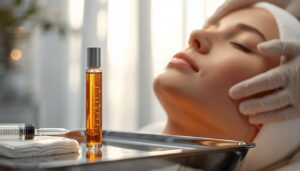
PRP takes resurfacing a step further by using your own biology as the treatment. A blood draw gets processed to concentrate platelets, then injected back into treated areas.
Those platelets release growth factors that stimulate fibroblast activity, supporting new collagen and elastin. Most plans involve 3 to 6 sessions, spaced weeks apart, with results building gradually over months.
Surgery for Severe Skin Laxity

When laxity is severe, no serum or laser reaches deep enough. Surgical skin tightening (tummy tucks, arm lifts, facelifts) removes redundant tissue directly.
Surgeons rely on surgical excision planning, panniculectomy options, and scar placement techniques for clean results.
- Loose, sagging skin that won’t "snap back"
- Frustration despite diligent skincare
- Renewed confidence post-recovery
Preoperative readiness and postoperative recovery management, including no smoking, determine success.
Frequently Asked Questions (FAQs)
Can you restore elasticity to skin?
Yes, to a meaningful degree. Retinoids, vitamin C, and collagen peptides boost collagen and elastin production, while hyaluronic acid restores hydration. Laser treatments and dietary supplements support deeper repair. Full reversal isn’t realistic, but visible firmness gains are.
Can saggy skin tighten back up?
Think of loose skin as a mattress losing its springs: it won’t snap back alone. With collagen boosters, retinol, hydration hacks, sun protection, and weight management, you can firm skin gradually, though full reversal isn’t guaranteed.
What is the fastest way to improve skin elasticity?
For quick results, combine fractional laser resurfacing or radiofrequency microneedling with PRP injections.
Add hyaluronic acid serums and quick-acting retinoids daily.
Clinical improvements usually show within weeks, though full collagen remodeling still takes several months.
How can I tighten my skin naturally?
Daily facial massage and lymphatic drainage boost circulation, while hydrating masks, gentle exfoliation, antioxidant-rich foods, omega-3s, and good sleep posture support collagen and hydration from within, gradually firming skin without harsh interventions.
How can I improve my skin elasticity?
Collagen and elastin support work best as a system, not a single fix. Pair supplements with daily sunscreen, vitamin C, retinol, hyaluronic acid, and steady hydration. Add balanced lifestyle habits and, when needed, professional treatments for lasting results.
What are the best foods to eat to improve skin elasticity?
You are what you eat" rings true here. Fill your plate with omega-3-rich foods like salmon, vitamin C-rich foods such as citrus and peppers, plus nuts and seeds for zinc, selenium, and lasting skin health.
How to increase face elasticity?
Protect collagen and elastin with daily sunscreen, then support them with retinol, vitamin C, and hyaluronic acid. Add gentle facial massage or a microcurrent device, try facial yoga, and sleep on a silk pillowcase to ease friction and creasing overnight.
Why is skin elasticity important?
Your skin’s elastic recoil protects against sagging and wrinkles. Collagen and elastin form the extracellular matrix that gives skin firmness and strength, letting it absorb daily mechanical stress while preserving that youthful, snap-back appearance longer.
Can skin elasticity be improved at any age?
Good news: your skin isn’t stuck in its glory days. At any age, you can rebuild elasticity through consistent retinoids, hydration, sunscreen, and lifestyle changes, though hormonal shifts and cumulative UV damage mean results take longer as you get older.
What causes reduced skin elasticity?
Genetics set your starting point, but UV exposure, glycation, and chronic inflammation erode collagen and elastin over time. Smoking, pollution, hormonal shifts, and rapid weight loss compound the damage, leaving skin thinner, drier, and slower to snap back.
Conclusion
Rome wasn’t built in a day, and neither is resilient skin. Learning how to improve skin elasticity means treating your body like a long-term investment, not a quick fix.
Sunscreen, retinoids, and hydration work quietly beneath the surface, rebuilding what time and sun have worn away. Give it twelve weeks. Your skin remembers patience.
Consistency, not perfect results, turns dull, lax skin into something firmer, calmer, and unmistakably yours again.