This site is supported by our readers. We may earn a commission, at no cost to you, if you purchase through links. This content is for general informational and educational purposes only and is not a substitute for professional medical, dermatological, or nutritional advice.
Drop a strand of your hair in a glass of water. If it floats after a few minutes, your cuticles are sealed up tight, and that changes everything about how you care for your curls.
Low porosity hair holds moisture at the door, refusing to let products soak in the way they should. Creams sit on top, oils bead up, and your wash day drags on for hours with little to show for it. Girl, it’s frustrating, but it’s not hopeless.
Once you know what your hair needs, picking the best products for low porosity gets a whole lot easier. Let’s get you a routine that actually works with your strands, not against them.
Table Of Contents
- Key Takeaways
- How to Spot Low Porosity Hair
- What Causes Low Porosity Hair
- Top 10 Products for Low Porosity Hair
- 1. Jessicurl Deep Conditioning Treatment No Fragrance
- 2. TGIN Moisture Rich Sulfate Free Shampoo
- Kinky Curly Come Clean Shampoo
- 3. Camille Rose Curl Love Moisture Milk
- Aunt Jackie’s Grapeseed Avocado Pre Shampoo
- SheaMoisture Manuka Honey Mafura Conditioner
- Carol’s Daughter Almond Milk Mask
- Mielle Mongongo Oil Protein-Free Conditioner
- 4. Roux Rejuvenating Porosity Control Corrector
- OUIDAD Curl Immersion Deep Conditioner
- What to Look for in Shampoos
- Choosing The Right Deep Conditioner
- Best Oils for Moisture Sealing
- Leave-in Conditioners and Styling Picks
- Daily Routine for Low Porosity Hair
- Ingredients to Avoid Completely
- Frequently Asked Questions (FAQs)
- Which brand is best for low porosity hair?
- What should I avoid if I have low porosity hair?
- How can I improve my low porosity hair?
- How do I keep my low porosity hair moisturized?
- Can low porosity hair be permanently changed or fixed?
- How often should low porosity hair be washed weekly?
- Does hair porosity affect which hairstyles work best?
- Is steam treatment necessary or can heat caps work?
- Conclusion
Key Takeaways
- You can spot low porosity hair by testing if a clean strand floats in water, noticing slow drying times, or seeing poor elasticity when you stretch a wet strand.
- Tightly sealed cuticles (often genetic) trap moisture out, so heavy creams, oils, silicones, and protein-rich products just sit on top instead of soaking in.
- The best routine relies on water-based, protein-free products applied with heat (like a heat cap or warm towel) to gently open the cuticle and let moisture in.
- Using the LOC method (liquid, cream, oil) on damp hair, deep conditioning every 10 to 14 days, and clarifying monthly keeps low porosity strands hydrated without buildup.
How to Spot Low Porosity Hair
Not sure if your hair is actually low porosity, or just being stubborn? There are a few telltale signs that make it pretty easy to figure out. Let’s walk through the three biggest clues to watch for.
If none of these low porosity signs quite match what you’re seeing, your strands might actually be showing common signs of high porosity hair instead.
Signs Your Hair Floats
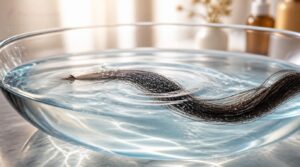
Ever drop a strand in water and watch it just… sit there? That’s your first clue for hair porosity. Tightly sealed cuticles trap air, so strands float instead of sinking.
For accurate results:
- Use clean, product-free hair
- Try room temp water
- Watch for several minutes
- Skip oily strands (surface tension skews things)
Residue messes with the hair strand float test every time, girl. Oily hair can maintain floatation even when dunked due to increased buoyancy from product repellency, as noted in the float test methodology.
Slow Drying Time Clue
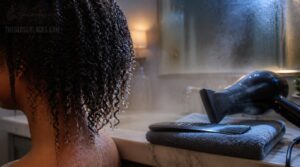
So the float test said one thing, but your hair dryer just backed it up. If your strands stay damp forever, that’s cuticle water resistance at work, slowing moisture absorption rate way down.
| Porosity Type | Typical Drying Time |
|---|---|
| Low | 20-40 min |
| Normal | 10-20 min |
| High | Under 10 min |
| Low (humid) | 40+ min |
| Low (dry air) | 20-30 min |
Humidity impact drying is real, girl.
Lack of Elasticity
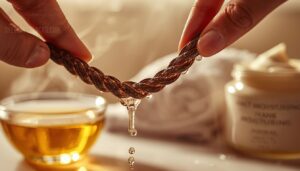
Slow drying pairs with another clue: stretch a wet strand and watch it snap back. Low hair elasticity means poor moisture absorption, so strands break instead of bouncing. Weak protein balance makes this worse.
A warm-oil treatment or heated moisturizing conditioner session helps restore stretch and recovery, cutting down hair breakage before it starts.
What Causes Low Porosity Hair

So what’s actually behind those tight, stubborn cuticles? A couple of key culprits are at play here, and one of them might surprise you. Let’s break down exactly what’s causing your hair to act this way.
Genetic Cuticle Structure
Blame your DNA, girl. Your genetic cuticle structure packs those cuticle layers tight, blocking moisture absorption.
Four factors shape this:
- Cuticle layer composition
- Cutin biosynthesis pathway
- Chitin-protein interaction
- Cuticular protein families
Genetic regulation assembly decides how tight things get, affecting hair strand penetration and long-term hair cuticle health. You didn’t choose this, but you can still work with it.
Product Buildup Over Time
Genetics load the gun, but product buildup pulls the trigger. Layering creams, butters, and oils without clarifying creates a moisture barrier that mimics tight cuticles.
Genetics load the gun, but layering products without clarifying pulls the trigger on trapped, moisture-blocking buildup
Watch for dullness, flakes, or flat curls, those are residue accumulation signs. A monthly sulfate-free shampoo (clarifying wash frequency) clears scalp buildup and restores moisture retention, helping hair cuticle sealing work the way it should.
Top 10 Products for Low Porosity Hair
Now that you know what your hair needs, let’s talk products that actually deliver it. You don’t have to guess your way through the beauty aisle anymore, girl. Here are ten picks worth adding to your routine, starting with a deep conditioner that sets the tone for the rest.
1. Jessicurl Deep Conditioning Treatment No Fragrance
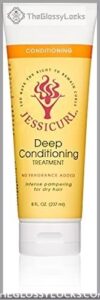
Rich and creamy, this one feels like a hug for thirsty curls. Jessicurl’s Deep Conditioning Treatment skips fragrance completely, so your scalp won’t sting or itch, even if you’re sensitive to scents.
It’s packed with shea and cocoa butter to seal in moisture without heavy proteins weighing your strands down. Use it as a 20 to 60 minute deep treatment with a shower cap, or go lighter as a leave-in. Either way, expect softer detangling and way less frizz.
| Best For | People with dry, damaged, or curly hair who want a rich, fragrance-free deep conditioner that boosts moisture and softness without irritating sensitive scalps. |
|---|---|
| Sulfate Free | Yes |
| Volume | 8 fl oz |
| Cruelty Free | Yes |
| Key Oil | Avocado oil |
| Hair Type Focus | Curly, dry hair |
| Product Form | Conditioner |
| Additional Features |
|
- Fragrance-free formula is gentle on sensitive scalps and scent allergies
- Shea and cocoa butter deliver deep moisture and reduce breakage without protein buildup
- Works two ways—as an intensive deep treatment or a lighter daily leave-in
- Rich texture may feel too heavy or cause buildup on fine or low-porosity hair
- Deep conditioning results require a 20 to 60 minute wait, which isn’t ideal for quick routines
- Some curly-haired users notice less curl definition when used as a leave-in
2. TGIN Moisture Rich Sulfate Free Shampoo
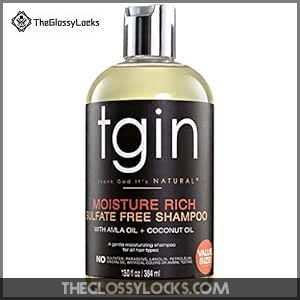
This gentle cleanser earns its name honestly. TGIN’s Moisture Rich Shampoo washes away buildup without stripping your natural oils, thanks to a sulfate-free base that’s kind to low porosity strands.
Pair it with a nourishing treatment like baobab oil for hair growth to lock in extra hydration between washes for thirsty, textured strands.
Pro Vitamin B5 works to reduce breakage while you wash, and it’s free from parabens, sulfates, and animal testing too. Your scalp stays clean, not stripped. At 13 ounces, it’s a solid size for regular rotation. Just watch the flip-top cap, it can pop open if you’re not careful.
| Best For | This shampoo is best for those with natural, curly, thick, or dry hair looking for a gentle, sulfate-free wash that won’t strip natural oils. |
|---|---|
| Sulfate Free | Yes |
| Volume | 13 oz |
| Cruelty Free | Yes |
| Key Oil | Not specified |
| Hair Type Focus | Curly, thick hair |
| Product Form | Shampoo |
| Additional Features |
|
- Cleanses gently while preserving natural oils, thanks to its sulfate-free formula
- Contains Pro Vitamin B5 to help reduce breakage and boost moisture
- Free from parabens, sulfates, petrolatum, lanolin, artificial colors, and animal testing
- The stiff plastic bottle can be difficult to squeeze
- The flip-top cap may pop open unexpectedly and cause spills
- May not offer enough moisture for very low porosity hair without extra conditioning
Kinky Curly Come Clean Shampoo
Dealing with hard water? This one’s your secret weapon.
Kinky Curly Come Clean Natural Moisturizing Shampoo uses botanical surfactants for gentle cleansing while chelating out calcium and magnesium buildup. That’s key for low porosity hair, since mineral deposits block moisture retention fast.
It’s a true sulfate-free shampoo, but strong enough to double as a monthly clarifying shampoo when your curls need a deeper reset.
3. Camille Rose Curl Love Moisture Milk
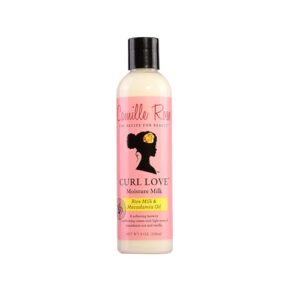
Craving that creamy, milk-like slip on your curls? This leave-in is built for it.
Camille Rose Curl Love Moisture Milk blends rice milk and macadamia oil with avocado oil for lightweight hydration. Rice milk works as a humectant, pulling moisture into strands, while avocado oil smooths the cuticle without weighing curls down.
Apply it to damp hair for daily softness, or use it to refresh dry curls needing a moisture boost between wash days.
| Best For | Curly, wavy, or coily hair types looking for a lightweight, milk-based leave-in that adds moisture and slip without weighing curls down. |
|---|---|
| Sulfate Free | Yes |
| Volume | 8 fl oz |
| Cruelty Free | Not specified |
| Key Oil | Not specified |
| Hair Type Focus | Curly, wavy hair |
| Product Form | Shampoo |
| Additional Features |
|
- Blends rice milk, aloe vera, and green tea with avocado, macadamia, and rosehip oils to detangle while smoothing the cuticle
- Doubles as a curl refresher on damp or dry hair, making it handy between wash days
- Light vanilla scent and shea butter add nourishment without a heavy or greasy feel
- May not offer enough hold for tightly coiled or highly structured curl styles
- Results can vary depending on hair porosity and thickness
- Needs regular, consistent use to keep curls moisturized and tangle-free
Aunt Jackie’s Grapeseed Avocado Pre Shampoo
Ever prep your hair before washing, girl? That’s the whole point of this one.
Aunt Jackie’s Grapeseed Avocado Pre Shampoo works as a pre-shampoo oil treatment, softening cuticles and boosting scalp hydration support before you cleanse.
Grapeseed and avocado oils help with moisture retention and detangling, prepping low porosity strands for lightweight cleansing without stripping natural oils.
SheaMoisture Manuka Honey Mafura Conditioner
Once your hair’s prepped, it’s time for real moisture. SheaMoisture Manuka Honey Mafura Conditioner blends manuka honey with mafura and baobab oils for deep hydration.
Apply root to ends, add heat, and let it sit three minutes.
- Manuka honey hydrates
- Mafura oil seals cuticles
- Baobab oil nourishes
- Sulfate-free formula
Rinse for soft, manageable strands.
Carol’s Daughter Almond Milk Mask
Got sensitive scalp along with those stubborn cuticles? Carols Daughter Almond Milk UltraNourishing Mask brings cocoa and sweet almond oil for softness, plus coconut oil for that slippery, tangle-easing feel. Aloe calms irritation while you condition.
Apply after washing, leave on 5-7 minutes, add heat if you can. Use weekly for real moisture retention gains, girl, your curls will thank you.
Mielle Mongongo Oil Protein-Free Conditioner
If proteins make your strands feel stiff, switch gears. Mielle Organics Mongongo Oil Hydrating Conditioner skips protein completely, using mongongo oil to seal your cuticle and lock in moisture. It’s lightweight yet deeply hydrating, perfect for fine, low porosity hair.
Apply with heat for better absorption, girl. Gentle enough for sensitive scalps, it leaves curls soft without any buildup or stiffness.
4. Roux Rejuvenating Porosity Control Corrector
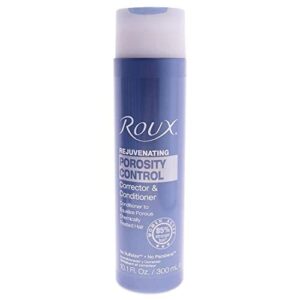
Getting chemical services done? This one’s your prep step. Roux Rejuvenating Porosity Control Corrector has a pH of 4.5, closing your cuticle before color, perm, or relaxer treatments hit your strands.
Keratin amino acids strengthen your cortex while antioxidant vitamins keep things balanced. Just smooth it onto damp hair, wait 30 seconds, then rinse.
It’s sulfate-free and paraben-free, evening out porosity so your color or perm actually holds evenly instead of processing unpredictably strand by strand.
| Best For | Anyone prepping for color, perm, or relaxer treatments who wants their hair to process evenly instead of unpredictably. |
|---|---|
| Sulfate Free | Not specified |
| Volume | 8 fl oz |
| Cruelty Free | Not specified |
| Key Oil | Avocado oil |
| Hair Type Focus | Waves, curls, coils |
| Product Form | Leave-in conditioner |
| Additional Features |
|
- Closes the cuticle and balances porosity before chemical services, helping color and perm results hold evenly
- Contains keratin amino acids and antioxidant vitamins to strengthen and protect hair
- Detangles and smooths for easier brushing and longer-lasting blowouts
- Watery consistency is a change from the original creamy formula, which may throw off longtime users
- Can leave hair greasy if overused, so a nickel-sized amount is recommended
- Some users reported excessive dryness after just one use
OUIDAD Curl Immersion Deep Conditioner
Curls tangling every wash day? The Ouidad Curl Immersion Triple Treat Deep Conditioner brings a rich oil mixture plus ceramide-like agents for real cuticle sealing.
You’ll notice serious slip enhancement while detangling, and frizz reduction afterward. Weekly use builds lasting moisture retention for low porosity hair, especially if yours resists hydration normally.
What to Look for in Shampoos
Not every shampoo works for low porosity hair, girl, so picking the right one matters more than you think. The wrong formula sits on your strands and blocks moisture instead of helping it in. Here’s exactly what to check for before you buy your next bottle.
If you’re also dealing with thinning, pairing the right shampoo with a hair growth shampoo proven to build lasting density can make a real difference over time.
Sulfate-Free Formulas
Ever wonder why some shampoos leave your hair feeling squeaky but still dry? That’s harsh sulfates at work. A good sulfate-free shampoo cleanses gently while keeping your scalp’s natural pH balance intact, so moisture stays put.
Pairing a sulfate-free routine with natural treatments like henna can further enhance moisture retention — though results vary, and understanding how long henna lasts on straight hair helps you plan a regimen that actually works for your texture.
For low porosity hair, this means better moisture retention without stripping what little your strands absorb. Gentle cleansing, girl, is the name of the game here.
If you’re curious where your curl pattern falls within this whole spectrum, check out this breakdown of the rarest hair type classifications to see how low porosity often shows up.
Coconut-Based Surfactants
Coconut-based surfactants, like coco glucoside, come from coconut oil and glucose. They’re gentle on your scalp, biodegradable, and won’t strip low porosity hair.
Their molecular structure pairs a fatty tail with a sugar head, so they cleanse without harshness. They also play nice with your deep conditioner and leave-in conditioner, so nothing clashes down the line.
Clarifying Ingredients Monthly
Ingredients change more than you’d think, girl. Brands tweak formulas for safety updates, seasonal swaps, and preservative shifts, which affects your clarifying shampoo‘s job of clearing product buildup.
Check labels monthly for sulfatefree shampoo options and fragrance-free versions if you’re sensitive. Staying current keeps your low porosity hair routine effective, since even small changes shift moisturizing capacity and how well hair porosity reacts to treatment.
Choosing The Right Deep Conditioner
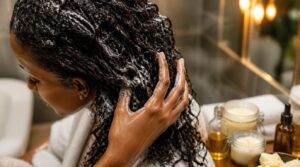
Not every deep conditioner is a match for your hair, girl, so picking the right one matters. A good formula works with your cuticles instead of just sitting on top of them. Here’s what actually matters when you’re shopping the shelves.
Water-Based Formulations
Water should be the first ingredient on your deep conditioner label, not third or fourth. That means water-first formulas absorb faster into tight cuticles instead of sitting on top.
Look for glycerin, aloe, or honey mixed in too. These humectants grab moisture and hold onto it.
Pair that with a lightweight oil mix, and your strands actually drink it in.
Avoid Heavy Proteins
Too much protein turns your hair stiff, not soft. Low porosity hair often shows protein sensitivity, so watch for:
- Brittle, straw-like strands
- Sudden elasticity loss
- Dry, crunchy feel
- Increased breakage
- Dullness despite conditioning
Skip heavy proteins like keratin and collagen. Choose a lightweight, protein-free conditioner instead, and rotate in clarifying shampoo monthly to prevent buildup and restore real moisture absorption.
Apply With Heat
Skipping heat is where most low porosity routines fall flat. Your cuticles stay shut without it, so conditioner just sits on top instead of soaking in.
A heat cap or warm towel opens things up gently, around 120-150°F for 10-20 minutes. That’s enough for real moisture retention without frying your scalp.
| Method | Best For |
|---|---|
| Heat cap | Even, hands-free coverage |
| Warm towel | Quick, low-cost sessions |
| Steam treatment | Deep cuticle sealing |
| Hooded dryer | Longer, thicker hair |
| Timer check | Staying under 20 minutes |
Best Oils for Moisture Sealing

Once your hair drinks up all that moisture, you need to lock it in place. The right oil acts like a seal, keeping water from slipping right back out. Here are five oils worth adding to your routine.
Argan Oil Benefits
Because argan oil is so lightweight, it soaks in fast instead of sitting on your strands like a heavy oil would.
- Rich in fatty acids for real moisture retention
- Packed with polyphenols for antioxidant protection
- Smooths cuticles to fight frizz
- Calms and hydrates the scalp
- Boosts hair elasticity over time
Massage a few drops in, girl, and let cuticle sealing work its magic.
Jojoba Oil Absorption
Jojoba isn’t oil at all, girl, it’s a wax ester, close to your scalp’s own sebum. That’s why cuticle sealing feels so natural here.
| Use | What Happens |
|---|---|
| Leave-in | Fast absorption, minutes |
| Rinse-off | Stays after washing |
| Scalp | Comfortable, non-greasy |
| Shelf life | Stays stable, resists rancidity |
Great for low porosity hair craving lightweight moisture without buildup.
Avocado Oil With Heat
Warm oil application changes the game for avocado oil. On its own, it’s a bit heavy for low porosity hair, but heat activated penetration lets it slide right into the shaft.
Warm a few drops between your palms or add a touch during your deep conditioning treatment. That thermal oil stability means it won’t break down, giving you real moisture retention.
Sweet Almond Oil Shine
Ever wonder why your hair looks a little dull no matter what you use? Sweet almond oil gives you that natural sebum shine low porosity hair often lacks. It smooths the cuticle so light bounces evenly.
- Warm between palms first
- Apply mid-shaft to ends
- Use as leave-in booster
- Add to deep conditioner
- Finish styling with a drop
Baobab Oil Nourishment
If your hair feels soft but never quite hydrated, baobab oil might be the missing piece. It’s rich in fatty acids that seal moisture and support cuticle sealing without weight. Antioxidants boost scalp hydration too.
| Benefit | Effect |
|---|---|
| Fatty acids | Moisture retention |
| Antioxidants | Scalp protection |
| Light texture | Fast absorption |
| Cuticle care | Reduced frizz |
Leave-in Conditioners and Styling Picks
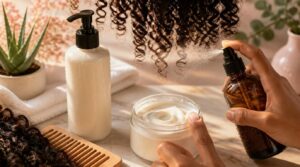
Now let’s talk styling, girl. Once your hair’s clean and conditioned, the right leave-in and finishing products lock everything in. Here are the picks that won’t weigh your strands down or leave you fighting buildup.
Water-First Ingredient Lists
Check the label before you buy. Water should be first, since low porosity hair needs light, water-based hydration, not heavy oils sitting on top.
Look for glycerin or honey nearby, good humectants pulling in moisture. Gentle surfactants like decyl glucoside keep cleansing mild. INCI naming ("Aqua") helps you compare products honestly, so you always know exactly what you’re absorbing.
Lightweight Styling Gels
Gel is where curl definition really happens, girl. Apply to warm, damp hair for better absorption. Try:
- DevaCurl Light Defining Gel, glycerin-powered, soft hold
- Ouidad Climate Control Gel, medium hold, fights humidity
- Curl Keeper Original, flexible 24-hour hold, non-sticky
Grapeseed and jojoba oils add lightweight nourishment without buildup, keeping moisture retention strong all day long.
Heat Protectant Sprays
Skipping heat protectant spray is a no-go, girl. Low porosity hair needs that thermal barrier formation before any hot tool touches it.
Try OGX Bond Protein Repair, protects up to 450°F with a weightless mist, or Moroccanoil Perfect Defense, argan-infused for lightweight heat defense. Look for fine mist application and UV protection shield features.
This step is real heat damage prevention, not just a nice extra.
Daily Routine for Low Porosity Hair
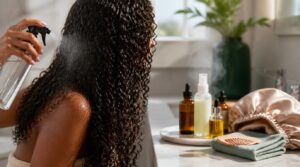
Great products only work if your routine backs them up. Low porosity hair loves consistency more than anything fancy. Here’s exactly how to build a routine that keeps moisture locked in, day after day.
The LOC Method
Ready to lock in moisture that actually lasts? Try the LCO method, a twist on the classic LOC method built for low porosity hair.
- Liquid (leave-in conditioner)
- Cream
- Oil
Applying cream before oil stops that heavy, weighed-down feel. Do this on damp, freshly washed hair for the best hair moisture retention and lasting definition.
Diluting Conditioners Properly
That cream-then-oil trick works even better with a diluted, moisturizing conditioner. Mix 1 part conditioner to 3 parts warm water, since heat helps hair cuticle sealing without weighing curls down.
| Hair Type | Ratio | Water Temp |
|---|---|---|
| Fine | 1:3 | Warm |
| Medium | 1:2 | Warm |
| Dense | 1:2 | Warm |
This boosts hair moisture absorption for low porosity hair, girl, no guesswork needed.
Weekly Deep Treatment Schedule
Now let’s talk timing. Diluted or not, low porosity hair does best with deep conditioning every 10 to 14 days, not weekly. Weekly treatments often backfire, leaving strands limp with flat curls, a classic sign of over-conditioning.
Watch for mushy texture or snapping when wet. Winter calls for more frequent sessions, summer humidity means you can stretch it out. Always apply with heat.
Ingredients to Avoid Completely
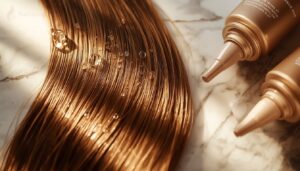
Sometimes taking care of low porosity hair is about what you leave out, not just what you put in. Certain ingredients sit on your strands and block moisture from ever getting in. Here’s what to steer clear of at the store.
Silicones and Alcohols
Since low porosity hair already resists moisture, silicones and drying alcohols make things worse fast.
- Choose water-soluble silicones (look for "PEG-" prefixes)
- Skip dimethicone-heavy formulas
- Avoid short-chain alcohols like Alcohol Denat
- Look for fatty alcohols instead
- Always pick silicone-free, sulfate-free, paraben-free options
Clarifying monthly removes buildup and residue, restoring moisture absorption girl deserves.
Heavy Protein Overload
Silicones aren’t the only troublemakers. Too much protein treatment can leave low porosity strands stiff and snapping, since protein sensitive hair can’t absorb what it doesn’t need.
| Sign | What Happens | Fix |
|---|---|---|
| Stiff strands | Straw-like texture | Skip protein masks |
| Breakage | Snapping, shedding | Rebalance with moisture |
| Dryness | Poor absorption | Hydrate, then protein |
Overdoing protein strains hydration and can worsen breakage over time.
Harsh Sulfates
Your scalp deserves better than a harsh sulfate stripping it dry. SLS and SLES cleanse well but often trigger irritation, dullness, and faster color fading.
Three sulfate sins:
- Strips moisture retention
- Irritates sensitive scalps
- Harms the environment
Choose a gentle sulfate-free shampoo, follow with a nourishing deep conditioner and leave-in conditioner for happy, hydrated hair porosity.
Frequently Asked Questions (FAQs)
Which brand is best for low porosity hair?
Tired of guessing what actually works? Look for top rated options with lightweight hydrate focused formulas, protein free conditioners, and silicone free formulations.
Brands offering easy rinse non greasy finishes support your hair moisture balance and gently lift the cuticle for real moisturizing results.
What should I avoid if I have low porosity hair?
Steer clear of silicone buildup, heavy oils, and butters that sit on strands. Skip harsh sulfates and heavy protein treatments.
Choose lightweight, protein-free options instead, use clarifying shampoo monthly, and keep products water-based for real moisture balance.
How can I improve my low porosity hair?
Funny how hair that resists water needs more of it, not less. Improve low porosity hair with heat-activated treatments, weekly deep conditioning, sulfate-free shampoo, and the LOC method for real moisture retention.
How do I keep my low porosity hair moisturized?
Warmth is your best friend here. Apply water-based products on damp hair, use heat to open the cuticle, then follow the LOC method and seal with a lightweight oil for lasting moisture retention.
Can low porosity hair be permanently changed or fixed?
Can a leopard change its spots? Not quite, but your cuticle can soften with consistent care. Heat-assisted treatments and steady moisture absorption improve low porosity hair over weeks, not permanently, so lasting results need ongoing maintenance.
How often should low porosity hair be washed weekly?
Aim for every 7 to 10 days. Oily scalps may need washing every 5 to 7 days, while dry scalps can stretch to 2 weeks. Watch for buildup or a greasy scalp and adjust with a clarifying wash sooner.
Does hair porosity affect which hairstyles work best?
Yes, girl, porosity shapes everything. Since low porosity hair resists moisture absorption, protective styles, flexi rod sets, and heat-assisted shaping hold shape longer.
Skip heavy creams, since hairstyle weight impact flattens curls fast. Lightweight hold keeps bounce alive.
Is steam treatment necessary or can heat caps work?
Steam softens strands slowly, staying gentler than a heat cap.
Both work for low porosity hair, but a hair steamer treatment aids deeper moisture penetration for cuticle opening, while heat caps offer faster, budget-friendly deep conditioning treatment results.
Conclusion
Think your hair’s just too stubborn to fix? It’s not, it just needs the right game plan. Once you swap heavy creams for water-based formulas and layer them using the LOC method, your strands finally drink up moisture they’ve been craving for years.
The best products for low porosity hair aren’t magic. They’re science working with your cuticle, not against it. Stay consistent, and watch your curls come alive.