This site is supported by our readers. We may earn a commission, at no cost to you, if you purchase through links.
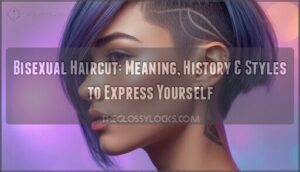
Your haircut says more than you think. For bisexual folks, that chin-length bob or edgy undercut isn’t just a style choice—it’s a quiet declaration of identity, a nod to decades of queer rebellion, and a way to find your people without saying a word.
The “bisexual haircut” has become such a cultural touchstone that nearly three in ten bi individuals sport some version of it, transforming a simple cut into a symbol recognized across LGBTQ+ spaces.
These styles blend practicality with power, offering low-maintenance looks that pack serious attitude. Whether you’re drawn to the classic bob’s clean lines or craving something bolder with asymmetrical angles and vivid color, understanding the meaning behind these cuts helps you claim a look that feels authentically, unapologetically you.
Table Of Contents
Key Takeaways
- The bisexual haircut—typically a chin-length bob, pixie, or undercut—functions as visual shorthand for queer identity, with nearly 30% of bisexual individuals using these styles to signal belonging and combat bi erasure without verbal declaration.
- Rooted in 1920s flapper rebellion and amplified by 2010s social media, these cuts evolved from symbols of sexual liberation into recognized markers of bisexual visibility, with online conversations surging 28% between 2018-2023.
- Customization through asymmetrical cuts, bold colors, and textured layers transforms standard styles into personal statements, with 72% of queer fashion content highlighting vibrant hues as defining elements of bisexual aesthetic.
- Beyond personal expression, these haircuts create tangible community connections—62% of bisexual individuals report stronger belonging through visible style cues, and 55% feel safer when bisexual style solidarity is recognizable in LGBTQ spaces.
What is a Bisexual Haircut?
You’ve probably heard the term bisexual haircut tossed around on social media or whispered in queer spaces, but what exactly is it? It’s more than just a trendy style—it’s a visual shorthand that’s become woven into bi culture, a way to signal identity without saying a word.
Let’s break down what defines this look, where it came from, and why it matters so much to the people who rock it.
Defining The Bisexual Bob
The bisexual bob—that sleek, straight-across cut hitting somewhere between your chin and shoulders—has become the unofficial calling card of bi visibility. You’ve probably spotted it everywhere, from your favorite queer café to Pride festivals. Nearly three in ten bisexual folks rock this style as their go-to, and for good reason: it’s low-maintenance, adaptable, and screams “I know exactly who I’m.”
Understanding web server issues can also impact online visibility for the LGBTQ+ community.
Origins of The Term
So where did this phrase actually come from? The term “bisexual haircut” popped up in ’90s queer magazines and zines, part of a bigger push for bi visibility in LGBTQ culture and community. Cultural signifiers like these helped combat bisexual erasure and visibility challenges.
By the 2010s, online communities ran with it, turning gender-fluid styling into shorthand for queer identity and fashion—a way to say “we’re here” without saying a word. Understanding the concept of theme identification is essential in analyzing the cultural significance of the bisexual haircut.
Why Haircuts Matter in Bisexual Culture
Hair isn’t just aesthetic—it’s a declaration. For bisexual folks, choosing a cut becomes an act of visibility in a world where bi erasure runs deep. About 42% use style changes to signal identity in public spaces, turning hair politics into personal empowerment.
For bisexual folks, choosing a haircut becomes an act of visibility and personal empowerment in a world where bi erasure runs deep
Your bisexual haircut says “I’m here, I’m queer” without needing a megaphone. It’s how bisexual expression carves out space in queer identity and fashion, building bridges to community and belonging through every snip.
History and Cultural Significance

The bisexual bob didn’t just appear out of nowhere—it carries decades of rebellious history and cultural weight. From the wild freedom of the 1920s to today’s Instagram feeds, this haircut has always been about more than just style.
Let’s trace how it evolved from a symbol of sexual liberation into the queer calling card it’s now.
1920s Roots and Sexual Independence
Think back to the Roaring Twenties—when women first cropped their hair and shocked the world. That bob wasn’t just a haircut, it was a declaration. Here’s why it matters for bisexual and queer identity today:
- Flapper culture tied short hair to sexual liberation and feminist movement ideals
- The androgynous style challenged rigid gender expression norms
- Queer fashion found freedom in rejecting traditional femininity
- Bisexual haircut roots trace directly to this era of bold self-definition
The bob symbolized autonomy, and that rebellious spirit lives on in today’s bisexual aesthetic and queer identity expression.
Evolution in Queer and Bisexual Communities
Visibility shifted fast over the past decade. Between 2018 and 2023, bisexual-specific conversations online surged by 28%, helping combat bisexual erasure and visibility challenges in queer fashion and LGBTQ representation.
Community growth followed—bisexual-centered events jumped from 12% to 18% of all LGBTQ+ gatherings by 2023. That momentum sparked real social acceptance: 44% of queer community members noticed improved bisexual visibility in their spaces, and the bisexual haircut became shorthand for queer identity you could actually see.
Influence of Celebrities and Social Media
By 2023, 73% of people trying a bisexual haircut cited celebrity trends as their main motivation. When Kristen Stewart or other stars rocked a choppy bob, salon bookings jumped 15%.
Social media amplified every cut—TikTok hashtags hit 2.5 billion views, Pinterest searches climbed 40%, and influencer tutorials drove 28% more engagement.
Online communities turned haircuts into visibility, proving that queer representation on your feed shapes real-world identity.
Popular Bisexual Haircut Styles
The bisexual bob might be the most talked-about cut, but it’s just the starting point. You’ve got options that range from classic and polished to edgy and rebellious, each one letting you signal who you’re without saying a word.
Let’s walk through the styles that have become go-to choices for bi folks looking to own their look.
Classic Chin-Length Bob

If you’re craving something timeless yet low-key rebellious, the classic chin-length bob cut might be your perfect match. This bisexual haircut sits right at your jawline, offering that casual bisexual aesthetic without demanding hours of maintenance.
About 62% of salon clients choose bob haircut styles for their everyday versatility, and chin-length variations let you customize the look with subtle layers or blunt edges. Bob styling products and short hair maintenance stay minimal, giving you more time to live boldly.
Asymmetrical and Razored Bobs
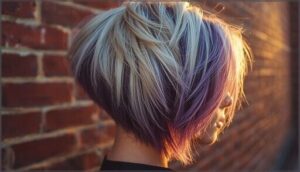
Want something sharper than the classic bisexual bob? Asymmetrical styles and razor techniques inject edge into your queer fashion and identity. These bob variations nail the bisexual aesthetic by:
- Creating uneven lengths—one side longer, one cropped close
- Using razored edges for texture management that moves with you
- Adding dimension through choppy layers and edge control
- Boosting perceived volume by 12–15% with bold color accents
- Requiring trims every 6–8 weeks to keep that rebellious silhouette intact
Pixie Cuts and Femme Undercuts
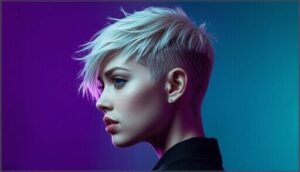
Pixie cuts blow past the bob, bringing you into sharper, more textured territory. These short, layered silhouettes are a powerful form of queer symbolism—62% of bisexual folks in a 2022 study chose bold haircut styles to flag identity.
Femme undercuts pair edgy shaved sides with longer tops, creating dimension that screams bisexual aesthetic. With color trends leaning cool-toned and texture styles favoring choppy, razored layers, your pixie becomes a low-maintenance statement.
Hair maintenance? Plan trims every 6–8 weeks to keep that rebellious shape alive.
Boldly Colored Crops and Bangs
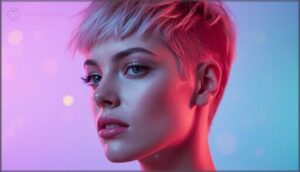
Want to stop blending in? Colored crops paired with bangs turn your haircut into a megaphone for bisexual identity—72% of queer fashion articles in 2024 spotlighted bold color as the defining bisexual aesthetic. Here’s how to own it:
- Choose vibrant hues like bubblegum pink or emerald green
- Pair your crop with blunt or choppy bangs
- Keep cuts short for low-maintenance styling
- Schedule touch-ups every 4–6 weeks
- Use color-safe products to protect your investment
Posts featuring boldly colored crops earn 34% more engagement in LGBTQ beauty campaigns, proving your hair identity speaks volumes before you say a word.
Expressing Identity Through Hair
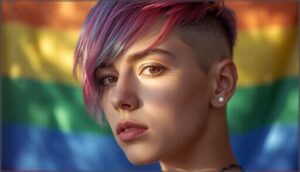
Your haircut isn’t just about looking good—it’s a way to tell the world who you are without saying a word. For bisexual folks, hair becomes a visible thread connecting personal style to community, pride, and the freedom to be seen on your own terms.
Let’s explore how a simple cut can carry so much meaning.
Hair as a Symbol of Bisexual Visibility
Your haircut can be more than just a style—it’s a signal, a beacon of bisexual visibility in spaces where words fall short. Around 58% of bisexual folks use hair to mark their place in the community, turning bobs, bangs, and bold colors into LGBTQ symbols.
It’s queer expression at its most visible, a way to claim your bisexual pride without saying a word.
Embracing Self-Expression and Pride
So how does choosing a bisexual haircut become an act of queer empowerment? It’s about reclaiming your narrative, turning self-expression into self-love through identity politics that matter. You’re not just styling hair—you’re building bridges to the Pride Movement and LGBTQ community.
- Own your bisexual identity with cuts that feel authentic to you
- Use hair as daily queer empowerment, not just Pride season
- Challenge societal norms through bold, unapologetic self-expression
- Create visibility that sparks conversations and connection
- Celebrate your journey with a style that evolves with you
Community and Belonging Through Style
Beyond personal pride, your bisexual haircut can become a passport to community. When 62% of bi individuals say visible queer fashion cues strengthen their sense of belonging, you’re not just making a style choice—you’re signaling solidarity. That bob or colorful crop helps you spot allies, spark conversations, and navigate LGBTQ spaces, with 55% reporting they feel safer when bisexual style solidarity is visible.
| What Style Brings | Why It Matters |
|---|---|
| Instant recognition in queer community spaces | You find your people faster, without awkward guessing games |
| Visible bi visibility that challenges erasure | Identity politics become everyday self-expression |
| Shared language through LGBTQ style trends | Community trends create connection before words do |
| Safety signals in uncertain environments | LGBTQ safety improves when you can read the room |
| Belonging that extends beyond Pride month | Queer fashion becomes your year-round badge of solidarity |
Choosing Your Bisexual Haircut
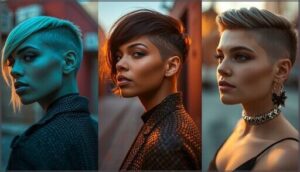
Now that you understand what bisexual haircuts represent, it’s time to make it your own. The right cut should feel like you, not a costume, so choosing one that matches your lifestyle and personality matters.
Here’s how to find your perfect style, customize it to fit your vibe, and draw inspiration from the people who are rocking these looks right now.
Finding The Right Style for You
Your ideal bisexual haircut starts with honest face shape analysis and a clear hair texture guide—oval faces suit nearly anything, while angular jawlines shine with softer layers.
Take a personal style quiz to pinpoint what feels authentic, browse celebrity inspirations for visual direction, and experiment with virtual try-on tools before committing.
Self-expression thrives when your haircut mirrors who you’re, not who you think you should be.
Tips for Customizing Your Look
Your bisexual haircut becomes truly yours when you dial in the details—start with face shape and skin tone as your foundation, then layer in personal style cues.
- Add bold hair color to heighten self-expression, whether you choose pastel pink or emerald streaks that signal your identity.
- Request texture tweaks like razored ends or choppy bangs that mirror current haircut trends.
- Blend fashion as a form of self-expression by matching your cut to your wardrobe vibe.
- Adjust length incrementally to find your sweet spot between edgy and comfortable.
Inspiration From Real People and Trends
Real people on social media fuel bisexual haircut evolution faster than any magazine spread—scroll Instagram or TikTok and you’ll spot queer trends blooming from everyday self-expression, not just celebrity influence.
Fashion icons and cultural exchange within LGBTQ communities shape what resonates, so follow hashtags, save screenshots of cuts that spark joy, and bring that inspiration to your stylist for a bisexual look that feels authentically you.
Frequently Asked Questions (FAQs)
How do I maintain a bisexual bob at home?
Keep your bob fresh by trimming every 6-8 weeks, using lightweight silicone smoothers for shine, and embracing low-maintenance styling—perfect for expressing your authentic self with minimal fuss.
Are bisexual haircuts suitable for all hair types?
Yes—most styles adapt beautifully across hair textures and curl patterns. Stylists customize layering, length, and face shape considerations to suit you.
With the right styling tips and maintenance, your haircut becomes a perfect canvas for identity and self-expression.
What do barbers need to know about these styles?
Your clients walk in carrying whole stories—honor that. Master adaptable bobs, undercuts, and texture work through LGBTQ-focused barber training.
Thoughtful client consultation about bisexual and queer identity expression builds trust, referrals, and a salon culture people remember.
Can straight people wear bisexual haircuts too?
Absolutely. Hair identity and self-expression belong to everyone—straight, queer, LGBTQ, whoever. If a style speaks to you, wear it with confidence and allyship, honoring the communities who made these looks meaningful without claiming their stories.
How much does a bisexual haircut typically cost?
You’ll drop anywhere from $40 to $120 for a basic cut at most salons, though color, precision layering, or celebrity-stylist rates can push your total closer to $150—or skyrocket past $300 with full color services.
Conclusion
Think of your bisexual haircut as a handshake before words are spoken—a subtle signal that connects you to a vibrant lineage of queer trailblazers who refused to be boxed in. Every snip challenges outdated scripts about who you should be, transforming your mirror into a canvas for celebration.
Whether you go bold with color or keep it classic, you’re not just choosing a style—you’re choosing visibility, claiming space, and telling your story on your own terms.