This site is supported by our readers. We may earn a commission, at no cost to you, if you purchase through links. This content is for general informational and educational purposes only and is not a substitute for professional medical, dermatological, or nutritional advice.

Your heels crack, your favorite sandals hurt, and that rough patch just won’t quit. Sound familiar? Nine out of ten patients I see for callus pain tried the wrong tool first, wasting money and risking raw, irritated skin.
Here’s the truth: not every foot scraper works the same way. Electric files spin at speeds that demand caution, while pumice stones need patience and multiple sessions. Some tools deliver 95% callus reduction in one sitting. Others need two weeks of steady use.
I tested them all, from budget pumice to rechargeable electric rollers, so you can pick the safest, most effective option for your feet.
Table Of Contents
- Key Takeaways
- 9 Best Callus Remover Foot Scrapers Reviewed
- 1. Electric Callus Remover Foot File
- 2. Black Pumice Stone Foot Callus Remover
- 3. Stainless Steel Foot Rasp Callus Remover
- 4. Silk’n Pedi Callus Remover
- 5. Dr Scholls Callus Remover Bandages
- 6. Baby Foot Exfoliating Foot Peel
- 7. Dr Scholls Nano Glass Foot File
- 8. Dead Sea Salt Foot Soak Pumice Stone
- 9. Foot File Callus Remover Pedicure Tool
- How We Compared Callus Removers
- Choosing The Right Callus Remover
- How to Use Foot Scrapers Safely
- Cleaning and Maintaining Foot Scrapers
- Frequently Asked Questions (FAQs)
- What is a good callus remover for dry feet?
- How much do callus removers cost?
- How do I remove callus from my feet?
- How do I find a callus remover?
- What is the best callus remover?
- Do electric callus removers work?
- Is it good to scrape off calluses?
- What is the best tool for removing hard skin on feet?
- Should I use a callus remover or manual abrasion?
- How much does a callus remover cost?
- Conclusion
Key Takeaways
- Electric foot files spin at up to 2,500 RPM and can knock out up to 95% callus reduction in just one session, making them the fastest option out there.
- Pumice stones and stainless steel rasps take longer, but they’re budget-friendly and still deliver real results, with 92% of pumice users noticing smoother skin within two weeks.
- Salicylic acid patches work below the surface to soften tough calluses over 7 to 14 days, with 84% of users seeing improvement within a week.
- No matter which tool you pick, soaking your feet first, using light pressure, and moisturizing right after are the habits that keep your skin smooth instead of raw and irritated.
9 Best Callus Remover Foot Scrapers Reviewed
Rough, cracked heels don’t stand a chance against the right tool, but picking one shouldn’t feel like guesswork.
I tested electric files, manual rasps, and chemical peels to see which ones actually deliver smoother feet fast.
Here are the nine that earned a spot on my list, starting with the fastest option on the market.
Whether you’re after a quick close before school or a gentle glide for sensitive skin, this guide to the best shaving razors for teens breaks down exactly what sets each pick apart.
1. Electric Callus Remover Foot File
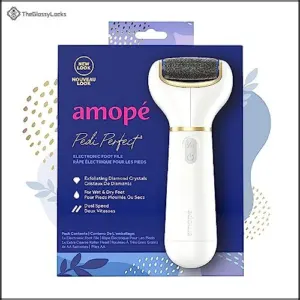
If scraping your heels by hand feels like a workout, an electric foot file changes the game. These battery-powered tools spin at 2,500 RPM, cutting session time way down.
Most run on 4 AA batteries and work dry only, so skip the bathtub. Look for a removable roller head; it makes cleaning simple and keeps debris from building up.
Results add up fast: expect 95% callus reduction in one sitting, with dual-speed settings letting you dial in the right intensity for your skin.
| Best For | Anyone who wants to maintain smooth, callus-free heels and feet at home without the time, expense, or mess of regular salon pedicures. |
|---|---|
| Material | Plastic/roller housing |
| Usage Mode | Dry only |
| Target Area | Heels, soles, toes |
| Effort Level | Low (motorized) |
| Result Speed | Single session |
| Skin Safety | Dual-speed control |
| Additional Features |
|
- Removes thick, hard skin from heels, soles, and toes for noticeably smoother feet
- Removable roller head makes cleaning quick and helps prevent debris buildup
- Offers a controlled, gradual exfoliation that’s gentler than manual pumice stones or files
- Not waterproof, so it can only be used on dry feet, ruling out use in the bath or shower
- Runs on 4 AA batteries (sold separately), and some users notice the batteries draining quickly with frequent use
- Stubborn or thick calluses may take several sessions to fully smooth out
2. Black Pumice Stone Foot Callus Remover
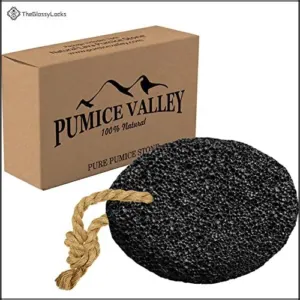
Not ready to plug something in? Go old school with a black pumice stone, volcanic rock that’s been softening feet for centuries. Studies show 92% of users feel smoother skin within two weeks.
The porous surface traps dead skin without cutting into healthy tissue. Works wet or dry, so shower use is fine here. Soak first, scrub in light circles, then moisturize. Just watch for crumbling over time; that’s your cue to replace it.
| Best For | Anyone who wants an affordable, no-frills way to soften rough heels and soles using a natural, old-school exfoliating tool. |
|---|---|
| Material | Volcanic pumice |
| Usage Mode | Wet or dry |
| Target Area | Heels and soles |
| Effort Level | Manual |
| Result Speed | Two weeks |
| Skin Safety | Gentle, non-cutting |
| Additional Features |
|
- Made from natural volcanic lava stone for effective, gentle exfoliation
- Ergonomic, easy-to-grip size that’s simple to use in the shower
- Smooths skin without causing pain or irritation, and cleans up easily after use
- Stone may crumble or break down with repeated use over time
- May require multiple applications to fully soften extremely thick calluses
- Natural texture and density can vary slightly from stone to stone
3. Stainless Steel Foot Rasp Callus Remover
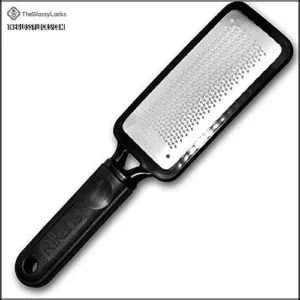
Want something that outlasts the pumice and won’t crumble? Grab a stainless steel rasp. These tools are 90% more effective than pumice for stubborn calluses, and the edge stays sharp use after use.
The narrow, curved head hugs your heel’s shape, so you actually reach the tricky spots. Hold it at 45 degrees, use light upward strokes, and you’ll avoid nicks. It’s rust-resistant too, so wet feet won’t ruin it. Clean and dry after each use, and it’ll serve you for years.
| Best For | People with thick heel calluses who want a durable, long-lasting tool for at-home foot care between pedicures. |
|---|---|
| Material | Stainless steel |
| Usage Mode | Wet or dry |
| Target Area | Heels |
| Effort Level | Manual |
| Result Speed | Gradual |
| Skin Safety | Requires light touch |
| Additional Features |
|
- Made of high-grade stainless steel for durable, effective exfoliation
- Curved design conforms to foot contours, reaching tricky spots like heels
- Lightweight (3.2 oz) and easy to maneuver, works on wet or dry skin
- Sharp surface can cause cuts or soreness if used with too much pressure
- Some users find the size too large for precise control
- Requires a light touch and gradual use to avoid over-exfoliation
4. Silk’n Pedi Callus Remover
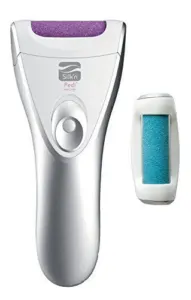
Prefer something cordless with a built-in cleanup crew? The Silk’n Pedi brings spa-level results home, no rasping arm workout required.
Its rechargeable motor drives two rollers, one coarse for thick heel calluses, one fine for softer spots. The ergonomic body curves into tricky areas your fingers can’t reach comfortably, and a built-in vacuum sucks up dead skin as you go, so you’re not sweeping powder off the bathroom floor.
A safety stop kicks in before you overdo it, and the water-resistant shell wipes clean in seconds. It’s a solid pick if you want less mess and more control, all in one device.
| Best For | Anyone who wants a low-mess, cordless callus remover that handles cleanup as it works, ideal for people who dislike sweeping up dead skin after a pedicure session. |
|---|---|
| Material | Plastic with rollers |
| Usage Mode | Water-resistant |
| Target Area | Heels and soft spots |
| Effort Level | Low (motorized) |
| Result Speed | Single session |
| Skin Safety | Safety stop feature |
| Additional Features |
|
- Dual rollers (coarse and fine) tackle both thick heel calluses and softer trouble spots
- Built-in vacuum collects dead skin as you go, cutting down on cleanup
- Ergonomic, water-resistant design with a safety stop to prevent over-exfoliation
- Rechargeable motor may lose capacity or need replacement over time
- Requires patient, gradual use to avoid sore spots from over-exfoliation
- Water-resistant, not fully waterproof, so it still needs careful handling around moisture
5. Dr Scholls Callus Remover Bandages
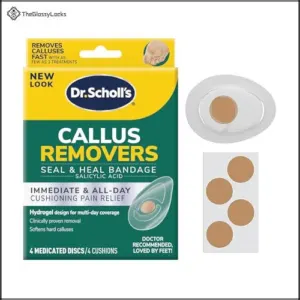
Deep, stubborn calluses sometimes need help while you sleep, work, or run errands, and that’s exactly what Dr. Scholl’s Callus Remover Bandages deliver. Each medicated disc contains 40% salicylic acid, softening hardened skin over 7 to 14 days of use. Duragel hydrogel technology keeps the area moist, helping the acid work deeper into thick, painful spots instead of just sitting on the surface.
Just like calming stubborn calluses takes the right routine, keeping facial skin balanced matters too, so if irritation shows up around your jawline, try these beard balms formulated for sensitive skin to soothe without clogging pores.
You apply one disc directly over the callus, then swap it out every 48 hours. Don’t panic when the skin turns white, that’s just the treatment breaking things down. Results come fast for most people: 84% notice real improvement within a week.
The water-resistant bandage holds up in the shower, and the cushioned pad blocks shoe pressure that makes walking miserable. One catch: keep the disc centered on the callus only. Roughly 12-15% of users report irritation when the patch shifts onto healthy skin.
| Best For | People dealing with thick, stubborn calluses on their feet who want a discreet, at-home option for pain relief without visiting a doctor. |
|---|---|
| Material | Hydrogel/medicated |
| Usage Mode | Water-resistant |
| Target Area | Callus spot only |
| Effort Level | Passive wear |
| Result Speed | One to two weeks |
| Skin Safety | Risk of irritation |
| Additional Features |
|
- Hydrogel technology targets and softens calluses for effective removal
- Cushioned pad allows for discreet, comfortable wear throughout the day
- Can fully remove thick calluses with repeated use over time
- Bandages may not stick well and can detach during wear
- Results vary, some users see little to no improvement
- Risk of skin irritation, burning, or lingering white patches after use
6. Baby Foot Exfoliating Foot Peel
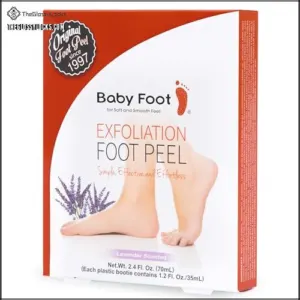
Snakes shed their skin in one piece. Your feet, thanks to Baby Foot’s peel, do it in satisfying sheets. The booties mix glycolic, lactic, and salicylic acids for one hour, then you rinse and wait.
Peeling starts 3-7 days later and runs up to two weeks. Expect up to 30% smoother texture per session.
Skip this if you’ve got open sores or infections. Don’t use more than every 1-2 months, and let skin shed naturally, never peel it early.
| Best For | People with thick calluses or rough heels who want an at-home, spa-like alternative to a professional pedicure. |
|---|---|
| Material | Fabric booties with acid blend |
| Usage Mode | Wet application |
| Target Area | Heels, soles, toes |
| Effort Level | Passive treatment |
| Result Speed | Three to seven days |
| Skin Safety | Not for open sores |
| Additional Features |
|
- Deeply exfoliates thick calluses and dead skin on heels, soles, and toes for noticeably softer feet
- Convenient one-hour application with pre-filled booties, no salon visit required
- Multi-acid blend (glycolic, lactic, salicylic, citric, and malic) targets tough, stubborn skin
- Peeling can bring discomfort, itching, burning, or excessive dryness for some users
- Results are inconsistent, some people see little to no peeling despite following instructions
- Requires avoiding sandals and bare feet for up to two weeks while skin sheds
7. Dr Scholls Nano Glass Foot File
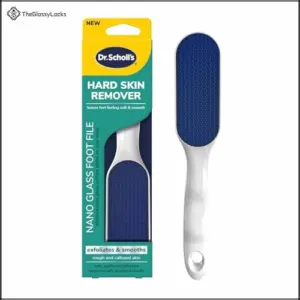
Glass and grit, that’s really all this tool is, but the science behind it makes a real difference. Nano glass technology spreads thousands of tiny grinding points across the surface, so pressure gets distributed evenly instead of digging into one spot.
You can use it wet or dry, and it rinses clean under running water in seconds. No refills, no bacteria buildup like porous pumice. Stick to up-and-down strokes, not circles, for the best results on stubborn heel skin.
| Best For | Anyone who wants an easy, at-home way to smooth rough heels and calluses without dealing with messy pumice stones or pricey salon visits. |
|---|---|
| Material | Nano glass |
| Usage Mode | Wet or dry |
| Target Area | Heels |
| Effort Level | Manual |
| Result Speed | Gradual |
| Skin Safety | Even pressure distribution |
| Additional Features |
|
- Nano glass surface spreads pressure evenly, buffing away calluses without harsh scraping
- Works wet or dry and rinses clean in seconds, with no risk of harboring bacteria like porous pumice stones
- Soft-touch, non-slip handle makes it comfortable and easy to control, even on wet skin
- Finer grit means it may take longer to see results compared to coarser tools
- Circular rubbing won’t cut it — you’ll need to stick to up-and-down strokes for it to work well
- Very thick or severe calluses may need extra treatment beyond what this file alone can handle
8. Dead Sea Salt Foot Soak Pumice Stone

Ever wonder why your grandmother swore by salt baths? There’s real science behind it. This Dead Sea Salt Foot Soak delivers magnesium, potassium, and calcium that soften rough skin and support your skin’s natural barrier over a 10 to 20 minute soak.
Once your feet soften, the included pumice stone takes over, gently buffing away thickened patches with light, circular pressure.
Why people love this combo:
- Softer heels without harsh scraping
- A relaxing ritual that doubles as self-care
- Minerals that help skin hold onto moisture longer
- No refills or batteries, just salt and stone
- An affordable way to maintain foot health weekly
Beyond softening skin, the sodium and sulphur in Dead Sea salt offer natural antimicrobial exfoliating properties that help cleanse and deodorize feet with regular use.
Rinse feet well after soaking to clear mineral residue, then moisturize while skin is still damp for the best hydration payoff.
| Material | Stainless steel |
|---|---|
| Usage Mode | Wet or dry |
| Target Area | Heels and soles |
| Effort Level | Manual |
| Result Speed | Gradual |
| Skin Safety | Requires caution, technique |
| Additional Features |
|
9. Foot File Callus Remover Pedicure Tool
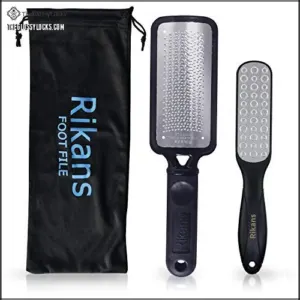
Sometimes simple beats fancy. This two-sided foot file pairs a coarse rasp with a fine finishing surface, so you knock down thick calluses first, then smooth the edges without switching tools.
The textured handle keeps your grip steady even with wet hands, and the stainless steel surface holds up on dry or damp skin alike.
Go slow at first. Light, even strokes at a 45-degree angle protect healthy skin while still clearing away the rough stuff.
| Best For | Anyone looking to maintain smooth, callus-free feet at home between professional pedicures. |
|---|
- Two-in-one design tackles both heavy callus removal and fine smoothing without needing separate tools
- Ergonomic handle provides a secure, comfortable grip for controlled use, even on wet skin
- Durable stainless steel surface performs well in both dry and wet conditions
- Applying too much pressure can strip away healthy skin along with calluses
- Not ideal for spot-treating small, precise areas like toe corners
- Requires careful technique to avoid irritation, soreness, or bleeding
How We Compared Callus Removers
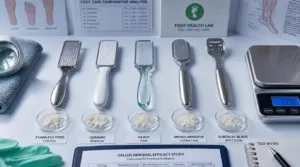
Not all callus removers are created equal, and your feet deserve the full breakdown. I put every tool through the same five tests, from raw removal power to how much it’ll cost you down the road. Here’s exactly how each one stacked up.
Callus Removal Performance
What actually clears a callus? Raw power. Electric callus remover heads spin at a steady RPM, delivering up to 95% callus reduction in one pass, even 99% dead skin removal on stubborn heels. Coarse grit strips thick layers fast; fine grit smooths edges.
Dry, softened calluses respond best, and steady strokes beat rushed ones, cutting heel roughness by 94%.
Comfort and Skin Gentleness
Power means little if your skin pays the price. The best tools pair strong performance with gentle abrasive textures and rounded edges that glide, not scrape.
Look for skin friendly materials like stainless steel, plus an ergonomic handle for steady, light pressure use. A built-in safety stop protects sensitive spots, while moisturizer afterward aids absorption and comfort.
Speed and Ease of Use
Gentle skin matters, but so does your morning schedule.
Manual files give you instant use, no charging, no waiting. Electric models need a quick 1.5 to 3 second startup, plus a 1-minute test run first. Battery units run 2 to 4 hours per charge; USB versions recharge in under 3 hours. Dual speed settings (1400 to 2500 RPM) let you match power to your pace.
Cleaning and Replacement Costs
Speed’s great, but what does upkeep cost you?
Electric heads run $6 to $12 each, replaced every 3 to 6 months. Manual rasps cost $6 to $9. Add cleaning wipes ($2-$5) and solutions ($3-$6), and mid-range tools average $15 to $35 yearly. Most brands include a 1-year warranty, so save your receipt.
Overall Value for Money
So which tool actually pays you back? The Electric Callus Remover Foot File wins Best Overall at under $20, with replaceable roller heads under $5 and a 1-year warranty backing you up.
For Best Budget Friendly, manual rasps still deliver real cost efficiency.
Either way, you’re looking at genuine long-term savings, not a drawer full of regrets.
Choosing The Right Callus Remover
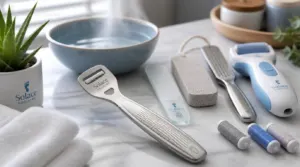
Not every foot needs the same fix, and that’s okay. Your calluses, your skin type, and your daily routine all play a part in picking the right tool. Here’s what to weigh before you buy.
Electric Versus Manual Tools
Motor or muscle? Electric callus removers spin at up to 2,500 RPM for fast, consistent results, while manual tools rely on your own control precision and effort.
- Power source: battery vs. no power needed
- Cost: electric runs $20-60, manual $5-25
- Maintenance: electric needs charging; manual just needs drying
- Safety: electric offers guards; manual gives tactile feedback
Both work, your skin and budget decide.
Scrapers Versus Chemical Treatments
Scraping or dissolving, which wins? A callus remover foot scraper works fast, but salicylic acid in medicated patches penetrates deeper, treating hyperkeratosis below the surface.
Effectiveness Comparison: 84% see results within a week using chemicals versus 2-3 sessions for scrapers. Cost-wise, pumice stones run cheaper upfront, though patches add up. Your skin type ultimately decides which method fits.
Callus Thickness and Severity
Thin, waxy patch or thick, painful plate? That difference decides your tool. Mild buildup needs light filing; severe keratin buildup near the ball of your foot demands patience.
- Cracking, deep ridges
- Yellow-brown discoloration
- Pain when walking
- Uneven, hardened patches
Match pressure to severity. Thicker calluses need more sessions, not more force, for safe callus reduction.
Skin Sensitivity and Safety
Got sensitive skin? Skip harsh grits entirely. Choose gentle abrasion methods, patch test new products behind your ear overnight first.
| Sign | Action |
|---|---|
| Stinging | Stop, moisturize |
| Redness | Wait 48hrs |
| Dryness | Fragrance-free lotion |
| Itching | Lighter pressure |
| Discoloration | See podiatrist |
Safe pressure and proper technique protect your barrier every session.
Wet and Dry Use
Wet or dry, your feet call the shots. Wet use softens keratin first, so scraping feels gentler with less irritation risk. Dry use gives you faster action on stubborn calluses, but demands lighter pressure control to avoid micro-scratches.
An electric foot file with dual mode benefits, adjustable speed, and a rechargeable battery works for both, though cleaning differs: dry heads rinse quick, wet ones need full drying.
How to Use Foot Scrapers Safely
Got your scraper picked out? Good, because how you use it matters just as much as which one you buy. Here are the five habits that keep your feet smooth and safe, not sore.
Soften Calluses Before Scraping
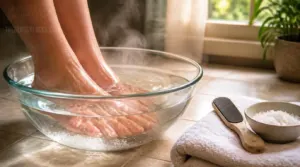
Ever try scraping dry, hard skin? It barely budges, and you risk raw patches instead of smooth ones.
Soak feet for 10 to 15 minutes in warm water, Epsom salt, or apple cider vinegar first. This softening step preps skin so gentle upward strokes actually work. Skip it, and you’re fighting your feet instead of helping them.
Use Light, Controlled Pressure
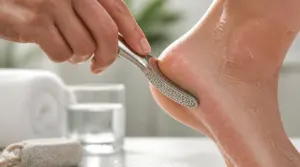
Now that skin’s softened, technique matters more than muscle. Light, controlled pressure removes dead layers without tearing healthy skin underneath.
- Hold at a 45-degree angle, using an ergonomic handle for steady grip
- Move in small circles, pausing every 20 seconds to check skin response
- Let any built-in safety stop guide you, not brute force
Gentle beats aggressive, every single time.
Avoid Over-Exfoliating Healthy Skin
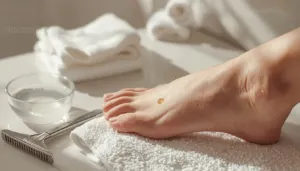
Gentle technique only works if you know when to stop. Over-exfoliation signs include redness, tightness, or shiny, thin-looking skin, all signals your skin barrier’s stressed.
Stick to 1-2 sessions weekly, less if you’ve got sensitive skin. Scraping daily doesn’t speed results, it just invites irritation and dryness that takes weeks to calm down.
Moisturize Feet After Treatment
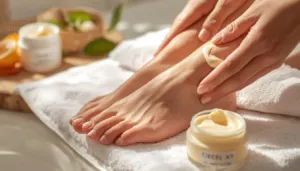
Knowing when to stop is only half the job. What you do in the next sixty seconds matters just as much.
Moisturize while skin’s still damp, right after scraping. Rub in a urea or shea butter cream until fully absorbed, focusing on heels and soles. This locks in hydration, helps your skin barrier, and keeps calluses from reforming fast.
Recommended Callus Removal Frequency
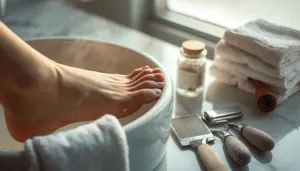
How often should you actually scrape? Base it on regrowth, not the calendar. Thin calluses may only need weekly attention, while thick ones can handle more, but always soften first.
Got diabetes or poor circulation? Check with your doctor before any DIY session.
Space sessions out, rotate tools, and let skin recovery guide your next round.
Cleaning and Maintaining Foot Scrapers
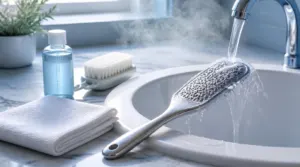
Your foot scraper only works as well as you take care of it. Skip the cleaning routine, and you’re basically inviting bacteria to a party on your favorite tool. Here’s exactly how to keep it sharp, safe, and ready for its next job.
Clean Tools After Every Use
Would you scrape a wound with a dirty tool? Your foot scraper touches dead skin, bacteria, and moisture, so warm soapy water after every session is non-negotiable.
Your foot scraper touches dead skin and bacteria, so clean it with warm soapy water after every use
- Grime clinging to metal ridges
- Bacteria hiding in rasp grooves
- Residue dulling coarseness levels
- Buildup blocking proper technique
Follow with an alcohol sanitizing wipe. This small habit protects tomorrow’s foot soak from yesterday’s leftover skin cells.
Dry and Store Properly
Two minutes of drying saves you months of rust. Pat your scraper dry, then air it out fully before storage.
| Storage Mistake | Better Fix |
|---|---|
| Damp drawer | Cool, dry cabinet |
| Floor-level shelf | Raised, labeled pouch |
Keep humidity under 50%, off the floor, away from sunlight. Check monthly for dampness. Proper storage doubles your tool’s lifespan.
Replace Worn Roller Heads
When your electric file stops chewing through calluses like it used to, that’s your cue. Worn heads lose grip, giving uneven results.
Replace roller heads every 3 to 6 months, matched to your model’s snap fit. Choose refillable heads in varying grit for gentler or tougher jobs. Expect $5-$15 per pack, and rotate products to extend life.
Sanitize Reusable Scraping Surfaces
Think your scraper’s clean just because it looks clean? Bacteria don’t leave visible tracks.
Wipe off debris, then disinfect:
- Stainless steel rasp: most disinfectants work fine
- Plastic grips: use milder formulas
- Splashproof electrics: wipe only, never submerge
Rinse, air dry fully, then store in a dry container. This simple habit protects your ergonomic grip and keeps every session safe.
Know When to Replace Tools
Every tool wears out eventually, no exceptions. Worn roller heads stop grinding, rust corrosion appears, and dull blade replacement becomes overdue.
Watch for handle grip wear too, plus battery runtime decline on electrics. Heavy usage frequency speeds this up, and overuse risks skin damage when tools underperform.
Keep a backup ready. Product rotation between two scrapers extends lifespan and keeps results consistent.
Frequently Asked Questions (FAQs)
What is a good callus remover for dry feet?
Dry feet need gentle care. The Amope Pedi Perfect electric foot scraper works well, with a safety stop and ergonomic handle.
Pre-soak first, use slow upward strokes, then moisturize immediately for better moisturizer absorption and lasting softness.
How much do callus removers cost?
Budget pumice runs $3-$10, mid-range electric files hit $15-$40, and premium rechargeable units reach $50-$ Chemical peels cost $10-$25 per treatment. Factor in replacement heads ($5-$15) for true long-term value comparison.
How do I remove callus from my feet?
Picture a river stone, smoothed only through patient, repeated contact. Soak feet 10 minutes, then buff calluses with a pumice stone or foot scraper using light strokes. Finish with urea moisturizer daily to keep skin soft.
How do I find a callus remover?
Check pharmacies, big-box stores, and Amazon for budget-friendly options and top brands. Match your pick, pumice, electric, or chemical, to your callus severity, then scan user reviews and warranty coverage before buying any exfoliation tool.
What is the best callus remover?
Think of it as the gold medalist in a crowded field. The Amope Pedi Perfect earns top marks for 95% callus reduction, built-in safety stops, and refillable heads, outperforming pumice stones and salicylic acid patches in speed and value.
Do electric callus removers work?
Yes, they work, and fast. Rotating heads hit 2,500 RPM, cutting thick calluses in one session with up to 95% reduction. Dual speed settings, safety stops, and wet-or-dry use make them quicker and safer than manual scraping.
Is it good to scrape off calluses?
Gentle scraping helps, aggressive scraping doesn’t. Soften calluses first, then use light, controlled pressure with a quality foot scraper. Skip the harsh cutting, since over-scraping risks bleeding and infection, turning a simple callus treatment into a real problem.
What is the best tool for removing hard skin on feet?
Electric callus remover foot scrapers win, delivering up to 95% callus reduction in one session.
Rotating micro-abrasive heads outperform pumice stones or salicylic acid patches for speed, with adjustable speed settings and replaceable roller heads for lasting, safe results.
Should I use a callus remover or manual abrasion?
Why pick one? Pair a chemical softener first, then finish with light manual abrasion. Acids loosen thickened skin so your pumice stone or foot file removes it gently, cutting scraping time and irritation risk a lot.
How much does a callus remover cost?
Your budget shapes your options: pumice stones start at $5, stainless steel rasps run $10-20, and electric files cost $15- Replacement heads add $5- Best Overall picks land in the $25-40 range for lasting value.
Conclusion
What happens when you finally scrape away that stubborn heel callus? Smooth, comfortable skin, that’s what.
This callus remover foot scraper review proves one truth: the right tool depends on your skin, your patience, and your goals. Electric files work fast, pumice stones work gentle, and both work safe when you follow the rules.
Your feet carry you thousands of steps daily. Give them the care they deserve. Pick your tool tonight, and feel the difference by morning.