This site is supported by our readers. We may earn a commission, at no cost to you, if you purchase through links. This content is for general informational and educational purposes only and is not a substitute for professional medical, dermatological, or nutritional advice.

That shiny, glassy patch left after waxing isn’t just redness. It’s a sign the top layer of your skin came off with the wax. Hands take the brunt of it, making up 76% of wax burn cases, but eyebrows and bikini lines get hit hard too.
Left alone, that raw skin can crack, scar, or get infected. Treated right away, most cases calm down in a day or two.
Knowing how to heal ripped skin from waxing starts with your first move after it happens. Cool water, the right barrier ointment, and a little patience go a long way toward getting your skin back to normal.
Table Of Contents
- Key Takeaways
- What Does Ripped Skin From Waxing Look Like?
- How to Heal Ripped Skin From Waxing
- Best Products for Healing Waxed-Off Skin
- Waxing Skin Injury Healing Timeline and Warning Signs
- How to Prevent Ripped Skin During Future Waxing
- Frequently Asked Questions (FAQs)
- What to put on a skin tear from waxing?
- Why is my wax ripping my skin off?
- Does vaseline heal wax burns?
- How to heal skin damage from waxing?
- How to correct impacted ear wax?
- How long does skin ripped from waxing take to heal?
- Can waxing cause tearing or ripping of the skin?
- How long does ripped skin from wax take to heal?
- How to fix damaged skin from waxing?
- What do you put on raw skin after waxing?
- Conclusion
Key Takeaways
- Your first move matters most: rinse gently with cool water after waiting 8 hours, then protect the area with a thin layer of petroleum jelly to seal in moisture and keep germs out.
- Hands take the worst of it, making up 76% of wax burn cases, so pay extra attention to aftercare there and on sensitive spots like eyebrows and bikini lines.
- Healing time depends on severity: mild redness fades in 24-48 hours, moderate blisters need 1-3 weeks, and deep abrasions can take 3-6 weeks to fully close.
- Prevent repeat damage by pausing retinoids for at least 7 days before waxing, never double-passing the same spot, and waiting until skin fully heals before your next session.
What Does Ripped Skin From Waxing Look Like?
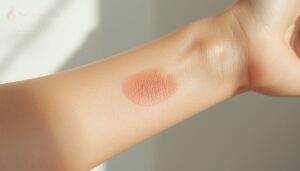
That patch of skin didn’t just get irritated. It got physically removed, and that’s a different kind of injury. Here’s what to look for, and where it usually shows up.
Raw, Shiny Skin Patches
A glassy patch is your first clue something’s wrong. Ripped skin from waxing looks smooth and shiny where normal texture should be, with sharp edges where healthy skin meets the wound.
If waxing keeps leaving your skin torn or irritated, switching up your routine with these bikini area razor burn prevention tips might spare you the damage altogether.
Look for:
- Light-reflecting sheen
- Pink to red tissue
- Well-defined borders
- Thin, fragile surface
This happens when your skin barrier loses its outer layer, kicking off the healing timeline immediately. Applying a cool compress after waxing can help reduce irritation and sensitivity while the skin begins to heal.
Redness, Oozing, or Bleeding
Once that shiny patch appears, watch what comes next. Clear, watery fluid is serosanguinous drainage, a normal healing sign. Thick, milky discharge signals infection, needing antibiotic ointment.
Bright cherry-red blood pooling fast points to arterial bleeding, apply firm pressure. Slower oozing from small vessels is gentler. Spreading redness or heat means trouble, consider hydrocolloid bandages and moisture barrier cream.
Wax Burn Versus Skin Lifting
Not all wax injuries are the same, and knowing which one you have changes your care plan.
Wax burn is heat damage. Skin lifting pulls the top layer off with the hair.
Both hurt. Both leave marks. Both need:
- Cool compresses
- A protected skin barrier
- No picking
- Sun avoidance
Either way, that top layer’s job was protecting you. Now it’s your turn.
Commonly Affected Body Areas
Some spots take the brunt more than others. Eyebrow and Upper Lip skin lifts easily since it’s thin and nerve-dense. Underarms and the Bikini Line face coarse hair and friction.
Oddly, Hands account for most wax burns, 76% of cases. Knowing your commonly affected body areas helps you plan smarter postwaxing care and speed up skin trauma recovery.
How to Heal Ripped Skin From Waxing
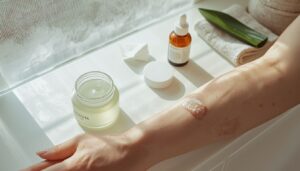
Raw skin needs gentle care in the first few hours. The right steps now can speed healing and lower your risk of scarring. Here’s exactly what to do, in order.
Rinse Gently With Cool Water
Water can heal or harm here, so timing matters. Wait at least 8 hours before any rinse, using water between 60°F and 70°F. Skip soap for 12–24 hours.
If your scalp still feels tight or itchy once that waiting period ends, this guide on soothing an itchy scalp after dyeing your hair offers gentler ways to find relief without scratching.
- Pour water parallel to skin
- Limit rinsing to 30–60 seconds
- Pat dry, never rub
- Air-dry 5 minutes after
This protects your skin barrier and calms inflammation naturally.
Apply a Wrapped Cold Compress
Once you’ve rinsed, cold is your next best friend. Wrap a gel pack in a clean cloth and apply for 5-10 minutes, within the first two hours.
Never let ice touch skin directly. Reapply every 1-2 hours if sensitive, up to 48 hours. Stop if skin feels numb or turns pale.
Protect With Plain Petroleum Jelly
Once your skin is cool and dry, reach for plain petroleum jelly. It forms an occlusive barrier that seals in moisture and blocks out bacteria, cutting infection risk while raw skin heals.
Apply a thin layer, don’t rub it in. This helps the wound healing process by keeping the surface soft, protected, and ready to repair itself naturally.
Cover Areas Prone to Friction
Certain spots rub against clothes all day, and that friction can reopen healing skin fast.
For the bikini line, use a sterile bandage or wider hydrocolloid patch. Underarms need smaller, flexible sizing. Facial areas do best with breathable coverage. Inner thighs benefit from layering: a moisture barrier cream under the patch. Choose loose cotton clothing to reduce rubbing wherever you’re covered.
Avoid Touching or Picking Skin
Your fingers are the biggest threat to healing skin. That’s the hands off rule: picking reopens wounds, delays healing, and spreads germs from your hands.
Keep nails away from scabs or lifted patches. Wearing gloves or keeping hands busy can block finger access when urges hit. Avoid mirrors that trigger picking. Undisturbed skin heals faster and lowers infection risk.
Best Products for Healing Waxed-Off Skin
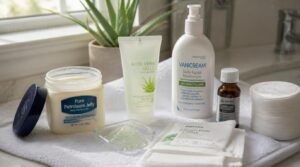
The right products can speed up healing and lower your risk of scarring. Not everything in your bathroom cabinet is safe for raw skin, though. Here’s what to reach for, and what to skip, while your skin heals.
Barrier Ointments for Skin Repair
Think of barrier ointments as a bandage in a jar.
Petroleum jelly seals in moisture and blocks out germs. Zinc oxide and dimethicone work the same way, coating raw skin so it can rebuild underneath.
Apply a thin layer two to three times daily. It stays put for hours, even after washing, so your skin gets steady protection while it heals.
When to Use Aloe Vera
Once your skin isn’t raw anymore, aloe vera earns its spot in your routine.
Aloe vera gel cools inflammation and locks in moisture while your skin barrier rebuilds.
Rules for safe use:
- Wait until oozing stops
- Choose 100% pure gel
- Skip fragrance or alcohol
- Patch test on your arm
- Wait 24 hours first
Apply thin layers once skin closes, not on open wounds.
Products and Ingredients to Avoid
Not every product on your shelf is safe for damaged skin.
Avoid fragrance, alcohol, and formaldehyde resins. These irritate open skin fast.
Skip strong exfoliants and retinoid-based creams until fully healed.
| Ingredient | Risk | Better Choice |
|---|---|---|
| Fragrance/Parfum | Irritation | Fragrance-free lotion |
| Formaldehyde Resins | Allergic reaction | Calendula cream |
| Exfoliating Acids | Stinging, redness | Plain petroleum jelly |
Read labels closely. Earlier ingredients mean higher concentrations.
Care for Blisters and Scabs
Blisters need a light touch. Wash your hands first, then clean the area with soap and water.
Leave the roof intact if it breaks, it guards against infection. Pat dry, apply antiseptic, and cover with a loose bandage.
For scabs, dab on petroleum jelly and keep the area covered. Moist wound care actually heals faster than letting scabs dry out.
Sunscreen After Skin Closes
Once skin fully closes, sunscreen becomes non-negotiable. Choose a mineral sunscreen SPF 30 or higher with zinc oxide, fragrance-free to avoid stinging.
Apply broad-spectrum protection daily, reapplying every two hours outdoors. Water-resistant formulas hold up during sweat or swimming.
This step helps skin barrier repair and moisture retention, guarding against dark spots long after healing finishes.
Waxing Skin Injury Healing Timeline and Warning Signs
Healing looks different for everyone, and that’s normal. Knowing what to expect helps you stay calm instead of worried. Here’s what to watch for at each stage.
Healing Timeline by Injury Severity

Not all wax injuries heal at the same pace.
Mild cases (redness only) calm within 24-48 hours.
Moderate cases with blisters or shallow wounds need 1-3 weeks for skin repair.
Severe cases, deep abrasions, take 3-6 weeks for full healing.
Friction, picking, or sun exposure delays healing further, so protect the area throughout your timeline.
Signs Your Skin is Healing
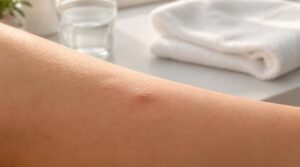
Once the inflammatory response settles, your skin sends clear signals it’s on the mend.
Look for:
- Reduced redness and less swelling day by day
- Crusting formation that stays dry, not wet
- Clear drainage only, never thick or yellow
Less tenderness and gradual skin closure mean epidermal regeneration and collagen synthesis are doing their job.
Warning Signs of Infection
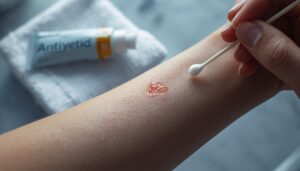
Even while healing goes well, stay alert for trouble. Watch for redness spreading past the original patch, or warmth increasing at the site. Pus drainage, especially yellow or cloudy, is a red flag.
Pain worsening instead of easing, or a fever developing, both signal infection. Dab antiseptic solutions on early, and don’t skip antibiotic ointment if your esthetician recommends it.
When to Seek Medical Care

Not every wax rip heals on its own. Trust your gut, and check for these signs:
- No improvement within 48 hours
- Blisters, deep tissue damage, or third-degree signs
- Diabetes, chemotherapy, or immunosuppressant use
- Wound lasting past 4 weeks (chronic wound)
- Burns over 3 inches wide
When in doubt, get dermatological care. Better safe than scarred.
Preventing Dark Marks and Scarring

Dark marks aren’t inevitable, they’re often preventable. Keep the area covered from sun and skip picking scabs, since they guard healing tissue. Use fragrance-free petroleum jelly for a moist wound environment, avoiding Neosporin if it’s new to you (allergy risk).
| Do | Skip | Why |
|---|---|---|
| Sunscreen | Sun exposure | Prevents darkening |
| Petroleum jelly | New antibiotics | Avoids allergens |
| Leave scabs | Picking | Reduces scarring |
How to Prevent Ripped Skin During Future Waxing

Healing is only half the story. The real win is not going through this again. Here’s how to protect your skin before your next appointment.
Healing is only half the story; the real win is preventing it from happening again
Pause Retinoids and Exfoliating Acids
Retinoids and exfoliating acids thin your skin fast. Stop both at least 7 days before waxing.
Watch for stinging or flaking, those mean your skin needs more time. Alternate actives on off-days instead of stacking them.
This break lets your barrier recovery finish before wax touches skin again, lowering your risk of tearing or lifting during your next appointment.
Check Wax Temperature and Technique
Your skin’s ready. Now check the wax itself.
Hard wax works best around 140°F, glossy like peanut butter. Too runny or dripping means it’s overheated.
What good technique looks like:
- Wax rolls off the spatula slowly
- Strips pull parallel to skin, never upward
- Technician stirs wax evenly before applying
Skill gaps show up as skin damage. Ask questions before your service starts.
Avoid Rewaxing The Same Area
Good technique matters, but timing matters just as much. Going over the same patch twice strips skin fast.
| Do | Don’t |
|---|---|
| Wait 4-6 weeks | Rewax same day |
| Use tweezers for strays | Reapply wax to bare skin |
| Check hair length first | Rush a second pass |
Never double-wax one spot. Use tweezers instead.
Hydrate Skin Before Waxing
Timing isn’t the only factor. Well-hydrated skin resists tearing far better than dry skin does.
Start prepping days ahead, not hours. Drink water daily and apply a lightweight moisturizer, skipping heavy creams right before your session. Thick products block wax adhesion and leave residue behind.
Come in with clean, hydrated skin. It helps a stronger barrier and smoother wax release.
Wait Until Skin Fully Heals
Booking another session too soon undoes all your prep work. Give damaged skin its full epithelial healing before rewaxing, usually two to four weeks depending on severity.
Rushing back interrupts the tissue regeneration period and invites repeat tearing in the same weak spot. Check for smooth, even-toned skin with no tenderness. That’s your green light for barrier protection to hold strong.
Frequently Asked Questions (FAQs)
What to put on a skin tear from waxing?
Start with a cold compress, then rinse using a fragrance-free cleanser. Apply petroleum jelly or aloe vera gel, and cover raw spots with a hydrocolloid bandage for faster, cleaner healing.
Why is my wax ripping my skin off?
Funny how the same wax can behave differently spot to spot. Usually it’s wax that’s too hot, retinol-thinned skin, dryness, technician skill gaps, or pulling wrong, all raising your risk of skin trauma.
Does vaseline heal wax burns?
Yes, but timing matters. Vaseline works best as aftercare, not first aid. Once you’ve cooled and cleaned the area, a thin layer locks in moisture, protects your skin barrier, and helps healing without trapping heat underneath.
How to heal skin damage from waxing?
Damaged skin heals best with a calm, simple routine: rinse with cool water, apply a cold compress, protect with petroleum jelly, keep it fragrance-free, and shield from sun until fully closed.
How to correct impacted ear wax?
Skip cotton swabs, they pack wax deeper. Try softening drops (saline or glycerin) first, then let a clinician handle manual removal or irrigation. Persistent blockage, pain, or failed attempts mean it’s time for medical referral.
How long does skin ripped from waxing take to heal?
That "little wax mishap" usually mends within one to two weeks. Minor stripping often clears in about a week, while deeper tears need longer. Watch for fading redness, that’s your skin barrier rebuilding and inflammation calming down naturally.
Can waxing cause tearing or ripping of the skin?
Absolutely, it can. Wax temperature, poor technique, thin or sensitive skin, and recent retinol use all raise your risk of a skin tear or wax burn during removal.
How long does ripped skin from wax take to heal?
Most minor tears heal in 3 to 7 days, while moderate lifts take 1 to 2 weeks. Severity, aftercare, and infection prevention all affect your skin regeneration timeline, so watch closely and keep the area clean.
How to fix damaged skin from waxing?
Rinse the area with lukewarm water, then apply antibiotic ointment or aloe vera gel. Moisturize with fragrance-free lotion. Skip sun exposure, makeup, and tight clothing until skin fully heals to prevent irritation.
What do you put on raw skin after waxing?
Before reaching for anything, think about what your skin actually needs. Start with a cold compress, then layer aloe vera gel, followed by petroleum jelly. Skip antibiotic ointment unless your esthetician recommends it.
Conclusion
A tiny nick heals in a day. A deep tear can take two weeks. That gap is exactly why how to heal ripped skin from waxing depends on paying attention early, not guessing later.
Rinse with cool water, apply a barrier ointment, and leave the area alone. Skip retinoids before your next appointment and check the wax temperature first. Your skin remembers how it’s treated. Treat it gently now, and it will thank you with a calm, smooth finish.