This site is supported by our readers. We may earn a commission, at no cost to you, if you purchase through links. This content is for general informational and educational purposes only and is not a substitute for professional medical, dermatological, or nutritional advice.
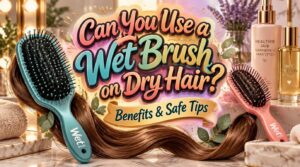
The name fools a lot of people. A wet brush works on dry hair, and in many cases it works better than the brush sitting in your drawer. Those flexible bristles bend around knots instead of ripping through them, so strands glide apart instead of snapping.
That matters because dry hair is fragile hair. Yank a tangle with a stiff brush and you lift cuticles, invite frizz, and lose length to breakage. Below, you’ll find exactly how to use a wet brush on dry hair, the benefits you can expect, and the technique that protects every strand.
Table Of Contents
- Key Takeaways
- Can You Use a Wet Brush on Dry Hair?
- Benefits of Using a Wet Brush on Dry Hair
- How to Use a Wet Brush on Dry Hair Safely
- Is a Wet Brush Suitable for Your Hair Type?
- Wet Brush Vs. Regular Brush for Dry Hair
- Frequently Asked Questions (FAQs)
- What kind of brush do you use on dry hair?
- Is a Wet Brush only for wet hair?
- What is better than a Wet Brush?
- Is it better to brush your hair dry or wet?
- How often should I clean my wet brush?
- Can a wet brush cause static on dry hair?
- Do wet brushes work on thick, coarse hair?
- Can I use a wet brush on dry extensions?
- Should I replace my wet brush regularly?
- Conclusion
Key Takeaways
- A wet brush works on dry hair because its flexible bristles bend around tangles instead of forcing through them, reducing breakage and frizz regardless of whether hair is wet or dry.
- Dry hair lacks the natural slip that water provides, so technique matters more: always start at the ends, work upward in small sections, and add a light mist or leave-in conditioner when strands start to catch.
- The flexible bristle design keeps cuticles flat and reduces friction, which directly improves shine, minimizes frizz, and distributes products more evenly across every strand.
- A wet brush outperforms a regular brush on dry hair for nearly all hair types — including fine, curly, coily, and extension-wearing hair — because stiff bristles snag and pull while flexible ones glide.
Can You Use a Wet Brush on Dry Hair?

Why limit your wet brush to wash days? It works just as well on dry hair, and for good reason. The flexible bristles that make it so gentle on wet strands don’t suddenly become rigid when the water’s gone.
If your strands are feeling brittle from heat styling or color treatments, these tips for restoring dry, brittle hair pair perfectly with gentle brushing habits.
The key difference is friction and slip. Wet hair has water acting as a natural lubricant. Dry hair doesn’t, so tangles can catch more easily if you’re not careful. That doesn’t make dry brushing off-limits, but technique matters more without that extra slip.
A wet brush is built for gentle brushing through knots without snapping strands. That same flexible design still helps with hair breakage prevention on dry hair. You just need to work a little more mindfully.
Benefits of Using a Wet Brush on Dry Hair
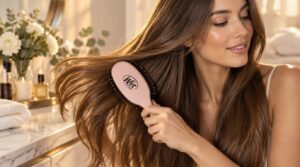
Using a wet brush on dry hair comes with real, noticeable benefits. It’s not just about detangling — it affects breakage, frizz, shine, and more. Here’s what you can expect when you make the switch.
Gentle Detangling
Bristles on a wet brush flex around tangles instead of forcing through them, and that’s what makes hair detangling feel so much smoother.
Start from the ends and work upward in short, deliberate strokes. Adding a little detangling spray gives your hair enough slip so the brush glides through without snagging, keeping gentle brushing comfortable even on very dry hair.
Less Breakage
That smoother glide directly helps hair breakage reduction. When hair doesn’t snag and jerk mid-stroke, fewer strands snap. Dry hair loses some elasticity, so high-force pulling puts real stress on the weakest points along each shaft.
Less friction means strands glide apart rather than prying apart. That naturally protects hair strand integrity, especially at the fragile ends where damage concentrates.
Reduced Frizz
Less breakage sets you up for less frizz, too. Dry hair creates friction, and friction lifts the cuticle. That’s what makes strands stand up and look fuzzy.
Keeping the cuticle smooth and sealed is where nourishing oils come in, and olive oil for colored hair is a great option when you choose extra virgin.
A wet brush glides through dry hair with less snagging, so fewer edges get raised. Add a spritz of water for extra slip. You’ll get smoother, frizzfree results with tanglefree styling.
Improved Shine
Brushing damp-feeling strands does more than detangle. A wet brush glides instead of dragging, so cuticles stay flat and light bounces back cleanly. That’s hair shine enhancement in action. You’ll see the biggest glow right after brushing, before moisture evaporates.
Hair smoothing also tames frizz, so your hair reads frizzfree and glossy, especially where it’s healthy and intact.
Even Product Distribution
Spreading product evenly gets easier with a wet brush. Its flexible bristles glide through damp or dry hair, carrying your product across more strands instead of letting it sit in one spot.
Work in small sections and re-brush after each one relaxes. This keeps your hair product distribution consistent, so your hair care routine delivers smooth, even results every time.
Minimal Scalp Discomfort
Here’s a surprise: studies on traction show repeated pulling, not brushing itself, drives most scalp soreness. That’s why your wet brush feels kinder on dry hair. Its bristle flexibility bends when hair catches, so force never levers against your roots.
Repeated pulling, not brushing itself, causes most scalp soreness, so a flexible wet brush protects your roots
If you have a sensitive scalp, use light strokes, treat it like a scalp massage, and you’ll avoid hair breakage.
How to Use a Wet Brush on Dry Hair Safely
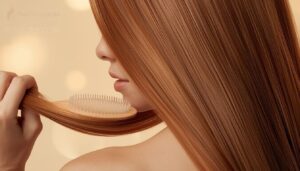
Yes, you can use a wet brush on dry hair. But technique matters if you want to protect your strands. Here’s how to do it the right way.
Start at The Ends
Your ends tangle first, so that’s where your brush should start. Always start at the ends and work upward in short strokes. This keeps tension low and stops knots from sliding down the hair shaft.
Yank from the roots and you’ll tighten tangles and invite hair breakage. A patient brushing technique protects your hair elasticity, section by section.
Add Slip When Needed
Here’s the secret: your wet brush works on dry hair only if strands glide. When a section starts catching, stop. Mist that spot lightly with water or a leave-in, just enough for hair friction reduction without turning your dry hair damp.
Targeted slip protects hair elasticity, so you can detangle hair in fewer passes, not more.
Brush in Small Sections
Small sections are your best defense against breakage. Why? Because each pass covers fewer knots, so you pull less.
- Divide hair into four to six rows.
- Clip everything else away.
- Detangle hair from that first snag point outward, then move on.
This brushing technique keeps friction targeted. Clear your brush between sections, and gentle hair brushing becomes easy hair damage prevention.
Is a Wet Brush Suitable for Your Hair Type?

The short answer is yes, for almost everyone. Wet brushes are gentle enough for all hair types, from fine strands to tight coils. Below, you’ll find guidance for your specific hair, including extensions and wigs.
Fine or Damaged Hair
Two things matter most here: hair type and condition.
Fine hair tangles fast, so use light, short strokes and fewer passes to avoid hair breakage.
Damaged hair has weak spots, so gentle hair brushing on dry strands means starting at the ends and adding slip when needed.
Fewer passes protect hair elasticity improvement over time.
Curly or Coily Hair
Curly hair and coily hair need a different approach than fine hair. Your coils shrink when dry, so a Wet Brush can catch at the roots.
Use your hair detangling method in small sections, working with the coil direction, not straight down. Add a little water or leave-in at tangles. That slip makes dry hair easier to separate with less tugging.
Extensions and Wigs
Extensions and wigs need extra care on dry hair. Check your attachment method first.
Never brush directly over bonds, tape, or wefts. Use your detangling method in small sections, holding the base steady so tension stays off the attachment points.
Keep hair brushing technique gentle and brief, since frequent sessions can loosen bonds. A water-based detangler adds slip without sticky residue.
Wet Brush Vs. Regular Brush for Dry Hair
So which brush wins on dry hair? A wet brush usually does. Its elastic bristles flex around knots instead of dragging through them. A regular brush has stiffer, tightly packed bristles made for styling already-smooth hair, so it catches and tugs.
Here’s the quick comparison:
| Feature | Wet Brush | Regular Brush |
|---|---|---|
| Bristles | Soft, flexible | Stiff, firm |
| On tangles | Glides through | Snags and pulls |
| Breakage risk | Lower on dry hair | Higher on dry hair |
| Best use | Detangling, damp or dry | Styling smooth hair |
Keep in mind, no brush replaces moisture. On very dry, brittle strands, even a gentle hair detangling method has limits. Add a little leave-in or water, use light strokes, and your ends will thank you.
Frequently Asked Questions (FAQs)
What kind of brush do you use on dry hair?
For dry hair, use a brush with flexible bristles and wide spacing, like a wet brush. Soft bristles glide through knots instead of yanking. Add slip, start at your ends, and brush in small sections.
Is a Wet Brush only for wet hair?
No, it’s not. The name just means it’s designed to detangle hair when wet. You can absolutely use a wet brush on dry hair too. Its flexible bristles glide through knots either way, supporting hair health maintenance.
What is better than a Wet Brush?
Honestly? Nothing beats the right tool plus slip. A wide-tooth comb or flexible detangling brush often wins, especially with damp hair or leave-in, since lubrication, not the brush itself, prevents breakage.
Is it better to brush your hair dry or wet?
It depends on your hair. Wet hair detangles more easily with less snagging, but it stretches, so pulling causes breakage. Dry brushing adds friction. For most people, gentle wet detangling with slip wins.
How often should I clean my wet brush?
How often should I clean my wet brush? Think of a sponge left in the sink. Every 1–2 weeks, deep-clean it; pull out hair after each use. Visible product buildup or mustiness means wash now.
Can a wet brush cause static on dry hair?
Yes, it can. If your dry hair lacks moisture, brushing creates hair friction and builds static. Damp bristles help a little, but once they dry, repeated strokes reintroduce charge. Lighten pressure and add slip.
Do wet brushes work on thick, coarse hair?
A knot is a locked door; your brush is the key. Wet brushes do work on thick, coarse hair. Their flexible bristles bend around tangles, so detangling feels easier and hair damage minimization improves.
Can I use a wet brush on dry extensions?
You can, but work gently. Start at your ends, use small sections, and add light leave-in for slip. Flexible bristles protect hair extensions, but snagging at bonds causes breakage and blocks tanglefree hair.
Should I replace my wet brush regularly?
Should you replace your wet brush regularly? Think of a worn brush like a tired paintbrush, dragging instead of gliding. Swap it when bristle flexibility fades, tips crack, or residue won’t rinse away. These hair maintenance tips keep brushing gentle.
Conclusion
Picture your hair falling smooth and loose after just a few careful strokes, no snagging, no wincing. That’s what the right tool delivers.
Yes, you can use a wet brush on dry hair, and it’s often the gentler, smarter choice. Those flexible bristles protect your strands instead of fighting them.
Start at the ends, work slowly upward, and add a little slip if needed. Your hair will feel the difference immediately.