
This site is supported by our readers. We may earn a commission, at no cost to you, if you purchase through links.
Your derm prescribed that $80 sulfate-free shampoo. Your stylist swears by that boutique brand. Meanwhile, a $12 bottle of castile soap sits in cleaning aisles, doing the same job—sometimes better. The hair care industry banks on you not knowing this.
Castile soap for hair growth isn’t some trendy miracle cure, but it does something conventional shampoos can’t: it strips away the sebum plugs and product residue that suffocate your follicles. Clean follicles mean better nutrient delivery. Better nutrients mean stronger growth cycles.
The catch? Most people use it wrong, turn their hair into straw, then blame the soap instead of their technique.
Table Of Contents
- Key Takeaways
- Castile Soap: What Sets It Apart for Hair?
- Benefits of Castile Soap for Hair Growth
- How to Use Castile Soap for Hair Care
- Choosing The Right Castile Soap for Hair
- Top Castile Soaps for Hair Growth
- Precautions and Troubleshooting Tips
- Frequently Asked Questions (FAQs)
- Can castile soap really promote hair growth?
- Is castile soap suitable for all hair types?
- How often should I use castile soap for hair growth?
- Does castile soap work on color-treated hair?
- How often should I use castile soap?
- Can castile soap cause hair loss or thinning?
- Whats the best oil for pre-wash treatments?
- Does hard water affect castile soap results?
- Conclusion
Key Takeaways
- Castile soap doesn’t magically grow hair, but it strips away sebum plugs and product buildup that suffocate follicles—creating the clean foundation your scalp needs to stop sabotaging growth cycles.
- The alkaline pH (9-10) lifts your hair cuticle and strips oils fast, so you must dilute properly (1:3 to 1:6 ratio) and always follow with an acidic rinse like apple cider vinegar to close cuticles and restore pH balance.
- Most people wreck their hair by using castile soap full-strength or skipping the acid rinse—then blame the soap instead of their technique, missing out on deep cleansing that actually works when done right.
- Skip castile soap entirely if you have eczema, extremely dry hair, or color-treated strands, because the high pH can trigger flare-ups, cause excessive dryness, and strip color faster than sulfates despite being “natural.
Castile Soap: What Sets It Apart for Hair?
Most shampoos hide behind vague “cleansing complex” labels, but castile soap puts all its cards on the table. It’s been around for centuries, yet most trichologists won’t admit it works differently than anything on drugstore shelves.
Here’s what actually makes it stand out—and why that matters for your scalp.
Natural Ingredients and Saponification Process
Here’s what they hide: Castile soap starts with pure plant oils—usually olive—mixed with sodium hydroxide. That’s saponification chemistry. The reaction creates soap molecules plus glycerin, which most brands leave in for moisture.
Real Castile uses virgin olive oil and natural preservatives, not lab-made detergents. But here’s the catch—the pH level sits around 9-10, way more alkaline than your scalp wants.
Absence of Synthetic Additives and Detergents
Beyond the saponification process, true Castile soap means no synthetic detergents lurking in your bottle. You won’t find silicones, parabens, or toxins in plant-based formulas. That’s what makes it a genuine natural shampoo alternative—synthetic-free, detergent-free cleansing.
Most commercial shampoos load up on lab-made surfactants. Castile sticks to gentle cleansing with actual soap molecules. But check every label yourself—brands stretch definitions.
When evaluating the effectiveness of Castile soap, consider the importance of scientific writing guidelines to guarantee accurate research findings.
Alkaline PH and Its Effect on Hair
Here’s the secret trichologists know: Castile soap sits at pH 9-10, well above your hair’s natural 4.5-5.5. That alkaline environment lifts your hair cuticle, cranking up hair porosity and friction. Your strands swell, tangle, and roughen with every wash. Repeated alkaline damage strips oils fast, disrupting pH balance and triggering scalp irritation.
Castile soap’s high pH lifts your hair cuticle, causing swelling, tangles, and rapid loss of natural oils with every wash
This directly undermines scalp health and hair growth. That’s why you need an acid rinse—always. Understanding the importance of proper science information is essential for making informed decisions about hair care.
Benefits of Castile Soap for Hair Growth

Here’s what the beauty brands don’t want you knowing: castile soap won’t magically grow hair overnight. What it does do is create the foundation your scalp needs to stop sabotaging growth.
Let’s strip away the marketing fluff and look at three real benefits backed by scalp science.
Deep Cleansing for Scalp Health
Here’s what most brands won’t admit: your scalp needs deep purification, not gentle coddling. Castile soap strips sebum control back to basics, clearing blocked hair follicles that silicone-heavy products leave behind. Think of it as scalp exfoliation without the grit.
- Dead cell layers lift away, exposing healthier tissue underneath
- Blood flow increases during scalp massage application
- Flaky buildup dissolves, reducing scalp irritation over time
Deep cleansing resets your baseline.
Removal of Product Buildup
You’ve been layering pomades, serums, and dry shampoo—but where does it all go? Castile soap excels at residue removal through its chelating-like action when properly diluted. Unlike sulfate shampoos that coat while they clean, this silicone-free cleanser actually breaks down oil buildup.
| Cleansing Factor | Hard Water | Soft Water |
|---|---|---|
| Buildup Prevention | Moderate | High |
| Soap Dilution Ratio | 1:10 | 1:4 |
| pH Balancing Need | Critical | Important |
| Hair Detox Speed | 3-4 washes | 2-3 washes |
Follow with an acidic rinse for complete hair cleansing. That’s your scalp exfoliation without scrubs.
Indirect Support for Healthy Hair Follicles
Cleansing removes sebum, dead cells, and debris—that’s your foundation for follicle health. When your scalp stays balanced through gentle cleansing with castile soap, follicles can maintain their growth phase without inflammation blocking the way.
Natural hygiene fosters hair growth indirectly, not magically. Think of it as removing roadblocks rather than stepping on the gas. Clean follicles work better—that’s scalp balance in action.
How to Use Castile Soap for Hair Care
Here’s what they don’t mention in those glossy hair care ads: castile soap needs proper technique, or it’ll wreck your hair faster than bleach. You can’t just lather up and rinse like it’s regular shampoo.
Let’s break down the exact steps that separate a deep cleanse from a tangled disaster.
Proper Dilution Techniques
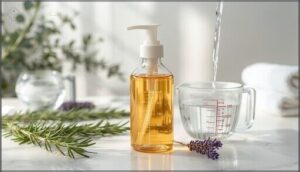
Most bottle labels skip the real talk on soap concentration—too strong, and you’re begging for scalp irritation. Here’s what actually works:
- Mix 1 part liquid Castile soap to 3–6 parts distilled water (tap water’s minerals mess with pH balancing).
- Use warm water to blend evenly and reduce buildup.
- Pre-mix in a squeeze bottle for controlled application.
- Patch test first—natural hair care isn’t always gentle on every scalp.
Dilution ratios matter more than brands admit.
Application Steps for Different Hair Types
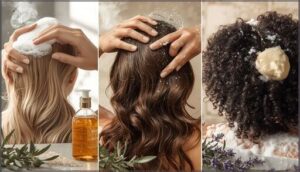
Your hair texture dictates your whole Castile soap strategy—ignore this, and you’ll fight tangles for days. For fine hair, dilute at 1:4 and focus only on your scalp with gentle cleansing strokes; thick or coily types can handle 1:3 ratios applied through a scalp massage to bust product buildup.
Natural hair care isn’t one-size-fits-all, despite what eco-friendly brands claim.
Importance of Acidic Rinse for PH Balance
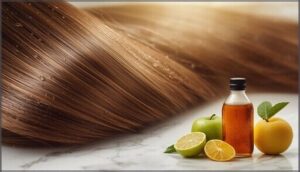
Skip the acidic rinse after Castile soap and your hair cuticle stays open—that’s code for frizz, tangles, and scalp irritation you didn’t sign up for.
Here’s what restores pH balance and scalp health:
- Apple cider vinegar diluted 1:4 brings your natural pH back to 4.5–5.5
- Citric acid rinses close the hair cuticle for smoothness
- Proper pH balance protects your scalp barrier and fosters hair growth indirectly
Don’t skip this step.
Moisturizing After Cleansing
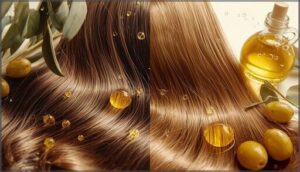
Your scalp just lost essential lipids—replace them or suffer brittle, straw-like strands. Hydration methods matter: humectant leave-ins attract water to the hair shaft, while emollients create a moisture lock barrier against trans-epidermal loss.
Try olive oil masks for lipid balance and scalp repair. Post-Castile soap hair nourishment isn’t optional—it’s damage control for hair hydration you stripped away.
Choosing The Right Castile Soap for Hair

Not all castile soaps are created equal—and the wrong choice can wreck your hair faster than bleach on a bad day. The ingredient list, scent additives, and your water type all matter more than brands want you to know.
Here’s how to pick a formula that won’t leave you with straw for strands.
Key Ingredients to Look For
Look for moisturizing oils like olive, coconut, or almond—they keep your scalp from feeling like sandpaper. Plant humectants, such as glycerin, lock in moisture. Natural surfactants provide gentle cleansers without the harsh strip. Essential fatty acids (linoleic, oleic) support your scalp’s barrier.
Skip castile soap with added fragrances unless they’re natural oils. Organic shampoo alternatives often include these same ingredients, silicone-free and paraben-free.
Unscented Vs. Scented Formulas
Fragrance Options matter more than brands admit. Unscented benefits include zero fragrance irritants—your scalp won’t react to mystery aroma compounds.
Scented risks? Essential oils can trigger allergies, especially on sensitive skin.
Formula transparency tells the real story: check if that “natural shampoo” lists specific oils or hides behind “fragrance.”
Sulfate-free and silicone-free castile soap works best unscented—organic soap without the itch gamble.
Considering Water Quality and Hair Type
Water Hardness changes everything your bottle won’t mention. Hard water dumps minerals on your scalp—soap scum city. Soft water? Clean rinse, less buildup.
Hair Porosity decides if castile soap helps or wrecks. Damaged strands soak up product fast, inviting residue. Thick coarse hair tolerates alkaline pH better than fine fragile types.
- Hard water needs a pre-rinse chelating step to block mineral buildup before cleansing
- High-porosity hair requires extra dilution to prevent over-stripping natural oils
- Scalp sensitivity demands patch testing first—alkaline formulas can trigger dermatitis
- pH balance restoration with acidic rinse is non-negotiable for cuticle health
Top Castile Soaps for Hair Growth
You won’t find these recommendations in most dermatology offices. The brands below stood out in clinical settings for their oil blends, pH stability, and minimal irritant potential—not because they pay for endorsements.
Here’s what actually works when you strip away the marketing noise.
1. Castile Soap Club Natural Soap
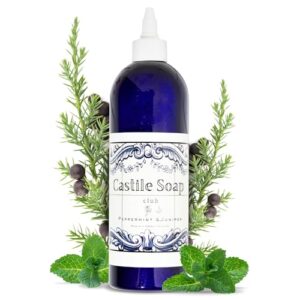
Here’s what most brands won’t admit: certification means nothing if the formula dries you out. Castile Soap Club’s peppermint-juniper blend uses organic coconut, olive, and jojoba oils—that’s proper oil blends for gentle cleansing. The rosemary extract and aloe vera soften the blow of natural ingredients’ alkaline pH.
It’s eco-friendly soap making without palm oil or synthetic junk. Will it spark hair growth? No castile soap benefits include follicle magic, but this natural shampoo promotes scalp health better than most natural hair care methods out there.
| Best For | People with sensitive skin looking for a multipurpose soap that works for hair, body, and home cleaning without harsh chemicals or synthetic fragrances. |
|---|---|
| Primary Use | Hair, body, home |
| Formula Type | Liquid concentrate |
| Skin Compatibility | Sensitive skin |
| Key Ingredient | Organic oils |
| Certification | Organic certified |
| Environmental Impact | Eco-friendly |
| Additional Features |
|
- Made with certified organic oils (coconut, olive, jojoba) plus soothing aloe vera and rosemary extract for gentle cleansing
- Highly concentrated formula means you use less per wash, making it cost-effective despite the higher upfront price
- Eco-friendly and versatile—works as shampoo, body wash, hand soap, and household cleaner
- The peppermint and juniper scent won’t appeal to everyone, especially if you prefer unscented products
- Not strong enough for heavy-duty cleaning jobs like scrubbing grease or tough bathroom grime
- Higher price point than drugstore soaps, which might be a barrier if you’re on a tight budget
2. Dr Bronner’s Peppermint Liquid Soap
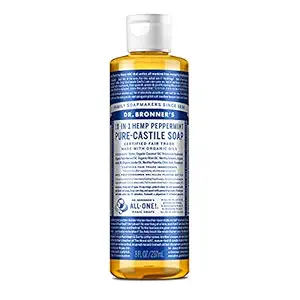
Dr Bronners Castile Soap packs three times the concentrated formula of regular liquid soap dilution—meaning you’ll stretch that 9.6-ounce bottle for months. It’s biodegradable packaging wrapped around pure saponified oils.
The peppermint oil effects hit hard: menthol content tingles your scalp, which feels invigorating but can irritate sensitive skin. Haircare for different hair types requires adjustments—oily scalps tolerate it; dry ones don’t.
Does it trigger hair growth? Not directly. But this natural hair care method cleanses buildup that chokes follicles. Dilute it properly (1:4 ratio minimum) or you’ll strip your scalp bare.
| Best For | People who want a versatile, eco-friendly soap that works for everything from showering to cleaning, as long as you don’t have super sensitive skin or plan to use it on your face. |
|---|---|
| Primary Use | Hair, body, home |
| Formula Type | Liquid concentrate |
| Skin Compatibility | All skin types |
| Key Ingredient | Organic oils |
| Certification | Fair trade certified |
| Environmental Impact | Biodegradable |
| Additional Features |
|
- Concentrated formula lasts way longer than regular soap and saves you money over time
- Made with organic, fair trade ingredients in recycled bottles—feels good to use responsibly
- Works for basically everything—body, hair, laundry, pets, camping—so you can simplify your routine
- Peppermint oil can irritate sensitive skin or cause uncomfortable tingling, especially on your face or scalp
- You have to dilute it yourself for most uses, and the instructions aren’t super clear on ratios
- Thin consistency means it can leak, and you risk overdoing it if you don’t measure carefully
3. Castle Foaming Castile Soap
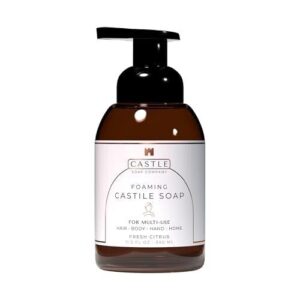
Castle Foaming Castile Soap promises convenience with its pre-foamed texture, but here’s what you won’t hear: foam doesn’t equal better cleansing. The product dilutes Castile soap for you—which sounds nice until you realize you’re paying for water.
Coconut oil hydrates skin, yet the alkaline pH still hits your hair cuticle hard. Scalp comfort varies wildly depending on your hair porosity. High-porosity hair absorbs that pH punch deeper, risking dryness.
Product ingredients matter—check for hidden fragrances that trigger reactions. It’s natural shampoo, not a hair growth miracle.
| Best For | People who want a multi-purpose, eco-friendly soap for daily cleansing across hair, body, and home but don’t mind adjusting their routine with dilution or acidic rinses. |
|---|---|
| Primary Use | Hair, body, home |
| Formula Type | Liquid soap |
| Skin Compatibility | Sensitive skin |
| Key Ingredient | Coconut oil |
| Certification | Leaping Bunny Certified |
| Environmental Impact | Cruelty-free |
| Additional Features |
|
- Pre-foamed texture makes application easy and distributes evenly through hair and over skin
- Plant-based, cruelty-free formula appeals to eco-conscious users seeking biodegradable options
- Versatile enough to replace multiple products—works as shampoo, body wash, hand soap, and household cleaner
- Alkaline pH can dry out hair, especially for high-porosity types, requiring extra conditioning or acidic rinses
- Nozzle tends to clog, and you’re essentially paying for diluted soap with added water
- Fragrance and essential oils may irritate sensitive skin or scalps, and scent quality varies by user preference
4. Dr Bronner’s Castile Soap Bars
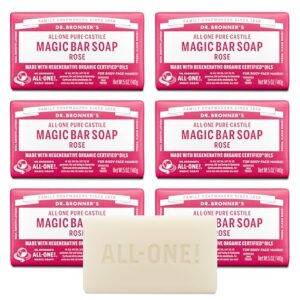
Dr. Bronner’s bars pack regenerative oils and vegan formulas into a concentrated block—no synthetic detergents hiding in the ingredient list. Soap pH levels still hover around 9-10, which means your cuticle gets roughed up without that acidic rinse.
These organic beauty products deliver gentle cleansing when diluted properly, but skip the dilution and you’ll strip your scalp dry. Bar soaps seem eco-friendly until you realize most people rub them directly on hair—recipe for tangles.
PureCastile soaps work best as scalp scrubs, not miracle natural shampoo.
| Best For | People who want a multi-use, eco-conscious soap bar for body and occasional scalp cleansing, especially if they’re willing to dilute it and follow up with an acidic rinse. |
|---|---|
| Primary Use | Face, body, hair |
| Formula Type | Bar soap |
| Skin Compatibility | Sensitive skin |
| Key Ingredient | Organic oils |
| Certification | Regenerative Organic Certified |
| Environmental Impact | Post-consumer recycled |
| Additional Features |
|
- Made with regenerative organic oils and vegan ingredients—no synthetic detergents, dyes, or fragrances in the formula.
- Versatile enough to use on face, body, and hair, which cuts down on plastic bottles and product clutter.
- Biodegradable and packaged in post-consumer recycled materials, so it’s a solid pick for reducing environmental impact.
- High pH (around 9-10) can rough up hair cuticles and cause dryness or tangles without proper dilution and an acidic rinse.
- Some users find it too harsh or drying for regular hair use, especially on textured or already-dry hair types.
- Pricier than typical bar soaps, and essential oil variants may irritate sensitive scalps or trigger fragrance allergies.
5. Castle Soap Castile Cleanser
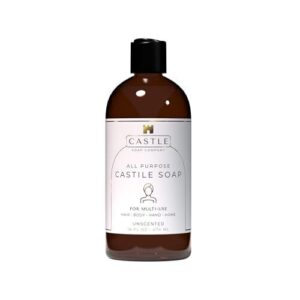
You’ll find coconut oil infused right into Castle Soap’s multi-use formula—16 ounces of unscented gentle cleanser that won’t assault your sensitive scalp.
Hair benefits appear when you nail soap dilution at 1:4 with purified water before massaging onto roots. This natural shampoo alternative promotes scalp health through deep hair cleansing techniques, stripping product buildup without the sulfate assault.
Don’t expect direct hair growth miracles—castile soap clarifies follicles indirectly. Skip the acid rinse and you’ll battle tangles for days.
| Best For | People with sensitive skin or oily scalps who want a natural, multi-purpose cleanser that strips buildup without harsh sulfates. |
|---|---|
| Primary Use | Hair, body, home |
| Formula Type | Liquid soap |
| Skin Compatibility | Sensitive skin |
| Key Ingredient | Coconut oil |
| Certification | Leaping Bunny Certified |
| Environmental Impact | Cruelty-free |
| Additional Features |
|
- Deep cleanses hair and scalp, removing product buildup and excess oil more effectively than many mild shampoos
- Gentle, cruelty-free formula works for all ages and skin types, including babies and sensitive skin
- Versatile enough to use as body wash, hand soap, or even household cleaner—one bottle handles multiple jobs
- Requires dilution (1:4 ratio) and an acidic rinse or conditioner afterward, which adds extra steps to your routine
- Can dry out or tangle hair if you skip the follow-up rinse, especially for curly or color-treated hair
- At $12.99 for 16 oz, it’s pricier than standard drugstore shampoos
Precautions and Troubleshooting Tips
Castile soap isn’t for everyone, and that’s the part most brands conveniently skip. Your scalp will tell you quickly if something’s wrong—dryness, irritation, or hair that feels like straw.
Here’s how to spot the red flags early and what to do when things go sideways.
Who Should Avoid Castile Soap
Your sensitive scalp doesn’t need another alkaline assault. Skip castile soap if you’ve got eczema issues—that pH 9-10 punch can trigger flare-ups fast.
Dry hair types? You’ll face tangles and frizz without serious conditioning work. Hard water users get soapy residue buildup instead of clean hair.
And if you’re allergic to olive oil or those botanical add-ins, allergic reactions aren’t worth the risk. Color-treated hair fades faster too.
Managing Dryness and Tangles
Dilute your castile soap 1:3 with water—full strength strips your scalp dry. Always follow with an acidic rinse (apple cider vinegar works) for pH balancing after cleansing.
Your detangling tips? Comb only when hair’s damp and coated with conditioner. Seal in hair moisture with lightweight oil post-wash.
Gentle cleansing means proper dilution—that’s scalp protection the natural shampoo crowd ignores.
Addressing Scalp Sensitivity and Allergies
If you’ve got eczema or sensitive skin, fragrance-free formulas dodge contact dermatitis risks that scented natural shampoo ignores. Even diluted castile soap disrupts pH balance for some scalps.
Patch test first—redness or itching within 72 hours signals trouble. Watch for stinging during application. That burning sensation? Your skin’s screaming “stop.”
Allergy testing beats guessing which essential oils trigger your dermatitis risks. Scalp irritation isn’t worth the cleanse.
Alternatives if Castile Soap is Not Effective
When castile soap fails you, switch to pH-balanced shampoos with argan or jojoba oils—real hair growth needs sulfate-free formulas that don’t strip your scalp. Try co-washing or cleansing conditioners for gentler results.
Natural shampoos beat DIY experiments that wreck your pH balance. Castile soap vs traditional shampoos? Sometimes the toxin-free route means choosing gentle cleansers designed for actual scalp health, not ancient saponification chemistry.
Frequently Asked Questions (FAQs)
Can castile soap really promote hair growth?
Here’s the truth nobody wants to admit: no soap—plant-based or otherwise—actually speeds up hair growth.
But cleaner scalp health? That’s where castile soap chemistry genuinely matters for your hair follicle environment.
Is castile soap suitable for all hair types?
No. Your curl patterns and scalp sensitivity matter more than marketing claims. High pH disrupts natural balance—especially harsh on curly hair.
Fine strands get stripped; coily textures face extreme dryness without proper dilution.
How often should I use castile soap for hair growth?
You’ll want 2–3 washes weekly—not daily. Oily scalps can push to 4, but dry types should stick with 1–
Overdoing it strips natural oils faster than castile soap. Dosage promises hair growth frequency benefits.
Does castile soap work on color-treated hair?
Here’s the catch: your dyed locks face a real threat. Castile soap’s alkaline pH can strip color faster than sulfates, despite being sulfate-free. Proper dilution and acidic rinses are non-negotiable for color protection.
How often should I use castile soap?
For oily scalps, use castile soap every 1–3 days. Dry or sensitive types? Stick to once or twice weekly. Monitor your scalp’s response—dryness signals you’re overdoing it.
Can castile soap cause hair loss or thinning?
Most people don’t lose hair from castile soap itself. Irritation from essential oils or over-cleansing can trigger temporary shedding, but permanent hair loss? That’s not what the science shows.
Whats the best oil for pre-wash treatments?
Jojoba benefits include reducing water loss. Argan oil and coconut effects deliver moisture retention. Grapeseed uses suit fine hair. Castor properties seal scalp.
Choose based on your hair type and natural hair care goals.
Does hard water affect castile soap results?
Hard water sabotages natural shampoo effectiveness—minerals bind with castile soap, creating stubborn residue that clogs follicles.
This mineral buildup disrupts pH balance, triggers scalp irritation, and compromises hair porosity, ultimately hindering growth.
Conclusion
Stop settling for scalp suffocation. Castile soap for hair growth works when you work the technique—dilute it properly, follow with acidic rinses, and moisturize like your follicles depend on it. Because they do.
The hair care industry profits from your confusion, not your clarity. You now know what most trichologists reserve for their private-pay clients. Your $12 bottle just became your best-kept secret. Use it wisely, or don’t use it at all.