This site is supported by our readers. We may earn a commission, at no cost to you, if you purchase through links. This content is for general informational and educational purposes only and is not a substitute for professional medical, dermatological, or nutritional advice.

Cold air holds less moisture than warm air—that’s basic meteorology, but your skin feels every degree of it. When temperatures drop, your face loses water faster than it can replace it, and the tight, flaky feeling that follows isn’t just discomfort.
It’s your barrier breaking down. Indoor heating pulls humidity out of the air around you, wind strips lipids from your skin’s surface, and snow reflects UV rays that most people never think to protect against in winter.
Choosing the right facial moisturizers for cold weather climates means understanding what’s actually happening to your skin—and matching the formula to the conditions, not the season.
Table Of Contents
- Key Takeaways
- 10 Best Facial Moisturizers for Cold Weather
- 1. Aquaphor Healing Ointment Skin Protectant
- 2. Illiyoon Ceramide Ato Concentrate Cream
- 3. La Roche Posay Lipikar Urea Lotion
- 4. MUDMASKY Winter Face Moisturizer
- 5. Elf Holy Hydration Face Cream
- 6. Cetaphil Aloe Soothing Gel Cream
- 7. Penaten Wind Weather Baby Cream
- 8. LOreal Paris Hydra Renewal Face Moisturizer
- 9. NIVEA German Formula Body Moisturizer
- 10. Dermatone Zinc SPF 30 Skin Protector
- Why Cold Weather Dries Facial Skin
- Best Ingredients for Winter Moisture
- Choose by Skin Type
- Winter Moisturizer Textures Explained
- Apply Moisturizer for Lasting Protection
- Frequently Asked Questions (FAQs)
- What is the best face moisturizer for cold weather?
- What face cream is good for cold weather?
- Which moisturizer is best for the face in winter season?
- How to keep face moisturized in cold weather?
- Can diet affect skin hydration in winter?
- Does sleep quality impact winter skin dryness?
- How does altitude affect facial moisture loss?
- Should you change moisturizers mid-season as needed?
- Can humidifiers replace the need for moisturizer?
- Conclusion
Key Takeaways
- Cold air, indoor heating, and wind work together to break down your skin’s barrier quickly, so your winter moisturizer needs to actively repair — not just sit on top.
- Ceramides, hyaluronic acid, and occlusives like petrolatum form the most effective trio for locking in moisture and shielding your face from harsh conditions.
- Texture matters as much as ingredients — ointments for cracked skin, creams for daily protection, and gel-creams for oily or acne-prone types each serves a different need.
- Apply your moisturizer on damp skin within three minutes of cleansing, layer smartly using the sandwich method, and don’t skip SPF 30 even on overcast winter days.
10 Best Facial Moisturizers for Cold Weather
Cold weather strips your skin fast, and the wrong moisturizer just won’t keep up.
Harsh grooming products make things worse too, so checking out beard shedding solutions and skin care tips can help you build a smarter winter routine.
After testing dozens of formulas across windy walks, heated offices, and freezing temperatures, these ten stood out for real, lasting results.
Here’s what actually works when the weather turns harsh.
1. Aquaphor Healing Ointment Skin Protectant
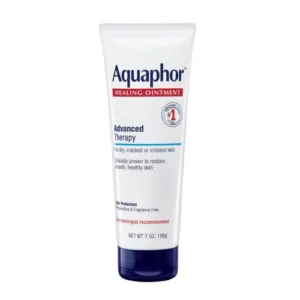
Aquaphor Healing Ointment is the kind of product dermatologists keep recommending because it genuinely works. Its 41% petrolatum base locks in moisture and shields skin from wind and cold without clogging pores.
Glycerin and bisabolol add hydration and calm irritation, while the fragrance-free, preservative-free formula makes it safe for even the most reactive skin.
Use it as an overnight facial mask or a protective layer before heading outside — it’s a quiet workhorse in any cold-weather routine.
| Best For | Anyone dealing with dry, cracked, or sensitive skin — especially people with eczema, rough heels, or irritated cuticles who want something dermatologist-trusted and no-fuss. |
|---|---|
| Price | $12.79 |
| Skin Type | Dry/Sensitive |
| Fragrance-Free | Yes |
| Texture | Thick Ointment |
| Net Weight | 7 oz |
| Cold Protection | Yes |
| Additional Features |
|
- Works as a true moisture barrier — petrolatum plus glycerin means skin stays hydrated without feeling stripped
- Fragrance-free and gentle enough for reactive or eczema-prone skin
- Way more versatile than it looks — overnight face mask, chapped lips, minor cuts, diaper rash, post-procedure care
- The thick, ointment texture isn’t for everyone — if you prefer a light lotion, this will feel like too much
- Lanolin alcohol can cause reactions for people with wool or lanolin sensitivities
- The squeeze tube can be a little awkward to dispense without overdoing it
2. Illiyoon Ceramide Ato Concentrate Cream
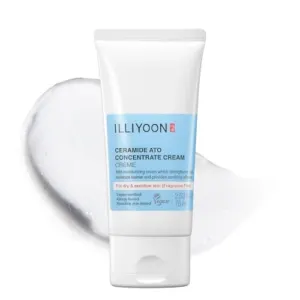
If Aquaphor feels too heavy for daytime wear, the Illiyoon Ceramide Ato Concentrate Cream hits a sweet spot. It combines ceramide NP, phytosphingosine, and cholesterol — ingredients that genuinely mimic your skin’s natural lipid structure — to repair a weakened barrier from the inside out.
Glycerin and squalane keep moisture locked in without grease.
It’s fragrance-free, gentle enough for sensitive skin, and clinically shown to reduce redness, flakiness, and tightness.
Think of it as quiet, steady barrier support through every cold day.
| Best For | Anyone with dry, sensitive, or compromised skin who wants real barrier repair without the heavy, greasy feel of thicker ointments. |
|---|---|
| Price | $14.99 |
| Skin Type | Dry/Sensitive |
| Fragrance-Free | Yes |
| Texture | Thick Cream |
| Net Weight | 2.82 oz |
| Cold Protection | Yes |
| Additional Features |
|
- Ceramide-rich formula actually mimics your skin’s natural lipids, so it repairs the barrier instead of just sitting on top of it
- Fragrance-free and gentle enough for babies, making it a solid pick for the whole family
- Clinically shown to cut redness, flakiness, and irritation — the numbers back up the claims
- The thick texture can feel like too much for oily or normal skin types, especially in warmer weather
- Not a good fit for fungal acne-prone skin, as the heavier formula can make things worse
- A small number of sensitive users have reported irritation despite the fragrance-free label, so patch testing is smart
3. La Roche Posay Lipikar Urea Lotion
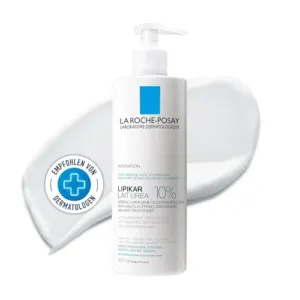
When your skin feels rough and almost sandpaper-like, not just dry, the La Roche-Posay Lipikar Urea Lotion is worth reaching for.
The 10% urea concentration does something most moisturizers can’t — it gently loosens dead skin buildup while pulling moisture in at the same time. Shea butter and allantoin support your barrier beneath the surface.
It’s fragrance-free, fast-absorbing, and priced at $22.99, making it practical for daily winter use, especially on rough patches at elbows or shins.
| Best For | Anyone dealing with seriously dry, rough, or bumpy skin — especially if keratosis pilaris or winter dryness is the culprit. |
|---|---|
| Price | $22.99 |
| Skin Type | Dry/Sensitive |
| Fragrance-Free | Yes |
| Texture | Fast-Absorbing Lotion |
| Net Weight | 0.01 oz |
| Cold Protection | Yes |
| Additional Features |
|
- The 10% urea actually works — it breaks down rough texture while locking in moisture at the same time
- Fragrance-free and gentle enough for sensitive skin, so it won’t cause irritation
- Shea butter and allantoin help rebuild your skin barrier, not just mask the dryness
- Some people notice a tacky film that takes a while to fully absorb
- It won’t do much for KP discoloration — texture may improve but dark spots tend to stick around
- The listed net weight seems off, which makes it tricky to judge the actual value per bottle
4. MUDMASKY Winter Face Moisturizer
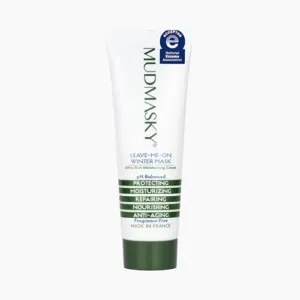
If rough, sandpaper texture is your concern, the La Roche-Posay manages that well — but what about days when your skin just feels exposed to the cold, drained of comfort?
That’s where the MUDMASKY Winter Face Moisturizer earns its place. It combines jojoba, squalane, and macadamia oil to form a real barrier against wind and low humidity, while Moroccan lava clay nourishes deeper.
The texture absorbs cleanly, leaves a matte finish, and won’t disrupt your makeup.
At $24, it’s earned its National Eczema Association seal too.
| Best For | Anyone with eczema-prone or chronically dry skin who needs a lightweight winter barrier that won’t feel greasy or mess with their makeup. |
|---|---|
| Price | $24.00 |
| Skin Type | Dry/Eczema-Prone |
| Fragrance-Free | No |
| Texture | Matte Cream |
| Net Weight | 1.69 oz |
| Cold Protection | Yes |
| Additional Features |
|
- Jojoba, squalane, and macadamia oil create a solid shield against cold, wind, and dry air without the heavy feel
- Matte finish means it works well under makeup or over sunscreen
- Carries the National Eczema Association Seal of Acceptance, so it’s been vetted for sensitive skin
- The 1.69 oz size is small — if you use it daily, you’ll be reordering pretty often
- Some users noticed a formula change that seemed to reduce how well it worked
- Contains natural fragrance and oils that could still irritate very reactive or allergy-prone skin
5. Elf Holy Hydration Face Cream
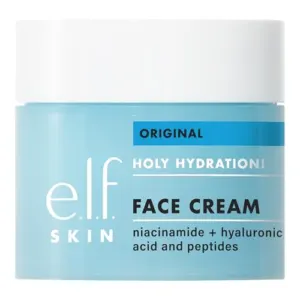
At under $14, the e.l.f. Holy Hydration Face Cream punches well above its price point.
Hyaluronic acid, squalane, and panthenol work together to pull moisture in and hold it there — all day, without that heavy, suffocating feel.
It absorbs quickly, layers cleanly under makeup, and won’t pill on your skin.
The formula is vegan, cruelty‑free, and fragrance‑free, making it a smart pick if your skin runs sensitive.
Just know it may not be enough alone on your driest winter days.
| Best For | Budget-conscious shoppers who want a lightweight, everyday moisturizer that works across skin types and plays nicely with makeup. |
|---|---|
| Price | $13.97 |
| Skin Type | All Types |
| Fragrance-Free | Yes |
| Texture | Lightweight Cream |
| Net Weight | 1.8 oz |
| Cold Protection | Partial |
| Additional Features |
|
- Packs hyaluronic acid, squalane, and niacinamide into a $14 cream that genuinely delivers on hydration
- Absorbs fast, layers well under sunscreen and makeup without pilling, and feels comfortable all day
- Vegan, cruelty-free, and fragrance-free — a solid pick for sensitive skin
- May fall short on very dry or winter-parched skin — you might need a richer cream on top
- The small tub makes it tricky to scoop out product, especially without a spatula
- Some batches carry a noticeable scent, which could be a problem if you’re fragrance-sensitive
6. Cetaphil Aloe Soothing Gel Cream
If your skin flares at the first sign of cold air, Cetaphil’s Aloe Soothing Gel Cream is worth keeping close. Aloe vera and 0.5% allantoin calm irritation fast, while glycerin draws moisture in without any greasy aftermath.
It’s fragrance-free, non-comedogenic, and dermatologist-recommended — reassuring if your skin is easily provoked.
The gel-cream texture absorbs quickly and layers cleanly under makeup.
One honest note: it can feel slightly tacky for the first 30 minutes, and very dry skin may need something richer alongside it.
| Best For | People with sensitive, reactive, or eczema-prone skin who want a lightweight, no-fuss moisturizer for daily use or post-sun recovery. |
|---|---|
| Price | $9.99 |
| Skin Type | Sensitive |
| Fragrance-Free | Yes |
| Texture | Gel-Cream |
| Net Weight | 16 oz |
| Cold Protection | Yes |
| Additional Features |
|
- Aloe vera and allantoin calm redness and irritation quickly — great for flare-ups
- Fragrance-free, non-comedogenic, and hypoallergenic, so it plays nicely with sensitive skin
- Absorbs fast and layers cleanly under makeup or sunscreen without feeling heavy
- Can feel tacky for up to 30–45 minutes after applying, especially without sunscreen on top
- Not quite rich enough for very dry or severely dehydrated skin on its own
- Some users notice an off-putting smell despite the fragrance-free label
7. Penaten Wind Weather Baby Cream
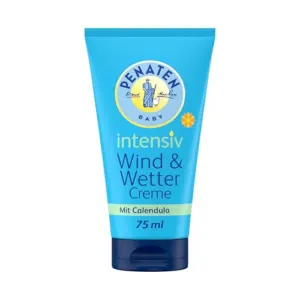
Penaten Wind Weather Baby Cream sounds like it’s strictly for the nursery — but don’t let the label fool you.
This 75 ml tube is formulated with calendula extract, glycerin, and lanolin to form a genuine barrier against wind and cold, making it practical for your face and hands on rough winter days.
It’s rich, so if you run greasy, apply sparingly.
Dermatologically tested for delicate skin, it’s a quiet workhorse that earns its place in a cold-weather routine.
| Best For | Parents with babies in cold, windy climates — and honestly, anyone with dry, chapped hands or a wind-beaten face who wants something that actually works. |
|---|---|
| Price | $8.99 |
| Skin Type | Baby/Sensitive |
| Fragrance-Free | No |
| Texture | Rich Cream |
| Net Weight | 75 ml |
| Cold Protection | Yes |
| Additional Features |
|
- Calendula extract and glycerin give it real staying power against cold and wind — not just a light moisturizer
- Dermatologically tested for sensitive skin, so it’s gentle enough for the whole family
- Compact 75 ml size is easy to toss in a bag for on-the-go use
- The formula is rich, which can leave a greasy residue — lighter skin types may find it too heavy
- Some buyers received containers that arrived unsealed, which is a legitimate concern
- The scent isn’t neutral, so fragrance-sensitive babies (or adults) might not love it
8. LOreal Paris Hydra Renewal Face Moisturizer
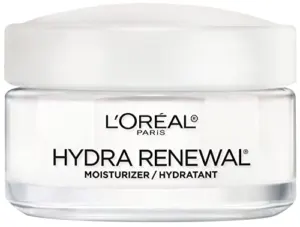
At around $6, the Hydra Renewal Face Moisturizer quietly punches above its price tag. Built around Pro-Vitamin B5 — a humectant that draws moisture into the skin and helps keep it there — this gel-cream absorbs fast and leaves a dewy, never-sticky finish.
It works well under makeup, morning and night, without balling up or clogging pores. Sensitive skin types generally tolerate it well.
Just know it won’t tackle deep lines, and extremely dry skin may need something richer, layered on top.
| Best For | Budget-conscious shoppers with dry or sensitive skin who want a simple, everyday moisturizer that works under makeup. |
|---|---|
| Price | $6.42 |
| Skin Type | Dry/Sensitive |
| Fragrance-Free | No |
| Texture | Gel-Cream |
| Net Weight | 1.7 fl oz |
| Cold Protection | Partial |
| Additional Features |
|
- Pro-Vitamin B5 pulls moisture in and keeps it there all day
- Absorbs fast, plays nice under makeup, and won’t clog pores
- At ~$6, it’s hard to beat for the daily hydration it delivers
- Won’t do much for wrinkles or deeper skin concerns
- Very dry skin types may find it too light on its own
- A small number of users have reported irritation or allergic reactions
9. NIVEA German Formula Body Moisturizer
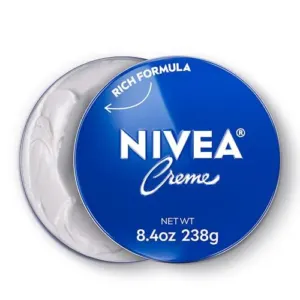
NIVEA’s German Formula is the kind of workhorse product that belongs in every winter skincare kit. Packed into a recyclable 8.4 oz tin at just $9.79, it combines glycerin, panthenol, and occlusive emollients to seal moisture in and keep dryness at bay.
The thick texture feels rich, going on but settles without heavy greasiness — ideal for rough elbows, heels, and hands.
That said, if your skin is oily or acne-prone, you’ll want something lighter for your face.
| Best For | Anyone with dry, rough, or sensitive skin who wants a no-fuss, affordable moisturizer that works hard — especially in cold or dry weather. |
|---|---|
| Price | $9.79 |
| Skin Type | All Types |
| Fragrance-Free | No |
| Texture | Rich Cream |
| Net Weight | 8.4 oz |
| Cold Protection | Yes |
| Additional Features |
|
- German-made formula with Provitamin B5 that actually delivers deep, lasting hydration
- Multi-purpose — works on your face, hands, feet, and body, so one tin does a lot
- Great value at $9.79 for 8.4 oz, and the recyclable metal tin is a nice touch
- Too heavy for oily or acne-prone skin, especially as a daytime face moisturizer
- Not vegan — contains animal-derived ingredients, which is a dealbreaker for some
- Has a light fragrance that could irritate people with sensitive or reactive skin
10. Dermatone Zinc SPF 30 Skin Protector
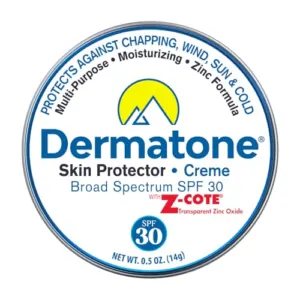
If you spend time outdoors in winter — skiing, hiking, or just braving a bitter commute — Dermatone Zinc SPF 30 is built for you.
Its formula combines zinc oxide, octocrylene, and octinoxate for broad-spectrum UVA/UVB protection, while 69.6% petrolatum forms a serious occlusive barrier against wind and cold.
The aloe base soothes chapped skin on contact.
At $7.99 in a pocket-sized tin, it’s water-resistant for 80 minutes and won’t freeze in the cold — a genuinely smart pick for active winter days.
| Best For | Skiers, hikers, and anyone who spends serious time outdoors in cold, windy, or sunny conditions and needs real protection in one compact tin. |
|---|---|
| Price | $7.99 |
| Skin Type | Dry/Sensitive |
| Fragrance-Free | No |
| Texture | Balm |
| Net Weight | 0.5 oz |
| Cold Protection | Yes |
| Additional Features |
|
- Mineral zinc oxide gives you solid broad-spectrum SPF 30 protection without harsh chemicals — great for sensitive skin.
- Water- and sweat-resistant for up to 80 minutes, so it holds up through a full run, ski run, or paddle.
- Tiny tin fits anywhere — jacket pocket, fanny pack, wherever — and the metal won’t crack or leak.
- Half an ounce goes fast if you’re out for multiple days or covering a lot of skin.
- Leaves a glossy finish after reapplication that some people find slick or uncomfortable.
- At $7.99, it’s pricier than your average lip balm, so stocking up adds up quickly.
Why Cold Weather Dries Facial Skin

Cold weather does more damage to your skin than most people realize, and it starts the moment temperatures drop. Several specific conditions work together to strip moisture from your face faster than your skin can replace it.
what’s actually happening beneath the surface.
Low Humidity and Moisture Loss
When humidity drops in winter, your skin’s evaporation rate climbs fast — and your barrier lipid depletion follows. Here’s what’s actually happening: These conditions also heighten low indoor humidity effects for electronics and wood.
- Dry air pulls water from your stratum corneum, triggering transepidermal water loss.
- Convective drying from wind accelerates microclimate moisture loss across your face.
- Humidity-induced tightness signals your barrier is struggling.
- Humectants such as aloe or hyaluronic acid, plus occlusive ingredients, support barrier repair and moisture lock in cold climates.
Indoor Heating and Barrier Disruption
Once you’re indoors, the dryness doesn’t stop — forced-air dryness and radiator humidity loss are real barrier disruptors. As your thermostat cycles, warm air repeatedly drops relative humidity, accelerating transepidermal water loss.
Ventilation infiltration pulls cold, dry outside air in, while dust resuspension effects irritate already-stressed skin.
Indoor heating dryness weakens skin barrier function fast, making occlusive ingredients and consistent barrier repair non‑negotiable.
Wind Exposure, Chapping, and Tightness
Step outside on a bitter day, and wind does more than chill you — it triggers wind-induced barrier breach, stripping lipids from your stratum corneum and accelerating transepidermal water loss quickly. That tight, sore feeling? That’s windburn symptom management territory.
Chapping mitigation strategies start with occlusive moisturizers, since protective occlusive layering seals what wind steals. Tightness soothing ingredients like ceramides and squalane restore your protective barrier before it worsens.
Snow Glare and Winter UV Stress
Wind strips your barrier — but winter sun quietly does more damage than most people expect. Fresh snow can reflect up to 90% of UV rays, meaning snow reflected UV rays hit your skin from below and above. UV Reflection off bright slopes intensifies UV protection in winter stakes considerably.
Watch for these Snow Glare Protection warning signs:
- Cheeks that redden faster that redden faster outdoors than indoor heating explain
- Skin tightness that worsens mid-morning on clear, snowy days
- Eye strain signaling you need Eye UV Shielding immediately
- Flushing that SPF 30 sunscreen and UV Index Monitoring could prevent.
- Windburn-like soreness that’s actually Snow Blindness Prevention territory — UV damage, not cold.
Signs Your Skin Needs Richer Moisture
Your skin will tell you when it’s had enough — you just have to listen. Persistent tightness after cleansing, flaky patches on your cheeks, and a dull complexion that no amount of sleep can fix are all signals your barrier is struggling with transepidermal water loss.
| Warning Sign | What It Means |
|---|---|
| Persistent tightness | Barrier can’t retain moisture |
| Flaky patches | Surface too dry to stay smooth |
| Dull complexion | Moisture loss affecting light reflection |
| Itchy irritation | Compromised skin barrier repair needed |
| Pronounced fine lines | Dehydration reducing skin plumpness |
During dry winter months, your dry skin needs richer moisture — not just more of the same formula.
Best Ingredients for Winter Moisture
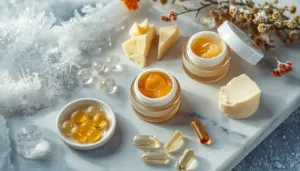
Not all moisturizer ingredients are created equal — especially when temperatures drop and your skin barrier starts working overtime. Knowing what to look for on the label makes choosing the right product a lot less guesswork.
Here are the key ingredients worth having in your corner this winter.
Ceramides for Barrier Repair
Think of ceramides as the mortar between bricks — without them, your winter skin barrier simply crumbles. These lipids sit in the stratum corneum, forming a protective skin coat that locks moisture in and keeps irritants out. Ceramide Delivery Systems and Lipid Ratio Optimization matter here — proper formulation ensures your skin actually absorbs them.
- Ceramide complex blends (types 1, 3, and 6-II) work together for true Barrier Lipid Synergy
- Undissolved ceramides can actually slow skin barrier repair — formulation stability challenges are real
- Ceramides paired with cholesterol and fatty acids speed recovery fastest
- A Ceramide Types Comparison shows each type targets different repair functions
- Winter skin barrier restoration works best when ceramides integrate fully into your skin’s lipid layer
Hyaluronic Acid for Surface Hydration
Hyaluronic acid is one of the hardest-working humectants in winter skincare — its Water Binding Capacity is genuinely impressive, drawing moisture into the Surface Gel Film it forms on your skin. Molecular Weight Impact matters here: higher weights hydrate the surface, while lower weights reach deeper.
Use a smart Layering Strategy — apply it damp, then seal with a cream for real lock in moisture and pH Stability.
Glycerin for Water Retention
Glycerin is the quiet workhorse of winter skin routines. As a humectant, it pulls water from the air and locks it into your outer skin layers — that’s real Evaporation Suppression at work.
Concentration Impact matters: higher levels improve the Moisture Retention Curve substantially.
Paired with ceramides, Humectant Synergy strengthens your skin barrier protection and Skin Penetration Depth ensures hydration that actually lasts.
Squalane for Lightweight Nourishment
Squalane might be the most underrated ingredient in winter skincare. This Plant‑Derived Oil — sourced from olives or sugarcane — is a Lightweight Emollient that mirrors your skin’s natural sebum, so it absorbs without greasiness.
Here’s why it earns a spot in your cold‑weather routine:
- Strengthens your protective barrier without clogging pores — it’s noncomedogenic
- Delivers Anti‑Inflammatory Benefits, calming redness and irritation
- Works beautifully in a fragrance‑free formula for Sensitive Skin Compatibility
- Pairs with a lightweight serum for layered hydration
- Offers impressive Shelf‑Life Stability, keeping formulas effective longer
Urea for Smoothing and Hydration
Urea doesn’t get nearly enough credit. At 10%, it delivers real keratolytic benefits — gently loosening dead skin cells while pulling moisture deep into your stratum corneum for genuine dry skin relief.
It’s part of your skin’s own NMF reinforcement system, meaning it works with your biology, not against it. Pair it with humectants such as aloe or hyaluronic acid, and your moisture barrier stays strong all winter.
Occlusives That Seal in Moisture
Once humectants pull water in, something has to keep it there. That’s where occlusives come in — they form a physical barrier film on your skin’s surface, slowing transepidermal water loss.
- Petrolatum vs Dimethicone — petrolatum builds the thickest, most extensive protective barrier; dimethicone offers silicone breathability with a lighter, non-greasy seal
- Shea butter benefits — nourishes and soothes while acting as a natural occlusive layer
- Occlusive layer timing — always apply last, over damp skin, to seal hydration rather than dryness
- Occlusives like lanolin or zinc oxide — deliver serious barrier film thickness for windburned or severely chapped areas
- Ceramides for barrier repair — work alongside petrolatum-based ointments to rebuild lipid structure from within
Choose by Skin Type
Not every moisturizer works the same way for every person — skin type shapes everything. What keeps dry, flaky skin comfortable all day can feel heavy and suffocating on oily or acne-prone skin.
Here’s how to find the right match for yours.
Very Dry or Flaky Skin
When your skin flakes and feels tight despite regular moisturizing, dry indoor heat is likely stripping your barrier faster than you can restore it. Look for ceramides for barrier repair, hyaluronic acid, and shea butter benefits in one formula.
Moisture-locking layers work best at night — nighttime hydration with gentle exfoliation helps smooth rough patches without irritation, supporting natural microbiome balance and deep hydration.
Sensitive or Redness-prone Skin
Flaky skin needs richness, but redness‑prone skin needs calm. When your barrier is compromised, even a cold breeze qualifies as an environmental trigger.
Look for a fragrance‑free formula with ceramides, niacinamide, and anti‑redness peptides — preferably low pH formulations with non‑irritant preservatives and hypoallergenic labeling.
Microbiome support matters here too. Sensitive skin thrives when nothing provokes it.
Oily but Dehydrated Skin
Oily and dehydrated skin feels like a contradiction — shiny on the surface, tight underneath. Cold air pulls water from your barrier, while your skin overproduces oil trying to compensate. Balancing sebum means reaching for hydrating lightweights, not skipping moisture altogether.
- Use a gel based moisturiser with hyaluronic acid and layering humectants like glycerin
- Choose an oilfree formula with noncomedogenic, non-comedogenic occlusives to seal without clogging
- Add barrier-repair serums with lightweight texture before your moisturiser for deeper support
Combination Skin in Winter
Combination skin in winter plays by its own rules — your T-zone stays shiny while your cheeks quietly dry out.
Zone-specific layering is your best move here: apply a lightweight texture with hyaluronic acid and ceramides all over, then add targeted occlusion only on dry patches.
Keep things noncomedogenic for oil-hydration balance, shine control, and real microclimate protection for normal or combination skin.
Mature Skin Needing Extra Support
Mature skin loses moisture faster in winter — the barrier simply isn’t as resilient as it once was.
Look for AntiAging Moisturiser Options for Mature Skin that combine ceramide barrier strengthening with Peptide Enrichment and an Antioxidant Boost.
Luxury winter moisturizers with Gentle Fragrance-Free, Microbiome Friendly formulas deliver deep hydration and skin barrier repair overnight, especially paired with a Night Repair Serum.
Acne-prone Skin Needing Non-greasy Moisture
Even acne-prone skin gets thirsty in winter — and skipping moisture isn’t the answer.
You need noncomedogenic options for acne-prone winter skin that deliver real hydration without clogging pores.
- Choose a nongreasy texture like a gel-cream for oil control
- Look for Niacinamide Soothing to calm redness without heaviness
- Silicone Slip ingredients like dimethicone improve feel and reduce tackiness
- Matte Finish formulas with Oil-Absorbing Powders help skin stay balanced
- Confirm Retinoid Compatibility so lightweight, hydrating ingredients don’t cause irritation
Winter Moisturizer Textures Explained
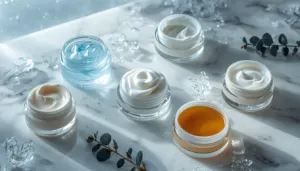
Not all moisturizers are built the same, and in winter, texture matters more than you’d think. wrong formula can leave your skin feeling greasy, tight, or just not protected enough against the cold.
Here’s a breakdown of the main textures and what each one actually does for your skin.
Ointments for Severe Dryness
When skin cracks and flakes despite your usual routine, it’s time to switch to an occlusive barrier strategy.
Petrolatum-based ointments form a long-lasting seal over damaged skin, slowing moisture loss considerably — a real lifeline for clinical severity grading situations like xerosis.
Shea butter benefits include softening rough texture while reinforcing your protective barrier against harsh elements.
| Feature | Petrolatum Healing Benefits | Non-fragrance Ointment Options |
|---|---|---|
| Best For | Cracked, severely dry skin | Sensitive, eczema-prone skin |
| Texture | Heavy, occlusive | Thick but gentle |
| Key Benefit | EczemaApproved Deep Hydration | Fragrance-free comfort |
Creams for Daily Cold-weather Protection
Creams hit the sweet spot between lightweight and protective — rich enough for real winter protection, but not so heavy they feel like a mask. Look for ceramides and hyaluronic acid in your daily winter routine; both support moisture barrier technology from the inside out.
Fragrance-free formulas work beautifully for layering with ointments at night.
Travel-friendly creams in eco-friendly packaging make morning hydration routine consistency genuinely easy.
Lotions for Lighter Daytime Wear
Lotions are your morning hydration boost when you need lightweight barrier support without the weight. Higher water content means quick absorption, so your foundation won’t pill or slide.
A fragrance-free formula in travel-friendly packaging slips easily into any daily winter routine. Noncomedogenic formulas with glycerin and hyaluronic acid deliver a silky matte finish — ideal when you’re layering moisturizer under SPF before heading out.
Gel-creams for Quick Absorption
When a thick cream feels like too much, gel-creams hit the sweet spot. Their Polymer Gel Matrix — often built with carbomer or xanthan gum — allows Pseudoplastic Spread, meaning it glides easily under your fingertips, then settles into a barely-there film.
cold weather:
- Hyaluronic acid pulls moisture into the outer skin immediately
- softens without greasiness without greasiness or heaviness
- Silicone Slip Agents improve even coverage across dry patches
- Rapid Skin Penetration lets you layer sunscreen right after
- Layerable Gel Base works well under SPF or tinted products
fragrance-free options — your cold weather moisturizer shouldn’t irritate already-stressed skin.
Non-greasy Formulas Under Makeup
Gel-creams set the stage, but if you’re layering makeup on top, you need a water-based moisturizer with real silicone slip — something that glides without pilling or sliding off by noon.
Dimethicone helps here, reducing friction so foundation spreads evenly. Look for noncomedogenic options for acne-prone winter skin and fragrance-free formulas for the best makeup compatibility.
| Feature | Why It Matters |
|---|---|
| Oil Control | Prevents midday shine and foundation breakdown |
| Pilling Prevention | Keeps layers bonded, not balled up |
Balm Options for Windburn-prone Areas
When non-greasy formulas aren’t enough — say, you’re heading into actual wind — a balm is your best defense against windburn.
- Petrolatum Balms lock moisture in with a true protective barrier on cheeks and nose
- Plant Wax Shields use beeswax or candelilla to hold longer in biting cold
- Ceramide Barrier Balms rebuild what wind strips away
- Fragrance-Free Balms prevent extra sting on already-chapped skin
Apply 20–30 minutes before Pre-Exposure Application for real winter protection.
Apply Moisturizer for Lasting Protection
Getting the right moisturizer is only half the battle — how you apply it makes just as big a difference. A few small habits can dramatically change how well your skin holds onto hydration through cold, dry days.
Here’s what actually works.
Apply on Damp Skin After Cleansing

Timing is everything — apply moisturizer to damp skin within three minutes of cleansing, while your skin temperature is still slightly elevated and pores are receptive. That brief window is your hydration lock moment. Gentle application pressure helps humectants such as aloe or hyaluronic acid absorb faster, improving absorption speed and activating the moisture seal before water evaporates.
Apply moisturizer within three minutes of cleansing — that brief window is your hydration lock moment
| Step | What to Do | Why It Works |
|---|---|---|
| Right after cleansing | Pat skin gently, leave slightly damp | Keeps water on the skin surface |
| Apply moisturizer | Use postshower moisturizing timing | Boosts humectant absorption speed |
| Layer and press | Use layering moisturizer technique | Locks in moisture, seals skin barrier |
Reapply During Harsh Weather Exposure

One moisturizer application rarely lasts through a full day of cold wind exposure. Wind-Triggered Reapplication matters because airflow steadily disrupts your protective barrier — and Snow Melt Disruption from slush or wiping your face physically removes product.
Sweat-Induced Thinning after outdoor exertion thins coverage unevenly, making a Post-Workout Reapply essential. SPF-Moisture Sync in mind too: reapplication with harsh elements means renewing your sunscreen alongside your layering moisturizer technique.
Use The Sandwich Layering Method
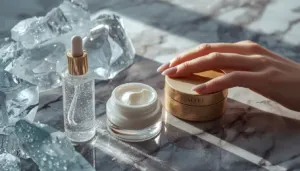
When layering for extreme cold, the sandwich method keeps your winter skin barrier intact far better than a single product can. Think of it as Layer Order Logic in action:
- Humectant First — apply on damp skin, right after cleansing
- Emollient Midlayer — smooth a richer cream over the skin to soften and fill dry patches
- Occlusive Seal — press a balm or ointment last to trap everything underneath
- Repeat after wind exposure — your barrier needs rebuilding throughout the day
Pair Moisturizer With SPF 30
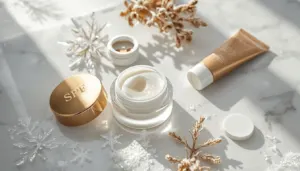
Don’t skip SPF 30 just because it’s cold outside — snow reflects up to 80% of UV rays, making winter protection as essential as summer coverage.
A broad-spectrum winter moisturiser with stable UV filter types delivers both barrier care and sun defense in one step.
Apply a full, even layer for proper application thickness, and choose a non-greasy formula that stays compatible under makeup all day.
Avoid Common Winter Skincare Mistakes

Even small habits can quietly wreck your winter routine. Watch out for these common mistakes in winter skin care:
- Excessive Cleansing with hot water strips protective oils, leaving your barrier exposed to cold air.
- Excessive Exfoliation and Lightweight Formulas both fail stressed skin — your barrier needs sealing, not scrubbing.
- Skipping Humidity support and Ignoring Wind Protection accelerates moisture loss, undoing your moisturizer’s work within hours.
Patch-test New Facial Moisturizers
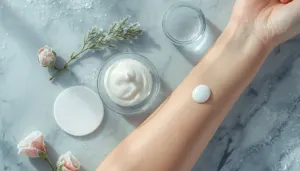
Before committing your face to any new winter moisturizer, run a simple patch test first. Choose a small area — your inner forearm or jawline works well — apply a pea-sized amount, and keep your observation window at 24 to 48 hours.
Watch for reaction signs like redness, itching, or swelling. Use fresh products only — expiration matters — and test one formula at a time to avoid false positives.
Frequently Asked Questions (FAQs)
What is the best face moisturizer for cold weather?
Cold skin is no joke — think of your moisturizer as a winter coat for your face.
Ceramides, hyaluronic acid, and glycerin working in ingredient synergy deliver the clinical efficacy your barrier craves.
What face cream is good for cold weather?
For cold weather, reach for a ceramides-rich cream with hyaluronic acid — both lock moisture in and strengthen your skin barrier. Dermatologist recommended, fragrance-free formulas work best when temperatures drop.
Which moisturizer is best for the face in winter season?
For winter skin care, ceramides and hyaluronic acid are your best allies.
Fragrance-free formulas with these ingredients — budget-friendly or luxury — deliver the barrier repair and deep hydration your face needs most.
How to keep face moisturized in cold weather?
Keeping your face moisturized when temperatures drop is really about layering smart—apply a ceramides-rich cold weather moisturizer on damp skin, lock in hydration with hyaluronic acid serum, and protect your skin barrier all day.
Can diet affect skin hydration in winter?
Yes, absolutely.
Omega-3 intake from fatty fish, Vitamin E sources like avocados, and water-rich produce all support your skin’s barrier-boosting fats, reducing skin hydration loss when winter air pulls moisture away.
Does sleep quality impact winter skin dryness?
Sleep deprivation quietly sabotages your skin barrier overnight — nighttime transepidermal loss spikes, circadian rhythm shifts reduce overnight skin repair, bedroom humidity drops worsen winter skin dryness, and inflammatory itch disrupts rest, making a nighttime moisturiser essential.
How does altitude affect facial moisture loss?
At altitude, reduced air moisture and atmospheric pressure impact and speed up transepidermal water loss. High-altitude wind chill and elevation barrier stress strip your skin faster, making humidity drop effects genuinely noticeable within hours.
Should you change moisturizers mid-season as needed?
Mid-season changes aren’t just okay — they’re smart skincare.
When a weather-driven formulation shift hits, your barrier needs assessment should guide you toward richer textures or a seasonal texture switch before dryness worsens.
Can humidifiers replace the need for moisturizer?
A humidifier helps slow surface evaporation, but it can’t restore your skin’s lipid barrier. Moisturizer takes care of that—it’s portable, reliable, and works whether you’re home or not.
Conclusion
Picture stepping outside into biting cold, your skin braced and calm instead of stinging. That’s what the right protection actually feels like.
Finding the best facial moisturizers for cold weather climates isn’t about chasing trends—it’s about matching your skin’s real needs to formulas built for harsh conditions. Layer smart, choose ingredients that work, and your barrier stays intact all season. Winter doesn’t have to cost your skin anything.