This site is supported by our readers. We may earn a commission, at no cost to you, if you purchase through links. This content is for general informational and educational purposes only and is not a substitute for professional medical, dermatological, or nutritional advice.
You notice it in the shower first—the extra strands on your hands, a few more on the drain. Then your ponytail feels lighter, the part line wider. Female hair loss doesn’t always arrive in clumps; sometimes it’s a slow fade that chips away at confidence long before it’s visible to others.
The truth is, prevention isn’t about miracle shampoos or quick fixes. It’s about understanding what your hair’s trying to tell you—balancing hormones, feeding your follicles, protecting your scalp. Once you know the causes, you can take back control, starting with the small habits that make the biggest difference.
Table Of Contents
- Key Takeaways
- Common Causes of Female Hair Loss
- Daily Hair Care Habits for Prevention
- Nutrition and Diet for Healthy Hair
- Medical and Professional Treatment Options
- Lifestyle Strategies to Prevent Hair Loss
- Frequently Asked Questions (FAQs)
- How do I stop my hair falling out as a female?
- How do I stop my hair from falling out as a female?
- Does anything really work for female hair loss?
- What vitamin am I lacking if my hair is falling out?
- What is the number one cause of female hair loss?
- Can pregnancy increase hair shedding temporarily?
- How does menopause affect scalp hair thickness?
- Are certain hairstyles linked to hair thinning?
- Does sleeping position influence hair fall amount?
- Can seasonal changes impact hair growth cycles?
- Conclusion
Key Takeaways
- Female hair loss usually results from a mix of genetic, hormonal, nutritional, and lifestyle factors, not one single cause.
- Early action through scalp care, balanced nutrition, and stress management helps slow shedding and support regrowth.
- Proven treatments like minoxidil, hormone therapy, PRP, and low-level laser therapy can restore hair health when guided by a dermatologist.
- Long-term prevention relies on gentle hair care habits, healthy diet, quality sleep, and consistency with medical or lifestyle routines.
Common Causes of Female Hair Loss
Hair loss doesn’t happen for just one reason—it’s often the result of several factors working together. Understanding what’s going on beneath the surface is the first step to getting it under control.
For a deeper look at possible causes and treatments, explore this guide on effective hair regrowth treatment options.
Here are the most common causes every woman should know about.
Genetic Predisposition
Genetics sit at the core of female pattern hair loss, or androgenetic alopecia, which often shows up as gradual thinning along your part rather than complete baldness. When female hair loss tracks through your Family History, it points to Inherited Traits and other Hereditary Factors coded in your DNA.
Genetic Testing and modern DNA Analysis can’t promise outcomes, but they can flag higher risk early—so you can act sooner with smart hair loss prevention tips instead of waiting for a shock in the mirror. Learning about the female pattern hair loss causes and treatment options can further guide the conversations you have with your healthcare provider.
- Ask relatives (especially women) about early thinning or widening parts in the family.
- Track when your shedding started and how it’s changing over time.
- Consider Genetic Testing if you want clearer insight into your androgenetic alopecia risk.
- Use early DNA-based risk information to start female pattern hair loss prevention strategies sooner.
Hormonal Imbalance
Even when genes play a part, hormone changes often tip the scale. Shifts in Estrogen Balance, Androgen Effects, or Cortisol Impact can shorten growth phases and thin strands. This Hormone Regulation imbalance often fuels androgenetic alopecia.
For more on the hormonal causes of hair loss, clinicians also consider how changing estrogen, progesterone, and androgen levels can disrupt the normal hair growth cycle. Some women benefit from hormone therapy to restore stability and protect hair health long-term.
| Hormone | Common Trigger | Hair Effect |
|---|---|---|
| Estrogen | Menopause | Thinning and shedding |
| Androgens | PCOS, genetics | Scalp thinning, mid‑crown loss |
| Progesterone | Low levels | Weakened strand support |
| Cortisol | Stress | Temporary shedding |
| DHEAS | Androgen excess | Follicle miniaturization |
Thyroid Disorders
When thyroid function dips or spikes, your hair often shows it first. Hypothyroidism symptoms like fatigue or dry skin can come with thinning at the crown, while hyperthyroidism leaves strands fine and fragile.
These hormone changes—often tied to autoimmune disorders—respond well to thyroid medication, which helps balance growth cycles and fosters natural hair regrowth.
Nutritional Deficiencies
Just like thyroid shifts, nutritional deficiencies can quietly shrink your hair’s strength. Low iron stores slow growth, Vitamin D impacts follicle renewal, and zinc deficiency amps up shedding.
Add in a biotin shortage or poor fatty acid balance, and hair nutrition suffers—leaving strands weaker, duller, and less resilient to everyday stress.
Stress and Lifestyle Factors
Stress has a sneaky way of showing up on your scalp. Chronic stress floods the body with cortisol, pushing hair into shedding phases and fueling stress‑induced hair loss.
Cortisol doesn’t just trigger shedding—it can also alter follicle behavior over time, which explains the science behind hair texture shifting from curly to straight during prolonged periods of stress.
For simple ways to calm cortisol and support healthier hair growth, this guide on managing stress-related hair loss offers practical, science-backed tips.
That’s why Stress Management and Lifestyle Changes—better sleep, mindful living, balanced Daily Habits—aren’t optional. They protect Emotional Wellbeing and long‑term hair wellness against lifestyle factors affecting hair loss in women.
Daily Hair Care Habits for Prevention
Caring for your hair every day matters more than most people realize. The small habits you stick to—how you wash, style, and treat your hair—can either protect it or make thinning worse.
Here’s how to build a daily routine that keeps your scalp healthy and your strands strong.
Gentle Shampoo and Conditioner Choices

Strong hair starts in the shower, so your shampoo and conditioner need to work with your scalp, not against it. Look for Sulfate Free, Gentle Formulas that respect pH Balance to support scalp health, cut down irritation, and protect hair wellness.
Pair that with a lightweight, Silicone Free conditioner focused on lengths and ends to keep fine, thinning hair fuller, cleaner, and smoother without buildup.
Minimizing Heat Styling
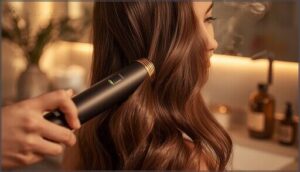
Heat styling isn’t the villain—it’s the overuse and high temps that quietly chip away at hair health. Keep your tools smart and gentle for real damage prevention:
- Use Heat Protectants before every pass.
- Stick to Low Temperature settings (under 365°F).
- Work in small sections for even heat.
- Finish with Cool Shots to seal shine.
Protective Hairstyles

Protective styles are your secret weapon against hair loss—think low manipulation hair braiding that tucks ends away, shielding fragile strands from daily wear. They cut friction, ease scalp health, and dodge traction alopecia from tight pulls.
| Protective Perk | Hair Win | Emotional Boost |
|---|---|---|
| Low Manipulation | Less breakage | Feel length grow |
| Hair Tucking | No frizz snaps | Wake tangle-free |
| Loose Braiding | Scalp breathes | Edges stay safe |
| Light Weaving | Reduced thinning | Confidence surges |
| Smart Styling | Damage drops | Own your locks |
Swap in protective styles weekly—you’ll see fuller hair fast.
Regular Scalp Massage

Regular scalp massage is a simple scalp treatment that gives your hair follicles a daily Circulation Boost and quiets stress that fuels hair loss. Short 5–10 minute Massage Techniques with your fingertips, using light Massage Oils like jojoba, create steady scalp stimulation that nourishes hair growth and overall hair care.
- Feel your scalp wake up as warmth builds under your fingertips.
- Notice tension drain from your neck and jaw while you work the roots.
- Picture each gentle circle telling a struggling hair follicle, “you’re not done yet.”
Avoiding Harsh Chemicals

Ever checked your shampoo bottle lately? Hidden culprits—Sulfate Dangers, Paraben Concerns, and Phthalate Risks—can silently fuel hair thinning through daily chemical damage.
Rethink your hair care routines by choosing gentle, sulfate-free formulas that protect natural oils and scalp health. Swap harsh chemicals for safer, nurturing ingredients that actually support long-term hair strength.
| Chemical Type | Safer Alternative |
|---|---|
| Sulfates | Coco glucoside cleansers |
| Parabens | Sodium levulinate preservatives |
| Phthalates | Fragrance-free or transparent labels |
Nutrition and Diet for Healthy Hair
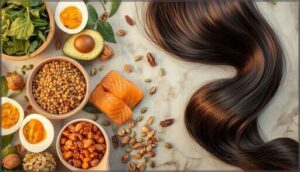
What you eat can change how your hair grows, strengthens, and even how it sheds. The right nutrients help your scalp and follicles work the way they’re meant to.
Here’s what to focus on if you want your diet to support healthy, resilient hair.
Protein-Rich Foods
Your hair is mostly keratin — and keratin is built from amino acids your body can only get from protein. Aim for 40 to 60 grams daily through smart protein sources like eggs, salmon, Greek yogurt, lentils, and tofu.
Nutrition goes a long way, but if you’re dealing with hair loss and regrowth after chemotherapy, protein alone may not be enough — targeted treatments can make a real difference.
Spreading your dietary needs across meals keeps amino acids available all day, directly supporting hair growth and helping counter female pattern hair loss at its root.
Iron and Vitamin Intake
Protein alone isn’t enough—your body also needs steady iron and vitamin support for real hair growth promotion. Low ferritin levels or iron deficiency can quietly stall follicles, even if bloodwork looks “normal.”
Pair dietary iron with vitamin C for better nutrient absorption, and consider customized vitamin supplements to restore balance and strengthen overall hair health and wellness.
Mediterranean-Style Diet Benefits
That same iron-rich focus fits neatly into a Mediterranean-style, Anti-Inflammatory Diet—a Balanced Nutrition Plan packed with Antioxidant-Rich Foods, omega-3s, and Healthy Fat Intake from fish and olive oil.
This mix promotes Gut Health Benefits, steadier hormones, improved circulation, and scalp strength, all key pieces of hair nutrition and diet for lifelong hair health and wellness.
Hydration and Hair Health
That same kind of Anti-Inflammatory, Mediterranean-style pattern works even better when your Water Intake is on point, because dehydration quietly sabotages hair follicles, scalp balance, and hair elasticity, stalling hair growth and leaving strands dull.
- Sip water steadily through the day.
- Use hydrating products and moisture masks weekly.
- Switch to lukewarm shower temps.
- Limit high-heat tools that cook out moisture.
- Pair smart hydration with hair nutrition and diet as one of your core hair growth strategies for long-term hair health.
Essential Vitamins and Minerals
Think of vitamins and minerals as the “support crew” for your hair follicles, keeping hair growth steady and fallout in check. When Vitamin Deficiencies build up—especially in D, biotin, iron, and zinc—your Scalp Health slips, shedding increases, and hair loss creeps in.
Tightening up hair nutrition and diet, and using targeted Mineral Supplements when labs show gaps, gives you real Nutrient Balance to build into your long-term hair growth strategies.
Medical and Professional Treatment Options

If home care hasn’t done enough, there are medical treatments that can help you take back control. From proven topical solutions to sophisticated in-office options, these approaches target the root cause of thinning. Here’s where professional treatment really has an impact.
Minoxidil for Women
Minoxidil—yes, the same ingredient in Rogaine—is the go-to for female pattern hair loss. It boosts blood flow, keeps follicles in the growth phase longer, and sparks visible hair regrowth within months.
The usual Minoxidil dosage is 2% twice daily or 5% foam once daily. Expect mild scalp irritation early on, but stick with it—treatment duration equals results.
Prescription Medications (Spironolactone, Finasteride)
Power tools in the female hair loss treatment toolbox, spironolactone and finasteride both target androgenetic alopecia rather than just masking shedding.
Spironolactone is usually started at a lower Prescription Dosage, then increased for better Treatment Efficacy while you and your doctor watch for Medication Side Effects, Drug Interactions, and blood pressure changes.
Finasteride is often reserved for postmenopausal women, using 1.25–5 mg daily, with careful pregnancy avoidance and realistic expectations—think slowing loss, not instant Hair Regrowth Tips magic.
These hair loss treatment options work best under a dermatologist’s supervision, especially when you’re already on other hormonal or heart medications.
Platelet-Rich Plasma Therapy
Platelet-rich plasma (PRP) treatment is basically your own blood turned into a targeted hair growth booster. During plasma injections, concentrated platelets release growth factors that drive follicle stimulation and cell regeneration, one of the more sophisticated hair restoration techniques.
For many women, it slots in as a drug-free female hair loss treatment within modern hair restoration and treatment options.
Low-Level Laser Therapy
Low-level laser therapy is basically Laser Hair Growth you can do at home: caps like the Theradome LH80 PRO or devices such as the HairMax Lasercomb bathe your scalp in gentle red light to boost Scalp Stimulation, Hair Follicle Repair, and overall Light Therapy Benefits.
With consistent Low-Level Laser Treatment, many women with female pattern hair loss notice less shedding, gradual thickening, and a steadier, longer-term hair loss treatment result over several months of low-level laser therapy.
When to See a Dermatologist
Wondering when a Dermatologist Visit stops being “optional” and becomes non‑negotiable? If your Hair Shedding suddenly spikes, you see patchy gaps, or Scalp Symptoms like burning, itching, or pain show up, you need a prompt Medical Evaluation with a dermatologist.
Persistent thinning, classic female pattern hair loss Hair Loss Signs, or unclear hair loss causes all deserve real dermatology care now.
Lifestyle Strategies to Prevent Hair Loss

Healthy hair isn’t just about what you put on your scalp—it’s also about how you live each day. The way you handle stress, move your body, and care for your overall health all show up in your hair.
Your daily habits, from stress to self-care, shape the strength and vitality of your hair
Here’s where small, steady lifestyle choices can make a real difference.
Managing Stress Levels
Frequently, stress hormones are the quiet saboteurs behind stress‑induced hair loss and extra hair shedding, especially if you’re already dealing with female pattern hair loss. To start real Cortisol Management and Emotional Balance, try:
- Mindful Meditation for 10–20 minutes daily.
- Simple Relaxation Techniques like slow breathing.
- Short movement breaks whenever stress spikes.
Regular Health Checkups
You’re already calming your nervous system; now let your checkups do some of the heavy lifting too. Regular Annual Screening with targeted Blood Work, Ferritin Tests, and Thyroid Checks can reveal silent drivers of hair thinning and shedding linked to female pattern hair loss.
Pair that with Scalp Evaluations and a focused medical evaluation from a dermatologist so you’re not guessing—you’re treating the right problem early.
Adequate Sleep and Rest
Once your labs look good, turn attention to your sleep patterns. Rest therapy isn’t a luxury—it’s part of your hair recovery plan. Deep, consistent nightly routines calm hormonal changes tied to stress‑induced hair loss and female pattern hair loss, restoring circadian balance and supporting hair regrowth.
- Aim for 7–9 hours nightly
- Keep bedtime consistent
- Limit screens before bed
- Sleep in a cool, dark room
- Practice mindful breathing before rest
Exercise and Circulation
You’ve handled sleep; now let’s get your body moving for your hair. A steady Exercise Routine works like a natural booster for Blood Flow, Cardio Benefits, and hair restoration in female pattern hair loss and androgenetic alopecia. Aim for 30 minutes of brisk walking, cycling, or swimming most days, then finish with a few minutes of Scalp Massage—simple Circulation Tips that promote ongoing hair growth and help slow hair loss.
| Exercise Type | What To Do | Hair Benefit |
|---|---|---|
| Cardio | 30 min brisk walk | Boosts scalp Blood Flow, promotes hair growth |
| Strength | 2–3 sessions weekly | Builds circulation, promotes hormones |
| Yoga + Massage | 10–15 min plus Scalp Massage | Lowers stress, aids hair restoration |
Avoiding Smoking and Excessive Alcohol
Quietly but powerfully, smoking and heavy drinking chip away at your Scalp Health and your chances of hair restoration. They cut down Blood Flow, ramp up Oxidative Stress, disturb Hormone Balance, and block Nutrient Absorption—classic Lifestyle Factors Affecting Hair that can worsen Female Hair Loss Symptoms, alopecia, and ongoing hair loss.
Choose a smoke‑free, low‑alcohol lifestyle if you want your follicles to actually fight back.
Frequently Asked Questions (FAQs)
How do I stop my hair falling out as a female?
Picture your hair’s strength like a balanced ecosystem—when the Hair Growth Cycle or Scalp Environment falters, shedding begins.
Protect Follicle Health by managing stress, boosting nutrients, treating androgenetic alopecia early, and exploring hair transplantation if Female Pattern Baldness advances.
How do I stop my hair from falling out as a female?
To stop your hair from falling out, focus on healthy scalp care, balanced nutrition, and targeted Hair Growth Strategies.
Minoxidil, stress control, and nutrient-rich diets all support Hair Loss Prevention in Female Pattern Baldness and androgenetic alopecia.
Does anything really work for female hair loss?
Yes—effective hair loss treatments for women exist. Minoxidil, hormonal therapy, PRP, and laser therapy can stimulate hair regrowth, restore scalp health, and manage androgenetic alopecia when used consistently. Medical guidance ensures lasting hair restoration results.
What vitamin am I lacking if my hair is falling out?
When hair is falling out, there’s rarely one magic vitamin deficiency—but low iron levels (ferritin), vitamin D, and sometimes B12 or folate are the big ones driving alopecia by weakening the hair follicle. Biotin’s role is smaller than marketing suggests, and random hair supplements can actually throw off your vitamin balance, especially with vitamins A and E.
The smart move is lab work to check iron, vitamin D, B12, and folate, then pair any needed hair growth medications with targeted correction—not guesswork.
What is the number one cause of female hair loss?
When push comes to shove, the number one cause of female hair loss is Androgenetic Alopecia—a slow, genetic pattern thinning driven by follicle miniaturization and androgen sensitivity that gradually weakens hair strands over time in women.
Can pregnancy increase hair shedding temporarily?
Pregnancy can absolutely trigger temporary hair shedding, but it usually kicks in after birth, not during the bump phase.
Hormone shifts after delivery cause Postpartum Shedding and Telogen Effluvium, leading to Pregnancy Hairloss that generally resolves with Hair Regrowth, without needing hair transplantation for most women.
How does menopause affect scalp hair thickness?
Ever notice how your ponytail suddenly feels thinner and think, “Wait, when did that happen?”. During menopause, dropping Estrogen Levels shorten the growth phase of each hair follicle, so more hairs shed sooner and overall scalp health shifts toward reduced volume and density, a kind of slow, hormonal pruning rather than instant bald spots for most women.
At the same time, a Hormone Shift toward relatively higher androgenic hormones can trigger female-pattern alopecia on the crown—hair loss shows up as a wider part, finer strands, and less coverage on top, even though the frontal hairline often looks “normal.”
Are certain hairstyles linked to hair thinning?
Yes. Tight hairstyles that pull on your hairline can cause traction alopecia and long-term hair thinning and hair loss. Braids, weaves, and wigs that tug, plus heat styling and chemical damage, mainly drive hair breakage and cosmetic concerns from hair styling and damage.
Does sleeping position influence hair fall amount?
Not in the way you might think. Resting Postures and Sleep Patterns don’t usually cause true alopecia, but Pillow Friction and constant Hair Tension from certain Nighttime Habits can worsen breakage, thinning hair, and hairline stress-related hair loss.
Can seasonal changes impact hair growth cycles?
Seasonal shifts can influence Hair Growth Cycles by pushing more hairs into the Telogen Phase after summer, often from UV Damage or stress changes.
This mild Seasonal Shedding affects Scalp Health but rarely causes lasting hair loss.
Conclusion
Picture your hair as a garden: roots nourished, soil balanced, daily stress cleared like weeds. Each choice you make—what you eat, how you wash, which treatments you use—either protects those roots or strips them bare.
You’re not at the mercy of your genetics or hormones. With calm tracking, smart care, and timely medical help, female hair loss prevention becomes less about fear and more about strategy—and your reflection starts feeling like yours again each day.