This site is supported by our readers. We may earn a commission, at no cost to you, if you purchase through links. This content is for general informational and educational purposes only and is not a substitute for professional medical, dermatological, or nutritional advice.
Long hair doesn’t break overnight. It breaks one rough towel-dry, one tight ponytail, one skipped trim at a time.
Length takes years to grow and weeks to lose, so your daily habits carry more weight than any product on the shelf. Most damage comes from small, repeated choices, not one bad haircut.
That’s the real work behind a solid hair care routine for long hair: knowing which habits protect your ends and which ones quietly wear them down. Get your wash, condition, and styling steps right, and healthy length stops feeling like luck.
Table Of Contents
- Key Takeaways
- Build Your Long Hair Wash Routine
- Condition and Hydrate Long Hair Properly
- Detangle, Dry, and Brush Without Breakage
- Protect Long Hair While Styling
- Follow Weekly and Monthly Maintenance Habits
- Frequently Asked Questions (FAQs)
- What is a good hair care routine for long hair?
- What is the 25 rule for hair length?
- How to fix frizzy menopause hair?
- Is Paul Mitchell good for dry hair?
- What is a good hair routine for long hair?
- How to take care if you have long hair?
- What is the best hair care for long hair?
- What is the correct order of hair care routine?
- How often should long hair be trimmed?
- What pillowcase material prevents hair breakage overnight?
- Conclusion
Key Takeaways
- Wash long hair 2-3 times weekly with sulfate-free shampoo and lukewarm water, focusing cleanser on the scalp while conditioning mid-lengths to ends to avoid stripping natural moisture.
- Handle wet hair with extra care by detangling from ends upward with conditioner slip, blotting with a microfiber towel, and air-drying when possible to prevent breakage.
- Protect strands during styling and sleep by using heat protectant, limiting heat styling to 1-2 times weekly, choosing low-tension hairstyles, and sleeping on silk or satin.
- Maintain long-term hair health through regular microtrims every 6-8 weeks, weekly deep conditioning or bond-building treatments, and proper nutrition to support growth and strength.
Build Your Long Hair Wash Routine

Long hair lives or dies by your wash day habits. Get this part wrong, and everything else you do just fights an uphill battle. Here’s exactly how to build a wash routine that keeps your length strong and your scalp happy.
Aim to shampoo every three to four days while conditioning daily, then lock in that moisture with the right styling products for long hair.
Wash Two to Three Times Weekly
Two to three washes a week is the sweet spot for most long hair. Wash more, and you risk stripping natural oils, causing dryness. Wash less, and buildup plus yeast overgrowth can throw off your scalp microbiome.
Sweat doesn’t automatically mean daily washing. Your hair type and oil production matter more. Build a wash schedule that works for you around that, not your workout calendar. Understanding how sebaceous glands produce sebum can help you manage your routine effectively.
Shampoo The Scalp Only
Once you’ve nailed your wash frequency, focus on where you shampoo. Apply cleanser only to your scalp, using fingertip massage to lift sebum and sweat without over-processing lengths. This protects your hair cuticle and locks in moisture retention.
Let the lather rinse downward naturally; this residue rinse technique cleans strands without stripping them, keeping ends softer and length protection intact.
Choose Sulfate-Free Shampoo
Now let’s talk shampoo itself. Skip the sulfates and look for milder surfactants like decyl glucoside or cocamidopropyl betaine — they clean without stripping color or comfort.
- Preserves color vibrancy longer
- Gentler on sensitive scalps
- Adds glycerin for hydration
- Balanced pH near 5.5
- Clear ingredient labels for transparency
That’s what real hair maintenance looks like: informed, not accidental.
Use Lukewarm Water
Your shampoo choice matters, but water temperature seals the deal. Stick to lukewarm water, around 98–105°F, for scalp comfort and better residue removal. Hot water spikes thermal fiber stress and dries you out; too cold, and rinsing feels incomplete.
Finish with a cool blast for cuticle sealing—it locks in shine and keeps your hair maintenance routine feeling smooth, not stripped.
Avoid Dry Shampoo Buildup
Dry shampoo is a great oil-absorber, but it’s not a wash substitute. Section your hair and spray only at the roots—part line, crown, temples—then wait a minute before brushing thoroughly to prevent chalky buildup.
Skipping washes too long lets residue stack up. If your scalp feels tight or itchy, that’s your cue: work in a clarifying wash every 1-2 weeks.
Condition and Hydrate Long Hair Properly

Your ends are the oldest, driest part of your hair, and they need real attention to stay healthy. Washing alone won’t cut it for long hair, you’ve got to hydrate it the right way too. Here’s exactly how to condition and moisturize your strands from root to tip.
Condition Mid-Lengths to Ends
Your roots and your ends are not the same hair, so stop treating them that way. Apply moisturizing conditioner from mid-lengths down, skipping the scalp to preserve root volume and prevent greasy buildup.
For an extra hydration boost afterward, try one of these best conditioners for relaxed hair to keep strands soft without weighing down your roots.
This targeted moisture application:
- Hydrates older, drier ends
- Prevents flat, weighed-down roots
- Eases detangling
Rinse thoroughly with cool water—residue causes stiffness, dullness, and eventually, split ends.
Use Weekly Hair Masks
Once a week, give your hair a real reset with a deep conditioning treatment. Think of it as a spa day for your strands.
For curly hair especially, try a cherry lola treatment, a nutrient-packed blend that tackles moisture and frizz in one go.
| Ingredient | Benefit |
|---|---|
| Oils/Butters | Smooths dryness |
| Humectants | Locks in hydration |
| Proteins | Strengthens brittle hair |
Leave the mask on 10-15 minutes, then rinse thoroughly to avoid heavy, coated hair.
Try Leave-in Conditioner
Think of leave-in conditioner as your hair moisture barrier on standby all day. Apply it to damp hair for instant detangling slip and frizz control.
- Match formula to hair thickness
- Look for humectants (hydration) vs occlusives (sealing)
- Skip the scalp
- Choose heat-protectant formulas
- Reapply lightly on day two
Detangling spray in a pinch? Same slip, less moisture.
Moisturize and Seal Ends
Your ends are the oldest, driest part of your hair, so treat them like it. Water first, then oil to lock it in.
| Layer | Purpose |
|---|---|
| Water/leave-in | Hydrates strand |
| Oil or butter | Seals moisture |
| Reapply | Damp ends only |
Use lightweight oils for fine hair, butters for coarse. This habit fights split ends fast.
Balance Moisture and Protein
Too much moisture, and hair turns mushy. Too much protein, and it snaps back stiff. The fix? Test elasticity on wash day: stretch a wet strand and watch how it recovers.
High porosity hair drinks fast, drains faster—match it with hydrolyzed protein for reinforcement. Low porosity needs less. Rotate protein treatments every few weeks, not every wash, to protect your moisture-protein balance.
Detangle, Dry, and Brush Without Breakage
Long hair is most fragile when it’s wet, and how you handle it right after washing can make or break your length goals. Rough towel drying or careless combing causes more breakage than almost anything else in your routine. Here’s how to detangle, dry, and brush the right way, step by step.
Wet hair is at its most fragile, and careless towel drying or combing causes more breakage than almost anything else you do
Detangle From Ends Upward

Grab your comb at the ends, not the roots. Detangle from ends to roots to release knots gradually without yanking your whole strand.
- Work in small sections
- Use a wide-tooth comb
- Finger-detangle stubborn knots first
- Never force through resistance
Wet hair tangles easily, so patience here prevents snapped strands and unnecessary breakage down the line.
Comb With Conditioner Slip
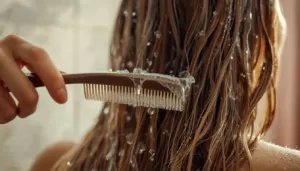
Slip is what turns detangling from a fight into a glide. Without it, hair grabs like Velcro and every knot fights back.
Use a conditioner or detangling spray with cationic ingredients—they coat the cuticle so strands slide instead of snag. That film reduces combing force fast.
A wide-tooth comb plus good slip means less friction, fewer snaps, smoother results.
Use a Microfiber Towel

Once detangled, ditch the terry towel. Rubbing wet hair causes cuticle damage and frizz—blot instead.
A microfiber towel absorbs moisture fast without the friction, and it sheds less lint than cotton. Press gently, switch sides as it saturates, then wash it regularly. A clean towel keeps oils and buildup from transferring back into your hair.
Air-Dry When Possible

Once your towel work is done, let the rest happen naturally. Air-drying skips the heat entirely, protecting structural integrity that blow dryers stress out.
Apply a leave-in first, then let hair rest undisturbed. Humidity slows things down, so give it time. Avoid touching it repeatedly. Less handling means less frizz and stronger, healthier strands by the time it’s fully dry.
Brush Dry Hair Gently

Once dry, pick up a boar bristle brush or a wide-tooth comb, never a fine one that snags.
Pressure control matters most: light strokes, small sections, working from ends up. Stop if you hit resistance instead of forcing it.
- Section hair first
- Apply light slip aid
- Brush ends before roots
- Pause at knots
This limits mechanical friction and keeps hair breakage rare.
Protect Long Hair While Styling

Long hair takes years to grow, but heat and tension can undo that progress fast. The good news is you can style with confidence once you know how to protect your strands. Here’s exactly what you need to keep your length strong and healthy.
Techniques like African hair threading with the right thread let you experiment with new looks while keeping tension off your natural strands.
Apply Heat Protectant First
Skip the flat iron until you’ve coated hair right. Apply heat protectant to damp hair, section by section, holding the spray 6-8 inches away for even coverage. Focus mid-lengths to ends, comb through, then wait a few seconds before styling.
This step protects hair structural integrity and prevents thermal damage before it starts.
Limit Heat Styling Days
Rarely does hair thrive under daily heat. Cap flat irons and curling wands to 1-2 times per week, giving strands recovery time between sessions.
Fill off-days with no-heat styling: braids, buns, or twist-outs. This rest lets moisture rebuild and prevents the dryness and breakage that come from constant thermal exposure, even with protectant applied every time.
Protect Colored Long Hair
Color-treated hair fades fast in the sun, so treat protection like sunscreen for your strands.
- Use UV-protectant sprays or leave-ins with built-in UV filters
- Rinse with fresh water immediately after swimming
- Wear a swim cap or coat hair in oil before pools
- Choose color-safe shampoo and conditioner
- Refresh tone with a color-depositing conditioner between salon visits
These habits preserve color molecules and keep damaged hair from fading further.
Use Gentle Hair Accessories
Your hair ties can quietly wreck months of progress. Ditch metal-anchored elastics and rough cotton bands for a silk scrunchie or gentle hair ties—they slide off without snagging strands.
Silk accessory benefits go beyond ties, too. A silk scarf, silk pillowcase, or clip with rubberized grip all reduce friction. Look for wide bands, ball-tipped pins, and smooth clip designs that protect texture and support protective styling overnight.
Choose Low-Tension Hairstyles
Tight styles are silent length-thieves—traction damage creeps in before you notice.
- Loose braids and flat twists
- Jumbo or Senegalese twists with bigger sections
- Loose buns and half-up styles
- Twist-outs needing less manipulation
Bigger sections mean even weight distribution, not concentrated pulling at your part. Keep partings loose, retire tight elastics, and let ends hang relaxed. Your scalp experiences friction better this way, protecting growth long-term.
Follow Weekly and Monthly Maintenance Habits

Long hair rewards you for the small things you do consistently, not just in the shower. Your daily habits, sleep setup, and salon visits all add up over time. Here’s what to build into your weekly and monthly routine.
Sleep on Silk or Satin
Every fabric fights friction differently, and that’s the whole game here. Cotton grabs at your strands all night, causing snags and tangles. Silk or satin lets hair glide instead.
Silk breathes better for warm sleepers; satin traps more heat, cozier in winter. Either way, you’re cutting mechanical friction that leads to breakage—smoother surface, fewer knots, better mornings.
Wear Loose Overnight Styles
Loose braids or twists work as your fabric’s teammate, not a replacement. Even silk needs backup when your hair’s long enough to bunch and mat.
- Braid tension levels: keep it slack, never tight
- Loose twist methods from mid-length down
- Pineapple styling benefits for curls up top
- Soft elastic selection, silk scrunchie over rubber bands
Loose updos finish the job—friction reduction, minus the tangles.
Schedule Regular Trims
Skip the trim and you’re just growing damage, not length. Book a microtrim every 6-8 weeks—longer for coarse hair, shorter if you’re curly or spotting frayed tips.
Watch for split ends creeping up the shaft; that’s your cue to move up your schedule. Regular trims protect your length retention goals while keeping damaged hair from sabotaging months of growth.
Use Bond-Building Treatments
Trims handle length, but bond builders handle strength from the inside. Here’s your quick game plan:
- Use a bond-building mask weekly after color or heat damage
- Apply to damp, damaged lengths—not roots
- Leave on 10-20 minutes for real disulfide bond repair
- Pair salon treatments with at-home upkeep
- Adjust frequency based on how compromised your hair feels
Support Hair With Nutrition
Your hair grows from the inside out, so what’s on your fork matters as much as what’s in your shower.
Protein builds keratin, iron fuels follicle oxygenation, and zinc speeds repair. Add omega-3s from salmon or walnuts for scalp health, and drink plenty of water.
Skimp here, and your hair growth cycle, density, and elasticity all pay the price.
Frequently Asked Questions (FAQs)
What is a good hair care routine for long hair?
Short strands forgive neglect; long strands remember every mistake. Scalp health drives it all: wash 2–3 times weekly, condition mid-lengths down, deep condition weekly, detangle gently with slip, and use leave-in conditioner to fight breakage and buildup.
What is the 25 rule for hair length?
Grab a pencil and ruler: measure earlobe-to-chin distance to test hair suitability. Under 25 inches means shorter cuts flatter you; over that, longer styles balance your face better. Quick, simple, surprisingly accurate.
How to fix frizzy menopause hair?
Estrogen drops shift follicles, raising porosity and dulling texture. Fight back with weekly deep conditioning, diluted rosemary oil for scalp circulation, and moisture-sealing leave-ins. Add biotin-rich nutrition to support growth from the inside out.
Is Paul Mitchell good for dry hair?
Yes—this brand’s a thirsty-strand rescue.
Sulfate-free Hydrate shampoo, shea-rich Instant Moisture conditioner, and lightweight leave-ins deliver botanical hydration and moisture-sealing emollients, giving you smoother, softer, damaged hair repair without the greasy weight-down.
What is a good hair routine for long hair?
Healthy length starts at the roots: wash 2–3 times weekly with sulfate-free shampoo and lukewarm water, then deep condition, detangle gently, seal ends, protect with heat protectant, and sleep on silk to cut breakage.
How to take care if you have long hair?
Long hair looks easy to manage until you’re the one detangling a matted mess at midnight.
Real care means washing 2-3 times weekly, sealing moisture into ends, minimizing hair breakage through gentle detangling, and protecting strands overnight to prevent tangles and split ends.
What is the best hair care for long hair?
Your best routine combines sulfate-free shampoo, lukewarm washes 2-3 times weekly, weekly deep conditioning, and leave-in conditioner for porosity control.
Detangle gently from ends upward, protect against environmental damage, and support strands nutritionally to prevent breakage and keep length thriving.
What is the correct order of hair care routine?
Order matters more than product quality here. Cleanse first with lukewarm water, condition mid-lengths to ends, layer in deep conditioning weekly, then seal damp hair with leave-in conditioner or oil for lasting shine and protection.
How often should long hair be trimmed?
Rapunzel never needed scissors—you do. Book trims every 6-8 weeks if hair’s fine or damaged, stretch to 10-12 weeks when healthy. Curly or natural textures do well at 8-12 weeks. Dust regularly to stop split ends climbing upward.
What pillowcase material prevents hair breakage overnight?
Cotton acts like sandpaper against your strands while you toss all night. Choose silk or satin instead. Both cut mechanical friction, letting hair glide smoothly and preventing breakage—your ends will thank you by morning.
Conclusion
Your ends have survived a thousand tiny battles, and every single one left a permanent mark. A solid hair care routine for long hair isn’t glamorous, it’s just consistent: gentle washes, real hydration, careful drying, and steady trims on schedule.
Skip the shortcuts, and your length keeps its story instead of losing chapters to breakage. Treat your strands like the investment they truly are. Healthy length isn’t luck, it’s something you’ve earned, and now you’re holding it.