This site is supported by our readers. We may earn a commission, at no cost to you, if you purchase through links. This content is for general informational and educational purposes only and is not a substitute for professional medical, dermatological, or nutritional advice.
Right before her period, a patient once told me her chin broke out like clockwork—same spot, same week, every month. That’s not bad luck. That’s androgens and progesterone doing exactly what they’re built to do in a teenage body.
Puberty floods the skin with hormones that kick sebaceous glands into overdrive, and genetics decides how much oil each girl produces. Add trapped bacteria and dead skin cells, and you’ve got the recipe for everything from blackheads to painful cysts.
The good news: effective acne treatment for teenage girls doesn’t require guesswork. It requires the right ingredients, in the right order, used consistently.
Table Of Contents
- Key Takeaways
- Teen Acne Causes and Types
- Simple Skincare Routine for Teenage Girls
- Top 5 Teen Acne Treatments
- Common Teen Acne Treatment Mistakes
- When Teenage Acne Needs Dermatologist Care
- Frequently Asked Questions (FAQs)
- What is the best treatment for teenage girl acne?
- How can a 14-year-old get rid of acne?
- How to treat hormonal acne in teenage girls?
- How do I help my daughter with her acne?
- What is the best thing for teenage girl acne?
- What is the best treatment for acne in girls?
- What is the first line treatment for teenage acne?
- Can acne affect my period or hormones?
- Is acne contagious between friends or family?
- How long until I see treatment results?
- Conclusion
Key Takeaways
- Teen acne is driven by hormones (androgens and progesterone) that ramp up oil production, so it’s biology at work, not bad hygiene.
- A simple daily routine—gentle cleanser, morning benzoyl peroxide, nighttime adapalene, and noncomedogenic moisturizer with sunscreen—covers most of what your skin needs.
- Common habits like overwashing, mixing too many active ingredients, or popping pimples can slow healing and even cause scarring, so less really is more.
- See a dermatologist if breakouts persist past three months, if you notice painful cysts or nodules, or if acne starts affecting your confidence and mood.
Teen Acne Causes and Types
Acne can feel confusing when you don’t know what’s actually happening under your skin. The truth is, there’s more than one type going on, and each one has its own trigger. Here’s what’s really behind those breakouts.
If deep, painful bumps are your main concern, this guide to treating cystic acne with targeted spot treatments breaks down what actually calms them down.
Hormones and Excess Oil
When androgens surge during puberty, your sebaceous glands kick into overdrive. Testosterone binds to receptors in the skin, boosting oil output—some glands are just more sensitive than others, thanks to genetics.
That’s why oiliness often spikes again the week before your period. Hormonal shifts drive this sebum production cycle, and understanding it is the first step toward real control. Hormonal fluctuations during the menstrual cycle directly influence sebum production, particularly in the days leading up to menstruation. Hormonal fluctuations are a key factor in cyclical oiliness.
Clogged Pores and Bacteria
All that extra oil has to go somewhere. Mixed with dead skin cells, it forms a plug that blocks the pore, creating a low-oxygen pocket where C. acnes bacteria multiply fast, feeding on trapped sebum.
As bacteria break down oil, they release irritants that trigger inflammation. A balanced skin microbiome usually keeps this in check—until sweat, thick makeup, or noncomedogenic-free products tip the scales.
Blackheads, Whiteheads, and Pimples
Once that plugged pore forms, it shows up in one of three ways. Blackheads are open comedones—the pore stays open, and oil oxidizes dark at the surface. Whiteheads are closed comedones, trapped under skin as small bumps. Pimples (papules and pustules) turn red, swollen, sometimes pus-filled.
Your chin, nose, and forehead often show more blackheads, since oil glands work overtime there.
Inflammatory and Cystic Acne
Sometimes clogged pores go deeper, and that’s where things get painful. Inflammatory acne forms when trapped oil and bacteria trigger swelling in the dermis—deep skin lesions that feel tender, not just annoying.
Cystic acne is the toughest kind: soft, pus-filled bumps versus firmer nodules. Left untreated, scarring risk climbs. Severe cases often need benzoyl peroxide, adapalene, or oral antibiotics from a dermatologist.
Genetics, Stress, and Menstrual Cycles
If breakouts run in your family, you’re more likely to get them too. Family history impact is real—genetics set your oil production and pore sensitivity baseline.
- Stress hormones spike oil production
- Cycles trigger jawline breakouts
- Progesterone rises before periods
- Genetics shapes acne severity
- Irregular cycles mean unpredictable flares
Stress hormone link and cycle timing breakouts both disrupt skin barrier health, worsening hormonal acne unpredictably.
Simple Skincare Routine for Teenage Girls
You don’t need ten products to calm your skin, just the right five steps in the right order. Consistency matters more than complexity here, and each step has a specific job to do. Here’s what your daily routine should actually look like.
Gentle Cleansing Twice Daily
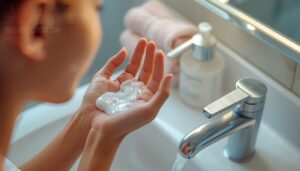
Every routine starts here: a mild cleanser, lukewarm water, and fingertips instead of washcloths. Wash morning and night to clear oil without stripping your skin barrier. Rinse fully, then pat dry with a soft towel—don’t rub.
Skipped a wash after practice? Rinse when you can. Gentle, alcohol-free formulas keep skin calm while post-cleansing moisture stays balanced.
Morning Benzoyl Peroxide Treatment
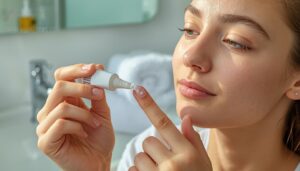
Reach for benzoyl peroxide right after cleansing—it kills acne bacteria without antibiotic resistance. Start with 2.5% or 5%, a thin layer, not rubbed in hard.
If drugstore benzoyl peroxide isn’t cutting it after a few months, check out this guide on prescription-strength options for stubborn acne before scarring sets in.
Expect mild dryness at first; that’s normal. Wash hands after applying, avoid your eyes, and keep it off clothing and towels, since it bleaches fabric.
Nighttime Adapalene Application
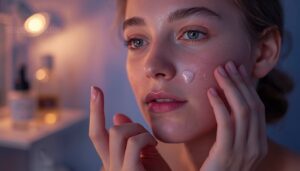
Nighttime is when adapalene, a retinoid, does its best work. Apply it to clean, dry skin, a pea-sized amount across your whole face—not just spots—to keep pores clear and speed up cell turnover. Skip your eyes and lips.
Some dryness or peeling is normal early on. Stick with it nightly; Differin Gel needs consistency to clear clogged pores.
Noncomedogenic Moisturizer and Sunscreen
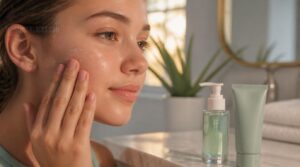
Retinoids can leave skin dry, so moisturizer isn’t optional—it protects your skin barrier. Pick an oil-free, fragrance-free formula labeled noncomedogenic, and trust that label; it signals a lower clogging risk, even without strict FDA regulation. Lightweight lotions or gels feel best under makeup.
Layer sunscreen over moisturizer every morning, SPF 15 or higher. It guards against sun-triggered dark marks, especially while using adapalene.
Showering After Sweat and Activity

Sweat doesn’t cause acne on its own, but it lets bacteria and oil sit on your skin longer.
Shower within 20-30 minutes post-workout with a gentle, oil-free cleanser. Can’t rinse right away? Change out of damp clothes first. Wipe down gym equipment too, and pat skin dry with a clean towel, never rub.
Top 5 Teen Acne Treatments
Store shelves are packed with acne products, and picking the right ones can feel overwhelming. The good news is you don’t need a ten-step routine to see real results. Here are five dermatologist-backed picks worth adding to your shelf.
1. Differin Acne Retinoid Treatment Gel
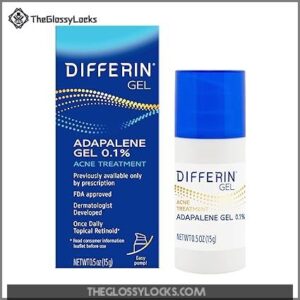
For a first-line retinoid, Differin gel is the top choice. It contains 0.1% adapalene, a third-generation retinoid that normalizes cell turnover and stops microcomedones before they become visible breakouts.
Clinical data shows up to an 87% reduction in breakouts after twelve weeks of consistent use. It’s oil-free, fragrance-free, and non-comedogenic, making it gentle enough for daily use once your teen’s skin builds tolerance.
| Best For | Teens and adults dealing with mild to moderate acne who want a dermatologist-backed, prescription-strength retinoid for consistent daily use. |
|---|---|
| Weight | 0.53 oz |
| Dimensions | 1.6 x 2.65 x 6.28 in |
| Model Number | 0299.491010 |
| Primary Function | Acne treatment |
| Usage Frequency | Daily |
| Skin Type Fit | All types |
| Additional Features |
|
- Contains 0.1% adapalene, a proven prescription-strength ingredient shown to reduce breakouts by up to 87% in 12 weeks
- Oil-free, fragrance-free, and non-comedogenic formula suits sensitive and acne-prone skin, including maskne
- Also helps improve skin texture and fade post-acne dark spots over time
- Can cause dryness, peeling, or irritation during the first few weeks of use
- Requires daily consistency to see results, with benefits fading if use becomes irregular
- Not suitable for broken, sunburned, or heavily irritated skin without a dermatologist’s guidance
2. Neutrogena Rapid Clear Acne Treatment
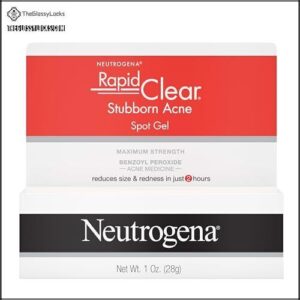
For breakouts that need fast, visible action, Neutrogena Rapid Clear Acne Eliminating Spot Gel uses 2% salicylic acid and soothing witch hazel to target blemishes directly.
Unlike benzoyl peroxide, it goes on clear, so your teen can wear it under makeup without worry. Applied straight to clean skin, it works by unclogging pores and calming redness on stubborn spots—not as a full-face treatment, but a precise one.
| Best For | Teens and anyone dealing with occasional breakouts who wants a fast-acting, makeup-friendly spot treatment that won’t leave a visible residue. |
|---|---|
| Weight | 1.6 oz |
| Dimensions | 1.06 x 4.63 x 4.13 in |
| Model Number | 70501024614 |
| Primary Function | Spot treatment |
| Usage Frequency | Daily/as needed |
| Skin Type Fit | Acne-prone |
| Additional Features |
|
- Goes on clear, so it can be worn under makeup without anyone noticing
- Uses 2% salicylic acid plus witch hazel to reduce redness and unclog pores quickly
- Targets individual blemishes without drying out the whole face
- Only treats spot areas, not meant for full-face acne coverage
- Salicylic acid can still cause mild dryness or irritation with frequent use
- Best results come from consistent, targeted application rather than a one-time fix
3. CeraVe Foaming Facial Cleanser
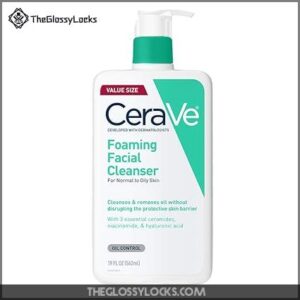
Spot treatments handle emergencies, but your teen’s skin needs a cleanser that won’t undo the work. CeraVe Foaming Facial Cleanser combines three essential ceramides with hyaluronic acid and niacinamide, lifting away oil and makeup while keeping the skin barrier intact.
It’s fragrance-free and non-comedogenic, gentle enough for daily use on face, body, or hands. For normal to oily, acne-prone skin, it’s a reliable foundation—one that won’t strip skin the way harsher washes can.
| Best For | teens with normal to oily, acne-prone skin who need a gentle daily cleanser that removes excess oil and makeup without disrupting their skin barrier. |
|---|---|
| Weight | 1.26 lbs |
| Dimensions | 2.03 x 3.52 x 8.54 in |
| Model Number | B07RJ18VMF |
| Primary Function | Cleanser |
| Usage Frequency | AM and PM |
| Skin Type Fit | Normal to oily |
| Additional Features |
|
- Gel-to-foam formula effectively lifts away oil, dirt, and makeup
- Contains three essential ceramides plus hyaluronic acid and niacinamide to support the skin barrier
- Fragrance-free and non-comedogenic, safe for daily use on face, body, and hands
- Not suitable for dry skin types
- May be too light for teens dealing with heavier or stubborn breakouts needing targeted treatment
- Lacks exfoliating or acne-fighting active ingredients, so it works best alongside a spot treatment
4. PanOxyl 4% Benzoyl Peroxide Acne Wash
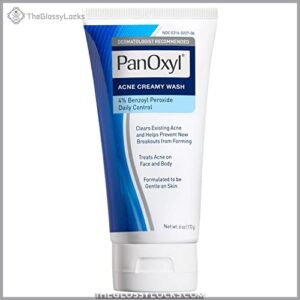
For breakouts on the chest and back—areas a facial cleanser won’t reach—PanOxyl 4% Acne Creamy Wash steps in with 4% benzoyl peroxide, working fast to reduce acne-causing bacteria.
It’s pH-balanced and creamy rather than foaming, blended with humectants like glycerin and emollients such as dimethicone to offset dryness. Gentle enough for twice-daily use, results usually show after about four weeks. Some redness or peeling can happen early on, so ease in slowly if your teen’s skin runs sensitive.
| Best For | This wash is best for those dealing with acne on hard-to-reach areas like the chest and back, especially teens or anyone needing a hydrating, non-drying daily treatment. |
|---|---|
| Weight | 6.08 oz |
| Dimensions | 2.5 x 2.25 x 7 in |
| Model Number | F27066 |
| Primary Function | Cleanser |
| Usage Frequency | Daily |
| Skin Type Fit | All types |
| Additional Features |
|
- Contains 4% benzoyl peroxide to effectively fight acne-causing bacteria
- PH-balanced, creamy formula with humectants and emollients helps prevent dryness
- Versatile enough to use on the face, chest, and back
- Results typically take about four weeks to become noticeable
- May cause redness or peeling, especially for sensitive skin
- Effectiveness can vary depending on individual skin type
5. Neutrogena Oil Free Acne Face Wash
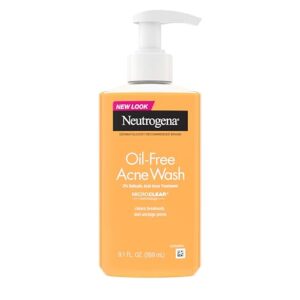
Rounding out this list is a everyday cleanser rather than a leave-on treatment: Neutrogena Oil-Free Acne Wash, formulated with 2% salicylic acid to exfoliate and unclog pores. It’s oil-free and noncomedogenic, so it won’t add to the shine oily skin already produces.
Massage a pea-sized amount onto damp skin for about 30 seconds, morning and night. Clinical testing showed a 30% reduction in lesions after two weeks—solid results for a wash-off product your teen uses anyway.
| Best For | Teens and adults with oily or acne-prone skin who want an everyday cleanser to help clear and prevent breakouts without over-drying. |
|---|---|
| Weight | 6.4 oz |
| Dimensions | 2.76 x 3.15 x 3.15 in |
| Model Number | N/A |
| Primary Function | Exfoliating pads |
| Usage Frequency | Once daily |
| Skin Type Fit | Sensitive skin |
| Additional Features |
|
- Contains salicylic acid to treat acne and unclog pores
- Oil-free, non-comedogenic formula won’t add extra shine
- Gentle enough for twice-daily use while maintaining skin’s moisture balance
- May cause dryness for some users, so a moisturizer might be needed afterward
- Not designed to remove makeup, so it works best as a standalone cleanser
- Can increase sun sensitivity, meaning daytime sunscreen is a good idea
Common Teen Acne Treatment Mistakes
Sometimes acne sticks around not because your routine is wrong, but because of a few small habits working against you. Even well-meaning steps can backfire and slow down your progress. Here are the most common mistakes to watch for.
Overwashing and Harsh Scrubbing
More washing doesn’t mean less acne. Overcleansing strips natural oils, weakens your skin barrier, and triggers dryness, redness, and stinging.
Skip harsh scrubbing—it won’t clear pores, just irritate them.
Signs you’re overdoing it:
- Tight, flaky skin
- Increased redness
- New breakouts
Stick to a gentle cleanser, lukewarm water, and fingertips—twice daily is plenty.
Combining Too Many Active Ingredients
Piling on retinoids, benzoyl peroxide, and acids at once backfires. This active ingredient overload disrupts barrier function and pH balance, causing dryness and irritation.
| Mistake | Effect | Fix |
|---|---|---|
| Retinoid + BP together | Stinging, peeling | Alternate AM/PM |
| Multiple acids | Barrier damage | Limit exfoliation |
| Layering duplicates | Redness | Simplify routine |
| Stacking new products | Irritation | Introduce one at a time |
Picking, Popping, or Squeezing Pimples
That satisfying pop? It’s a trap. Squeezing ruptures the pore wall, pushing bacteria deeper and turning one inflammatory lesion into several angry ones. Dirty hands raise infection risk, and broken skin can scar or leave dark postinflammatory hyperpigmentation for months.
Safer move: apply a hydrocolloid patch, let benzoyl peroxide work overnight, and leave stubborn spots alone. Your skin heals faster without the trauma.
Skipping Moisturizer and Sunscreen
Adapalene and benzoyl peroxide dry the skin fast. Skip moisturizer and your barrier weakens, triggering rebound oil that clogs pores.
Skip sunscreen and you’re left with lingering post-acne dark marks—and worse sun damage. Choose a noncomedogenic, fragrance-free formula if you have sensitive skin.
Both products help treatments feel tolerable, not torturous. Most teens notice calmer skin within 4–8 weeks once they stay consistent.
Stopping Treatment Too Early
Clear skin for a week doesn’t mean you’re done. Quitting adapalene or benzoyl peroxide early brings breakouts back within 1 to 3 months, often in the same spots.
Retinoids need 8-12 weeks to fully work. Switch to maintenance therapy—2-3 nights weekly—instead of stopping cold. If breakouts persist past three months, see a dermatologist.
When Teenage Acne Needs Dermatologist Care

Sometimes a solid routine just isn’t enough, and that’s okay. Certain signs mean it’s time to bring in a dermatologist instead of waiting it out. Here’s what to watch for.
Persistent Acne After Three Months
Three months is the checkpoint. If your skin hasn’t improved despite consistent use of topical retinoids and cleansing, it’s time for dermatologist consultation. They’ll evaluate treatment adherence, check for irritated skin barrier health, and consider prescription escalation—stronger retinoids, oral antibiotics, or hormonal options. Don’t wait longer; persistent comedonal acne rarely resolves on its own, and emotional impact often grows the longer breakouts linger.
Painful Nodules or Cysts
Not all breakouts are equal. Nodules feel like firm, deep lumps over 5mm wide with no visible head—squeezing won’t help. Cysts feel softer, fluctuant, and can rupture internally, draining thick material. Both signal inflammatory, nodulocystic acne, a severe form needing more than topicals. Oral isotretinoin or antibiotics often follow. Don’t try draining cysts yourself—see a dermatologist for proper, painful-lesion care.
Scarring and Dark Marks
Once nodules and cysts heal, marks often linger. Most are post-inflammatory hyperpigmentation (PIH)—flat discoloration, not true scarring—though deeper lesions can leave pitted or raised scars.
Skip the picking. Wear daily sunscreen. Ask about retinoids or azelaic acid.
- Months of hiding under makeup
- Confidence dips before every photo
- Wondering if marks are permanent
- Relief once fading finally starts
Prescription Treatments and Hormone Therapy
When topicals and time alone aren’t cutting it, dermatologists turn to prescriptions. Oral antibiotics calm inflammation short-term. Isotretinoin takes on severe, scarring acne head-on. For hormonal acne, birth control pills or spironolactone regulate oil production.
Each requires monitoring—pregnancy screening, bloodwork, follow-ups—since these aren’t quick fixes. Combined with retinoids, hormone-based therapy often brings lasting clearance when nothing else has.
Supporting Confidence and Emotional Health
Vanity isn’t the real issue here—self-worth is. Acne can chip away at a teen’s confidence long before her skin clears.
Acne isn’t a vanity problem—it’s a self-worth problem, chipping away at confidence long before skin clears
Watch for signs like:
- Avoiding photos or gatherings
- Withdrawing from friends
- Sadness lasting two weeks+
- Dropping grades
- Constant negative self-talk
Family support and open conversation matter as much as any prescription. Clearer skin often follows—and confidence usually returns first.
Frequently Asked Questions (FAQs)
What is the best treatment for teenage girl acne?
A gentle cleansing routine paired with morning benzoyl peroxide and nighttime adapalene works best for most hormonal acne. Add salicylic acid or niacinamide for stubborn spots, choose noncomedogenic products, and stay consistent to avoid acne scars.
How can a 14-year-old get rid of acne?
Think of skin like a garden: pull weeds gently, don’t yank. A 14-year-old clears acne with a gentle cleansing routine, adapalene (Differin Gel) at night, benzoyl peroxide spot treatment, noncomedogenic moisturizer, sunscreen daily, and patience—no picking.
How to treat hormonal acne in teenage girls?
Pair Differin Gel with benzoyl peroxide or salicylic acid, use noncomedogenic products, and track breakouts around your cycle. Manage stress, and ask a doctor about hormone therapy if hormonal changes keep causing stubborn flares despite consistent care.
How do I help my daughter with her acne?
Patience is a virtue: help her by understanding hormonal triggers, choosing gentle, noncomedogenic products like adapalene or benzoyl peroxide, keeping routines consistent, and supporting emotional wellbeing—breakouts affect confidence as much as skin.
What is the best thing for teenage girl acne?
For teen acne, a consistent skin care routine works best: benzoyl peroxide in the morning, adapalene at night. Both target clogged pores directly. Skip the trends—stick with proven ingredients, give it time, and results follow.
What is the best treatment for acne in girls?
No single product fixes acne—consistency does. Benzoyl peroxide or salicylic acid for spot treatment, adapalene nightly for prevention, and a gentle routine you’ll actually stick with beats any miracle serum, hormonal therapy, or trendy natural remedy alone.
What is the first line treatment for teenage acne?
For mild breakouts, benzoyl peroxide and topical retinoids like adapalene are first-line, often paired for combination therapy. Salicylic acid, tretinoin, or clindamycin may help too. Oral antibiotics aren’t first choice; isotretinoin is reserved for severe, scarring acne.
Can acne affect my period or hormones?
Acne itself won’t shift your cycle, but falling estrogen and rising androgens before your period can spike oil production. That’s hormonal acne, often along the jawline—your skin reacting to hormone levels, not controlling your period.
Is acne contagious between friends or family?
Your best friend broke out the same week you did? Pure coincidence. Acne isn’t contagious—it won’t spread through hugs or shared towels. It’s genetic and hormonal, though pillowcase and phone hygiene still help prevent breakouts.
How long until I see treatment results?
Give it 6 to 8 weeks for real change as cell turnover resets. Expect early irritation first, breakouts easing gradually. Stay consistent, don’t quit early — if nothing shifts by two months, it’s time to reassess with your dermatologist.
Conclusion
Slow and steady wins the race, and that’s exactly how clear skin happens, week after patient week.
Effective acne treatment for teenage girls isn’t about chasing one miracle product—it’s consistency, patience, and the right routine, repeated daily, that truly changes skin.
Give any regimen eight to twelve weeks before judging results.
Breakouts fade, confidence grows, and skin gradually settles into a calmer, more predictable rhythm.
Stay gentle, stay steady; clear skin rewards patience, not flawlessness.