This site is supported by our readers. We may earn a commission, at no cost to you, if you purchase through links. This content is for general informational and educational purposes only and is not a substitute for professional medical, dermatological, or nutritional advice.
I once had a client walk in with nine products in her bag and zero idea which ones actually worked together. She’d bought retinol because a friend swore by it, a scrub because her pores looked huge under bathroom lighting, and a "brightening" serum with no clue what it was supposed to brighten. Her skin was worse than before she started.
That’s the trap most beginners fall into: buying products before understanding their own skin.
Learning how to build a skin care routine from scratch starts with something far simpler than a ten-step Korean regimen. It starts with figuring out what your skin actually needs, then adding products one careful step at a time.
Table Of Contents
- Key Takeaways
- Identify Your Skin Type First
- Build Your Basic Daily Routine
- Top 5 Beginner Skin Care Products
- Add Treatments Without Irritation
- Frequently Asked Questions (FAQs)
- How do I create my own skincare routine?
- What is the 4 2 4 rule in skincare?
- What is the best skincare routine for rosacea?
- What should my skincare routine be while on accutane?
- How to start your skincare routine?
- What is a good skincare routine?
- What is a basic skincare routine?
- Why do you need a skincare routine?
- Should you have a skincare routine?
- How do you make a healthy skin care routine?
- Conclusion
Key Takeaways
- Identifying your skin type (oily, dry, combination, sensitive, or acne-prone) is the essential first step before buying any products, since guessing wastes money and can worsen irritation.
- A basic beginner routine needs just four products—cleanser, moisturizer, treatment, and SPF—applied thinnest to thickest, with sunscreen always last in the morning.
- New active ingredients like retinoids or exfoliants should be introduced one at a time, patch-tested first, and used at low frequency to avoid overwhelming and irritating the skin barrier.
- Consistency matters more than product intensity or quantity, since skin needs 2-4 weeks to show real results and thrives on a simple, steady routine rather than constant experimentation.
Identify Your Skin Type First

Every great routine starts with knowing what you’re actually working with. Guessing your skin type wastes money and, honestly, can leave your face more irritated than when you started. So let’s break down the five main types and the telltale signs that point to each one.
Oily Skin Signs
Ever notice your face looking shiny by lunchtime, even after washing it that morning? That’s excess sebum shine at work. Look for enlarged T-zone pores, clogged pore comedones (hello, blackheads), and frequent blemish outbreaks. Bonus annoyance: makeup slippage by midday. Warm, humid weather makes it worse—your skin’s basically working overtime on sebum control.
This condition is caused by overactive sebaceous glands producing too much oil.
Dry Skin Signs
On the flip side, if your face feels tight right after washing—like your skin’s stretched too far over your cheekbones—that’s classic dry skin.
- Post-wash tightness that lingers
- Flaking texture around the nose or brows
- Rough, ashy patches
- Skin fissures near the mouth or knuckles
- Redness discoloration in stubborn spots
Left alone, it triggers the itch-scratch cycle, making hydration and a good moisturizer non-negotiable.
Combination Skin Signs
Not sure if you’re oily or dry? You might have both. T-zone oiliness across your forehead, nose, and chin, paired with cheek flakiness, is classic combination skin.
Watch for enlarged pores near the nose (pore size contrast), plus mixed breakout patterns—blackheads in oily zones, dry patches elsewhere. Uneven oil production means your skincare routine needs to treat different areas differently, not one-size-fits-all.
Sensitive Skin Signs
Does your face sting or burn after trying a new product? That’s your skin talking. Sensitive skin reacts with stinging, itching, tightness, or redness to things that shouldn’t bother normal skin—weather, fragrance, even water.
Watch for: burning after cleansers, facial flushing, dryness that won’t quit. Cold wind and pollution make it worse.
Always patch test new products first (jawline, 48 hours) before your full routine.
Acne-prone Skin Signs
Ever notice breakouts popping up in the same spots, over and over? That’s acne-prone skin.
Look for blackheads and whiteheads around your nose and chin, tender red bumps (papules), or pus-filled pustules along the jawline—often hormone-related.
Skin feels oily, pores look congested, and old blemishes leave dark marks behind.
Choose noncomedogenic products to prevent future clogs.
Build Your Basic Daily Routine
Now that you know your skin type, it’s time to put that knowledge to work. A good routine doesn’t need to be complicated, just consistent and done in the right order. Here’s what your daily lineup should actually look like.
If you’re building out a facial hair routine alongside your skincare, check out this guide on growing a beard for the first time to keep both on track together.
Cleanse Morning and Night

Twice a day, cleansing sets the tone for everything else in your skincare routine. Mornings clear overnight sebum; nights lift makeup, sunscreen, and grime.
- Use lukewarm water, never hot
- Try a gentle cleanser morning and night
- Consider double cleansing if you wear makeup or SPF
- Massage gently, no scrubbing
- Pat skin dry afterward
Consistency here builds every beginner’s foundation.
Add Lightweight Hydration

Right after cleansing, while skin’s still a bit damp, pat on a lightweight hydrator. Look for hyaluronic acid or glycerin—both humectants that pull water into skin. A gel-cream texture absorbs fast, no pilling, no greasy film. Use a pea-sized amount; too much and it balls up under makeup or SPF. This step preps skin for whatever moisturizer comes next.
If you’re new to all this, a Korean skincare routine for beginners can help you figure out which humectants and textures actually work for your skin type.
Moisturize for Barrier Support
Think of moisturizer as your skin’s brick-and-mortar wall repair. It works with three players: humectants pull in water, emollients smooth rough patches, and occlusives (like petrolatum) seal it all in.
- Ceramides rebuild lipid layers
- Occlusives cut water loss
- pH-balanced formulas support enzymes
- Consistency drives real barrier repair
That’s genuine skin barrier repair, not just surface polish.
Apply SPF Every Morning

Skip this step and every "anti-aging" product you own is basically pointless.
Sunscreen goes last, after moisturizer, every single morning. Broad spectrum SPF 30+ blocks UVA and UVB rays, even under clouds.
| Mistake | Fix |
|---|---|
| Dabbing a little | Full, even layer |
| Skipping reapplication | Reapply every 2 hours outdoors |
| Applying before moisturizer | Apply it last |
Skimping shrinks your real protection—consistency is what actually prevents sun damage.
Keep Steps Beginner-friendly
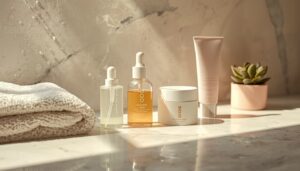
More isn’t better here—it’s just more likely to backfire. A simple skincare routine for beginners means four products, max: cleanser, moisturizer, SPF, and one treatment.
Apply thinnest to thickest to avoid pilling (that annoying eraser-shaving effect). Patch test new products for 24-48 hours first. Consistency over intensity wins every time—give products 2-4 weeks before judging results, and stop immediately if irritation shows up.
Top 5 Beginner Skin Care Products
Standing in the skincare aisle can feel overwhelming, with a hundred products all promising the same thing. You don’t need a fancy routine or a ten-step regimen to get started, just a handful of reliable basics that actually work. Here are five beginner-friendly picks worth adding to your shelf.
Bioderma Sensibio O Micellar Water
Bioderma Sensibio O Micellar Water is a gentle, no-rinse cleanser built for reactive skin. Its micellar technology lifts makeup and grime without rubbing, while prebiotic ingredients support your microbiome. Fragrance-free and dermatologist-tested, it’s a solid first step for any beginner’s simple skincare routine—splash it on a cotton pad, sweep gently, done.
1. Cliganic organic cotton makeup remover pads
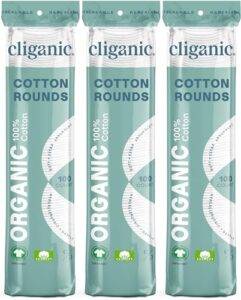
Cliganic organic cotton makeup remover pads are the workhorse you pair with that micellar water. Made from 100% organic cotton, they’re lint-free, so no stray fibers stuck to your cheek mid-routine.
At 300 pads a pack, you won’t run out mid-month. They’re hypoallergenic, fragrance-free, and gentle enough for eye makeup removal without tugging. Bonus: cruelty-free and vegan, so your routine stays kind on the way in and the way out.
| Best For | Anyone with sensitive or acne-prone skin who wants a gentle, eco-friendly way to remove makeup without irritation. |
|---|---|
| Fragrance-Free | Yes |
| Skin Type | Sensitive skin |
| Format | Micellar water |
| Primary Use | Makeup removal |
| Dermatologist Tested | Not specified |
| Travel Friendly | Compact size |
| Additional Features |
|
- Certified organic, hypoallergenic cotton that’s gentle on delicate skin
- Lint-free construction means no annoying fibers left behind
- Cruelty-free and vegan, plus a generous 300-count supply
- Single-use only, so pads can’t be reused or washed
- Packaging design may vary between orders
- Compact size may require multiple pads for larger areas
2. CeraVe Cleansing Balm Makeup Remover
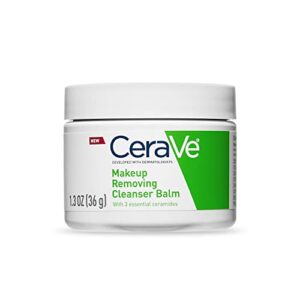
If waterproof mascara laughs at your micellar water, reach for CeraVe Cleansing Balm instead. It melts on contact, dissolving stubborn makeup without that greasy after-feel.
Formulated with three ceramides (NP, AP, EOP) plus jojoba oil, it cleanses while actually supporting your skin barrier, not stripping it. Fragrance-free, soap-free, and gentle enough for sensitive skin.
Massage onto dry skin first, then add water to emulsify. Works morning or night, and pairs well if you’re building toward double cleansing later.
| Best For | Anyone who wears waterproof makeup or mascara and wants a gentle, effective way to melt it off without stripping or irritating their skin, including those with sensitive, dry, oily, or acne-prone skin types. |
|---|---|
| Fragrance-Free | Yes |
| Skin Type | Delicate skin |
| Format | Cotton rounds |
| Primary Use | Makeup removal |
| Dermatologist Tested | Not specified |
| Travel Friendly | Compact packs |
| Additional Features |
|
- Dissolves stubborn waterproof makeup, mascara, dirt, and oil without leaving a greasy residue
- Formulated with three essential ceramides and jojoba oil to cleanse while supporting the skin barrier
- Fragrance-free, paraben-free, alcohol-free, and non-comedogenic, making it suitable for all skin types
- Small size may mean you’ll need to repurchase it more often
- Designed only for facial cleansing and makeup removal, not a multi-purpose product
- May require an extra cleansing step (emulsifying with water) that some users find less convenient than a single-step remover
3. Vanicream Gentle Facial Cleanser
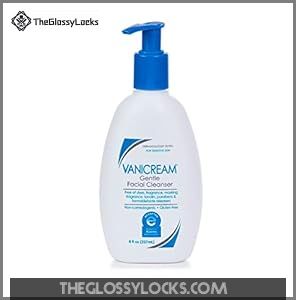
Once your makeup’s off, you need a cleanser you can trust every single day, without wondering if it’s quietly wrecking your skin barrier.
Vanicream Gentle Facial Cleanser fits that job perfectly. It’s soap-free and sulfate-free, using mild surfactants that clean without stripping natural oils, and it’s fragrance, dye, and paraben-free too.
It’s National Eczema Association accepted, so if your skin barrier is compromised or reactive, this is about as low-risk as cleansing gets. Pump dispenser, 8 fl oz, no drama.
| Best For | People with dry or sensitive skin, including those managing eczema, who want a gentle daily cleanser that won’t disrupt their skin barrier. |
|---|---|
| Fragrance-Free | Yes |
| Skin Type | All skin types |
| Format | Cleansing balm/oil |
| Primary Use | Makeup removal |
| Dermatologist Tested | Yes |
| Travel Friendly | Compact size |
| Additional Features |
|
- Gentle, pH-balanced formula free of soap, sulfates, dyes, and parabens
- Non-comedogenic and dermatologist-tested, with National Eczema Association acceptance
- Effectively removes makeup, dirt, and excess oil without leaving skin tight or stripped
- Moisturizer must be purchased separately for optimal results
- Scent can vary slightly from batch to batch
- Packaging design may change over time
4. PanOxyl 4% Benzoyl Peroxide Acne Wash
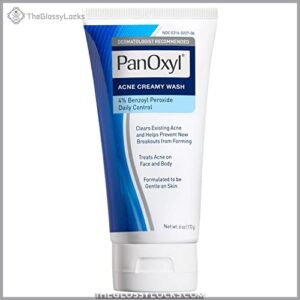
Dealing with breakouts changes the game a bit, and that’s where PanOxyl 4% steps in.
This creamy wash uses 4% benzoyl peroxide to kill acne-causing bacteria while cleansing your face, chest, or back. It’s pH balanced and packed with humectants like glycerin, so you get acne control without that tight, stripped feeling.
If you’re prone to breakouts along your hairline, it’s worth checking whether your hair products are causing breakouts before doubling up on this cleanser.
Daily use is key here, think of it as consistent maintenance, not a one-time fix. Mild to moderate breakouts respond well, though results vary by skin type.
| Best For | People with mild to moderate acne on the face, chest, or back who want a daily wash that treats breakouts without drying out their skin. |
|---|---|
| Fragrance-Free | No |
| Skin Type | Sensitive/dry skin |
| Format | Facial wash |
| Primary Use | Daily cleansing |
| Dermatologist Tested | Yes |
| Travel Friendly | Standard size |
| Additional Features |
|
- Contains 4% benzoyl peroxide to actively kill acne-causing bacteria
- PH balanced formula with humectants and emollients helps prevent dryness and tightness
- Versatile enough to use on face, chest, and back
- Daily use is required to maintain results, so it’s not a quick fix
- Results can vary depending on individual skin type
- Benzoyl peroxide formulas can be drying or irritating for some sensitive skin types
Add Treatments Without Irritation

Once your basics feel solid, you might be tempted to add actives like retinoids or acids into the mix. That’s where things can go sideways if you rush it, and irritation shows up fast. Here’s how to bring in treatments the smart way, without wrecking your skin barrier.
Introduce One Active Slowly
Slow and steady wins the skincare game. When you’re building a skincare routine from scratch, resist the urge to add everything at once.
Slow and steady wins the skincare game—resist the urge to add every active at once
- Avoiding a red, angry face
- Sidestepping weeks of setbacks
- Building real skin confidence
- Protecting your barrier long-term
- Actually seeing results stick
Introduce one active at a time, patch test first, start low-frequency, use a small amount, and skip other irritants meanwhile. Monitor your skin’s response before adding more.
Use Retinoids at Night
Ever wonder why every retinoid label whispers "PM only"? UV rays break it down fast, so nighttime is non-negotiable. Bonus: skin shifts into repair mode after dark, matching retinoid’s collagen-boosting job.
Start small: pea-sized amount, two nights weekly. Try the retinoid sandwich method—moisturizer, retinoid, moisturizer—to buffer irritation. Come morning, SPF 30+ isn’t optional; it’s your skin’s insurance policy.
Try Exfoliants Weekly
Dead skin cells make your face look dull, like a window that needs a wipe. Exfoliation clears them away for smoother texture.
Skip harsh scrubs—try chemical exfoliants like salicylic or lactic acid instead. Sensitive skin: once weekly. Normal/oily: two to three times.
Apply to dry skin, evening only. Watch for irritation—redness or stinging means back off. Always follow with moisturizer and morning sunscreen.
Avoid Over-layering Actives
More isn’t always better—your skin isn’t a science experiment. Stacking too many actives at once raises irritation risk and causes product pilling (that annoying rolling texture).
Pick one goal per routine. Pair actives strategically: Vitamin C in the morning, retinoids at night. This protects your skin barrier and keeps skincare for beginners simple, safe, and genuinely effective—no guesswork required.
Frequently Asked Questions (FAQs)
How do I create my own skincare routine?
Rome wasn’t built in a day—and neither is great skin. Start by identifying your skin type, then layer products thinnest to thickest: cleanser, hydration, moisturizer, SPF. Patch test new additions, and keep it simple while your skin adjusts.
A gentle, non-stripping formula—like those highlighted in these natural anti-aging skincare tips for men—makes the perfect starting point for any skin type.
What is the 4 2 4 rule in skincare?
The 4 2 4 rule breaks double cleansing into timed stages: 4 minutes massaging oil cleanser, 2 minutes with a water-based cleanser, then 4 minutes rinsing warm-to-cold—a deep cleansing ritual for better hydration, clarity, and product absorption.
Since factors like sweat, humidity, and daily buildup vary so much, it helps to check how often you should really be cleansing your face before committing to a strict twice-daily ritual.
What is the best skincare routine for rosacea?
Like walking a tightrope, rosacea skin needs balance: a gentle cleanser, fragrance-free moisturizer on damp skin, azelaic acid for treatment, and mineral sunscreen daily. This gentle, consistent skincare routine helps control flare-ups while respecting your skin’s sensitivity.
What should my skincare routine be while on accutane?
Accutane calls for a gentle, non-stripping cleanser with lukewarm water, a humectant-rich moisturizer for barrier support, diligent lip balm use, and daily SPF 30+—your skin’s sensitivity to sun and dryness spikes a lot during treatment.
How to start your skincare routine?
Start simple: identify your skin type, then cleanse morning and night. Layer thinnest-to-thickest, moisturize for barrier health, and always finish with SPF. Patch test new products first—your skin barrier will thank you.
What is a good skincare routine?
A good skincare routine keeps it simple: cleanse, treat, moisturize, protect.
Morning focuses on lightweight hydration and SPF; evening allows double cleansing and treatment.
Layer thinnest to thickest, prioritize consistency over intensity, and let your skin type guide product choices.
What is a basic skincare routine?
Think of it as three simple steps: cleanse, hydrate, protect. Morning routines add sunscreen; evening skips it. Use lukewarm water, apply thinnest products first, and keep things beginner-friendly—your skin type guides everything else.
Why do you need a skincare routine?
Doing less now means fixing more later — that’s the paradox. A daily routine protects your skin barrier, defends against UV and pollution, and works with your 28-day cell turnover cycle for real, cumulative results over time.
Should you have a skincare routine?
Yes—consistency beats intensity every time. A simple daily routine builds long-term skin health, prevents future damage, and turns personal grooming into an easy habit rather than a chore you dread.
How do you make a healthy skin care routine?
Start by knowing your skin type, then layer products thinnest to thickest: cleanser, damp-skin serums, moisturizer, SPF in the morning. Evening routines add double cleansing. Match ingredients to your skin’s needs, and always check compatibility before combining actives.
Conclusion
Your skin doesn’t need a personality overhaul; it just needs consistency. That client with nine products? She now uses four, and her face finally thanks her.
That’s really how to build a skin care routine from scratch: start simple, add slowly, and let your skin tell you what’s working. Trends fade, but a clean, gentle routine holds up. Master the basics first. Everything else is just extra credit.